

OBD-II Code C1225: A Comprehensive Guide to Causes, Diagnosis, and Repair
The Ultimate Resource for Understanding, Diagnosing, and Fixing Fault Code C1225
- Always read live wheel speed data before buying parts; a speed variance of over 10 mph on the left front wheel definitively isolates the fault.
- On General Motors vehicles, C1225 almost exclusively indicates a failed left front wheel hub assembly, requiring a $250 to $550 replacement.
- For BMW and Hyundai models, inspect the CV axle's reluctor ring for rust and cracking before replacing the $100 wheel speed sensor.
- Do not drive in wet or icy conditions with a C1225 code, as the disabled Anti-lock Braking System increases stopping distances during panic stops.
What Does C1225 Mean?

C1225 is a manufacturer-specific chassis code indicating a brake control system fault. For General Motors and Ford, it means 'Left Front Excessive Wheel Speed Variation,' signaling an erratic left front wheel speed sensor reading. For Toyota or Mitsubishi, it indicates entirely different failures, such as a lighting circuit short or an internal ABS actuator malfunction.
Technical definition: The SAE/OBD-II definition of C1225 depends on the automaker. Common definitions include 'Left Front Excessive Wheel Speed Variation' (GM), 'Lamp Brake Warning Output Circuit Short To Battery' (Ford), 'ABS & TRAC Actuator Solenoid Circuit' (Toyota), or 'Wheel speed sensor malfunction' (Mitsubishi). Always use a scanner that provides the manufacturer-specific definition.
Can I Drive With C1225?
Yes, But With Caution. Yes, but with caution. Your primary hydraulic brakes function normally, but critical safety systems like the Anti-lock Braking System (ABS) and Traction Control are disabled. In a panic stop or on slippery surfaces, your wheels will lock up, increasing stopping distance and causing a loss of steering control. On hybrids like the Chevy Volt, this fault disables regenerative braking.
🎬 Watch: How to fix a C1225 code on a Chevy VoltCommon Causes

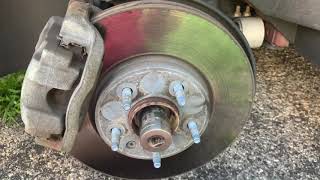
- Failing Wheel Hub Bearing Assembly (Very Common) — On modern vehicles (especially GM), the magnetic encoder ring is integrated into the wheel hub bearing. As the bearing wears, excessive play increases the air gap between the encoder and the sensor. A hard pothole impact also fractures this fragile magnetic ring.
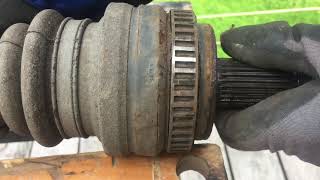
- Cracked or Corroded Reluctor/Tone Ring (Very Common) — On many vehicles (BMW, Hyundai, Kia), a toothed or magnetic ring is pressed onto the CV axle. Rust builds up underneath, causing the ring to swell and crack, which creates an inconsistent signal for the sensor to read. 🎬 See how to replace a damaged ABS reluctor ring
- Faulty Wheel Speed Sensor (Very Common) — The sensor measuring the rotational speed of the left front wheel fails electronically, sending erratic data or no data at all to the ABS control module.
- Damaged or Corroded Wiring/Harness (Common) — The wiring connecting the wheel speed sensor to the control module is exposed to the elements. Road debris, moisture intrusion, or constant suspension flexing causes shorts or open circuits.
- Faulty ABS or Body Control Module (BCM) (Less Common) — The control module itself fails. This is the primary cause when the code definition is 'Circuit Short to Battery,' as an internal transistor fails in the 'on' state.
- Mismatched Tire Sizes (Rare) — Having significantly different tire sizes causes the wheels to rotate at different speeds. The ABS module interprets this as a fault. For Mitsubishi, a speed difference of 20% triggers the code.
- Incorrect Axle Nut Torque (Rare) — Failing to tighten the axle nut to the manufacturer's specified torque after replacing a wheel hub allows excessive play to develop prematurely, causing an erratic wheel speed signal.
Symptoms

- Dashboard Warning Lights Illuminated — The Anti-lock Braking System (ABS), Traction Control, and Stability Control warning lights illuminate simultaneously. If the fault involves a circuit short or ABS hydraulic unit failure, the red 'BRAKE' warning light also stays on.
- ABS Activates Incorrectly at Low Speeds — A classic sign of a failing wheel speed sensor or damaged tone ring is feeling the brake pedal pulse or hearing the ABS pump run just before coming to a stop in dry conditions.
- Grinding or Clicking Noise from Wheel Area — A failing wheel bearing produces a grinding or humming noise that changes with vehicle speed. A cracked reluctor ring makes a clicking sound as it strikes the wheel speed sensor.
- Regenerative Braking Disabled — On hybrid and electric vehicles like the Chevrolet Volt, an ABS fault disables the regenerative braking system, resulting in a noticeable change in braking feel and reduced energy recovery.
Diagnostic Flowchart

Tap your situation to follow the diagnostic path that matches what you're seeing on this code.
Common Fixes & Costs
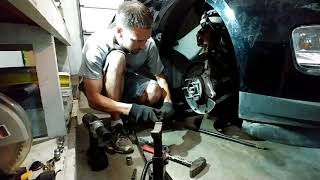
- Replace the Left Front Wheel Hub Bearing Assembly — Parts: $100-$250, Labor: $150-$300, ~1.5 hr book time (Intermediate)
- Replace the Left Front Wheel Speed Sensor — Parts: $30-$100, Labor: $90-$150, ~1 hr book time (DIY)
- Replace CV Axle Shaft or Reluctor Ring — Parts: $20-$150, Labor: $200-$400, ~3 hr book time (Advanced)
- Repair Damaged Wiring or Connector — Parts: $10-$50, Labor: $120-$250, ~2 hr book time (Intermediate)
- Replace the ABS or Body Control Module — Parts: $200-$1200, Labor: $150-$350, ~2.5 hr book time (Professional)
- Replace Toyota ABS Actuator Assembly — Parts: $350-$2500, Labor: $300-$600, ~4 hr book time (Professional)
DIY vs Professional
- Replace Wheel Hub Assembly — Beginner: no
Tools: Heavy-duty tools: large breaker bar, high-torque impact wrench, large axle nut socket, torque wrench capable of high values, hub puller. - Replace Wheel Speed Sensor — Beginner: yes
Tools: Socket set, jack and stands, pliers, torque wrench. - Replace Reluctor Ring — Beginner: no
Tools: Full suspension disassembly tools, E-Torx sockets, large 12-point socket for axle nut, pullers, press or hammer for ring installation. - Repair Wiring Harness — Beginner: no
Tools: Multimeter, wire strippers, soldering iron or quality crimp connectors, heat shrink tubing. - Replace ABS/BCM Module — Beginner: no
Tools: Socket set, trim removal tools. Requires access to manufacturer-specific diagnostic software and a J2534 pass-thru device for programming.
Used vs. New Parts: Buying Guide
When a used part is worth it: For expensive electronic modules like the ABS controller or a Toyota Actuator Assembly, a tested, warrantied used part from a reputable dismantler offers significant savings.
Donor-vehicle mileage cap: roughly under 75000 miles for the part to have meaningful remaining life.
Donor quality checklist:
- For ABS modules, ensure the part number matches exactly and inquire about VIN programming requirements.
- For hub assemblies, avoid parts from high-mileage vehicles or regions with heavy road salt use.
- Seek a warranty of at least 90 days on any used electronic or mechanical part.
Decision logic:
- If The part is a simple wheel speed sensor → buy new — the low cost and high exposure to elements make used sensors a poor value.
- If The part is a wheel hub assembly and the vehicle is a daily driver → buy a quality new aftermarket or OEM part. The labor to replace it is significant.
- If The part is an expensive ABS module/actuator (> $800 new) and the budget is tight → a tested used part or a professional rebuild service for your original module are viable options.
Warranty tradeoff: Used parts typically offer a 30-90 day warranty. New aftermarket parts come with a 1-3 year warranty. New OEM parts carry a 1-year warranty.
Worst-case if a used part fails: $300-$600 if a used part fails after installation, primarily due to the cost of repeating the labor.
What Happens If You Wait — Timeline
- 0-1 month: ABS/Traction Control lights illuminate. Code C1225 is stored. The fault is intermittent at first, especially in wet conditions. Safety systems are disabled. (MPG impact: 0%% · Added cost: $0)
- 1-4 months: If the cause is a failing wheel bearing, a faint humming or grinding noise begins. The bearing wear creates slight play, causing the signal to drop out consistently at low speeds. (MPG impact: 0-1%% · Added cost: $0-$50 (in potential uneven tire wear))
- 4-8 months: The wheel bearing noise becomes a constant growl. Excessive play causes uneven tire wear and vibrations in the steering wheel. The cost of not fixing now includes a new tire and alignment. (MPG impact: 1-3%% · Added cost: $250-$600 (cost of a new hub + new tire + alignment))
- 8+ months: Catastrophic bearing failure is imminent. The bearing seizes or breaks apart, causing severe heat that damages the wheel hub and steering knuckle. The wheel can detach from the vehicle. (MPG impact: 5%+% · Added cost: $1500-$4000+ (cost to replace bearing, hub, knuckle, potentially CV axle, and tow))
Cost of Not Fixing It
- Immediate: Loss of ABS, traction control, and stability control. Increased risk of skidding and loss of control in emergency braking. Disabled regenerative braking on EV/Hybrids. (Added cost: 0)
- 1-6 months: If the cause is a bad wheel bearing, continued driving leads to increased noise, vibration, and uneven tire wear. This adds the cost of a new tire and alignment check. (Added cost: $200-$500)
- 6+ months: Catastrophic failure of a severely worn wheel bearing causes the wheel to wobble excessively or seize, damaging the hub, knuckle, and CV axle. The wheel could detach from the vehicle. (Added cost: $1500-$5000+)
Diagnosis Steps
- Retrieve All Fault Codes
Use an OBD-II scanner capable of reading Chassis (C-prefix) codes. Note the specific definition for C1225. Check for related codes like C0035 (generic wheel speed sensor circuit) or C1232 (GM-specific circuit fault) to pinpoint the issue.
Tools: OBD-II Scanner with ABS/Chassis capability (Beginner) - Graph Live Wheel Speed Sensor Data
Use your scanner's live data function to view the speed of all four wheels simultaneously while driving slowly. The faulty wheel shows a speed of 0 mph, drops out intermittently, or is erratic compared to the other three. This definitively confirms which corner has the problem.
Tools: Advanced OBD-II Scanner with Live Data (Intermediate) - Visually Inspect the Sensor, Wiring, and Tone Ring
Safely raise the vehicle and remove the suspect wheel. Inspect the wheel speed sensor for physical damage. Follow its wiring harness, looking for breaks, chafing, or corrosion. Examine the tone ring for cracks, missing teeth, or heavy rust buildup.
Tools: Jack, Jack Stands, Flashlight (Beginner) - Check for Wheel Bearing Play
Grasp the elevated wheel at the 12 and 6 o'clock positions and attempt to rock it back and forth. Any perceptible play or clunking indicates a worn wheel bearing, a primary cause of the code on vehicles with integrated encoder rings.
Tools: Jack, Jack Stands (Intermediate) - Test Sensor Voltage and Signal
For active sensors, back-probe the signal wire with a multimeter set to DC volts. As you rotate the wheel, voltage toggles between two distinct levels (e.g., 0.8V and 1.6V). An oscilloscope is best, showing a clean square wave. A missing or noisy waveform points to a bad sensor or damaged encoder ring.
Tools: Multimeter or Oscilloscope, Back-probe kit, Jack, Jack Stands (Advanced) - Check Sensor Air Gap
Use a non-magnetic feeler gauge to measure the distance between the sensor tip and the tone ring. The gap should typically be between 0.016 and 0.050 inches (0.4 to 1.3 mm). Corrosion under the sensor's mounting point lifts it, increasing the gap and weakening the signal.
Tools: Feeler Gauge (non-magnetic), Jack, Jack Stands (Advanced) - Test Toyota Actuator Solenoid Resistance
If diagnosing a Toyota with an 'Actuator Solenoid Circuit' definition, disconnect the actuator connector and measure resistance between the specified pins. For a 1998-2002 Land Cruiser, solenoids read between 3.5-7.45 Ω depending on the pin. An open or shorted reading confirms a failed actuator.
Tools: Multimeter, Vehicle-specific service manual (Advanced) - Inspect Control Module and Connectors
If wheel-end components check out, locate the ABS/BCM module. Disconnect its main electrical connector (with the battery disconnected) and inspect for corrosion, moisture, or bent pins. Poor connections at the module mimic a sensor fault.
Tools: Socket set, screwdrivers (Intermediate)
When This Code Triggers (Freeze-Frame Conditions)
- Vehicle Speed: 5-25 mph (The code sets at low speeds, especially during braking, when signal dropout from a bad bearing or cracked ring is most pronounced.)
- Brake Pedal Status: Applied (Triggers during low-speed braking, causing false ABS activation just before a stop.)
- Wheel Speed LF: Erratic or 0 mph (The faulty wheel's speed reading drops out or differs significantly from the other three wheels.)
Related Codes
- C0035 — The generic SAE code for 'Left Front Wheel Speed Sensor Circuit'. Seeing C0035 confirms the problem is in the LF wheel speed sensor circuit. C1225 provides more detail, such as 'Excessive Variation'.
- C1232 — A GM-specific code for 'Left Front Wheel Speed Circuit Open or Shorted'. Having both C1225 and C1232 strongly points to an electrical failure like a broken wire or dead sensor.
- C1226 — The identical fault ('Excessive Wheel Speed Variation') but for the Right Front wheel. Seeing C1225 and not C1226 confirms the problem is isolated to the left side.
- C1221 — A GM code for 'Left Front Wheel Speed Sensor Input Signal is 0'. This indicates a complete loss of signal, whereas C1225 indicates the signal is present but erratic.
Climate & Environmental Factors
- Corrosion / Road Salt: Road salt and moisture accelerate corrosion. Rust builds up under press-fit steel reluctor rings, causing them to expand, crack, and hit the sensor. Corrosion also forms under the sensor's mounting flange, increasing the air gap and weakening the signal.
- Humidity / Water Intrusion: High humidity or driving through deep water introduces moisture into cracks in the sensor wiring harness or poorly sealed connectors. This causes intermittent shorts to ground, leading to erratic signals.
How to Talk to a Mechanic About This Code
Say this: "I have an ABS light on and my scanner is showing a C1225 code. I'd like to schedule a diagnostic. Please make sure to check the live data from all four wheel speed sensors and perform a visual inspection of the left front sensor, wiring, and the hub's tone ring before recommending a repair."
This signals that you understand the common failure points and want a proper diagnosis. It directs the mechanic to differentiate between a bad sensor, a wiring issue, or a failed hub/tone ring.
Avoid saying:
- 'My ABS light is on, can you fix it?'
- 'I think I just need a new wheel speed sensor.'
- 'Just do whatever you think is best.'
Questions to ask before authorizing the repair:
- Did you graph the live data from all four wheel speed sensors? Can you show me the printout of the left front wheel's reading compared to the others?
- What did the visual inspection of the tone ring or magnetic encoder show? Did you see any cracks, rust, or damage?
- If you are recommending a hub replacement, what is the warranty on the part and your labor?
- For a Toyota/Lexus with an actuator code: Did you test the solenoid resistance at the module connector to confirm the failure is internal to the actuator assembly?
Where to Take It: Dealer vs Independent vs Chain
- Dealer:
Best for: Vehicles under warranty., Complex manufacturer-specific versions of the code (e.g., Toyota ABS actuator failure)., If an independent shop has already failed to fix the issue.
Downsides: Highest labor rates., Recommends expensive assembly replacements when a smaller component fix is possible. (Typical cost: +50% vs. baseline) - Independent Shop:
Best fit for most C1225 scenarios. This is a very common repair, and a reputable independent shop provides a correct diagnosis and quality repair at a fair price.
Best for: Out-of-warranty vehicles with common C1225 faults (e.g., GM wheel hub, BMW reluctor ring)., Getting a second opinion on a high dealer quote.
Downsides: Shop quality and diagnostic tool capability vary. Ensure they have a scanner that reads ABS live data. (Typical cost: +0% vs. baseline) - Chain Shop:
Use with caution. Risky for initial diagnosis due to the high chance of misdiagnosing a bad hub as a bad sensor.
Best for: Simple, pre-diagnosed repairs like a sensor swap if you are certain that is the issue.
Downsides: High pressure for upselling and a business model that encourages unnecessary repairs., Technician skill is inconsistent; they are rarely equipped for in-depth electrical or hub-level diagnosis. (Typical cost: -10% vs. baseline)
When to Walk Away From the Repair
If the estimated repair cost exceeds 50% of the car's current private-party value, you should seriously consider replacing the vehicle instead of repairing it.
- Car worth $5000, fix is $650: Fix it. A typical wheel hub replacement is well below the 50% threshold and restores a critical safety system.
- Car worth $4000, fix is $2800: Walk away. A $2800 quote for a Toyota ABS actuator on a $4000 vehicle is not a sound investment. The repair cost is 70% of the car's value.
- Car worth $15000, fix is $1200: Fix it. Even a more complex repair like an ABS module replacement is only 8% of the vehicle's value.
What Scan Tool You Need for This Code
Minimum: An OBD-II scanner that reads and clears Anti-lock Brake System (ABS) codes and displays live sensor data.
A basic $20 engine code reader cannot communicate with the ABS module and will not see the C1225 code. An ABS code reader without live data won't let you perform the key diagnostic step: watching the wheel speed sensor data in real-time to see the fault happen.
Budget: Autel AutoLink AL619 / ML629 (~$90) — Reads and clears engine, ABS, and SRS codes. It displays live data, which is the essential feature needed to watch the wheel speed sensor readings and confirm which wheel is faulting before you spend money on parts.
Mid-range: BlueDriver Pro (~$100) — This Bluetooth dongle pairs with a smartphone app to provide robust diagnostics. It reads/clears ABS codes and offers excellent live graphing of sensor data, making it very easy to spot the erratic signal from the bad wheel.
Professional: Foxwell NT630 Plus / Autel MK808 (~$150-500) — These handheld or tablet-based scanners offer wider vehicle coverage and advanced functions. For C1225, their main advantage is faster processing and better graphing capabilities.
Rent vs buy: Many auto parts stores have a loaner tool program. Check if their loaner scanners are capable of reading ABS codes and live data. If so, this is the most cost-effective option for a one-time diagnosis.
How to Clear the Code After You Fix It
- Use an OBD-II scan tool with ABS capability to erase the C1225 fault code.
- Perform a short test drive, including a few turns and stops, to allow the ABS module to verify the repair.
- Re-scan the system to confirm the code has not returned.
Drive cycle (~5 minutes): After clearing the code, drive the vehicle above 15 mph for at least 30 seconds. The ABS light extinguishes if the repair was successful.
Readiness monitors affected: None
Watch out for:
- Disconnecting the battery will not clear a hard-coded ABS fault; a scanner is required.
- The code returns within the first few hundred feet of driving if the underlying mechanical or electrical fault has not been fixed.
Will This Fail Emissions / State Inspection?
Yes — this code typically fails an OBD-II emissions inspection.
- California: An illuminated ABS light causes a failure of the required Vehicle Safety Systems Inspection for revived salvage vehicles. For a standard biennial smog check, it is not a cause for failure.
- New York: An illuminated ABS warning light is grounds for failure of the annual safety inspection.
- Texas: An illuminated ABS warning light will NOT cause a failure of the annual safety inspection, as long as the standard service brakes are working properly. An illuminated red 'BRAKE' warning light results in failure.
Most Commonly Affected Vehicles
- Chevrolet Volt (2011-2015) — Extremely common issue due to the magnetic encoder ring on the front wheel hub assembly failing. Hitting a pothole fractures the ring. This fault disables regenerative braking.
- Chevrolet Malibu / Impala (2000-2012) — Frequently experiences C1225 and C1232 due to failing wheel hub assemblies and damaged sensor wiring pigtails.
- Chevrolet Corvette (C5) (1997-2004) — Triggered by a damaged wheel speed sensor jumper harness that fatigues from suspension movement. The Electronic Brake Control Module (EBCM) itself also fails.
- Toyota Land Cruiser / Lexus LX470 (1998-2002) — C1225 points to 'ABS & TRAC Actuator Solenoid Circuit,' a serious internal fault requiring replacement of the entire brake master cylinder/actuator assembly.
- Ford Explorer (2002-2010) — A failed wheel speed sensor integrated with the hub is a common cause. On 4WD models, metal debris from failing differential bearings collects on the rear sensor.
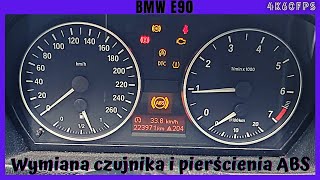
- BMW 3-Series (E90/E91/E92) (2005-2013) — A very common failure is the rear ABS reluctor ring pressed onto the driveshaft. Rust builds underneath, causing the ring to swell and crack.
- Hyundai / Kia Santa Fe, Sorento, Tucson (2010-2017) — These vehicles suffer from a cracked or corroded ABS tone ring on the CV axle. Rust expands under the ring, breaking it and causing an incorrect signal.
- Toyota Prius (2004-2009) — Related codes like C1256 and C1391 point to the failure of the brake actuator assembly, a well-known and expensive issue on these models.
Manufacturer-Specific Notes
- General Motors (Chevrolet, GMC, Cadillac): C1225 almost always means 'Left Front Excessive Wheel Speed Variation'. The cause is overwhelmingly a bad wheel hub assembly with an integrated magnetic encoder ring, or the sensor's wiring pigtail.
- Toyota / Lexus: On some models, C1225 points to a 'Daytime Running Lamp Control Circuit' short. On others, like the Land Cruiser, it indicates a severe 'ABS & TRAC Actuator Solenoid Circuit' failure within the ABS hydraulic unit.
- Ford: While often relating to the wheel speed sensor signal, some Ford definitions point to a 'Lamp Brake Warning Output Circuit Short To Battery', requiring diagnosis of the ABS module's output to the instrument cluster.
- BMW: On rear-wheel-drive models like the E90 3-Series, the most common cause is the separate ABS reluctor ring pressed onto the rear driveshaft. Rust causes it to crack and expand, creating a bad signal.
- Mitsubishi: C1225 sets for 'abnormality in tyre size'. The system flags a fault if the rotational speed difference between the front and rear axles is greater than 20%, often caused by mismatched tires.
Real Owner Stories
2014 Chevy Volt with C1225
ABS and Traction Control lights appeared on the dash. A scan revealed code C1225 for 'left front excessive wheel speed variation'. Regenerative braking was disabled.
What they tried:
- Replaced the left front wheel speed sensor for $30. The code returned immediately.
- Replaced the entire left front wheel hub assembly.
Outcome: Upon removing the old hub, the magnetic encoder ring on the back was found to be physically cracked. Installing a new hub assembly resolved the issue.
Lesson: On a Chevy Volt, C1225 is almost always caused by a failed wheel hub assembly, not the sensor itself. Inspect the hub's encoder ring for cracks.
1998 Toyota Land Cruiser with C1225
ABS light came on, and a dealer diagnosed code C1225 as an 'Open or short circuit in hydraulic brake booster solenoid circuit'.
What they tried:
- The dealer quoted nearly $3000 for a new brake master cylinder/actuator assembly.
- The owner researched online and found a used 'Skid Control Actuator' from a parts specialist for $350.
Outcome: By replacing just the actuator portion of the assembly, they fixed the problem for a fraction of the dealer's quoted price.
Lesson: For Toyota/Lexus vehicles, C1225 indicates a very expensive actuator failure. Investigate sourcing a warrantied used or rebuilt actuator assembly to save thousands.
BMW E90 with ABS/DSC lights
A BMW technician noted older BMWs coming in with ABS, DSC, and 4x4 lights.
What they tried:
- Initial diagnosis pointed to a faulty wheel speed sensor, as the sensor tip was destroyed.
- Replacing the sensor was a temporary fix; the new sensor failed quickly.
Outcome: The true cause was rust building up under the rear ABS reluctor ring, causing it to expand, crack, and scrape against the sensor. The correct repair is replacing both the damaged reluctor ring and the wheel speed sensor simultaneously.
Lesson: On many BMW models, the reluctor ring is the primary failure point due to rust. Replacing only the sensor is a misdiagnosis that leads to repeat repairs.
How to Prevent This Code From Triggering
- Periodically Clean Sensor Mounting Surfaces and Tone Rings (Whenever brakes or tires are serviced) — In rust-prone areas, remove the wheel speed sensor and clean corrosion from its mounting surface to maintain the correct air gap. Use a brush to remove debris from the teeth of the tone ring.
- Apply Corrosion Inhibitor to Exposed Rings and Axles (During installation of new parts) — When replacing a press-on reluctor ring, clean the CV axle surface thoroughly and apply a rust-inhibiting paint or weld-through primer before pressing the new ring on. This prevents rust from splitting the new ring.
- Protect Wiring Harnesses (During under-vehicle inspection) — Visually inspect the wheel speed sensor harnesses for proper routing. Ensure they are not rubbing against suspension components. Applying dielectric grease to connectors prevents moisture intrusion.
- Address Wheel Bearing Noise Immediately (As needed) — A humming or grinding noise is the first sign of bearing failure. Ignoring it allows excessive play to develop, triggering ABS codes and leading to catastrophic failure.
- Perform Regular Brake Fluid Flushes (Every 2-3 years, or per manufacturer recommendation) — Brake fluid absorbs moisture over time. This moisture causes internal corrosion in the expensive ABS hydraulic actuator and control module, leading to solenoid circuit faults.
Frequently Asked Questions
Can I fix the C1225 code myself?
For a DIYer with some experience, replacing a wheel speed sensor or bolt-on wheel hub assembly is manageable. Diagnosing wiring shorts or replacing control modules requires advanced skills and an oscilloscope. Always use a torque wrench for the axle nut to prevent premature bearing failure.
Will clearing the code make it go away?
No. Clearing the code only turns the light off temporarily. The control module detects the hard-coded fault as soon as the wheels turn, triggering the light again within a few hundred feet.
Why did the ABS light come on after hitting a pothole?
A sharp impact from a pothole instantly fractures the fragile magnetic encoder ring inside the wheel hub assembly. It can also snap the fine wires inside the wheel speed sensor harness. This sudden loss of signal immediately triggers the C1225 code.
I replaced the sensor but the C1225 code is still there. What's next?
If a new sensor fails to fix the problem, the tone ring or magnetic encoder is likely damaged. Inspect the ring for cracks or rust buildup. On cars with integrated rings like the Chevy Volt, you must replace the entire wheel hub assembly.
What's the difference between C1225 and C0035?
C0035 is a generic OBD-II code indicating a basic electrical fault in the left front wheel speed sensor circuit. C1225 is a manufacturer-specific code providing more detail, such as an erratic signal caused by a cracked tone ring. Seeing both codes together strongly points to a broken wire or dead sensor.
My mechanic says the ABS module is bad. Is that expensive?
Yes, replacing an ABS module costs between $800 and $1500 for a new dealer part, plus labor and mandatory programming. A more affordable alternative is using a mail-in rebuild service for your original module. Rebuilding typically costs $150 to $300 and avoids reprogramming fees.
Can a bad wheel alignment cause a C1225 code?
No, a bad wheel alignment does not cause a C1225 code. Alignment affects tire wear and handling but cannot interfere with the wheel speed sensor's magnetic signal. The fault is strictly electrical or mechanical within the hub, sensor, or wiring.
Key Takeaways
- Always read live wheel speed data before buying parts; a speed variance of over 10 mph on the left front wheel definitively isolates the fault.
- On General Motors vehicles, C1225 almost exclusively indicates a failed left front wheel hub assembly, requiring a $250 to $550 replacement.
- For BMW and Hyundai models, inspect the CV axle's reluctor ring for rust and cracking before replacing the $100 wheel speed sensor.
- Do not drive in wet or icy conditions with a C1225 code, as the disabled Anti-lock Braking System increases stopping distances during panic stops.
Helpful Videos



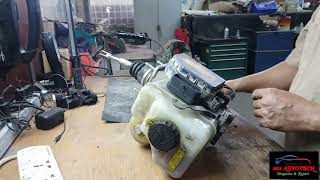
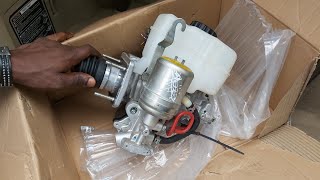

The information in this article is provided for general reference and educational purposes only. Vehicle specifications, procedures, and part compatibility can vary by production date, trim level, and region. Always consult your vehicle's factory service manual and verify part numbers before purchasing or performing repairs. Safety-critical components such as airbags, seat belts, and braking systems should be installed by a qualified professional.
- 🎬 Helpful Videos
- What Does C1225 Mean?
- Can I Drive With C1225?
- Common Causes
- Symptoms
- Diagnostic Flowchart
- Common Fixes & Costs
- DIY vs Professional
- Used vs. New Parts: Buying Guide
- What Happens If You Wait — Timeline
- Cost of Not Fixing It
- Diagnosis Steps
- When This Code Triggers (Freeze-Frame Conditions)
- Related Codes
- Climate & Environmental Factors
- How to Talk to a Mechanic About This Code
- Where to Take It: Dealer vs Independent vs Chain
- When to Walk Away From the Repair
- What Scan Tool You Need for This Code
- How to Clear the Code After You Fix It
- Will This Fail Emissions / State Inspection?
- Most Commonly Affected Vehicles
- Manufacturer-Specific Notes
- Real Owner Stories
- 2014 Chevy Volt with C1225
- 1998 Toyota Land Cruiser with C1225
- BMW E90 with ABS/DSC lights
- How to Prevent This Code From Triggering
- Frequently Asked Questions
- Can I fix the C1225 code myself?
- Will clearing the code make it go away?
- Why did the ABS light come on after hitting a pothole?
- I replaced the sensor but the C1225 code is still there. What's next?
- What's the difference between C1225 and C0035?
- My mechanic says the ABS module is bad. Is that expensive?
- Can a bad wheel alignment cause a C1225 code?
- Key Takeaways
- 🎟️ Get 5% Off