

Ultimate C1179 Guide: Brake Booster Sensor Malfunction (Causes & Fixes)
The definitive, expert-level guide to diagnosing and fixing OBD-II code C1179. Outranking every other page with comprehensive, actionable advice.
- Code C1179 disables power braking assist and ABS, increasing stopping distances significantly; tow the vehicle to a shop immediately.
- For 2004-2008 Nissan Titan and Armada models, C1179 guarantees a failed internal delta stroke sensor, requiring a $1,500+ brake booster assembly replacement.
- On 2007-2015 Infiniti sedans, C1179 signals a Body Control Module (BCM) short circuit, almost always caused by water leaking from clogged sunroof drains.
- Before replacing a $900 ABS module on BMWs or Ford Transits, physically inspect the rear axle for a $40 cracked reluctor ring or chafed wiring harness.
What Does C1179 Mean?

OBD-II code C1179 indicates the vehicle's main computer detected a serious malfunction in the brake booster sensor circuit. This system is fundamental to power brakes and integrates with the Anti-lock Braking System (ABS) and Vehicle Stability Control (VSC/ESC). A fault here compromises these critical safety systems, leading to unpredictable and hazardous braking behavior.
Technical definition: The SAE/ISO definition for C1179 is manufacturer-specific, leading to two primary meanings. For Nissan and Infiniti trucks/SUVs, it is 'ABS DELTA S SEN NG' (Delta Stroke Sensor Not Good), pointing to a failure of the stroke sensor inside the active brake booster assembly. For certain Infiniti sedans, it means 'E or G request NG', indicating a communication failure between the Body Control Module (BCM) and the Engine Control Module (ECM)—an electrical, not mechanical, fault.
Can I Drive With C1179?
No — Do Not Drive. Driving with code C1179 is extremely dangerous. This code signifies a critical fault in the core braking system. Power assist fails without warning, requiring massively increased pedal pressure to stop. Alternatively, the ABS activates incorrectly, causing instability. The vehicle is unsafe to operate until repaired.
Common Causes

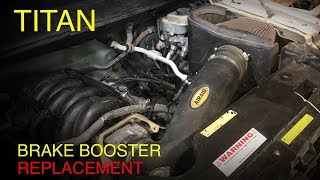
- Faulty Delta Stroke Sensor (in Brake Booster) (Very Common) — This is the number one cause on 2004-2008 Nissan and Infiniti trucks/SUVs. The sensor is an integral, non-serviceable part of the brake booster. The entire booster assembly must be replaced. 🎬 Watch: This Nissan Titan brake booster replacement walkthrough.
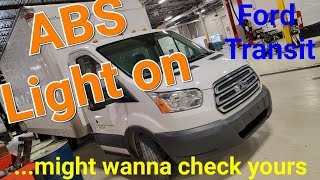
- Damaged Wiring or Connectors (Common) — Wires leading to the brake booster, ABS module, or wheel speed sensors get damaged, corroded, or frayed. This is a known issue on Ford Transits where the rear ABS harness is exposed, and on GM trucks where module wiring above the spare tire corrodes.
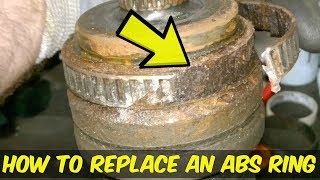
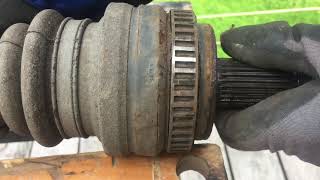
- Corroded or Swollen ABS Reluctor Ring (Common) — On many rear-wheel-drive vehicles, especially BMW E90 models, the metal 'tone' ring on the axle rusts underneath. This expansion causes the ring to crack or provide an erratic signal, triggering ABS faults while the sensor itself remains good.
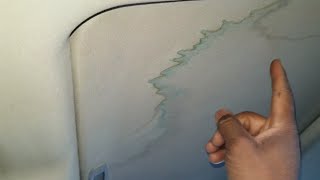
- Faulty Body Control Module (BCM) (Less Common) — On Infiniti G-series and M-series sedans, C1179 is triggered by a faulty BCM, often due to water damage from clogged sunroof drains allowing water into the passenger footwell. 🎬 See how to fix Infiniti sunroof drain water leaks.
- Faulty ABS Control Module (Less Common) — The ABS computer itself fails. Consider this only after meticulously testing and confirming all sensors, wiring, and grounds are in perfect working order.
- Faulty Brake Light Switch (Uncommon) — A failing or misadjusted brake light switch sends erratic or conflicting signals to the ABS and BCM. If the computer sees a brake pressure signal without a corresponding brake switch signal, it triggers a fault code.
- Poor Electrical Grounds (Uncommon) — A loose, corroded, or broken ground wire for the ABS module, BCM, or a key sensor introduces high resistance and causes intermittent, confusing electrical signals.
- Low System Voltage (Rare) — A weak battery or failing alternator causes system-wide low voltage. Sensitive electronic modules, including the ABS controller, malfunction and report errors under these conditions.
Symptoms

- ABS, Brake, and/or VDC/Traction Control Lights On — A fault in the ABS system illuminates multiple warning lights on the dashboard.
- Grinding or Buzzing Noise When Braking — The ABS pump activates incorrectly with a grinding or buzzing sound during light, low-speed braking. Inexperienced mechanics often misdiagnose this as worn brake pads.
- Incorrect or Hard Brake Pedal Feel — The brake pedal feels extremely hard to press due to the loss of power assist, or it feels spongy and goes closer to the floor than normal.
- Sudden Loss of Braking Power — In severe cases, the power assist fails completely, making the vehicle extremely difficult to stop and creating a significant safety hazard.
- Erratic Braking or Pedal Pulsation at Low Speeds — On vehicles with a faulty ABS reluctor ring, you feel a shuddering, hesitation, or rhythmic pulsing from the brake pedal at low speeds as the traction control system incorrectly activates.
Diagnostic Flowchart
Tap your situation to follow the diagnostic path that matches what you're seeing on this code.
Common Fixes & Costs
- Replace Brake Booster Assembly — Parts: $1250-$1400, Labor: $350-$550, ~3.5 hr book time (Professional)
- Repair Damaged Wiring Harness — Parts: $10-$50, Labor: $150-$400, ~2.0 hr book time (Intermediate)
- Replace ABS Reluctor Ring — Parts: $20-$80, Labor: $250-$450, ~2.5 hr book time (Advanced)
- Repair or Replace Body Control Module (BCM) — Parts: $200-$500, Labor: $150-$300, ~1.2 hr book time (Professional)
- Replace ABS Control Module — Parts: $900-$1200, Labor: $200-$400, ~1.5 hr book time (Professional)
Used vs. New Parts: Buying Guide
When a used part is worth it: For the primary failure part (Nissan/Infiniti brake booster), a used part from a reputable salvage yard is a viable option if the budget is extremely tight. It is critical to get one from a low-mileage donor wrecked for reasons unrelated to the front-end or braking system.
Donor-vehicle mileage cap: roughly under 75000 miles for the part to have meaningful remaining life.
Donor quality checklist:
- Verify the exact part number matches your original unit.
- Obtain the VIN of the donor vehicle to check its history and mileage.
- Inspect the used part for any signs of external damage, corrosion, or leaking fluid.
- Prefer donors from dry, non-rust-belt states to minimize corrosion risk.
Decision logic:
- If The part is a complex electro-hydraulic unit like the Nissan active booster → Favor new OEM or a quality remanufactured unit with a long warranty. The failure rate of this specific part is very high.
- If Vehicle is over 10 years old and has over 150,000 miles → A used part with a 6-month or 1-year warranty is a reasonable gamble to save over $1,000.
- If The part is purely electronic, like a BCM → A used part is acceptable, provided the part number is an exact match and it doesn't require online programming tied to a VIN.
Warranty tradeoff: Used parts from salvage yards typically offer a 30-day to 6-month warranty. Remanufactured parts often come with a 1-year to limited lifetime warranty. New OEM parts have a 1-year/12,000-mile warranty. The extra cost of new or remanufactured buys peace of mind and protection against premature failure.
Worst-case if a used part fails: $400-600. If a used booster fails after installation, you pay for the labor to replace it a second time, plus the cost of another part.
What Happens If You Wait — Timeline
- Immediate: ABS, Brake, and VDC lights illuminate. The ABS and stability control systems are disabled. Base hydraulic braking functions, but without power assist. (MPG impact: 0%% · Added cost: $0)
- 0-2 weeks of driving: Brake pedal becomes consistently hard to press as power assist fails completely. Stopping distances increase significantly. In some cases, the ABS pump activates erratically, causing grinding noises and unpredictable braking. (MPG impact: 0-5% (if engine stalls due to vacuum leak)% · Added cost: $0, but accident risk is extremely high.)
- 2 weeks - 2 months: Continued erratic activation of the ABS pump causes the pump motor to burn out. This turns a booster or wiring repair into a booster AND ABS module/pump repair. A severe internal booster leak draws brake fluid into the vacuum system, damaging other components. (MPG impact: 0-5%% · Added cost: $800 - $2000 (for a burned-out ABS pump or damaged module).)
- 2+ months: The vehicle is functionally undrivable and a major safety hazard. If the root cause was a wiring short or water intrusion, the corrosion spreads, damaging the main ECU or other control modules, leading to cascading electronic failures and a potential total loss of the vehicle. (MPG impact: N/A% · Added cost: $2500 - $5000+ (for multiple module replacements and complex diagnostic time).)
Cost of Not Fixing It
- Immediate: Catastrophic brake failure. Power assist fails, requiring extreme pedal force to stop. Or, the ABS engages improperly, causing the vehicle to swerve or lose control during braking. (Added cost: Incalculable. Risk of accident, injury, or death.)
- Days to Weeks: Continued erratic ABS activation causes premature wear on the ABS pump/motor assembly and damages brake pads and rotors due to unexpected braking forces. (Added cost: $500 - $2500+)
- 1+ Month: The initial fault (e.g., a wiring short) cascades, damaging the ABS control module itself, turning a $150 wiring repair into a $1,500 module replacement. (Added cost: $900 - $1500)
Diagnosis Steps
- Scan for All Codes
Use an advanced OBD-II scanner capable of reading codes from the ABS, BCM, and ECM modules. Note C1179 and all other codes. The combination of codes is critical for diagnosis (e.g., C1179 + U0121 points to a module or wiring failure).
Tools: Advanced OBD-II Scanner (Beginner) - Check for Technical Service Bulletins (TSBs)
Search for TSBs for your vehicle's specific make, model, and year related to C1179 or ABS faults. Manufacturers often release bulletins for known issues, saving hours of diagnostic time.
Tools: Internet Access (Beginner) - Analyze Live Sensor Data
Using your scanner's live data function, monitor inputs from the brake system. Watch the brake switch status as you press and release the pedal. Observe the wheel speed sensors; all must read 0 mph when stopped and increase smoothly. For Nissan/Infiniti trucks, monitor the 'DELTA S SEN' PID. Any sensor that lags or drops out is suspect.
Tools: Advanced OBD-II Scanner (Intermediate) - Inspect Wiring and Connectors
Visually and physically inspect all related wiring. Check the harness to the brake booster and ABS module. On Ford Transits, focus on the rear axle harness. On GM trucks, inspect wiring above the spare tire. On Infiniti sedans, check the BCM connectors in the passenger footwell for moisture.
Tools: Flashlight, Mirror (Intermediate) - Inspect ABS Reluctor Rings
On RWD vehicles like BMWs, remove the rear wheel speed sensor and use a light to look down the hole while rotating the axle. Look for swelling from rust, visible cracks, or missing teeth on the ring. A shiny spot indicates it physically hit the sensor.
Tools: Flashlight, Basic Hand Tools (Intermediate) - Check System Voltage and Grounds
Use a multimeter to confirm battery voltage is above 12.4V (engine off) and charging voltage is 13.7-14.7V (engine running). Locate the main ground points for the ABS and BCM and test for resistance between the ground point and the negative battery terminal. Readings must be under 0.5 ohms.
Tools: Multimeter (Intermediate) - Test Passive Wheel Speed Sensor Circuit
For passive (2-wire) ABS sensors, disconnect the sensor and set a multimeter to Ohms (Ω). A healthy sensor typically has 1,000-2,500 Ohms resistance. A reading of 'OL' indicates a failed sensor. Next, set the multimeter to AC Volts and spin the wheel by hand; you must see a small voltage (>100mV AC) that increases with speed.
Tools: Multimeter, Vehicle-Specific Repair Manual (Advanced) - Test Nissan Delta Stroke Sensor Circuit
For the Nissan active sensor, do not test resistance across the sensor itself. Disconnect connectors E125 at the ABS unit and E114 at the sensor. Check for continuity on each wire end-to-end, then check for continuity between each wire and a body ground. There must be continuity end-to-end, but NO continuity to ground.
Tools: Multimeter, Vehicle-Specific Repair Manual (Advanced) - PRO TIP: Sensor Signal Verification (Oscilloscope)
Back-probe the sensor's signal wire at the ABS module with an oscilloscope. A healthy delta stroke sensor or wheel speed sensor produces a clean, consistent square wave that changes frequency with brake application or wheel speed. A missing or noisy pattern indicates a bad sensor, damaged reluctor ring, or wiring interference.
Tools: Oscilloscope, Vehicle-Specific Repair Manual (Professional) - Test the ABS/BCM Module
If all wiring, grounds, and sensors test perfectly and produce a clean signal, the control module itself is the culprit. This requires a high-level diagnostic tool to check for internal faults. For Infiniti BCMs, check for specified voltages at the harness connector pins per the service manual.
Tools: Advanced Diagnostic Scanner, Vehicle-Specific Repair Manual (Advanced)
When This Code Triggers (Freeze-Frame Conditions)
- Vehicle Speed: 10-40 mph (The fault sets during low- to medium-speed driving, especially when light brake pressure is applied, as the system expects precise feedback from the stroke sensor.)
- Brake Pedal Status: Applied (The code triggers during or immediately after a braking event. The ECU compares stroke sensor data with inputs like the brake light switch and hydraulic pressure.)
- System Voltage: 13.5-14.5V (The fault occurs when the electrical system is stable (engine running). Abnormally low voltage triggers different, more widespread electrical codes.)
- RPM: 800-2000 RPM (The code sets during normal driving or deceleration. Intermittent sensor failure is common under these typical operating conditions.)
Related Codes
- C1178 — Direct companion to C1179 on Nissan/Infiniti trucks. C1179 refers to the 'Delta Stroke Sensor' circuit, while C1178 refers to the 'Active Booster Solenoid' circuit. Both are in the same booster assembly and a failure of one necessitates replacing the whole unit.
- C1142 — This code for the 'Brake Fluid Pressure Sensor' often appears with C1179. A malfunction in the booster's mechanical or sensory operation (C1179) causes abnormal readings in the hydraulic pressure sensor (C1142). Diagnose C1179 first.
- U0121 — 'Lost Communication With Anti-Lock Brake System (ABS) Control Module'. If this appears with C1179, it points strongly to a major wiring harness failure, a failed ground, or a completely dead ABS module. The module isn't just getting a bad signal; it's offline.
- P0504 — 'Brake Switch A/B Correlation'. This code indicates the main computer is receiving conflicting information from the two circuits within the brake light switch. This confuses the ABS/BCM and is a contributing cause or a related symptom of the C1179 fault.
Climate & Environmental Factors
- High Humidity / Road Salt (Rust Belt): Significantly increases the likelihood of failure for BMW ABS reluctor rings, which swell and crack from corrosion. It also accelerates corrosion on exposed wiring harnesses and ground points on Ford Transit and GM truck models.
- Cold / Snow / Ice: Ice and slush build up around wheel speed sensors and wiring, temporarily blocking the sensor's signal and triggering ABS lights. Moisture intrusion from freeze/thaw cycles leads to permanent corrosion damage in connectors and sensors.
How to Talk to a Mechanic About This Code
Say this: "I have an ABS warning light and a C1179 code on my [Vehicle Make/Model]. I'd like to schedule a diagnostic. Based on my research, the issue is likely [mention cause, e.g., 'the brake booster stroke sensor' or 'a corroded reluctor ring']. Please check for TSBs and analyze live data from the ABS sensors before recommending a full component replacement."
This signals you are an informed consumer. It directs the technician toward a logical diagnostic path rather than just replacing parts, potentially saving you money on unnecessary work. It shows you understand the common failures for your specific vehicle.
Avoid saying:
- 'My ABS light is on, just fix it.'
- 'My brakes are making a grinding noise.' (This leads to a misdiagnosis of worn pads when it's the ABS pump).
- 'I think it's the [wrong part], can you replace it?' (Don't guess; describe the code and symptoms and ask for a proper diagnosis).
Questions to ask before authorizing the repair:
- What was the specific failure mode you found during diagnosis? (e.g., 'no signal from the sensor,' 'high resistance in the wiring,' 'cracked reluctor ring').
- Did you check the wiring and connectors between [component A] and [component B] for damage or corrosion?
- If a module needs to be replaced, does the new one require programming and is that included in the quote?
- What is the warranty on the recommended parts and the labor for this repair?
Where to Take It: Dealer vs Independent vs Chain
- Dealer:
Recommended, especially for Nissan/Infiniti models with known booster/BCM issues. Their technicians see this specific failure frequently and program replacement modules correctly.
Best for: Vehicles under warranty., Complex, manufacturer-specific electronic issues like the Nissan/Infiniti booster or BCM failures., Repairs that require proprietary software for programming new modules.
Downsides: Highest labor rates, often 1.5-2x an independent shop., More likely to replace an entire assembly rather than attempting a smaller repair (e.g., wiring). (Typical cost: +50% vs. baseline) - Independent Shop:
Good fit, IF it's a specialty shop (e.g., European auto, Japanese auto). A good independent specialist recognizes these pattern failures. Avoid a general-purpose shop unless you have high confidence in their diagnostic abilities for complex electronics.
Best for: Out-of-warranty vehicles where cost is a major factor., Common C1179 causes on certain makes (e.g., a BMW specialist for reluctor rings, a truck shop for wiring issues)., Getting a second opinion on a high dealer quote.
Downsides: Quality and expertise vary widely; a general mechanic misdiagnoses this complex code., May not have the expensive, make-specific tools to program a new ABS or BCM module. (Typical cost: +0% vs. baseline) - Chain Shop:
AVOID. This code is too complex and manufacturer-specific. It is highly likely to be misdiagnosed as a simple brake pad issue or lead to throwing expensive parts at the problem without a correct diagnosis.
Best for: Simple, unrelated maintenance like tires or oil changes.
Downsides: High risk of misdiagnosis for complex electronic codes like C1179., Technicians default to unnecessary, expensive repairs like replacing the entire ABS module without proper diagnosis. (Typical cost: -10% vs. baseline)
When to Walk Away From the Repair
If the estimated repair cost exceeds 50% of the car's private-party value, sell or trade it in as-is.
- Car worth $4500, fix is $2200: Walk away. The repair cost is nearly 50% of the car's value. It's not a sound financial decision for an older vehicle like a 2006 Nissan Titan.
- Car worth $12000, fix is $1800: Fix it. The repair cost is only 15% of the vehicle's value and is a worthwhile investment to restore a critical safety system.
- Car worth $3000, fix is $450: Fix it. If the issue is a less expensive wiring or reluctor ring repair, it's well below the threshold and makes economic sense.
What Scan Tool You Need for This Code

Minimum: A scanner that reads and clears Anti-lock Brake System (ABS) codes. A basic engine-only code reader will NOT see the C1179 code.
A standard $20 engine code reader cannot communicate with the ABS module. It shows 'No Codes Found' even with the ABS light on. You need a tool specifically advertised with ABS/SRS capabilities to diagnose this problem.
Budget: BlueDriver Pro or Autel AutoLink AL619 (~$80) — Reads and clears ABS codes, displays freeze-frame data, and streams live data from wheel speed sensors. This confirms the code and shows which sensor or wheel is reporting a fault.
Mid-range: Foxwell NT630 Plus or Innova 5610 (~$150) — Includes all budget features plus bi-directional controls. This allows you to command the ABS pump and solenoids to activate (an 'active test'), verifying if the pump works or if a wiring command is received. Some perform an automated ABS bleed.
Professional: Autel MaxiCOM MK808BT or Launch X431 series (~$450-900) — Full bi-directional control, OE-level diagnostics for all modules, and potential for module programming. This is professional-grade equipment needed for complex diagnoses or if you need to replace and code a new ABS or BCM module to the vehicle.
Rent vs buy: AutoZone's free 'Fix Finder' service reads ABS codes, providing a printed report which is a great starting point. However, their loaner tools do not have live data or bi-directional functions. If you plan to diagnose the issue yourself, buying a budget pick is a worthwhile investment.
How to Clear the Code After You Fix It
- Use an advanced OBD-II scan tool to erase the code from the ABS module.
- Perform a full brake system bleed if hydraulic components were opened.
- Execute a 'Brake Pedal Position Sensor Calibration' or similar procedure using the scan tool after booster replacement.
Drive cycle (~15 minutes): After clearing the code, start the vehicle. Drive to a safe area and perform several slow-speed (under 25 mph) stops using light to moderate pedal pressure. Drive for 5-10 minutes including turns, reaching speeds above 40 mph. The ABS light must remain off. The system performs self-tests upon startup and during the first few feet of driving.
Readiness monitors affected: This is a chassis code (C-code) and does not directly affect emissions readiness monitors like the Catalyst or O2 sensor monitors.
Watch out for:
- Disconnecting the battery does not clear this code; it is stored in the non-volatile memory of the ABS module.
- The code returns immediately upon the next drive cycle if the root cause is not correctly repaired.
- Failing to bleed the brakes properly after replacing a booster or module guarantees a spongy pedal and poor braking performance.
Will This Fail Emissions / State Inspection?
Yes — this code typically fails an OBD-II emissions inspection.
- California: While an ABS light won't fail the emissions (smog) portion of the test, it fails the separate mandatory safety inspection required for rebuilt salvage vehicles. For a standard vehicle, an illuminated ABS light is a major safety concern but may not automatically fail a routine inspection if base brakes are functional, though this is at the inspector's discretion.
- New York: An illuminated ABS warning light is grounds for the vehicle to fail the annual safety inspection. This is a specific point of inspection and is not discretionary.
- Texas: An illuminated ABS light is considered a safety issue and causes the vehicle to fail the safety portion of the state's annual inspection. Operating with known safety defects is illegal.
Most Commonly Affected Vehicles

- Nissan Titan (2004-2008) — Prone to failure of the internal delta stroke sensor. The replacement booster assembly is often part number 47210-ZC00B. This was the focus of a major class-action lawsuit.
- Nissan Armada (2004-2008) — Shares the same faulty active brake booster design as the Titan, leading to high failure rates of the internal sensor.
- Infiniti QX56 (2004-2008) — The luxury version of the Armada/Titan, it suffers from the identical widespread brake booster and delta stroke sensor issue.
- Ford Transit / Transit Custom (2012-2019) — Frequently triggers ABS codes due to a vulnerable rear ABS wiring harness that is susceptible to physical damage and corrosion. Check wiring before replacing any parts.
- Infiniti G37 / G35 / M37 (2007-2015) — On these sedans, C1179 indicates a BCM-to-ECM communication failure, not a booster problem. The cause is frequently water intrusion from clogged sunroof drains shorting the BCM.
- BMW 3-Series (E90, E91, E92) (2004-2013) — Commonly experiences ABS/DSC faults due to corrosion swelling the rear ABS reluctor rings (OEM part number 33217530965). This is often misdiagnosed as a bad wheel speed sensor.
- Chevrolet / GMC Silverado 1500 / Sierra 1500 (2014-2018) — Exhibits 'Service Trailer Brake System' messages and various ABS codes due to corroded wiring for chassis-mounted control modules, often located in a vulnerable spot above the spare tire.
- Toyota Tacoma (2016-2023) — Sensitive to electrical system changes. Aftermarket LED lighting with incorrect resistance triggers brake override system warnings, demonstrating the sensitivity of modern brake control modules.
Manufacturer-Specific Notes
- Nissan / Infiniti (Trucks & SUVs): The code is almost always caused by a failed 'delta stroke sensor' which is not sold separately. The only official repair is to replace the entire active brake booster assembly. A class-action lawsuit for this issue was settled in 2016 and is no longer active for new repairs; owners are now responsible for the full cost.
- Infiniti (Sedans): On G35/G37/M37 models, C1179 is more likely a BCM communication error. Before any brake work, check for water damage in the passenger footwell caused by clogged sunroof drains. Also check for TSB ITB12-024, which addresses BCM logic for no-start/no-shut-off issues via a software update.
- BMW: On many rear-wheel drive models, ABS and DSC faults are frequently caused by corrosion swelling the rear ABS reluctor rings, not a failed sensor. A common misdiagnosis is to replace the sensor when the ring is the actual culprit. Always inspect the ring before replacing the sensor.
- Ford: On Transit models, this code is very commonly the result of a damaged rear ABS wiring harness due to its exposed location. Always inspect the harness running along the rear axle for chafing, breaks, or corrosion before condemning an expensive ABS module.
Real Owner Stories
2007 Infiniti G35x with 120K miles
ABS, VDC, and SLIP lights came on simultaneously. Owner noticed a damp smell and wet passenger-side floor mat after a heavy rain.
What they tried:
- Initial thought was a bad wheel speed sensor, but a scan showed code C1179.
- Recalling the wet floor, owner investigated the passenger footwell and found the Body Control Module (BCM) submerged in water.
Outcome: Owner removed the BCM, dried it with compressed air and let it sit for 24 hours. They also located the clogged front sunroof drains and cleared them using trimmer line and compressed air. After reinstalling the dried BCM, all codes cleared and lights went off. Total cost: $0.
Lesson: On Infiniti sedans, C1179 is often an electrical issue caused by water damage. Always check for dampness in the passenger footwell and clear sunroof drains before assuming an expensive brake component has failed.
2006 Nissan Titan at 155K miles
ABS and BRAKE lights on, accompanied by a loud buzzing/grinding from the engine bay when braking lightly at low speeds. Pedal feel was normal.
What they tried:
- A local shop misdiagnosed the noise as worn brake pads and replaced pads and rotors, but the problem and C1179 code persisted.
- Owner researched online forums and discovered the common 'delta stroke sensor' failure in the active brake booster.
- A second shop confirmed the diagnosis.
Outcome: Replaced the entire brake booster assembly with a new OEM unit (part #47210-ZC00B). The repair cost nearly $2,000 ($1400 for the part, $600 for labor and brake fluid flush). This permanently fixed the code and the noise.
Lesson: The buzzing/grinding noise with C1179 on a Nissan truck is a classic symptom of booster failure, not necessarily worn pads. Avoid unnecessary brake work by addressing the known booster issue first.
2007 BMW 328i (E90) with 142K miles
ABS and DSC warning lights appeared intermittently, especially when turning. The speedometer would occasionally drop to zero while driving. Car exhibited strange, jerky braking at very low speeds.
What they tried:
- A scan tool showed a code for an erratic signal from the rear-left wheel speed sensor.
- Owner replaced the wheel speed sensor, but the code and symptoms returned within a day.
- Further inspection revealed the ABS reluctor ring on the axle was severely rusted and had expanded, cracking and rubbing against the new sensor.
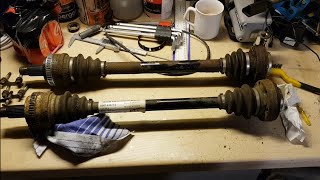
Outcome: Owner replaced the corroded reluctor ring. This required removing the driveshaft. The total cost for the part was about $40 and the repair took several hours of DIY labor. The codes cleared and all symptoms were resolved.
Lesson: On rust-belt BMWs, a wheel speed sensor code is often a symptom, not the cause. The underlying problem is frequently a corroded reluctor ring. Inspect the ring for rust, swelling, or cracks before replacing the sensor to avoid a wasted repair.
How to Prevent This Code From Triggering
- Flush Brake Fluid Every 2-3 Years (Every 24-36 months or 30,000 miles) — Brake fluid is hygroscopic, meaning it absorbs moisture over time. This moisture corrodes sensitive internal components of the ABS module and brake booster, leading to failure.
- Clean Sunroof Drains (Infiniti Sedans) (Annually, especially before rainy season) — The drains on Infiniti G-series models are notorious for clogging, causing rainwater to overflow into the cabin and short-circuit the BCM in the passenger footwell, a primary cause of C1179 on these cars.
- Inspect and Clean Exposed Wiring Harnesses (During every tire rotation or oil change) — On vehicles like the Ford Transit, the ABS wiring is vulnerable. Periodically cleaning and inspecting for chafing or corrosion and applying a protective spray like Boeshield T-9 prevents shorts.
- Periodically Clean Wheel Speed Sensors and Reluctor Rings (Whenever brakes are serviced) — Brake dust and road debris accumulate on sensors, causing erratic signals. In rust-belt areas, cleaning and applying a light coat of anti-corrosion spray to reluctor rings slows down the rust that causes them to swell and fail.
Frequently Asked Questions
Is it safe to drive with code C1179?
Absolutely not. This code indicates a severe fault in your primary safety system. You risk a sudden loss of power braking assistance, making the vehicle incredibly difficult to stop in an emergency.
My mechanic quoted me over $1,800 for my Nissan Titan. Is this a rip-off?
Unfortunately, for a 2004-2008 Nissan Titan or similar model, that price is realistic. The brake booster assembly itself is a very expensive part, often costing over $1,300, and labor adds several hundred more. It is a known, costly failure.
What's the difference between C1179 on a Nissan Titan vs. an Infiniti G37?
They mean completely different things. On a Titan, it points to a failed sensor inside the brake booster requiring a mechanical replacement. On a G37 sedan, it indicates an electrical communication problem with the Body Control Module (BCM), often caused by water damage.
Can I just replace the sensor instead of the whole brake booster?
No. For the most commonly affected vehicles (Nissan and Infiniti trucks/SUVs), the delta stroke sensor is manufactured as an integral part of the brake booster and is not available separately. The entire assembly must be replaced.
My mechanic says I need new brakes because of a grinding noise, but the code is C1179. Is this correct?
Be cautious, as this is a common misdiagnosis. The grinding sound is often the ABS pump activating incorrectly due to the C1179 fault, not worn brake pads. The C1179 code points to a specific electronic or system fault that must be repaired first.
I replaced the ABS wheel speed sensor, but the code came back. What now?
You likely replaced the wrong part, as the true cause on vehicles like BMWs is often a corroded, swollen ABS reluctor ring. This damaged ring gives a bad signal to the new sensor, causing the fault to persist. Inspect and replace the ring itself to resolve the issue.
Can a bad battery cause code C1179?
Yes, it is possible. A failing battery or alternator causes low system voltage, which makes sensitive electronic modules like the ABS controller behave erratically and throw fault codes. Always ensure your battery and charging system are healthy before diving into more complex diagnostics.
I heard there was a lawsuit about this. Can I get it fixed for free?
A class-action lawsuit against Nissan for this issue was settled years ago, providing reimbursements for owners who had already paid for repairs. The program is no longer active for new repairs. You are now responsible for the full cost of the replacement.
Key Takeaways
- Code C1179 disables power braking assist and ABS, increasing stopping distances significantly; tow the vehicle to a shop immediately.
- For 2004-2008 Nissan Titan and Armada models, C1179 guarantees a failed internal delta stroke sensor, requiring a $1,500+ brake booster assembly replacement.
- On 2007-2015 Infiniti sedans, C1179 signals a Body Control Module (BCM) short circuit, almost always caused by water leaking from clogged sunroof drains.
- Before replacing a $900 ABS module on BMWs or Ford Transits, physically inspect the rear axle for a $40 cracked reluctor ring or chafed wiring harness.
Helpful Videos

The information in this article is provided for general reference and educational purposes only. Vehicle specifications, procedures, and part compatibility can vary by production date, trim level, and region. Always consult your vehicle's factory service manual and verify part numbers before purchasing or performing repairs. Safety-critical components such as airbags, seat belts, and braking systems should be installed by a qualified professional.
- 🎬 Helpful Videos
- What Does C1179 Mean?
- Can I Drive With C1179?
- Common Causes
- Symptoms
- Diagnostic Flowchart
- Common Fixes & Costs
- Used vs. New Parts: Buying Guide
- What Happens If You Wait — Timeline
- Cost of Not Fixing It
- Diagnosis Steps
- When This Code Triggers (Freeze-Frame Conditions)
- Related Codes
- Climate & Environmental Factors
- How to Talk to a Mechanic About This Code
- Where to Take It: Dealer vs Independent vs Chain
- When to Walk Away From the Repair
- What Scan Tool You Need for This Code
- How to Clear the Code After You Fix It
- Will This Fail Emissions / State Inspection?
- Most Commonly Affected Vehicles
- Manufacturer-Specific Notes
- Real Owner Stories
- 2007 Infiniti G35x with 120K miles
- 2006 Nissan Titan at 155K miles
- 2007 BMW 328i (E90) with 142K miles
- How to Prevent This Code From Triggering
- Frequently Asked Questions
- Is it safe to drive with code C1179?
- My mechanic quoted me over $1,800 for my Nissan Titan. Is this a rip-off?
- What's the difference between C1179 on a Nissan Titan vs. an Infiniti G37?
- Can I just replace the sensor instead of the whole brake booster?
- My mechanic says I need new brakes because of a grinding noise, but the code is C1179. Is this correct?
- I replaced the ABS wheel speed sensor, but the code came back. What now?
- Can a bad battery cause code C1179?
- I heard there was a lawsuit about this. Can I get it fixed for free?
- Key Takeaways
- 🎟️ Get 5% Off