

C1131 on 2013-2018 Land Rover Range Rover (L405): Air Supply Fault Causes and Fixes
Code C1131 on a 2013-2018 Range Rover (L405) almost always points to a problem with the air suspension's ability to generate or hold pressure. The most common culprits are a worn-out AMK-style air suspension compressor, a leak in an air spring/strut, or a cracked compressor expansion chamber. Expect to replace the compressor or find and fix a leak.
- C1131 on a 2013-2018 Range Rover means there's a problem with the air suspension's ability to make or hold pressure.
- The most likely causes are a worn-out air compressor or a leak from an air spring (bag).
- Look for the companion code C1A20-64, as the two together are a strong clue that the compressor is weak or fighting a leak.
- Diagnosis involves checking for air leaks with soapy water and, if none are found, suspecting the compressor itself.
- This is not typically a simple DIY fix due to the high pressures involved and the need for system recalibration after repair.
What's Unique About the 2013-2018 Land Rover RANGE ROVER

The L405 Range Rover's air suspension system is complex, and this code is a common pain point for owners. While the root cause is often a simple component failure like a worn compressor or a leak, the system's sensitivity means that even small issues can trigger a fault and disable height adjustment. The system often logs C1131-92 along with C1A20-64 ('Pressure increases too slow'), which together strongly point to either the AMK compressor's inability to build pressure or a significant leak it's trying to overcome. TSBs SSM73563, SSM73780, and SSM72861 directly acknowledge this common pairing of codes with the 'normal height only' dashboard message.
Diagnostic Flowchart

Tap your situation to follow the diagnostic path that matches what you're seeing on this vehicle.
Symptoms You May Notice

- "Suspension Fault: Normal Height Available Only" message on the dashboard.
- Vehicle is stuck at one ride height and will not raise or lower.
- Vehicle lowers itself overnight or when parked, often at one corner.
- Suspension feels unusually bumpy or harsh, as if riding on the bump stops.
- Air compressor runs for a few seconds (e.g., 5-15 seconds) on startup and then shuts off, triggering the fault light.
- Audible hissing sound from a corner of the vehicle (indicating a leaking strut), the compressor area in the trunk, or a valve block.
- The compressor sounds quieter or weaker than usual when it runs.
- Replacing the ride height sensors. While sensors can fail, they typically produce different fault codes related to signal range or plausibility (e.g., C1A03, C1A04), not an 'Air Supply' fault.
Most Likely Causes

- Worn or Failed Air Suspension Compressor 🔴 High Probability The AMK compressor is a mechanical part that wears out. Its lifespan is significantly shortened by the need to constantly compensate for even minor, undetected leaks in the system. It's the most common failure point for this fault.
How to confirm: Using a diagnostic tool (like a GAP IIDTool), monitor the gallery pressure while the compressor is commanded to run. If it fails to build pressure above ~14 PSI (99 kPa) or runs for only a few seconds before faulting, it has likely failed. A healthy compressor should be able to generate much higher pressures. A quiet hum instead of a robust pumping sound is also a bad sign.
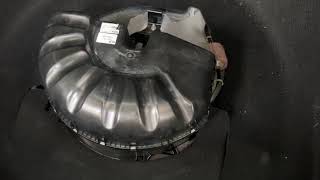
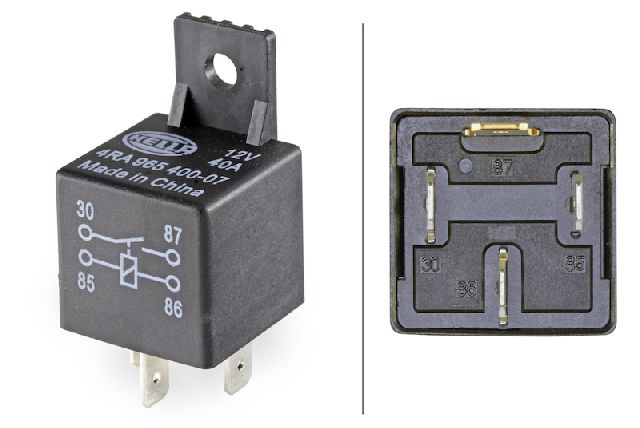
Typical fix: Replace the air suspension compressor and its corresponding relay (Part No: YWB500220). The compressor is located in the trunk/boot, under the spare tire. Failure to replace the relay can cause the new compressor to fail prematurely.
Est. part cost: $400-$900 - Leaking Air Spring (Air Strut/Bag) 🔴 High Probability The rubber bellows of the air springs crack and perish over time due to age, flexing, and environmental exposure. This is a very common source of leaks that overworks the compressor.
How to confirm: With the suspension at normal or off-road height, spray the air springs (especially the folded areas at the base) with a soapy water solution and look for bubbles. You can also park the vehicle overnight and measure the wheel arch height at each corner to see if one has dropped significantly.
Typical fix: Replace the leaking air spring assembly. It is best practice to replace them in pairs (both fronts or both rears).
Est. part cost: $500-$1400 per strut - Cracked Compressor Expansion Chamber 🟡 Medium Probability TSB SSM73780 specifically calls out that the plastic expansion chamber elbow on the compressor assembly can crack and leak air. This causes the system to lose pressure and triggers the C1131/C1A20 codes. A revised part is available.
How to confirm: Visually inspect the small plastic expansion chamber/elbow attached to the compressor assembly. Spray it with soapy water while the compressor is running to check for bubbles. A user on YouTube documented this exact failure and fix.
Typical fix: Replace the expansion chamber (Part No: LR095836) and associated adaptor/connectors as per TSB SSM73780.
Est. part cost: $40-$100 - Leaking Air Line or Fitting 🟡 Medium Probability Plastic air lines can become brittle and crack, and the brass Voss-style fittings at the compressor, valve blocks, or struts can loosen or their O-rings can fail. A specific chafe point has been identified on the rear air strut pipes, where they can rub against the wheel well liner over time, causing a leak.
How to confirm: Spray all air line connections with soapy water, including those at the compressor, reservoir tank, and valve blocks. Listen for hissing. Inspect the rear air lines near the wheel well liners for rubbing marks.
Typical fix: Repair the damaged section of the line or replace the faulty fitting/O-ring. A 6mm connector is part number LR044836.
Est. part cost: $20-$100 - Faulty Valve Block ⚪ Low Probability Internal corrosion or debris can cause the solenoid valves in the front, rear, or center valve blocks to stick open or closed, or leak air internally or externally.
How to confirm: This is difficult to confirm without a specialized diagnostic tool that can command each valve to open and close individually while monitoring pressure. A soapy water test on the block itself can reveal external leaks.
Typical fix: Replace the faulty valve block.
Est. part cost: $200-$400
Rare But Worth Checking
- Blocked Compressor Air Dryer: The desiccant inside the compressor's air dryer can break down into a fine powder, blocking the system and preventing the compressor from building pressure. This is often accompanied by white dust found in the air lines. This typically requires compressor replacement.
- Software Issue at High Altitude: Technical Bulletin LTB00733NAS1 (NHTSA ID 10145633) notes that on 2014 models, driving at high altitudes (above 9,000 feet) could trigger a C1131-92 fault due to a software issue. The fix is to replace and/or reconfigure the Air Suspension Control Module.
- Steering Angle Sensor Calibration Lost: On an older Land Rover model, a C1131 code appeared after a battery change and was fixed by simply recalibrating the steering angle sensor (turning the wheel lock-to-lock). While less common on the L405, it's a simple, zero-cost step to try after any battery disconnection or service.
Diagnosis Steps
- Read all fault codes from the Ride Level Control Module (RLM) using a Land Rover-compatible diagnostic tool (e.g., GAP IIDTool, Autel, Pathfinder).
- Confirm the presence of C1131-92 and C1A20-64. 🎬 Watch: Diagnosing these specific fault codes on a Land Rover. This pair is the classic signature for a weak compressor or a significant air leak.
- Start the vehicle and listen to the air compressor located under the spare tire. Note how long it runs. A very short run time (under 15 seconds) followed by a fault message strongly suggests a major issue.
- If possible, raise the vehicle to 'Off-Road' height to extend the air springs fully. Turn off the engine.
- Liberally spray all four air springs (especially the lower rolling lobes), the air lines, the compressor, the expansion chamber on the compressor, and the valve blocks with a soapy water solution. Look for active bubbling, which indicates a leak.
- If no leaks are obvious, park the vehicle on a level surface. Measure the distance from the center of the wheel to the fender lip on all four corners. Let it sit overnight and re-measure. A drop of more than an inch on one or more corners points to a leak in that area's air spring or lines.
- If no leaks are found and the vehicle does not drop, the primary suspect is the air compressor itself. Use a diagnostic tool to monitor the 'gallery pressure' live data during compressor operation to confirm it is not building adequate pressure.
- Inspect the compressor's air dryer and expansion chamber for cracks or signs of desiccant dust (white powder) in the air lines. TSB SSM73780 specifically points to a cracked expansion chamber elbow.
Parts You'll Likely Need
- Air Suspension Compressor
(OEM #LR108984 (supersedes LR088859, LR069693, LR072537))— This is the most common part to fail, either from age or from being overworked by a leak in the system. It fails to produce the required pressure, triggering the C1131 and C1A20 codes.
Trusted brands: AMK (OEM), Aerosus, Arnott
OEM price range: $700-$900
Aftermarket price range: $300-$600 - Air Suspension Compressor Relay
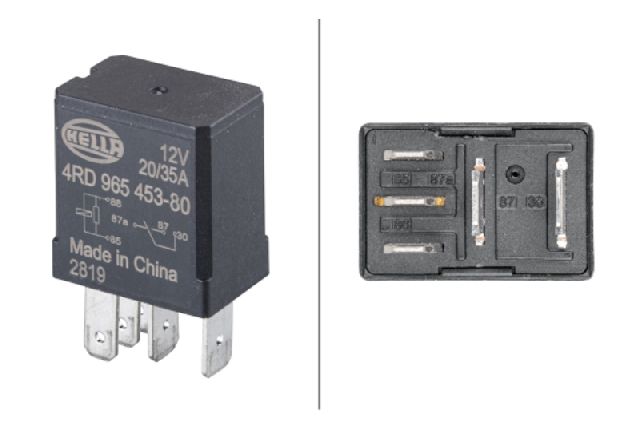
(OEM #YWB500220)— Crucial to replace with the compressor. A faulty relay can get stuck 'on', causing the new compressor to burn out, or fail to provide power, preventing it from running at all.
Trusted brands: Genuine Land Rover, Lucas
OEM price range: $15-$30
Aftermarket price range: $5-$15
Related Codes That Often Appear With This One
- C1A20-64 — This code means 'Pressure increases too slow when filling reservoir'. It is almost always seen with C1131 because the underlying cause (a weak compressor or a leak) prevents the system from pressurizing correctly.
Technical Service Bulletins (TSBs) & Recalls
- SSM73563
- SSM73780
- LTB00733NAS1
Platform-Specific Known Issues
- Technical Service Bulletin SSM73780 directly links fault codes C1131-92 and C1A20-64 to a potential leak from a damaged expansion chamber elbow on the air supply unit (compressor), recommending its replacement.
- Technical Service Bulletin SSM73563 confirms the common scenario of C1131-92 appearing with the 'normal height only' message.
- Technical Bulletin LTB00733NAS1 addresses a software issue on 2014 models causing C1131-92 at high altitudes, requiring a module update or replacement.
Mechanic-Grade Diagnostic Values
- Gallery Pressure (Compressor Not Building Pressure) — expected: A healthy compressor should build pressure well above 100 PSI (689 kPa).. Failure: Pressure fails to rise above ~14 PSI (99 kPa) before the system faults and shuts the compressor off.
- Gallery Pressure (Stuck Exhaust Valve Test) — expected: When the exhaust valve is commanded open, pressure should drop quickly to between 0.25 bar and 1.5 bar (3.6 to 21.7 PSI).. Failure: If pressure cannot vent quickly below 220-250 Kpa (31-36 PSI), the exhaust valve may be stuck closed.
- Reservoir Pressure Sensor Vref — expected: Approximately 4.9V to 5.0V.. Failure: A reading of 0V indicates a wiring issue or a failed Air Suspension Control Module, which would prevent the compressor from being commanded on.
Scan Tool Commands That Help

- GAP IIDTool: Guided Suspension Calibration — After replacing a height sensor, air spring, or the compressor, this function is required to relearn the vehicle's ride height. It provides a guided process that doesn't require a perfectly level surface.
- GAP IIDTool: Test Valve — To manually operate individual valves (front, rear, reservoir, cross-link) to isolate leaks or test for stuck solenoids while monitoring gallery pressure.
- GAP IIDTool: Build Mode — To disable the air suspension system for service, preventing it from making automatic adjustments while the vehicle is on a lift.
- Land Rover SDD: Run Air Supply Unit / Open Exhaust Valve — Used to test the compressor's ability to build pressure and to check if the exhaust valve is stuck by commanding it open and observing the pressure drop.
Wiring & Ground Locations
- Main Electronic Junction / Earthing Point — Behind the front right fender liner.. This junction and other nearby ground studs are exposed to moisture and can corrode badly, leading to various electronic glitches, including power loss or faulty signals to/from the air suspension module. While not a direct cause of C1131, poor grounding can cause erratic module behavior.
- Air Suspension Control Module — Generally located behind the glove box area on LHD models.. This is the brain of the system. All sensor inputs, compressor commands, and valve block signals route through this module. A wiring fault between the module and the compressor relay or pressure sensor can trigger C1131.
- Rear Air Strut Pipe Routing — The upper air pipe connected to the rear air struts, close to the wheel well liner.. The pipe can rub against the liner over time, creating a small hole and causing an air leak that overworks the compressor and leads to C1131.
Real Owner Repair Stories
- AULRO.com user 'Lukeis' (2010 Land Rover Discovery 4 (L319) with AMK compressor (similar system)) — Suspension fault light appears within 10 seconds of starting the car. Codes C1131 and C1A20. Car does not lower overnight. Compressor sometimes runs for a long time, but usually faults almost instantly.
❌ Tried (didn't work) Checking for leaks at the compressor pipes., Checking for a blocked air intake.
✅ What actually fixed it Another user reported the exact same symptoms (faulting within 10 seconds) which were ultimately resolved by replacing the air suspension compressor, even though a rebuild kit had failed to fix it. The quick fault time was misleading, but the root cause was still a failed compressor. - landroverforums.com user 'Ozark_BillHilly' (2008 Land Rover LR3 (L319)) — Code C1131-92 returns instantly after clearing. Compressor never attempts to start. Scan tool shows compressor relay is never commanded 'ON' and gallery pressure is stuck at ~12.8 psi.
❌ Tried (didn't work) Replacing fuses and the main compressor relay (R7)., Disconnecting the battery., Drying out a wet wiring loom in the passenger rocker panel.
✅ What actually fixed it The user suspected an open circuit in the pressure sensor signal wire within the known-problematic passenger-side rocker panel wiring loom. The final fix was not posted, but the diagnostic path points to a wiring failure preventing the control module from seeing a valid pressure signal, thus refusing to command the compressor on.
"I Checked Everything" — The Actual Cause
- In cases where no external leaks are found with soapy water and the vehicle doesn't drop overnight, the fault is often internal to the compressor assembly. This can be a worn-out piston seal that can no longer generate sufficient pressure, or a stuck/leaking internal exhaust valve on the compressor itself. The system faults because the gallery pressure doesn't rise as expected, not because it's leaking out elsewhere.
OEM Part Supersession History
LR037070, LR044566, LR047172, LR056304, LR069691→LR108984— Part consolidation and design updates by Land Rover for the AMK-style compressor.
Heads up: LR108984 is the current kit for the L405. Some vendors show LR088859 as a supersession from LR108984, but LR108984 remains a valid and commonly sold OEM kit number. It's critical to verify fitment with VIN.
Model Year Variations Within This Range
- 2014: A specific software issue could cause C1131-92 to appear when driving at altitudes above 9,000 feet. TSB LTB00733NAS1 outlines a fix involving a software update or replacement of the Air Suspension Control Module.
- 2013-2017 vs 2018-2021: The L405 received a facelift for the 2018 model year which included interior and exterior changes. While the core air suspension system function remained the same, some control modules and software may differ. For example, some diagnostic tools have limited support for 2017-2019 models due to changes in diagnostic protocols (DoIP).
Helpful Videos

Used OEM Parts in Stock


New Aftermarket Parts Available


The information in this article is provided for general reference and educational purposes only. Vehicle specifications, procedures, and part compatibility can vary by production date, trim level, and region. Always consult your vehicle's factory service manual and verify part numbers before purchasing or performing repairs. Safety-critical components such as airbags, seat belts, and braking systems should be installed by a qualified professional.
- Land Rover RANGE ROVER:
- 🎬 Helpful Videos
- 🛍️ Shop This Part
- What's Unique About the 2013-2018 Land Rover RANGE ROVER
- Diagnostic Flowchart
- Symptoms You May Notice
- Most Likely Causes
- Rare But Worth Checking
- Diagnosis Steps
- Parts You'll Likely Need
- Related Codes That Often Appear With This One
- Technical Service Bulletins (TSBs) & Recalls
- Platform-Specific Known Issues
- Mechanic-Grade Diagnostic Values
- Scan Tool Commands That Help
- Wiring & Ground Locations
- Real Owner Repair Stories
- "I Checked Everything" — The Actual Cause
- OEM Part Supersession History
- Model Year Variations Within This Range
- 🎟️ Get 5% Off