

Ultimate Guide to OBD-II Code C1116: Stop Lamp Switch Circuit Malfunction
The Most Comprehensive Guide to Meaning, Diagnosis, and Fixes for C1116
- Code C1116 disables your ABS and stability control by flagging a fault in the dual-circuit brake light switch.
- Expect 3 immediate symptoms: illuminated ABS/Traction lights, stuck or dead brake lights, and an inability to shift out of Park or start push-button vehicles.
- Do not blindly replace the $20 brake switch; check the $5 rubber pedal stopper pad and inspect trunk hinge wiring for shorts first.
- On 2014-2018 GM trucks, C1116 ignores the brake pedal entirely and points directly to a failed $50 Trailer Brake Control Switch on the dashboard.
- Driving with C1116 increases stopping distances on slick roads by up to 30% and risks severe rear-end collisions due to malfunctioning brake lights.
What Does C1116 Mean?

Code C1116 means the Anti-lock Braking System (ABS) module detects a critical fault in the brake light switch circuit. This dual-circuit switch sends opposing signals to confirm brake pedal application. When these signals conflict, the computer disables ABS, traction control (TCS), and Vehicle Dynamic Control (VDC) as a fail-safe, triggering C1116.
Technical definition: For most Asian imports (Nissan, Infiniti), C1116 is defined as 'Stop Lamp Switch Malfunction', indicating a discrepancy between the switch's two internal circuits. On GM trucks, it indicates a failure in the Trailer Brake Control module. Less common definitions include 'ABS Pump Motor Failure' or 'Starter Motor Circuit Failure' depending on the manufacturer.
Can I Drive With C1116?
Yes, But With Caution. Yes, but do not. Driving with code C1116 disables critical safety systems like the Anti-lock Braking System (ABS) and Vehicle Dynamic Control (VDC). This increases your stopping distance on slippery surfaces by up to 30% and removes the system's ability to prevent skids. More critically, your brake lights stick on (draining your battery) or fail entirely, creating a severe rear-end collision risk.
Common Causes

- Faulty Stop Lamp (Brake Light) Switch (Very Common) — Internal mechanical contacts wear out, sending erratic signals to the ABS module.
- Broken or Missing Brake Pedal Stopper Pad (Common) — The plastic pad on the brake pedal arm that depresses the switch plunger disintegrates with age, leaving the switch permanently extended (lights stuck on).
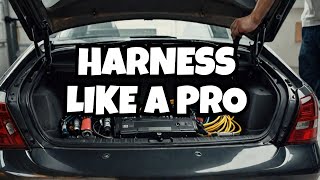
- Wiring Harness or Connector Issues (Common) — Wires chafe, corrode, or short out. On sedans like the Nissan Sentra, this happens in the trunk hinge harness. On SUVs like the Infiniti QX60, a known factory defect requires a TSB-mandated jumper harness.
- Blown Fuse (Common) — A blown 'STOP LAMP' fuse triggers this code. Repeatedly blowing this fuse confirms an active short circuit in the wiring.
- Faulty Taillight Assembly or Water Ingress (Common) — Water leaks or a failed LED board inside the taillight housing (common on Infiniti Q50) alters circuit resistance, triggering the code even if the pedal switch is perfect.
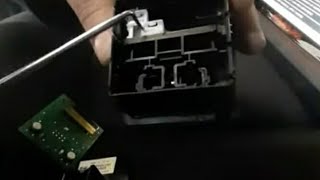
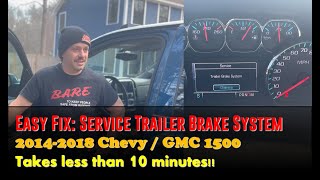
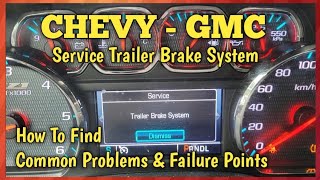
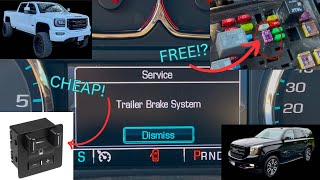
- Internal Failure of Trailer Brake Control Switch (GM) (Common) — On Chevrolet/GMC trucks, C1116 points to a broken internal contact inside the dashboard-mounted manual trailer brake slider, not the pedal switch. 🎬 Watch: How to fix the GM trailer brake system message.
- Improperly Adjusted Brake Light Switch (Less Common) — A newly installed switch threaded too far in or out fails to trigger at the correct pedal travel point.
- Incorrect Brake Light Bulb (Rare) — Installing a bulb with the wrong wattage alters circuit resistance, tricking the module into flagging a fault.
- Faulty ABS Control Module (Very Rare) — The module itself fails and misinterprets correct switch signals. Consider this only after verifying all wiring and switches.
Symptoms

- ABS and Traction Control Lights Illuminated — The ABS, TCS, VDC, or 'SLIP' indicators light up permanently as the systems disable themselves.
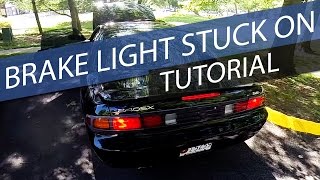
- Brake Lights Inoperative or Stuck On — Brake lights fail to illuminate when braking, or stay on continuously after parking.
- Inability to Shift Out of Park — The shift interlock solenoid requires a valid brake signal to release the shifter.
- Push-Button Start Inoperative — The engine computer refuses to crank the starter without confirmation the brake pedal is depressed.
- Cruise Control Inoperative — Cruise control disables itself because it cannot guarantee a safe disengagement upon braking.
- Service Trailer Brake System Message (GM) — Chevrolet and GMC trucks display this specific dashboard warning instead of standard ABS lights.
Diagnostic Flowchart

Tap your situation to follow the diagnostic path that matches what you're seeing on this code.
Common Fixes & Costs
- Replace Brake Light Switch — Parts: $15-$75, Labor: $75-$150, ~0.8 hr book time (DIY)
- Replace Brake Pedal Stopper Pad — Parts: $5-$20, Labor: $0-$50, ~0.3 hr book time (DIY)
- Replace Blown Fuse — Parts: $1-$5, Labor: $0, ~0.1 hr book time (DIY)
- Replace Trailer Brake Control Switch (GM) — Parts: $40-$90, Labor: $100-$180, ~1 hr book time (DIY)
- Replace Taillight Assembly — Parts: $150-$600+, Labor: $50-$100, ~0.8 hr book time (DIY)
- Repair Wiring Harness — Parts: $10-$100, Labor: $150-$750, ~2.5 hr book time (Professional)
DIY vs Professional
- Replace Brake Light Switch — Beginner:
Tools: Basic hand tools (pliers or small wrench), flashlight. - Replace Brake Pedal Stopper Pad — Beginner:
Tools: Flashlight. - Replace Blown Fuse — Beginner:
Tools: Fuse puller (often included in the fuse box) or small pliers. - Replace Taillight Assembly — Beginner:
Tools: Basic hand tools (socket set, trim removal tool). - Replace Trailer Brake Control Switch (GM) — Beginner:
Tools: Trim removal tools, socket set. - Repair Wiring Harness — Beginner:
Tools: Multimeter, wire strippers, wire crimpers, soldering iron, heat gun, quality butt connectors with heat shrink.
Used vs. New Parts: Buying Guide
When a used part is worth it: For the most common fix, the brake light switch, buying used rarely makes sense. The part is inexpensive new, and it is a known wear item. A used switch has unknown remaining life and carries the same risk of failure as the part you are replacing.
Donor-vehicle mileage cap: roughly under 20000 miles for the part to have meaningful remaining life.
Donor quality checklist:
- Match the part number exactly. Even visually identical switches have different internal logic.
- Avoid parts from vehicles in high-humidity or salt-belt regions due to increased risk of internal corrosion.
- If buying a used taillight assembly, verify all LEDs are functional and there are no cracks allowing water entry.
Decision logic:
- If The part is a brake light switch, stopper pad, or fuse. → Always buy new. The cost savings for a used part are negligible and not worth the risk of premature failure.
- If The part is an expensive taillight assembly or trailer brake control module. → A used part from a reputable recycler with a warranty is a good value, but inspect it carefully for damage or wear before installation.
- If The fix requires a specific TSB-related jumper harness. → Only buy the new, OEM-specified part. Do not attempt to use a used or fabricated harness.
Warranty tradeoff: New aftermarket switches often come with a 1-year to limited lifetime warranty. OEM parts typically have a 1-year warranty. Used parts have a 30-90 day warranty at best, which is not long enough for an intermittent electrical fault to reappear.
Worst-case if a used part fails: $100 - $250 if a used switch fails shortly after install, requiring repeat labor costs and the purchase of another part.
What Happens If You Wait — Timeline
- Immediate: Code C1116 is set. ABS, VDC/TCS warning lights illuminate. ABS and stability/traction control systems are disabled. Brake lights stick on, stick off, or function normally. (MPG impact: 0%% · Added cost: $0)
- 1-14 days: If brake lights stick on, the battery drains overnight, leading to a no-start condition. This requires a jump-start or potentially a new battery if it happens repeatedly. Premature wear on brake light bulbs/LEDs begins. (MPG impact: 0%% · Added cost: $150 - $400 (Cost of a new battery and/or service call))
- 2 weeks - 3 months: Driving without ABS/VDC becomes normalized, increasing real-world accident risk. If brake lights are inoperative, the risk of a rear-end collision is severe. A traffic stop results in a citation and a 'fix-it' ticket. (MPG impact: 0%% · Added cost: $100 - $500 (Cost of tickets or minor fender-bender))
- 3+ months: The vehicle fails any state safety inspection that checks for ABS light status or brake light function. An unfixed short damages wiring insulation or the ABS control module input, turning a cheap fix into an expensive one. (MPG impact: 0%% · Added cost: $500 - $2,000+ (Failed inspections, potential for ABS module damage))
Cost of Not Fixing It
- Immediate: Safety systems (ABS, VDC, Traction Control) are disabled, increasing the risk of a skid or loss of control in a panic stop or on slippery surfaces. Brake lights fail, creating a severe rear-end collision hazard. (Added cost: $2,500 - $10,000+ (Cost of an at-fault accident))
- 0-1 Month: If the brake lights stick on, the battery drains overnight, leading to a no-start condition and requiring a jump start or battery replacement. This also causes premature failure of the brake light bulbs or LED assemblies. (Added cost: $150 - $400 (New battery and/or service call))
- 1-6+ Months: Continued driving with disabled safety systems normalizes risky behavior. A failed state safety inspection prevents legal registration of the vehicle. Chronic electrical issues from an unfixed short damages more expensive control modules. (Added cost: $500 - $2,000+ (Failed inspections, tickets, potential module replacement))
Diagnosis Steps
- Confirm Code and Check for Others
Use an OBD-II scanner capable of reading ABS/Chassis ('C') codes to confirm C1116 is active. Document any other codes (e.g., C1142, P0504, U1000), as they provide critical clues for an accurate diagnosis.
Tools: OBD-II Scanner (with ABS/Chassis capability) (Beginner) - Perform Functional Brake Light Test
Have a helper observe the brake lights as you press and release the brake pedal. Note if they are inoperative, delayed, flickering, or stuck on. This is the simplest and most effective initial test.
Tools: A helper (Beginner) - Inspect Brake Pedal Stopper Pad
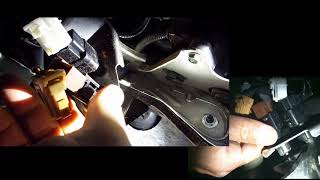
Look at the top of the brake pedal arm where it contacts the brake light switch. Check for a small plastic/rubber pad. If it has crumbled into pieces or is missing entirely, it must be replaced.
Tools: Flashlight (Intermediate) - Inspect Fuses
Using the owner's manual, locate and inspect all fuses related to the 'Stop Lamp' and 'ABS' circuits. A blown fuse is a symptom; if found, investigate the root cause (like a shorted wire) before replacing it.
Tools: Owner's manual, fuse puller or pliers (Beginner) - Visually Inspect Switch and Wiring
Inspect the brake light switch above the pedal for physical damage. Check its connector for a secure fit and look for any signs of corrosion or backed-out pins. Trace the wiring as far as possible, looking for obvious damage.
Tools: Flashlight (Intermediate) - Test the Brake Light Switch (Continuity)
Disconnect the switch and use a multimeter set to Ohms (Ω). A functional switch is a dual-circuit component. One circuit shows continuity (a reading near 0 Ω) only when the plunger is pressed, and open (OL) when released. The second circuit does the opposite, showing continuity only when the plunger is released and open when pressed. Any other result indicates a faulty switch.
Tools: Multimeter (Intermediate) - Pro Tip: Perform a Voltage Drop Test
If the switch tests good but the problem persists, check for high resistance in the circuit. Set your multimeter to DC Volts. To test the ground side, connect the black lead to the battery negative post and probe the ground wire at the switch connector with the red lead while an assistant presses the brake pedal (circuit loaded). A reading above 0.1-0.2 volts indicates a poor ground. To test the power side, connect the red lead to the battery positive post and probe the power-in wire at the switch connector with the black lead (pedal pressed). A reading above 0.2-0.5 volts indicates excessive resistance in the power feed. Take the vehicle to a professional diagnostic technician if voltage drop tests reveal high resistance but no visible wiring damage is found.
Tools: Multimeter, wiring diagram, a helper (Advanced) - Pro Tip: Analyze Live Data with a Scan Tool
Access the ABS control module with an advanced scan tool. Monitor the 'STOP LAMP SW' and 'PRESS SENSOR' PIDs. The switch status must change from 'OFF' to 'ON' the instant you touch the pedal. If the switch status is correct but a C1142 code is also present, it suggests the pressure sensor reading doesn't match, pointing back to a misadjusted or faulty switch. On GM trucks, monitor the 'Manual Apply Switch Voltage' and 'Redundant Manual Apply Switch' PIDs while operating the trailer brake controller; one value changing while the other does not confirms a bad controller.
Tools: Advanced Bi-Directional Scan Tool (Advanced)
When This Code Triggers (Freeze-Frame Conditions)
- Vehicle Speed: 0 mph (The code is often set during the initial power-on self-test (POST) before the vehicle moves. The ABS module checks the switch status immediately.)
- Brake Pedal Status: OFF, then ON (The fault is logged when the driver first presses the brake pedal and the two internal switch circuits provide an illogical combination of signals to the ABS module.)
- System Voltage: 11.5 - 14.5 V (The check is performed under normal operating voltage. Low battery voltage causes erratic electronic module behavior but is not a direct trigger for a valid C1116.)
- Time Since Key-On: < 1 minute (The fault is typically detected very quickly after starting the vehicle, as the brake switch is a primary safety input that is monitored continuously.)
Related Codes
- C1142 — This code for 'Pressure Sensor Circuit' often appears with C1116 on Nissan/Infiniti vehicles. C1116 means the switch's internal circuits don't agree; C1142 means the switch's signal doesn't match the brake fluid pressure sensor's reading. Seeing both strongly points to a faulty or misadjusted brake light switch.
- P0504 — This is the generic powertrain (PCM) code for 'Brake Switch A/B Correlation'. C1116 is the chassis (ABS) module's version of the same fault. If you see both, it's confirmed the issue is with the brake switch circuit. A P0504 alone might not disable ABS/VDC, but a C1116 almost always will.
- P0571 — Another powertrain code for 'Brake Switch A Circuit Malfunction'. This is functionally similar to P0504 and C1116. It indicates the cruise control or engine computer has detected a fault in one of the brake switch circuits. Its presence reinforces the diagnosis of a bad switch or wiring.
- U1000 / U0121 — These are communication codes. A U1000 (CAN Communication Circuit) or U0121 (Lost Communication With ABS Control Module) alongside a C1116 indicates a broader network issue or a failing ABS module. If communication codes are present, they should be diagnosed first, as they cause other modules to set false codes.
Climate & Environmental Factors
- Cold Weather: Low temperatures cause plastics and rubber to become brittle. This significantly increases the likelihood of the brake pedal stopper pad shattering and wire insulation cracking within a flexing harness (like a trunk hinge), leading to breakage or shorts.
- High Humidity & Road Salt: In coastal areas or regions that use road salt in winter ('Salt Belt'), moisture and salt accelerate corrosion. This degrades wiring connectors, taillight circuit boards, and critical chassis ground points, causing high resistance or short circuits that trigger a C1116 code.
How to Talk to a Mechanic About This Code
Say this: "I have an ABS light on and my scanner shows code C1116 for the stop lamp switch circuit. I'd like to schedule a diagnostic. Can you please check for any related TSBs for my vehicle and inspect the entire circuit, including the switch, wiring, and taillights, not just replace the switch?"
This signals you've done research and understand that C1116 has multiple causes beyond the switch itself. It directs the technician to perform a thorough diagnosis, preventing them from just replacing the most common part and having the code return.
Avoid saying:
- 'My ABS light is on, can you just fix it?'
- 'I think I need a new brake switch.'
- 'Just do whatever you think is necessary.'
Questions to ask before authorizing the repair:
- Did you test the brake light switch itself? Did it fail the continuity test?
- Did you find any shorts or damage in the wiring, particularly near the trunk hinge or taillights?
- Are there any Technical Service Bulletins for this code on my specific VIN?
- If the switch is the problem, is the replacement an OEM part and what is the warranty on the part and labor?
Where to Take It: Dealer vs Independent vs Chain
- Dealer:
Best for: Vehicles under warranty, Known complex issues covered by a Technical Service Bulletin (TSB), like on an Infiniti QX60 or Nissan Frontier, When previous attempts at a fix by other shops have failed
Downsides: Highest labor rates (1.5-2x independent shops), May default to expensive module replacement without thorough wiring diagnostics (Typical cost: +50% vs. baseline) - Independent Shop:
Best fit for most common scenarios. A good independent shop handles the majority of C1116 faults cost-effectively. However, if your vehicle is known for a TSB-related fix, a dealer is more efficient.
Best for: Out-of-warranty vehicles with common C1116 causes (e.g., bad switch, broken stopper pad, trunk wiring short on a Sentra), Getting a second opinion on a dealer's expensive quote
Downsides: Quality varies greatly; ensure the shop has good reviews and experience with modern vehicle electronics (ASE certification is a plus), May not have access to the latest TSBs or manufacturer-specific diagnostic software (Typical cost: +0% vs. baseline) - Chain Shop:
Use with caution. Acceptable for a basic code scan or fuse replacement, but AVOID for comprehensive diagnosis involving wiring, TSBs, or intermittent faults.
Best for: Simple, obvious fixes like a blown fuse or replacing a brake light bulb
Downsides: Technician skill varies dramatically; they lack the advanced diagnostic tools or experience for complex electrical troubleshooting (wiring, module issues), High pressure to upsell services; they replace parts unnecessarily without a proper diagnosis (Typical cost: -10% vs. baseline)
When to Walk Away From the Repair
If the total estimated repair cost for the C1116 fault and any other known issues exceeds 50% of your car's private-party market value (e.g., from Kelley Blue Book), you should seriously consider selling or trading in the vehicle.
- Car worth $5000, fix is $450: Fix it. The repair cost is well below the threshold and restores critical safety features, preserving the car's value.
- Car worth $3000, fix is $1800: Walk away. The repair requires replacing a faulty ABS module, and the cost is over half the car's value. It's not an economical repair.
What Scan Tool You Need for This Code
Minimum: A scanner that can read and clear Anti-lock Braking System (ABS) or Chassis ('C') codes. A basic engine-only code reader will NOT see or clear C1116.
A standard $20-50 scanner only reads 'P' (Powertrain) codes and cannot communicate with the ABS module. You will not be able to diagnose or reset the C1116 code, making it impossible to verify a repair.
Budget: BlueDriver Pro Scan Tool (~$100) — Reads and clears ABS codes like C1116, provides freeze-frame data, and offers a database of reported fixes for specific vehicles.
Mid-range: Foxwell NT630 Plus (~$150) — Provides robust ABS/SRS diagnostics, allows you to view live data from brake circuit sensors, and includes some bi-directional tests like activating the ABS pump motor, which helps in diagnosis.
Professional: Autel MaxiCOM MK808BT / Launch X431 Series (~$500-1200) — Offers full bi-directional control to test individual components in the brake circuit. Can access manufacturer-specific PIDs and perform advanced functions needed for TSB-related repairs on brands like Nissan/Infiniti.
Rent vs buy: If this is a one-time fix, many auto parts stores (like AutoZone) scan ABS codes for free. However, they cannot clear the code for you. Buying a budget pick is a good investment for any modern car owner, as it diagnoses future ABS, airbag, or check engine light issues.
How to Clear the Code After You Fix It
- Use an OBD-II scan tool capable of reading ABS codes to clear the C1116 fault.
- Turn the ignition off, then back on.
- Perform several brake applications to confirm the fix and ensure the warning lights do not return.
Drive cycle (~20 minutes): Unlike engine codes, ABS codes typically do not require a complex drive cycle. After clearing the code, a short test drive of 15-20 minutes with mixed city and highway driving, including several stops, is sufficient. The ABS module performs a self-test upon startup and continuously monitors the brake switch, so a successful repair is recognized almost immediately.
Readiness monitors affected: This is an ABS/Chassis code and does not directly affect engine-related emissions readiness monitors like the Catalyst or O2 sensor monitors.
Before emissions retest: drive at least 50 miles to fully set monitors.
Watch out for:
- Simply disconnecting the battery clears the light but not the stored fault code in the ABS module, and the light returns instantly if the fault is still present.
- Using a basic OBD-II scanner that only reads Powertrain ('P') codes cannot communicate with the ABS module to clear the Chassis ('C') code.
Will This Fail Emissions / State Inspection?
Yes — this code typically fails an OBD-II emissions inspection.
- California: An illuminated ABS warning light is cause for a safety inspection failure. While not part of the emissions 'smog check' itself, many shops will not pass a vehicle with active safety system warning lights.
- New York: The NYS vehicle safety inspection explicitly checks for the proper operation of the ABS warning lamp (it must turn on during the bulb check and then turn off). An illuminated ABS light due to code C1116 is an automatic failure.
- Texas: According to the Texas Department of Public Safety, an illuminated ABS warning light is NOT a cause for rejection during the safety inspection. However, if the standard red brake warning light is also on, the vehicle fails. Additionally, inoperative brake lights cause an immediate failure.
Most Commonly Affected Vehicles
- Infiniti QX60 / JX35 (2013-2017) — Extremely common. For models without Intelligent Cruise Control, TSB ITB18-006B often applies, requiring a special jumper harness (P/N 24167-9NJ9B) to fix a wiring design flaw, not a faulty switch.
- Nissan Pathfinder (2013-2015) — Shares a platform with the QX60 and suffers from the same issues. Additionally, these model years were subject to a major recall (NHTSA #21V-020, Nissan #PC786) for a faulty brake light relay that causes the brake lights to stick on.
- Nissan Rogue (2008-2015) — Highly prone to standard brake light switch failure due to wear and tear. Usually a straightforward switch replacement.
- Chevrolet Silverado 1500/2500/3500 (2014-2018) — Almost always triggers a 'Service Trailer Brake System' message. The cause is typically an internal failure of the trailer brake control switch on the dash, not the brake pedal switch.
- GMC Sierra 1500/2500/3500 (2014-2018) — Identical issue to the Chevrolet Silverado. C1116 points to a fault in the trailer brake control switch circuit, requiring replacement of the dash-mounted switch assembly.
- Infiniti Q50 (2014-2018) — While the brake switch is a common cause, many owners report that the code is ultimately traced to a faulty LED board inside the outer taillight assembly, requiring full assembly replacement.
- Nissan Sentra (2012-2019) — Frequently caused by chafed or shorted wires within the harness that runs along the trunk lid hinge, leading to a blown fuse and the C1116 code.
- Nissan Frontier (2022-2023) — Subject to TSB NTB22-084, which addresses codes C1116 and C1142 with a comprehensive fix involving a new relay, jumper harness, and switch due to a logic issue.
- Nissan Versa (2012-2019) — Known to suffer from water ingress into the taillight housings, which shorts out the circuit and triggers a C1116 code.
Manufacturer-Specific Notes
- Nissan/Infiniti: For these brands, C1116 almost always points to the 'Stop Lamp Switch' circuit. However, technicians must check for TSBs. On the QX60/Pathfinder, a wiring flaw requires a jumper harness (TSB ITB18-006B, P/N 24167-9NJ9B). On the 2022-2023 Frontier, a logic issue requires a relay and harness kit (TSB NTB22-084). Simply replacing the switch will not fix these specific issues.
- Nissan: A major recall for 2013-2015 Pathfinders (NHTSA #21V-020 / Nissan #PC786) addresses a condition where the brake lights stick on. The fix involves inspecting the switch position and replacing the stop lamp relay (P/N 25230-79917).
- Chevrolet/GMC: On Silverado and Sierra trucks, C1116 is a red herring if you only look at the brake pedal. It almost always indicates a fault in the manual Trailer Brake Control Module (TBCM) switch on the dashboard. The fault is an internal mechanical failure of the switch's redundant contacts.
- General (Varies): On some vehicles, C1116 means 'ABS Pump Motor Failure'. This is a more serious issue where the electric motor that powers the ABS hydraulic pump is malfunctioning. This should be suspected if the code is accompanied by a buzzing or humming from the ABS modulator during self-test.
- General (Varies): A less common definition for C1116 is 'Starter Motor Circuit Failure'. This indicates a problem in the electrical circuit that engages the starter. Symptoms would primarily be a no-start or intermittent starting condition, often on push-to-start models.
- Nissan: In some rare, documented cases, C1116 has been defined on Nissan vehicles as 'Fuel Injector 3 Circuit Malfunction'. This is a powertrain issue entirely unrelated to the braking system. This is an outlier definition and should be confirmed with a professional-grade scan tool that specifies the control unit reporting the fault.
Real Owner Stories
2016 Infiniti Q50 - Misdiagnosis
ABS and Traction Control lights appeared. OBD scanner showed C1116 'Stop Light Switch'.
What they tried:
- Replaced the brake light switch with an OEM part, but the warning lights returned after a few hours.
- Checked brake fluid levels.
- Disconnected the battery for ten minutes to reset the system, but the fault persisted.
Outcome: The owner discovered the actual problem was a faulty outer taillight assembly. Replacing the entire taillight unit resolved the C1116 code.
Lesson: Even if the code points directly to the brake switch, the fault exists in other parts of the same circuit. On many modern cars, a faulty LED taillight alters circuit resistance and triggers a C1116 code.
2012 Nissan Sentra - Wiring a Common Culprit
ABS light was on, brake lights and reverse lights were not working, and the 10-amp 'STOP LAMP' fuse kept blowing.
What they tried:
- The owner first replaced the brake light switch based on the C1116 code definition, but this did not fix the issue and the fuse blew again.
Outcome: A mechanic traced the wiring and found several broken and shorted wires inside the protective boot of the trunk lid harness. Repairing the damaged wires fixed the short circuit, stopped the fuse from blowing, and cleared the C1116 code.
Lesson: If a fuse blows repeatedly, do not just replace the component named in the code. This indicates a short circuit that must be found. Check wiring harnesses at common flex points, like trunk hinges, before replacing more expensive parts.
2009 Nissan Rogue - Intermittent and Simple Fix
VDC, Slip, and ABS lights would appear intermittently while driving, sometimes after hitting a pothole. The only code was C1116. Restarting the car would clear the lights temporarily.
What they tried:
- The owner posted on a forum seeking advice before replacing any parts.
Outcome: Following forum advice, the owner replaced the brake light switch. The internal contacts of the old switch had worn out, causing the two internal circuits to go out of sync intermittently. The new switch resolved the problem.
Lesson: For intermittent issues that reset after a key cycle, a worn, high-use component like the brake light switch is a very strong possibility and an inexpensive first part to replace.
2014-2017 Infiniti QX60 - The TSB Exception
VDC light on with code C1116. Vehicle is a model without Intelligent Cruise Control.
What they tried:
- Many owners in this situation first replace the brake light switch (P/N 25320-3JA0A), only for the code to return.
Outcome: The actual root cause for these specific models is a wiring fault detailed in Infiniti Technical Service Bulletin ITB18-006B. The official fix is to install a special jumper harness kit (P/N 24167-9NJ9B) which corrects the electrical issue. Simply replacing the switch does not work.
Lesson: Always check for Technical Service Bulletins (TSBs) for your specific make, model, and year. For certain known issues, the manufacturer provides a unique repair procedure that saves you from replacing the wrong parts.
How to Prevent This Code From Triggering
- Apply dielectric grease to wiring connectors (Anytime a relevant connector is disconnected (e.g., switch or taillight replacement)) — Dielectric grease seals out moisture and oxygen, preventing the corrosion on connector pins that causes high resistance and intermittent signals in the brake light circuit.
- Periodically inspect the brake pedal stopper pad (Once every 2-3 years, especially in hot climates) — The small plastic/rubber stopper on the pedal arm becomes brittle with age and heat cycles. Catching it before it disintegrates prevents the brake lights from sticking on, draining the battery, and triggering a C1116 code.
- Clean and protect chassis ground points (Once every 5 years or when working in the area) — The ABS module and taillights rely on clean chassis grounds. In salt-belt regions, these grounds corrode, creating high resistance that the ABS module misinterprets as a circuit fault, triggering a C1116 code.
- Secure and inspect wiring harnesses (During other maintenance) — Ensure harnesses, especially those that flex like at trunk or door hinges, are properly secured and not rubbing against sharp metal edges. This prevents chafing that leads to shorts and difficult-to-diagnose electrical faults.
Frequently Asked Questions
I replaced the brake light switch, but the C1116 code came back. What's next?
This is a common scenario. First, check for a Technical Service Bulletin (TSB) requiring a wiring harness overlay. Next, inspect the trunk hinge wiring for shorts and ensure the new switch is properly adjusted.
Can a bad taillight bulb or assembly really cause this ABS code?
Yes. The ABS module monitors the electrical resistance of the entire brake light circuit. A faulty LED or incorrect bulb changes this resistance, triggering C1116 and disabling ABS.
Why are my ABS and traction control lights on because of a brake switch?
These safety systems require a 100% reliable brake pedal signal to calculate interventions. If the switch signal is illogical, the system cannot operate safely. The control module shuts the systems down as a fail-safe.
Can code C1116 cause my car not to start?
Yes. Push-button ignition systems require a valid 'brake applied' signal to crank the engine. A faulty circuit prevents this confirmation, resulting in a no-start condition.
Is it safe to drive with code C1116?
No. While primary hydraulic brakes function, you lose ABS and stability control, increasing skid risks. Furthermore, malfunctioning brake lights create a severe rear-end collision hazard.
What is the difference between C1116 and P0504?
They describe the same fault reported by different modules. C1116 is a chassis code from the ABS module, while P0504 is a powertrain code from the Engine Control Module. Seeing both confirms a brake switch circuit issue.
My scanner gives a different definition for C1116. Why?
C1116 is a manufacturer-specific code. While it means 'brake switch' on Nissan/Infiniti, it points to the trailer brake controller on GM trucks, or even the starter circuit on others. Always diagnose based on your specific vehicle make.
Can I just clear the code by disconnecting the battery?
Disconnecting the battery clears the dashboard lights temporarily but does not fix the underlying fault. The ABS module will detect the hardware issue again upon startup, and the code will return immediately.
Key Takeaways
- Code C1116 disables your ABS and stability control by flagging a fault in the dual-circuit brake light switch.
- Expect 3 immediate symptoms: illuminated ABS/Traction lights, stuck or dead brake lights, and an inability to shift out of Park or start push-button vehicles.
- Do not blindly replace the $20 brake switch; check the $5 rubber pedal stopper pad and inspect trunk hinge wiring for shorts first.
- On 2014-2018 GM trucks, C1116 ignores the brake pedal entirely and points directly to a failed $50 Trailer Brake Control Switch on the dashboard.
- Driving with C1116 increases stopping distances on slick roads by up to 30% and risks severe rear-end collisions due to malfunctioning brake lights.
Helpful Videos



The information in this article is provided for general reference and educational purposes only. Vehicle specifications, procedures, and part compatibility can vary by production date, trim level, and region. Always consult your vehicle's factory service manual and verify part numbers before purchasing or performing repairs. Safety-critical components such as airbags, seat belts, and braking systems should be installed by a qualified professional.
- 🎬 Helpful Videos
- What Does C1116 Mean?
- Can I Drive With C1116?
- Common Causes
- Symptoms
- Diagnostic Flowchart
- Common Fixes & Costs
- DIY vs Professional
- Used vs. New Parts: Buying Guide
- What Happens If You Wait — Timeline
- Cost of Not Fixing It
- Diagnosis Steps
- When This Code Triggers (Freeze-Frame Conditions)
- Related Codes
- Climate & Environmental Factors
- How to Talk to a Mechanic About This Code
- Where to Take It: Dealer vs Independent vs Chain
- When to Walk Away From the Repair
- What Scan Tool You Need for This Code
- How to Clear the Code After You Fix It
- Will This Fail Emissions / State Inspection?
- Most Commonly Affected Vehicles
- Manufacturer-Specific Notes
- Real Owner Stories
- 2016 Infiniti Q50 - Misdiagnosis
- 2012 Nissan Sentra - Wiring a Common Culprit
- 2009 Nissan Rogue - Intermittent and Simple Fix
- 2014-2017 Infiniti QX60 - The TSB Exception
- How to Prevent This Code From Triggering
- Frequently Asked Questions
- I replaced the brake light switch, but the C1116 code came back. What's next?
- Can a bad taillight bulb or assembly really cause this ABS code?
- Why are my ABS and traction control lights on because of a brake switch?
- Can code C1116 cause my car not to start?
- Is it safe to drive with code C1116?
- What is the difference between C1116 and P0504?
- My scanner gives a different definition for C1116. Why?
- Can I just clear the code by disconnecting the battery?
- Key Takeaways
- 🎟️ Get 5% Off