

C1112 on 2009-2016 Chevrolet Tahoe: 'Service Trailer Brake' Causes and Fixes
The C1112 code, triggering the 'Service Trailer Brake' message, is most often caused by a weak or failing battery, or corrosion in the wiring for the Trailer Brake Power Module located above the spare tire. Always perform a professional load test on the battery before replacing any parts, as low voltage is a primary trigger.
- Code C1112 almost always triggers the 'Service Trailer Brake System' message.
- The most likely cause is a weak battery. Always perform a professional battery load test before buying any parts.
- The second most likely cause is corrosion in the wiring or connector for the Trailer Brake Power Module, located above the spare tire.
- Do not replace the control module or dash switch until you have ruled out battery and wiring issues, as this is a common misdiagnosis.
What's Unique About the 2009-2016 Chevrolet TAHOE
The integrated trailer brake control system on this generation of Tahoe is highly sensitive to the vehicle's overall electrical health. Unlike simple aftermarket controllers, it is networked with other vehicle modules. GM has issued multiple Technical Service Bulletins (TSBs) highlighting that low battery voltage is a primary cause for this code, often leading to misdiagnosis where control modules are replaced unnecessarily. The location of the control module and relay above the spare tire also makes its wiring extremely susceptible to corrosion from road spray and moisture, which can wick into connectors and cause intermittent faults.
Diagnostic Flowchart
Tap your situation to follow the diagnostic path that matches what you're seeing on this vehicle.
Generation note: This range covers the end of the GMT900 generation (2009-2014) and the start of the K2XX generation (2015-2016). The causes, particularly low battery voltage and wiring corrosion near the rear of the vehicle, are common issues for both generations, as confirmed by TSBs covering models from both platforms. The module location above the spare tire is consistent across these years.
Symptoms You May Notice
- "Service Trailer Brake System" message on the Driver Information Center (DIC)
- "Check Trailer Wiring" message on the DIC
- The integrated trailer brake controller is disabled and shows no output
- Inability to adjust the trailer brake gain using the dash-mounted switch
- Sluggish or slow engine cranking, indicating a weak battery
- An audible chime or dinging that repeats while driving.
- Replacing the Trailer Brake Control Module without first performing a load test on the battery.
- Replacing the dash-mounted trailer brake controller switch when the fault is in the wiring or module at the rear of the vehicle.
- Assuming the TBCM is bad when the actual problem is a corroded 7-pin trailer connector at the bumper.
Most Likely Causes
- Weak or Failing Vehicle Battery 🔴 High Probability The TBCM is sensitive to voltage drops, especially during engine cranking. A weak battery can cause the module's voltage to fall below the required threshold (typically 9.5V), triggering the code. TSBs PIT5521A and PIT5529A explicitly state to check battery health first.
How to confirm: Perform a comprehensive battery health check using a professional-grade tester (like a Midtronics GR8 as mentioned in TSBs) that can perform a load test. A simple voltage reading is insufficient, as a battery can show 12V but fail under load.
Typical fix: Replace the vehicle's battery. Many owners on forums like 'Tahoe Yukon Forum' have confirmed this was the only fix needed.
Est. part cost: $150-$300 - Corrosion in Wiring or Connectors 🔴 High Probability The Trailer Brake Power Module and its wiring are located above the spare tire, an area exposed to water, salt, and road debris, leading to corrosion. TSB #PIT5529A specifically calls out inspecting the module connector for corrosion, sometimes caused by a missing or dislodged cavity plug that allows water entry.
How to confirm: Lower the spare tire. Visually inspect the wiring harness and connectors for the Trailer Brake Power Module. Look for green or white crust (corrosion), swollen wires, or backed-out pins. Also, check the 7-pin trailer connector at the bumper for corrosion.
Typical fix: Clean the corroded terminals using a contact cleaner and a small brush. If corrosion is severe, the connector pigtail or a section of the harness may need to be replaced. Apply dielectric grease to all connections to prevent future moisture intrusion.
Est. part cost: $20-$70 - Poor Ground Connection 🟡 Medium Probability GM trucks of this era can develop issues with chassis grounds due to corrosion. A poor ground for the trailer brake system can cause erratic voltage readings and trigger faults.
How to confirm: Locate and inspect the main chassis ground for the rear wiring harness, often designated G401, which is mounted 🎬 See this walkthrough for diagnosing trailer brake issues on GMT900 models. to the left rear frame area behind the tire. Perform a voltage drop test on the ground circuit for the TBCM. A visual inspection should look for rust or looseness.
Typical fix: Remove the ground bolt, clean all contact surfaces (frame, terminal, bolt) to bare metal, and re-secure it tightly. Apply a corrosion inhibitor.
Est. part cost: $1-$5 - Failed Trailer Brake Power Module/Relay ⚪ Low Probability While the module itself can fail, TSBs note that many are replaced when the actual fault is with the power supply or wiring. However, its vulnerable location makes it susceptible to moisture-induced failure over time.
How to confirm: This is typically diagnosed by exclusion. If the battery is healthy, and all power, ground, and signal wires to the module test good (per TSB diagnostic steps), the module itself is the likely culprit.
Typical fix: Replace the Trailer Brake Power Module. This part may require programming to the vehicle's VIN.
Est. part cost: $80-$200
Rare But Worth Checking
- Blown Fuse:
- Faulty Dash-Mounted Trailer Brake Controller Switch:
Diagnosis Steps
- Read all Diagnostic Trouble Codes (DTCs) from all modules. Note any codes appearing alongside C1112.
- CRITICAL: Perform a professional battery health and charging system test. As per TSB #PIT5521A and #PIT5529A, address any battery issues before any other diagnostics.
- If the battery is good, lower the spare tire to gain access. Locate the Trailer Brake Power Module, which is mounted to the driver's side frame rail.
- Disconnect the module's electrical connector. Inspect both the harness side and the module side for any signs of corrosion (green/white powder), moisture, or damaged/pushed-out pins. Pay close attention to see if any cavity plugs are missing from the connector body, which would allow water entry.
- If corrosion is found, clean the terminals thoroughly. If damage is severe, the connector pigtail will need to be replaced. 🎬 Watch: How to fix the trailer brake system on 2014-2018 models. Apply dielectric grease before reconnecting.
- If no corrosion is visible, use a multimeter to verify that the module is receiving proper battery voltage and has a solid ground at the connector. Check for shorts on the dark blue wire (circuit 47) running to the 7-pin bumper connector.
- Using a scan tool like a Tech 2, monitor the 'TBCM Relay Feedback Signal'. Per TSB #PIT4595J, the voltage should be between 3.2-4.1V. If it's outside this range, investigate for shorts in the harness.
- Inspect the G401 ground connection on the left rear frame for tightness and corrosion.
- If all wiring, power, and grounds are confirmed to be good, the Trailer Brake Power Module itself is the most likely point of failure.
Parts You'll Likely Need
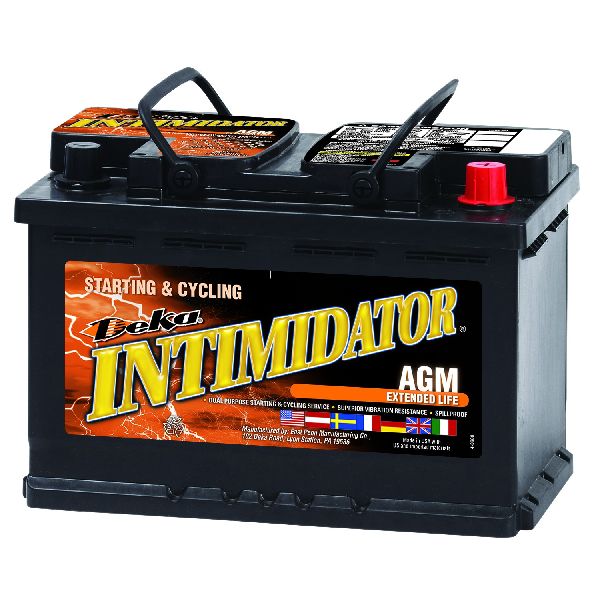
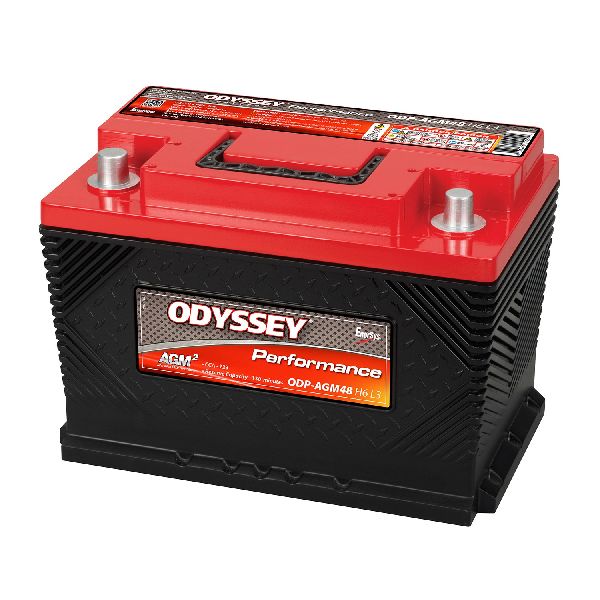
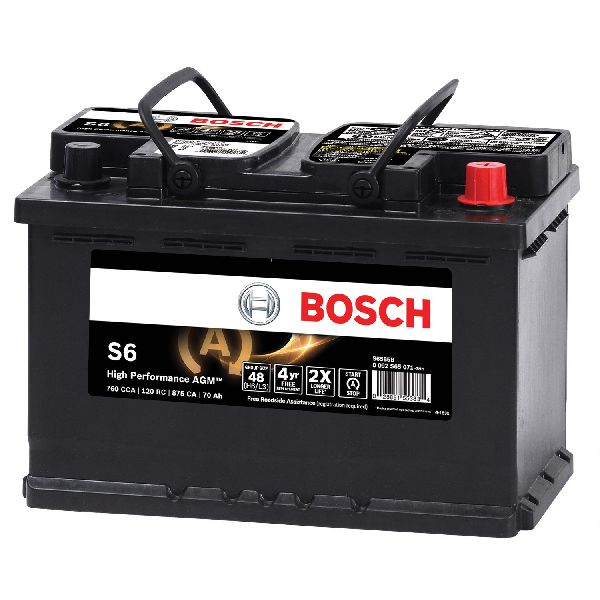
- Vehicle Battery — A weak battery is a primary cause of this code, as stated in multiple GM service bulletins.
Trusted brands: ACDelco, Interstate, DieHard
OEM price range: $200-$300
Aftermarket price range: $150-$250 - Trailer Brake Power Module
(OEM #84402169 (This number may be superseded, always verify with VIN. Other related numbers include 23114650, 85073617))— This module (sometimes called a relay) can fail due to internal faults or water intrusion. It is the component that ultimately con
Trusted brands: ACDelco (GM Genuine), Dorman
OEM price range: $80-$150
Aftermarket price range: $60-$100
Related Codes That Often Appear With This One
- C1114 — This code relates to the trailer brake control solenoids and often appears with C1112 as they share the same power and ground circuits. TSBs frequently list them together as having the same root causes.
- C1113, C111B, U1556, U1505 — TSB #PIT5529A groups these codes with C1112, indicating they can all be triggered by the same root causes like low battery voltage or connector corrosion at the Trailer Brake Power Module.
Technical Service Bulletins (TSBs) & Recalls
- PIT5529A: Warns of low battery voltage or corrosion at the Trailer Brake Power Module connector causing C1112 and other trailer brake codes.
- PIT4595J: Provides diagnostic tips for C1112 and C1114, highlighting that wiring issues are common and modules are often replaced needlessly.
- PIT5521A: Explicitly states to address any battery issues first when diagnosing C1112, as low voltage is a known cause.
Platform-Specific Known Issues
- TSB #PIT5521A and #PIT5529A both emphasize that low battery voltage is a primary cause for C1112 and related codes on 2015-2018 models, instructing technicians to test the battery with a professional tester before performing in-depth diagnostics.
- TSB #PIT5529A identifies that water can get into the Trailer Brake Power Module connector if a cavity plug is missing or pushed out, leading to corrosion and codes like C1112. It warns that plugging in the connector can create pressure that pushes the plug out if not seated carefully.
- TSB #PIT4595J provides diagnostic tips for C1112 on 2009-2014 models, noting that many modules are replaced needlessly. It advises checking the 'TBCM Relay Feedback Signal' with a scan tool; a reading between 3.2-4.1 volts is normal. It also points to checking ground G401 and the dark blue wire (circuit 47) for shorts.
Mechanic-Grade Diagnostic Values
- TBCM Relay Feedback Signal voltage — expected: 3.2 - 4.1 Volts. Failure: A voltage reading lower or higher than the specified range indicates a short or other wiring fault. A higher voltage may be correctable with a TBCM software update.
- TBCM Relay Feedback Signal (alternate spec) — expected: 4.8 - 5.2 Volts. Failure: A reading outside this range indicates a fault in the reference voltage circuit.
- TBCM Operating Voltage — expected: 9.5 - 17 Volts. Failure: Voltage below 9.5V, often caused by a weak battery during cranking, will prevent the module from initializing and set a fault.
Scan Tool Commands That Help
- Tech 2 / GDS2: Monitor 'TBCM Relay Feedback Signal' parameter — This is a primary diagnostic step mentioned in TSB #PIT4595J to determine if the voltage on the trailer brake output circuit (Dark Blue wire) is within the normal range of 3.2-4.1V. It helps differentiate between a wiring short and other potential issues.
- Tech 2 / GDS2: Reprogram TBCM — If the 'TBCM Relay Feedback Signal' voltage is higher than the 3.2-4.1V specification, an updated TBCM calibration may exist to widen the acceptable voltage window and resolve the fault without hardware replacement.
Wiring & Ground Locations
- G401 — Mounted to the left rear frame area, behind the left rear tire.. This is a primary chassis ground for the rear body harness, which includes the trailer brake control system. TSB #PIT4595J specifically calls for inspecting this ground for tightness and corrosion as a key diagnostic step.
- Circuit 47 — Dark Blue wire running from the trailer brake relay/module above the spare tire to the 7-pin trailer connector at the bumper.. This is the trailer brake output circuit. The TBCM constantly monitors the voltage on this wire. A short to ground, short to voltage, or open circuit on this wire is a direct cause for codes C1112 and C1114.
- Trailer Brake Power Module Connector — Above the spare tire, mounted to a bracket on the driver's side frame rail.. This connector is highly susceptible to water and debris intrusion, leading to corrosion that causes high resistance, shorts, or open circuits, triggering code C1112. TSB #PIT5529A points to this as a common failure point.
Real Owner Repair Stories
- Tahoe Yukon Forum user 'Burby' (2016 Chevrolet Tahoe) — 'Service Trailer Brake' message (code C1117, similar cause) and a sluggish engine start.
❌ Tried (didn't work) Initial research pointed to a short or low voltage.
✅ What actually fixed it Replacing the dying vehicle battery resolved the sluggish start and the 'Service Trailer Brake' message. - YouTube channel 'Phillip Bailey' (2008 GM 2500HD) — 'Service Trailer Brake System' message with codes C1112, C1114, and C1119.
❌ Tried (didn't work) Replacing the trailer brake control relay., Load testing the wiring from the relay to the TBCM., Confirming power and ground to the module., Trying a different (used) TBCM, which set a different but related code (C1119).
✅ What actually fixed it The problem was two crossed wires in the trailer brake relay plug. After correcting the wiring, the codes were resolved.
OEM Part Supersession History
23114650→85073617— Part has been updated/revised by the manufacturer.
Heads up: Part number 23104453 and 23337305 also supersede to 85073617. While older numbers may work, using the latest version (85073617) is recommended. A replacement module, new or used, must be programmed to the vehicle's VIN.
Model Year Variations Within This Range
- 2015-2016 (K2XX Platform): The K2XX platform uses a Chassis Control Module (CCM) or Brake System Control Module (BSCM) that is noted to be particularly sensitive to trailer wiring issues. While the root causes are similar to the GMT900 (2009-2014) platform, the diagnostic sensitivity and some part numbers (like an updated 7-way connector) may differ.
Helpful Videos
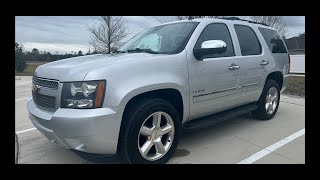
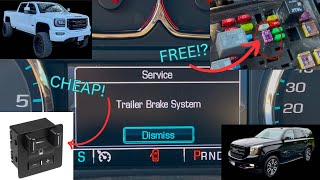
Used OEM Parts in Stock
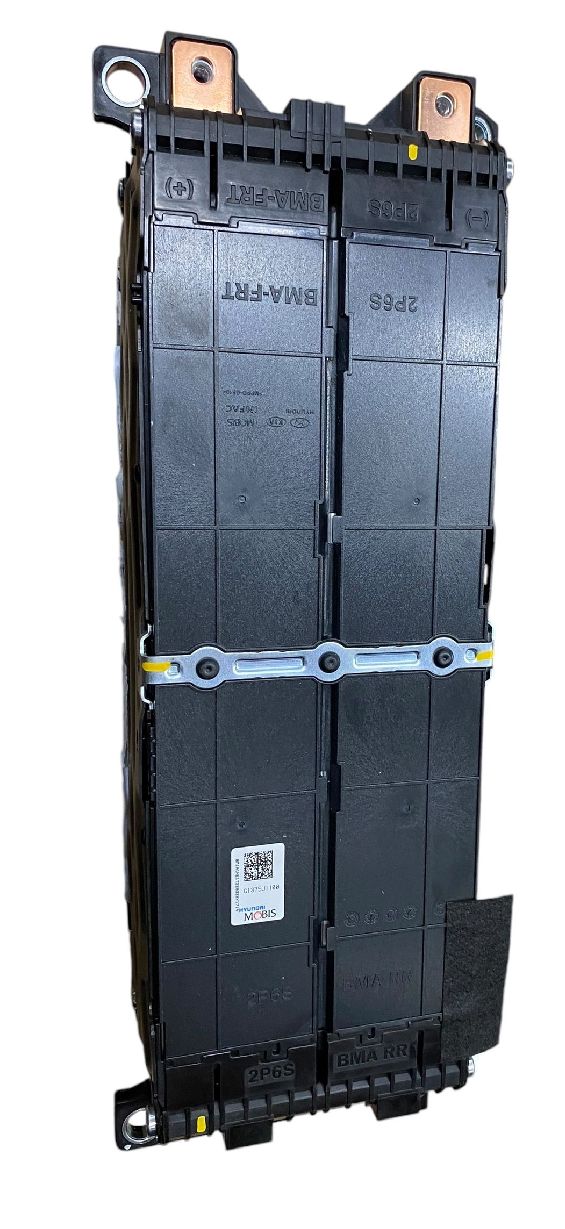
New Aftermarket Parts Available


The information in this article is provided for general reference and educational purposes only. Vehicle specifications, procedures, and part compatibility can vary by production date, trim level, and region. Always consult your vehicle's factory service manual and verify part numbers before purchasing or performing repairs. Safety-critical components such as airbags, seat belts, and braking systems should be installed by a qualified professional.
- Chevrolet TAHOE:
- 🎬 Helpful Videos
- 🛍️ Shop This Part
- What's Unique About the 2009-2016 Chevrolet TAHOE
- Diagnostic Flowchart
- Symptoms You May Notice
- Most Likely Causes
- Rare But Worth Checking
- Diagnosis Steps
- Parts You'll Likely Need
- Related Codes That Often Appear With This One
- Technical Service Bulletins (TSBs) & Recalls
- Platform-Specific Known Issues
- Mechanic-Grade Diagnostic Values
- Scan Tool Commands That Help
- Wiring & Ground Locations
- Real Owner Repair Stories
- OEM Part Supersession History
- Model Year Variations Within This Range
- 🎟️ Get 5% Off