

C1112 on 2007-2014 Chevy Silverado 1500: Service Trailer Brake System Fixes
This code almost always triggers the 'Service Trailer Brake System' message. Before replacing any parts, fully test your truck's battery and inspect the wiring and connectors for the Trailer Brake Power Module (TBPM) located near the spare tire for corrosion, as these are the most common culprits according to GM's own service bulletins. Many owners find broken or corroded wires in the harness leading to this module.
- Code C1112 will disable your truck's integrated trailer brake controller.
- The most likely causes are simple electrical issues: a weak battery or corrosion in the wiring harness near the spare tire.
- Always test the battery's health before buying any parts. This is the first step recommended by GM.
- A visual inspection of the Trailer Brake Power Module and its connector (located on the frame rail) is essential.
- Do not tow a trailer with electric brakes until the 'Service Trailer Brake System' message is gone and the system is confirmed to be working.
What's Unique About the 2007-2014 Chevrolet SILVERADO 1500

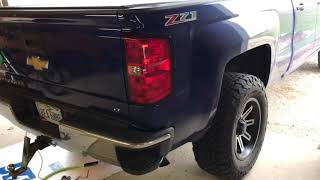
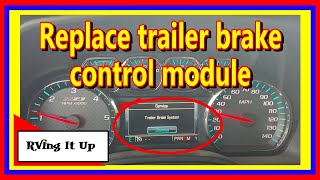
On this generation of Silverado (GMT900 and early K2XX), the trailer 🎬 See how to fix the service message on 2014 models. brake system is known for being sensitive to electrical issues. General Motors has released multiple Technical Service Bulletins (TSBs) that guide technicians to investigate simple electrical faults—like a weak battery or corroded connectors—before condemning the expensive control modules. The location of the Trailer Brake Power Module (TBPM, also called the trailer brake relay) on the frame rail above the spare tire makes its wiring harness particularly susceptible to moisture, dirt, and corrosion from road spray, which is a primary cause of this code. TSB PIT5529A specifically highlights that missing or dislodged cavity plugs in the TBPM connector can allow water intrusion, leading to terminal corrosion and codes like C1112.
Diagnostic Flowchart

Tap your situation to follow the diagnostic path that matches what you're seeing on this vehicle.
Generation note: This year range covers two Silverado 1500 generations: the GMT900 (2007-2013) and the first year of the K2XX (2014). The causes and diagnostic principles are very similar for both generations, as confirmed by TSBs that cover vehicles from both platforms. The issue is also common on the heavy-duty 2500/3500 models from the same era.
Symptoms You May Notice

- "Service Trailer Brake System" message on the Driver Information Center (DIC).
- Trailer brakes do not activate when using the manual controller or pressing the brake pedal.
- The gain level on the trailer brake controller display may not adjust.
- A trailer may not be detected when connected.
- Associated fuses for the trailer brake system may be blown, often a 30A fuse in the under-hood fuse box.
- The warning message may appear intermittently at startup and then disappear.
- Replacing the in-dash trailer brake controller switch assembly without first checking the battery, fuses, and under-vehicle wiring and module. The problem is most often located at the rear of the truck near the spare tire.
- Replacing the Trailer Brake Power Module (TBPM) when the actual fault is a broken or corroded wire in the harness leading to it.
Most Likely Causes

- Poor Battery State of Health or Low Voltage 🔴 High Probability Multiple GM TSBs explicitly state that low battery voltage (below 9.5V during startup) can cause this code. The control modules are sensitive to voltage drops during their initialization sequence.
How to confirm: Test the battery's state of health and charge using a professional-grade tester like a Midtronics GR8 or a quality load tester, not just a multimeter. TSB #PIT5521A and #PIT5221A specifically advise checking the battery first before any other diagnostics.
Typical fix: Recharge or replace the vehicle's battery. Ensure battery terminals and ground connections (especially G401 on the driver's side frame rail) are clean and tight.
Est. part cost: $150-$300 - Corroded or Damaged Trailer Brake Power Module (TBPM) Connector/Wiring 🔴 High Probability The TBPM is located on the frame rail, often above the spare tire, exposing its connector to road spray, dirt, and moisture, leading to corrosion or broken wires. TSB #PIT5529A directly points to this issue, often caused by missing cavity plugs in the connector.
How to confirm: Lower the spare tire for access. Unplug the 6-pin connector from the Trailer Brake Power Module and visually inspect the terminals on both the harness side and the module side for green or white corrosion ('blue crusties') and any broken or frayed wires. Pay close attention to the dark blue wire (circuit 47).
Typical fix: Clean the connector terminals with a specialized contact cleaner and apply dielectric grease. If corrosion is severe, the connector pigtail (Dorman 645-509) and/or the module itself may need to be replaced. Damaged wires must be repaired with sealed, weatherproof splices.
Est. part cost: $20-$80 for a connector pigtail, $100-$200 for a module. - Faulty Trailer Brake Power Module (TBPM) 🟡 Medium Probability Internal failure of the module, often caused by moisture intrusion through cracks in the plastic housing or via the connector pins, can lead to short circuits. This can cause the associated 30A fuse to blow instantly upon key-on.
How to confirm: After confirming wiring and fuses are good, unplugging the module is a key test. If a new fuse does not blow with the module unplugged but blows instantly when it's reconnected, the module is internally shorted. Some owners have cut open the failed module to find visible corrosion and burn marks on the internal circuit board.
Typical fix: Replace the Trailer Brake Power Module. This part is also called the Trailer Brake Control Relay.
Est. part cost: $100-$200 - Blown Fuse for Trailer Brake System ⚪ Low Probability A short circuit in the wiring, the TBPM, or even the trailer's own wiring can cause the fuse to blow. This is often a 30A fuse in the under-hood fuse block, sometimes labeled 'STUD 2' or 'Trailer Brakes'.
How to confirm: Check the fuse box under the hood for any blown fuses related to the trailer brake system. A blown fuse is often a symptom of a larger problem (like a shorted module), not the root cause.
Typical fix: Replace the fuse after diagnosing and fixing the underlying short circuit. Simply replacing the fuse without finding the short will likely result in the new fuse blowing immediately.
Est. part cost: $1-$5
Rare But Worth Checking
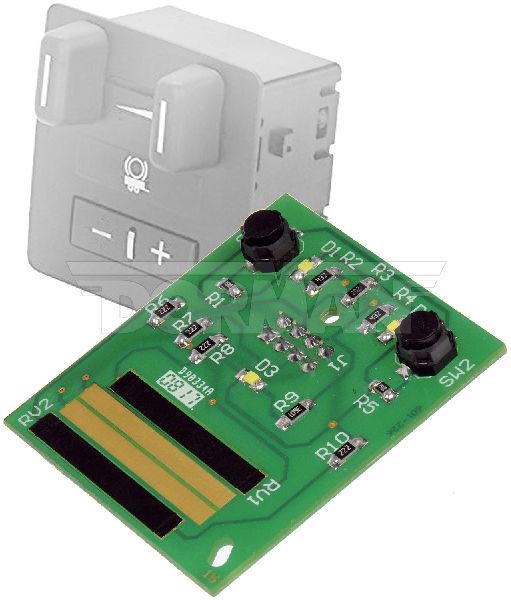
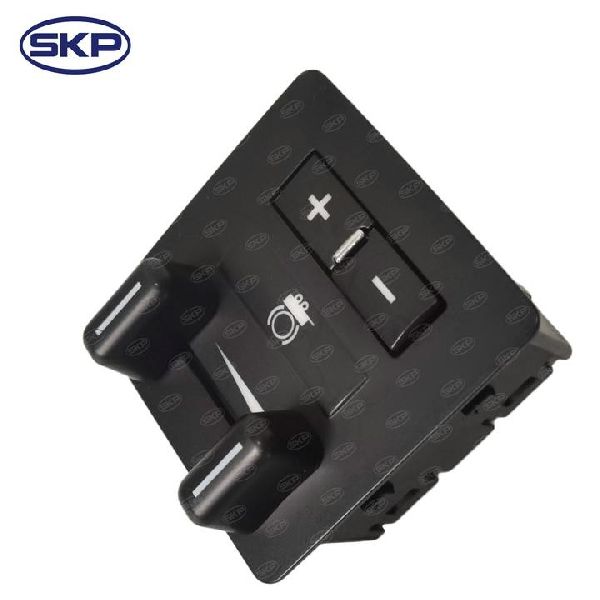
- Faulty In-Dash Trailer Brake Control Switch: Less common than wiring or module issues, but the switch assembly in the dash can fail or its internal circuit board can burn out, causing communication errors or incorrect gain inputs. Dorman offers a replacement circuit board (601-226) for the switch assembly, which is cheaper than replacing the entire unit.
- Corrosion in 7-Pin Trailer Connector: While often the first place people look, TSBs for this specific code point more frequently to the module connector under the truck. However, heavy corrosion in the bumper-mounted 7-pin connector can still cause a variety of trailer-related codes and should be inspected and cleaned with contact cleaner and dielectric grease.
- Poor Frame Ground (G401): TSB PIT4595J mentions checking ground G401, typically located on the driver's side frame rail near the rear of the truck. A loose or corroded ground can cause a variety of difficult-to-diagnose electrical issues with the trailer brake system.
Diagnosis Steps
- Verify the 'Service Trailer Brake System' message is present on the DIC.
- Scan for DTCs with a scanner capable of reading Chassis (C) codes. Confirm C1112 and any other related codes are present.
- Perform a complete battery health test using a load tester. Do not skip this step. Address any battery issues before proceeding.
- Inspect the under-hood fuse box. Check the 30A fuse for the trailer brake system (often labeled 'STUD 2' or similar). Replace if blown, but expect it may blow again until the root cause is found.
- Lower the spare tire to gain access to the Trailer Brake Power Module (TBPM) on the driver's side frame rail.
- Disconnect the electrical connector from the TBPM. Carefully inspect both the harness connector and the pins on the module for any signs of corrosion (green/white powder), moisture, or physical damage. Ensure all cavity plugs are present in the connector body.
- If corrosion is found, clean the terminals. If wires are broken, repair them with weatherproof splices.
- Inspect the main trailer harness ground point (G401) on the driver's side frame rail. Ensure it is clean, tight, and free of rust.
- If a fuse was blowing, install a new fuse and turn the ignition on with the TBPM still disconnected. If the fuse holds, the TBPM is likely faulty. If the fuse blows, there is a short in the wiring harness between the fuse box and the module connector.
- If all wiring, grounds, and the battery check out, the Trailer Brake Power Module is the most likely failed component.
- For advanced diagnosis, use a Tech 2 or GDS2 scan tool to monitor the 'TBCM Relay Feedback Signal' voltage. The expected reading is between 3.2 and 4.1 volts. Readings outside this range indicate a short or open that requires circuit testing.
Parts You'll Likely Need
- Trailer Brake Power Module
(OEM #23487933 (replaces 15926112, 22788733))— This module, located near the spare tire, is prone to internal failure from moisture and corrosion, causing short circuits.
Trusted brands: ACDelco (OEM), Dorman (926-060)
OEM price range: $150-$250
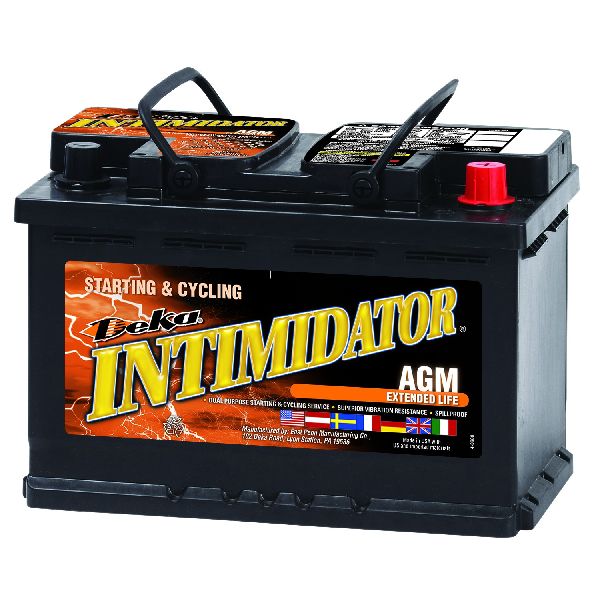
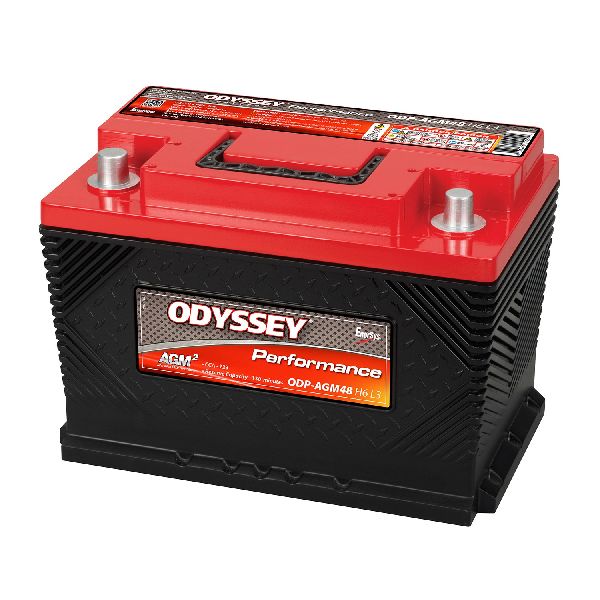
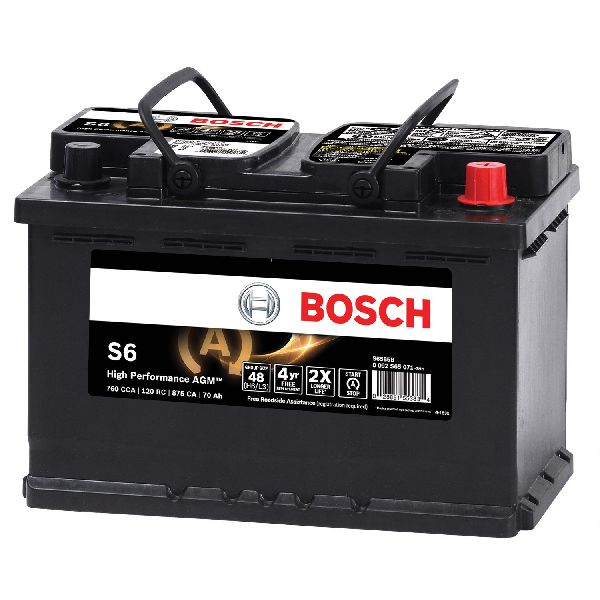
Aftermarket price range: $80-$150 - Vehicle Battery — A weak or failing battery is a primary cause of this code, as specified by multiple GM TSBs.
Trusted brands: ACDelco, Interstate, Optima
OEM price range: $200-$350
Aftermarket price range: $150-$300 - Trailer Brake Power Module Connector Pigtail — The connector itself is a common failure point due to corrosion from water intrusion, requiring it to be cut out and replaced.
Trusted brands: Dorman (645-509), ACDelco
OEM price range: $40-$70
Aftermarket price range: $20-$40
Related Codes That Often Appear With This One
- C1113 — This code is also related to the trailer brake control system and is often set alongside C1112 due to the same underlying electrical faults, as noted in TSB #PIT5529A.
- C1114 — Another trailer brake system code frequently seen with C1112. TSB #PIT4595J specifically addresses diagnosing C1112 and C1114 together, often pointing to issues with the dark blue wire (circuit 47).
- C111B — This code is part of the same family of trailer brake faults and is mentioned in multiple TSBs (PIT5529A, PIT5521A, PIT5221A) as appearing with C1112.
Technical Service Bulletins (TSBs) & Recalls
- PIT5529A: Addresses multiple trailer brake codes including C1112. Guides technicians to check battery health first, then inspect the Trailer Brake Power Module connector for corrosion, specifically noting that missing or unseated cavity plugs can allow water intrusion.
- PIT4595J: Provides diagnostic tips for C1112 and C1114. Notes that many modules are replaced unnecessarily. Instructs technicians to check the dark blue wire (circuit 47), check ground G401, and use a scan tool to monitor the 'TBCM Relay Feedback Signal' for a normal voltage of 3.2-4.1V.
- PIT5521A / PIT5221A: Preliminary information bulletins that strongly advise technicians to verify the battery's state of health with a professional tester (Midtronics GR8) before performing any other diagnostics for a 'Service Trailer Brake' message with codes like C1112.
Platform-Specific Known Issues
- TSB #PIT5529A, #PIT5521A, and #PIT5221A all emphasize that technicians should investigate battery health and corroded terminals at the Trailer Brake Power Module connector before performing any other in-depth diagnostics for code C1112.
- TSB #PIT4595J provides diagnostic tips specifically for the 'Service Trailer Brake' message accompanied by codes C1112 and C1114.
Mechanic-Grade Diagnostic Values
- TBCM Relay Feedback Signal Voltage — expected: 3.2 - 4.1 Volts. Failure: A voltage higher than 4.1V suggests a short to voltage. A voltage lower than 3.2V suggests a short to ground or an open/high resistance in the circuit.
- System Voltage for Module Initialization — expected: 9.5 - 17.0 Volts. Failure: If battery voltage drops below 9.5V during startup or operation, the module may fail to initialize and set a fault code.
Scan Tool Commands That Help
- Tech 2 / GDS2: Monitor 'TBCM Relay Feedback Signal' Parameter — This is a key diagnostic step to determine if the fault is a short to voltage, short to ground, or open circuit without extensive manual probing. It's used after checking fuses and battery.
- TIS2WEB / SPS: Reprogram Trailer Brake Control Module (TBCM) — For 2007-2008 models, an updated calibration was released to improve diagnostics for high-resistance faults. This should be performed if TSB PIT4595J applies and voltage readings are abnormal.
- GDS2: View 'Trailer Brake Type' Data Parameter — On 2014 and newer models, this helps verify that the Chassis Control Module is correctly identifying the type of trailer connected (or 'Undefined' if none), which is crucial for diagnosing connectivity issues.
Wiring & Ground Locations

- Trailer Brake Power Module (TBPM) — Mounted to the driver's side frame rail, typically above or just in front of the spare tire.. This module (also called a relay) is a common failure point. Its location exposes its 6-pin connector to road spray, causing corrosion and wire damage that directly leads to code C1112.
- Circuit 47 (Dark Blue Wire) — Runs from the Trailer Brake Power Module (TBPM) to the 7-pin trailer connector at the bumper.. This is the trailer brake output/control circuit. The TBCM constantly monitors voltage on this wire. A short or open on this specific wire is the direct cause for codes C1112 and C1114.
- G401 — Driver's side frame rail, near the rear of the truck.. This is a primary ground point for the rear chassis harness, including the trailer brake system. A loose or corroded connection here can cause intermittent and difficult-to-diagnose voltage issues for the TBPM.
- TBCM Connector (15491307) — At the in-dash trailer brake controller switch.. Provides connection points for testing. Key pins are Pin 28 (Dark Blue, Circuit 47) for the relay feedback signal, and Pin 32 (Red/White) for battery power.
Real Owner Repair Stories
- Joe's Car Smarts-NY YouTube Channel (2008 Chevrolet Silverado 3500HD) — Trailer brake fuse blows instantly as soon as the key is turned on, with or without a trailer connected.
❌ Tried (didn't work) Visual inspection of the 7-pin connector and under-truck harness.
✅ What actually fixed it The Trailer Brake Power Module (TBPM) was internally shorted. Unplugging the module stopped the fuse from blowing. Replacing the TBPM resolved the issue. The old module was cut open, revealing internal corrosion and burn marks. - Phillip Bailey YouTube Channel (2008 GM 2500HD) — 'Service Trailer Brake' message with codes C1112 and C1114.
❌ Tried (didn't work) Replacing the Trailer Brake Power Module (TBPM)., Load testing wires between the module and relay., Confirming power and ground were good.
✅ What actually fixed it The root cause was two crossed wires in the pigtail connector for the Trailer Brake Power Module from a previous, incorrect repair. After correcting the wire positions in the connector, the codes were resolved. - 5-9 Motorsports YouTube Channel (2014-2018 GM Truck) — 'Service Trailer Brake' message on the dash.
❌ Tried (didn't work) Replacing the in-dash trailer brake controller switch module.
✅ What actually fixed it A blown 30-amp fuse in the under-hood fuse box, specifically the #2 fuse for the 'trailer battery', was found and replaced, which cleared the message.
OEM Part Supersession History
Varies→85073615— To correct a condition on newer trucks where high trailer battery voltage could feed back into the vehicle, causing a false short-to-ground fault.
Heads up: This specific part number is for a recall on newer 2020/2024 HD trucks but demonstrates a history of the TBPM being redesigned to fix system faults.
Model Year Variations Within This Range
- 2007-2008: A specific TBCM software calibration was released via TIS2WEB to improve the module's ability to diagnose high-resistance shorts to voltage. Later models likely included this logic from the factory.
- 2014+: The trailer brake system uses a more advanced Chassis Control Module (CCM) that actively determines if the trailer has electromagnetic or electro-over-hydraulic brakes. This makes the system more sensitive to trailer wiring faults compared to the earlier GMT900 system.
Helpful Videos
Used OEM Parts in Stock



New Aftermarket Parts Available


The information in this article is provided for general reference and educational purposes only. Vehicle specifications, procedures, and part compatibility can vary by production date, trim level, and region. Always consult your vehicle's factory service manual and verify part numbers before purchasing or performing repairs. Safety-critical components such as airbags, seat belts, and braking systems should be installed by a qualified professional.
- Chevrolet SILVERADO 1500:
- 🎬 Helpful Videos
- 🛍️ Shop This Part
- What's Unique About the 2007-2014 Chevrolet SILVERADO 1500
- Diagnostic Flowchart
- Symptoms You May Notice
- Most Likely Causes
- Rare But Worth Checking
- Diagnosis Steps
- Parts You'll Likely Need
- Related Codes That Often Appear With This One
- Technical Service Bulletins (TSBs) & Recalls
- Platform-Specific Known Issues
- Mechanic-Grade Diagnostic Values
- Scan Tool Commands That Help
- Wiring & Ground Locations
- Real Owner Repair Stories
- OEM Part Supersession History
- Model Year Variations Within This Range
- 🎟️ Get 5% Off