

OBD-II Code C1099: Electro-Hydraulic Power Steering Pump Motor Malfunction
The Ultimate Guide to C1099: What it means, why it triggers, and how to fix it for good.
- Code C1099 indicates a failure in the electro-hydraulic power steering pump motor circuit, resulting in a dangerous, complete loss of steering assist.
- Before replacing a $600+ pump assembly, test the main 40A-80A power steering fuse and verify the alternator outputs at least 13.7 volts under load.
- Perform a voltage drop test on the pump's power and ground wires; a drop exceeding 0.5V on the positive side or 0.2V on the ground side confirms a wiring issue, not a bad pump.
- On Ford, Mazda, and Volvo models, inspect the pump's main electrical connector located low in the engine bay, as water intrusion and corrosion cause over 50% of these failures.
What Does C1099 Mean?

Code C1099 indicates your vehicle's Power Steering Control Module (PSCM) detected a critical malfunction with the electric motor driving the hydraulic power steering pump. This triggers a complete loss of power steering assistance, making the vehicle extremely difficult to steer.
Technical definition: The Power Steering Control Module (PSCM) detected a fault in the electric power steering pump motor circuit. The module registered that the motor's rotational speed is below a specified threshold, or it detected an abnormal current draw. The pump module shuts down automatically if system voltage falls outside the 9V to 16V range.
Can I Drive With C1099?
No — Do Not Drive. No. While the wheels remain mechanically linked to the steering wheel, the effort required to turn them becomes dangerously high, especially at low speeds or in an emergency. Continuing to drive risks loss of control and causes additional wear to the steering rack and tie rods.
Common Causes

- Failing Electric Power Steering Pump Motor (Very Common) — The electric motor integrated into the pump assembly is the most frequent point of failure. Internal wear, bearing failure, or an electrical short within the motor windings prevents it from spinning correctly.
- Corroded Connectors or Poor Ground (Very Common) — The EHPS pump sits low in the engine bay, exposing high-current connectors to moisture and road salt. Corrosion here, or at the main battery ground strap, creates high resistance and starves the pump of voltage.
- Blown Main Power Steering Fuse (Common) — The pump motor draws significant electrical current and is protected by a high-amperage fuse (40A to 80A). A voltage spike, a short in the wiring, or a seized pump motor causes this fuse to blow, cutting all power.
- Low Battery Voltage or Failing Alternator (Common) — The EHPS pump requires a strong, stable voltage supply (above 12.6V, and 13.7V+ running). A weak battery or a failing alternator causes system voltage to drop during high-load situations, triggering this fault code.
- Contaminated Power Steering Fluid (Less Common) — Old, dirty fluid or debris causes the hydraulic pump to bind. This extra strain overloads the electric motor. On Mazda models, rust particles from deteriorating steering lines were a known cause of contamination. 🎬 See this step-by-step guide to replacing a Mazda power steering pump.
- Secondary System Malfunction (Less Common) — On some vehicles, particularly Chevrolets, a fault in an unrelated system causes the computer to disable power steering assist as a precaution. A blown ABS fuse or a faulty engine coolant temperature sensor triggers a 'Steering Assist is Reduced' message. 🎬 Watch: How to reset the 'Steering Assist is Reduced' message.
- Faulty Wiring Harness (Less Common) — The wires leading to the power steering pump become damaged, frayed, or shorted to ground over time due to vibration and heat, interrupting the power supply.
- Failed Power Steering Control Module (PSCM) (Rare) — The integrated electronic control module on the pump fails internally due to heat or vibration, causing it to incorrectly report a motor fault or fail to operate the motor entirely.
- Lost Steering Angle Sensor Calibration (Rare) — After a battery is disconnected, some vehicles (like Volkswagen) lose the calibration for the steering angle sensor. The system disables power assist as a safety measure until recalibrated.
Symptoms

- Steering Becomes Extremely Heavy or Stiff — The primary symptom. The steering wheel suddenly becomes very difficult to turn, feeling much heavier than a car with traditional manual steering, especially when parking.
- Power Steering Warning Light On — A warning light, shaped like a steering wheel with an exclamation mark, illuminates on the dashboard.
- Whining or Groaning Noise from Pump — A distinct electrical whining or hydraulic groaning sound comes from the front of the vehicle, getting louder when turning the steering wheel.
- Intermittent Power Steering Failure — Power steering assistance works sometimes and fails at other times. This points to a loose electrical connection or a motor overheating and shutting down.
- Dashboard Message Displayed — A specific message appears on the instrument cluster, such as 'Power steering fault service required' (Ford) or 'Steering Assist is Reduced' (Chevrolet).
- Burning Smell from Pump Area — A seized or shorted electric motor overheats, producing a distinct electrical burning smell near the pump assembly.
Diagnostic Flowchart
Tap your situation to follow the diagnostic path that matches what you're seeing on this code.
Common Fixes & Costs
- Replace Power Steering Pump Assembly
— Parts: $300 - $900, Labor: $200 - $500, ~2.5 hr book time
(Professional)
: OEM
: OEM - Clean or Repair Wiring, Connectors, or Grounds — Parts: $10 - $50, Labor: $120 - $400, ~1.5 hr book time (Intermediate)
- Replace Blown Main Fuse — Parts: $5 - $25, Labor: $0 - $60, ~0.2 hr book time (DIY)
- Flush Power Steering Fluid — Parts: $20 - $60, Labor: $80 - $180, ~0.8 hr book time (Intermediate)
- Replace Engine Coolant Temperature Sensor
— Parts: $30 - $100, Labor: $50 - $150, ~0.8 hr book time
(DIY)
: OEM - Recalibrate Steering Angle Sensor — Parts: $0, Labor: $0 - $100, ~0.5 hr book time (DIY)
Used vs. New Parts: Buying Guide
When a used part is worth it: A used EHPS pump from a low-mileage, accident-damaged vehicle is a cost-effective option for older vehicles where a new pump exceeds 20% of the car's value. It makes sense when the budget is tight and you can verify the donor vehicle's history.
Donor-vehicle mileage cap: roughly under 70000 miles for the part to have meaningful remaining life.
Donor quality checklist:
- Verify the donor vehicle was not scrapped due to electrical or flood damage.
- Inspect the electrical connector on the used pump for any signs of corrosion, melting, or pushed-out pins.
- Match the part number exactly. Different part numbers for the same model year contain different software.
- Avoid parts from regions with heavy road salt use, as corrosion is the primary failure mode.
Decision logic:
- If The vehicle is under 100,000 miles and you plan to keep it long-term → Buy a new OEM or high-quality remanufactured part for longevity and warranty.
- If The vehicle is high-mileage (>150,000 miles) and the budget is the main concern → A tested, used part from a reputable salvage yard is an acceptable risk.
- If The failure was caused by internal contamination (e.g., Mazda recall) → Favor a new or remanufactured pump, as a used one likely has the same contamination.
Warranty tradeoff: Used parts typically offer a 30-90 day warranty covering only the part itself. New aftermarket or remanufactured parts usually come with a 1-year to limited lifetime warranty.
Worst-case if a used part fails: $300-700 if a used part fails after installation, representing the repeat labor cost plus the cost of another part.
What Happens If You Wait — Timeline
- 0-1 week: Initial fault. A single event of power steering loss occurs, possibly resetting after restarting the car. The C1099 code is stored. The cause is a temporary voltage drop or the beginning of a component failure. (Added cost: $0)
- 1 week - 2 months: Fault becomes more frequent, occurring intermittently, especially during high-load situations like parking or in cold weather. If caused by a fluid leak, the pump starts to whine as it ingests air. (Added cost: $0 - $50 (Cost of top-up fluid if leaking))
- 2-6 months: The system fails completely. The power steering assist is permanently gone, and the warning light is always on. If the cause was a leak, the pump has run dry and seized. If an electrical issue, repeated thermal stress permanently damages the pump's control module. (Added cost: $500 - $1400 (Guaranteed pump replacement is now needed))
- 6+ months: Continued driving without power assist puts significant mechanical strain on the steering rack, inner/outer tie rods, and steering column U-joints. A failing pump sheds metal debris into the hydraulic lines, destroying the steering rack's internal seals. (Added cost: $900 - $3500 (Pump replacement plus potential steering rack and/or tie rod replacement))
Cost of Not Fixing It
- Immediate: Extreme safety risk. The vehicle becomes very difficult to steer, dramatically increasing the chance of an accident during evasive maneuvers. (Added cost: N/A)
- Short-Term (days to weeks): If the failure is due to low fluid from a leak, continuing to drive causes the power steering pump to run dry, leading to overheating and complete seizure. (Added cost: $500 - $1400)
- Long-Term (months): Driving with a non-functional hydraulic system puts massive physical strain on mechanical steering components like the steering rack and tie rods, causing premature wear. (Added cost: $400 - $1500)
Diagnosis Steps

- Check Power Steering Fluid
Locate the power steering fluid reservoir. Verify the fluid level is between the 'MIN' and 'MAX' marks. Note the fluid's color; it should be reddish or clear/green and not look like dark, burnt coffee. Look for metal flakes, a sign of internal pump failure.
Tools: Flashlight, Rag (Beginner) - Inspect the Power Steering Main Fuse
Locate the main fuse box in the engine bay. Find the large fuse for the power steering pump (40A, 60A, or 80A cartridge fuse). Visually inspect the fuse to see if the internal link is broken. On Chevrolets, also check the ABS fuse.
Tools: Owner's Manual, Fuse Puller or Pliers (Beginner) - Test Battery and Charging System
Use a multimeter to check the battery voltage with the car off; it must be at least 12.4 volts. Start the engine and check the voltage again; it must rise to 13.7-14.7 volts. An EHPS pump shuts down if voltage drops below 9V under load.
Tools: Multimeter (Beginner) - Inspect Electrical Connectors and Main Ground Strap
Disconnect the battery. Locate the power steering pump and inspect its large electrical connectors for green/white corrosion, pushed-out pins, or melted plastic. Trace the thick black cable from the negative battery terminal to the chassis and engine block; ensure these ground points are clean and tight.
Tools: Flashlight, Socket Set, Wire Brush (Intermediate) - Perform Voltage Drop Test (Pro Tip)
Set a multimeter to DC Volts. Connect the red lead to the positive battery post and the black lead to the main power terminal on the pump connector. Have a helper turn the wheel to load the circuit. A reading over 0.5 volts indicates high resistance in the power feed. Repeat on the ground side (black lead on negative battery post, red lead on pump ground terminal); a reading over 0.2 volts indicates a bad ground.
Tools: Multimeter, Helper (Advanced) - Scan for All Related Trouble Codes
Use an advanced OBD-II scanner that reads chassis (C-codes) and network (U-codes). Look for communication codes (U-codes), steering angle sensor codes, or engine codes (like P0128 on a Chevy), which provide critical diagnostic clues.
Tools: Advanced OBD-II Scanner (Intermediate) - Test for Power and Ground at the Pump
Using a wiring diagram, identify the main power and ground wires at the pump connector. With the battery connected and ignition on, test for battery voltage at the power wire. Lack of voltage points to a blown fuse or wiring issue, not a bad pump.
Tools: Multimeter, Vehicle Wiring Diagram (Advanced) - Analyze Live Data from EHPS Module
Access the live data stream for the Power Steering Control Module. Monitor 'Pump Motor RPM', 'Pump Current Draw', and 'Module Voltage'. When turning the wheel, RPM should increase to 100% and current will rise significantly (30-60 Amps). If the scan tool shows commanded values but actual values are zero, the pump/motor has failed.
Tools: Advanced OBD-II Scanner (Advanced) - Measure Pump Motor Current Draw (Advanced)
Using a high-amperage clamp-on probe with a lab scope, measure the current flowing into the pump motor. No current draw indicates an open circuit. An excessively high, sustained current draw suggests the motor is seized or working against a major hydraulic restriction.
Tools: Lab Scope, High-Amperage Current Probe (Professional)
When This Code Triggers (Freeze-Frame Conditions)
- System Voltage: 9.0V - 11.5V (During engine crank or high electrical load, a voltage drop triggers the code.)
- Pump Motor RPM: 0 RPM or below threshold (The PSCM commanded the motor to run, but detected it was not spinning.)
- Pump Motor Current: Over 70-80A or near 0A (A spike indicates a seized motor; near zero indicates an open electrical circuit.)
- Vehicle Speed: 0 - 15 mph (Failure is common during low-speed maneuvers like parking, which demand maximum pump pressure and current.)
Related Codes
- U1900 — A CAN bus communication fault code frequently seen with C1099. It means the power steering module stopped communicating with other control units.
- C1956 — Indicates a fault in the steering angle sensor circuit. A problem with the power steering system triggers faults in related sensors as a secondary effect.
- B1342 — A generic code for an internal control module fault. If the electronic 'brain' of the power steering pump fails, it stores this code along with C1099.
- P0551 — Relates to the Power Steering Pressure Sensor circuit. A faulty pressure sensor providing incorrect data leads the control module to command a shutdown.
Climate & Environmental Factors
- High Humidity & Road Salt (Winter Climates): The most significant environmental factor. Moisture and salt aggressively corrode the large, high-current electrical connectors and ground points for the EHPS pump, creating high resistance and starving the pump motor.
- Extreme Cold Weather: In very cold temperatures, power steering fluid becomes thicker, increasing the hydraulic load on the pump. This requires the electric motor to draw more current on startup, exposing weaknesses in an aging battery or alternator.
- High Ambient Heat: The electric motor and its integrated control module generate significant heat. In hot climates, overheating causes the control module to shut down the motor as a protective measure, leading to intermittent power steering loss.
How to Talk to a Mechanic About This Code
Say this: "I have a C1099 code and a loss of power steering. I'd like to schedule a diagnostic. Before replacing the pump, please perform a full charging system test, check the main fuse and connector for corrosion, and perform a voltage drop test on the pump's power and ground wires."
This signals you understand that the cause is often electrical, not the pump itself. It directs the mechanic to perform specific, conclusive tests before recommending the most expensive part, preventing misdiagnosis.
Avoid saying:
- My steering is heavy, can you fix it?
- Just replace the power steering pump.
- Do whatever you think is necessary.
Questions to ask before authorizing the repair:
- What were the results of the voltage drop test on the power and ground circuits?
- What was the alternator's voltage output under load?
- If you are recommending a pump replacement, can you show me the failed electrical test results that condemn the pump?
- Does the written estimate include flushing the system and using the correct spec fluid?
- What is the warranty on the parts and the labor for this repair?
Where to Take It: Dealer vs Independent vs Chain
- Dealer:
Recommended if the vehicle is under warranty, is a known recall model, or requires post-repair programming. Otherwise, a qualified independent shop is more cost-effective.
Best for: Vehicles under warranty or covered by a recall (like the 2007-2009 Mazda3)., Complex cases requiring module programming after replacement (common on Ford)., When previous attempts at an independent shop have failed.
Downsides: Highest labor rates and part costs., Less willing to diagnose and repair wiring issues, favoring complete assembly replacement. (Typical cost: +50% vs. baseline) - Independent Shop:
Best overall fit. An experienced independent mechanic diagnoses the root electrical cause of C1099, saving you from an unnecessary pump replacement. Vet the shop for good reviews on electrical diagnostics.
Best for: Out-of-warranty vehicles where cost is a factor., Diagnosing common electrical faults like bad grounds or corroded connectors., Vehicles with well-known C1099 issues (Ford Focus, Mini Cooper).
Downsides: Diagnostic skill varies; ensure the shop has strong electrical expertise., Lacks expensive, manufacturer-specific programming tools for newer vehicles. (Typical cost: +0% vs. baseline) - Chain Shop:
AVOID for initial diagnosis. The risk of misdiagnosis and being sold an expensive, unnecessary pump is very high. Only use if the problem has been definitively diagnosed elsewhere as a simple part swap.
Best for: Simple, clear-cut part replacements like a battery or alternator if already diagnosed.
Downsides: Technicians lack the deep electrical diagnostic training needed for C1099., High pressure to sell parts leads to replacing the pump without proper diagnosis., Unlikely to perform detailed wiring repairs or voltage drop tests. (Typical cost: -10% vs. baseline)
When to Walk Away From the Repair
If the estimated repair cost for the power steering system exceeds 50% of the car's private-party value, strongly consider selling the vehicle 'as-is' rather than repairing it.
- Car worth $4000, fix is $2000: Walk away. The repair cost is 50% of the car's value, and other age-related repairs are likely looming.
- Car worth $10000, fix is $1400: Fix it. The repair cost is well below the threshold and restores a critical safety function, preserving the vehicle's value.
- Car worth $2500, fix is $1500: Walk away. The repair cost is 60% of the car's value. It is not economically viable.
What Scan Tool You Need for This Code
Minimum: A scanner that reads Chassis (C-codes) and accesses the live data stream from the Power Steering Control Module (PSCM).
A basic $20 reader only shows engine (P-codes) and will not see the C1099 code at all. To diagnose this issue, you MUST see live data PIDs like 'Module Supply Voltage', 'Pump Motor RPM', and 'Pump Current Draw' to determine if the fault is the pump or its power supply.
Budget: BlueDriver Pro Scan Tool / OBDeleven (~$100) — These Bluetooth dongles connect to a smartphone app and read codes from all modules, including the PSCM. They display the critical live data needed to see voltage and current, helping you differentiate between a bad pump and a bad alternator or ground.
Mid-range: Foxwell NT510 Elite (~$180) — Provides full-system diagnostics, including reading PSCM codes and live data. Crucially, it includes special functions like Steering Angle Sensor (SAS) calibration, required after a repair or battery replacement.
Professional: Autel MaxiCOM MK808 / MK808S (~$500) — Offers comprehensive diagnostics with the ability to read/clear codes and view live data from all modules. Its key advantage is offering advanced service functions and bidirectional control or module programming capabilities needed for pump replacement.
Rent vs buy: Many auto parts stores offer free loaner tools with a deposit. Their scanners read C-codes, which is a great free first step to confirm the code. However, they do not offer live data. For DIY diagnosis of C1099, buying at least a budget pick is necessary to view the required live data.
How to Clear the Code After You Fix It
- Reconnect the battery if it was disconnected for the repair.
- Use a compatible OBD-II scan tool to erase the C1099 code from the Power Steering Control Module (PSCM).
- Perform the power steering system air bleeding procedure by turning the wheel lock-to-lock several times with the engine running.
- Perform a steering angle sensor reset procedure (required on VW/Audi).
Drive cycle (~20 minutes): After clearing the code, start the engine and let it idle for 2 minutes. Drive the vehicle for 20 minutes, including a mix of city driving with sharp turns and a short period of steady highway speed. This tests the power steering under various hydraulic loads.
Readiness monitors affected: This is a chassis code (C-code) and does not affect emissions-related readiness monitors.
Watch out for:
- Disconnecting the battery will not clear the code from the PSCM's memory.
- If the underlying cause (e.g., bad ground, weak alternator) is not fixed, the code returns immediately upon the first steering input.
- Forgetting to bleed the system of air after a pump replacement causes severe noise and re-triggers faults.
Will This Fail Emissions / State Inspection?
No — by itself this code doesn't fail OBD inspection (but it can keep readiness monitors from setting, which causes a separate fail).
- California: While C1099 won't fail the OBD-II portion of the smog check, a lit power steering warning light causes the technician to fail the vehicle on a safety basis.
- New York: The NYS safety inspection explicitly checks the power steering system. A warning light, heavy steering, or fluid leaks results in an automatic failure.
- Texas: The Texas safety inspection includes checking the power steering system for proper function. Heavy steering or a warning light causes an automatic failure.
Most Commonly Affected Vehicles
- Mazda 3 & 5 (2007-2009) — Subject to a major safety recall (NHTSA 10V370000) for power steering failure caused by rust particles from internal steering lines contaminating the fluid. The fix involves replacing the pump, high-pressure lines, and flushing the fluid.
- Ford Focus (2004-2011) — Notorious for water intrusion into the pump's electrical connectors, located below the driver-side headlight. Corrosion is the primary cause of failure.
- Volvo S40, V50, C30, C70 (2006-2012) — Shares a platform with the Ford Focus. Failures begin with an intermittent loss of assist and blow the 80A main fuse.
- Ford C-Max (2007-2010) — Shares the same platform and EHPS system with the Ford Focus, making it susceptible to identical wiring corrosion from water ingress.
- Chevrolet Silverado, Equinox, Malibu, Traverse (2010-2017) — Displays a 'Steering Assist is Reduced' message. The cause is frequently an external electrical issue like a weak battery, blown ABS fuse, or a faulty Engine Coolant Temperature (ECT) sensor, not the steering rack.
- Honda Civic, Accord, CR-V (2012-2021) — Failures are often linked to a weak battery, a blown multi-block EPS fuse, or rodent damage to the soy-based wiring insulation.
- Volkswagen Golf, Jetta, Tiguan (2006-2016) — A steering warning light appears immediately after a battery replacement due to a loss of steering angle sensor calibration. A simple reset procedure resolves the issue.
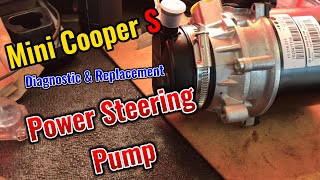
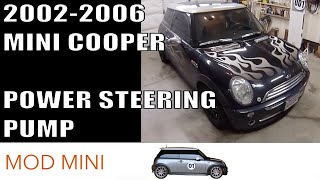
- Mini Cooper (2002-2006) — The EHPS pump internal cooling fan seizes, causing overheating, or the pump continues to run after the car is turned off, draining the battery.
Manufacturer-Specific Notes
- Ford / Mazda / Volvo: The EHPS pump is highly susceptible to water damage at its main electrical connector. The pump's location low in the engine bay makes it a common failure point that should be the first place to look for corrosion.
- Mazda: 2007-2009 Mazda 3 and 5 models suffered from internal corrosion of steering lines, contaminating the fluid. The official repair requires replacing the pump, both high-pressure pipes, and performing a specific fluid flush.
- Chevrolet: The 'Steering Assist is Reduced' message is frequently a 'red herring' caused by components outside the steering system. Always check the ABS fuse, battery health, and engine temperature sensor readings before suspecting the steering rack.
- Volkswagen / Audi: These vehicles display a steering fault light after a battery replacement due to a loss of steering angle sensor calibration. Performing a simple reset (start engine, turn wheel full left, then full right) clears the light.
Real Owner Stories
2008 Ford Focus at 110K miles - The Obvious Fix
Power steering warning light came on, steering became very heavy intermittently, especially after rain. Codes C1099 and U1900 were present.
What they tried:
- Owner initially suspected a bad pump.
- Upon inspection, the large electrical connector on the EHPS pump (located under the driver's side headlight) was full of green corrosion.
Outcome: Cleaned the connector pins with a contact cleaner and a small brush, dried thoroughly, and packed with dielectric grease to prevent future moisture intrusion. Cleared codes, and the problem was resolved for under $20 in materials.
Lesson: On Ford/Mazda/Volvo platforms, always inspect the pump's main electrical connector for corrosion before condemning the expensive pump assembly. It is the most common point of failure.
2007 Mazda 3 at 85K miles - The Misdiagnosis
Steering suddenly became very heavy. A local shop diagnosed C1099 and immediately quoted $1,500 to replace the EHPS pump.
What they tried:
- Owner sought a second opinion.
- The second mechanic performed a charging system test and found the alternator was only producing 12.8V under load, well below the required 13.7V+.
- The battery was also weak from constantly being undercharged.
Outcome: Replaced the alternator and battery for ~$700. After the repair, the power steering worked perfectly and the C1099 code did not return. The original pump was fine.
Lesson: An EHPS pump is a high-draw electrical component. A weak alternator or bad battery cannot supply the necessary voltage, causing the pump to shut down and trigger C1099. Always test the complete charging system before replacing the pump.
2005 Mini Cooper S (R53) at 125K miles - The Unusual Cause
Owner noticed the battery was frequently dead in the mornings. After getting a jump start, they could hear a whirring noise from the engine bay even with the car turned off. The power steering worked but seemed to be the source of the noise.
What they tried:
- Forums pointed to a common issue where the EHPS pump fails to shut off, causing parasitic battery drain.
- Owner replaced the pump with a remanufactured unit, but the problem persisted.
- A second replacement pump also had the same issue.
Outcome: The actual cause was an internal failure of the electronics on the pump's control module, which was not being replaced on the 'remanufactured' units. The fix was to purchase a new OEM pump assembly, which finally resolved the issue.
Lesson: For some failures, like a pump that won't turn off, a 'remanufactured' part is not sufficient if the electronics are the point of failure and aren't replaced during remanufacturing. A new OEM part is the only reliable solution.
2010 Chevrolet Equinox at 130K miles - The Red Herring
Driver received a 'Steering Assist is Reduced, Drive With Care' message on the dash. Steering felt slightly heavier but was not completely gone. Scan tool showed code C1099.
What they tried:
- Initial checks of the battery, alternator, and power steering fluid level were all normal.
- A forum search for the vehicle and symptom suggested checking the Engine Coolant Temperature (ECT) sensor.
Outcome: Despite seeming unrelated, the owner replaced the $40 ECT sensor. Upon starting the vehicle, the warning message was gone and did not return. The C1099 code cleared and stayed off.
Lesson: On certain GM vehicles, the ECU disables power steering assist as a precaution due to faults in seemingly unrelated systems. If you get a 'Steering Assist is Reduced' message, research TSBs for your specific model.
How to Prevent This Code From Triggering
- Change Power Steering Fluid (Every 30,000-50,000 miles or 2-4 years) — Over time, fluid becomes contaminated with moisture and microscopic metal/rubber particles. Clean fluid properly lubricates the pump, prevents seal wear, and reduces the hydraulic load on the electric motor.
- Clean and Protect Electrical Connectors (Once every 2-3 years or during other maintenance) — For pumps located low in the engine bay (Ford/Mazda/Volvo), periodically disconnecting the main connector, spraying with contact cleaner, and applying dielectric grease prevents corrosion from road salt and moisture.
- Inspect and Clean Battery Terminals and Ground Straps (Every oil change) — The EHPS motor is extremely sensitive to voltage drops. Ensuring the battery terminals and the main chassis/engine ground straps are clean and tight guarantees the pump receives stable voltage.
- Avoid Holding Steering at Full Lock (Daily driving habit) — Holding the steering wheel against the stops forces the hydraulic system to maximum pressure. This causes the electric motor to draw maximum current, generating excessive heat and strain on the pump.
Frequently Asked Questions
Is it safe to drive my car with code C1099?
No. The steering becomes incredibly heavy, making it nearly impossible to react safely in an emergency. It poses a significant crash risk during low-speed turns or evasive maneuvers.
I replaced the power steering pump but the C1099 code came back. What did I miss?
Before condemning the new pump, check for a weak alternator producing under 13.7V or a corroded main battery ground strap causing a voltage drop. Failing to flush contaminated fluid from the old pump will also instantly destroy the replacement unit. On Chevrolets, a blown ABS fuse or bad engine temperature sensor can trigger this exact code.
My steering failed right after I replaced the battery. Is that related?
Yes, disconnecting the battery erases the steering angle sensor's calibration on many vehicles (especially VW/Audi), disabling assist. Perform a reset: start the engine, turn the steering wheel full left, full right, then center.
How do you bleed air from an EHPS system after repair?
Fill the reservoir to the MAX line and turn the steering wheel lock-to-lock several times with the engine off. Start the engine and slowly turn the wheel lock-to-lock 5-10 times without holding it at the stops. Shut off the engine and top off the fluid to the final level.
How much does it cost to fix code C1099?
A simple fix like replacing a blown fuse or cleaning a ground connection costs under $25. Replacing the pump assembly at an independent shop typically ranges from $600 to $1,400 depending on the vehicle. Dealership repairs for European makes often exceed $2,000.
Can a bad ground strap cause the C1099 code?
Yes. The EHPS motor requires massive, stable current. A corroded main engine or battery ground strap creates high resistance, starving the pump and triggering C1099 even if the pump is healthy.
What is an electro-hydraulic power steering (EHPS) pump?
It is a hybrid system combining electrics and hydraulics. A dedicated electric motor runs a hydraulic pump only when steering assist is needed, saving energy but adding electrical failure points.
Key Takeaways
- Code C1099 indicates a failure in the electro-hydraulic power steering pump motor circuit, resulting in a dangerous, complete loss of steering assist.
- Before replacing a $600+ pump assembly, test the main 40A-80A power steering fuse and verify the alternator outputs at least 13.7 volts under load.
- Perform a voltage drop test on the pump's power and ground wires; a drop exceeding 0.5V on the positive side or 0.2V on the ground side confirms a wiring issue, not a bad pump.
- On Ford, Mazda, and Volvo models, inspect the pump's main electrical connector located low in the engine bay, as water intrusion and corrosion cause over 50% of these failures.
Helpful Videos

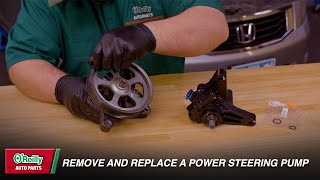
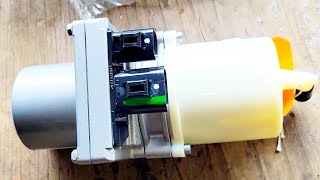


The information in this article is provided for general reference and educational purposes only. Vehicle specifications, procedures, and part compatibility can vary by production date, trim level, and region. Always consult your vehicle's factory service manual and verify part numbers before purchasing or performing repairs. Safety-critical components such as airbags, seat belts, and braking systems should be installed by a qualified professional.
- 🎬 Helpful Videos
- What Does C1099 Mean?
- Can I Drive With C1099?
- Common Causes
- Symptoms
- Diagnostic Flowchart
- Common Fixes & Costs
- Used vs. New Parts: Buying Guide
- What Happens If You Wait — Timeline
- Cost of Not Fixing It
- Diagnosis Steps
- When This Code Triggers (Freeze-Frame Conditions)
- Related Codes
- Climate & Environmental Factors
- How to Talk to a Mechanic About This Code
- Where to Take It: Dealer vs Independent vs Chain
- When to Walk Away From the Repair
- What Scan Tool You Need for This Code
- How to Clear the Code After You Fix It
- Will This Fail Emissions / State Inspection?
- Most Commonly Affected Vehicles
- Manufacturer-Specific Notes
- Real Owner Stories
- 2008 Ford Focus at 110K miles - The Obvious Fix
- 2007 Mazda 3 at 85K miles - The Misdiagnosis
- 2005 Mini Cooper S (R53) at 125K miles - The Unusual Cause
- 2010 Chevrolet Equinox at 130K miles - The Red Herring
- How to Prevent This Code From Triggering
- Frequently Asked Questions
- Is it safe to drive my car with code C1099?
- I replaced the power steering pump but the C1099 code came back. What did I miss?
- My steering failed right after I replaced the battery. Is that related?
- How do you bleed air from an EHPS system after repair?
- How much does it cost to fix code C1099?
- Can a bad ground strap cause the C1099 code?
- What is an electro-hydraulic power steering (EHPS) pump?
- Key Takeaways
- 🎟️ Get 5% Off