

C1001 on 2021-2023 Ford Mustang Mach-E: Camera and Electrical Fault Guide
On a 2021-2023 Mustang Mach-E, code C1001 typically points to a software glitch or a poor connection in the front camera's driver-assist system (IPMA), or a loose Low Voltage Service Disconnect (LVSD) plug. A dealer software update often resolves the camera issue (C1001:54, C1001:78), while checking the coaxial cable connection behind the rearview mirror is key for C1001:31. Checking the LVSD plug is a simple physical inspection.
- Code C1001 on a Mach-E is not a single fault; the suffix code (e.g., :31, :54) is critical for diagnosis.
- The most common causes are software errors or loose wiring related to the front camera system (IPMA), not a failed part.
- Before any expensive repairs, ensure the vehicle's software is up-to-date and check the simple things, like the Low Voltage Service Disconnect (LVSD) plug under the hood.
- This is not a typical DIY repair. A trip to the dealer is often necessary for software updates and proper diagnostics.
- Do not drive without addressing the issue, as important safety systems like automatic emergency braking will be disabled.
What's Unique About the 2021-2023 Ford MUSTANG MACH E

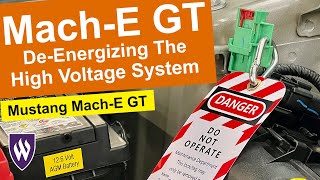
The Mustang Mach-E is a software-heavy vehicle with a complex suite of driver aids (Ford Co-Pilot360™) that rely on the IPMA. Many C1001 issues are not due to hardware failure but rather software bugs or communication errors between the camera and the module, as outlined in multiple Technical Service Bulletins (TSBs). [TSB 23-2040] Additionally, its electric vehicle architecture introduces unique components like the Low Voltage Service Disconnect (LVSD) 🎬 Watch: How to safely de-energize the high voltage system, which can also trigger this code if not properly seated. The coaxial cable connecting the camera to the IPMA is known to be fragile and susceptible to damage or stress, especially during windshield replacements, a common trigger for the C1001:31 fault according to owner forums.
Diagnostic Flowchart

Tap your situation to follow the diagnostic path that matches what you're seeing on this vehicle.
Symptoms You May Notice
- "Front Camera Fault Service Required" message on the dashboard.
- Pre-Collision Assist inoperative warning.
- Adaptive Cruise Control is unavailable or inoperative.
- Lane-Keeping System fault.
- BlueCruise becomes unavailable.
- The vehicle may fail to start or display a "Stop Safely Now" message if the issue is related to the battery contactor or LVSD.
- Reverse Brake Assist Not Available message.
- Replacing the front camera without first checking for software updates (for C1001:54/78) or inspecting the coaxial cable connections (for C1001:31).
- Assuming any camera fault requires hardware replacement, when a simple 12V battery disconnect/reconnect cycle can sometimes clear temporary software glitches.
Most Likely Causes

- Image Processing Module A (IPMA) Software Error 🔴 High Probability As a newer platform, early software versions contained bugs that were later addressed by Ford through updates. This is the most common cause for C1001:54 and C1001:78.
How to confirm: A Ford dealer or a qualified shop with Ford's diagnostic software (FDRS) can check the current software version of the IPMA and see if an update is available per TSB 23-2040.
Typical fix: Reprogramming the IPMA to the latest software version. This is a dealer-level task.
Est. part cost: $0 - Poor Connection at IPMA or Camera Coaxial Cable 🟡 Medium Probability TSB 23-2137 and TSB 23-2155 specifically call out connection issues with the fragile coaxial cable between the IPMA camera (at the windshield) and the module itself, causing C1001:31. This is frequently reported by owners after a windshield replacement, suggesting the cable is easily stressed or damaged during that service.
How to confirm: A technician can perform a "wiggle test" on the coaxial connectors (C900 and C9128) to see if the fault can be reproduced. A visual inspection of the cable behind the rearview mirror cover may reveal a pinched or stressed cable.
Typical fix: Reseating the connectors, carefully rerouting the cable to relieve stress, or replacing the affected section of the coaxial cable.
Est. part cost: $50-$150 - Low Voltage Service Disconnect (LVSD) Not Fully Seated ⚪ Low Probability This connector is designed to be used by service technicians to de-energize the high-voltage system. It can sometimes be left partially unseated after service, causing communication issues across multiple modules.
How to confirm: Visually inspect the green LVSD connector located in the under-hood compartment (frunk) to ensure it is fully pushed in and locked. [SSM 51095]
Typical fix: Push the connector until it clicks and locks into the fully seated position.
Est. part cost: $0
Rare But Worth Checking
- Failed Image Processing Module A (IPMA): While software and connection issues are more common, the module itself can fail. This is usually the last resort after all TSBs and wiring checks have been performed. TSB 23-2146 notes to replace the IPMA if a reset doesn't clear a persistent U3000:49 code.
- Failed Front Camera: The camera mounted on the windshield can fail, but this is less frequent than the wiring or module issues. TSB 23-2137 suggests replacing the camera only after other diagnostic steps fail. A new camera requires calibration with FDRS.
- Loose Camera Mounting Bracket: One owner on MachEforum.com discovered their 'Front Camera Fault' was caused by a loose camera mount, allowing vibration to disrupt the signal. The issue was resolved by re-tensioning a spring clip in the mount, which had become weak, especially after an aftermarket windshield was installed.
Diagnosis Steps
- Read all Diagnostic Trouble Codes (DTCs) from all modules, paying close attention to the suffix for C1001 (e.g., :31, :54, :78) and any accompanying U-codes in the IPMA.
- As a simple first step, disconnect the 12V battery for 15-20 minutes. Reconnect and check if the fault clears. This can sometimes resolve temporary software glitches.
- Inspect the green Low Voltage Service Disconnect (LVSD) plug under the hood to ensure it is fully seated and locked. [SSM 51095]
- Check for open recalls or Technical Service Bulletins (TSBs). If you have C1001:54 or C1001:78, reference TSB 23-2040. If you have C1001:31, reference TSB 23-2137 or 23-2155.
- If TSB 23-2040 applies, the vehicle needs the IPMA reprogrammed by a dealer or qualified shop using Ford's FDRS software.
- If TSB 23-2137/2155 applies (code C1001:31), the primary suspect is the coaxial cable. Carefully remove the plastic cover behind the rearview mirror and inspect the cable connection to the camera. Ensure it is not pinched, sharply bent, or loose.
- If the connection looks good, a technician should perform a wiggle test on the connectors at both the camera and IPMA ends to check for intermittent faults.
- If connections are secure and software is up to date, follow the TSB diagnostic procedure, which may lead to replacing the coaxial cable, the camera, or the IPMA itself.
Parts You'll Likely Need
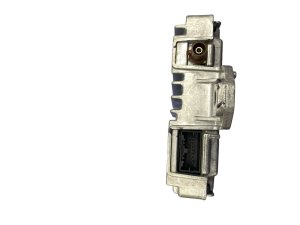
- Image Processing Module A (IPMA)
(OEM #ML3Z-19H406-B)— This module is the central point of failure. While often fixed with software, the hardware can fail and require replacement. This part number supersedes ML3Z-19G490-A and ML3Z-19H406-AA.
Trusted brands: Motorcraft
OEM price range: $350-$500
Aftermarket price range: N/A - IPMA Coaxial Cable
(OEM #LJ8Z-14D202-V)— This cable is a known weak point and is cited in TSBs as a common cause of connection-related C1001:31 faults, especially after a windshield replacement.
Trusted brands: Motorcraft
OEM price range: $50-$100
Aftermarket price range: N/A
Related Codes That Often Appear With This One
- U3000:49 — This code for an internal electronic failure in the IPMA is frequently stored alongside C1001 codes and is a primary indicator in TSBs 23-2137 and 23-2040.
- U3000:89 — This code, indicating the component is not operating as expected, often appears with C1001:31 and points towards a connection or hardware problem with the IPMA.
- U2107:68 — This code for a communication error is mentioned in TSB 23-2040, suggesting a software-related event in the IPMA is causing network issues.
Technical Service Bulletins (TSBs) & Recalls

- TSB 23-2137: Front Camera Fault with DTC C1001:31, U3000:89, and/or U3000:49 due to a connection issue.
- TSB 23-2040: Driver assistance warnings with DTCs U3000:49, U3000:89, U2107:68, C1001:54 and/or C1001:78 due to a software issue.
Platform-Specific Known Issues
- TSB 23-2040: Addresses C1001:54 and C1001:78 caused by a software issue in the IPMA, fixed by reprogramming the module. This TSB also applies to the F-150 and Expedition/Navigator.
- TSB 23-2137 / 23-2155: Targets C1001:31 caused by a poor connection between the IPMA camera and the module, requiring inspection and potential replacement of the coaxial cable. This is often triggered by windshield service.
- SSM 51095: Points to an improperly seated Low Voltage Service Disconnect (LVSD) as a potential cause for C1001 and other electrical DTCs after service.
- Windshield Replacements: A very common theme in owner forums is the appearance of C1001:31 immediately after a windshield replacement, due to the fragile coaxial cable being damaged, pinched, or improperly reconnected.
Mechanic-Grade Diagnostic Values
- Coaxial Cable Bend Radius — expected: Do not bend greater than 90 degrees over 30 mm (1.2 in).. Failure: Sharp bends or kinks in the cable can cause internal damage and signal loss, triggering C1001:31.
Scan Tool Commands That Help
- Ford Diagnosis and Repair System (FDRS): IPMA - Reset the Image Processing Module A (IPMA) Learned Values — This is used to clear a persistent U3000:49 code that won't clear through normal DTC clearing, as instructed by TSB 23-2137 and TSB 23-2040.
- Ford Diagnosis and Repair System (FDRS): IPMA - Image Processing Module A (IPMA) Alignment — This must be run immediately after resetting the learned values or replacing the IPMA or camera to ensure the system is properly calibrated for ADAS functions.
- Ford Diagnosis and Repair System (FDRS): IPMA Self-Test — This command initiates a self-test of the module. TSB 23-2040 notes that some codes like U2107:68 and U3000:89 may appear during a self-test but are not actionable unless they set during normal operation.
- Ford Diagnosis and Repair System (FDRS): IPMA - 360 Degree View Camera Alignment — If the vehicle is equipped with a 360-degree camera system, this procedure is required to align all camera views after a software update or component replacement.
Wiring & Ground Locations
- Image Processing Module A (IPMA) — In the luggage compartment (trunk) area.. This is the main control module for the front camera system. The coaxial cable runs from the camera at the windshield to this module in the trunk.
- Connector C9128 — The coaxial cable connector at the IPMA camera, located behind the plastic cover of the rearview mirror assembly on the windshield.. This is a primary point of failure for C1001:31. TSB 23-2137 instructs technicians to perform a 'wiggle test' on this connector and inspect for strain or damage, especially after a windshield replacement.
- Connector C900 — The coaxial cable connector at the IPMA module end of the harness, located in the trunk.. This is the other end of the coaxial cable connection. TSB 23-2137 also recommends a 'wiggle test' here to check for a loose connection.
- Low Voltage Service Disconnect (LVSD) — Located on the left side of the under-hood compartment (frunk). [SSM 51095, 16]. If not fully seated after service, this disconnect can cause various electrical faults, including C1001. [SSM 51095]
Real Owner Repair Stories
- MachEforum.com user comment (2021-2023 Ford Mustang Mach-E) — Recurring 'Front Camera Fault Service Required' message, particularly after a windshield or glass roof recall was performed.
❌ Tried (didn't work) Initial dealer visits may have only attempted software updates which would not resolve a physical connection issue.
✅ What actually fixed it The issue was resolved by the dealer following the procedure in TSB 23-2137 (later superseded by TSB 23-2155), which involves inspecting and, if necessary, replacing the fragile coaxial cable that runs from the camera to the IPMA. The user notes that simply popping the cover off the rearview mirror and ensuring the cable is not strained could be a potential DIY fix.
OEM Part Supersession History
ML3Z-19G490-A, ML3Z-19H406-AA→ML3Z-19H406-B— Part revision and update by the manufacturer.
Helpful Videos

We Have This Part in Stock



The information in this article is provided for general reference and educational purposes only. Vehicle specifications, procedures, and part compatibility can vary by production date, trim level, and region. Always consult your vehicle's factory service manual and verify part numbers before purchasing or performing repairs. Safety-critical components such as airbags, seat belts, and braking systems should be installed by a qualified professional.
- Ford MUSTANG MACH E:
- 🎬 Helpful Videos
- 🛍️ Shop This Part
- What's Unique About the 2021-2023 Ford MUSTANG MACH E
- Diagnostic Flowchart
- Symptoms You May Notice
- Most Likely Causes
- Rare But Worth Checking
- Diagnosis Steps
- Parts You'll Likely Need
- Related Codes That Often Appear With This One
- Technical Service Bulletins (TSBs) & Recalls
- Platform-Specific Known Issues
- Mechanic-Grade Diagnostic Values
- Scan Tool Commands That Help
- Wiring & Ground Locations
- Real Owner Repair Stories
- OEM Part Supersession History
- 🎟️ Get 5% Off