

C0775 on 2011-2018 Chevrolet Volt: TPMS Fault, Stalling, and No-Start Causes
Code C0775 on a Chevy Volt indicates a TPMS sensor relearn failure. However, it is often a symptom of a larger radio frequency interference issue that also causes the engine to stall or not start. The most common fix is to find and remove an aftermarket electronic device (like a phone charger or LED light) that is jamming the car's remote signals.
- C0775 on a Volt is a serious issue because it's linked to the vehicle stalling or not starting.
- The first and most important diagnostic step is to unplug ALL aftermarket electronics from the car's power outlets.
- Do not replace any expensive components like the BCM or ignition system until radio frequency interference has been completely ruled out.
- The code's direct meaning is a TPMS relearn failure, but the root cause is often the RFI that affects both the TPMS and security systems.
- Driving a vehicle that might stall is a critical safety risk.
What's Unique About the 2011-2018 Chevrolet VOLT
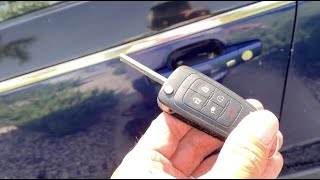
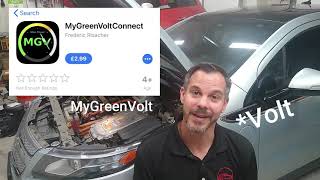
The Chevrolet Volt uses a single module, the Remote Control Door Lock Receiver (RCDLR), to receive wireless signals from both the tire pressure sensors and the key fob. This shared design makes the system vulnerable to radio frequency interference (RFI). When RFI is present, it can simultaneously block the signal from the key fob—causing a no-start or stall due to the security system—and disrupt TPMS communications, logging code C0775. This explains the unusual link between a tire pressure code and a critical drivability problem, as outlined in GM Technical Service Bulletin PIC5650C. A key diagnostic clue is that the vehicle will often start if the key fob is placed in the backup transmitter pocket in the center console 🎬 Watch: How to start your Volt with a dead fob, which bypasses the jammed wireless signal.
Diagnostic Flowchart
Tap your situation to follow the diagnostic path that matches what you're seeing on this vehicle.
Generation note: This issue affects both the first generation (2011-2015) and second generation (2016-2018) Chevrolet Volt, as both rely on a similar RCDLR system for keyless entry and TPMS functions. The TPMS sensor frequencies changed from 315 MHz for Gen 1 to 433 MHz for Gen 2 around the 2016/2017 model year, but the vulnerability to RFI remains.
Symptoms You May Notice
- Engine stalls, sometimes right after starting.
- Intermittent no-crank or no-start condition.
- Security or anti-theft light is illuminated on the dashboard.
- "Service Tire Monitor System" message is displayed.
- TPMS warning light flashes for a minute and then stays on.
- Tire pressure readings show as dashes (--) on the driver information center.
- "No Fob Detected" message appears, even with the key inside.
- Reduced operating range for the keyless entry remote.
- Car starts only when the key fob is placed in the backup transmitter pocket.
- Replacing the Body Control Module (BCM) without cause.
- Replacing the ignition switch or starter.
- Replacing individual TPMS sensors when the root cause is RFI or an incomplete relearn procedure.
- Replacing the 12V battery unnecessarily, although a weak 12V battery can cause a host of unrelated electrical issues.
Most Likely Causes
- Radio Frequency Interference (RFI) from Aftermarket Electronics 🔴 High Probability As documented in TSB PIC5650C and its successors, the RCDLR module is sensitive to interference from devices that are not properly shielded and do not comply with FCC Part 15 rules.
How to confirm: Unplug all aftermarket devices from the 12V outlets and USB ports (phone chargers, dash cams, LED lights, etc.). Remove any non-factory items from the key ring (toll passes, other fobs). If the stalling/no-start issue and codes disappear, you have found the cause. Owners on forums specifically cite cheap USB phone chargers and dashcams as common culprits.
Typical fix: Identify and remove the specific device causing the interference. Replace it with a high-quality, well-shielded alternative if needed.
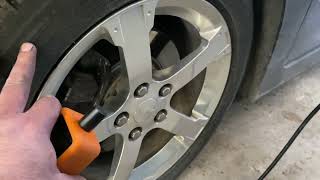
Est. part cost: $0 - Incomplete TPMS Relearn Procedure 🟡 Medium Probability This occurs if a tire service is interrupted or performed incorrectly. The system's learn mode may time out if it takes longer than a few minutes to activate all sensors in sequence. This often requires a specific TPMS relearn tool (like the EL-50448 for GM) to complete successfully.
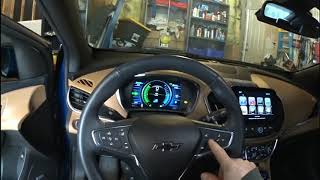
How to confirm: Use a TPMS tool or the vehicle's built-in relearn procedure (via the DIC buttons) to attempt the process again. If it completes successfully, the code will clear.
Typical fix: Properly perform the TPMS relearn procedure, starting with the driver's front tire and moving clockwise.
Est. part cost: $0-$15 (for a basic relearn tool) - Faulty Remote Control Door Lock Receiver (RCDLR) ⚪ Low Probability While less common than RFI, the receiver module itself can fail internally, causing it to improperly process signals. This can be due to internal component failure or corrosion from moisture if a leak is present near its mounting location.
How to confirm: This requires advanced diagnostics with a scan tool to monitor the RCDLR data and confirm it is not receiving signals even in an RF-clean environment. A technician would verify power and ground at the module before condemning it. The RCDLR in the Gen 2 Volt is located behind the trim in the rear cargo area.
Typical fix: Replace the RCDLR module and program it to the vehicle. This programming requires dealer-level tools.
Est. part cost: $75-$200
Rare But Worth Checking
- Multiple Dead TPMS Sensor Batteries: If multiple sensor batteries die simultaneously (common on vehicles 5-8 years old), it can prevent the relearn procedure from completing, triggering C0775. This would typically be accompanied by specific sensor codes like C0750, C0755, etc.
- Faulty Body Control Module (BCM): In rare cases, a failing BCM can cause a wide range of electrical issues, including communication loss with the RCDLR, leading to these symptoms. This is often a last resort after other causes are ruled out and is usually accompanied by other BCM-specific codes.
Diagnosis Steps
- Question the driver about any new electronic devices added to the vehicle (phone chargers, dash cams, etc.).
- Inspect the vehicle's cabin and 12V/USB ports. Unplug ALL aftermarket accessories.
- Remove any extra passes, fobs, or access cards from the key ring.
- Attempt to start the vehicle. If it fails, place the key fob in the transmitter pocket located in the center console storage area and try again. If it starts, this strongly points to RFI or a faulty RCDLR.
- Clear all DTCs with a scan tool.
- Attempt to start and drive the vehicle to see if the stalling condition and codes return. If they do not, the issue was RFI. Re-introduce devices one by one to find the culprit.
- If the code returns without a stall, attempt a full TPMS relearn procedure using a TPMS tool (e.g., EL-50448).
- If the relearn fails or the stalling persists in an RF-clean environment, suspect a faulty RCDLR module or its wiring/connections.
- Use an advanced scan tool to check for communication with the RCDLR and test its function before replacing the part. Verify power and ground at the module connector.
Parts You'll Likely Need
- No Part - Interference Removal — The most common solution, per GM TSB PIC5650C, is identifying and removing a third-party electronic device that is causing radio frequency interference.
OEM price range: $0
Aftermarket price range: $0 - Remote Control Door Lock Receiver (RCDLR)
(OEM #13578645 (Gen 1), 13598781 / 13515511 (Gen 2, check VIN))— If interference is ruled out and a relearn won't complete, the receiver module that processes both key fob and TPMS signals may have failed. Replacement requires programming.
Trusted brands: ACDelco
OEM price range: $75-$200
Aftermarket price range: $50-$150 - Tire Pressure Monitoring System (TPMS) Sensor
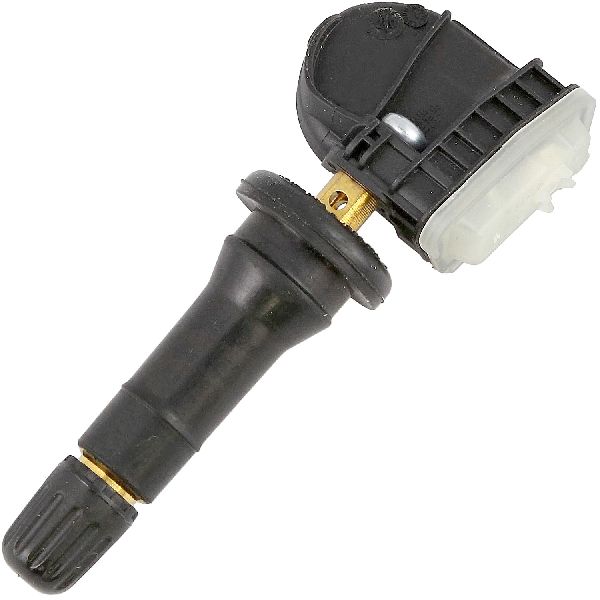
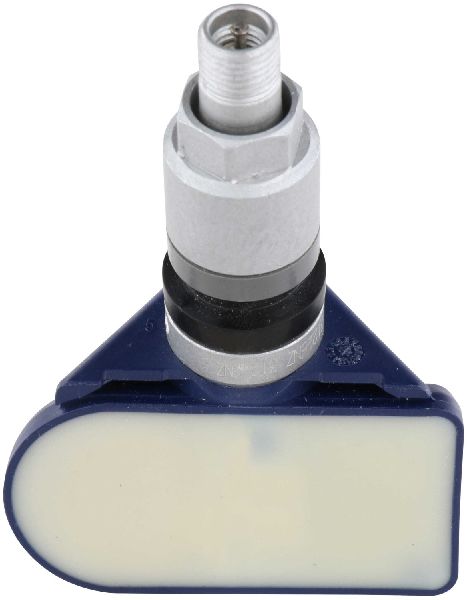
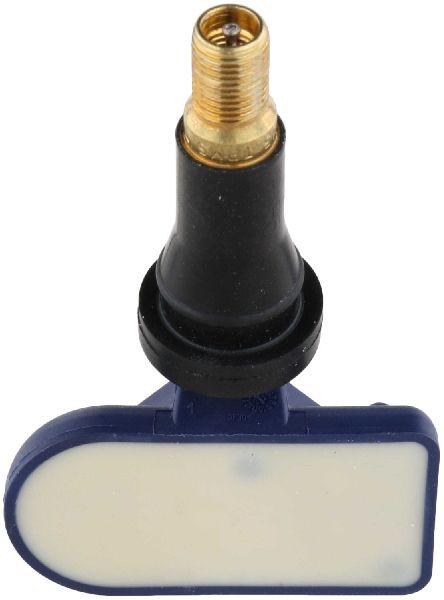
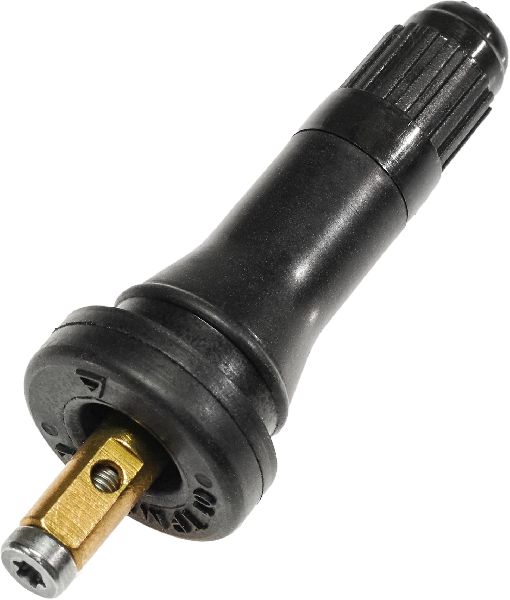
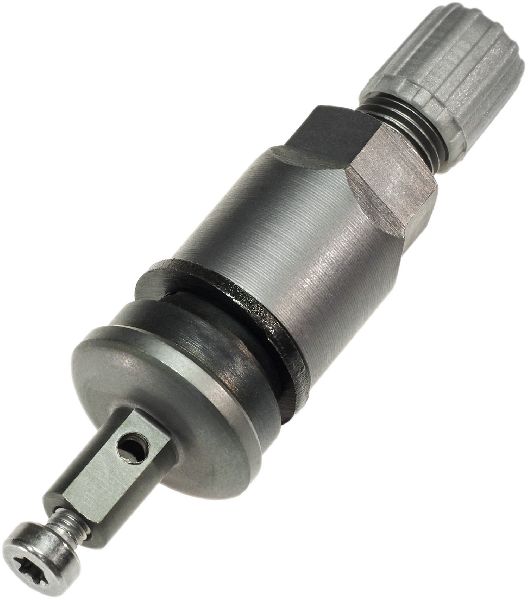
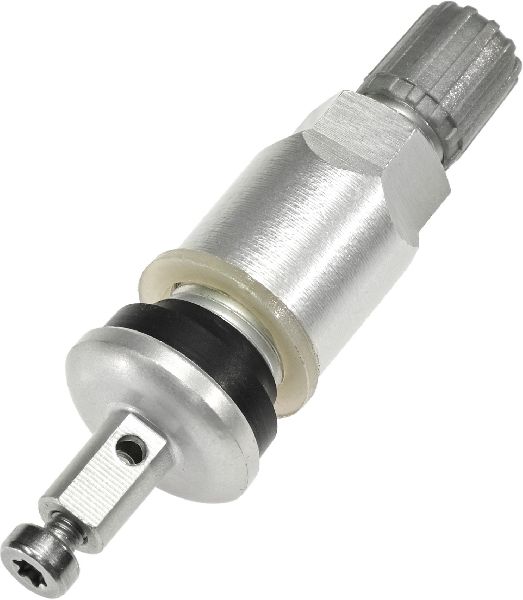
(OEM #13598773 (433MHz, Gen 2), 13586335 (315MHz, Gen 1))— If the relearn fails due to a dead or faulty sensor, the sensor itself will need replacement. It's recommended to replace all four if they are original, as their batteries have a similar 7-8 year lifespan.
Trusted brands: ACDelco, Schrader
OEM price range: $50-$90
Aftermarket price range: $30-$60
Related Codes That Often Appear With This One
- B3055 — Key Not Present; related to the security system not detecting the key fob, often due to RFI.
- C0750, C0755, C0760, C0765 — These are codes for individual TPMS sensors (LF, RF, LR, RR). They often appear with C0775 when RFI disrupts all TPMS communication.
- B3935 — Transponder Authentication Failed. This is another security system code logged when the RCDLR cannot verify the key fob, often due to RFI.
Technical Service Bulletins (TSBs) & Recalls
- PIC5650M / PIC5650C: Documents the link between RFI, stalling/no-start, security lights, and a group of DTCs including C0775, B3055, and B3935. It advises checking for aftermarket electronics as the first step and notes that the car may start with the fob in the transmitter pocket.
Platform-Specific Known Issues
- Per TSB PIC5650C/M, the Volt is highly susceptible to stalling and no-start conditions caused by radio frequency interference from common aftermarket accessories, which simultaneously triggers TPMS codes like C0775.
- A gm-volt.com forum thread titled '2017 Volt Stalling - Fixed!' details an owner's experience where a cheap USB phone charger was causing the exact symptoms of stalling, 'No Fob Detected' messages, and TPMS warnings. The issue was resolved by simply unplugging the charger.
- On the r/volt subreddit, a user with a 2016 Volt reported TPMS errors and was asked by another user if they had anything plugged into the 12V outlet; the original poster confirmed they had a dashcam and phone charger connected, a common trigger for this issue.
Scan Tool Commands That Help
- GDS2/Tech2: RCDLR Setup — This function must be performed after installing a new RCDLR module to integrate it with the vehicle's systems before programming keys or TPMS sensors.
- GDS2/Tech2: Theft Deterrent System Learn — After RCDLR replacement and setup, this procedure (either a 10 or 30-minute process) is required to program the vehicle's key fobs to the new module.
- GDS2/Tech2: TPM Sensor Learn — This is the final step after RCDLR replacement to teach the new module the unique IDs of the tire pressure sensors.
- GDS2/Tech2: Replace and Reprogram ECU — When programming a replacement RCDLR using the TIS-2-WEB pass-through method, this specific option must be selected to ensure the new software is correctly installed.
Wiring & Ground Locations
- RCDLR (Gen 1) — For 2011-2015 Volts, the RCDLR is located behind the center of the dashboard.. This module receives signals from both the key fob and TPMS sensors. Its central location makes it susceptible to RFI from devices plugged into the dash outlets. Access is required for voltage checks or replacement.
- RCDLR (Gen 2) — For 2016-2018 Volts, the RCDLR is located in the rear of the vehicle, behind the driver's side trim panel in the cargo area.. Knowing the rear location is critical for diagnosis on Gen 2 models. A technician would check power, ground, and antenna connections at this location before condemning the module.
- RCDLR Antenna System — The system consists of the RCDLR, a coax cable, an Antenna Amplifier Module, and the antenna itself, which is located in the right rear glass.. A poor or disconnected connection at any of these four points can cause symptoms identical to a failed RCDLR or RFI, including TPMS warnings and 'No Fob Detected' messages. A disconnected coax at the RCDLR is the most severe, potentially blocking all TPMS and key fob signals.
Real Owner Repair Stories
- Reddit user on r/volt (2013 Chevrolet Volt (Exported to Europe)) — Keyless start no longer works (must insert key into dash slot), 'No Remote Detected' message when a passenger door is opened/closed, and pedestrian warning sound activates inappropriately.
❌ Tried (didn't work) Replacing key fob batteries. A local shop recommended doing nothing due to the complexity of programming a new module on an export vehicle.
✅ What actually fixed it The owner discovered the fuse for the Keyless Entry Module was melted. After replacing the fuse, the car returned code B101D (a specific fault for the module), confirming the RCDLR itself was damaged and needed replacement.
OEM Part Supersession History
13578646→13578644— Part number update/revision by the manufacturer.
Heads up: Part 13578645 is also listed for 2011-2015 Volts. It is critical to verify the correct part number with a dealer using the vehicle's VIN before ordering, as multiple numbers were used.
Model Year Variations Within This Range
- 2011-2015 (Gen 1): The RCDLR module is located behind the center of the dashboard. The TPMS and key fob systems operate on a 315 MHz frequency.
- 2016-2018 (Gen 2): The RCDLR module was moved to the rear cargo area, behind the driver's side trim. The TPMS system frequency was changed to 433 MHz. TSB #16-NA-396 specifically addresses RCDLR failures on 2016-2017 models.
Helpful Videos
We Have This Part in Stock

The information in this article is provided for general reference and educational purposes only. Vehicle specifications, procedures, and part compatibility can vary by production date, trim level, and region. Always consult your vehicle's factory service manual and verify part numbers before purchasing or performing repairs. Safety-critical components such as airbags, seat belts, and braking systems should be installed by a qualified professional.
- Chevrolet VOLT:
- 🎬 Helpful Videos
- 🛍️ Shop This Part
- What's Unique About the 2011-2018 Chevrolet VOLT
- Diagnostic Flowchart
- Symptoms You May Notice
- Most Likely Causes
- Rare But Worth Checking
- Diagnosis Steps
- Parts You'll Likely Need
- Related Codes That Often Appear With This One
- Technical Service Bulletins (TSBs) & Recalls
- Platform-Specific Known Issues
- Scan Tool Commands That Help
- Wiring & Ground Locations
- Real Owner Repair Stories
- OEM Part Supersession History
- Model Year Variations Within This Range
- 🎟️ Get 5% Off