

C0775 on 2013-2020 Chevrolet Trax: TPMS Relearn Failure Causes and Fixes
Code C0775 on a Chevy Trax almost always means the Tire Pressure Monitoring System (TPMS) relearn procedure has failed or was not completed. The fix is to perform the TPMS relearn procedure correctly, which is a simple, no-cost DIY task. If that fails, a faulty sensor is the next likely culprit.
- C0775 means the TPMS sensor positions are not registered with the vehicle's computer.
- The most common fix is to simply perform the TPMS relearn procedure, which can be done at home for free.
- This code often appears after tire rotations, new tire installations, or TPMS sensor replacements.
- A flashing TPMS light that then stays solid is the key symptom pointing to a system fault like C0775, rather than just low tire pressure.
What's Unique About the 2013-2020 Chevrolet TRAX
The Chevrolet Trax, like most modern GM vehicles, uses a direct TPMS system that requires a specific 'relearn' procedure after tire rotations or sensor replacements. Code C0775 is the system's way of telling you that this crucial step was either skipped or failed. If the relearn mode is activated but cancels before all sensors are registered, the module invalidates all stored sensor IDs and sets this code, requiring the procedure to be started over from scratch. Furthermore, the system's receiver (RCDLR) can be sensitive to radio frequency interference (RFI) from aftermarket devices like phone chargers or LED lights, which can disrupt communication and potentially trigger this code.
Diagnostic Flowchart
Tap your situation to follow the diagnostic path that matches what you're seeing on this vehicle.
Generation note: The 2013-2020 year range covers the first generation of the Chevrolet Trax. The TPMS system and the C0775 code are consistent across these model years and its platform-mates, the Buick Encore and Chevrolet Sonic.
Symptoms You May Notice
- "Service Tire Monitor System" message on the Driver Information Center (DIC).
- The TPMS warning light on the dashboard flashes for approximately one minute after starting the vehicle, then stays on solid.
- Tire pressure readings on the DIC show dashes (--) or incorrect values instead of actual pressure readings.
- Replacing all TPMS sensors when only a relearn procedure is needed.
- Assuming a major computer failure when the issue is just a failed relearn process.
- Replacing the RCDLR or BCM when the root cause is radio frequency interference from an aftermarket accessory.
Most Likely Causes
- Incomplete or Failed TPMS Relearn Procedure 🔴 High Probability This is the direct definition of the code. It's required after every tire rotation or sensor replacement, making it a common procedure that is easily forgotten or performed incorrectly.
How to confirm: If the code appeared immediately after a tire rotation, new tires, or TPMS sensor replacement, this is the cause. A Reddit user confirmed this when their dealer forgot to perform the relearn after a rotation, causing the system to display incorrect pressures which masked a real flat tire.
Typical fix: Perform the TPMS relearn procedure using the vehicle's DIC and either a TPMS tool or the manual method of deflating each tire in sequence.
Est. part cost: $0 - New or Faulty TPMS Sensor Not Responding 🟡 Medium Probability TPMS sensor batteries last 7-10 years, so sensors on these vehicles are at an age where failure is common. A dead or incompatible new sensor won't transmit its ID during the relearn process, causing it to fail and trigger C0775. Some users report that aftermarket sensors can be problematic and that using a TPMS activation tool is more reliable than the air deflation method for new sensors.
How to confirm: During the relearn procedure, the vehicle will fail to recognize one of the sensors (the horn will not chirp). A TPMS diagnostic tool can test the sensor directly for battery life and signal output.
Typical fix: Replace the faulty TPMS sensor and then perform the relearn procedure.
Est. part cost: $25-$75 per sensor - Faulty Remote Control Door Lock Receiver (RCDLR) or BCM ⚪ Low Probability The RCDLR is the module that receives the signals from the TPMS sensors and key fobs. While less common, an internal fault can prevent it from learning new sensor IDs or cause weak signal reception.
How to confirm: This is a diagnosis of exclusion. If all TPMS sensors are known to be good and the relearn procedure still fails repeatedly, and you also experience poor key fob range, the module itself is suspect. This requires advanced diagnostics with a dealer-level scan tool.
Typical fix: Replace the faulty module (RCDLR or BCM) and program the new one to the vehicle. The cost for a similar module replacement can range from $200-$400.
Est. part cost: $150-$400
Rare But Worth Checking
- Radio Frequency Interference (RFI) from Aftermarket Devices:
Diagnosis Steps
- Verify the code C0775 is present using an OBD-II scanner.
- Attempt the TPMS Relearn Procedure. Turn the ignition to ON (engine off).
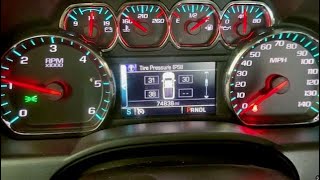
- Use the DIC menu buttons to navigate to the Vehicle Information menu, then select the Tire Pressure screen.
- Press and hold the set/clear button until the DIC displays 'TIRE LEARNING ACTIVE' and the horn chirps twice.
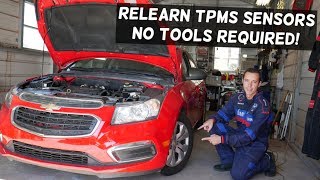
- Starting with the driver's side front tire (LF), use a TPMS activation tool (like an EL-50448) pointed at the valve stem to activate the sensor. Wait for a single horn chirp. 🎬 Watch: How to perform the relearn procedure without any tools
- If you do not have a tool, let air out of the tire for 5-10 seconds until the horn chirps. Note: This method may be less reliable, especially with new or aftermarket sensors.
- Repeat the process for the passenger front (RF), passenger rear (RR), and driver's rear (LR) tires in that exact order.
- After the last tire, the horn will chirp twice to signal the relearn is complete.
- If the procedure completes successfully, clear the codes and drive the vehicle. The light should stay off.
- If the procedure fails at a specific wheel (no horn chirp), that TPMS sensor is likely faulty and needs to be replaced.
- If the procedure fails with known-good sensors, check for Radio Frequency Interference (RFI). Unplug all aftermarket devices (phone chargers, dash cams, LED lights) and try again.
- If the relearn fails with no RFI sources, try rolling the vehicle forward or backward a few feet and attempt the procedure again. The signal from the sensor can sometimes be blocked by the brake caliper or rotor.
- After replacing a sensor, repeat the relearn procedure from the beginning.
Parts You'll Likely Need
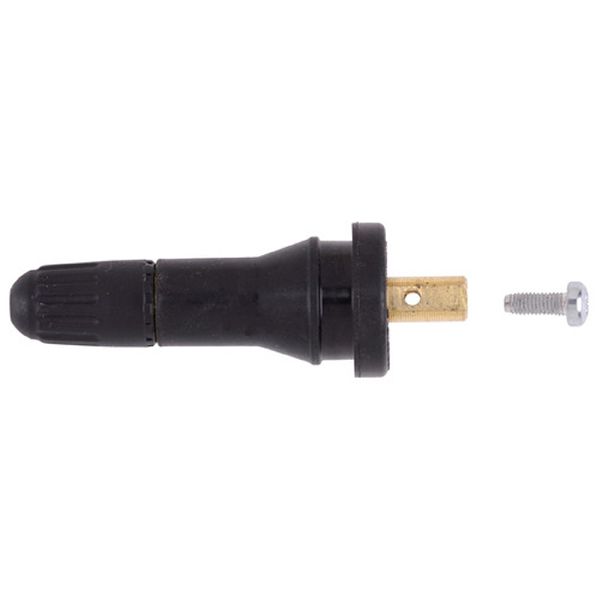
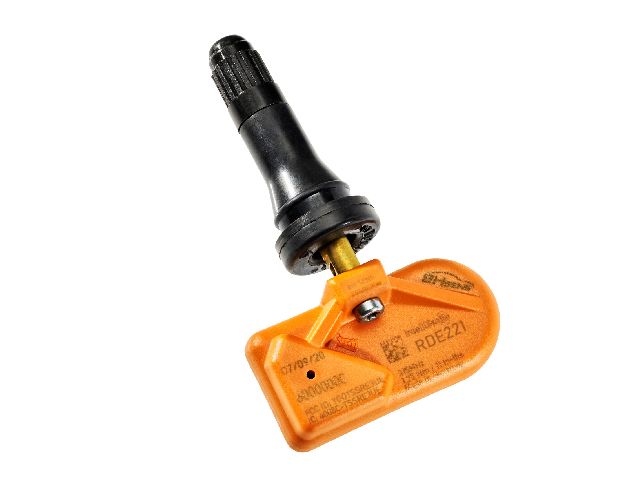
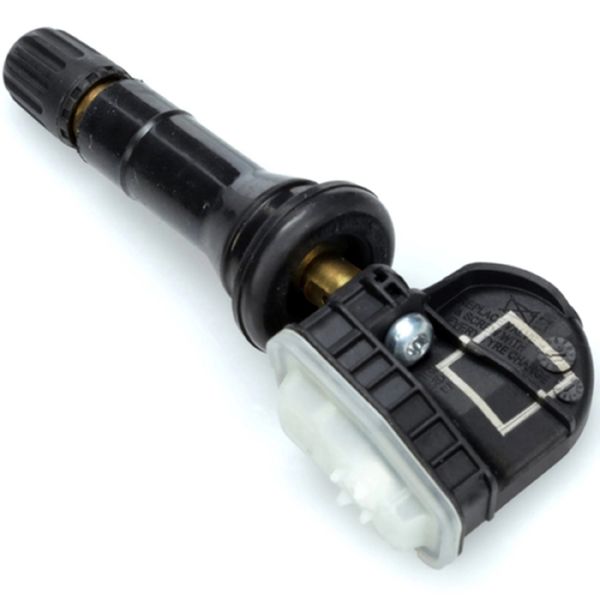
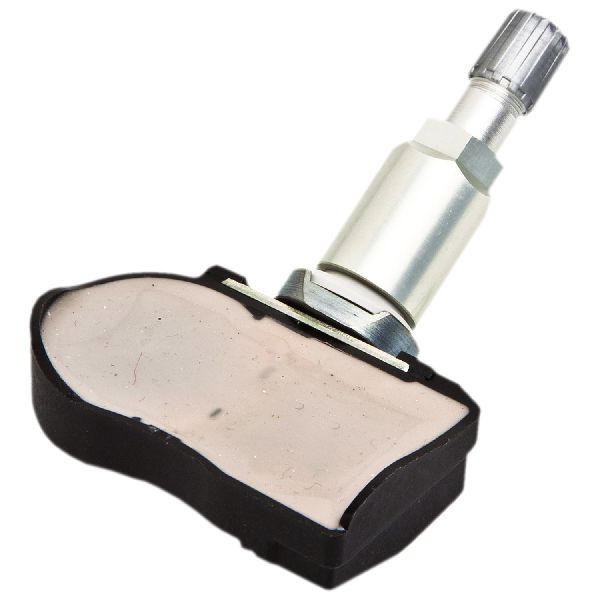
- Tire Pressure Monitoring System (TPMS) Sensor
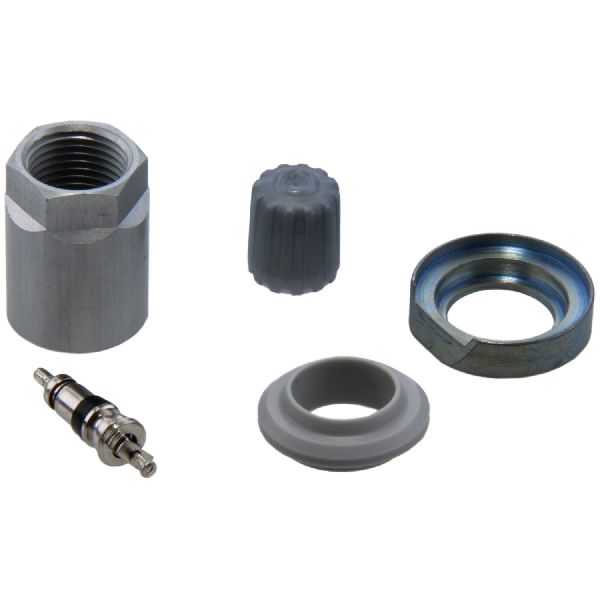
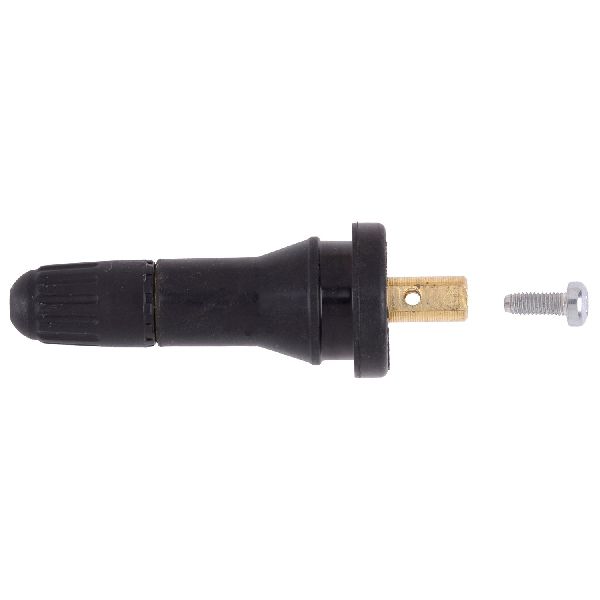
(OEM #13540601)— If the relearn procedure fails because a sensor is dead (usually due to battery life), the sensor itself must be replaced. This part number is the current OEM replacement and supersedes older numbers. 🎬 See this clever shop vac trick for replacing TPMS sensors
Trusted brands: ACDelco (GM Genuine), Schrader, Dorman, Bosch
OEM price range: $40-$60
Aftermarket price range: $25-$45
Related Codes That Often Appear With This One
- C0750 — Left Front Tire Pressure Sensor fault. A fault with a specific sensor can cause the relearn process to fail, triggering C0775.
- C0755 — Right Front Tire Pressure Sensor fault. A fault with a specific sensor can cause the relearn process to fail, triggering C0775.
- C0760 — Left Rear Tire Pressure Sensor fault. A fault with a specific sensor can cause the relearn process to fail, triggering C0775.
- C0765 — Right Rear Tire Pressure Sensor fault. A fault with a specific sensor can cause the relearn process to fail, triggering C0775.
- B3055, B3935 — Keyless entry and security system codes. TSB PIC5650 links these codes with C0775, suggesting a common cause like RFI or a faulty RCDLR affecting multiple radio-frequency-based systems.
Technical Service Bulletins (TSBs) & Recalls
- PIC5650M: Describes a wide range of intermittent electrical issues (including 'Service Tire Pressure Monitor' message and DTC C0775) that can be caused by Radio Frequency Interference from aftermarket electronic devices, rather than faulty vehicle components.
Platform-Specific Known Issues
- The NHTSA Technical Service Bulletin series #PIC5650 (e.g., PIC5650M) provides critical diagnostic insight. It notes that C0775 can appear with other TPMS, keyless entry, and security codes (B3055, B3935, etc.) due to Radio Frequency Interference (RFI). The bulletin warns that aftermarket devices like phone chargers, USB power banks, and especially aftermarket LED lighting can 'jam' the 315MHz frequency used by the TPMS sensors and key fobs, leading to intermittent 'Service Tire Monitor' messages or a no-start condition. Technicians are advised to remove all such devices before attempting to diagnose or replace parts.
Scan Tool Commands That Help
- ATEQ VT56/VT46: Bonus OBD Relearn Procedure — This function is used as an alternative to the manual relearn. It uses an OBDII dongle to transfer all collected sensor IDs directly to the vehicle's ECU at once, which can be faster and bypass issues with the manual horn-chirp sequence.
- GDS2 (or other professional scan tool): TPMS Learn Mode / Sensor Matching Process — To professionally initiate the vehicle's relearn mode from the scan tool instead of using the DIC menu. This is the standard shop procedure and confirms the BCM/RCDLR is capable of entering learn mode.
Wiring & Ground Locations
- RCDLR (Remote Control Door Lock Receiver) — The RCDLR is the central module for the TPMS. On the 2013-2020 Trax and its platform mates, it is typically located behind the glove box or integrated near the BCM in the center console area. It has its own antenna for receiving 315 MHz signals.. This module receives the signals from all four tire pressure sensors. A fault in the RCDLR, its wiring, its ground, or its antenna can prevent it from hearing the sensors, causing the relearn procedure to fail and setting code C0775, even if all sensors are good.
- Instrument Panel Fuse Block — Located behind a small storage compartment to the left of the steering wheel. Squeeze the sides of the compartment to pull it out and access the fuses.. This fuse block contains fuses for the Body Control Module (BCM) and other interior electronics that work with the TPMS. A loss of power here could cause communication issues.
- Engine Compartment Fuse Block — Located in the engine bay, typically behind the driver's side headlight.. This block powers critical vehicle systems. While less likely to be the direct cause of a C0775, checking relevant fuses here is part of a complete electrical diagnosis.
Real Owner Repair Stories
- Reddit user Gabeich702 (2024 Trax (newer generation, but same principle applies)) — DIC showed the front right tire at 4 PSI, but a manual gauge check showed all tires were at 35 PSI.
❌ Tried (didn't work) Initially assumed it was a bad sensor.
✅ What actually fixed it The user discovered the back right tire was actually flat. The dealer had performed a tire rotation but failed to do the TPMS relearn procedure, so the car's display of sensor locations was incorrect. The fix was repairing the flat tire and getting the system relearned correctly. - Reddit user in r/ChevyTrax (2025 Trax (newer generation, but same principle applies)) — After a dealer service including a tire rotation, the TPMS light came on for the right rear tire at 20 PSI. A manual gauge showed that tire was properly inflated.
❌ Tried (didn't work) Visually inspecting the indicated tire.
✅ What actually fixed it The dealer found a nail in the front left tire. Because the TPMS relearn was not performed after the rotation, the system was reporting the wrong tire position, creating a dangerous situation where the driver was unaware of the actual leaking tire. - Reddit user onesaucypeanut (2017 Buick Encore (platform mate)) — TPMS light was on, but all tires were confirmed to be at the correct pressure.
❌ Tried (didn't work) Attempting the TPMS relearn procedure, which failed to complete.
✅ What actually fixed it The community consensus and most likely cause was a dead battery in one of the TPMS sensors. The relearn procedure cannot complete if one sensor fails to transmit its ID, which is a classic symptom of a dead sensor battery. The fix is to identify and replace the dead sensor, then perform the relearn again.
OEM Part Supersession History
15287331, 15782376, 15807816, 15857831, 15946938, 25771044, 25808837, 25852909, 25855007, 25896497, 92201608→20803735— This is the part history for the Remote Control Door Lock Receiver (RCDLR), which also functions as the Tire Pressure Monitoring System Receiver.
Heads up: This part requires programming and/or special setup procedures with dealer-level software (GDS2) after installation to function correctly with the vehicle's BCM and existing keys/sensors.
Model Year Variations Within This Range
- 2013-2016 (approx.): On some early first-generation models, the TPMS relearn menu in the DIC may be accessed by pressing the trip odometer reset stem until 'LEARN TIRE POSITIONS' is displayed.
- 2017-2020 (approx.): On post-facelift models, the relearn procedure is typically initiated using the 'MENU' button on the turn signal lever to navigate to the tire pressure screen in the DIC, then pressing the 'SET/CLR' button. Some higher trims may integrate this function into the main infotainment touchscreen under 'Vehicle Settings'.
Helpful Videos

We Have This Part in Stock

The information in this article is provided for general reference and educational purposes only. Vehicle specifications, procedures, and part compatibility can vary by production date, trim level, and region. Always consult your vehicle's factory service manual and verify part numbers before purchasing or performing repairs. Safety-critical components such as airbags, seat belts, and braking systems should be installed by a qualified professional.
- Chevrolet TRAX:
- 🎬 Helpful Videos
- 🛍️ Shop This Part
- What's Unique About the 2013-2020 Chevrolet TRAX
- Diagnostic Flowchart
- Symptoms You May Notice
- Most Likely Causes
- Rare But Worth Checking
- Diagnosis Steps
- Parts You'll Likely Need
- Related Codes That Often Appear With This One
- Technical Service Bulletins (TSBs) & Recalls
- Platform-Specific Known Issues
- Scan Tool Commands That Help
- Wiring & Ground Locations
- Real Owner Repair Stories
- OEM Part Supersession History
- Model Year Variations Within This Range
- 🎟️ Get 5% Off