

C0775 on 2007-2014 Chevrolet Impala: TPMS Relearn Failure and Fixes
Code C0775 on a 2007-2014 Impala means the Tire Pressure Monitoring System (TPMS) relearn procedure failed. This is often due to a dead battery in one or more TPMS sensors. Replacing the failed sensor(s) and correctly performing the relearn procedure is the most common fix. In some cases, a faulty Remote Control Door Lock Receiver (RCDLR) can cause this code, often accompanied by key fob issues.
- C0775 means the TPMS relearn procedure failed, it is not an indicator of low tire pressure.
- The most common cause for the failure is one or more TPMS sensors with dead batteries.
- You will likely need a TPMS activation tool to complete the relearn procedure successfully.
- If you also experience engine stalling or security light issues, the problem may be more complex and involve the Remote Control Door Lock Receiver (RCDLR), as noted in a GM TSB.
- Replacing a sensor requires breaking the bead on the tire, a job best left to a tire shop.
What's Unique About the 2007-2014 Chevrolet IMPALA
What's unique about the Impala and other GM vehicles of this era is how the TPMS is integrated. The same module, the Remote Control Door Lock Receiver (RCDLR), handles signals from both the tire pressure sensors and your key fobs. A GM Technical Service Bulletin (TSB #PIC5650M) has documented that TPMS codes like C0775 can appear alongside security system codes and symptoms like engine stalling and the security light illuminating. This suggests a fault in the RCDLR or related wiring can cause a bizarre mix of TPMS and anti-theft system problems, which might confuse diagnostics. Another TSB, 16-NA-061, points out that the antenna for the RCDLR can become disconnected at the module, the amplifier, or the rear glass, leading to poor reception of TPMS signals and failed relearns.
Diagnostic Flowchart
Tap your situation to follow the diagnostic path that matches what you're seeing on this vehicle.
Symptoms You May Notice
- Flashing, then solid "Service Tire Monitoring System" warning light on the dash.
- Tire pressure readings showing as dashes (--) on the Driver Information Center (DIC).
- Inability to complete the TPMS relearn procedure.
- Horn does not chirp when attempting to activate a sensor during the relearn process.
- Potentially, the security light may come on and the engine may stall or fail to start, as noted in TSB PIC5650M. [⭐ MANUFACTURER TSB — highest authority] Bulletin #PIC5650M
- Poor or no response from key fobs, as the RCDLR controls both systems.
- Replacing the Body Control Module (BCM) unnecessarily. While the BCM communicates with the RCDLR, the fault is more often in the sensors or the RCDLR itself.
- Replacing the ignition switch for a stall condition without checking for TPMS or security codes first. The TSB shows these systems are linked, and the root cause could be the RCDLR. [⭐ MANUFACTURER TSB — highest authority] Bulletin #PIC5650M
Most Likely Causes
- Dead or Failing TPMS Sensor Battery 🔴 High Probability TPMS sensor batteries have a finite lifespan of 5-10 years. Vehicles in the 2007-2014 range are at an age where original sensor batteries are expected to fail.
How to confirm: Use a TPMS diagnostic tool to attempt to activate the sensor. If the sensor does not respond with a signal (no horn chirp during relearn), its battery is almost certainly dead.
Typical fix: Replace the failed TPMS sensor. It is often recommended to replace all four sensors at once if they are original, as the others are likely to fail soon.
Est. part cost: $30-$60 per sensor - Failed TPMS Relearn Procedure 🔴 High Probability The system will set this code by design if the relearn sequence is interrupted, fails due to a bad sensor, or is performed incorrectly.
How to confirm: The presence of code C0775 itself confirms a failed relearn. The next step is to identify why it failed. Attempt the relearn procedure again using a TPMS tool to see which sensor does not respond.
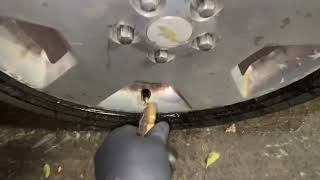
Typical fix: Correctly perform the TPMS relearn procedure. This involves putting the vehicle in learn mode and activating each sensor in sequence (Left Front, Right Front, Right Rear, Left Rear). For some earlier models, this can be done without a tool by letting air out of each tire in sequence. 🎬 Watch: Relearn your TPMS with or without a reset tool.
Est. part cost: $0 - $15 (if a basic relearn tool is purchased) - Faulty Remote Control Door Lock Receiver (RCDLR) 🟡 Medium Probability This module is the central receiver for both TPMS and key fob signals. A failure can manifest as issues with both systems, and it is a documented weak point.
How to confirm: If none of the TPMS sensors will learn (even known-good ones), and you also experience intermittent or dead key fobs, the RCDLR is a strong suspect. A professional scan tool can check for communication with the module and related security codes like B3055.
Typical fix: Replace the RCDLR module and program it to the vehicle. This requires a GM-specific scan tool.
Est. part cost: $50-$150
Rare But Worth Checking
- Incorrect TPMS Sensor Frequency: Ensure the replacement sensor operates on 315 MHz, which is standard for this Impala generation. Installing a 433 MHz sensor will cause the relearn procedure to fail.
- Radio Frequency (RF) Interference: Rarely, strong RF interference from aftermarket electronics (chargers, dash cams, LED lights) can disrupt the signal from the TPMS sensor to the RCDLR during the relearn process. TSB PIC5650 specifically calls this out as a diagnostic step.
- Disconnected RCDLR Antenna: As per TSB 16-NA-061, the coaxial antenna cable for the RCDLR can become disconnected from the module itself (located behind C-pillar trim), from the antenna amplifier, or from the antenna in the rear glass. This will cause weak or no signal from the sensors, especially those furthest away, and prevent the relearn from completing.
Diagnosis Steps
- Verify the active code is C0775 using an OBD-II scanner capable of reading C-codes (chassis codes).
- Check the Driver Information Center (DIC) for a "Service Tire Monitoring System" message and dashes for tire pressure readings. 🎬 See how to clear the tire pressure light on your dash.
- Attempt the TPMS relearn procedure. For the 2007-2014 Impala, this is typically done by turning the key to 'ON', then pressing and holding the lock and unlock buttons on the key fob until the horn chirps. Some later models may use a menu in the DIC.
- Using a TPMS activation tool (like the EL-50448), activate the sensors in order: Left Front, Right Front, Right Rear, Left Rear. The horn should chirp after each successful activation.
- If a sensor fails to activate (no horn chirp), that sensor is faulty and needs replacement. This is the most common reason for a failed relearn.
- If all sensors fail to activate, or if you also have key fob problems, suspect a faulty RCDLR or its antenna connection. Check for RFI from aftermarket devices per TSB PIC5650.
- If the C0775 code is accompanied by engine stalling and security lights, investigate the RCDLR and ignition system components as potential related failures per TSB PIC5650M. [⭐ MANUFACTURER TSB — highest authority] Bulletin #PIC5650M
- Inspect the RCDLR antenna connection behind the passenger side C-pillar trim and at the rear glass per TSB 16-NA-061.
Parts You'll Likely Need
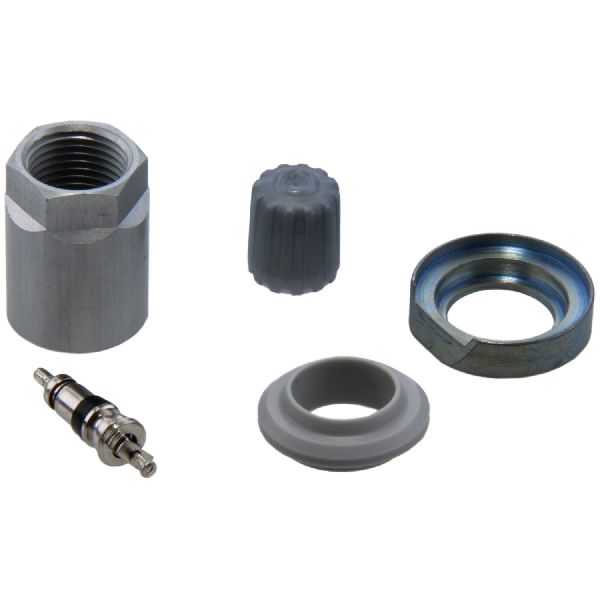
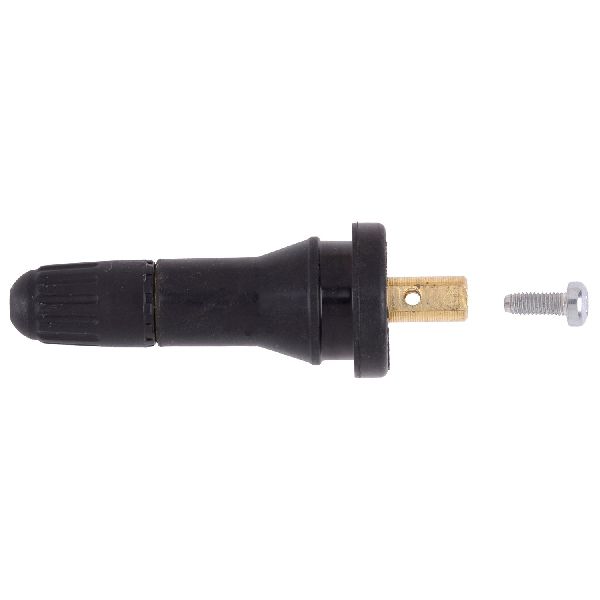
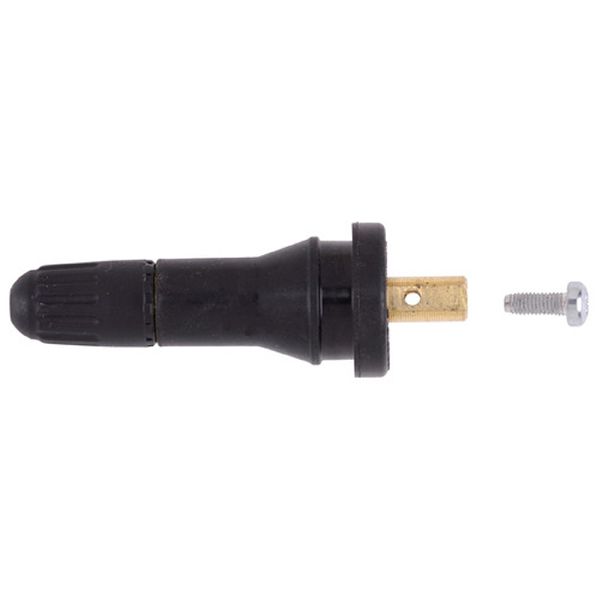
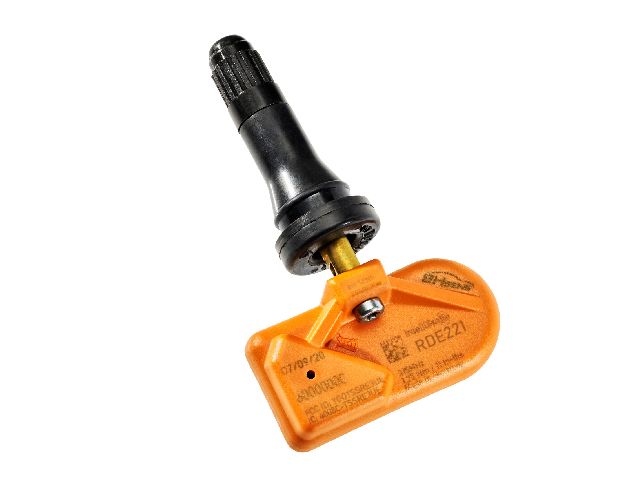
- Tire Pressure Monitoring System (TPMS) Sensor
(OEM #13598771 (supersedes 13586335, 15254101, 20923680, and others))— This is the most common failure point. The internal battery dies, preventing the sensor from transmitting its data and causing the relearn procedure to fail.
Trusted brands: ACDelco, Schrader, Dorman, Huf
OEM price range: $40-$70
Aftermarket price range: $25-$50 - Remote Control Door Lock Receiver (RCDLR)
(OEM #20803735 (check specific VIN, supersedes many older numbers))— The central module for TPMS and key fobs. A failure here will cause C0775 and simultaneous key fob issues. Requires programming after installation.
Trusted brands: ACDelco (GM Genuine)
OEM price range: $70-$150
Aftermarket price range: $50-$100 - TPMS Relearn Tool
(OEM #EL-50448 (or equivalent))— Required to activate the sensors during the relearn procedure on 2011+ models and highly recommended for all years for speed and reliability. 🎬 Watch this quick walkthrough of the Impala sensor reset process. Earlier models can sometimes be relearned by letting air out of the tires, but this is slower.
Trusted brands: ATEQ, VXDAS
OEM price range: $15-$100
Aftermarket price range: $10-$30
Related Codes That Often Appear With This One
- C0750 — Fault in the Left Front TPMS sensor, often a dead battery, which prevents the relearn from completing.
- C0755 — Fault in the Right Front TPMS sensor.
- C0760 — Fault in the Left Rear TPMS sensor.
- C0765 — Fault in the Right Rear TPMS sensor.
- B3055 — A vehicle security/key-related code. Its presence with C0775 points towards a potential issue with the RCDLR or related wiring, as mentioned in TSB PIC5650M. [⭐ MANUFACTURER TSB — highest authority] Bulletin #PIC5650M
Technical Service Bulletins (TSBs) & Recalls
- PIC5650M (and later revisions like J/K): Notes that a stall concern with the security light may be accompanied by TPMS codes, including C0775. It strongly suggests checking for Radio Frequency Interference (RFI) from aftermarket devices like phone chargers or LED lights before replacing parts. [⭐ MANUFACTURER TSB — highest authority] Bulletin #PIC5650M
- 16-NA-061: Details issues where the RCDLR antenna becomes disconnected, causing loss of signal from TPMS sensors and key fobs. It provides locations to check the coax cable connection: at the RCDLR module, the antenna amplifier, and the rear glass antenna.
Platform-Specific Known Issues
- A known issue, documented in TSB PIC5650M, links TPMS system faults with the vehicle's security system, potentially causing a no-start or stall condition along with security warning lights.
Scan Tool Commands That Help
- Tech 2 / GDS2: RCDLR Replacement/Programming — This function is required after physically replacing the RCDLR module. The new module must be programmed to the vehicle's VIN and configured for the specific options (like tire pressure placards) to function correctly and clear codes like C0775.
- Tech 2 / GDS2: TPMS Learn Mode Activation — While learn mode can be initiated via the key fob or DIC, a scan tool provides a reliable, direct way to command the RCDLR into learn mode, bypassing potential issues with fob buttons or DIC switches.
Wiring & Ground Locations
- Remote Control Door Lock Receiver (RCDLR) — For 2007 models, it is often located on the driver's side, behind the A-pillar trim and upper I/P closeout panel near the windshield. For later models (e.g., 2013), it is located under the center of the instrument panel, beneath the defroster grill panel.. This is the central module that receives TPMS signals. Physical access is required for replacement, and to check its antenna connection, which is a common failure point.
- G301 / G302 — G301 is a body ground located on the floor, to the left of the driver's seat. G302 is on the floor, to the right of the front passenger's seat.. These are major interior ground points. A poor connection at these locations can cause erratic behavior in various modules, including the RCDLR, leading to communication and relearn failures.
- RCDLR Antenna — On some early models, the antenna is a wire that runs up the driver's side A-pillar to a button on the windshield. On later models, it is integrated near the RCDLR module under the dash.. A disconnected or damaged antenna is a key cause of failed relearns, as the RCDLR cannot receive signals from the tire sensors. TSBs specifically mention checking this connection.
Real Owner Repair Stories
- Snap-on Diagnostics Product Forums user 'greasybob' (2007 Chevrolet Impala) — TPMS service light on, poor key fob range, and inability to learn new TPMS sensors.
❌ Tried (didn't work) Initially, just attempting to relearn the sensors failed. After replacing the RCDLR, the relearn procedure completed with all horn chirps, but the DIC still showed dashes and a configuration error code (P0569) was present.
✅ What actually fixed it The issue was that after replacing and flashing the RCDLR, the module still needed the specific tire configuration (tire type and pressure limits) programmed into it. This required a dealer-level scan tool with the specific systems test/programming function for that vehicle, which was not available on the Snap-on tool at the time. The final fix was programming the tire configuration into the new RCDLR.
OEM Part Supersession History
15287331, 15782376, 15807816, 15857831, 15946938, 25771044, 25808837, 25852909, 25855007, 25896497→20803735— Standard part evolution, integrating design updates and new technologies over the vehicle's production run.
Heads up: While 20803735 is the common service replacement, always verify the correct part number with the vehicle's VIN before ordering, as programming is required and using the wrong base part can cause programming failure.
Model Year Variations Within This Range
- 2007-2010 (approx.): The primary method to enter TPMS learn mode is by pressing and holding the lock and unlock buttons on the key fob until the horn chirps. The 'deflate tire' method can also be used if a tool is not available.
- 2011-2014 (approx.): Entering learn mode is typically done through the Driver Information Center (DIC) menu. A TPMS activation tool (like the EL-50448) is generally required, as the 'deflate tire' method is less reliable or not supported on these later models.
- 2006-2007: Early models may have a different RCDLR antenna design and location, running up the A-pillar. A service bulletin (07-08-52-001) addressed poor key fob range on these models by replacing both the RCDLR and its antenna with an updated design.
Helpful Videos
We Have This Part in Stock


The information in this article is provided for general reference and educational purposes only. Vehicle specifications, procedures, and part compatibility can vary by production date, trim level, and region. Always consult your vehicle's factory service manual and verify part numbers before purchasing or performing repairs. Safety-critical components such as airbags, seat belts, and braking systems should be installed by a qualified professional.
- Chevrolet IMPALA:
- 🎬 Helpful Videos
- 🛍️ Shop This Part
- What's Unique About the 2007-2014 Chevrolet IMPALA
- Diagnostic Flowchart
- Symptoms You May Notice
- Most Likely Causes
- Rare But Worth Checking
- Diagnosis Steps
- Parts You'll Likely Need
- Related Codes That Often Appear With This One
- Technical Service Bulletins (TSBs) & Recalls
- Platform-Specific Known Issues
- Scan Tool Commands That Help
- Wiring & Ground Locations
- Real Owner Repair Stories
- OEM Part Supersession History
- Model Year Variations Within This Range
- 🎟️ Get 5% Off