

C0775 on 2013-2020 Buick Encore: TPMS Sensors Not Learned Fix
Code C0775 on a Buick Encore means the Tire Pressure Monitoring System (TPMS) sensors need to be relearned by the vehicle's computer. This is fixed by performing the TPMS relearn procedure, which can often be done without special tools by following a specific sequence of steps.
- C0775 means the TPMS sensor positions need to be relearned, not that the sensors are bad.
- The most common cause is an interrupted or timed-out relearn procedure after a tire rotation or battery disconnect.
- The fix is to perform the relearn procedure, which can be done at home by letting air out of each tire in a specific sequence (LF, RF, RR, LR).
- Before starting, unplug all aftermarket chargers/accessories to prevent radio interference that can block the relearn process.
- A TPMS relearn tool (model EL-50448) is an inexpensive and highly recommended gadget that makes the process quicker and more reliable.
What's Unique About the 2013-2020 Buick ENCORE
The Buick Encore, its platform-mate the Chevrolet Trax, and most modern GM vehicles have a very specific and mandatory relearn procedure for their TPMS. Unlike some vehicles that can automatically learn new sensors by driving, the Encore requires you to manually initiate and complete this process after rotating tires or replacing a sensor. The process is strictly timed; you have two minutes to activate the first sensor and five minutes total for all four. If the process is interrupted—for example, if it times out or the ignition is turned off midway—it will immediately trigger the C0775 code and wipe the stored sensor IDs from memory.
Diagnostic Flowchart
Tap your situation to follow the diagnostic path that matches what you're seeing on this vehicle.
Generation note: The 2013-2020 year range covers the first generation of the Buick Encore, including the 2017 facelift. The TPMS system, which operates at 315 MHz, and its relearn procedure are consistent across this entire generation and its platform-mate, the Chevrolet Trax. The key fob and some programming procedures changed around 2017, but the core TPMS relearn process remained the same.
Symptoms You May Notice
- TPMS warning light flashes for about 60 seconds on startup, then stays on solid.
- "Service Tire Monitor System" message on the Driver Information Center (DIC).
- Tire pressure readings on the DIC show as dashes (--) instead of numbers.
- If caused by Radio Frequency Interference, may be accompanied by a "No Fob Detected" message or keyless entry problems. [29, Bulletin #PIC5650M]
- In rare cases, as noted in a GM Technical Service Bulletin, this code may appear alongside other codes in relation to a vehicle stall concern. [Bulletin #PIC5650M]
- Replacing TPMS sensors. The sensors themselves are likely working perfectly fine; the vehicle has simply lost their IDs. Replacing them will not solve the C0775 code until the relearn procedure is performed successfully.
Most Likely Causes
- Failed or Incomplete TPMS Relearn Procedure 🔴 High Probability The procedure is timed and must be done in a specific sequence. It will fail if you take more than two minutes to activate the first sensor or more than five minutes total, which is a common mistake. If it's interrupted after learning the first sensor, all sensor IDs are erased, triggering the code.
How to confirm: The presence of code C0775 is the primary confirmation. This usually occurs immediately after a tire rotation, new tire installation, or sensor replacement.
Typical fix: Perform the TPMS relearn procedure from start to finish without interruption.
Est. part cost: $0 - Recent Battery Disconnect or Replacement 🔴 High Probability The sensor IDs are stored in volatile memory in the Body Control Module (BCM) or Remote Control Door Lock Receiver (RCDLR). Disconnecting the vehicle's main battery for service or replacement can erase this memory, requiring the sensors to be relearned.
How to confirm: The TPMS warning light and C0775 code appear immediately after the vehicle's battery has been reconnected.
Typical fix: Perform the complete TPMS relearn procedure.
Est. part cost: $0 - Replacement of BCM or RCDLR without Relearning 🟡 Medium Probability The Remote Control Door Lock Receiver (RCDLR) is the module that receives the TPMS signals. If it or the Body Control Module (BCM) is replaced, the stored sensor IDs are lost and must be relearned. A newly replaced RCDLR will set C0775 on its first ignition cycle.
How to confirm: This will occur immediately after replacing one of these modules. The repair invoice will confirm the part replacement.
Typical fix: Perform the TPMS relearn procedure. This is a required final step after installing a new BCM or RCDLR.
Est. part cost: $0
Rare But Worth Checking
- Radio Frequency Interference (RFI):
Diagnosis Steps
- Verify Code: Confirm that C0775 is the active or stored trouble code using an OBD-II scanner.
- Remove RFI Sources: Before any other steps, unplug ALL aftermarket devices, especially phone chargers, dash cams, and aftermarket LED bulbs. These are a known cause of interference that can block the relearn process (see TSB PIC5650).
- Check Tire Pressures: Before attempting a relearn, ensure all four tires are inflated to the pressure specified on the driver's door jamb sticker.
- Enter Relearn Mode: Turn the ignition to ON (engine off). Press the lock and unlock buttons on the key fob simultaneously for about 5 seconds until the horn chirps twice and the DIC displays 'Tire Learn Active'. Some models allow you to start this via the DIC menu using the turn signal stalk buttons.
- Perform Relearn (Tool Method - Recommended): 🎬 Watch: How to reset your Buick Encore tire pressure sensors. A dedicated TPMS tool (like the EL-50448) is the most reliable method. Starting with the driver's front tire, hold the tool against the sidewall near the valve stem and press the button. The horn will chirp once. Repeat for the passenger front, passenger rear, and driver's rear tires in that exact order (LF, RF, RR, LR). The horn will double-chirp when the process is complete. The entire process must be finished within 5 minutes.
- Perform Relearn (No-Tool / Deflation Method): 🎬 See this walkthrough for relearning TPMS sensors with no tools. If you do not have a tool, you can try letting air out of the tires. After entering relearn mode, start with the driver's front tire and let air out for 5-10 seconds until the horn chirps once. Immediately move to the next tire in the LF, RF, RR, LR sequence and repeat. This method is less reliable and requires re-inflating the tires afterward.
- Re-inflate Tires: After a successful relearn using the deflation method, re-inflate all tires to the correct pressure.
- Clear Codes: Use the scanner to clear the C0775 code. Drive the vehicle for a few minutes to confirm the TPMS light does not return and pressure readings are displayed.
Parts You'll Likely Need
- TPMS Relearn Tool
(OEM #EL-50448)— While not always required, this tool makes the relearn procedure faster, more reliable, and avoids the need to deflate/re-inflate tires. It is the method used by professionals and required for new sensor registration.
Trusted brands: GM (Kent-Moore), ATEQ, Autel, Various aftermarket clones
OEM price range: $60-$80
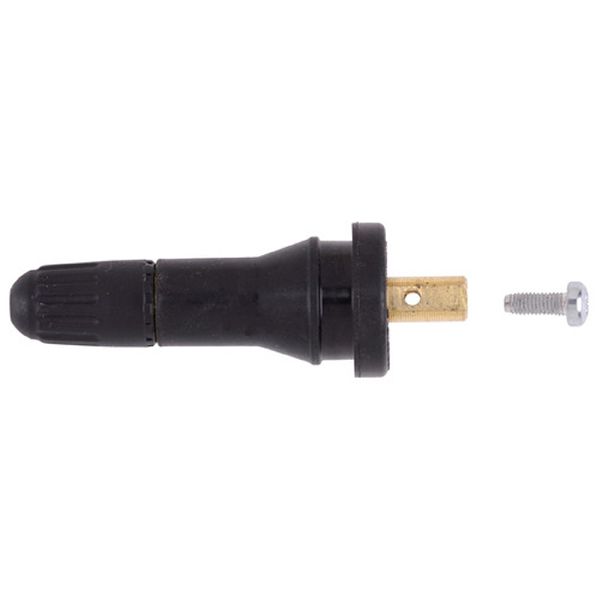
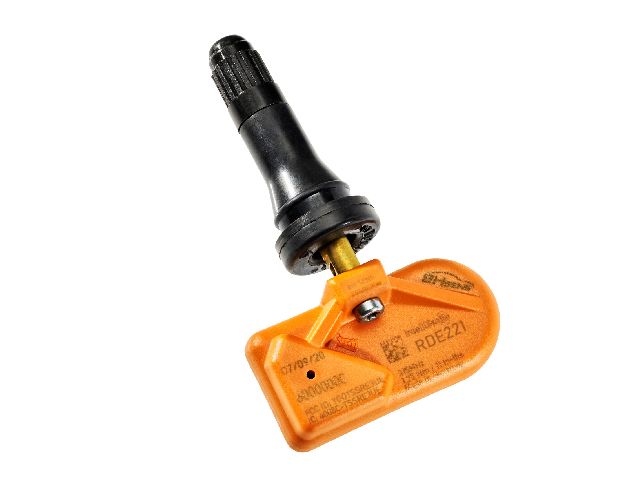
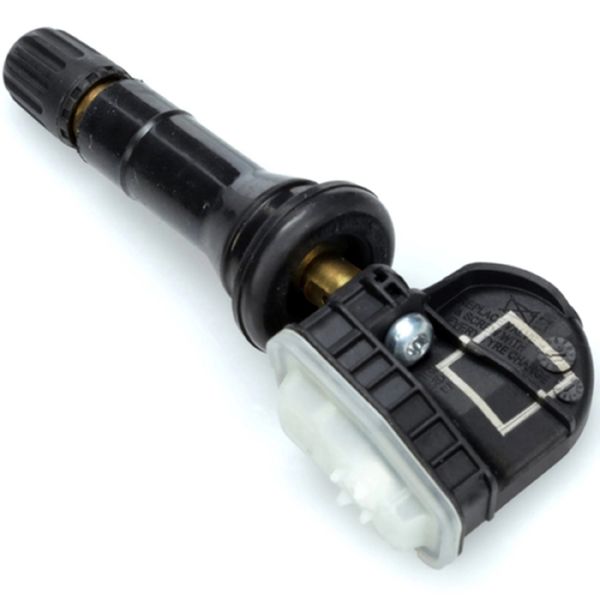
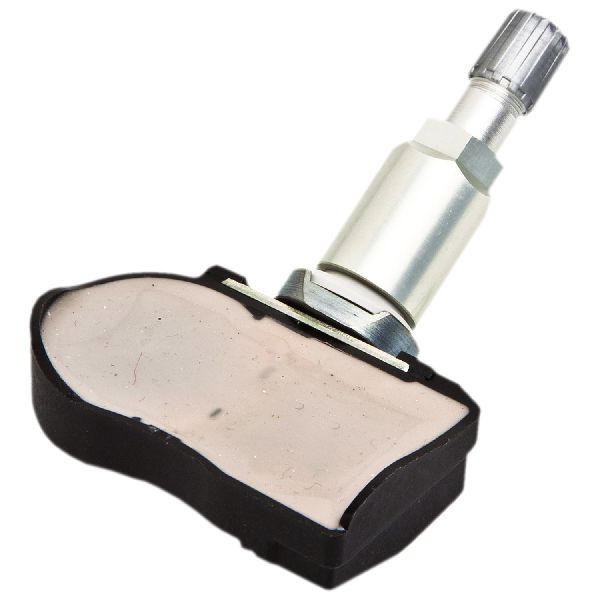
Aftermarket price range: $15-$25 - TPMS Sensor
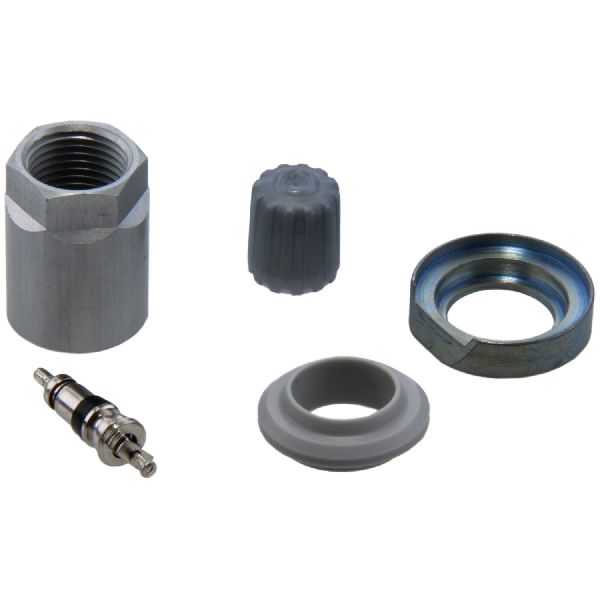
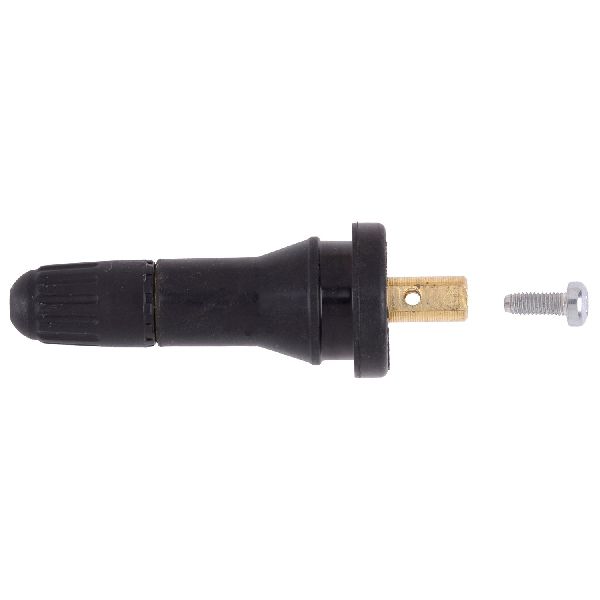
(OEM #13598771)— Only needed if a sensor is actually broken (e.g., dead battery, physical damage), which is NOT the cause of C0775 alone. If you have other codes pointing to a specific sensor, it may need replacement. This part number is the common GM 315 MHz sensor for this era.
Trusted brands: ACDelco (OEM), Schrader (OEM Supplier, p/n 33500), Continental/VDO, Denso
OEM price range: $45-$65
Aftermarket price range: $25-$40
Related Codes That Often Appear With This One
- C0750, C0755, C0760, C0765 — These codes correspond to individual TPMS sensors (Left Front, Right Front, Right Rear, Left Rear). TSB PIC5650M notes they can appear with C0775, often in complex diagnostic situations involving radio frequency interference affecting the vehicle's security system. [Bulletin #PIC5650M]
- B3055, B3060 — These are key-related codes. TSB PIC5650M links them with C0775 in a specific stall/security light scenario, suggesting a deeper electrical or module communication issue, often caused by Radio Frequency Interference (RFI) from aftermarket devices. [Bulletin #PIC5650M]
Technical Service Bulletins (TSBs) & Recalls
- PIC5650M: Mentions C0775 as one of several potential DTCs found during investigation of a stall concern with the security light on. The bulletin family (PIC5650C, J, K, etc.) clarifies this is often an RFI issue, not a faulty part. [Bulletin #PIC5650M]
- 16-NA-061: Details how a disconnected coaxial cable to the RCDLR can cause a loss of TPMS signals, resulting in dashes on the DIC and potentially setting C0775. It explains that the closer the disconnection is to the RCDLR module itself, the more severe the symptoms will be.
Platform-Specific Known Issues
- A GM Technical Service Bulletin (PIC5650, latest version is 'M' or newer) details a specific issue where C0775 appears with security/key fob codes (like B3055). [Bulletin #PIC5650M] The cause is often Radio Frequency Interference (RFI) from aftermarket electronics (phone chargers, LED lights) plugged into the car. This RFI jams the Remote Control Door Lock Receiver (RCDLR), which handles signals for both TPMS and keyless entry. The official GM diagnostic procedure is to remove all such devices before attempting any repairs or part replacements.
Scan Tool Commands That Help
- GDS2 (GM Global Diagnostic System 2): TPMS Learn Mode — This is the dealer-level software command to place the vehicle into the relearn state. It is an alternative to using the key fob or DIC menu and is the first step before using a TPMS tool to activate the sensors. It is also used to diagnose the RCDLR module itself.
Wiring & Ground Locations
- RCDLR (Remote Control Door Lock Receiver) — On the Buick Encore and its platform-mate the Chevy Trax, the RCDLR is typically located in the rear of the vehicle, mounted vertically behind the upper rear trim panel on the passenger (right) side. It is not under the headliner itself but behind the C-pillar or D-pillar interior trim.. This module receives the 315 MHz signals from all TPMS sensors. A loose coaxial antenna connection at this module is a known cause of signal loss for all four tires, which can prevent a relearn from completing and set code C0775. TSB 16-NA-061 specifically calls out checking the coax connection here as a diagnostic step.
- OBD-II Port — Located above the driver's side kick panel, below the steering column.. This port is used for all code scanning and clearing. Some advanced TPMS tools can also use this port to write sensor IDs directly to the BCM/RCDLR after reading them from the wheels, which can be a more reliable method than the standard relearn sequence.
Real Owner Repair Stories
- Reddit user on r/ChevyTrax (2025 Chevrolet Trax (newer generation, but same principle applies)) — After a dealership service that included a tire rotation, the TPMS light indicated a low right rear tire (20 PSI). An analog gauge showed the tire was properly inflated.
❌ Tried (didn't work) Assuming the sensor was bad based on the TPMS warning.
✅ What actually fixed it The dealership found a nail in the *front left* tire. They had failed to perform the TPMS relearn procedure after the tire rotation. The car still thought the damaged tire was on the right rear, leading to a dangerous misdiagnosis. The fix was to repair the tire and correctly perform the relearn procedure.
OEM Part Supersession History
13598771→13540600— Standard part lifecycle update by GM.
Heads up: The new part number (13540600) is the direct replacement and is fully compatible. However, many aftermarket cross-references still list the original 13598771 part number or other equivalents like 20922900 and 12768826.13506665 (Key Fob, 2017+)→13532383— Part number update.
Heads up: For 2017 and newer models with push-button start, these key fobs are interchangeable. They operate on the same 315 MHz frequency as the TPMS sensors.
Model Year Variations Within This Range
- 2017-2020 (Facelift models): While the TPMS system remained the same, the key fob design and the procedure for starting the vehicle with a dead key fob changed. On non-GX models, the dead fob is placed in the front cup holder. On later GX models (post-2020), it is placed in a specific pocket in front of the center console. This is relevant because key fob issues and TPMS issues are often linked via the RCDLR.
Helpful Videos

We Have This Part in Stock

The information in this article is provided for general reference and educational purposes only. Vehicle specifications, procedures, and part compatibility can vary by production date, trim level, and region. Always consult your vehicle's factory service manual and verify part numbers before purchasing or performing repairs. Safety-critical components such as airbags, seat belts, and braking systems should be installed by a qualified professional.
- Buick ENCORE:
- 🎬 Helpful Videos
- 🛍️ Shop This Part
- What's Unique About the 2013-2020 Buick ENCORE
- Diagnostic Flowchart
- Symptoms You May Notice
- Most Likely Causes
- Rare But Worth Checking
- Diagnosis Steps
- Parts You'll Likely Need
- Related Codes That Often Appear With This One
- Technical Service Bulletins (TSBs) & Recalls
- Platform-Specific Known Issues
- Scan Tool Commands That Help
- Wiring & Ground Locations
- Real Owner Repair Stories
- OEM Part Supersession History
- Model Year Variations Within This Range
- 🎟️ Get 5% Off