

C0765 on 2012-2019 Chevrolet Sonic: TPMS Fault, Key Fob Issues, and No-Start Causes
On a 2012-2019 Sonic, code C0765 points to the right rear tire pressure sensor. However, if your key fob also stops working, the problem is almost certainly a failed Remote Control Door Lock Receiver (RCDLR) module. This is a common failure on the Sonic and its platform mates (Cruze, Trax, Encore). If the key fob works fine, the tire sensor itself has likely failed, usually due to a dead battery.
- Code C0765 means there's a problem with the right rear TPMS sensor signal.
- Before buying any parts, check your key fob. If it doesn't work, the RCDLR module is the likely problem, not the tire sensor.
- If your key fob works normally, the TPMS sensor in the right rear tire has likely failed due to an old battery.
- Replacing the RCDLR module requires special tools for programming and is not a simple DIY job.
- This issue is a known pattern failure on the Sonic and related Chevrolet models.
What's Unique About the 2012-2019 Chevrolet SONIC
The Chevrolet Sonic is built on the GM Gamma II platform, which it shares with the Chevrolet Cruze, Trax, and Buick Encore. This platform is known for a specific failure pattern where the Remote Control Door Lock Receiver (RCDLR) module fails internally. This leads to a confusing set of symptoms: a TPMS light with code C0765 (and others), combined with key fobs that don't work and a potential no-start situation. This is documented in GM Technical Service Bulletin 16-NA-396 and often leads to misdiagnosis, where the tire sensor is replaced incorrectly when the RCDLR module is the actual root cause.
Diagnostic Flowchart
Tap your situation to follow the diagnostic path that matches what you're seeing on this vehicle.
Symptoms You May Notice
- Tire Pressure Monitor (TPM) warning light is on or flashing.
- "Service Tire Monitor System" message on the driver information center (DIC).
- Key fob is completely inoperative (lock, unlock, remote start do not work).
- "No Remote Detected" message on the DIC when trying to start the car.
- Vehicle will not crank, will not start, or starts and immediately stalls. [TSB #PIC5650M, 2]
- Security warning light is illuminated on the dashboard. [TSB #PIC5650M]
- All four tire pressure readings on the DIC show dashes ("--").
- Replacing the right rear TPMS sensor when the key fobs are also inoperative. This wastes money as the RCDLR is the actual point of failure.
- Replacing the key fob batteries. If all fobs stop working at the same time the TPMS light appears, the batteries are not the problem. This points directly to the shared receiver (RCDLR).
Most Likely Causes
- Failed Remote Control Door Lock Receiver (RCDLR) 🔴 High Probability This is a well-documented pattern failure on this GM platform, as noted in TSB 16-NA-396. The module's internal electronics fail, causing it to stop processing signals from both TPMS sensors and key fobs. This issue is frequently discussed by owners of Sonics and platform-mates like the Spark and Cruze.
How to confirm: The most telling symptom is the simultaneous failure of the TPMS system and all key fobs. If the fobs are dead and you have TPMS codes (especially C0750, C0755, C0760, and C0765 together), the RCDLR is the prime suspect. A professional scan tool may show symptom code :29 ('Too Few Pulses') with the DTCs, which confirms the RCDLR failure.
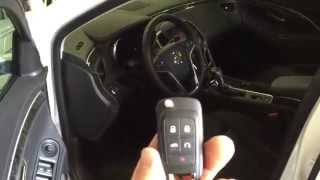
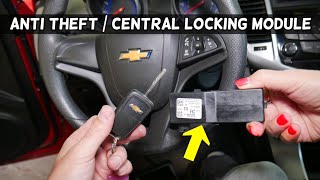
Typical fix: Replace the RCDLR module. The new module must be programmed to the vehicle using a GM-specific scan tool (like a Tech 2 or MDI with GDS2 software). The module is located behind the rear passenger-side interior trim panel. 🎬 Watch: How to locate and replace the RCDLR module
Est. part cost: $40-$120 - Dead Battery in Right Rear TPMS Sensor 🟡 Medium Probability TPMS sensor batteries have a finite lifespan, typically 5-10 years. Vehicles in this year range are reaching the end of that lifespan, making individual sensor failure common.
How to confirm: The key fob works perfectly, but the TPMS light is on and code C0765 is present. A tire shop or technician can use a TPMS activation tool to check if the sensor is transmitting a signal. If it does not respond, it has failed. This is the key diagnostic step to differentiate from an RCDLR failure.
Typical fix: Replace the right rear TPMS sensor. The tire must be at least partially unmounted from the wheel to access it. A TPMS relearn procedure must be performed after replacement. This can often be done through the DIC menu, sometimes requiring a simple activation tool. 🎬 Watch: Step-by-step TPMS relearn procedure for GM vehicles
Est. part cost: $25-$70
Rare But Worth Checking
- Wiring Harness Damage: Damage to the wiring leading to the RCDLR module could cause similar symptoms. This is less common than module failure but should be checked if a new module doesn't solve the issue. A technician would check for power, ground, and data signals at the RCDLR connector.
- Radio Frequency Interference (RFI): GM TSB PIC5650G notes that aftermarket devices like cell phone chargers, USB power banks, and even non-OEM LED bulbs can emit radio frequency interference that jams the signals from the key fob and TPMS sensors, causing identical symptoms. Before replacing parts, remove all aftermarket electronic devices from the car to see if the problem resolves.
- Disconnected RCDLR Antenna Coax Cable: TSB 16-NA-061 describes how the coaxial antenna cable for the RCDLR can become disconnected at the module, at the antenna amplifier, or at the rear glass antenna itself. A disconnected cable at the RCDLR will cause a total loss of TPMS and key fob function, mimicking a failed module. A disconnect further away at the amplifier may cause intermittent issues with sensors farthest from the module. This should be inspected before replacing the RCDLR.
Diagnosis Steps
- Verify the primary symptom: Is the TPMS light on and is there a "Service Tire Monitor System" message?
- Perform a critical secondary check: Do the key fobs lock and unlock the doors? Try all fobs.
- If key fobs DO NOT work: The RCDLR module is the most likely cause. Scan all vehicle modules for codes. The presence of multiple TPMS codes (C075x/C076x) and/or immobilizer codes (B3xxx) further points to a failed RCDLR. Before replacing the module, remove all aftermarket electronic devices (chargers, dash cams, etc.) to rule out Radio Frequency Interference (RFI) as per TSB PIC5650G.
- If key fobs DO work: The problem is likely isolated to the right rear TPMS sensor or its circuit.
- Use a TPMS activation tool to test the right rear sensor. Place the tool near the valve stem and trigger it.
- If the tool gets no response from the sensor, the sensor has failed (usually a dead battery) and must be replaced.
- If the tool gets a response but the code remains, attempt a TPMS relearn procedure. This can be initiated through the vehicle's driver information center (DIC) menu.
- If all diagnostic paths point to the RCDLR, it must be replaced and programmed by a qualified technician with access to GM's GDS2 software.
Parts You'll Likely Need
- Remote Control Door Lock Receiver (RCDLR)
(OEM #13597910, 13595511)— This is the most common cause of C0765 when accompanied by key fob failure. It is a known failure point on this platform. Part number 13597910 is cited for the platform-mate Buick Verano, while 13595511 is cited in a version of TSB 16-NA-396. Always verify the correct part number with the vehicle's VIN.
Trusted brands: ACDelco, GM Genuine Parts
OEM price range: $70-$120
Aftermarket price range: $40-$80 - Tire Pressure Monitor (TPM) Sensor
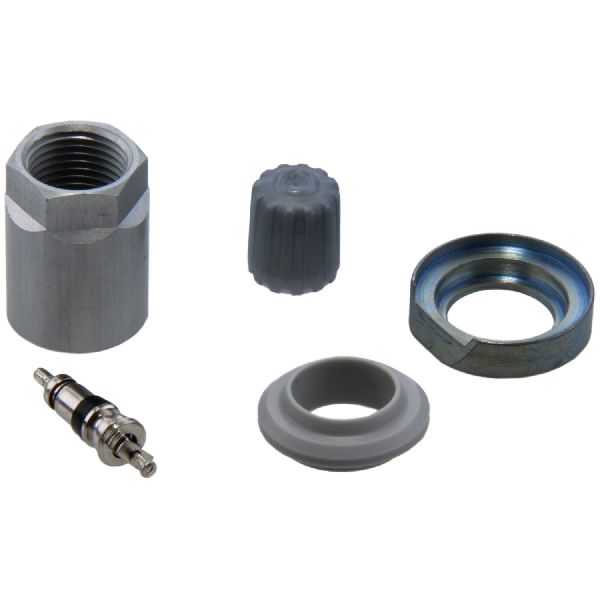
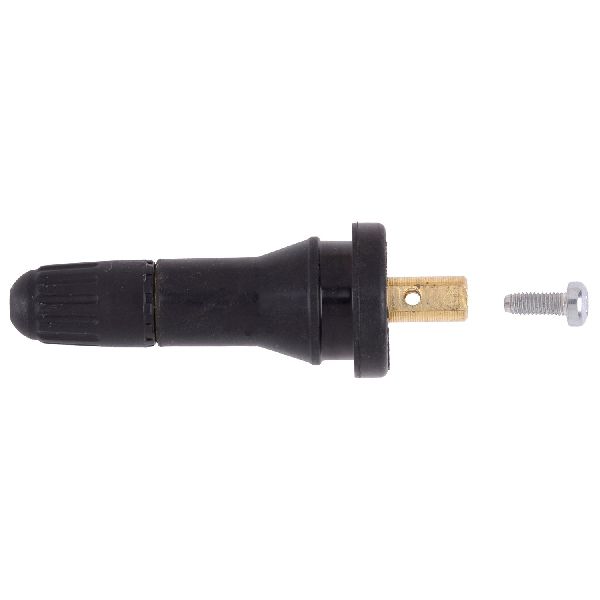
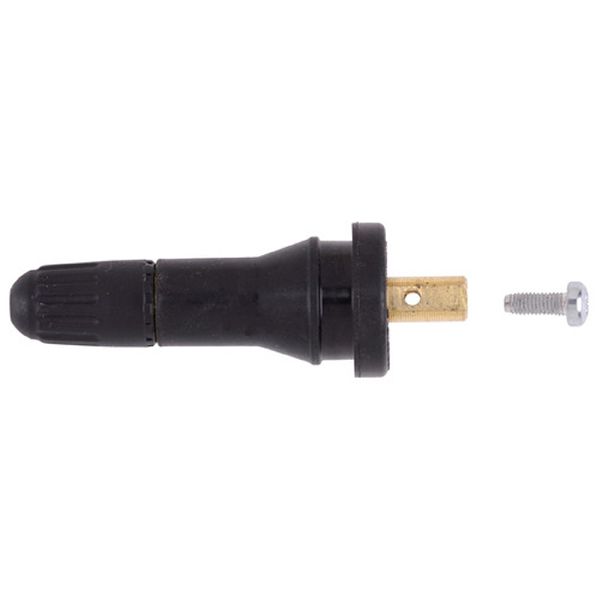
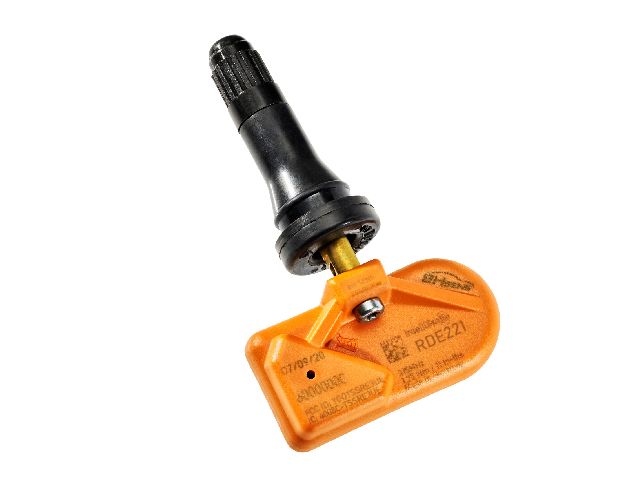
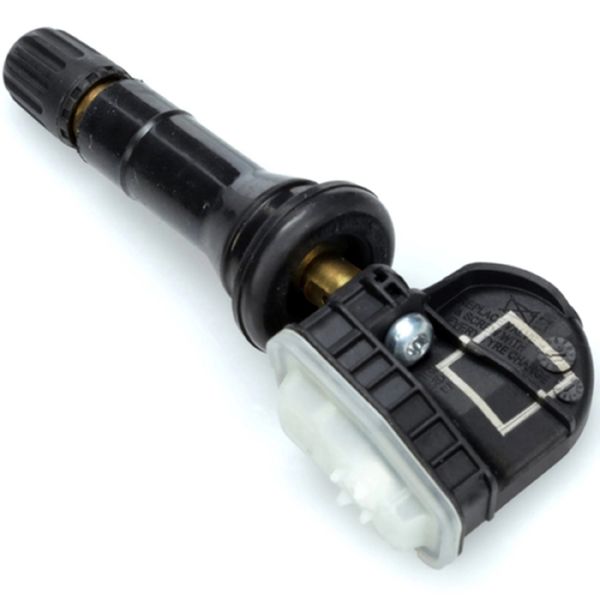
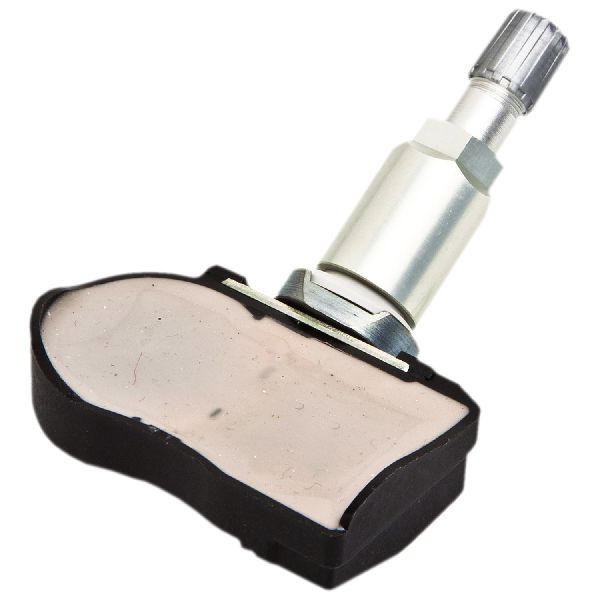
(OEM #13540601)— This is the fix if the code appears in isolation and the key fobs work correctly. The sensor's internal battery dies over time.
Trusted brands: ACDelco, Schrader, Continental, Standard Motor Products
OEM price range: $45-$70
Aftermarket price range: $25-$50
Related Codes That Often Appear With This One
- C0750, C0755, C0760 — These are the codes for the other three TPMS sensors (Left Front, Right Front, Left Rear). When the RCDLR module fails, it often loses communication with all four sensors at once, causing all four codes to appear together.
- B3055, B3060 — These are immobilizer and key-related codes. They can be triggered as a downstream effect of the RCDLR failing to communicate the key's security information to the Body Control Module (BCM). [TSB #PIC5650M]
Technical Service Bulletins (TSBs) & Recalls
- PIC5650M: Notes that codes including C0765 can be found with a no-start or start-stall concern with the security light on. Also warns about RFI from aftermarket devices causing these symptoms.
- 16-NA-396: Details the condition where an internal RCDLR failure causes intermittent loss of key fob functions and sets TPMS codes C0750, C0755, C0760, and C0765. It specifies the cause is internal to the RCDLR and the fix is replacement.
- 16-NA-061: Details how a disconnected RCDLR antenna coax cable can cause identical symptoms to a failed module and should be checked before replacing parts.
Platform-Specific Known Issues
- A known issue, documented in TSB 16-NA-396, involves the Remote Control Door Lock Receiver (RCDLR) failing, which causes simultaneous loss of key fob functions and sets TPMS codes like C0765.
- TSB PIC5650M links this group of chassis codes (C0750-C0775) to no-start, start-and-stall, and security light concerns, confirming the connection between the RCDLR, TPMS, and immobilizer systems.
- Owners on forums for the Sonic and its platform-mate, the Chevy Spark, have shared experiences of the TPMS light and key fob failing simultaneously, with the fix being the RCDLR module.
Hidden / Shadow Codes Worth Checking
- C0765 :29: Too Few Pulses. This symptom code strongly indicates an internal fault within the Remote Control Door Lock Receiver (RCDLR). TSB 16-NA-396 specifically notes this as an indicator for RCDLR replacement. (see via GM Tech 2, GDS2, or other professional-grade scan tool capable of reading manufacturer-specific symptom codes.)
- C0765 :03: Low Voltage. This indicates a voltage issue related to the sensor circuit, which often points to the sensor's own internal battery failing. (see via Professional-grade scan tool.)
- C0765 :39: Internal Malfunction. This points to an internal failure within the TPMS sensor itself. (see via Professional-grade scan tool.)
Scan Tool Commands That Help
- GDS2 (GM): Module Diagnostics -> Remote Control Door Lock Receiver -> Configuration/Reset Functions — This menu is required after replacing the RCDLR to program the new module to the vehicle and learn the existing key fobs.
- GDS2 (GM) or equivalent: TPMS Learn Mode — After replacing a TPMS sensor or rotating tires, this function (often initiated via the DIC and completed with a TPMS tool) must be used to make the vehicle recognize the sensor IDs in their correct positions.
Wiring & Ground Locations
- RCDLR Module — Behind the rear passenger-side C-pillar interior trim panel. On some platform-mates, it may be near the rear-view mirror under the headliner.. This is the central point of failure. Knowing its location is critical for inspection of the module, its connector, and its antenna cable before replacement.
- RCDLR Antenna — The system uses a coaxial cable running from the RCDLR to an antenna amplifier module, which then connects to an antenna integrated into the right rear glass.. A disconnect at any of the three points (RCDLR, amplifier, glass) can cause loss of signal and trigger TPMS codes, mimicking a failed RCDLR module.
- G105 — On the frame rail, directly under the battery tray.. A preliminary information bulletin (PIC5574A) for the 2012 Sonic notes that a poor connection at G105 due to paint or weld slag can cause multiple communication codes and no-start conditions, which overlap with RCDLR failure symptoms.
- G300-series Grounds — Located in the rear of the passenger compartment, under trim panels or under the rear seat area.. These are the primary ground points for components in the rear of the vehicle, including the RCDLR. A loose or corroded ground in this area could cause erratic behavior or failure of the module.
Real Owner Repair Stories
- Chevrolet Forum User (Unknown Year GM Truck (Symptoms align with Sonic platform issue)) — Keyless entry stopped working around the same time as all four tire pressure sensors went out. Changing key fob batteries did not help.
❌ Tried (didn't work) Changing key fob batteries.
✅ What actually fixed it The user replaced the RCDLR, but functions were not restored until the new module was programmed by a dealer. This confirms that replacement alone is insufficient and programming is mandatory. - CorvetteForum User (Chevrolet Corvette C7) — TPMS warning light came on and all key fobs stopped working simultaneously, especially after driving in heavy rain.
❌ Tried (didn't work) Waiting for the system to reset on its own., Initial dealer visit where no codes were found after the system reset itself.
✅ What actually fixed it The issue was traced to the RCDLR module. The user's experience highlights that the problem can be intermittent and that moisture can be a trigger, suggesting a potential water leak near the module or a failing seal in the module itself. The final diagnosis confirmed multiple TPMS codes (C0750, C0755, C0760, C0765) and a BCM fault code (U0422) pointing to the RCDLR.
OEM Part Supersession History
13583332, 13510984→13597910— Standard part revision and consolidation by GM.13595511→13540045— Standard part revision by GM.
Heads up: Always verify the correct part number for the specific vehicle's VIN, as different modules were used across the GM lineup.
Model Year Variations Within This Range
- 2012-2020: While the RCDLR failure is common across the generation, the key fob part numbers and designs changed. Early models (approx. 2012-2016) often use FCC ID OHT01060512 (P/N: 20873620, 20835404). Later models (approx. 2017-2020) may use FCC ID KR55WK50073 (P/N: 13575177). This does not affect the diagnosis of C0765 but is critical when replacing fobs.
Helpful Videos
We Have This Part in Stock

The information in this article is provided for general reference and educational purposes only. Vehicle specifications, procedures, and part compatibility can vary by production date, trim level, and region. Always consult your vehicle's factory service manual and verify part numbers before purchasing or performing repairs. Safety-critical components such as airbags, seat belts, and braking systems should be installed by a qualified professional.
- Chevrolet SONIC:
- 🎬 Helpful Videos
- 🛍️ Shop This Part
- What's Unique About the 2012-2019 Chevrolet SONIC
- Diagnostic Flowchart
- Symptoms You May Notice
- Most Likely Causes
- Rare But Worth Checking
- Diagnosis Steps
- Parts You'll Likely Need
- Related Codes That Often Appear With This One
- Technical Service Bulletins (TSBs) & Recalls
- Platform-Specific Known Issues
- Hidden / Shadow Codes Worth Checking
- Scan Tool Commands That Help
- Wiring & Ground Locations
- Real Owner Repair Stories
- OEM Part Supersession History
- Model Year Variations Within This Range
- 🎟️ Get 5% Off