

C0765 on 2011-2018 Chevrolet Cruze: Causes for TPMS and Key Fob Failure
On a 2011-2018 Cruze, code C0765 often points to a failed Remote Control Door Lock Receiver (RCDLR), not just a bad tire sensor. If your key fobs have also stopped working, the RCDLR is the most likely cause. This is a known GM issue documented in TSB 16-NA-396. Expect to pay $200-$450 for a shop to replace and program the module, which is located behind a rear interior trim panel.
- Before buying any parts, check if your key fobs are working. If they are not, the problem is almost certainly the Remote Control Door Lock Receiver (RCDLR), not the tire sensor.
- Code C0765 specifically points to the left rear tire sensor signal. However, the true cause is often the central receiver (RCDLR) failing.
- Replacing a TPMS sensor requires dismounting the tire from the wheel. Replacing the RCDLR requires programming by a dealer or a well-equipped independent shop.
- This is a known issue covered by GM Technical Service Bulletin 16-NA-396.
- Driving with a faulty TPMS is a safety risk. Address the warning light promptly to ensure you are alerted to low tire pressure.
What's Unique About the 2011-2018 Chevrolet CRUZE

On the Chevrolet Cruze and related GM platforms like the Buick Verano, the Remote Control Door Lock Receiver (RCDLR) is the single module responsible for interpreting signals from both the TPMS sensors and the key fobs. A common internal failure in this module can simultaneously cause the TPMS warning light to illuminate and all remote key functions (lock, unlock, remote start) to stop working. This is a well-documented issue, and often leads to the mistaken replacement of TPMS sensors when the receiver module, located behind the rear C-pillar trim, is the actual root cause.
Diagnostic Flowchart
Tap your situation to follow the diagnostic path that matches what you're seeing on this vehicle.
Generation note: The 2011-2018 range covers the first generation (2011-2016) and the second generation (2016-2019) of the Chevrolet Cruze. The underlying RCDLR failure is documented in TSBs that apply to both generations, indicating a shared system design. A key difference for parts is the TPMS sensor frequency: first-gen models (2011-2016) use 315 MHz. Second-gen models (2016.5+) may use 315 MHz (RPO code XL7) or 433 MHz (RPO code XL8). The RPO code can be found on the silver Service Parts Identification (SPID) label, typically in the trunk.
Symptoms You May Notice

- TPMS warning light is on or flashing
- "Service Tire Monitor System" message on the Driver Information Center (DIC)
- Key fob functions (lock, unlock, remote start, panic) are completely inoperative
- "No Remote Detected" message on the DIC
- Inability to start the vehicle (no-start or start-and-stall) with security light on
- Passive entry system not responding to lock/unlock commands
- Passive locking system may lock the keys inside the vehicle
- Replacing the left rear TPMS sensor when the key fobs are also inoperative. In this case, the RCDLR is the more likely cause, and replacing the sensor will not resolve the issue.
Most Likely Causes

- Failed Remote Control Door Lock Receiver (RCDLR) 🔴 High Probability This is a widely documented failure on this GM platform, as cited in TSB 16-NA-396. The module's internal electronics fail, causing it to lose communication with both TPMS sensors and key fobs.
How to confirm: The most telling sign is the simultaneous failure of TPMS and all key fob functions. If codes for multiple or all four tire sensors (C0750, C0755, C0760, C0765) are present, the RCDLR is the prime suspect. The module is located behind a rear C-pillar trim panel. Disconnecting the car battery for 15 minutes may temporarily restore function, further pointing to a failing module.
Typical fix: Replace the RCDLR module and program the new unit to the vehicle using a GM diagnostic scan tool (Tech 2 or GDS2). The specific replacement part number depends on the original unit installed in the vehicle.
Est. part cost: $50-$150 - Faulty Left Rear TPMS Sensor 🟡 Medium Probability TPMS sensor batteries have a finite lifespan of 5-10 years, so failure is common as vehicles age. The sensor can also be physically damaged during tire service.
How to confirm: If key fob functions are normal and only code C0765 is stored, the sensor itself is the likely culprit. A tire shop can use a TPMS activation tool to check if the sensor is transmitting a signal. If it does not respond, it has failed.
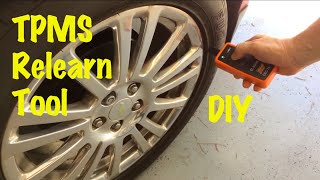
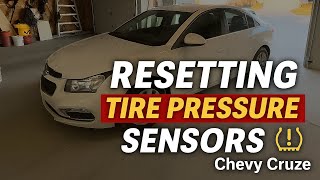
Typical fix: Replace the left rear TPMS sensor. The tire must be unmounted to access it. A TPMS relearn procedure must be performed after installation, which for many Cruze models requires a specific TPMS relearn tool, as the 'let air out' method may not work.
Est. part cost: $25-$75
Rare But Worth Checking
- Wiring or Connector Issue: Although less common, damage to the wiring or a poor connection at the RCDLR module could mimic a module failure. This is worth checking before replacing the module, especially if there is evidence of water intrusion or physical damage in the area.
- Water Intrusion: Some owners have reported that the simultaneous failure of TPMS and key fobs occurred after heavy rain or a car wash, suggesting the RCDLR module or its connector may be sensitive to moisture. TSB 19-NA-243 addresses water leaks from A-pillar body plugs causing electrical issues in other GM vehicles, a related concept.
Diagnosis Steps
- Verify Symptoms: Check if the key fobs are working. If they are dead along with the TPMS light being on, immediately suspect the RCDLR.
- Scan for Codes: Use a professional scanner capable of reading Chassis (C) and Body (B) codes from all modules. Note if C0765 appears alone or with other TPMS codes (C0750, C0755, C0760). Check for a symptom byte like ':29' (Too Few Pulses), which strongly points to the RCDLR.
- Test the TPMS Sensor: If key fobs work correctly, use a TPMS activation tool to test the left rear sensor. If the tool cannot get a response, the sensor is bad.
- Inspect RCDLR: If the RCDLR is suspected, locate and inspect it. It is generally found behind the rear C-pillar trim panel. Check for loose connections or signs of water damage.
- Attempt a Reset (Temporary): As a diagnostic step, you can try disconnecting the vehicle's negative battery terminal for 15-30 minutes. If function returns temporarily, it further incriminates the RCDLR module itself.
- Replace and Program: If the sensor is confirmed good but the signal is not being received (and fobs are dead), replace the RCDLR. This requires programming with a GM-specific tool (like GM MDI) and a subscription to their Service Programming System (SPS) via the ACDelco TDS website.
Parts You'll Likely Need

- Remote Control Door Lock Receiver (RCDLR)
(OEM #13503205 (supersedes 13582364), 13595511, 13597910)— This module is the most common cause of C0765, especially when accompanied by key fob failure and other TPMS codes, as documented in TSB 16-NA-396. Multiple part numbers exist; the correct replacement depends on the original part installed. Always verify with a dealer or parts supplier using the VIN.
Trusted brands: ACDelco, GM Genuine Parts
OEM price range: $70-$150
Aftermarket price range: $50-$100 - Tire Pressure Monitoring System (TPMS) Sensor
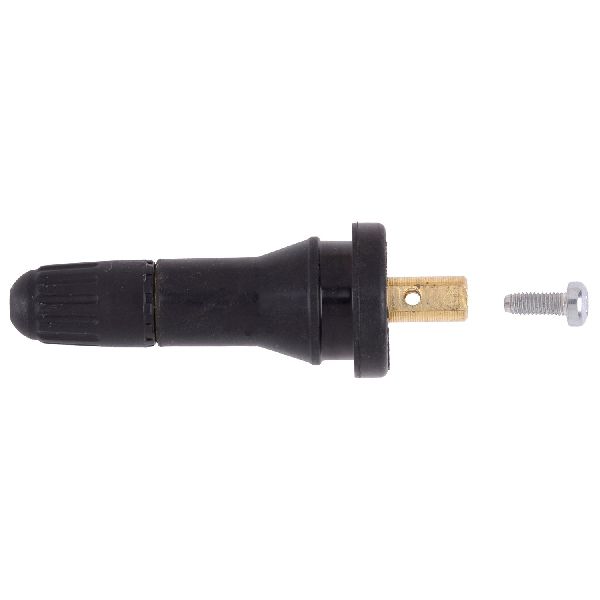
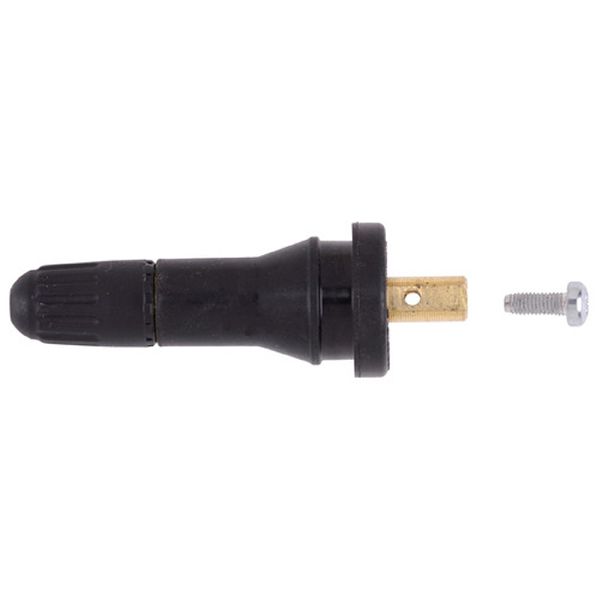
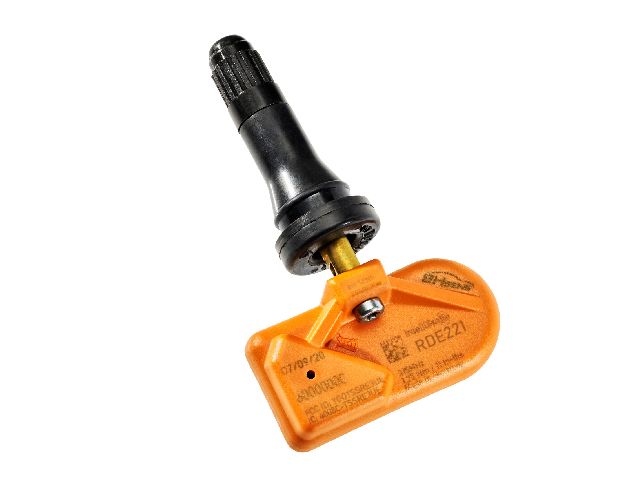
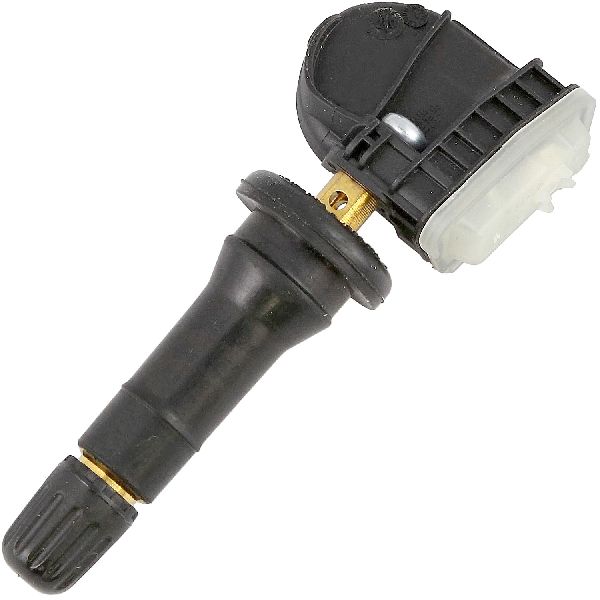
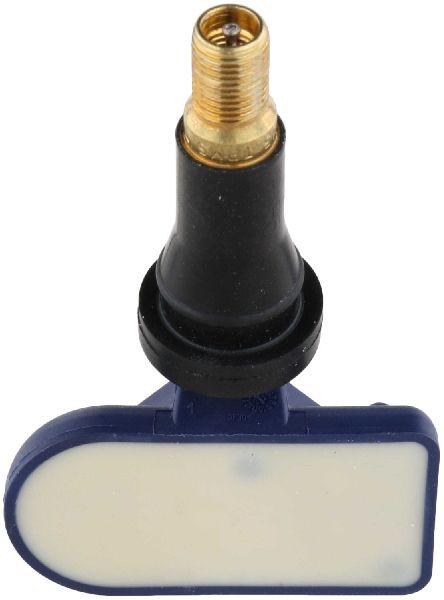
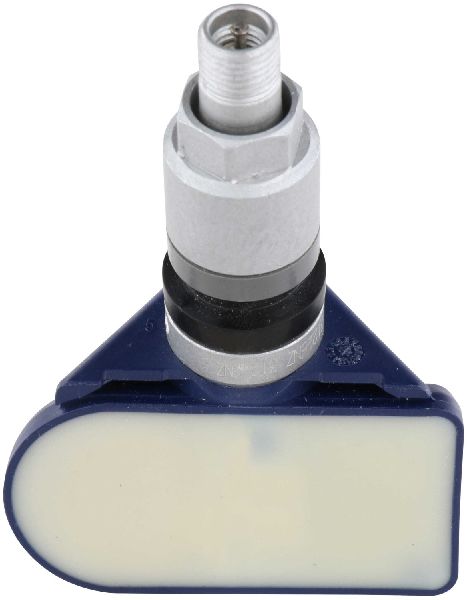
(OEM #13540602 (Verify by VIN and RPO code))— This is the correct part to replace if only the C0765 code is present and the key fobs work perfectly. For 2nd Gen (2016.5+), check the SPID label in the trunk for RPO code XL7 (315 MHz) or XL8 (433 MHz) to ensure the correct frequency.
Trusted brands: ACDelco, Schrader, Dorman, Bosch
OEM price range: $50-$70
Aftermarket price range: $25-$50
Related Codes That Often Appear With This One
- C0750 — Fault code for the Right Front TPMS sensor. Often appears with other TPMS codes when the RCDLR module fails.
- C0755 — Fault code for the Right Rear TPMS sensor. Often appears with other TPMS codes when the RCDLR module fails.
- C0760 — Fault code for the Left Front TPMS sensor. Often appears with other TPMS codes when the RCDLR module fails.
- B3055 — Relates to a key problem within the vehicle's security system. Can be triggered by a faulty RCDLR as per TSB PIC5650M. 🎬 See what to do if your key fob won't program.
Technical Service Bulletins (TSBs) & Recalls
- 16-NA-396: Intermittent Operation of Key Fobs, Door Unlock Inoperative “No Remote Detected” Message with Possible TPM MIL.
- PIC5650M: No crank, no start, or start stall concern with the security light coming on.
Platform-Specific Known Issues
- TSB #16-NA-396: General Motors issued this bulletin for multiple vehicles including the 2016-2017 Cruze, identifying an internal fault in the RCDLR as the cause for simultaneous TPMS and key fob failure. The fix is to replace the RCDLR module with the correct, updated part number.
- TSB #PIC5650M: This bulletin links C0765 and other codes to potential no-start or start/stall conditions related to the vehicle's security system, which also involves the RCDLR.
Mechanic-Grade Diagnostic Values
- RCDLR Connector Voltage — expected: 12V+ (battery voltage) on the power wire (often red or red/white).. Failure: 0V or significantly low voltage indicates a break in the power wire or a blown fuse.
- RCDLR Connector Ground — expected: Good continuity to chassis ground (near 0 ohms) on the ground wire (black).. Failure: High resistance (OL) indicates a broken ground wire or corroded ground point.
- CAN Bus Resistance at DLC — expected: Approximately 60 ohms between Pin 6 (CAN High) and Pin 14 (CAN Low) with the key off and battery disconnected.. Failure: A reading of 120 ohms suggests one of the two terminating resistors is offline (which could be the RCDLR or another module). An open or fluctuating reading indicates a network wiring problem.
Hidden / Shadow Codes Worth Checking
- Symptom Byte :29: Indicates 'Too Few Pulses' received from the TPMS sensor. When this symptom byte is present with C0750, C0755, C0760, and/or C0765, GM TSB #16-NA-396 points directly to an internal failure of the RCDLR module, not the sensor itself. (see via Requires a professional scan tool capable of reading manufacturer-specific data, such as the GM GDS2.)
Scan Tool Commands That Help

- GM GDS2/Tech2: Copy and Paste TPM Information — Before removing the old RCDLR. This function reads the existing TPMS sensor IDs and tire type settings from the failing module and stores them in the scan tool. After installing the new RCDLR, you can 'paste' this data, avoiding the need to perform a manual TPMS relearn procedure.
- GM Service Programming System (SPS): Replace and Program ECU — This is the main function used to install the vehicle-specific software and VIN onto a new, blank RCDLR module. This is mandatory for the new module to function.
- GM GDS2/Tech2: Theft Deterrent System Learn — Immediately after programming a new RCDLR. The RCDLR is part of the vehicle's immobilizer system, and this 10 or 30-minute procedure is required to sync the new module with the vehicle's security system.
- GM GDS2/Tech2: Add or Replace Key Fobs — After the RCDLR is programmed and the theft learn is complete, this function is used to program the existing (or new) key fobs to the new module. The path is typically Module Diagnostics > Remote Control Door Lock Receiver > Configure and Reset Functions > Add or Replace Key Fobs.
Wiring & Ground Locations
- RCDLR Module — Most commonly located behind the rear C-pillar interior trim panel (passenger or driver side). However, some sources for 2015+ models show a module with similar function located in the plastic housing behind the rearview mirror. Physical inspection is required to confirm.. This is the module that sets the code. Physical inspection for loose connectors, corrosion, or water damage is a key diagnostic step.
- G103 — On some GM platforms, this ground is located at the left rear of the engine compartment on the cowl, above the brake booster.. This is a shared ground point for multiple modules, including the Remote Door Lock Receiver. A loose or corroded G103 can cause intermittent RCDLR failure and other unrelated electrical issues.
- Driver's Door Sill Harness — The wiring harness that runs along the floor under the driver's side door sill plate and kick panel.. This area is a known chafe point. The power wire (often red/white) for the RCDLR can break or corrode inside this harness, leading to a 'No Communication' fault with the module that mimics a failed RCDLR itself.
Real Owner Repair Stories
- HR Repair YouTube Channel (2011 Chevrolet Silverado (similar GM architecture)) — Key fobs inoperative, scan tool showed 'No Communication' with the RCDLR module.
❌ Tried (didn't work) Initially diagnosing the RCDLR module itself as faulty and ordering a replacement.
✅ What actually fixed it A diagnostic check found no 12V power at the RCDLR connector. The technician inspected the wiring harness running under the driver's side door sill plate and found the red/white power wire was broken and corroded ('green crusties'). Repairing the broken wire restored power and communication to the original RCDLR, fixing the problem without needing to replace the module.
When the Usual Fixes Don't Work
- In cases where C0765 and other RCDLR-related codes are present but replacing the RCDLR does not fix the issue, the root cause is often a wiring failure. A documented case on a similar GM vehicle found a broken and corroded power wire for the RCDLR located in the harness under the driver's door sill plate. Before condemning a brand new module, it is critical to verify 12V power and a solid ground directly at the RCDLR connector.
OEM Part Supersession History
13582364→13503205— Standard part revision and update by the manufacturer.
Heads up: While 13503205 is the correct non-PEPS module, ensure the vehicle does not require the PEPS module (13583332), especially on 2014-2015 models, as they are not interchangeable.
Model Year Variations Within This Range
- 2014-2015: A potential factory error where a vehicle could be equipped with the wrong type of RCDLR (PEPS vs. non-PEPS), leading to key fobs failing after the BCM enters sleep mode. The correct non-PEPS part is 13503205; the PEPS part is 13583332.
- 2011+: The TPMS relearn procedure often cannot be completed using the traditional method of letting air out of the tires. A dedicated TPMS relearn tool is typically required to activate the sensors and have the RCDLR learn their positions.
- 2011-2018: The physical location of the RCDLR may vary. Most documentation and experience points to the rear C-pillar area. However, at least one video guide for a 2015 Cruze shows a functionally identical module located behind the rearview mirror trim. Technicians should be prepared to check both locations.
Helpful Videos
We Have This Part in Stock

The information in this article is provided for general reference and educational purposes only. Vehicle specifications, procedures, and part compatibility can vary by production date, trim level, and region. Always consult your vehicle's factory service manual and verify part numbers before purchasing or performing repairs. Safety-critical components such as airbags, seat belts, and braking systems should be installed by a qualified professional.
- Chevrolet CRUZE:
- 🎬 Helpful Videos
- 🛍️ Shop This Part
- What's Unique About the 2011-2018 Chevrolet CRUZE
- Diagnostic Flowchart
- Symptoms You May Notice
- Most Likely Causes
- Rare But Worth Checking
- Diagnosis Steps
- Parts You'll Likely Need
- Related Codes That Often Appear With This One
- Technical Service Bulletins (TSBs) & Recalls
- Platform-Specific Known Issues
- Mechanic-Grade Diagnostic Values
- Hidden / Shadow Codes Worth Checking
- Scan Tool Commands That Help
- Wiring & Ground Locations
- Real Owner Repair Stories
- When the Usual Fixes Don't Work
- OEM Part Supersession History
- Model Year Variations Within This Range
- 🎟️ Get 5% Off