

C0765 on 2011-2018 Chevrolet Camaro: Causes and Fixes for the TPMS Fault
Code C0765 on a 2011-2018 Camaro indicates a fault with the left rear tire pressure sensor. The most common cause is a dead battery in the sensor itself. A less common but notable cause, identified in a GM TSB, is a faulty Remote Control Door Lock Receiver (RCDLR), which also affects key fob functions.
- Code C0765 on your Camaro points to a fault with the left rear TPMS sensor.
- The most likely cause is a dead battery in the sensor, which requires replacing the entire sensor unit.
- If your key fob also stopped working, the problem is almost certainly the Remote Control Door Lock Receiver (RCDLR) module, not the sensor.
- Replacing a TPMS sensor requires tire removal and balancing, making it a job for a tire shop.
- Always verify the correct part number for your specific year and model Camaro before purchasing parts.
What's Unique About the 2011-2018 Chevrolet CAMARO

On this generation of Chevrolet Camaro, the TPMS sensor signals are received by the Remote Control Door Lock Receiver (RCDLR), the same module that processes key fob commands. Because of this shared module, a failure of the RCDLR can simultaneously cause all TPMS sensors to stop reporting and all key fobs to become inoperative. 🎬 Watch: How a failing RCDLR affects both fobs and sensors. This specific failure mode is documented in GM Technical Service Bulletin 16-NA-396. The RCDLR module in the 6th Gen (2016+) Camaro is located in the trunk, behind the driver's side trim panel. The 5th Gen (2010-2015) RCDLR is typically located in the headliner or on an interior body panel, often requiring more trim removal to access. Its failure is a well-documented issue in owner forums.
Diagnostic Flowchart

Tap your situation to follow the diagnostic path that matches what you're seeing on this vehicle.
Generation note: This range covers the end of the 5th Generation (2011-2015) and the start of the 6th Generation (2016-2018). The C0765 code's meaning is the same for both, but the specific part numbers for the TPMS sensors and the Remote Control Door Lock Receiver (RCDLR) may differ. Always verify parts using your vehicle's VIN. For example, 5th Gen models often use TPMS sensor 13581558 or 20925924, while 6th Gen models commonly use 13598773.
Symptoms You May Notice

- TPMS or tire warning light is illuminated on the instrument cluster
- "Service Tire Monitor System" message on the Driver Information Center (DIC)
- The pressure reading for the left rear tire shows as "--" or does not update
- Key fob functions (lock, unlock, remote start) are inoperative, if the RCDLR is the cause.
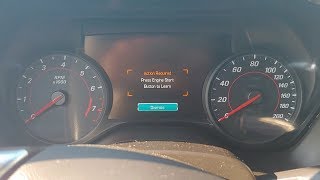
- "No Remote Detected" message on the DIC, even with a good battery in the key fob.
- Replacing the BCM before thoroughly testing the TPMS sensor and RCDLR module.
- Replacing the key fob battery when the fob is inoperative, without realizing it's related to the RCDLR and TPMS fault. This is a very common first step mentioned by owners.
- Assuming the tire itself is faulty when the pressure is actually normal.
- Replacing only the single failed TPMS sensor on an older vehicle. The batteries in the other original sensors are likely to fail soon, requiring another service visit.
Most Likely Causes

- Failed TPMS Sensor 🔴 High Probability The non-rechargeable battery inside a TPMS sensor has a finite lifespan, typically 5-10 years. Vehicles in the 2011-2018 range are now at an age where battery failure is common. A low battery condition in the sensor is a direct cause for setting this DTC.
How to confirm: Use a TPMS activation tool to attempt to read the sensor's data (ID, pressure, temperature). If the tool cannot get a response, the sensor has failed. A scan tool can also directly show a 'sensor low battery' status for the specific sensor. Many tire shops can perform this test for free.
Typical fix: Replace the left rear TPMS sensor. The tire must be dismounted to access it. After installation, a TPMS relearn procedure must be performed using either the vehicle's DIC menu or a TPMS reset tool.
Est. part cost: $25-$70 - Faulty Remote Control Door Lock Receiver (RCDLR) 🟡 Medium Probability As documented in TSB 16-NA-396, the RCDLR module is a known failure point on some GM vehicles, including the Camaro. An internal fault can cause it to stop receiving signals from TPMS sensors. Forum users on Camaro6.com confirm this is a common fix for simultaneous TPMS and key fob issues.
How to confirm: This is the likely cause if key fob functions fail at the same time as the TPMS light appears, and especially if codes for all four sensors (C0750, C0755, C0760, C0765) are present. A professional scan tool can check for communication with the RCDLR and look for the specific symptom byte ':29' (Too Few Pulses).
Typical fix: Replace the RCDLR module. On 6th Gen Camaros, it is located behind the driver's side trunk trim panel. The new module must be programmed to the vehicle using GM's Techline Connect software (GDS2), which typically requires a trip to the dealer or a well-equipped independent shop.
Est. part cost: $40-$100
Rare But Worth Checking
- Wiring Harness Damage: On 6th Gen Camaros, especially those running wider-than-stock rear tires for track use, the main wiring harness in the driver's side rear fender well can rub against the tire. This can chafe through the insulation and cause shorts, leading to multiple electrical issues, including TPMS faults and other seemingly unrelated error codes. A visual inspection behind the wheel liner is recommended if strange electrical problems occur.
- RCDLR Antenna Connection: GM TSB 16-NA-061, which applies to other GM SUVs but describes a similar system, notes that a disconnected or poor coaxial antenna connection to the RCDLR can cause intermittent TPMS signal loss, especially for sensors farther from the receiver. Before replacing the RCDLR module, it's worth checking the antenna connection at the module itself and at the antenna amplifier, which is often located near the rear glass.
- Radio Frequency (RF) Interference: Aftermarket electronic devices, particularly low-quality LED lighting (side markers, fog lights) or phone chargers, can emit RF interference that jams the 315MHz frequency used by the TPMS sensors. If the TPMS fault only appears when lights are on or another device is active, this is a strong possibility. The fix is to remove the offending aftermarket part.
- Body Control Module (BCM) Fault: While very rare, the BCM processes the information from the RCDLR. A fault within the BCM could theoretically cause it to misinterpret data and set this code. This should only be considered after the sensor and RCDLR have been ruled out. BCM replacement is expensive due to the need for programming.
Diagnosis Steps
- Verify the code is C0765 using a scan tool that can read Chassis (C) codes. Check for other TPMS codes (C0750, C0755, C0760) and any BCM or key-related codes.
- Using a professional scan tool, check for symptom bytes. A ':29' (Too Few Pulses) points towards the RCDLR, while a ':39' (Internal Malfunction) or ':03' (Low Voltage) points to the sensor itself.
- Check the tire pressure display in the Driver Information Center to confirm the left rear reading is missing.
- Manually check the air pressure in the left rear tire with a gauge to rule out an actual low-pressure situation.
- Test the key fob functions (lock, unlock, remote start). If they are also inoperative, the RCDLR is the primary suspect.
- Use a TPMS activation tool to try and trigger the left rear sensor. If it fails to respond, the sensor is the most likely cause. If it does respond, the problem is with the signal reception.
- If the sensor responds to the tool, attempt a TPMS relearn procedure as described in the owner's manual. If the relearn fails for that wheel, the RCDLR or its wiring is suspect.
- For 6th Gen Camaros, inspect the wiring harness in the driver's side rear wheel well for any signs of rubbing or damage, especially if wider tires are installed.
- If the RCDLR is suspected, access the module and inspect the coaxial antenna connection for tightness and any signs of corrosion before condemning the module.
- If the sensor is confirmed good and the RCDLR is suspected, a professional diagnosis with a GM-specific scan tool is needed to confirm the module has failed before replacing it. The dealer or a specialized shop will need to program the new module.
Parts You'll Likely Need
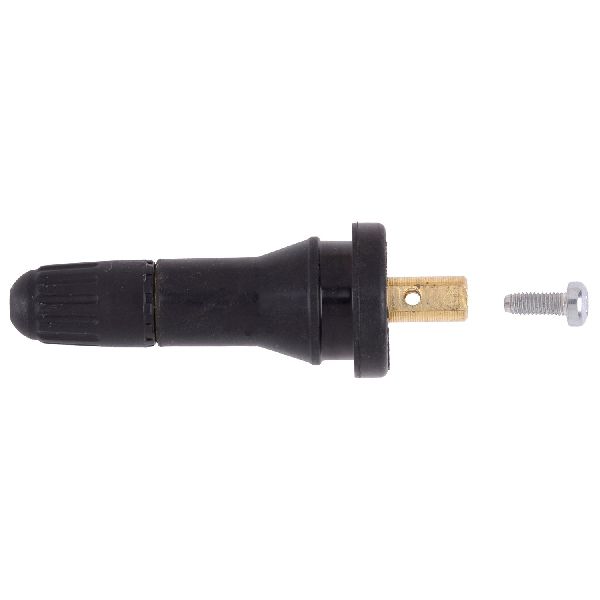
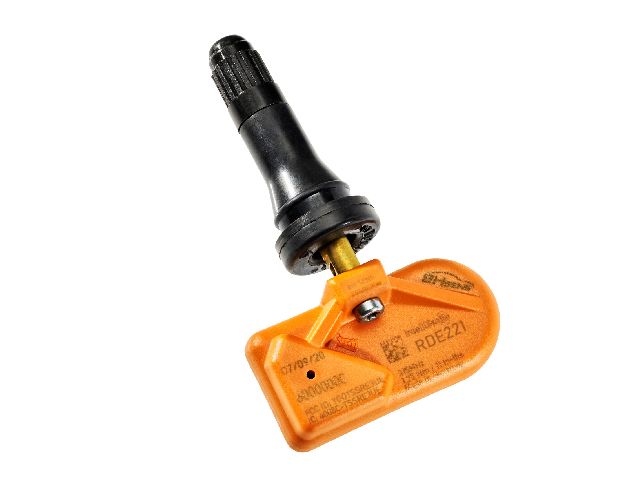
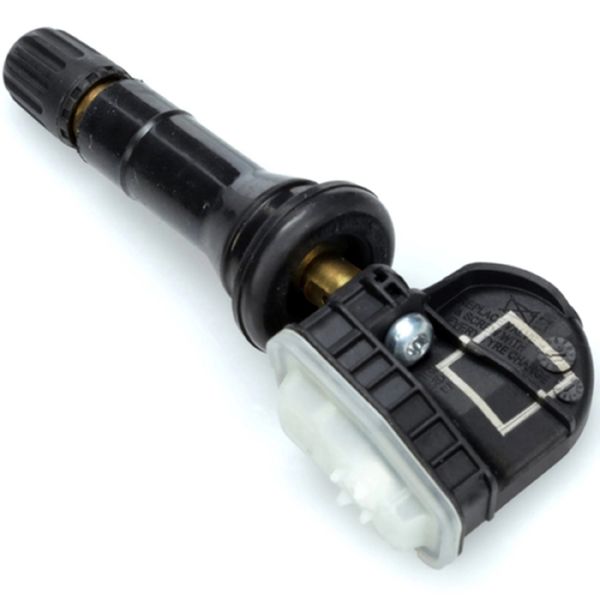
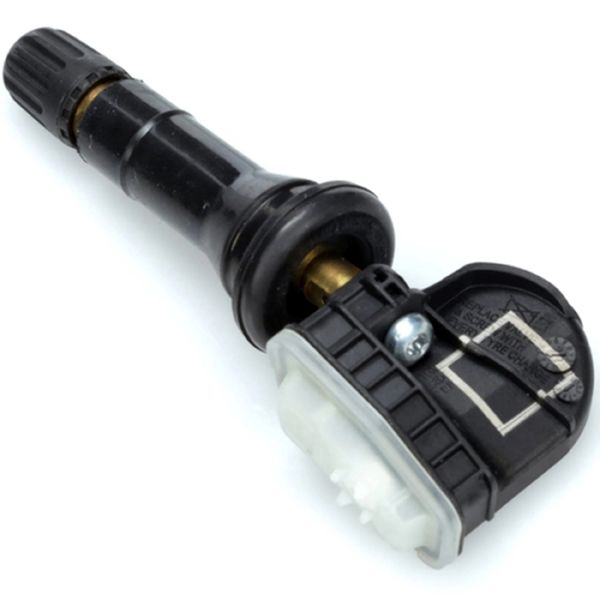
- Tire Pressure Monitoring System (TPMS) Sensor
(OEM #13598773 (6th Gen), 13581558 (5th Gen))— This is the most common failure. The internal battery dies after 5-10 years. Part numbers vary by year and frequency (315MHz is standard for North American Camaros). 13598773 is common for 6th Gen. 5th Gen may use 13581558, 20925924, or 13540601. Always verify with VIN.
Trusted brands: ACDelco, Schrader, Dorman, Standard Motor Products
OEM price range: $50-$80
Aftermarket price range: $25-$50 - Remote Control Door Lock Receiver (RCDLR)
(OEM #13597910 (6th Gen), 20803735 (5th Gen))— This module is a known failure point that causes C0765 along with other TPMS codes and a non-functional key fob, as per TSB 16-NA-396. Part numbers vary; 13597910 is a common replacement for 6th Gen models and supersedes 13510984 and 13583332. 5th Gen models may use 20803735, which supersedes many previous numbers. Always verify with VIN.
Trusted brands: ACDelco, GM Genuine
OEM price range: $40-$100
Aftermarket price range: $30-$70
Related Codes That Often Appear With This One
- C0750, C0755, C0760 — These codes correspond to the other three tire pressure sensors. When they appear together, it strongly indicates a failure of the common receiver (RCDLR) rather than all four sensors failing simultaneously.
- B3055, B3060, B3935 — These are security and key-related codes. Their presence alongside C0765 points towards a broader electrical issue, likely involving the RCDLR or BCM, as noted in TSB PIC5650M.
Technical Service Bulletins (TSBs) & Recalls
- 16-NA-396: Details the failure of the Remote Control Door Lock Receiver (RCDLR) causing TPMS codes (including C0765) and key fob inoperability. The fix is replacement of the module.
- PIC5650M: Lists C0765 as one of several codes that can be present during no-start or security light issues, indicating it can be part of a larger electrical problem.
- 16-NA-061: While for different GM models, it details how a poor RCDLR antenna connection can cause intermittent TPMS signal loss, which is a relevant diagnostic consideration.
- PI1085: An earlier bulletin for 2012-2013 GM vehicles that also links poor RKE transmitter range and TPMS codes (including C0765) to a faulty RCDLR, recommending its replacement.
Platform-Specific Known Issues
- TSB 16-NA-396: This bulletin directly addresses an internal fault in the Remote Control Door Lock Receiver (RCDLR) causing intermittent loss of key fob functions and illuminating the TPMS light with codes C0750, C0755, C0760, and/or C0765 with symptom byte :29 (Too Few Pulses). The fix is to replace and program the RCDLR module.
Hidden / Shadow Codes Worth Checking
- C0765 :29: Too Few Pulses. This indicates the RCDLR is not receiving the expected number of transmissions from the sensor. TSB 16-NA-396 specifically calls this out as pointing to an internal RCDLR failure. (see via GM-specific scan tool like a Tech 2 or a modern tool with GDS2 software.)
- C0765 :39: Internal Malfunction. This symptom code points directly to a failure within the TPMS sensor itself. (see via GM-specific scan tool like a Tech 2 or a modern tool with GDS2 software.)
- C0765 :03: Low Voltage. This indicates the battery within the TPMS sensor is failing. (see via GM-specific scan tool like a Tech 2 or a modern tool with GDS2 software.)
Scan Tool Commands That Help
- GDS2 (GM): Module Diagnostics > Remote Control Door Lock Receiver > Configuration/Reset Functions — This function is required after replacing the RCDLR to program the new module to the vehicle. Without this step, the new module will not communicate with the vehicle's other systems.
- GDS2 (GM): Tire Pressure Indicator Sensor Learn — Used to make the vehicle learn the unique ID of a new TPMS sensor after it has been installed. This is necessary for the system to know which sensor is in which wheel position.
- Any TPMS Tool (e.g., Autel, Bartec): Sensor Activation/Trigger — This is the first diagnostic step to check if a sensor is transmitting a signal. If the tool can't 'wake up' the sensor and get a reading, the sensor's battery is dead or the sensor has failed.
Wiring & Ground Locations

- RCDLR Module — 6th Gen (2016-2018): Behind the driver's side trunk trim panel. 5th Gen (2011-2015): Varies, but often in the headliner above the rear seats or on the left upper cab corner.. This is the receiver for the TPMS signal. Physical access is required to inspect its coaxial antenna connection or to replace the module.
- Engine Block Ground (6th Gen) — A ground wire runs from near the underhood fuse block to the engine block, underneath the passenger side exhaust manifold near the starter.. This ground has been reported by 6th Gen owners to be loose from the factory. A poor ground here can cause numerous, difficult-to-diagnose electrical issues, including erratic module behavior that could potentially affect the RCDLR or BCM.
Real Owner Repair Stories
- Camaro6 Forum / GM TSB 16-NA-396 (2016-2017 Chevrolet Camaro (and other GM models)) — TPMS warning light on, with codes for one or all four sensors (C0750, C0755, C0760, C0765). Simultaneously, all key fob functions (lock, unlock, remote start) were inoperative and a "No Remote Detected" message appeared on the DIC.
❌ Tried (didn't work) Replacing key fob batteries., Attempting to relearn TPMS sensors.
✅ What actually fixed it Replacing the Remote Control Door Lock Receiver (RCDLR) module and programming the new one to the vehicle. The TSB confirms this is the official fix when these specific symptoms and codes (especially with symptom byte :29) occur together.
OEM Part Supersession History
13510984, 13583332→13597910— Part has been updated by the manufacturer for improved reliability or to consolidate inventory.15287331, 15782376, 15807816, 15857831, 15946938, 25771044, 25808837, 25852909, 25855007, 25896497, 92201608→20803735— Extensive part number consolidation and updates over many years and models.
Model Year Variations Within This Range
- 2011-2015 (5th Gen) vs 2016-2018 (6th Gen): The physical location of the RCDLR module is different. On the 6th Gen, it's easily accessible in the trunk. On the 5th Gen, it is often located inside the cabin's upper structure (e.g., headliner, upper quarter panel), requiring more extensive interior trim removal for access. The part numbers for the RCDLR are also different between generations.
- 2011-2018: The TPMS relearn procedure can be initiated via the Driver Information Center (DIC), but some earlier models may allow the relearn by letting air out of the tires in sequence, while later models may be more reliant on a TPMS activation tool (like the EL-50448) to complete the process efficiently.
Helpful Videos
We Have This Part in Stock


The information in this article is provided for general reference and educational purposes only. Vehicle specifications, procedures, and part compatibility can vary by production date, trim level, and region. Always consult your vehicle's factory service manual and verify part numbers before purchasing or performing repairs. Safety-critical components such as airbags, seat belts, and braking systems should be installed by a qualified professional.
- Chevrolet CAMARO:
- 🎬 Helpful Videos
- 🛍️ Shop This Part
- What's Unique About the 2011-2018 Chevrolet CAMARO
- Diagnostic Flowchart
- Symptoms You May Notice
- Most Likely Causes
- Rare But Worth Checking
- Diagnosis Steps
- Parts You'll Likely Need
- Related Codes That Often Appear With This One
- Technical Service Bulletins (TSBs) & Recalls
- Platform-Specific Known Issues
- Hidden / Shadow Codes Worth Checking
- Scan Tool Commands That Help
- Wiring & Ground Locations
- Real Owner Repair Stories
- OEM Part Supersession History
- Model Year Variations Within This Range
- 🎟️ Get 5% Off