

C0765 on 2010-2016 Cadillac SRX: TPMS Fault or Key Fob Module Failure?
On a 2010-2016 SRX, C0765 points to the right rear tire pressure sensor. If your key fob also stopped working, the actual cause is almost certainly a failed Remote Control Door Lock Receiver (RCDLR), a known issue documented in GM TSB 16-NA-396. A new sensor is ~$50, while the RCDLR module is ~$70 plus programming.
- C0765 means the car isn't getting a signal from the right rear tire pressure sensor.
- BEFORE buying a new sensor, check your key fob. If it doesn't work, the problem is almost certainly the Remote Control Door Lock Receiver (RCDLR) module, not the sensor.
- Replacing the RCDLR module requires special tools to program it to the car.
- If the key fob works fine, then the TPMS sensor itself is the likely culprit, usually due to a dead battery after 7-10 years.
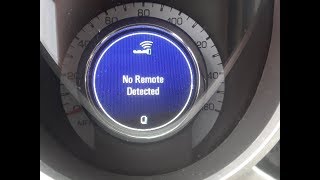
- If you're stranded with a 'No Remote Detected' message, try placing the fob in the center console pocket to start the car.
What's Unique About the 2010-2016 Cadillac SRX
On the Cadillac SRX and similar GM vehicles, a single module—the Remote Control Door Lock Receiver (RCDLR)—is responsible for receiving signals from both the TPMS sensors and the key fobs. This module is known to fail. When it does, the vehicle can no longer 'hear' the TPMS sensors or the key fob, triggering TPMS codes like C0765 and simultaneously causing symptoms like 'No Remote Detected' and a no-start condition. Therefore, diagnosing C0765 on an SRX requires checking the key fob's function before assuming the tire sensor is bad. TSB 16-NA-396 was issued by GM specifically to address this widespread issue.
Diagnostic Flowchart
Tap your situation to follow the diagnostic path that matches what you're seeing on this vehicle.
Symptoms You May Notice
- TPMS warning light is on or flashing
- "Service Tire Monitor System" message on the Driver Information Center (DIC).
- Key fob functions (lock, unlock, remote start) are inoperative or work intermittently.
- "No Remote Detected" message on the DIC, even with the key fob inside the vehicle.
- Push-button start fails to respond, preventing the engine from starting. 🎬 Watch: How to fix the 'No Remote Detected' error.
- Security system light may be illuminated on the dash.
- Inability to use passive entry features (doors not unlocking when you approach).
- Replacing the TPMS sensor when the key fobs are also inoperative. This wastes money on a sensor when the actual problem is the RCDLR module.
- Replacing the key fob battery. While a good first step, if the 'No Remote Detected' message persists with a new battery and TPMS codes are present, the issue is likely the RCDLR, not the fob. 🎬 Watch: How to start your SRX with a dead fob.
Most Likely Causes
- Failed Remote Control Door Lock Receiver (RCDLR) 🔴 High Probability This is a well-documented failure point on many GM vehicles from this era, as noted in TSB 16-NA-396. The module handles multiple RF signals and is prone to internal faults that cause simultaneous loss of key fob and TPMS functions.
How to confirm: The most telling sign is the simultaneous failure of key fob functions and the appearance of one or more TPMS codes (C0750, C0755, C0760, C0765). A professional scan tool can look for the specific symptom code ':29 – Too Few Pulses' which strongly points to the RCDLR, as stated in TSB 16-NA-396.
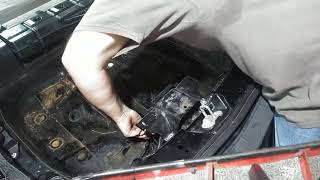
Typical fix: Replace the RCDLR module and program the new unit to the vehicle and existing key fobs. The RCDLR is located behind the rear quarter trim panel, often on the driver's side.
Est. part cost: $40-$80 - Failed Right Rear TPMS Sensor 🟡 Medium Probability The non-rechargeable battery inside the sensor has a finite lifespan, typically 7-10 years. For a 2010-2016 vehicle, sensor failure due to age is very common.
How to confirm: This is the likely cause if your key fobs are working perfectly and only code C0765 is present. A tire shop or technician can use a TPMS activation tool (like an EL-46079) to test the sensor. If the tool cannot get a reading from the sensor, it has failed.
Typical fix: Replace the right rear TPMS sensor and perform the vehicle's TPMS relearn procedure.
Est. part cost: $35-$70
Rare But Worth Checking
- Body Control Module (BCM) Fault: The BCM is the central computer that interprets data from the RCDLR. While much less common than an RCDLR or sensor failure, a BCM issue can cause a wide range of electrical problems, including TPMS codes. A recall for some GM vehicles (16V-272) involved replacing the electronic brake control module, which communicates with the BCM, for related stability control issues.
- Radio Frequency (RF) Interference: Strong RF signals from aftermarket devices like dash cams, phone chargers, or power inverters can occasionally interfere with the RCDLR's ability to receive signals from the TPMS sensors. Try unplugging all aftermarket electronics before further diagnosis.
- Poor RCDLR Antenna Connection: As detailed in GM bulletin PIT5446A and 16-NA-061, a disconnected or loose coaxial antenna cable at the RCDLR module, antenna amplifier, or the antenna itself (in the rear glass) can cause intermittent signal loss. This might result in only the furthest sensors dropping out, while the closest (right rear) still works, or a total loss of signal.
Diagnosis Steps
- Check for other DTCs. Note if other TPMS codes (C0750, C0755, C0760) or security codes (B-codes) are present.
- Test all key fob functions: lock, unlock, panic, and remote start. This is the most critical diagnostic step.
- If key fob functions have failed, the RCDLR is the primary suspect. Professional diagnosis with a scan tool that can read symptom codes (like ':29 - Too Few Pulses') is recommended to confirm before replacement.
- If key fob functions work correctly, the right rear TPMS sensor is the primary suspect.
- Use a TPMS activation tool to attempt to read the sensor's data (ID, pressure, temperature). If the tool gets no response, the sensor is bad and should be replaced.
- If the sensor reads correctly with the tool but the code persists, inspect the wiring and connectors for the RCDLR. The RCDLR is located behind the rear quarter trim panel, often on the driver's side D-pillar.
- Check the RCDLR antenna connections at the module and at the rear glass per GM bulletin 16-NA-061.
- If the RCDLR is replaced, it MUST be programmed to the vehicle using a GM-specific scan tool (GDS2 or Tech 2) for it to function. This is found under 'Module Diagnostics' -> 'Remote Control Door Lock Receiver' -> 'Configuration/Reset Functions'.
Parts You'll Likely Need
- Remote Control Door Lock Receiver (RCDLR)
(OEM #13597910)— This is the most common cause of C0765 when accompanied by key fob issues, as documented in GM TSB 16-NA-396. Part number 13597910 supersedes older versions 13510984 and 13583332.
Trusted brands: ACDelco, GM Genuine
OEM price range: $60-$80
Aftermarket price range: $40-$70 - Tire Pressure Monitoring System (TPMS) Sensor
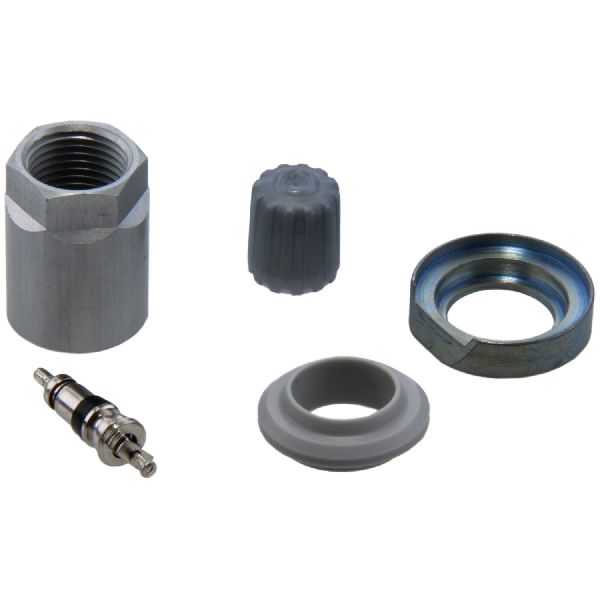
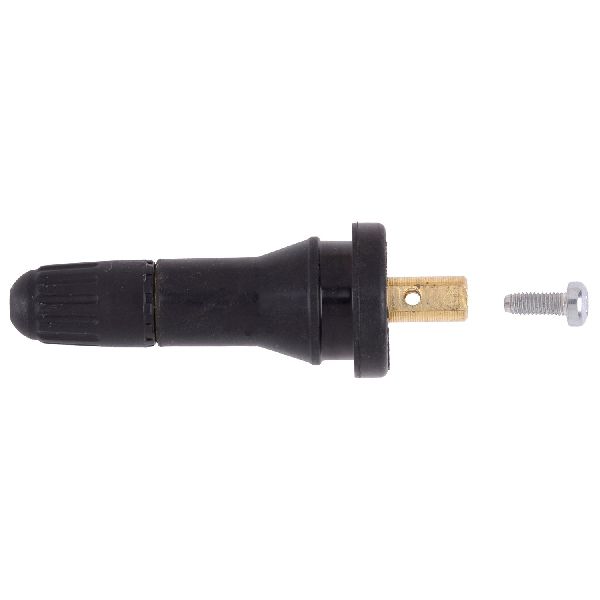
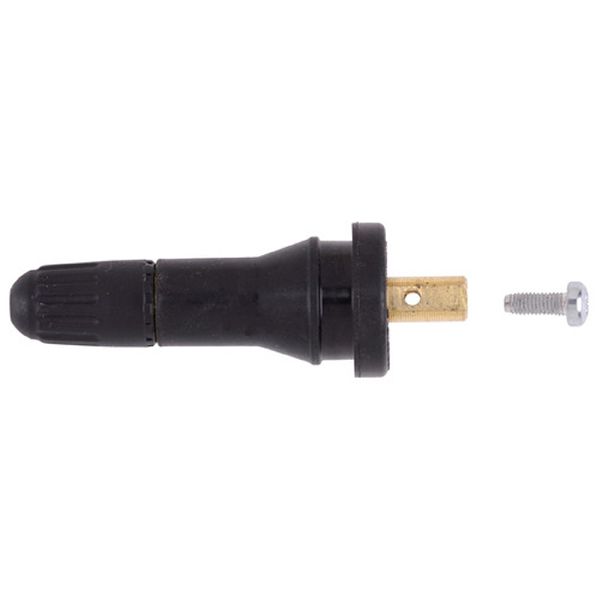
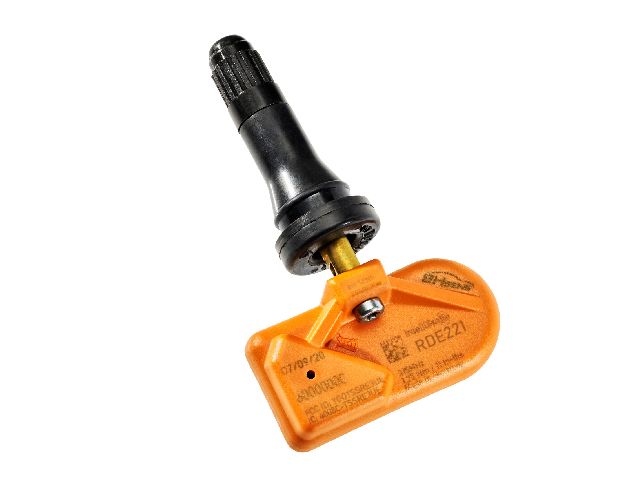
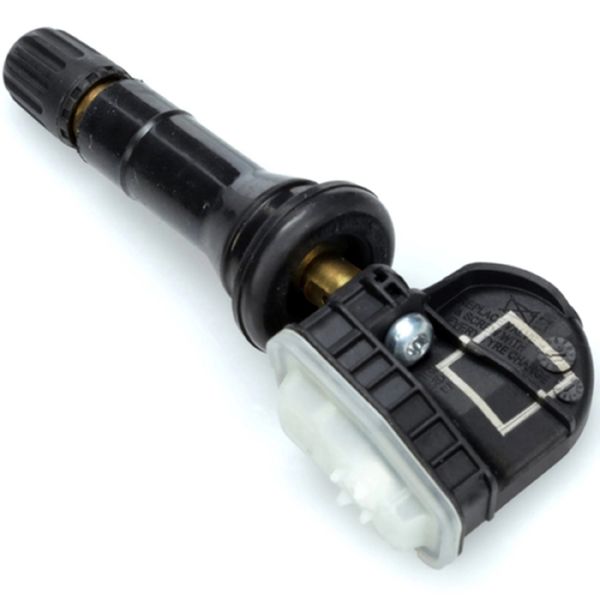
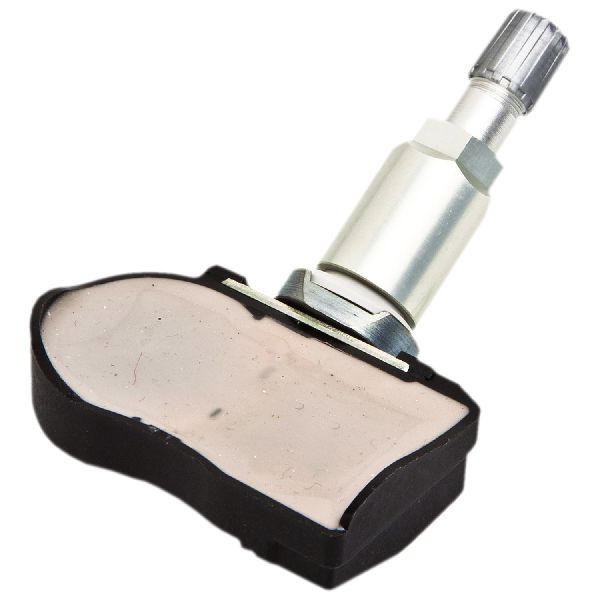
(OEM #13540601)— This is the fix if the sensor itself has failed, typically due to an expired internal battery (7-10 year life). This is likely if key fobs work normally.
Trusted brands: ACDelco, Schrader, Bosch, Dorman
OEM price range: $50-$70
Aftermarket price range: $35-$55
Related Codes That Often Appear With This One
- C0750 — Fault code for the Left Front TPMS sensor. Often appears with other TPMS codes when the RCDLR fails.
- C0755 — Fault code for the Right Front TPMS sensor. Often appears with other TPMS codes when the RCDLR fails.
- C0760 — Fault code for the Left Rear TPMS sensor. Often appears with other TPMS codes when the RCDLR fails.
- B3055 / B3060 — These are key-related security codes. Their presence alongside C0765 strongly points to a fault in the RCDLR or immobilizer system, as mentioned in TSB PIC5650M.
Technical Service Bulletins (TSBs) & Recalls
- PIC5650M: Notes that C0765 can be found in conjunction with a no crank, no start, or start/stall condition with the security light on, pointing to a broader system issue.
- 16-NA-396: The primary TSB for this issue. Details the common failure of the Remote Control Door Lock Receiver (RCDLR) causing simultaneous TPMS codes (C0750, C0755, C0760, C0765) and loss of key fob functions. It specifically mentions looking for symptom code ':29 – Too Few Pulses'.
- 16-NA-061: Addresses similar symptoms (TPMS and RKE issues) but points to a potential cause of a disconnected or poor RCDLR antenna coax cable connection, which should be checked before replacing the module itself.
Platform-Specific Known Issues
- Owner Experience: Simultaneous Failure: Multiple owners on forums for the SRX and its platform mates report the exact same failure pattern: the 'Service Tire Monitor System' light appears at the same time the key fobs stop working. The dealer or a knowledgeable independent shop diagnoses a failed RCDLR, replaces it, programs it, and both problems are solved. Attempting to replace just the TPMS sensors in this scenario does not fix the issue.
- Emergency Start Procedure: Many owners are unaware that if the RCDLR fails or the fob battery dies, the car can often still be started. The procedure involves placing the key fob into a specific pocket located inside the center console storage compartment. This allows a low-power, direct communication that bypasses the main antenna system, enabling the push-to-start button to function.
Mechanic-Grade Diagnostic Values
- Glass Breakage Loop Resistance to Ground — expected: Less than 20 ohms. Failure: Resistance greater than 20 ohms indicates a poor connection or break in the circuit, which can cause battery drain and other electrical issues.
- RCDLR Connector Voltage Test — expected: Approximately 12V DC at the power pin and a clean ground connection.. Failure: Low voltage (e.g., 2-4 volts) or high resistance on the ground side indicates a wiring or ground issue, not necessarily a failed module.
Hidden / Shadow Codes Worth Checking
- C0750, C0755, C0760, C0765 with Symptom Code :29: The symptom code ':29' translates to 'Too Few Pulses'. When seen with any TPMS code, TSB 16-NA-396 explicitly states this points to an internal failure of the Remote Control Door Lock Receiver (RCDLR) as the cause. (see via GM GDS2 or Tech2 professional scan tool.)
- B101D with various symptom codes (e.g., 31, 32, 39, 3C): This code indicates an 'Electronic Control Unit Hardware Malfunction'. While often associated with the OnStar module, its presence indicates a general practice by GM to use symptom codes to specify internal hardware faults. If seen in the RCDLR, it would confirm module failure. (see via GM GDS2 or Tech2 professional scan tool.)
Scan Tool Commands That Help
- GDS2: Module Diagnostics -> Remote Control Door Lock Receiver -> Configuration/Reset Functions -> Add/Replace Key Fobs — This specific path is used after installing a new RCDLR to program the existing key fobs to the new module.
- GDS2 or SPS via TIS2Web: Service Fast Learn (SFL) — This function may be required after certain module programming events to allow various vehicle systems to relearn adaptive values and communicate correctly.
- Tech2/Tech2Win: Module Setup -> RCDLR Setup -> New RCDLR — On older GM platforms, this was the path used to initialize a new RCDLR module before programming keys. The principle is the same for the SRX using GDS2.
Wiring & Ground Locations
- RCDLR Module — Behind the driver's side rear quarter trim panel, often near the D-pillar. On some platform-mates, it is located above the headliner near the rear of the vehicle.. This is the central receiving unit for both TPMS and key fob signals. Its failure or a bad connection here is the primary cause of C0765 when key fob issues are also present.
- RCDLR Antenna System — The system consists of the RCDLR, a coaxial cable, an antenna amplifier module, and the antenna itself, which is often integrated into the right rear quarter glass.. A disconnection at the module, amplifier, or glass can cause a loss of signal from the TPMS sensors, triggering C0765.
- G400-series Grounds (e.g., G401, G402) — Ground points designated with a '4' are located from the rear seat area to the back of the vehicle. For example, G401 is often mounted to the left rear body mount behind the tire on the frame.. The RCDLR is located in the rear of the vehicle and relies on a clean chassis ground. A corroded or loose ground in this area can cause intermittent module function and trigger various codes, including C0765.
Real Owner Repair Stories
- Tahoe Yukon Forum user (2009 Chevrolet Tahoe (platform mate)) — Key fob range reduced to 10 feet or less, one TPMS sensor not reading, others reading incorrectly, and a 'Service TPMS' message on the dash.
❌ Tried (didn't work) Cleaning the key fob internals., Checking the DSM fuse., Unplugging aftermarket chargers (this slightly improved range but did not fix the core issue).
✅ What actually fixed it The user's symptoms (simultaneous TPMS and key fob range issues) are a classic match for a failing RCDLR module as described in TSB 16-NA-396, which is the confirmed fix for this scenario.
OEM Part Supersession History
13583332, 13510984→13597910— Updated design to improve reliability and address the internal failures causing TPMS and RKE issues.
Heads up: The newest part number, 13597910, is the recommended replacement for all 2010-2016 SRX models. Using old stock or used older part numbers may lead to a repeat failure.N/A→13595511— Part number listed in TSB 16-NA-396 for some GM models.
Heads up: While this part is cited in the main TSB, part number 13597910 is more commonly referenced for the SRX specifically. Always verify the correct part number with the vehicle's VIN.
Helpful Videos

We Have This Part in Stock

The information in this article is provided for general reference and educational purposes only. Vehicle specifications, procedures, and part compatibility can vary by production date, trim level, and region. Always consult your vehicle's factory service manual and verify part numbers before purchasing or performing repairs. Safety-critical components such as airbags, seat belts, and braking systems should be installed by a qualified professional.
- Cadillac SRX:
- 🎬 Helpful Videos
- 🛍️ Shop This Part
- What's Unique About the 2010-2016 Cadillac SRX
- Diagnostic Flowchart
- Symptoms You May Notice
- Most Likely Causes
- Rare But Worth Checking
- Diagnosis Steps
- Parts You'll Likely Need
- Related Codes That Often Appear With This One
- Technical Service Bulletins (TSBs) & Recalls
- Platform-Specific Known Issues
- Mechanic-Grade Diagnostic Values
- Hidden / Shadow Codes Worth Checking
- Scan Tool Commands That Help
- Wiring & Ground Locations
- Real Owner Repair Stories
- OEM Part Supersession History
- 🎟️ Get 5% Off