

C0760 on 2010-2017 GMC Terrain: Left Rear TPMS Fault Causes and Fixes
Code C0760 on a 2010-2017 GMC Terrain indicates a fault with the left rear Tire Pressure Monitoring System (TPMS) sensor. The most common cause is a dead sensor battery, which requires replacing the entire sensor for about $25-$60 (aftermarket) and having it programmed to the vehicle. If key fob issues are also present, the Remote Control Door Lock Receiver (RCDLR) is the likely culprit.
- C0760 points specifically to a problem with the left rear TPMS sensor.
- The most likely cause on a 2010-2017 Terrain is a dead sensor battery, requiring sensor replacement.
- A TPMS relearn tool is necessary to program the new sensor to the vehicle.
- If you also have problems with your key fobs not working, the issue may be the RCDLR module, not the sensor itself.
- Always check for simple issues like RF interference from chargers before replacing expensive parts.
What's Unique About the 2010-2017 Gmc TERRAIN
For the 2010-2017 GMC Terrain and its platform-mate, the Chevrolet Equinox, the C0760 code is typically a straightforward TPMS sensor issue. However, it's uniquely mentioned in TSB PIC5650M in conjunction with no-start or start-and-stall conditions and security system codes. This is unusual for a TPMS fault and suggests that on this platform, a C0760 code appearing with other electrical symptoms could point to broader RF interference or module communication failure rather than just a single bad sensor. Another key TSB, #16-NA-396, notes that an internal failure of the Remote Control Door Lock Receiver (RCDLR) can cause multiple TPMS codes (including C0760) and key fob issues to appear simultaneously, as this single module handles both functions. TSB 16-NA-061 further elaborates that a disconnected coax cable at the RCDLR, antenna amplifier, or the antenna itself can cause these symptoms.
Diagnostic Flowchart
Tap your situation to follow the diagnostic path that matches what you're seeing on this vehicle.
Symptoms You May Notice
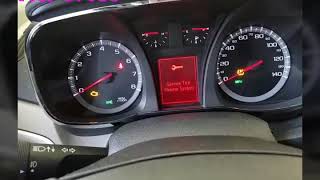
- "Service Tire Monitor System" message on the Driver Information Center (DIC).
- The TPMS warning light on the instrument cluster is illuminated (often flashing for about a minute on startup, then staying solid).
- The DIC shows dashes (---) for the left rear tire's pressure reading.
- In rare cases, when seen with other codes, it may be associated with a no-start or start/stall condition. [Bulletin #PIC5650M]
- If the RCDLR module is the root cause, you may also experience intermittent key fob issues (lock/unlock/remote start not working) or a "No Remote Detected" message.
- Replacing the Body Control Module (BCM) when the issue is a simple sensor or the RCDLR. The RCDLR is a separate module that communicates with the BCM.
- Assuming the tire is fine when the light is on. While this code indicates a system fault, the tire pressure should always be checked manually with a gauge as a precaution.
- Replacing only one TPMS sensor on an older vehicle. If one sensor's battery has died, the others are likely near the end of their life as well. Many owners opt to replace all four at once to avoid future repeat repairs.
Most Likely Causes
- Dead TPMS Sensor Battery 🔴 High Probability TPMS sensors contain non-serviceable batteries with a finite lifespan of 5-10 years. Vehicles in the 2010-2017 range are at or beyond the typical life expectancy of the original sensors, making this the most common reason for failure.
How to confirm: Use a TPMS diagnostic tool to attempt to read the sensor. If the tool shows a low battery voltage, 'low battery' status, or cannot get a reading at all from the left rear sensor while others respond, the battery is dead or the sensor has failed. A professional scan tool can also read the sensor battery status directly from the RCDLR data list.
Typical fix: Replace the left rear TPMS sensor. The new sensor must be programmed to the vehicle using a TPMS relearn procedure. The original ACDelco part number 13586335 has been superseded by 13598771.
Est. part cost: $25-$60 - Damaged TPMS Sensor 🟡 Medium Probability Sensors are located inside the tire and can be easily damaged during tire replacement, by hitting a pothole, or from internal tire sealant use which can clog the pressure port.
How to confirm: Visual inspection during a tire dismount will reveal physical damage (cracked housing, etc.). If not visually damaged, failure to be activated by a TPMS tool points to an internal failure.
Typical fix: Replace the damaged TPMS sensor and perform the relearn procedure.
Est. part cost: $25-$60 - Faulty Remote Control Door Lock Receiver (RCDLR) ⚪ Low Probability The RCDLR is the module that receives signals from both the TPMS sensors and key fobs. GM has a specific TSB (#16-NA-396) for this part failing, causing both TPMS and key fob issues. Forum users have confirmed this exact failure mode.
How to confirm: If C0760 appears along with other TPMS codes (C0750, C0755, C0765) AND you are experiencing intermittent key fob problems ("No Remote Detected" message), the RCDLR is the primary suspect. A temporary fix by disconnecting the vehicle's battery for 15-30 minutes can sometimes point to a failing RCDLR.
Typical fix: Replace the RCDLR module. The replacement part number is often 13595511, but should be verified by VIN. This part must be programmed by a dealer or a well-equipped independent shop with access to GM's Service Programming System (SPS).
Est. part cost: $80-$150
Rare But Worth Checking
- Radio Frequency (RF) Interference: Aftermarket electronic devices like dash cams, phone chargers, or power inverters can sometimes emit RF interference that blocks the weak 315 MHz signal from the TPMS sensor. TSB PIC5650C explicitly calls this out as a cause for TPMS and key fob issues. Before replacing parts, unplug all aftermarket devices and see if the issue resolves.
- Corroded Wiring / Missing Body Plugs: TSB 19-NA-243 points to water leaks past body plugs in the 'A' hinge pillar, causing corrosion in the X500/X600 connectors. While this TSB focuses on power locks and windows, the corrosion can affect various systems, potentially including the RCDLR communication. This is a possibility if multiple, seemingly unrelated electrical issues are present.
- Disconnected RCDLR Antenna Coax Cable: TSB 16-NA-061 describes how the coaxial antenna cable for the RCDLR can become disconnected at one of three points: the RCDLR module itself, the antenna amplifier module, or the antenna in the right rear glass. A disconnect at the RCDLR will cause all TPMS sensors and key fobs to fail, while a disconnect further away at the amplifier may only cause the furthest sensors (like the left rear) to drop out intermittently.
Diagnosis Steps
- Verify the tire pressure in the left rear tire manually with a quality gauge.
- Check for and unplug any aftermarket 12V accessories (chargers, dashcams) to eliminate Radio Frequency Interference as a cause.
- Use a TPMS diagnostic tool to try and activate the left rear sensor. If it fails to activate or shows a 'low battery' status, the sensor is faulty and needs replacement.
- If the sensor activates with the tool, attempt the vehicle's TPMS relearn procedure. If the relearn fails specifically at the left rear sensor, this confirms a bad sensor.
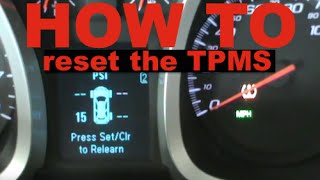
- To start the relearn procedure on a 2010-2017 Terrain, turn the ignition ON, navigate to the Tire Pressure display in the DIC, and press and hold the SET/CLR button until the horn chirps twice. 🎬 See how to manually relearn TPMS sensors without a tool.
- Use the TPMS tool to activate the sensors in order: Left Front, Right Front, Right Rear, Left Rear. The horn will chirp after each successful activation. A double chirp at the end confirms success.
- If all sensors fail to relearn, or if key fob issues are also present, investigate the RCDLR module as the likely cause per TSB #16-NA-396. Check the RCDLR's coaxial antenna connection behind the driver's side rear quarter trim panel per TSB 16-NA-061.
- If multiple strange electrical issues are present, inspect the A-pillar connectors (X500/X600) for signs of water intrusion and corrosion as per TSB 19-NA-243.
Parts You'll Likely Need
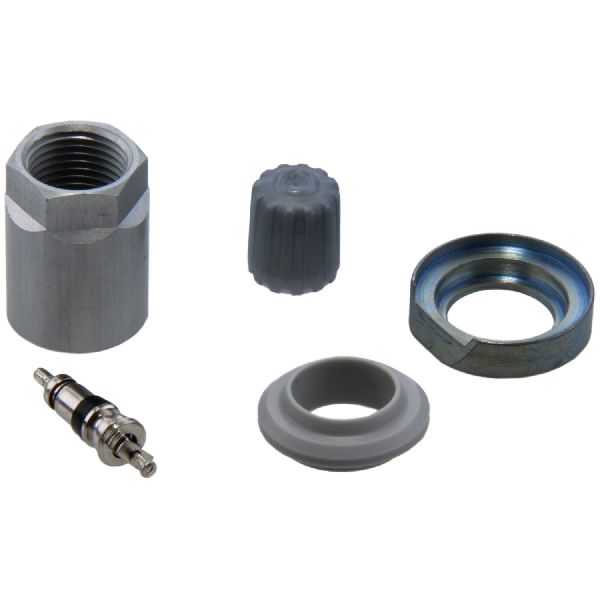
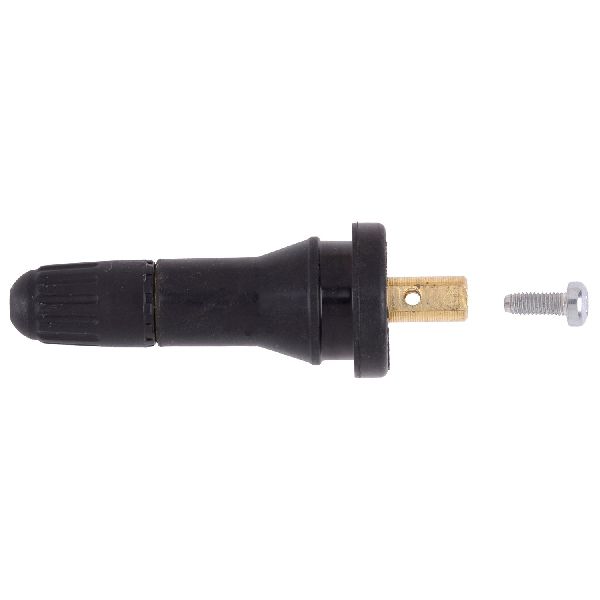
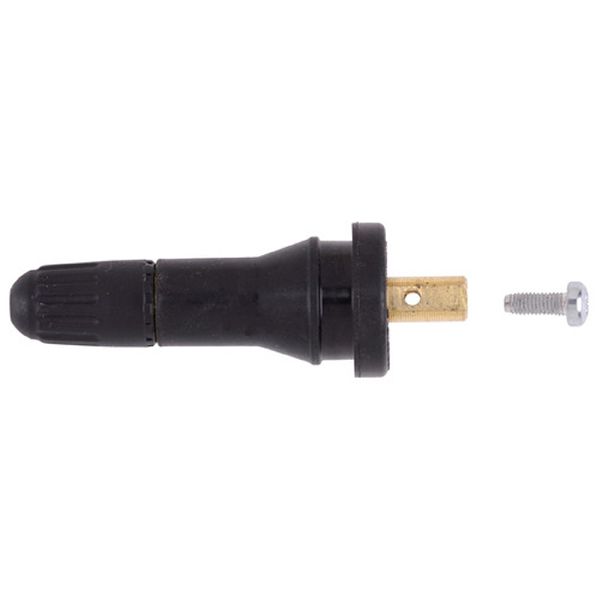
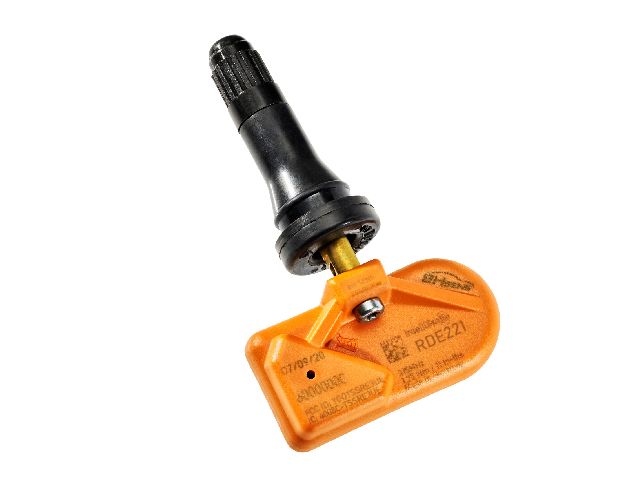
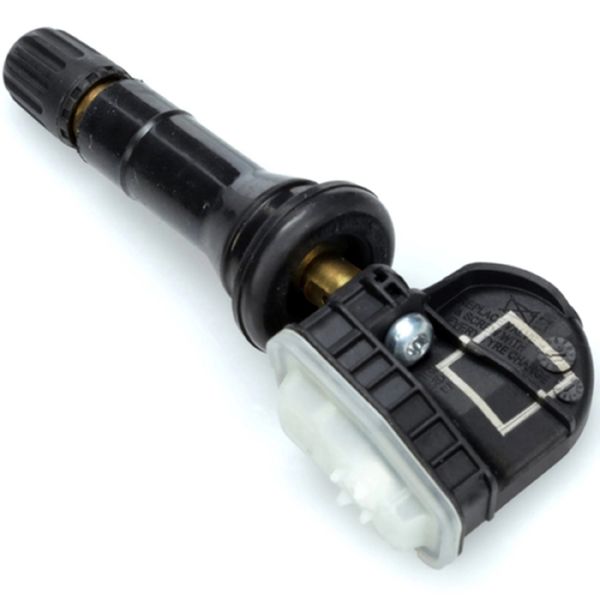
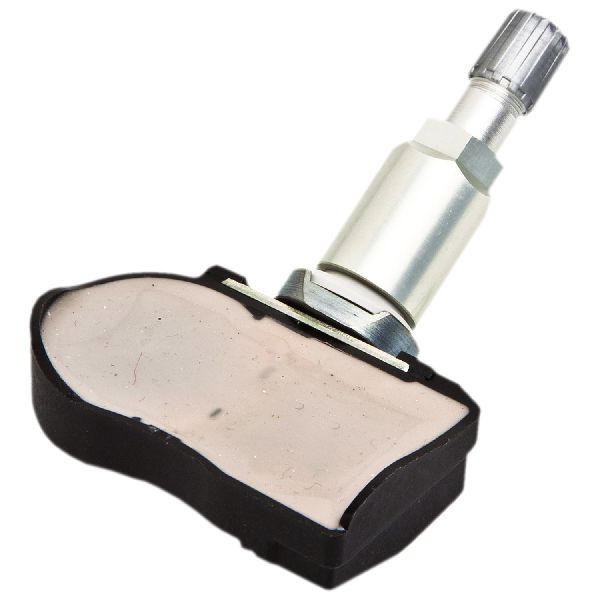
- Tire Pressure Monitoring System (TPMS) Sensor
(OEM #13598771 (supersedes 13586335))— The internal battery has a finite life of 5-10 years. This is the most common failure point for code C0760 on a vehicle of this age.
Trusted brands: ACDelco (OEM), Schrader, Standard Motor Products, VDO
OEM price range: $50-$80
Aftermarket price range: $25-$60 - Remote Control Door Lock Receiver (RCDLR)
(OEM #13595511 (verify by VIN))— Internal failure of this module is a known issue documented in TSB 16-NA-396, causing simultaneous TPMS and key fob problems.
Trusted brands: ACDelco (OEM)
OEM price range: $80-$150
Related Codes That Often Appear With This One
- C0750, C0755, C0765 — These are the corresponding codes for the other three wheels (LF, RF, RR). If they appear together, it strongly suggests a central receiver (RCDLR) failure rather than four sensors failing at once, as outlined in TSB 16-NA-396.
- B3055, B3060, B3935 — These are key and security system codes. Their presence with C0760, as noted in TSB PIC5650M, points to a complex electrical or module communication problem, often caused by RF interference, that can cause a no-start condition.
Technical Service Bulletins (TSBs) & Recalls
- PIC5650M: Addresses a no start, or start stall concern with the security light coming on, which may be accompanied by code C0760 and other TPMS or security codes, often due to RF interference.
- 16-NA-396: Details how an internal failure of the Remote Control Door Lock Receiver (RCDLR) can cause intermittent key fob operation and set multiple TPMS codes, including C0760.
- 19-NA-243: Describes water leaks in the A-pillar causing corrosion in main body harness connectors, leading to various electrical faults.
- 16-NA-061: Explains that TPMS and key fob issues can be caused by a disconnected coaxial antenna cable leading to the RCDLR, and provides diagnostic steps based on which connection point has failed.
Platform-Specific Known Issues
- TSB PIC5650M documents that this code can appear during a no-start or start/stall event, linked with security system DTCs. This points to a potential for wider electrical issues beyond just the TPMS, often related to RF interference.
- TSB 16-NA-396 identifies that a faulty Remote Control Door Lock Receiver (RCDLR) can cause this and other TPMS codes, along with key fob malfunctions. This is a critical piece of information for this platform.
- TSB 19-NA-243 notes that water leaks from missing or failed A-pillar body plugs can cause widespread electrical issues due to connector corrosion, which could potentially manifest as a C0760 code if the RCDLR circuit is affected.
Mechanic-Grade Diagnostic Values
- TPMS Sensor Activation Signal Strength — expected: A TPMS tool should display at least a 1/4 graph signal strength when activating a healthy sensor.. Failure: No signal or a very weak signal indicates a failing sensor or significant interference.
- Scan Tool Sensor Battery Status — expected: A GM-level scan tool (GDS2/Tech2) can display the battery status of each TPMS sensor as reported by the RCDLR. The status should read 'OK' or 'Normal'.. Failure: The scan tool data list will explicitly state 'Low Battery' for the specific sensor, confirming the need for replacement.
Hidden / Shadow Codes Worth Checking
- C0760 00: This symptom byte indicates the RCDLR has not received a transmission from the sensor for 18 minutes while driving over 25 mph. (see via GM GDS2 or equivalent professional scan tool.)
- C0760 08: This symptom byte indicates the RCDLR has received an invalid signal from the sensor. (see via GM GDS2 or equivalent professional scan tool.)
- C0760 03: Indicates a low voltage (low battery) condition detected from the sensor itself. (see via GM GDS2 or equivalent professional scan tool.)
- C0760 39: Indicates an internal malfunction within the TPMS sensor. (see via GM GDS2 or equivalent professional scan tool.)
Scan Tool Commands That Help
- GDS2 (GM): Module Replacement and Setup > RCDLR > Programming and Relearning — This function is required after replacing the Remote Control Door Lock Receiver (RCDLR). It programs the new module to the vehicle's VIN and relearns the existing key fobs and TPMS sensor IDs.
- GDS2 (GM): RCDLR Data Display > Tire Pressure Sensor Data — Used to view live data from the TPMS sensors as received by the RCDLR. This allows a technician to see each sensor's reported pressure, temperature, ID, and battery status without leaving the driver's seat, helping to confirm if the RCDLR is receiving data from the other three sensors but not the left rear.
- J-46079 (or equivalent TPMS Tool): Simulate Mode — This function allows the TPMS tool to send a simulated, perfect sensor signal to the RCDLR. If the RCDLR learns the simulated sensor but not the actual sensor in the wheel, it confirms the wheel sensor is bad. If the RCDLR fails to learn the simulated sensor, it points to a faulty RCDLR.
Wiring & Ground Locations
- RCDLR (Remote Control Door Lock Receiver) — Located behind the driver's side rear quarter trim panel in the cargo area.. This is the central module that receives signals from all TPMS sensors and key fobs. Its location is critical for inspection of its connections, especially the coaxial antenna cable, and for replacement.
- BCM (Body Control Module) — Located under the driver's side of the dashboard, often with several large, colored connectors (e.g., green, white, blue).. The RCDLR sends the translated TPMS data to the BCM, which then communicates with the instrument cluster. While less likely to be the cause, checking its connections is a valid step in complex electrical diagnostics.
- RCDLR Antenna System — The system consists of the RCDLR, a coax cable running up the D-pillar, an antenna amplifier module, and the antenna itself integrated into the right rear quarter glass.. A disconnection at any point in this antenna path can cause a loss of signal from one or more TPMS sensors, with the left rear being particularly vulnerable if the connection is compromised at the amplifier module.
Real Owner Repair Stories
- Snap-on Diagnostics Product Forums (2007 Chevrolet Impala (platform with similar RCDLR function)) — Poor key fob range and TPMS issues.
❌ Tried (didn't work) Initial diagnosis was unclear.
✅ What actually fixed it The technician replaced the Remote Control Door Lock Receiver (RCDLR) and performed a flash programming. This immediately fixed the key fob range issue and allowed the TPMS sensors to be relearned successfully. - YouTube user 'RMD Creations' (2015 GMC Terrain) — TPMS warning light on the dash.
❌ Tried (didn't work) Not mentioned; went straight to sensor replacement due to vehicle age.
✅ What actually fixed it Replaced all four original TPMS sensors with new aftermarket sensors due to the age of the vehicle and the likelihood of battery failure. After replacement, a TPMS relearn tool was used to successfully program the new sensors to the vehicle, extinguishing the warning light.
OEM Part Supersession History
13586335→13598771— Standard part update/revision by GM.
Model Year Variations Within This Range
- 2016-2017: The 2016 model year introduced a mid-cycle refresh for the Terrain, which included updates to the center stack and infotainment systems. While the core TPMS/RCDLR function remained the same, part numbers for associated interior panels and some electronics may differ from the 2010-2015 models. For example, the radio control panel changed to part numbers like 84096684. Always verify module and sensor part numbers by VIN.
Helpful Videos
We Have This Part in Stock

The information in this article is provided for general reference and educational purposes only. Vehicle specifications, procedures, and part compatibility can vary by production date, trim level, and region. Always consult your vehicle's factory service manual and verify part numbers before purchasing or performing repairs. Safety-critical components such as airbags, seat belts, and braking systems should be installed by a qualified professional.
- Gmc TERRAIN:
- 🎬 Helpful Videos
- 🛍️ Shop This Part
- What's Unique About the 2010-2017 Gmc TERRAIN
- Diagnostic Flowchart
- Symptoms You May Notice
- Most Likely Causes
- Rare But Worth Checking
- Diagnosis Steps
- Parts You'll Likely Need
- Related Codes That Often Appear With This One
- Technical Service Bulletins (TSBs) & Recalls
- Platform-Specific Known Issues
- Mechanic-Grade Diagnostic Values
- Hidden / Shadow Codes Worth Checking
- Scan Tool Commands That Help
- Wiring & Ground Locations
- Real Owner Repair Stories
- OEM Part Supersession History
- Model Year Variations Within This Range
- 🎟️ Get 5% Off