

C0760 on 2015-2022 GMC Canyon: Left Rear TPMS Fault Causes and Fixes
Code C0760 on a 2015-2022 GMC Canyon means there's a problem with the left rear tire pressure sensor. The most common cause is a dead sensor battery, which requires replacing the entire sensor. As these vehicles age, this becomes a routine maintenance item. Expect to pay $30-$80 for an aftermarket sensor and have a tire shop install and program it. The identical issue also affects the 2015-2022 Chevrolet Colorado.
- C0760 points directly to a fault with the left rear TPMS sensor.
- The most likely cause is a dead battery inside the sensor, which has a lifespan of 7-10 years.
- Fixing this requires replacing the sensor, which involves dismounting the tire and using a special tool to program the new sensor to the truck.
- A flashing TPMS light that turns solid means there is a system fault, not just low tire pressure.
- If you also have key fob or starting issues, the problem could be the Body Control Module (BCM), not the sensor itself.
What's Unique About the 2015-2022 Gmc CANYON
On the GMC Canyon and its twin, the Chevrolet Colorado, the Tire Pressure Monitoring System (TPMS) is integrated with the Body Control Module (BCM) and the Remote Control Door Lock Receiver (RCDLR). While a C0760 code is most often just a bad sensor, it's important to note that GM has issued bulletins (PIC5650 series) linking this and other TPMS codes to broader module issues or Radio Frequency Interference (RFI). A failing BCM or RCDLR can sometimes trigger TPMS codes along with seemingly unrelated problems like no-start conditions, key fob issues, or security system warnings.
Diagnostic Flowchart
Tap your situation to follow the diagnostic path that matches what you're seeing on this vehicle.
Symptoms You May Notice
- TPMS warning light is illuminated on the dashboard (often flashes for 60-90 seconds upon startup, then stays solid).
- "Service Tire Monitor System" message appears on the Driver Information Center (DIC).
- The DIC displays dashes (---) for the left rear tire pressure reading.
- The low tire pressure icon may be on, but this is a separate warning from the 'Service' message. The service message indicates a system fault, not necessarily low pressure.
- Replacing the tire when the issue is the sensor inside it.
- Assuming any TPMS light means low tire pressure. A flashing light that stays on indicates a system fault (like C0760), not necessarily low pressure.
- Replacing only the battery. The batteries inside TPMS sensors are sealed and not designed to be replaced; the entire unit must be swapped.
Most Likely Causes
- Failed TPMS Sensor (Dead Battery) 🔴 High Probability TPMS sensors contain a non-replaceable battery with a finite lifespan, typically 7-10 years. For early models in this generation (2015-2017), sensor battery failure is becoming a very common maintenance issue due to age.
How to confirm: Use a TPMS diagnostic tool to attempt to activate the left rear sensor. If the tool cannot get a reading (ID, pressure, temperature, battery status), the sensor has failed. A professional scan tool can also directly query the RCDLR and may show a 'low battery' status for the specific sensor ID.
Typical fix: Replace the left rear TPMS sensor and perform the TPMS relearn procedure. Many owners choose to replace all four sensors at once if they are original, as the others are likely to fail soon.
Est. part cost: $30-$80 - Damaged TPMS Sensor 🟡 Medium Probability Sensors are made of plastic and can be easily damaged during tire mounting/dismounting, especially if the tire technician is not careful. Significant pothole impacts or driving on a flat tire can also break the sensor.
How to confirm: Visual inspection after dismounting the tire. The sensor housing may be cracked, the valve stem broken, or it may be missing entirely.
Typical fix: Replace the damaged TPMS sensor and perform the relearn procedure.
Est. part cost: $30-$80 - Failure to Perform TPMS Relearn Procedure ⚪ Low Probability This occurs after a tire rotation if the new sensor positions are not learned by the BCM/RCDLR. The system will look for the left rear sensor in its old position (e.g., the right front), not find it, and set the code for the left rear position.
How to confirm: If the code appeared immediately after a tire rotation, this is the likely cause. Perform the TPMS relearn procedure.
Typical fix: Perform the TPMS relearn procedure. This can be done with a TPMS tool or, on some models, through the DIC menu combined with letting air out of each tire in sequence. 🎬 Watch: How to reset your TPMS sensors on a Canyon or Colorado.
Est. part cost: $0
Rare But Worth Checking
- Body Control Module (BCM) or RCDLR Fault: While rare, a fault within the BCM or RCDLR can cause it to stop receiving signals properly. The provided NHTSA TSB #PIC5650 series links C0760 with other codes and security system issues, which points to a module-level problem. Symptoms of a bad BCM/RCDLR can include erratic door lock behavior, key fob not working, intermittent no-start conditions, and multiple random warning lights. This should be considered if replacing the sensor doesn't fix the issue or if other electrical problems are present.
- Radio Frequency (RF) Interference: Strong RF signals from aftermarket devices like cheap phone chargers, dash cams, LED lighting, or even toll passes can interfere with the 315 MHz TPMS signal. TSB PIC5650 specifically calls out this possibility. Before replacing parts, unplug all non-factory electronic devices and remove any new passes or fobs from the vehicle to see if the code clears.
- RCDLR Antenna Connection Issue: Per GM TSB #16-NA-061, a poor or disconnected coaxial antenna cable connection at the RCDLR module, the antenna amplifier, or the antenna itself (in the right rear glass) can cause intermittent loss of signal from one or more TPMS sensors. If multiple TPMS codes are present or key fob range is poor, inspecting these connections is a critical step before replacing the module.
Diagnosis Steps
- Verify the TPMS warning light behavior. A light that flashes for ~60 seconds upon startup and then stays solid indicates a system fault like C0760.
- Use an OBD-II scanner to confirm C0760 is the active or stored code.
- Check for RF interference. Unplug all aftermarket accessories (phone chargers, dash cams, etc.) and drive the vehicle to see if the system resets.
- Use a dedicated TPMS activation tool to try and read the left rear sensor. Point the tool at the tire's sidewall near the valve stem.
- If the tool successfully reads the sensor's ID, pressure, and battery status, the sensor is likely working. The problem may be with the vehicle's receiver (RCDLR/BCM) or a relearn issue.
- If the tool cannot get a reading from the sensor, the sensor has most likely failed (usually a dead battery).
- If the code appeared after a tire rotation, perform the TPMS relearn procedure. This is initiated via the Driver Information Center (DIC) and typically requires a TPMS tool to activate each sensor in sequence (LF, RF, RR, LR).
- If the sensor is confirmed bad, have the tire dismounted and replace the TPMS sensor. It is best practice to replace the service kit (valve stem seals, nut, core) at the same time.
- After replacement, perform the TPMS relearn procedure to program the new sensor ID to the vehicle.
Parts You'll Likely Need
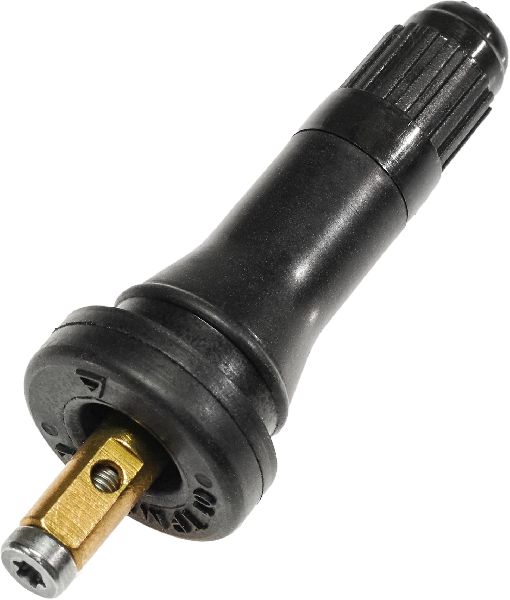
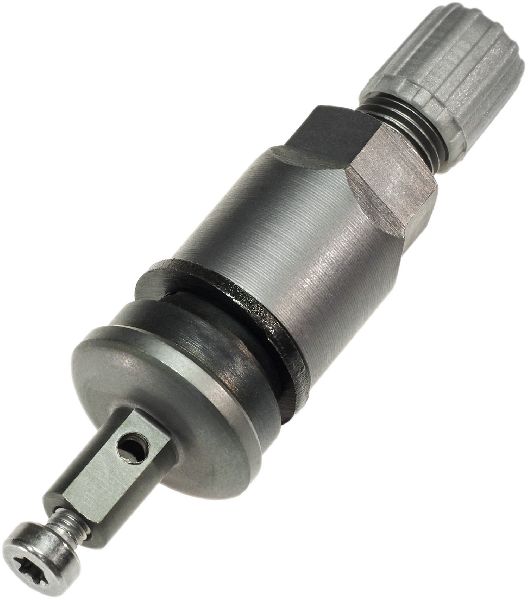
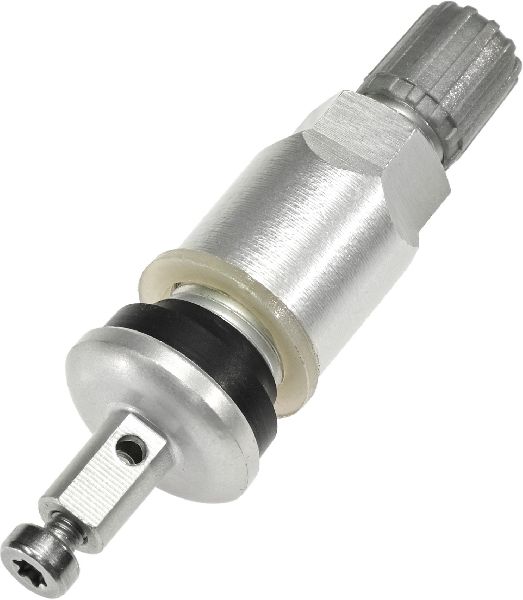
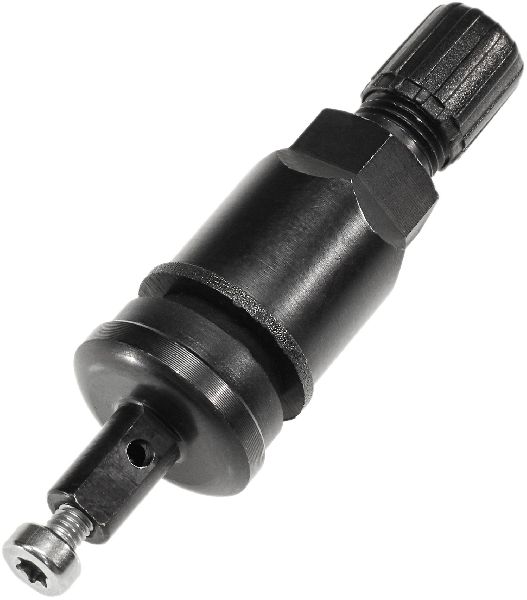
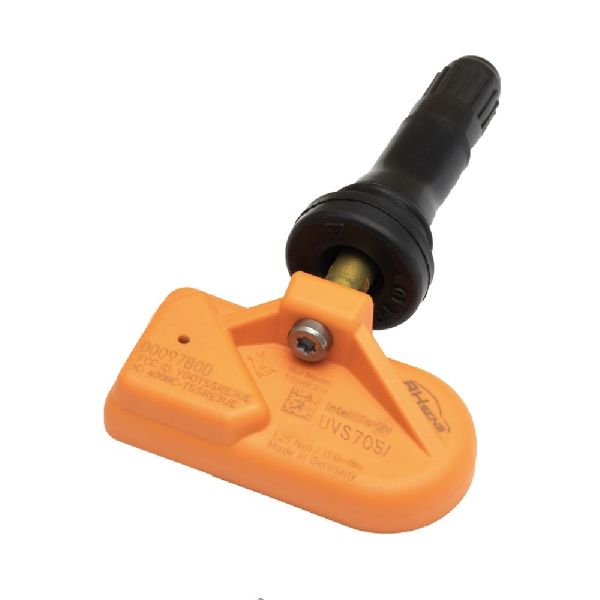
- Tire Pressure Monitoring System (TPMS) Sensor
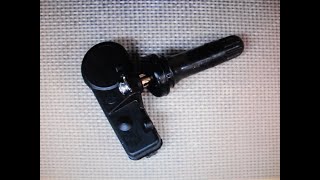
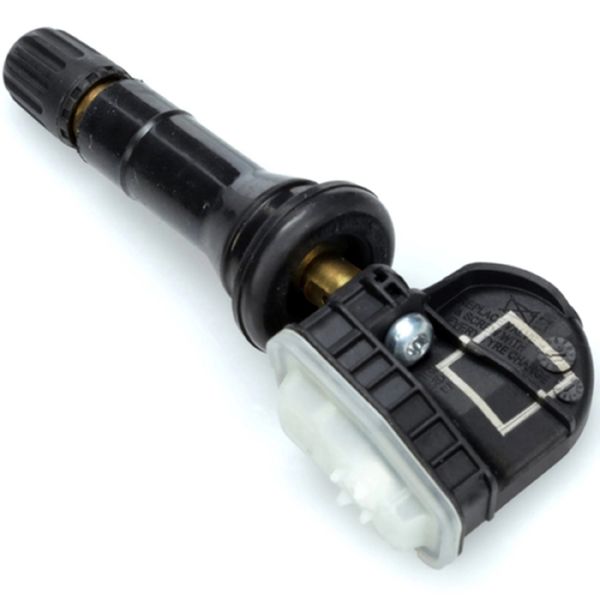
(OEM #13540601 (Supersedes 13598773, 13586335, 13581558))— This is the most common failure point. The internal battery dies, requiring replacement of the whole unit. The 2015-2022 Canyon uses a 315 MHz sensor. Part number 13540601 is a common replacement, though several numbers have been used.
Trusted brands: ACDelco (GM Genuine), Schrader, Huf, VDO, Dorman
OEM price range: $55-$125
Aftermarket price range: $30-$60 - TPMS Sensor Service Kit — While not the cause of the code, it's best practice to replace the valve stem seals, nut, and core whenever a tire is dismounted for sensor replacement to prevent future air leaks. Some sensor kits include this hardware.
Trusted brands: Schrader, Dorman, ACDelco
OEM price range: $5-$15
Aftermarket price range: $3-$8
Related Codes That Often Appear With This One
- C0750 — Relates to the Left Front TPMS sensor. Seeing multiple TPMS codes together can point towards a systemic issue like a failing RCDLR/BCM or widespread sensor failure due to age.
- C0755 — Relates to the Right Front TPMS sensor. Similar to C0750, multiple codes suggest a larger problem than a single sensor.
- C0765 — Relates to the Right Rear TPMS sensor. Seeing multiple TPMS codes is a strong indicator of either old batteries failing around the same time or an issue with the vehicle's receiver module.
- B3055, B3060 — These are often related to the vehicle immobilizer or key recognition system. As noted in TSB #PIC5650M, their appearance with C0760 strongly suggests a potential BCM/RCDLR fault or significant RF interference, not a simple sensor failure.
Technical Service Bulletins (TSBs) & Recalls
- PIC5650 Series (e.g., PIC5650C, G, K, M): A long-running diagnostic tip bulletin from GM. It notes that TPMS codes like C0760 can appear with other security and communication codes (B3055, B3060, etc.) during a no-start or stall condition. It strongly points towards Radio Frequency Interference (RFI) from aftermarket devices or a module-level fault as potential causes.
- 16-NA-061: This TSB addresses conditions like 'Service Tire Monitor System' and multiple TPMS codes (including C0760). It points to a poor or disconnected antenna connection for the Remote Control Door Lock Receiver (RCDLR) as a possible cause, before replacing the module itself.
Platform-Specific Known Issues
- Per TSB #PIC5650M, code C0760 can be associated with a no-start or start-and-stall condition accompanied by the security light. This indicates a potential problem with the Body Control Module (BCM) or its related wiring, rather than just a simple sensor failure.
- The Chevrolet Colorado, being a direct platform mate, exhibits the exact same TPMS behavior, codes, and failure patterns. Information and forum discussions for one model are directly applicable to the other.
Hidden / Shadow Codes Worth Checking
- C0760 with Symptom :29: This sub-code translates to 'Too Few Pulses'. It indicates the RCDLR is receiving an incomplete or corrupt data packet from the sensor. This often points to a weak sensor battery, significant RF interference, or an internal RCDLR fault, rather than a completely dead sensor. (see via GM GDS2 (Global Diagnostic System 2) or an equivalent professional-grade scan tool.)
Scan Tool Commands That Help
- GDS2 (GM): Module Diagnostics > Body Control Module (BCM) or Remote Control Door Lock Receiver (RCDLR) — To view the specific data list for the TPMS, including individual sensor IDs, reported pressures, and battery status (if available). This is the primary way to check if the module is receiving any data from the sensor in question.
- GDS2 (GM): TPMS Learn Mode — This is the dealer-level command to initiate the TPMS relearn procedure after replacing a sensor or rotating tires. It is an alternative to initiating the process through the Driver Information Center (DIC).
- GDS2 (GM): RCDLR Data Display — To check for communication status with the RCDLR itself. If the module shows 'No Comms', it indicates a power, ground, or internal module failure, which would explain why TPMS signals are not being received.
Wiring & Ground Locations
- RCDLR Module — On similar GM trucks and SUVs, the Remote Control Door Lock Receiver (RCDLR) is typically located in the rear of the vehicle, often behind the trim of the driver's side D-pillar (the pillar behind the rear passenger door).. This module is the receiver for all TPMS sensor signals. A loose connector, damaged wiring harness leading to it, or a bad ground for the module will prevent it from receiving the signal from the C0760-flagged sensor.
- G303 — On similar GM truck platforms, ground G303 is located on the left side (driver's side) B-pillar, behind the trim panel.. Body grounds in the B and C pillar areas are critical for modules located in the passenger cabin and rear of the vehicle, such as the RCDLR. A corroded or loose ground at this location could cause intermittent communication issues with the receiver.
- Driver's Door Sill Harness — The wiring harness that runs along the floor under the driver's side door sill plate.. On some GM trucks, the power wire for the RCDLR runs through this channel. This area is prone to moisture and damage from getting in and out of the vehicle. A broken or corroded wire in this harness can cause the RCDLR to lose power, resulting in TPMS codes and key fob issues.
Real Owner Repair Stories
- YouTube video from a professional technician (2017 GM 2500HD (similar platform)) — Keyless entry not working and a "Service Tire Monitor System" message on the dash.
❌ Tried (didn't work) Initial diagnosis pointed towards a failed RCDLR module.
✅ What actually fixed it The technician found a broken power wire for the RCDLR under the right rear door sill plate. The plastic molding had chafed through the wire over time, cutting power to the module. Repairing the broken wire restored function to both the key fobs and the TPMS system.
OEM Part Supersession History
13581558, 13586335, 13598773, 22854866, etc.→13540601— Standard part consolidation and minor revisions by the manufacturer.
Heads up: While many part numbers have been used, they are generally interchangeable for the 2015-2022 generation as long as they are the specified 315 MHz frequency. Be aware that 2023+ models switched to 433 MHz and are not compatible.
Model Year Variations Within This Range
- 2015-2022: While the TPMS system is fundamentally the same, the relearn procedure can sometimes be accomplished without a tool on earlier models by letting air out of the tires in sequence after initiating learn mode. However, using an inexpensive TPMS activation tool is the most reliable method across all years.
Helpful Videos
![[HOW TO] Reset Tire Pressure Monitoring Sensors (TPMS) on 2015-2022 on GM Vehicles (Colorado/Canyon)](https://img.youtube.com/vi/Z-GOeyDAkfs/mqdefault.jpg)
We Have This Part in Stock

The information in this article is provided for general reference and educational purposes only. Vehicle specifications, procedures, and part compatibility can vary by production date, trim level, and region. Always consult your vehicle's factory service manual and verify part numbers before purchasing or performing repairs. Safety-critical components such as airbags, seat belts, and braking systems should be installed by a qualified professional.
- Gmc CANYON:
- 🎬 Helpful Videos
- 🛍️ Shop This Part
- What's Unique About the 2015-2022 Gmc CANYON
- Diagnostic Flowchart
- Symptoms You May Notice
- Most Likely Causes
- Rare But Worth Checking
- Diagnosis Steps
- Parts You'll Likely Need
- Related Codes That Often Appear With This One
- Technical Service Bulletins (TSBs) & Recalls
- Platform-Specific Known Issues
- Hidden / Shadow Codes Worth Checking
- Scan Tool Commands That Help
- Wiring & Ground Locations
- Real Owner Repair Stories
- OEM Part Supersession History
- Model Year Variations Within This Range
- 🎟️ Get 5% Off