

C0760 on 2013-2020 Chevrolet Trax: Left Rear TPMS Fault Causes and Fixes
Code C0760 on a 2013-2020 Chevy Trax indicates a fault with the left rear Tire Pressure Monitoring System (TPMS) sensor. The most common cause is a dead sensor battery, requiring sensor replacement. Expect to pay $40-$80 for the part and about one hour of labor at a tire shop. If multiple TPMS codes appear with key fob issues, the Remote Control Door Lock Receiver (RCDLR) is the likely culprit.
- C0760 points specifically to the left rear TPMS sensor.
- The most likely fix is replacing the sensor, as its internal battery has a limited lifespan.
- If you also have problems with your key fob, the Remote Control Door Lock Receiver (RCDLR) is a very likely cause.
- Before replacing any parts for an intermittent fault, unplug all aftermarket phone chargers and accessories to rule out radio frequency interference.
- After replacing a sensor or rotating tires, a TPMS relearn procedure with a special tool is required for the system to work correctly.
What's Unique About the 2013-2020 Chevrolet TRAX
On the Chevrolet Trax and its platform mates (like the Buick Encore and Chevy Sonic), the TPMS sensors communicate with the Remote Control Door Lock Receiver (RCDLR)—the same module that receives signals from your key fob. Because of this shared module, a failing RCDLR can cause both key fob problems and set multiple TPMS codes (C0750, C0755, C0760, C0765) simultaneously, a known issue covered by GM TSB 16-NA-396. Additionally, TSB PIC5650M notes that this code can, in rare cases, appear alongside security light and no-start problems, often caused by radio frequency interference from aftermarket electronics like phone chargers or LED lights.
Diagnostic Flowchart
Tap your situation to follow the diagnostic path that matches what you're seeing on this vehicle.
Symptoms You May Notice
- TPMS warning light flashing for approximately one minute after startup, then staying on solid.
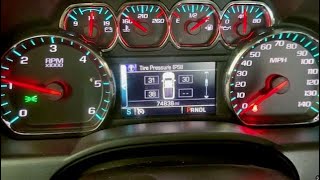
- "Service Tire Monitor System" message appears on the Driver Information Center (DIC).
- The pressure reading for the left rear tire shows as dashes ("--") on the DIC.
- In cases of RCDLR failure, may be accompanied by intermittent key fob inoperability, "No Remote Detected" messages, and the inability to lock/unlock doors remotely.
- In rare cases of RFI, may be accompanied by a security light, no-start/stall condition.
- Replacing a single TPMS sensor when the RCDLR is the actual fault, especially if multiple TPMS codes are present or key fob issues exist.
- Replacing the Body Control Module (BCM) when the issue lies with a sensor or the RCDLR.
- Ignoring the possibility of RFI and performing unnecessary parts replacements when an aftermarket charger is the root cause.
Most Likely Causes
- Dead TPMS Sensor Battery 🔴 High Probability TPMS sensor batteries are not replaceable and have a finite lifespan, typically 5-10 years. Vehicles in the 2013-2020 range are now at an age where original sensor batteries are expected to fail. The ACDelco OE sensor battery is rated for up to 10 years of normal use.
How to confirm: Use a TPMS diagnostic tool to attempt to activate the sensor. If the tool cannot get a response or shows a 'low battery' status, the sensor's battery is dead or the sensor has failed. A lack of signal is a definitive sign.
Typical fix: Replace the left rear TPMS sensor. The tire must be dismounted to access and replace the sensor. 🎬 Watch: How to install a new TPMS sensor at home A TPMS relearn procedure must be performed afterward using a TPMS activation tool.
Est. part cost: $30-$80 - Failed Remote Control Door Lock Receiver (RCDLR) 🟡 Medium Probability As documented in GM TSB 16-NA-396, the RCDLR module is a known failure point on this platform, causing both TPMS and keyless entry issues. The module can suffer internal faults that disrupt signal reception.
How to confirm: This is the likely cause if you experience intermittent key fob issues (no remote detected, doors won't unlock) AND have multiple TPMS codes (C0750, C0755, C0760, C0765) stored at the same time. A temporary fix of disconnecting the vehicle battery for 15 minutes may restore function, further pointing to a faulty RCDLR.
Typical fix: Replace the RCDLR module. This part requires programming by a dealer or a properly equipped independent shop. The module is typically located behind the rear quarter trim panel.
Est. part cost: $70-$150 - Radio Frequency Interference (RFI) ⚪ Low Probability As noted in TSB PIC5650M and its successors, aftermarket devices like phone chargers, dash cams, and LED lighting can emit RFI that jams the 315 MHz signals from the TPMS sensors and key fob. The RCDLR is sensitive to this interference.
How to confirm: If the problem is intermittent, unplug all aftermarket 12V and USB devices. If the TPMS light goes out and functions normally, one of the devices was causing interference. The interference can be diagnosed using an RFI meter to detect stray signals.
Typical fix: Remove or replace the interfering aftermarket device. Choose high-quality, well-shielded electronics.
Est. part cost: $0
Rare But Worth Checking
- Damaged Sensor: The sensor can be physically damaged during tire mounting or dismounting, or from a significant pothole impact. This is more likely if the TPMS light appeared immediately after a tire service.
- Tire Sealant: Using a non-approved aerosol tire sealant can clog the pressure-sensing port on the TPMS sensor, leading to incorrect readings or failure. If this occurs, the tire must be cleaned and the sensor replaced.
Diagnosis Steps
- Read the trouble codes with a scanner capable of reading Chassis (C) codes to confirm C0760 is present.
- Check for other TPMS codes (C0750, C0755, C0765) or key-related B-codes. If present, suspect a faulty RCDLR or RFI.
- Using a TPMS activation tool, attempt to read the data from the left rear sensor (ID, pressure, temperature, battery status).
- If the tool gets no response or indicates a low battery, the sensor is bad and must be replaced.
- If the tool reads the sensor successfully, the sensor itself is likely working. The issue may be with the receiver or a lost pairing.
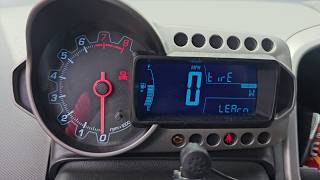
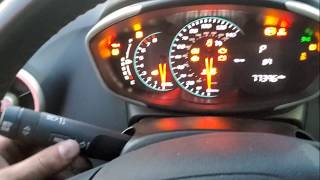
- Perform the TPMS relearn procedure. On the Trax, this is initiated via the Driver Information Center (DIC) menu. 🎬 Watch: How to perform the TPMS relearn on your Trax Once in learn mode, a TPMS tool is used to activate each sensor in sequence (LF, RF, RR, LR), with a horn chirp confirming each step.
- If the relearn procedure fails specifically for the left rear wheel but works for others, the sensor is faulty.
- If the relearn procedure fails for all wheels, or if key fob issues are also present, the RCDLR is the primary suspect.
- If the issue is intermittent, unplug all aftermarket USB/12V accessories and test drive to check for Radio Frequency Interference (RFI).
Parts You'll Likely Need
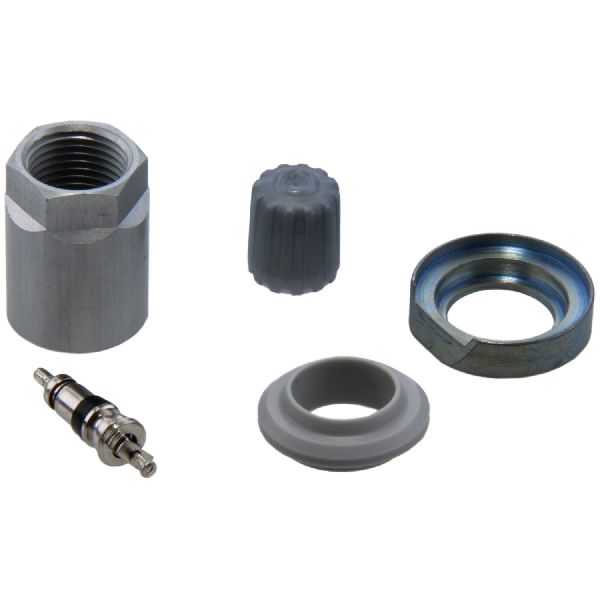
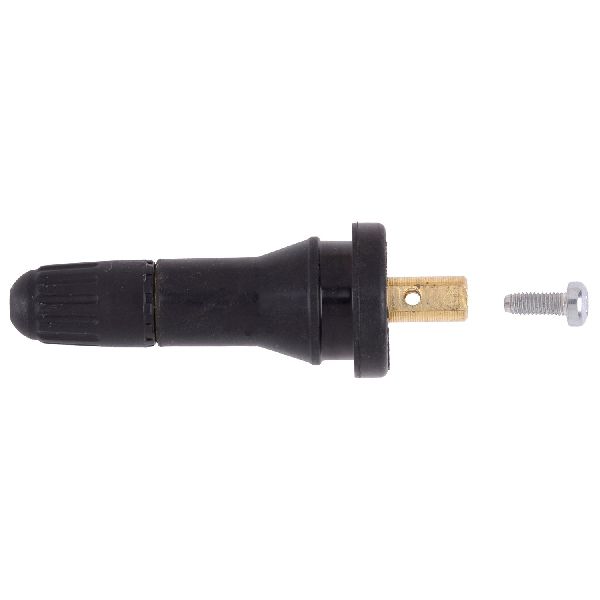
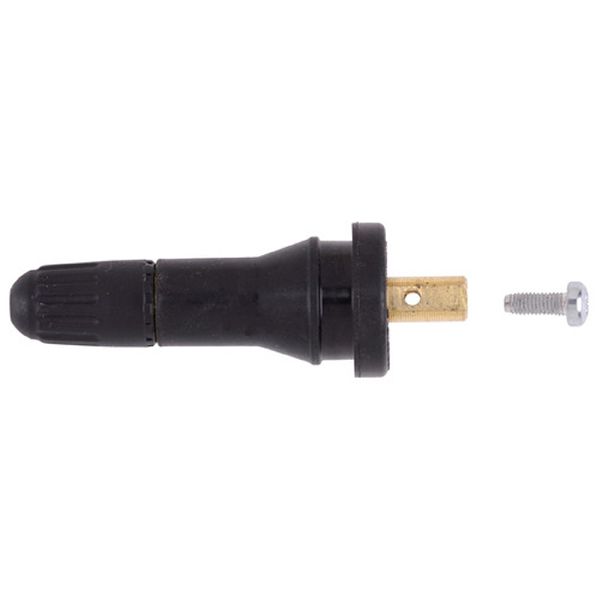
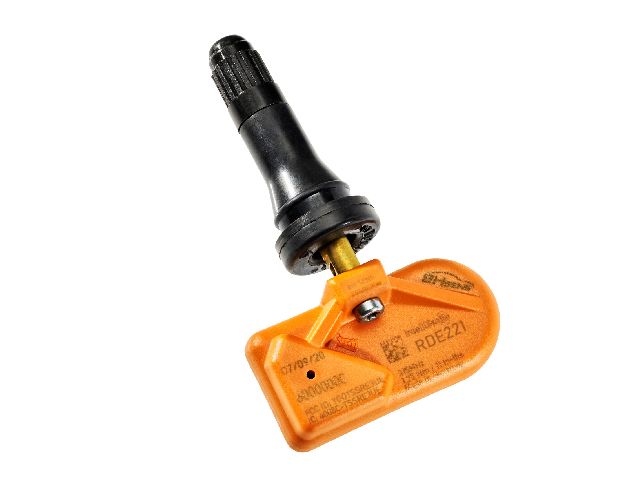
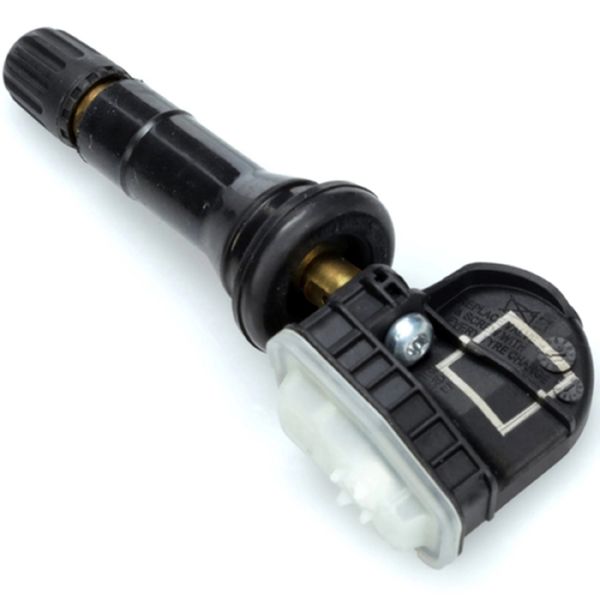
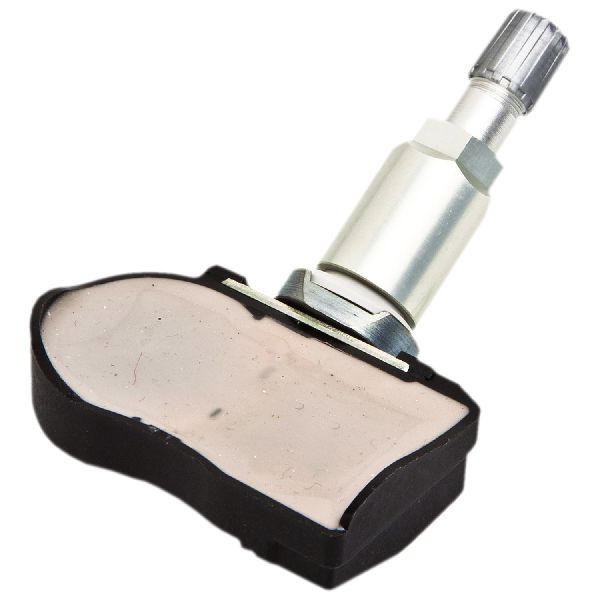
- Tire Pressure Monitoring System (TPMS) Sensor
(OEM #13598773 (supersedes 13586335, 13516164))— This is the most common failure point. The internal battery dies, requiring replacement of the entire sensor unit. The Trax uses a 315 MHz frequency sensor.
Trusted brands: ACDelco (GM OE), Schrader, HUF, Dorman
OEM price range: $50-$90
Aftermarket price range: $30-$60 - Remote Control Door Lock Receiver (RCDLR)
(OEM #13595511)— A common secondary cause, especially if key fob issues are also present. This module processes signals from both the TPMS sensors and key fobs.
Trusted brands: ACDelco (GM OE)
OEM price range: $70-$150
Related Codes That Often Appear With This One
- C0750, C0755, C0765 — These codes correspond to the other three TPMS sensors. When they appear together with C0760, it strongly points to a central receiver problem (like the RCDLR) rather than all four sensors failing at once.
- B3055, B3060, B3935 — These are security and key-related codes. TSB PIC5650M notes they can appear with TPMS codes during no-start or security light events, often triggered by RFI from aftermarket devices plugged into the car.
Technical Service Bulletins (TSBs) & Recalls
- PIC5650M (and successors J, K): Notes that C0760 can appear with security codes (B3055, etc.) during no-start/stall conditions, often due to Radio Frequency Interference (RFI) from aftermarket devices like USB chargers and LED lights.
- 16-NA-396: Links intermittent key fob operation and multiple TPMS codes (C0750, C0755, C0760, C0765) to an internal failure of the Remote Control Door Lock Receiver (RCDLR). Specifies replacement of the module.
Platform-Specific Known Issues
- Per TSB PIC5650M, this code can be part of a larger, intermittent issue involving the security system and no-start conditions, often caused by radio frequency interference from aftermarket accessories plugged into the vehicle.
- Per TSB 16-NA-396, an internal failure of the RCDLR can cause intermittent loss of key fob functions and set all four TPMS codes. The recommended fix is to replace the RCDLR module (P/N 13595511).
Hidden / Shadow Codes Worth Checking
- C0760 03: Left Rear Tire Pressure Sensor Low Voltage. This symptom byte specifically points to a failing or dead battery within the sensor itself. (see via GM GDS2 (Global Diagnostic System 2) or a professional-grade scan tool capable of reading GM-specific symptom bytes.)
- C0760 29: Left Rear Tire Pressure Sensor Too Few Pulses. This indicates the RCDLR is receiving an incomplete or corrupted data packet. It often points to a weak sensor battery, significant Radio Frequency Interference (RFI), or an internal fault in the RCDLR's receiver circuitry. (see via GM GDS2 or an equivalent professional scan tool.)
- C0760 08: Left Rear Low Tire Pressure Sensor Signal Invalid. This means the RCDLR is receiving a signal, but the data is corrupted or doesn't make sense. This can point to RFI or an internal sensor fault. (see via GM GDS2 or an equivalent professional scan tool.)
- C0760 39: Left Rear Tire Pressure Sensor Internal Malfunction. This indicates the sensor itself is broadcasting a message that it has an internal fault. (see via GM GDS2 or an equivalent professional scan tool.)
Scan Tool Commands That Help
- GM GDS2 / Tech2Win: Module Setup / SPS (Service Programming System) — This function is required after replacing the RCDLR. The new module must be programmed to the vehicle's VIN and configured for the specific options. This is not a plug-and-play part.
- GM GDS2 / Tech2Win: Remote Keyless Entry Transmitter Programming — After a new RCDLR is installed and programmed, all existing key fobs must be re-learned to the new module.
- GM GDS2 / Tech2Win: Tire Pressure Monitor Learn — This procedure must be performed after replacing the RCDLR or any TPMS sensor to teach the module the new sensor IDs and their positions on the vehicle.
Wiring & Ground Locations
- RCDLR Module — On the Trax and platform-mates like the Sonic and Encore, the RCDLR is typically located behind the trim panel in the rear cargo area, on the driver's side quarter panel.. This is the central receiver for all TPMS and key fob signals. A loose connector, damaged antenna wire, or internal failure of this module is a primary cause of C0760, especially when multiple TPMS codes or key fob issues are present.
- Ground G303 / G304 — GM vehicles typically use ground points in the G3xx series for components in the rear of the cabin or cargo area. These are usually located on the floor pan or inner body structure near the C or D pillars.. A poor ground connection for the RCDLR can cause intermittent signal loss, leading to TPMS codes and key fob issues that mimic a failed module. Cleaning and tightening this ground is a critical diagnostic step before replacing the RCDLR.
- RCDLR Antenna — The antenna for the RCDLR is often a coaxial cable that runs from the module itself to a location high in the vehicle, sometimes integrated into the rear glass or headliner, to ensure good reception.. A disconnected or damaged antenna cable (as noted in TSBs for other GM models like PIT5446A) can cause a loss of signal from one or more TPMS sensors, even if the RCDLR module itself is functional.
Real Owner Repair Stories
- Chevrolet Forum user (Unknown GM Truck) — Keyless entry stopped working at the same time as all four tire pressure sensors. Key fob acted like it had a dead battery, but replacement didn't help.
❌ Tried (didn't work) Changing key fob battery.
✅ What actually fixed it The user replaced the RCDLR, which immediately fixed the TPMS issue. However, the key fobs still did not work, confirming that the new RCDLR module required programming by a dealer to learn the fobs. - Reddit user r/ChevyTrucks (2011 Chevrolet Silverado) — TPMS system failure lights came on, and simultaneously the key fob stopped working to lock/unlock the doors. The issue later became intermittent.
✅ What actually fixed it The consensus from other users was a failing Remote Control Door Lock Receiver (RCDLR), as it is the common module for both systems. The intermittent nature of the failure was noted as a classic sign of the module being on its 'last leg'.
OEM Part Supersession History
13586335, 13516164→13598773— Standard part consolidation and revision over time.
Heads up: While the primary part number is 13598773, some aftermarket sellers list it as a 433 MHz sensor, which is incorrect for the Trax. The 2013-2020 Trax requires a 315 MHz sensor. Always verify the frequency before purchase.13595511→13540045— Part revision by the manufacturer.
Heads up: When replacing the RCDLR, the new module (whether the original P/N or its successor) must be programmed to the vehicle using GM's Service Programming System (SPS). It is not interchangeable without programming.
Model Year Variations Within This Range
- 2013-2020: The TPMS sensor frequency for the first-generation Trax in North America is consistently 315 MHz. The 2017 facelift did not alter the core TPMS/RCDLR system architecture. However, the second-generation Trax (2024+) uses a different system, and parts are not compatible.
Helpful Videos
We Have This Part in Stock

The information in this article is provided for general reference and educational purposes only. Vehicle specifications, procedures, and part compatibility can vary by production date, trim level, and region. Always consult your vehicle's factory service manual and verify part numbers before purchasing or performing repairs. Safety-critical components such as airbags, seat belts, and braking systems should be installed by a qualified professional.
- Chevrolet TRAX:
- 🎬 Helpful Videos
- 🛍️ Shop This Part
- What's Unique About the 2013-2020 Chevrolet TRAX
- Diagnostic Flowchart
- Symptoms You May Notice
- Most Likely Causes
- Rare But Worth Checking
- Diagnosis Steps
- Parts You'll Likely Need
- Related Codes That Often Appear With This One
- Technical Service Bulletins (TSBs) & Recalls
- Platform-Specific Known Issues
- Hidden / Shadow Codes Worth Checking
- Scan Tool Commands That Help
- Wiring & Ground Locations
- Real Owner Repair Stories
- OEM Part Supersession History
- Model Year Variations Within This Range
- 🎟️ Get 5% Off