

C0760 on 2016-2022 Chevrolet Spark: Left Rear TPMS Fault Causes & Fixes
Code C0760 on a Chevy Spark means there's a fault with the left rear Tire Pressure Monitoring System (TPMS) sensor. The most common cause is a dead battery inside the sensor, which requires replacing the entire sensor unit. Expect the part to cost between $25 and $60. Before replacing parts, rule out radio frequency interference from aftermarket phone chargers or accessories.
- C0760 almost always points to a failed TPMS sensor in the left rear tire, most likely due to a dead battery.
- Before replacing parts, always check for and remove aftermarket accessories (phone chargers, etc.) to rule out Radio Frequency Interference (RFI), a known issue.
- Replacing the sensor requires a tire shop to dismount the tire.
- After replacing the sensor, a TPMS relearn procedure must be performed for the system to recognize it, often with a tool like the EL-50448.
- If key fob problems occur at the same time, the Remote Control Door Lock Receiver (RCDLR) module is a likely suspect.
What's Unique About the 2016-2022 Chevrolet SPARK
While C0760 is a straightforward Tire Pressure Monitoring System (TPMS) code, its appearance on a Chevrolet Spark can sometimes hint at a more complex issue. The Spark, like many other GM vehicles, uses a single module—the Remote Control Door Lock Receiver (RCDLR)—to process signals from both the TPMS sensors and the key fobs. A separate GM Technical Service Bulletin, #16-NA-396, documents how an internal failure in the RCDLR can cause simultaneous TPMS codes (including C0760) and key fob malfunctions. Furthermore, TSB #PIC5650M highlights that TPMS codes can be triggered by radio frequency interference (RFI) from common aftermarket accessories like phone chargers or LED lights, which can also cause no-start or stalling conditions. [⭐, 21, 22]
Diagnostic Flowchart
Tap your situation to follow the diagnostic path that matches what you're seeing on this vehicle.
Symptoms You May Notice
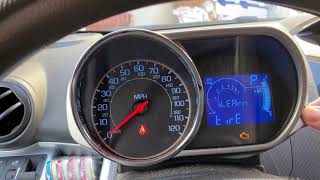
- A blinking TPMS warning light that eventually stays on solid.
- "Service Tire Monitor System" message on the driver information center.
- The pressure reading for the left rear tire shows dashes (--) or is blank.
- In rare cases associated with TSB PIC5650M, the vehicle may fail to start or may stall unexpectedly. [⭐, 21]
- Intermittent or complete failure of key fob functions (lock, unlock, remote start), which may occur alongside the TPMS light if the RCDLR module is the cause.
- Replacing the wrong tire's sensor. This can happen if a tire rotation was performed without a subsequent TPMS relearn procedure. The system may report a fault for the left rear, but the problematic sensor could now be at a different corner of the car.
- Replacing the BCM or RCDLR before ruling out Radio Frequency Interference. TSB PIC5650M strongly advises checking for and removing all aftermarket electronic accessories as the first step when multiple seemingly unrelated electrical issues occur.
Most Likely Causes
- Dead TPMS Sensor Battery 🔴 High Probability TPMS sensor batteries have a finite lifespan, typically 5-10 years. Vehicles from the 2016 model year are now at an age where battery failure is common and expected. The battery is potted inside the sensor and is not serviceable.
How to confirm: Use a specialized TPMS diagnostic tool to attempt to read the sensor's data. If the tool cannot get a signal or explicitly shows a low battery status, the battery is dead. A dealer-level scan tool may show a hidden symptom code C0760 03 (Low Voltage).
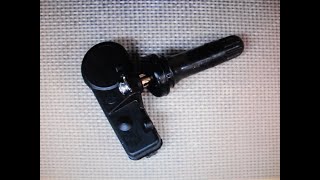
Typical fix: Replace the left rear TPMS sensor. 🎬 Watch this step-by-step guide on how to replace the sensor. The battery is integrated into the sensor and cannot be replaced separately.
Est. part cost: $25-$60 - Faulty TPMS Sensor 🟡 Medium Probability Sensors can be damaged by road impacts, tire service, or internal electronic failure. The use of unapproved liquid tire sealants can also clog the sensor's pressure port, causing a failure that is not electronic.
How to confirm: A TPMS tool will fail to read any data from the sensor, even if the battery is not the primary issue. This confirms the sensor itself has failed. A professional scan tool may show symptom code C0760 39 (Internal Malfunction).
Typical fix: Replace the left rear TPMS sensor and perform the TPMS relearn procedure.
Est. part cost: $25-$60 - Failed TPMS Relearn Procedure ⚪ Low Probability This typically occurs after a tire rotation or sensor replacement if the technician forgets or improperly performs the relearn procedure, which tells the car the new position of each sensor. Some owners report that if one sensor is dead, the relearn procedure cannot be completed for any of the tires.
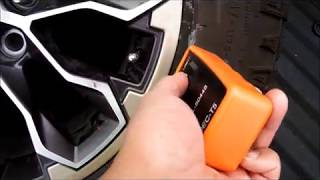
How to confirm: Perform the TPMS relearn procedure using a TPMS activation tool (like the EL-50448). If the procedure completes successfully and the code clears, this was the cause.
Typical fix: Perform the TPMS relearn procedure according to the owner's manual or with a TPMS tool.
Est. part cost: $0 (if you own a tool) or minimal shop labor 🎬 See how to perform a GM relearn without special tools.
Rare But Worth Checking
- Radio Frequency Interference (RFI): As detailed in TSB #PIC5650M, aftermarket devices like phone chargers, dash cams, LED lights, or even toll passes can emit RFI that 'jams' the 315 MHz signals from the TPMS sensors and key fobs. If you have C0760 along with security codes (B3055, etc.) or intermittent key fob issues, this is a likely cause. The fix is to unplug and remove all such devices to see if the problem disappears.
- Remote Control Door Lock Receiver (RCDLR) Internal Fault: As mentioned in TSB #16-NA-396 for similar GM platforms, if C0760 is present with other TPMS codes and key fob functions are inoperative, the RCDLR module itself may have failed internally. Diagnosis requires a professional scan tool to check for communication errors with the RCDLR. The fix is to replace the module, which is typically located behind the driver's side rear quarter trim panel.
Diagnosis Steps
- Scan for all DTCs in all modules. Note if any security or key fob-related codes (like B3055) are present alongside C0760. Use a GM-specific tool like a GDS2 to check for hidden symptom codes (e.g., :03 for low battery, :39 for internal fault).
- As per TSB PIC5650, unplug ALL aftermarket electronic devices (phone chargers, dash cams, USB hubs, LED bulbs, etc.). Clear codes and drive the vehicle to see if the C0760 code returns. If it doesn't, one of the devices was causing RFI.
- Verify the TPMS warning light is on and check the tire pressure display for a missing reading on the left rear tire.
- Use a TPMS diagnostic tool to try and activate and read the left rear sensor. Check the signal strength graph on the tool; a good signal should show more than 1/4 of the graph. This will also confirm if the sensor is transmitting and check its battery status.
- If the tool gets no response or shows a low battery, the sensor is bad and needs replacement.
- If the tool reads the sensor fine, the issue may be with the car's receiver or programming. With a scan tool, monitor the 'Pressure Sensor Mode' live data parameter while driving over 25 mph; it should change from 'Wake' to 'Drive'. If it doesn't, the sensor may still be faulty.
- Attempt a TPMS relearn procedure, often using a tool like the EL-50448. The correct sequence for GM vehicles is typically: Left Front, Right Front, Right Rear, Left Rear.
- If the relearn procedure fails, the code returns, and you also have key fob issues, investigate the RCDLR for failure as suggested by TSB #16-NA-396.
- If security-related codes (like B3055, B3060, B3935) are present along with a no-start or stall symptom, refer to TSB #PIC5650M and continue investigating for sources of RFI or faults in the BCM and related wiring. [⭐, 24]
Parts You'll Likely Need
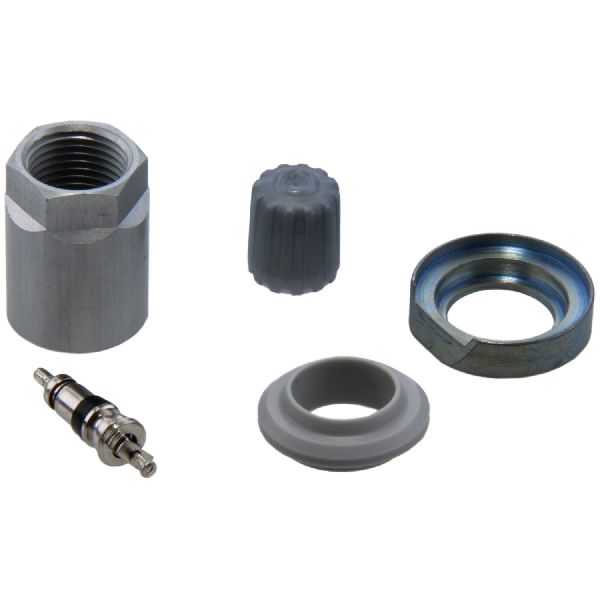
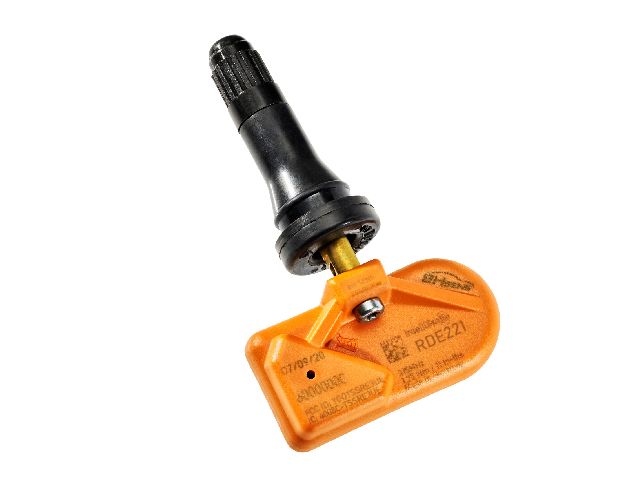
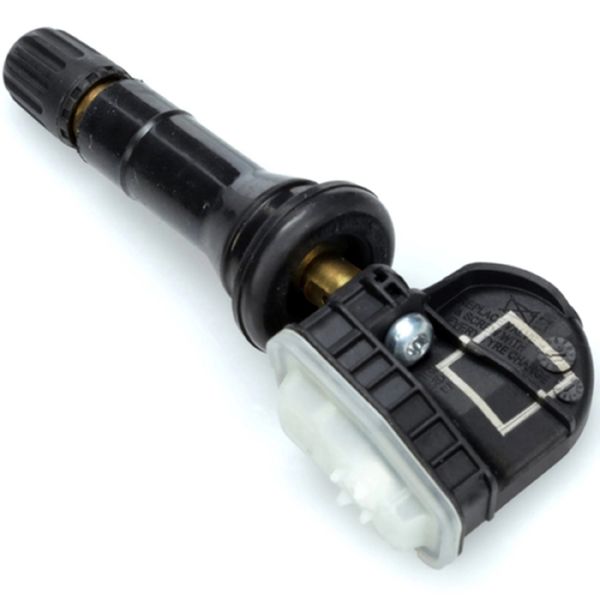
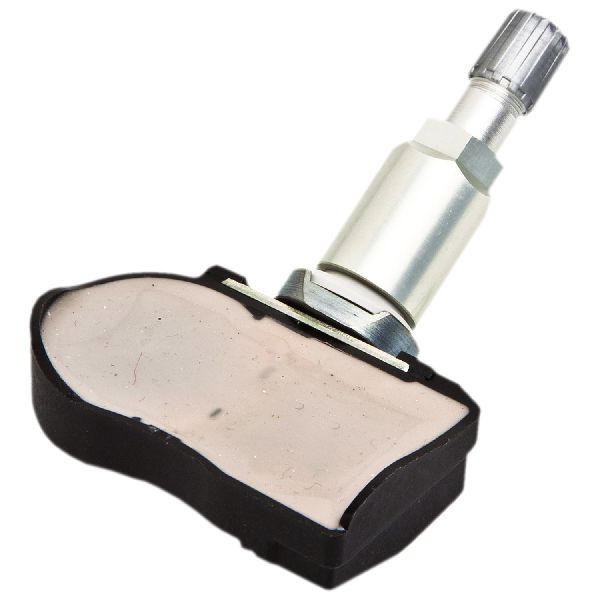
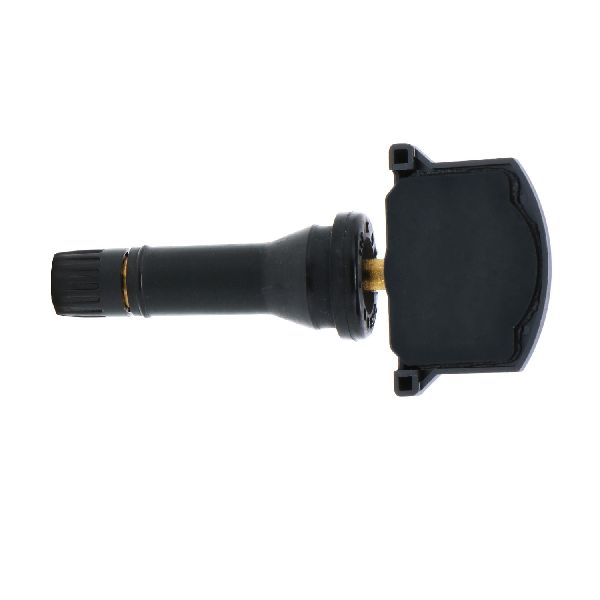
- Tire Pressure Monitoring System (TPMS) Sensor
(OEM #13598771, 13516164 (alternative), 13540600 (superseded))— This is the most common failure point. The internal, non-replaceable battery dies, requiring the replacement of the entire sensor unit.
Trusted brands: ACDelco, Schrader, Continental, Dorman
OEM price range: $50-$80
Aftermarket price range: $25-$50 - TPMS Relearn Tool
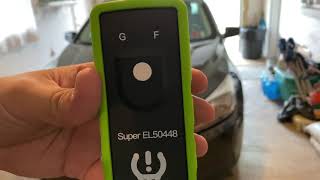
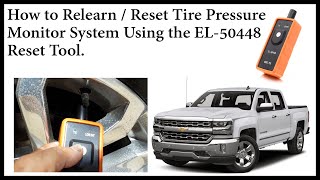
(OEM #EL-50448)— Required to make the vehicle recognize the new or repositioned sensors after replacement or tire rotation. Many affordable versions are available online. 🎬 Watch a demonstration of the EL-50448 relearn tool in action.
Trusted brands: VXDAS, JDIAG
OEM price range: $50-$90
Aftermarket price range: $10-$25
Related Codes That Often Appear With This One
- C0750 — This code is for the Left Front TPMS sensor. It's common to see codes for multiple sensors at once if their batteries are failing around the same time or if there is a central receiver (RCDLR) issue.
- C0755 — This code is for the Right Front TPMS sensor. It's common to see codes for multiple sensors at once if their batteries are failing around the same time or if there is a central receiver (RCDLR) issue.
- C0765 — This code is for the Right Rear TPMS sensor. It's common to see codes for multiple sensors at once if their batteries are failing around the same time or if there is a central receiver (RCDLR) issue.
- B3055 — This is a key-related security code. According to TSB PIC5650M, its presence with C0760 points towards a potential BCM/vehicle security system malfunction, often caused by Radio Frequency Interference from aftermarket accessories. [⭐, 21]
Technical Service Bulletins (TSBs) & Recalls
- PIC5650M (and its revisions): Warns that aftermarket electronics (chargers, LEDs, etc.) can cause Radio Frequency Interference, leading to a cluster of issues including TPMS codes (C0760), security codes (B3xxx), and no-start/stall conditions. The primary diagnostic step is to remove these devices. [⭐, 21, 22]
- 16-NA-396: While not for the Spark specifically, this TSB for other GM vehicles describes an identical symptom set where multiple TPMS codes and key fob inoperability are caused by an internal failure of the Remote Control Door Lock Receiver (RCDLR).
Platform-Specific Known Issues
- TSB #PIC5650M indicates that on some Sparks, a C0760 code can be a symptom of a larger problem within the vehicle's security system or Body Control Module, which may also cause a no-start or stalling condition. The primary cause investigated by this TSB is Radio Frequency Interference (RFI) from aftermarket accessories. [⭐, 21, 22]
- A known issue on similar GM platforms (covered in TSB #16-NA-396) is the internal failure of the Remote Control Door Lock Receiver (RCDLR), which can cause TPMS codes and key fob problems simultaneously.
Mechanic-Grade Diagnostic Values
- TPMS Sensor Signal Strength — expected: Greater than 1/4 of the signal graph displayed on a TPMS activation tool.. Failure: No signal or a signal strength less than 1/4 of the graph indicates a weak or dead sensor.
- Scan Tool 'Pressure Sensor Mode' Live Data — expected: Parameter should change from 'Wake' or 'Park' to 'Drive' or 'Rolling' when vehicle speed exceeds 25 mph (40 km/h).. Failure: If the parameter does not change for the suspect sensor while driving, the sensor is not transitioning to its drive mode correctly and is likely faulty.
- Sensor Transmission Interval — expected: A valid transmission must be received by the RCDLR at least once every 18 minutes while driving.. Failure: If no valid signal is received for 18 minutes, the DTC will be set.
Hidden / Shadow Codes Worth Checking
- C0760 03: Left Rear Tire Pressure Sensor Low Voltage. This is a specific confirmation that the sensor's internal battery is failing. (see via GM GDS2 (Global Diagnostic System 2) or an equivalent professional scan tool capable of reading manufacturer symptom codes.)
- C0760 29: Left Rear Tire Pressure Sensor Too Few Pulses. This indicates the RCDLR is receiving a corrupted or incomplete data signal, often due to a very weak battery or significant radio frequency interference. (see via GM GDS2 or equivalent professional scan tool.)
- C0760 39: Left Rear Tire Pressure Sensor Internal Malfunction. This points to a failure within the sensor itself (e.g., the pressure transducer) rather than just the battery. (see via GM GDS2 or equivalent professional scan tool.)
Scan Tool Commands That Help
- GDS2 / Tech2 / Professional Scan Tool: TPM Learn Mode Enable — This function must be activated before using a handheld TPMS tool (like the EL-50448) to perform the sensor relearn procedure after a tire rotation or sensor replacement.
- GDS2 / Tech2: RCDLR Data Display — To view live data from the Remote Control Door Lock Receiver, including individual sensor IDs, reported pressures, and the 'Pressure Sensor Mode'. This is used to verify if the module is receiving signals and if sensors are behaving correctly.
Wiring & Ground Locations
- RCDLR Module — Typically located behind the driver's side rear quarter trim panel in the cargo area on similar GM platforms.. This is the receiver for the TPMS signals. If the module has a bad connection, a poor ground, or has failed internally, it can cause C0760 and other TPMS codes, often along with key fob issues.
- Low-Speed GMLAN Circuit — A Green (GN) wire that connects multiple modules, including the RCDLR and Body Control Module (BCM), via splice packs like J209 and connectors like X200.. The RCDLR communicates with the rest of the vehicle over this data bus. A fault or short on this Green wire can interrupt communication and cause various codes, including TPMS faults.
Real Owner Repair Stories
- Reddit user on r/chevyspark (2019 Chevrolet Spark) — TPMS warning light was on and no tire pressure readings were displayed on the dash after having winter tires installed.
❌ Tried (didn't work) Manually checking pressures with a gauge confirmed tires were properly inflated.
✅ What actually fixed it The consensus from the community was that the shop either installed winter wheels without TPMS sensors or failed to perform the TPMS relearn procedure. The fix is to take the vehicle back to the shop to have them perform the relearn procedure so the car can recognize the new/repositioned sensors. - Chevy Spark EV Forum user (2016 Chevrolet Spark 2LT) — Passenger front and driver rear tire pressure readings were not showing. No recent tire work had been done.
❌ Tried (didn't work) Driving around, which sometimes caused the readings to come back, did not work this time.
✅ What actually fixed it The user concluded the sensor batteries were dead due to the vehicle's age (over 81k miles on a 2016 model). The confirmed fix is to replace the failed TPMS sensors, as the internal batteries are non-serviceable.
OEM Part Supersession History
13598771→13540600— Standard part evolution and replacement.
Heads up: Part number 13516164 is often listed as a compatible alternative to 13598771. All these sensors for the non-EV Spark operate at 315 MHz.
Model Year Variations Within This Range
- 2012-2022: According to at least one parts supplier, the Chevrolet Spark range may use two different TPMS sensor styles or frequencies. They recommend providing the vehicle's VIN at checkout to ensure the correct part is supplied. While the M400 (2016+) generation is consistently listed as 315 MHz, this suggests a potential variation exists that could trap an unwary buyer.
Helpful Videos
We Have This Part in Stock


The information in this article is provided for general reference and educational purposes only. Vehicle specifications, procedures, and part compatibility can vary by production date, trim level, and region. Always consult your vehicle's factory service manual and verify part numbers before purchasing or performing repairs. Safety-critical components such as airbags, seat belts, and braking systems should be installed by a qualified professional.
- Chevrolet SPARK:
- 🎬 Helpful Videos
- 🛍️ Shop This Part
- What's Unique About the 2016-2022 Chevrolet SPARK
- Diagnostic Flowchart
- Symptoms You May Notice
- Most Likely Causes
- Rare But Worth Checking
- Diagnosis Steps
- Parts You'll Likely Need
- Related Codes That Often Appear With This One
- Technical Service Bulletins (TSBs) & Recalls
- Platform-Specific Known Issues
- Mechanic-Grade Diagnostic Values
- Hidden / Shadow Codes Worth Checking
- Scan Tool Commands That Help
- Wiring & Ground Locations
- Real Owner Repair Stories
- OEM Part Supersession History
- Model Year Variations Within This Range
- 🎟️ Get 5% Off