

C0760 on 2015-2022 Chevrolet Express 3500: Left Rear TPMS Fault Explained
Code C0760 on a Chevy Express 3500 means there's a problem with the left rear Tire Pressure Monitoring System (TPMS) sensor. The most common cause is a dead battery inside the sensor, which requires replacing the entire sensor unit. Other causes include a faulty receiver module (RCDLR) or radio frequency interference. Expect to pay $30-$70 for an aftermarket sensor or $60-$100 for an OEM one, plus labor for tire dismounting.
- C0760 means the left rear TPMS sensor has failed or is not communicating.
- The most common fix is to replace the sensor, which has a battery that lasts 5-10 years.
- Sensor replacement requires a tire shop's equipment, but the subsequent relearn procedure can be done with an inexpensive tool.
- If you also have key fob or starting problems, unplug all aftermarket chargers and lights before replacing any parts, as radio interference is a known issue on these vans.
What's Unique About the 2015-2022 Chevrolet EXPRESS 3500
On the Chevrolet Express and its platform-mate, the GMC Savana, the Tire Pressure Monitoring System (TPMS) and the keyless entry/security systems both rely on radio frequency signals processed by the same module—the Remote Control Door Lock Receiver (RCDLR). This shared architecture can lead to confusing diagnostic scenarios. A well-documented GM Technical Service Bulletin (PIC5650M) notes that aftermarket electronics like USB chargers, dash cams, or even non-factory LED lights can cause radio frequency interference (RFI) that jams the receiver. This interference can trigger a TPMS code like C0760 and simultaneously cause security-related issues like a no-start condition or an unresponsive key fob.
Diagnostic Flowchart
Tap your situation to follow the diagnostic path that matches what you're seeing on this vehicle.
Symptoms You May Notice
- Flashing TPMS warning light on the instrument cluster, which then stays on solid.
- Driver Information Center (DIC) shows "Service Tire Monitor System".
- The pressure reading for the left rear tire may show as dashes (--) on the DIC.
- In cases of RCDLR failure or RFI, you may also experience intermittent or non-working key fobs.
- Replacing the Body Control Module (BCM) when the issue is with the RCDLR. On these vans, the RCDLR handles TPMS signals directly before communicating with the BCM.
- Replacing only one sensor when all are near the end of their battery life. This often leads to another sensor failing shortly after, requiring another trip to the tire shop.
Most Likely Causes
- Dead TPMS Sensor Battery 🔴 High Probability TPMS sensors use sealed, non-replaceable batteries with a finite lifespan, typically cited as 5-10 years. Vehicles from the 2015-2017 model years are now at an age where widespread, age-related battery failure is the most common cause for this code.
How to confirm: A professional TPMS diagnostic tool can read the battery status of the sensor. If the tool cannot trigger a response from the sensor at all, or shows a low battery state, a dead battery is the most likely cause. A dealer-level scan tool may also show a specific symptom byte like '03' for low voltage.
Typical fix: Replace the left rear TPMS sensor. It is often recommended to replace all four sensors at the same time, as their batteries are of similar age and will likely fail soon. Aftermarket sensors may require programming, while OEM sensors are typically pre-programmed. A TPMS relearn procedure is required after replacement.
Est. part cost: $30-$100 - Damaged TPMS Sensor 🟡 Medium Probability As a work van, the Express 3500 is often subjected to harsh conditions. Pothole impacts or improper technique during a tire change can easily crack the plastic housing of the sensor or damage the valve stem. Using non-approved tire sealants can also clog the sensor's pressure port.
How to confirm: Visual inspection after dismounting the tire from the wheel will reveal cracks, corrosion, or other physical damage to the sensor. If tire sealant was used, it may be visible inside the tire or on the sensor.
Typical fix: Replace the damaged TPMS sensor and perform the relearn procedure.
Est. part cost: $30-$100 - Faulty Remote Control Door Lock Receiver (RCDLR) ⚪ Low Probability While not as common as sensor failure, the RCDLR module itself can fail internally, preventing it from receiving signals from one or more TPMS sensors. GM has issued TSBs (e.g., 16-NA-061) for other models regarding internal RCDLR failures causing TPMS and key fob issues simultaneously. The RCDLR is located behind the instrument panel cluster.
How to confirm: If multiple TPMS codes (e.g., C0750, C0755, C0760, C0765) are present simultaneously, and especially if key fob functions are also intermittent or inoperative, the RCDLR is a strong suspect. A professional scan tool can check for communication issues with the module.
Typical fix: Replace the RCDLR module. This requires programming by a dealer or a properly equipped independent shop using a tool like GDS2. A recall (GM #18255) was issued for some 2018 Express/Savana vans for incorrect RCDLR programming, highlighting the module's role.
Est. part cost: $80-$200
Rare But Worth Checking
- Radio Frequency Interference (RFI): As documented in GM TSB PIC5650M, aftermarket devices are a significant cause of intermittent TPMS issues. Common culprits include phone chargers (especially low-quality ones), dash cams, aftermarket LED lighting, and even toll passes. These devices can 'jam' the 315MHz frequency used by the TPMS sensors. If the code C0760 appears intermittently, especially if you also have key fob or starting issues, unplug all aftermarket accessories to see if the problem disappears.
Diagnosis Steps
- Check for RFI: Before any tear-down, unplug ALL aftermarket 12V accessories (chargers, dash cams, LED lights, etc.). Clear the codes and drive the vehicle to see if the C0760 code returns. This is a crucial first step noted in GM bulletins.
- Read Sensor Data: Use a TPMS diagnostic tool to attempt to read all four sensors. Note if the left rear sensor fails to respond or shows a low battery status.
- Analyze Scan Results: If the left rear sensor is unresponsive, a dead battery or failed sensor is the primary suspect. Proceed to replacement.
- Check for Central Faults: If the sensor responds to the tool but the vehicle won't learn it, or if multiple sensors are not communicating with the vehicle (codes C0750, C0755, C0765 present), investigate a central problem.
- Diagnose RCDLR: If there is no RFI and multiple sensors are offline (or if key fob functions are also faulty), diagnose the Remote Control Door Lock Receiver (RCDLR) for communication faults using a professional scan tool.
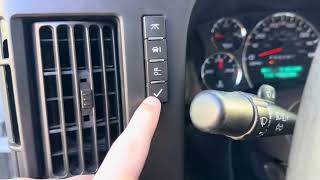
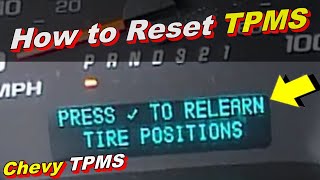
- Replace and Relearn: If diagnosis points to the sensor, proceed with replacing the left rear TPMS sensor. After replacement, perform the TPMS relearn procedure. 🎬 Watch: Step-by-step TPMS and tire position relearn tutorial. For many GM vehicles, this can be initiated through the DIC and involves letting air out of each tire in sequence until the horn chirps, though a dedicated tool (like an EL-50448) is the official method and may be required.
- Verify Repair: After the relearn, drive the vehicle above 25 mph for a few minutes to ensure the code does not return and the DIC displays the correct pressure.
Parts You'll Likely Need
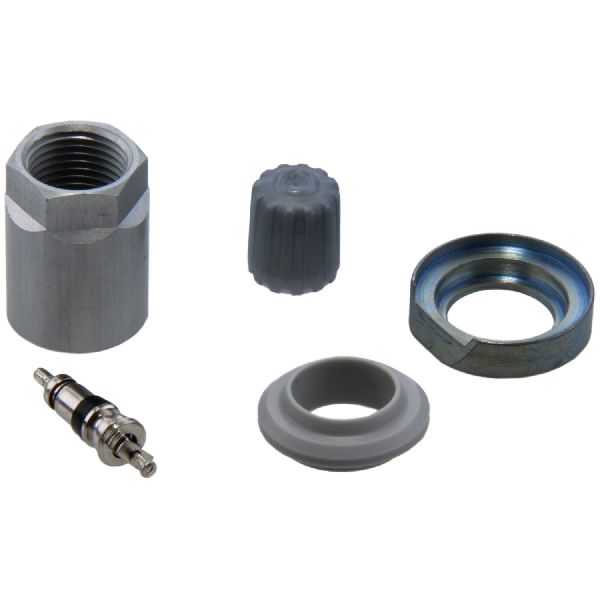
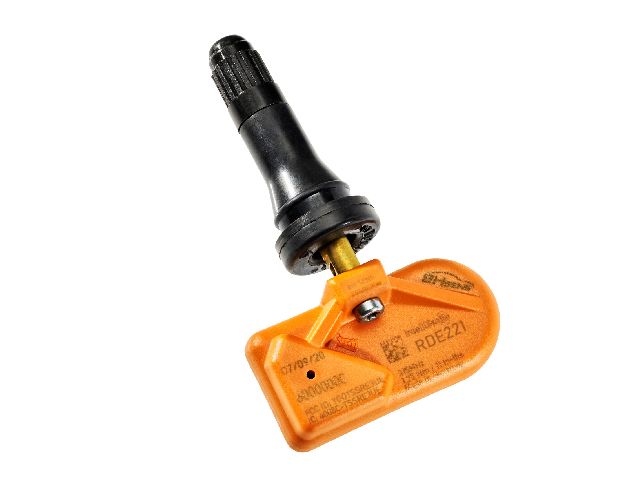
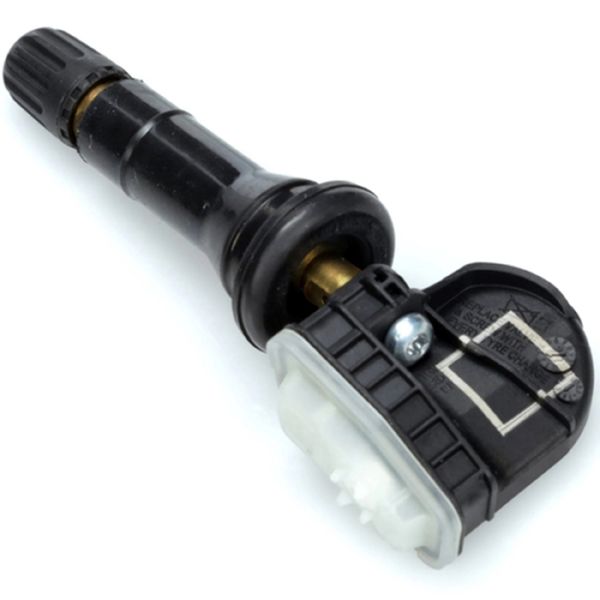
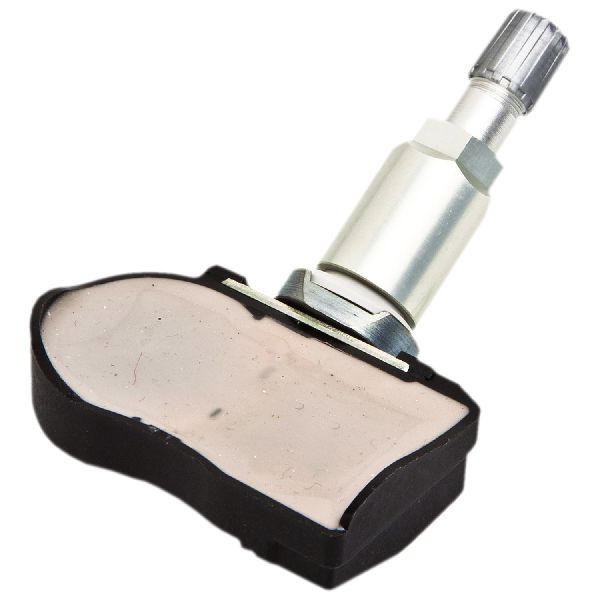
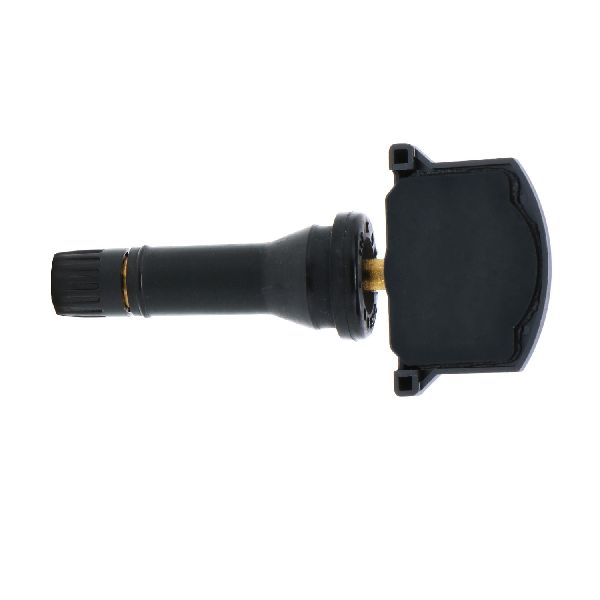
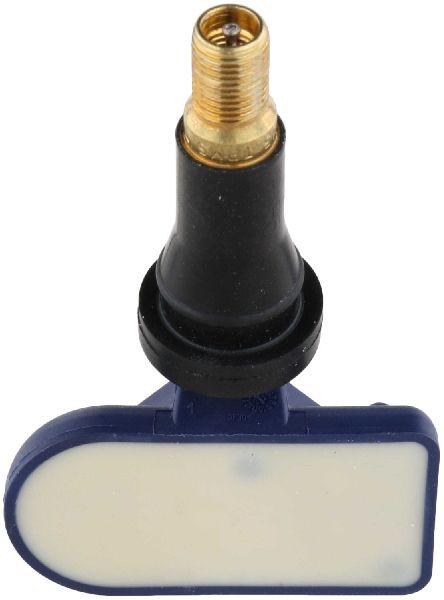
- Tire Pressure Monitoring System (TPMS) Sensor
(OEM #13598771)— This is the direct cause of the code in most cases, typically due to internal battery failure after 5-10 years of service. This 315MHz sensor is the specified OEM part. It has been superseded by part number 13540600.
Trusted brands: ACDelco, Schrader, Bosch, Dorman
OEM price range: $60-$100
Aftermarket price range: $30-$70
Related Codes That Often Appear With This One
- C0750, C0755, C0765 — These are the codes for the other three TPMS sensors (LF, RF, RR). If multiple codes appear together, it points towards a central issue like a faulty RCDLR or significant RFI, rather than multiple individual sensor failures.
- B3055, B3060 — These are vehicle security codes related to the key transponder. Their appearance with C0760 is a strong indicator of Radio Frequency Interference (RFI) affecting the shared RCDLR module, as described in TSB PIC5650M.
Technical Service Bulletins (TSBs) & Recalls
- PIC5650M: Notes that TPMS codes like C0760 can appear with security-related codes (B3055, B3060) during no-start conditions, often due to Radio Frequency Interference (RFI) from aftermarket accessories like chargers and LED lights.
- 18-NA-255: A recall for some 2018 models where the RCDLR was programmed with the incorrect pressure threshold, causing the TPMS light to come on at the wrong PSI. This highlights the RCDLR's central role in the system.
Platform-Specific Known Issues
- Per TSB #PIC5650M, this vehicle is highly susceptible to Radio Frequency Interference from aftermarket accessories, which can cause C0760 to set along with security/no-start problems.
- A fleet owner on a Chevrolet Forum noted constant TPMS malfunctions across a fleet of about 10 Express 3500 vans, highlighting the frequency of sensor failures on these work vehicles.
Mechanic-Grade Diagnostic Values
- RCDLR Ground G218 Resistance — expected: < 1.0 Ohm. Failure: A reading higher than 1.0 Ohm to a known good ground indicates high resistance that can cause intermittent module behavior.
Hidden / Shadow Codes Worth Checking
- C0760 03: Indicates the sensor's internal battery voltage is low. This is a direct confirmation that the sensor battery is failing. (see via GM GDS2 or a professional scan tool capable of reading GM-specific symptom bytes.)
- C0760 08: Indicates the RCDLR is receiving an invalid or corrupted signal from the sensor. This can point to RF interference or an internal sensor fault. (see via GM GDS2 or a professional scan tool capable of reading GM-specific symptom bytes.)
- C0760 29: Indicates 'Too Few Pulses,' meaning the RCDLR is receiving an incomplete data packet. This often points to a very weak sensor battery or significant RF interference. (see via GM GDS2 or a professional scan tool capable of reading GM-specific symptom bytes.)
Scan Tool Commands That Help
- GM GDS2 / Tech2: Module Setup - Remote Control Door Lock Receiver — This function is mandatory after replacing the RCDLR module. The new module must be programmed and configured for the specific vehicle before it will function correctly.
- GM GDS2 / Tech2: Tire Pressure Indicator Sensor Learn — This command forces the vehicle into TPMS relearn mode. It is a more reliable method than using the DIC and is necessary after replacing a sensor or the RCDLR to teach the vehicle the new sensor IDs and their positions.
Wiring & Ground Locations
- RCDLR (Remote Control Door Lock Receiver) — Located behind the Instrument Panel Cluster (IPC), often clipped to a support brace near the center of the dash.. This module receives the signals from all TPMS sensors. A loose connection, a damaged antenna wire, or an internal fault in this module can cause C0760.
- G218 — A primary instrument panel ground stud located on the left side of the dash structure, near the A-pillar.. Multiple GM service bulletins (e.g., PIT5405C) identify a poor connection at G218 as the cause for a wide range of intermittent electrical issues, including module communication problems. A faulty ground here can affect the RCDLR's ability to process signals correctly, mimicking sensor or module failure.
- RCDLR Antenna — While the module is in the dash, its antenna wire runs from the module to an antenna, which on some GM platforms is integrated into a rear window or located elsewhere. A damaged or disconnected antenna wire is a known failure point.. If the antenna has a poor connection or is damaged, the RCDLR cannot receive the signal from the TPMS sensor, directly causing a C0760 code. This is often accompanied by poor key fob range.
Real Owner Repair Stories
- gmtruckforums.com user report (2016 GMC Savana (platform-mate)) — Persistent C0760 for the left rear tire that would appear after 20 minutes of driving.
❌ Tried (didn't work) Replacing the single left rear TPMS sensor., Replacing all four TPMS sensors.
✅ What actually fixed it The final resolution was replacing the RCDLR's antenna wire. The wire itself had a fault, preventing a reliable signal from reaching the receiver module, even though the sensors and the module were good.
"I Checked Everything" — The Actual Cause
- A common scenario for this code is when a TPMS diagnostic tool successfully reads the sensor at the wheel, indicating the sensor is transmitting, yet the C0760 code persists in the vehicle's computer. This points away from the sensor and towards a problem with the vehicle's receiving system. The root cause is often a disconnected or damaged RCDLR antenna wire or a poor ground at G218, which prevents the transmitted signal from being properly received and processed by the RCDLR module.
When the Usual Fixes Don't Work
- While a dead sensor battery is the most common cause of C0760, numerous forum posts and even GM's own TSBs for similar platforms highlight that replacing the sensor often does not fix the issue. In these cases, the problem frequently turns out to be related to the vehicle's receiving system. Before committing to the cost and labor of a sensor replacement (which requires dismounting the tire), it is highly advisable to investigate for Radio Frequency Interference (RFI) and inspect the RCDLR's antenna and ground connections (G218), especially if key fob performance is also degraded.
OEM Part Supersession History
13598771→13540600— Standard part number update by GM.
Heads up: Both part numbers are for the required 315MHz frequency. Ensure any replacement, OEM or aftermarket, is specified as 315MHz. Using a 433MHz sensor will not work.
Model Year Variations Within This Range
- 2015-2022: These vans primarily use a manual relearn procedure, not an automatic 'drive-to-learn' system. The procedure can be initiated via the Driver Information Center (DIC), followed by letting air out of each tire in sequence (LF, RF, RR, LR) until the horn chirps. However, this method is often reported as unreliable or slow. The preferred professional method is to use a TPMS activation tool (like the EL-50448) to trigger each sensor after putting the van in learn mode, which is much faster and more consistent.
Helpful Videos
We Have This Part in Stock

The information in this article is provided for general reference and educational purposes only. Vehicle specifications, procedures, and part compatibility can vary by production date, trim level, and region. Always consult your vehicle's factory service manual and verify part numbers before purchasing or performing repairs. Safety-critical components such as airbags, seat belts, and braking systems should be installed by a qualified professional.
- Chevrolet EXPRESS 3500:
- 🎬 Helpful Videos
- 🛍️ Shop This Part
- What's Unique About the 2015-2022 Chevrolet EXPRESS 3500
- Diagnostic Flowchart
- Symptoms You May Notice
- Most Likely Causes
- Rare But Worth Checking
- Diagnosis Steps
- Parts You'll Likely Need
- Related Codes That Often Appear With This One
- Technical Service Bulletins (TSBs) & Recalls
- Platform-Specific Known Issues
- Mechanic-Grade Diagnostic Values
- Hidden / Shadow Codes Worth Checking
- Scan Tool Commands That Help
- Wiring & Ground Locations
- Real Owner Repair Stories
- "I Checked Everything" — The Actual Cause
- When the Usual Fixes Don't Work
- OEM Part Supersession History
- Model Year Variations Within This Range
- 🎟️ Get 5% Off