

C0760 on 2007-2014 Chevrolet Express 1500: TPMS Fault Causes and Fixes
Code C0760 on a 2007-2014 Chevy Express 1500 means the Left Rear Tire Pressure Monitoring System (TPMS) sensor has failed. This is almost always due to a dead internal battery. Expect to pay a tire shop to replace the sensor; the part costs about $25-$60. If key fobs also fail, the issue is likely the RCDLR module under the dash.
- C0760 means the left rear TPMS sensor is bad, usually from an old battery.
- A flashing TPMS light on startup is the key symptom of a sensor fault, not low tire pressure.
- Replacement requires a tire shop to mount the sensor and a special tool to program it.
- If your keyless entry also fails or you have no-start issues, the problem is likely the RCDLR module under the dash or RFI from an accessory.
What's Unique About the 2007-2014 Chevrolet EXPRESS 1500
On this generation of Chevrolet Express and its GMC Savana twin, the Tire Pressure Monitoring System (TPMS) is uniquely tied to the vehicle's security and keyless entry systems. Both functions are managed by the same module: the Remote Control Door Lock Receiver (RCDLR), which is located under the large, full-width top dashboard panel, behind and above the instrument cluster. Because of this shared module, a C0760 code can sometimes appear alongside security-related codes (like B3055, B3060, B3935) and be a symptom of a wider electrical issue causing a no-start or stalling condition, as documented in multiple versions of GM Technical Service Bulletin #PIC5650.
Diagnostic Flowchart
Tap your situation to follow the diagnostic path that matches what you're seeing on this vehicle.
Symptoms You May Notice
- The TPMS warning light on the instrument cluster flashes for 60-90 seconds upon startup and then stays illuminated.
- A "SERVICE TIRE MONITOR SYSTEM" message appears on the Driver Information Center (DIC).
- The pressure reading for the left rear tire shows as dashes ("---") on the DIC.
- In some cases, keyless entry (RKE) fobs may work poorly or not at all, as they communicate with the same RCDLR module.
- Replacing the Body Control Module (BCM). While the BCM uses the data, the signal is received and processed by the RCDLR first. A single sensor code like C0760 is almost never a BCM issue.
- Assuming the tire is low. A solid, non-flashing TPMS light indicates low pressure. A flashing light on startup that then stays solid indicates a system fault like a bad sensor.
- Replacing the wrong sensor. If tires were rotated but the TPMS system was not relearned, the positions stored in the computer will be incorrect. A user on chevyforum.com reported replacing the wrong sensor for this exact reason. Always use a TPMS tool to verify which corner is not transmitting before replacement.
Most Likely Causes
- Failed TPMS Sensor (Dead Battery) 🔴 High Probability The internal, non-replaceable batteries in TPMS sensors have a finite lifespan of 5-10 years. Vehicles in the 2007-2014 range are at or beyond the typical life expectancy of the original sensors, making battery failure the most common cause.
How to confirm: Use a TPMS diagnostic tool to attempt to activate the sensor. If the tool cannot get a reading or explicitly shows a low battery status, the sensor has failed. A professional scan tool can reveal a symptom byte like C0760:03 (Low Voltage) to confirm a battery issue. A standard code reader cannot perform this function.
Typical fix: Replace the left rear TPMS sensor. It is often recommended to replace all four sensors at the same time, especially if they are original and the vehicle is over 7 years old, as the others are likely to fail soon. The new sensor(s) must be programmed to the vehicle via a relearn procedure.
Est. part cost: $25-$60 for one sensor
Rare But Worth Checking
- Faulty Remote Control Door Lock Receiver (RCDLR): This is worth checking if you experience multiple TPMS codes (C0750, C0755, C0765) simultaneously, your keyless entry fobs stop working, and/or you have intermittent no-start issues with a security light. The RCDLR processes signals for both systems, and its failure can cause widespread symptoms. A replacement RCDLR requires programming by a dealer or a properly equipped shop. It is located under the top dash pad.
- Radio Frequency Interference (RFI): As detailed in TSB PIC5650K, aftermarket electronic devices like cell phone chargers, USB power banks, and especially aftermarket LED lighting can emit RFI that 'jams' the 315 MHz frequency used by the TPMS sensors and key fobs. This can prevent the RCDLR from receiving signals, triggering TPMS codes and other issues. Before replacing parts, unplug all aftermarket accessories and see if the problem resolves.
- Wiring or Connector Issue: In rare cases, damage to the wiring or connectors leading to the RCDLR can cause a loss of communication and trigger this code. This is more likely if the vehicle has had recent interior work (e.g., stereo installation, alarm system) or has issues with water leaks around the windshield or third brake light. TSB 16-NA-061 notes that the RCDLR's antenna system has several connection points (at the RCDLR, at the coax cable, at the antenna amplifier) that can become disconnected and cause intermittent signal loss.
Diagnosis Steps
- Verify the code with an OBD-II scanner capable of reading Chassis (C) codes.
- Check the symptoms: Is the TPMS light flashing on startup? Does the DIC show 'SERVICE TIRE MONITOR SYSTEM'? This confirms a system fault.
- Remove all aftermarket electronic devices (chargers, LEDs, etc.) from the vehicle to eliminate Radio Frequency Interference (RFI) as a cause, per TSB PIC5650K.
- Using a TPMS diagnostic tool, attempt to read the data from the left rear sensor. Check its reported pressure, temperature, and battery status.
- If the tool cannot get a response from the sensor, or if it reports a low battery, the sensor is faulty and needs replacement. A professional scan tool may further confirm this with a C0760:03 (Low Voltage) symptom code.
- If the sensor responds correctly to the tool but the code persists, attempt a TPMS relearn procedure as outlined in the owner's manual or using the TPMS tool.
- If multiple TPMS codes and/or keyless entry/security codes are present, investigate the RCDLR. It is located under the top dash pad. Check for power, ground, and any visible damage to its wiring and connectors. Professional diagnosis with a tool like a GM Tech2 may be required to check for communication with the module and perform setup procedures if it's replaced.
Parts You'll Likely Need
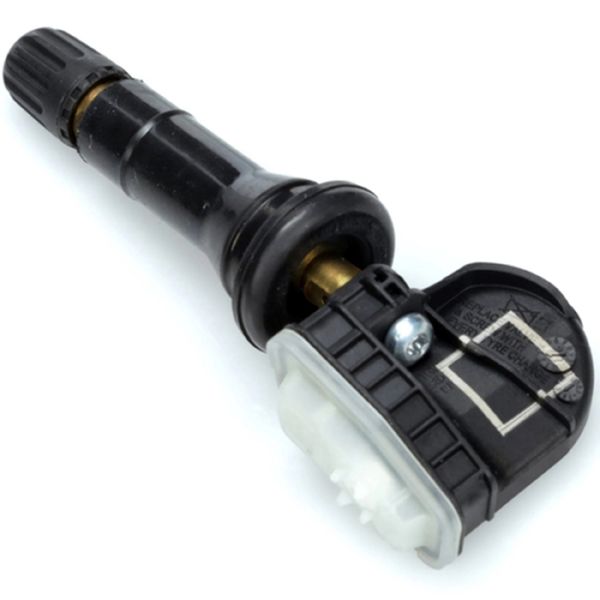
- Tire Pressure Monitoring System (TPMS) Sensor
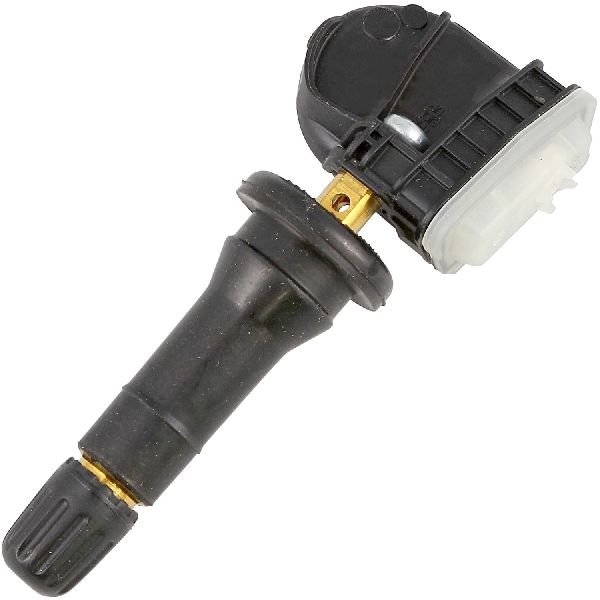
(OEM #13598771 (Superseded by 13540600))— This is the direct cause of code C0760 in the vast majority of cases, typically due to the internal battery reaching the end of its 5-10 year service life.
Trusted brands: ACDelco, Schrader, Continental, Bosch
OEM price range: $45-$80
Aftermarket price range: $25-$50 - Remote Control Door Lock Receiver (RCDLR)
(OEM #20803735)— Needed if multiple TPMS codes are present along with keyless entry failure. This module is the common receiver for both systems and a known failure point. Requires dealer or advanced shop programming after installation.
Trusted brands: ACDelco (GM Genuine), Dorman
OEM price range: $185-$340
Aftermarket price range: $100-$200
Related Codes That Often Appear With This One
- C0750, C0755, C0765 — If all four TPMS codes appear together, it strongly suggests a problem with the common receiving module (the RCDLR) or significant RFI, rather than four individual sensors failing at once.
- B3055, B3060, B3935 — These are vehicle security codes related to the ignition key transponder. According to TSB #PIC5650M and its revisions, they can appear with TPMS codes when there is a fault or radio frequency interference affecting the RCDLR, which can lead to a no-start or stall condition.
Technical Service Bulletins (TSBs) & Recalls
- PIC5650M (and revisions like J and K): Mentions that TPMS codes C0750, C0755, C0760, C0765 can be found with security codes B3055, B3060, B3935 during a no-start or stall concern. It strongly points to Radio Frequency Interference (RFI) from aftermarket devices (chargers, LEDs) or a faulty RCDLR as the root cause.
- 16-NA-396: Specifically addresses intermittent key fob and TPMS issues (including C0760) caused by internal failure of the RCDLR, recommending its replacement.
- 16-NA-061: Details how a poor or disconnected RCDLR antenna connection can cause intermittent TPMS and key fob issues, particularly for sensors farther from the receiver.
Platform-Specific Known Issues
- As per TSB #PIC5650M and its successors, a fault related to the TPMS system can be linked to a no-start or stall condition with the security light illuminated. This is due to the shared functionality of the Remote Control Door Lock Receiver (RCDLR) with the anti-theft system. Owners should be aware of RFI from aftermarket chargers or LEDs causing these intermittent, hard-to-diagnose issues.
Mechanic-Grade Diagnostic Values
- Condition for DTC to Set — expected: A valid transmission from the sensor has not been detected for a specific period (e.g., 18 minutes).. Failure: The code C0760 is set.
- Condition for DTC to Run — expected: Vehicle speed must be greater than 40 km/h (25 MPH).. Failure: The system will not check for sensor faults until this speed is reached.
- Scan Tool Sensor Hit Rate — expected: A high percentage.. Failure: A low 'Hit Rate' percentage for a specific sensor suggests RF interference is preventing its signal from being reliably received by the RCDLR.
Hidden / Shadow Codes Worth Checking
- C0760 03: Left Rear Tire Pressure Sensor Low Voltage. This specifically points to the sensor's internal battery failing. (see via GM GDS2 (Global Diagnostic System 2), Tech2, or equivalent professional scan tool that can read manufacturer-specific symptom codes.)
- C0760 08: Left Rear Tire Pressure Sensor Signal Invalid. The RCDLR is receiving a signal, but the data is corrupted or not in the correct format. (see via GM GDS2, Tech2, or equivalent professional scan tool.)
- C0760 29: Left Rear Tire Pressure Sensor Too Few Pulses. The RCDLR is receiving an incomplete data packet from the sensor. This is mentioned in TSB 16-NA-396 as a symptom of an internal RCDLR failure. (see via GM GDS2, Tech2, or equivalent professional scan tool.)
- C0760 39: Left Rear Tire Pressure Sensor Internal Malfunction. This indicates the sensor itself has an internal fault beyond just a low battery, such as a failed pressure transducer or logic error. (see via GM GDS2, Tech2, or equivalent professional scan tool.)
Scan Tool Commands That Help
- GM Tech 2 / GDS2: RCDLR Module Programming/Setup — This is mandatory after replacing the Remote Control Door Lock Receiver (RCDLR). The new module must be programmed to the vehicle's VIN and options.
- GM Tech 2 / GDS2: Theft Deterrent System Learn — Must be performed after RCDLR replacement. This involves a 10 or 30-minute procedure to sync the new RCDLR with the vehicle's immobilizer system. Failure to do this can result in a no-start condition.
- GM Tech 2 / GDS2 or TPMS Tool: TPM Sensor Learn Procedure — This is the final step after replacing the RCDLR or any TPMS sensor. It assigns each sensor's unique ID to its specific corner of the vehicle (LF, RF, RR, LR) in the RCDLR's memory.
Wiring & Ground Locations
- RCDLR Antenna System — The system consists of the RCDLR module (under the dash), a coax cable running to the rear, an antenna amplifier module, and the antenna itself (often integrated into the right rear glass on SUV platforms).. A disconnect at any of the three connection points (RCDLR, amplifier, or antenna) can cause intermittent loss of signal from one or more TPMS sensors, triggering codes like C0760. A disconnect closer to the RCDLR will cause more severe symptoms.
- G301 / G304 — G301 is typically located behind the left kick panel. G304 is on the right side B-pillar behind the trim panel on related GM trucks/SUVs. Exact location on the Express van may vary but interior grounds in these areas are critical for modules like the RCDLR.. The RCDLR and BCM rely on clean ground connections to function. A loose or corroded interior ground can cause a host of intermittent electronic issues, including TPMS and keyless entry faults.
- RCDLR Connector — The multi-pin connector on the RCDLR module itself, located under the top dash pad.. This is the primary connection for power, ground, and communication. A loose pin or corrosion here can directly cause C0760 and other related codes. Testing for battery positive voltage, ignition voltage, and ground at this connector is a key diagnostic step when the RCDLR is suspected.
Real Owner Repair Stories
- Chevrolet Forum user pdh901 (Chevrolet Express Van (year not specified, but within platform)) — Keyless entry stopped working completely and all four tire pressure sensors failed around the same time.
❌ Tried (didn't work) Changing key fob battery., Physically replacing the RCDLR module with a new one.
✅ What actually fixed it The user was informed the new RCDLR module required programming by a dealership. The physical swap was not enough; the module must be electronically integrated with the vehicle's computer systems. - Chevrolet Forum user with a 2013 Express 2500 (2013 Chevrolet Express 2500) — Intermittent 'Service Tire Pressure Monitor System' light for one sensor.
❌ Tried (didn't work) Replaced a TPMS sensor, but it was the wrong one because the system hadn't been relearned after the last tire rotation., Attempting the manual relearn procedure by letting air out of the tires; the van would not recognize the sensors.
✅ What actually fixed it The user purchased an inexpensive TPMS relearn tool from Amazon, which successfully activated the sensors and allowed the relearn procedure to be completed. - CorvetteForum user jyounger74 (Chevrolet Corvette (C7, similar RCDLR logic)) — After washing the car or driving in heavy rain, the key fobs would stop working and the 'Service Tire Monitor System' message would appear with all pressures blank.
❌ Tried (didn't work) Taking it to the dealer, who could not find any stored codes because the BCM appeared to reset itself after the fault cleared.
✅ What actually fixed it The issue was intermittent and moisture-related. The user captured the codes (C0750, C0755, C0760, C0765) via OnStar during an active event. The final resolution wasn't posted, but it highlights a hard-to-diagnose intermittent failure likely caused by a water leak affecting the RCDLR or its wiring.
When the Usual Fixes Don't Work
- A common assumption is that replacing a failed electronic module is a simple plug-and-play repair. However, a real-world owner report on chevroletforum.com confirms this is not the case for the Remote Control Door Lock Receiver (RCDLR) on these vans. The owner replaced the faulty RCDLR hoping to fix simultaneous TPMS and key fob failures, but the new module was completely unresponsive. The vehicle would not enter programming mode for the key fobs, and the TPMS system remained inoperative. The final fix required a trip to the dealership to have the new module professionally programmed to the vehicle's computer systems, confirming that this repair cannot be fully completed at home without specialized tools.
OEM Part Supersession History
13586335 / 25920615 / and others→13598771, which was later superseded by 13540600— Part consolidation and design updates.
Heads up: While many part numbers are interchangeable, it is always best to verify fitment with the vehicle's VIN. Some older sensors used a metal valve stem, while newer service replacements often use a rubber stem.15287331, 15782376, 25855007, and many others→20803735— This part number consolidates over ten previous part numbers for the RCDLR module across many GM vehicles.
Heads up: While this is the correct service replacement, it is not plug-and-play. The new module MUST be programmed to the vehicle using a dealer-level scan tool.
Helpful Videos
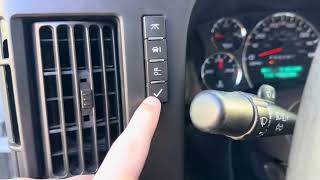
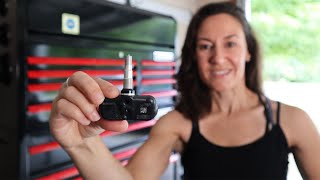
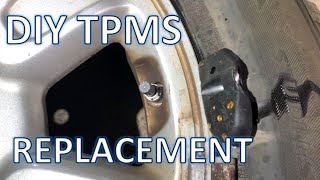
We Have This Part in Stock


The information in this article is provided for general reference and educational purposes only. Vehicle specifications, procedures, and part compatibility can vary by production date, trim level, and region. Always consult your vehicle's factory service manual and verify part numbers before purchasing or performing repairs. Safety-critical components such as airbags, seat belts, and braking systems should be installed by a qualified professional.
- Chevrolet EXPRESS 1500:
- 🎬 Helpful Videos
- 🛍️ Shop This Part
- What's Unique About the 2007-2014 Chevrolet EXPRESS 1500
- Diagnostic Flowchart
- Symptoms You May Notice
- Most Likely Causes
- Rare But Worth Checking
- Diagnosis Steps
- Parts You'll Likely Need
- Related Codes That Often Appear With This One
- Technical Service Bulletins (TSBs) & Recalls
- Platform-Specific Known Issues
- Mechanic-Grade Diagnostic Values
- Hidden / Shadow Codes Worth Checking
- Scan Tool Commands That Help
- Wiring & Ground Locations
- Real Owner Repair Stories
- When the Usual Fixes Don't Work
- OEM Part Supersession History
- 🎟️ Get 5% Off