

C0760 on 2011-2018 Chevrolet Cruze: TPMS Fault Causes and Fixes
Code C0760 on a Chevy Cruze indicates a problem with the left rear Tire Pressure Monitoring System (TPMS) sensor. The most common fix is replacing the sensor due to a dead battery. If your key fob is also not working, the issue is likely the Remote Control Door Lock Receiver (RCDLR) module, a known issue covered by a GM Technical Service Bulletin.
- C0760 means there's a fault with the left rear TPMS sensor.
- The most common cause is a dead battery inside the sensor, which requires replacing the whole sensor.
- Crucially, if your key fob also stopped working, the problem is almost certainly the Remote Control Door Lock Receiver (RCDLR) module, not the TPMS sensor.
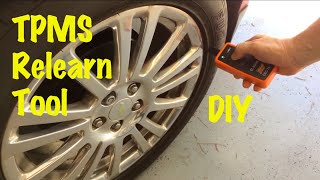
- Replacing a TPMS sensor requires a relearn procedure, which can be done with a simple tool or sometimes by adjusting tire pressure.
- Replacing the RCDLR module is not a simple DIY job as it requires programming by a professional.
What's Unique About the 2011-2018 Chevrolet CRUZE

On the first and second-generation Chevrolet Cruze and its platform mates (like the Buick Verano), the Tire Pressure Monitoring System (TPMS) and the Remote Keyless Entry (RKE) system are both managed by the same module: the Remote Control Door Lock Receiver (RCDLR). This integration is a common source of confusion for owners, as a fault in this single module can cause both a 'Service Tire Monitor' message and completely inoperative key fobs, a connection documented in GM Technical Service Bulletin #16-NA-396.
Diagnostic Flowchart
Tap your situation to follow the diagnostic path that matches what you're seeing on this vehicle.
Generation note: This guide covers the first generation (2011-2016) and second generation (2016.5-2019) Chevrolet Cruze. The underlying issue with the TPMS sensor and RCDLR module is common to both generations. Note that first-gen models (2011-2015 and 2016 "Limited") use a 315 MHz TPMS sensor, while second-gen models (2016-2019) use a 433 MHz sensor. Always verify the correct frequency for your specific vehicle, as using the wrong one will not work.
Symptoms You May Notice

- "Service Tire Monitor System" message on the Driver Information Center (DIC).
- TPMS warning light is flashing for 60-90 seconds on startup, then stays on solid.
- Key fob is inoperative (lock, unlock, remote start, panic buttons don't work).
- "No Remote Detected" message on the DIC when trying to start the car.
- Tire pressure reading for the left rear tire shows dashes (--) on the DIC.
- Significantly reduced range for the key fob to work.
- Replacing the key fob battery. While a dead fob battery is possible, if the TPMS light is also on, the problem is almost certainly with the vehicle's receiver (RCDLR) or the TPMS sensor itself, not the fob.
- Replacing only one TPMS sensor when the RCDLR is faulty. If multiple TPMS codes are present and the key fob is dead, replacing the left rear sensor for code C0760 will not fix the underlying issue with the receiver module.
Most Likely Causes

- Failed Left Rear TPMS Sensor 🔴 High Probability TPMS sensors contain a non-replaceable battery that has a finite lifespan, typically 5-10 years. As these vehicles age, battery failure is the most common reason for a sensor to stop transmitting.
How to confirm: Use a TPMS activation tool to try and read the sensor. If the tool cannot get a response from the left rear sensor but can from the other three, the sensor has failed. This is the likely cause if C0760 is the only code and your key fobs work perfectly.
Typical fix: Replace the left rear TPMS sensor and perform the TPMS relearn procedure. It is often recommended to replace all four sensors at once if the vehicle is over 7 years old, as the other original sensors are likely to fail soon.
Est. part cost: $25-$60 - Faulty Remote Control Door Lock Receiver (RCDLR) 🟡 Medium Probability As identified in TSB #16-NA-396, the RCDLR module is prone to internal issues that cause it to stop processing signals from both TPMS sensors and key fobs. This is a well-documented failure on the Cruze and related GM models.
How to confirm: This is the most likely cause if you have multiple TPMS codes (e.g., C0750, C0755, C0760, C0765) and your key fobs are simultaneously inoperative or have very poor range. The failure of both systems at the same time is the key indicator.
Typical fix: Replace the RCDLR module. This new module must be programmed to the vehicle by a dealer or a qualified shop with GM diagnostic software. An owner on a Chevrolet forum confirmed that after replacing the RCDLR, the TPMS system began working immediately but the key fobs required reprogramming 🎬 Watch: DIY tutorial for programming a new Chevy Cruze key fob. to the new module.
Est. part cost: $50-$120
Rare But Worth Checking
- Radio Frequency Interference (RFI): Aftermarket electronic devices, such as cell phone chargers, dash cams, or anything plugged into the 12V outlets, can sometimes emit radio frequencies that interfere with the RCDLR's ability to receive signals from the TPMS sensors and key fobs. Before replacing parts, unplug all aftermarket accessories and see if the problem resolves. This is mentioned in GM service literature as a possible cause.
- Disconnected RCDLR Antenna: According to GM TSB #16-NA-061, the antenna for the RCDLR can become disconnected at the module, at the antenna amplifier, or at the rear glass. This can cause symptoms identical to a failed RCDLR, including multiple TPMS codes and poor key fob range. Checking these connections, particularly if the headliner or rear trim has been worked on, is a valid diagnostic step before replacing the module.
Diagnosis Steps

- Read all stored trouble codes from all modules. Note if C0760 is alone or present with other TPMS codes (C0750, C0755, C0765).
- Test the key fob functions (lock, unlock, remote start). Note if they are working correctly, intermittently, have poor range, or not at all.
- If C0760 is the only code and the key fob works perfectly, the left rear TPMS sensor is the most likely culprit. Use a TPMS tool to verify it is not transmitting.
- If multiple TPMS codes are present AND the key fob is inoperative, the RCDLR module is the primary suspect. This aligns with TSB #16-NA-396.
- As a simple test, unplug all aftermarket 12V accessories (chargers, dash cams) to eliminate Radio Frequency Interference (RFI) as a cause. Clear codes and test drive.
- Inspect the RCDLR antenna connections behind the interior trim near the rear window, as per TSB #16-NA-061, to check for loose or disconnected coaxial cables.
- If the TPMS sensor is confirmed bad, replace it. The new sensor will need to be 'relearned' to the vehicle.
- If the RCDLR is confirmed bad, replace the module. This part requires programming by a professional with GM-specific tools.
Parts You'll Likely Need

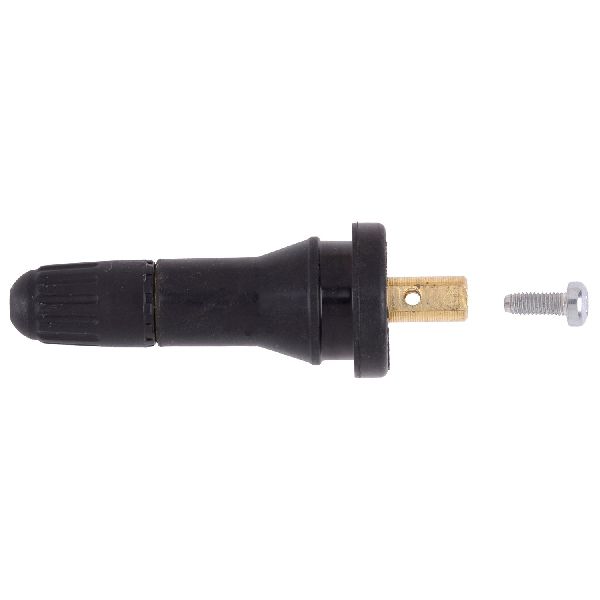
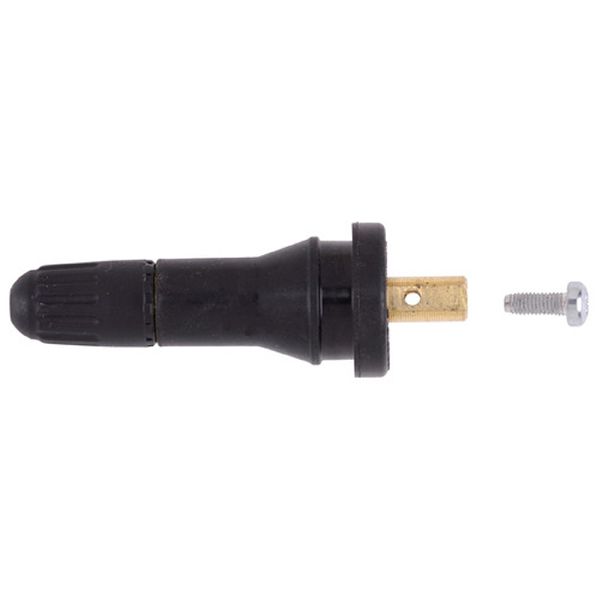
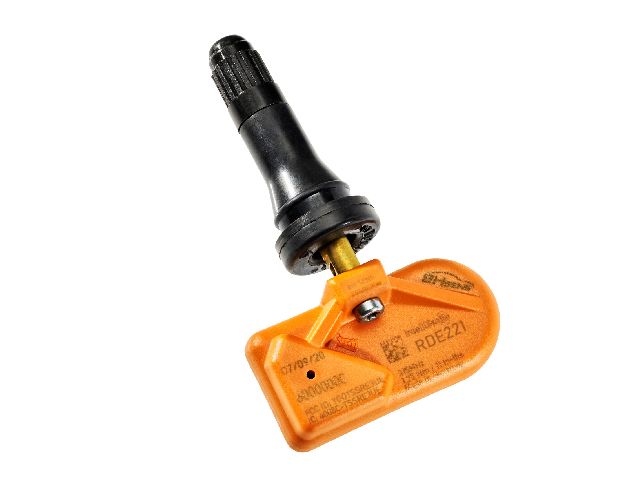
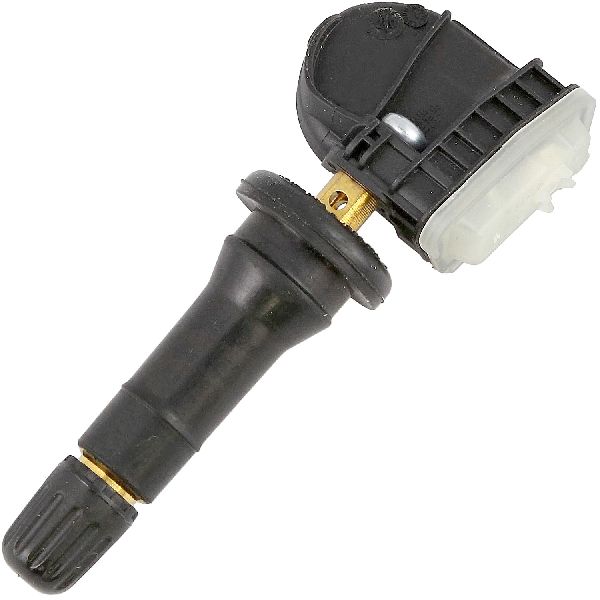
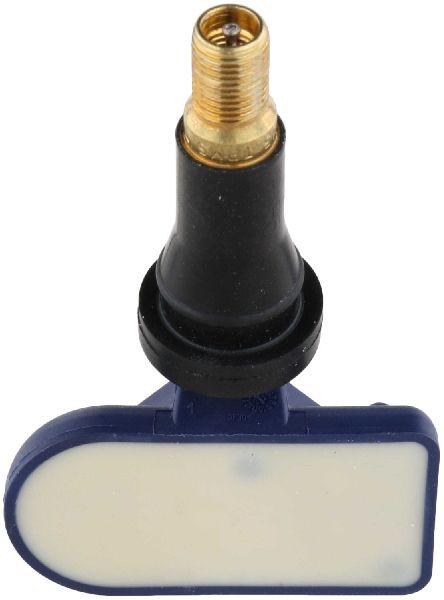
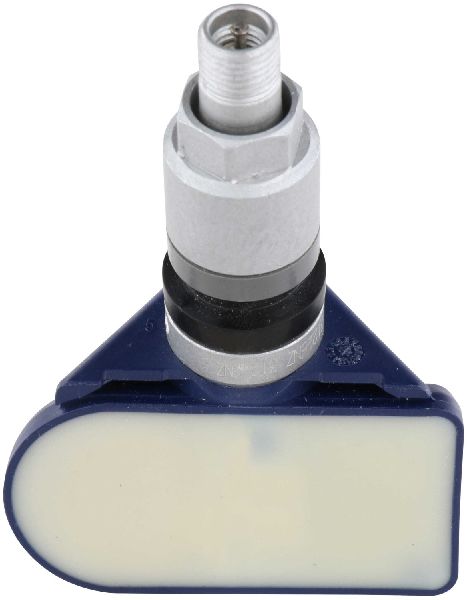
- Tire Pressure Monitoring System (TPMS) Sensor
(OEM #13598773 (433MHz, Gen 2), 13586335 (315MHz, Gen 1))— This is the most common failure point. The internal battery dies, requiring replacement of the entire sensor unit. Part number 13598773 is for 2016+ models with 433MHz frequency. Part number 13586335 or equivalent is for 2011-2016 models with 315MHz frequency.
Trusted brands: ACDelco, Schrader, Dorman, Bosch
OEM price range: $40-$60
Aftermarket price range: $25-$45 - Remote Control Door Lock Receiver (RCDLR)
(OEM #13595511 or 13503205 (Varies by year/options))— This module is the known cause when multiple TPMS codes appear and key fob functions fail simultaneously, as per TSB #16-NA-396. TSB #PIC5972A indicates different modules for cars with/without Passive Entry (PEPS), such as 13583332 (with PEPS) and 13503205 (without PEPS) for 2014-2015 models. TSB 16-NA-396 lists 13595511 as a replacement part for some applications. Always verify the correct part number by VIN.
Trusted brands: ACDelco, GM Genuine Parts
OEM price range: $50-$120
Aftermarket price range: $40-$90
Related Codes That Often Appear With This One
- C0750 — Fault in the Left Front TPMS sensor. Often appears with other TPMS codes when the RCDLR module is failing.
- C0755 — Fault in the Right Front TPMS sensor. Often appears with other TPMS codes when the RCDLR module is failing.
- C0765 — Fault in the Right Rear TPMS sensor. Often appears with other TPMS codes when the RCDLR module is failing.
- B3055 / B3060 — These are security/key-related codes that can appear alongside TPMS codes when there are communication issues involving the RCDLR and vehicle security system, as noted in TSB #PIC5650M.
Technical Service Bulletins (TSBs) & Recalls
- 16-NA-396: Links intermittent key fob operation and multiple TPMS codes (C0750, C0755, C0760, C0765) to an internal failure of the Remote Control Door Lock Receiver (RCDLR), recommending its replacement.
- PIC5650M: Notes that TPMS codes like C0760 can appear with security-related codes during no-start or start/stall conditions, sometimes related to RFI or key problems.
- 16-NA-061: Details how a disconnected RCDLR antenna can mimic a failed RCDLR module.
Platform-Specific Known Issues
- A known issue, documented in TSB #16-NA-396, points to internal failure of the Remote Control Door Lock Receiver (RCDLR) causing simultaneous failure of the key fobs and illumination of the TPMS light with multiple sensor codes set.
- A real-world owner experience shared on a Chevrolet forum highlights the diagnostic process: 'Rcdlr(controls key fobs and tpms) recently went bad. Just replaced the rcdlr and tpms immediately began working but my key fobs doesn't work.' This confirms that after a DIY replacement, the TPMS may function but the fobs still require professional programming to the new module.
Hidden / Shadow Codes Worth Checking
- C0760 with Symptom :29: Translates to 'Too Few Pulses'. This indicates the RCDLR is receiving an incomplete or corrupted data packet from the TPMS sensor. It points towards a weak sensor battery, radio interference, or a fault in the RCDLR's receiver circuitry, rather than a completely dead sensor. (see via GM GDS2 (Global Diagnostic System 2) or equivalent professional scan tool.)
- C0760 08: Indicates 'Signal Invalid'. This means the signal received from the sensor is present but not plausible or outside the expected range of values. (see via GM GDS2 (Global Diagnostic System 2) or equivalent professional scan tool.)
Scan Tool Commands That Help
- GDS2 / Tech 2: Module Setup / RCDLR Replacement — This function is required after physically replacing the RCDLR. It involves using the Service Programming System (SPS) to load the correct software and vehicle configuration into the new module.
- GDS2 / Tech 2: Copy/Paste TPM Information — Before removing the old RCDLR, this function saves the existing TPMS sensor IDs and tire type information to the scan tool. After installing the new RCDLR, the 'Paste' function writes this data to the new module, avoiding the need to perform a full TPMS relearn procedure.
- GDS2 / Tech 2: Theft Deterrent System Learn — After RCDLR replacement and programming, the vehicle's immobilizer system must be relearned to the new module. This is typically a 10 or 30-minute automated procedure initiated by the scan tool.
- J-46079 (or equivalent TPMS tool): Simulate Mode — To test the RCDLR independently of the actual wheel sensors. The tool simulates a perfect sensor signal, which is then 'learned' by the RCDLR. If the RCDLR fails to learn the simulated sensor, it confirms the RCDLR is faulty.
Wiring & Ground Locations
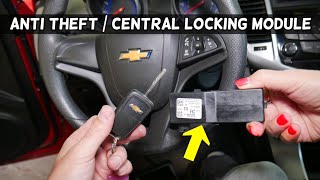
- RCDLR Module — On most Cruze models, the RCDLR is located behind the interior plastic cover at the base of the rearview mirror, attached to the windshield.. This is the central processing unit for both TPMS and key fob signals. Physical access is required for replacement or to test its connector for power, ground, and antenna continuity.
- RCDLR Antenna System — The system consists of a coax cable from the RCDLR to an antenna amplifier, which then connects to the antenna grid in the rear window glass.. A disconnection at the RCDLR, the amplifier, or the glass can cause symptoms identical to a failed RCDLR, such as multiple TPMS codes and poor key fob range. Checking these connections is a critical diagnostic step before module replacement.
- F27 (Underhood Fuse Block) — In the main fuse block in the engine bay.. This fuse provides power to the PEPS (Passive Entry, Passive Start) system, which is integrated with the RCDLR. A blown fuse will cause a loss of function.
- RCDLR Power and Ground Pins — At the main electrical connector of the RCDLR module.. A broken or corroded power or ground wire leading to the RCDLR will cause it to be completely inoperative, mimicking a failed module. Verifying battery voltage at the power pin and good continuity to ground at the ground pin is essential before condemning the module.
Real Owner Repair Stories
- Mechanic diagnosis video (similar GM vehicle) (2011 Chevrolet Silverado) — Key fobs do not work. Scan tool shows 'No Communication' with the RCDLR module.
❌ Tried (didn't work) Initially assumed the RCDLR module itself had failed and ordered a replacement.
✅ What actually fixed it Upon testing the connector before installing the new part, there was no power at the RCDLR. The mechanic traced the power wire and found a break/corrosion inside the wiring harness near the B-pillar. Repairing the broken wire restored power and fixed the issue without needing to replace the module. - Chevy HHR Network forum user (Chevrolet HHR (similar GM platform)) — Key fob only works intermittently and requires being very close to the car. The alarm goes off when using the physical key.
❌ Tried (didn't work) Considering RCDLR replacement., Replacing key fob batteries.
✅ What actually fixed it The user swapped the internal circuit board from a second, non-working fob into their primary fob's case. The fob then worked perfectly. The final diagnosis was worn-out conductive pads on the rubber keypad of the original fob, not a fault with the RCDLR or the fob's electronics.
OEM Part Supersession History
13595511→13540045— Part update/revision by manufacturer.13509517→13595510— Part update/revision for 315MHz systems.
Heads up: Part 13595510 is specified for 315MHz applications.
Model Year Variations Within This Range
- 2011-2016 (Gen 1) vs 2016.5-2018 (Gen 2): First generation models use a 315 MHz TPMS and RKE system, while second generation models use a 433 MHz system. The TPMS sensors and RCDLR module are not cross-compatible between generations due to the frequency difference.
- 2012 (after build date 9/26/11): A specific preliminary bulletin (PIC5604) was issued for 2012 models experiencing poor RKE range and TPMS dashes on the display. It recommended replacing the RCDLR with part number 13503205.
Helpful Videos
We Have This Part in Stock

The information in this article is provided for general reference and educational purposes only. Vehicle specifications, procedures, and part compatibility can vary by production date, trim level, and region. Always consult your vehicle's factory service manual and verify part numbers before purchasing or performing repairs. Safety-critical components such as airbags, seat belts, and braking systems should be installed by a qualified professional.
- Chevrolet CRUZE:
- 🎬 Helpful Videos
- 🛍️ Shop This Part
- What's Unique About the 2011-2018 Chevrolet CRUZE
- Diagnostic Flowchart
- Symptoms You May Notice
- Most Likely Causes
- Rare But Worth Checking
- Diagnosis Steps
- Parts You'll Likely Need
- Related Codes That Often Appear With This One
- Technical Service Bulletins (TSBs) & Recalls
- Platform-Specific Known Issues
- Hidden / Shadow Codes Worth Checking
- Scan Tool Commands That Help
- Wiring & Ground Locations
- Real Owner Repair Stories
- OEM Part Supersession History
- Model Year Variations Within This Range
- 🎟️ Get 5% Off