

C0760 on 2010-2016 Cadillac SRX: TPMS Fault, Causes, and Fixes
Code C0760 on a 2010-2016 Cadillac SRX indicates a fault with the Left Rear Tire Pressure Monitoring System (TPMS) sensor, meaning its signal has not been received. The most common cause is a dead battery in the sensor itself. However, if accompanied by key fob issues, multiple TPMS codes, or no-start problems, the Remote Control Door Lock Receiver (RCDLR) is the likely culprit, a known issue addressed by GM TSB 16-NA-396.
- C0760 means there is a fault with the left rear TPMS sensor.
- The most common fix is replacing the sensor due to a dead battery.
- If you also have key fob problems or a 'no remote detected' message, the problem is likely the Remote Control Door Lock Receiver (RCDLR), not the sensor.
- Always check for other trouble codes; their presence can help you distinguish between a simple sensor failure and a more complex module issue.
- After replacing a sensor, a TPMS relearn procedure must be performed.
What's Unique About the 2010-2016 Cadillac SRX

On this generation of Cadillac SRX and other GM platforms, the Tire Pressure Monitoring System is integrated with the Remote Control Door Lock Receiver (RCDLR). This single module handles signals from both the TPMS sensors and your key fobs. A failure in the RCDLR can cause a bizarre combination of symptoms, including TPMS codes like C0760, key fob problems (intermittent or total failure), and even no-start conditions with the security light on. This exact scenario is documented in GM Technical Service Bulletins like #PIC5650M and #16-NA-396.
Diagnostic Flowchart
Tap your situation to follow the diagnostic path that matches what you're seeing on this vehicle.
Symptoms You May Notice

- "Service Tire Monitor System" message on the Driver Information Center (DIC).
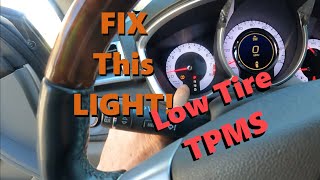
- TPMS warning light is on (may flash for one minute at startup, then stay solid).
- DIC displays dashes (---) for the left rear tire pressure.
- Inability to complete the TPMS relearn procedure.
- Key fob works intermittently or not at all (lock/unlock/remote start).
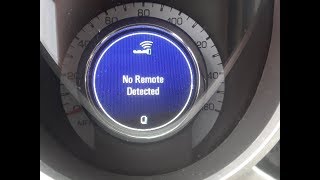
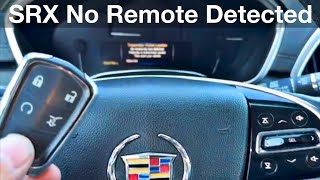
- "No Remote Detected" message when trying to start the vehicle. 🎬 Watch: How to start your car with a dead remote
- No-start or start-and-stall condition with the security light illuminated (as noted in TSB PIC5650M).
- Passive entry system inoperative.
- Reduced range for the key fob.
- Replacing only the TPMS sensor when the root cause is the RCDLR. If key fob issues or multiple TPMS codes are also present, the RCDLR should be investigated first to avoid unnecessary expense and a repeat repair.
- Replacing the RCDLR without first checking for RF interference from aftermarket devices, which can mimic a module failure.
Most Likely Causes

- Failed Left Rear TPMS Sensor 🔴 High Probability TPMS sensors contain a non-replaceable battery with a finite lifespan, typically 7-10 years. Vehicles in this 2010-2016 range are at or beyond the expected end-of-life for their original sensors.
How to confirm: Use a TPMS diagnostic tool to attempt to activate the sensor. If it doesn't respond, or if a scan tool shows a 'low battery' status for the sensor, it has failed. This is the most likely cause if C0760 appears alone with no key fob issues.
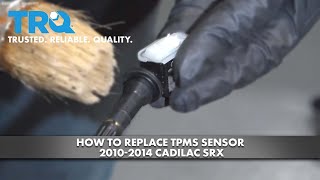
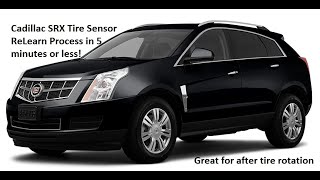
Typical fix: Replace the left rear TPMS sensor and perform the TPMS relearn procedure. 🎬 See this walkthrough of the tire sensor relearn process
Est. part cost: $25-$75 - Failing Remote Control Door Lock Receiver (RCDLR) 🟡 Medium Probability This is a well-documented failure on several GM platforms from this era. The RCDLR module can fail internally, causing a loss of communication with both TPMS sensors and key fobs. TSB #16-NA-396 and PI1085 directly address this failure mode, recommending RCDLR replacement.
How to confirm: If C0760 is present along with other TPMS codes (C0750, C0755, C0765) and/or key fob issues and security-related codes (B3055, B3060), the RCDLR is the primary suspect. A professional scan tool can check for communication with the RCDLR.
Typical fix: Replace the RCDLR module. This part is located in the rear of the vehicle, often behind the driver's side D-pillar trim panel, and requires programming to the vehicle by a dealer or a properly equipped independent shop.
Est. part cost: $80-$200 - Radio Frequency (RF) Interference ⚪ Low Probability Aftermarket electronic devices, such as cheap phone chargers, dash cams, LED lighting, or even toll passes, can emit RF noise that jams the 315 MHz or 433 MHz signals used by the TPMS sensors and key fobs. TSB PIC5650M specifically calls out checking for these devices.
How to confirm: Unplug all aftermarket accessories from the power outlets and move them away from the vehicle. Clear the codes and see if the problem disappears. If it does, plug devices back in one by one to find the culprit.
Typical fix: Remove or replace the interfering device.
Est. part cost: $0
Rare But Worth Checking
- Body Control Module (BCM) Failure: While less common than an RCDLR failure, the BCM processes the data from the RCDLR. A failing BCM can cause a wide range of electrical issues, including TPMS faults. This is usually accompanied by numerous other seemingly unrelated trouble codes.
- Wiring or Antenna Connector Issue: Corrosion or a disconnected coaxial cable for the RCDLR antenna can cause intermittent communication loss. TSB 16-NA-061 and PIT5446A describe how a disconnected antenna can cause TPMS codes and poor key fob range. The connection should be checked at the RCDLR module, the antenna amplifier, and the antenna itself (often in the right rear quarter glass) before replacing modules.
Diagnosis Steps
- Verify tire pressures manually with a quality gauge to rule out an actual low-pressure situation.
- Scan all vehicle modules for DTCs. Note if other TPMS codes (C0750, C0755, C0765) or security/key fob codes (B3055, B3060) are present.
- Observe symptoms. Are there any key fob range or passive entry issues? If yes, suspect the RCDLR or RF interference.
- Check for and unplug all aftermarket electronic devices (phone chargers, dash cams, etc.) to eliminate RF interference as a cause. Clear codes and retest.
- Using a TPMS activation tool, attempt to read the data from the left rear sensor. Check its reported battery status, pressure, and temperature.
- If the sensor does not respond or shows a low battery, replace the sensor. This is the most likely fix for an isolated C0760 code.
- If the sensor responds but the code persists, or if multiple TPMS/key fob issues are present, inspect the RCDLR and its antenna connections in the rear of the vehicle.
- If a new sensor cannot be learned by the vehicle using the standard relearn procedure, this strongly points to a faulty RCDLR.
- If the RCDLR is suspected, replacement and programming by a professional is the final step.
Parts You'll Likely Need
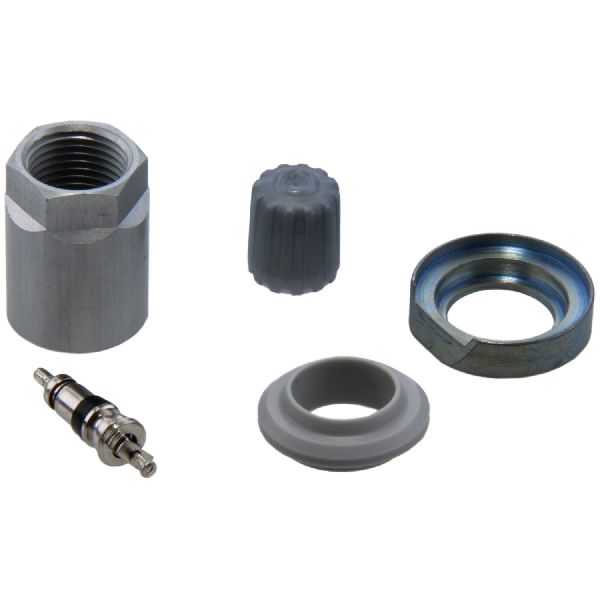
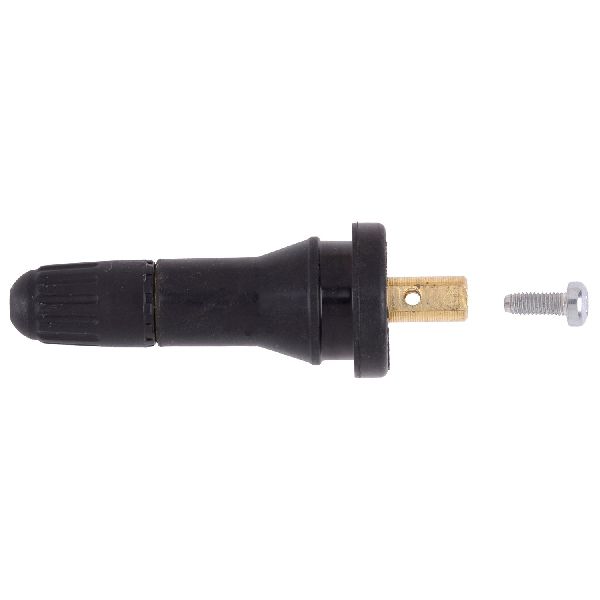
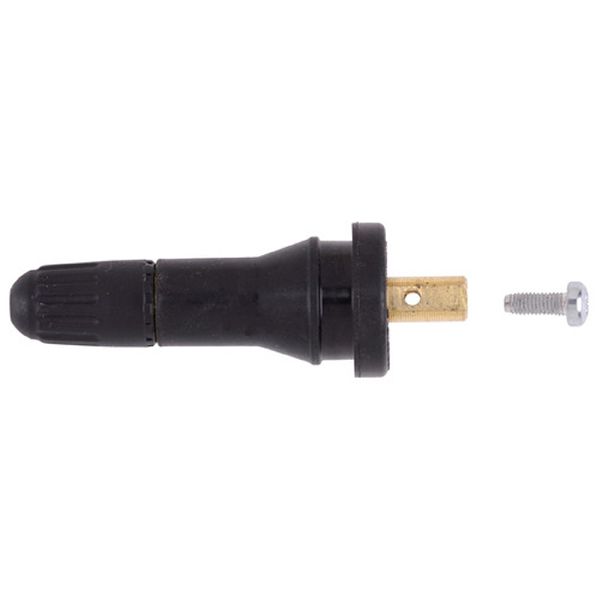
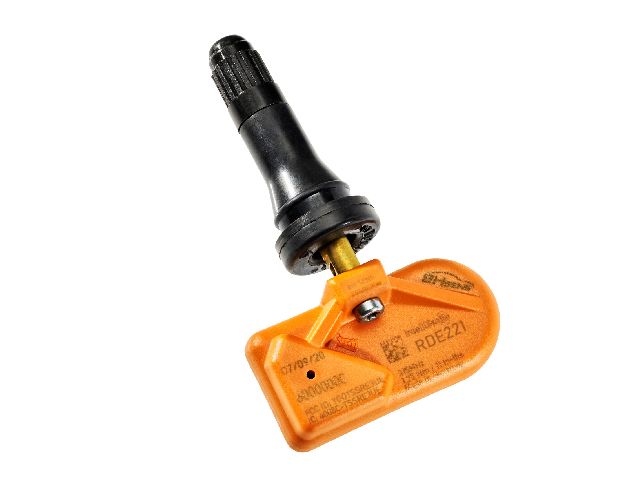
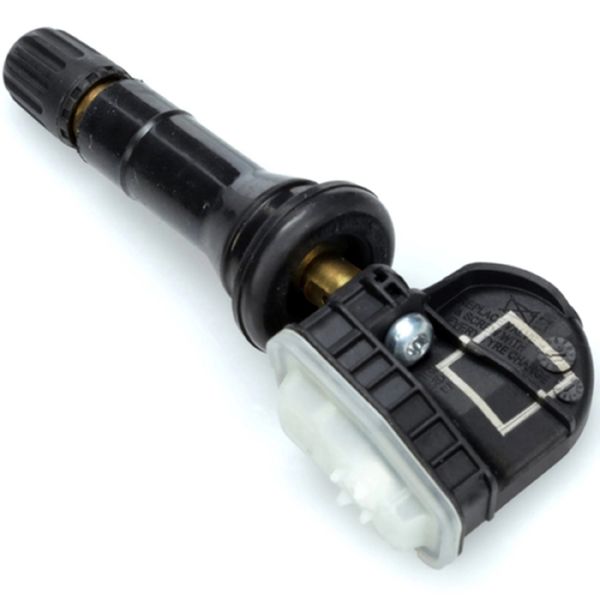
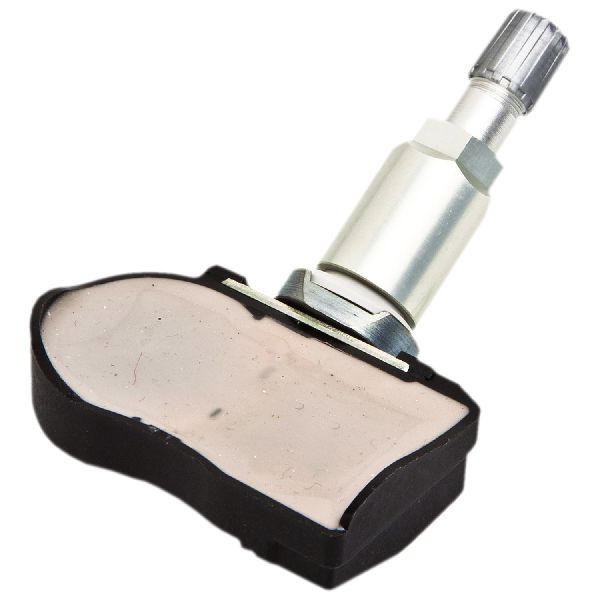
- Tire Pressure Monitoring System (TPMS) Sensor
(OEM #13598773 (superseded by 86363053, also see 13540602 for kit))— The internal battery fails with age, making this the most common cause of a single-wheel TPMS fault. The original part 13598773 has been superseded multiple times.
Trusted brands: ACDelco (GM OE), Schrader, Continental
OEM price range: $40-$70
Aftermarket price range: $25-$50 - Remote Control Door Lock Receiver (RCDLR)
(OEM #22868115 (Note: TSB 16-NA-396 lists replacement P/N 13595511 for some applications))— This module is a known failure point and is responsible for receiving signals from both TPMS sensors and key fobs. Its failure explains the combination of TPMS codes, key fob issues, and security light/no-start problems. Part number may vary; TSB 16-NA-396 lists 13595511 as a replacement for a similar issue.
Trusted brands: ACDelco (GM OE)
OEM price range: $80-$150
Aftermarket price range: $60-$120
Related Codes That Often Appear With This One
- C0750, C0755, C0765 — These are the corresponding TPMS fault codes for the other three wheels (LF, RF, RR). When multiple or all of these codes appear together, it strongly suggests a problem with the common receiver (RCDLR) rather than multiple simultaneous sensor failures.
- B3055, B3060 — These are key-related and vehicle security codes. Their presence alongside C0760 points to a fault in a module that handles both the immobilizer system and TPMS, which is the RCDLR. This is confirmed by TSB PIC5650M.
Technical Service Bulletins (TSBs) & Recalls
- PIC5650M: Warns that RF interference from aftermarket devices (chargers, LEDs) can cause a no-start, security light, and TPMS codes like C0760.
- 16-NA-396: Directly addresses intermittent key fob operation and a full set of TPMS codes (C0750-C0765) caused by an internal failure of the RCDLR, recommending its replacement.
- PI1085: Covers poor key fob range and TPMS codes on various 2012-2013 GM v
Platform-Specific Known Issues
- A known issue, documented in TSB PIC5650M, links TPMS codes like C0760 with no-start or start/stall conditions and security light illumination, pointing towards a broader electrical or module communication problem, often caused by RF interference.
- Failure of the RCDLR module is a common cause for a cluster of TPMS codes (C0750, C0755, C0760, C0765) appearing simultaneously, often accompanied by key fob malfunctions, as detailed in TSB 16-NA-396.
- The RCDLR antenna coaxial cable can become disconnected, leading to symptoms that mimic a failed RCDLR module, such as multiple TPMS codes and poor key fob range. This is detailed in TSB 16-NA-061.
Scan Tool Commands That Help

- Tech2 / GDS2 (with TIS2WEB subscription): Replace and Reprogram ECU — This function is required when replacing the RCDLR. It flashes the new module with the vehicle's specific software and allows it to communicate with the BCM and other systems.
- Tech2 / GDS2: RKE Transmitter Programming — After installing a new RCDLR, this function must be used to learn the existing key fobs to the new module.
- Tech2 / GDS2: TPM Sensor Learn — After RCDLR replacement or TPMS sensor replacement, this procedure is used to teach the vehicle the unique ID of each tire sensor.
- Tech2 / GDS2: Theft Deterrent System Learn — Replacing the RCDLR can disrupt the immobilizer system. This relearn procedure (either 10 or 30 minutes) is necessary to re-sync the security components of the vehicle.
Wiring & Ground Locations
- RCDLR Module — Behind the trim panel in the left rear of the cargo area, near the D-pillar. It is often mounted to a bracket in that vicinity.. This is the receiver for the left rear TPMS sensor signal. Physical access is needed to check its connections or replace the module, which is a common cause of C0760 when combined with key fob issues.
- G401 — Behind the left rear seat back or on the left rear body panel. GM's numbering scheme places '400' series grounds in the rear of the vehicle.. The RCDLR and other rear-body electronics rely on a solid ground connection. A corroded or loose G401 can cause intermittent signal loss from the TPMS sensors and key fobs, mimicking a failed RCDLR module.
- G402 — Rear of the left rear shock tower on the D-pillar, or on the right rear body panel. Its exact location can vary slightly by year.. Similar to G401, this is another critical ground point in the rear of the vehicle. Poor connection at G402 can lead to a host of electrical issues in the rear, including TPMS and remote entry faults.
- RCDLR Fuses — Check the instrument panel (interior) and rear compartment fuse blocks. Specific fuse numbers can be F17 or F24 in the rear block, but consult the owner's manual for the exact location for your model year.. A blown fuse will cut all power to the RCDLR, causing all TPMS sensors and key fobs to stop communicating simultaneously. This is a simple but crucial check before condemning the module.
Real Owner Repair Stories
- CorvetteForum user (2005 Chevrolet Corvette (similar GM RCDLR system)) — "No fob detected" message, but the car would start every time after giving a light tap on the dash near the RCDLR location.
❌ Tried (didn't work) Re-pinning the module's electrical connectors.
✅ What actually fixed it The underlying cause was identified as a cold solder joint on the RCDLR's circuit board for the header pins. The permanent fix is to remove the module, open its case, and re-solder the header pin connections on the board. - Chevy HHR Network user (Chevrolet HHR (similar GM RCDLR system)) — Remote start, door locks, and tire pressure readings gradually got weaker over two years. The key fob range was severely reduced, requiring the user to be right next to the door.
❌ Tried (didn't work) Replacing key fobs twice., Replacing key fob batteries more than three times.
✅ What actually fixed it The issue was diagnosed by a dealer as a failing RCDLR module. The ultimate fix is the replacement and programming of the RCDLR module.
Model Year Variations Within This Range
- 2015: While most 2010-2016 SRX models use a 315 MHz frequency for their TPMS sensors, a small number of 2015 models were equipped with 433 MHz sensors. It is critical to verify the correct frequency before purchasing replacement sensors, as the wrong frequency will not be recognized by the RCDLR.
- 2012-2016: For models from 2012 onwards, the TPMS relearn procedure may not work by simply letting air out of the tires. A dedicated electronic TPMS activation tool is often required to trigger the sensors during the relearn process. Pre-2012 models are more likely to respond to the inflation/deflation method.
Helpful Videos
We Have This Part in Stock

The information in this article is provided for general reference and educational purposes only. Vehicle specifications, procedures, and part compatibility can vary by production date, trim level, and region. Always consult your vehicle's factory service manual and verify part numbers before purchasing or performing repairs. Safety-critical components such as airbags, seat belts, and braking systems should be installed by a qualified professional.
- Cadillac SRX:
- 🎬 Helpful Videos
- 🛍️ Shop This Part
- What's Unique About the 2010-2016 Cadillac SRX
- Diagnostic Flowchart
- Symptoms You May Notice
- Most Likely Causes
- Rare But Worth Checking
- Diagnosis Steps
- Parts You'll Likely Need
- Related Codes That Often Appear With This One
- Technical Service Bulletins (TSBs) & Recalls
- Platform-Specific Known Issues
- Scan Tool Commands That Help
- Wiring & Ground Locations
- Real Owner Repair Stories
- Model Year Variations Within This Range
- 🎟️ Get 5% Off