

C0760 on 2013-2020 Buick Encore: Left Rear TPMS Sensor Fault Causes & Fixes
Code C0760 on a 2013-2020 Buick Encore indicates a fault with the Left Rear Tire Pressure Monitoring System (TPMS) sensor. The most common cause is a dead internal battery, requiring sensor replacement. A new sensor costs around $25-$75. In some cases, this code can be linked to a no-start condition or a faulty central receiver module if other TPMS codes are present.
- C0760 specifically points to a fault with the TPMS sensor in the LEFT REAR tire.
- The most common fix is to replace the sensor because its internal battery has died (5-10 year lifespan).
- Sensor replacement is not a simple DIY job as it requires a tire machine and a mandatory TPMS relearn tool to program the new sensor.
- If you also have key fob problems or multiple TPMS codes, the issue could be the RCDLR module, not the sensor.
- Do not rule out this TPMS code as a cause for a no-start or stalling problem, as it is a documented possibility on this platform, often due to RFI from aftermarket electronics.
What's Unique About the 2013-2020 Buick ENCORE
While a TPMS code seems minor, on the Buick Encore and related GM platforms, it can be linked to more severe symptoms. A GM Technical Service Bulletin (TSB #PIC5650M) documents that TPMS faults, including C0760, can cause a surprising no-start or start-and-stall condition with the security light on. This is often due to radio frequency interference from aftermarket devices like phone chargers or LED lights, which can disrupt the signal between the sensor and the car's modules. Additionally, if multiple TPMS codes appear with key fob issues, another TSB (16-NA-396) points to a failure of the Remote Control Door Lock Receiver (RCDLR) module, not the sensors themselves.
Diagnostic Flowchart
Tap your situation to follow the diagnostic path that matches what you're seeing on this vehicle.
Generation note: This range covers the entire first generation of the Buick Encore. A significant facelift occurred for the 2017 model year, but the underlying 315 MHz direct TPMS system, this code's meaning, and its potential causes remain the same for all 2013-2020 models. The North American models use a 315 MHz frequency, while some export models may use 433 MHz.
Symptoms You May Notice
- Tire Pressure Monitoring System (TPMS) warning light flashing for 60-90 seconds on startup, then staying solid.
- "Service Tire Monitor System" message in the Driver Information Center (DIC).
- The pressure reading for the left rear tire shows dashes (--) instead of a number.
- In some cases, the vehicle may not start or may stall immediately after starting, possibly with the security warning light on.
- Poor key fob range or intermittent function of remote lock/unlock.
- Replacing the Body Control Module (BCM) when only a single TPMS sensor has failed.
- Replacing the battery or ignition switch for a no-start condition without first checking for chassis codes like C0760, as noted in TSB PIC5650M.
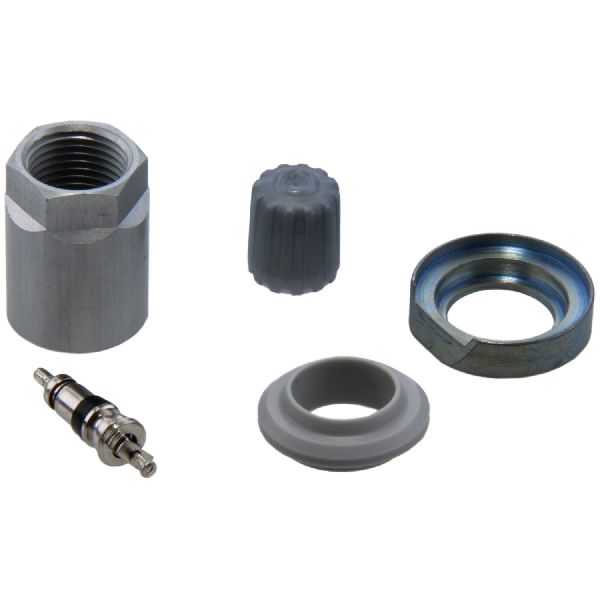
- Replacing a TPMS sensor when the actual problem is a slow leak from a failed valve stem seal (service kit).
Most Likely Causes
- Dead TPMS Sensor Battery 🔴 High Probability TPMS sensors use internal, non-replaceable batteries with a finite lifespan of 5-10 years. Vehicles in the 2013-2020 range are now at an age where battery failure is the most common cause of sensor failure.
How to confirm: Use a TPMS diagnostic tool to attempt to read the sensor. If the tool shows a 'low battery' status or cannot get any signal at all while other sensors respond, the sensor has failed. A dealer-level scanner like a GDS2 may show a specific symptom byte for low battery.
Typical fix: Replace the left rear TPMS sensor and perform the TPMS relearn procedure using a compatible tool.
Est. part cost: $25-$75 - Damaged TPMS Sensor 🟡 Medium Probability Sensors can be damaged during tire service (mounting/dismounting) or from road impacts like hitting a pothole. Using unapproved tire sealants can also clog and ruin the sensor.
How to confirm: A visual inspection after dismounting the tire may reveal physical damage. A TPMS tool will show no signal from the sensor. A slow leak from the valve stem area may also indicate a damaged seal, which is part of the sensor assembly or service kit.
Typical fix: Replace the damaged left rear TPMS sensor and its service kit (valve stem, grommet, nut, and core).
Est. part cost: $25-$75
Rare But Worth Checking
- Faulty Remote Control Door Lock Receiver (RCDLR): This is a strong possibility if you have multiple TPMS codes (C0750, C0755, C0765) set at the same time, especially if you are also experiencing issues with your key fobs 🎬 Watch: How to use the hidden key slot if no remote is detected. (e.g., 'No Remote Detected' message, poor range). GM TSB 16-NA-396 directly addresses this issue, which is caused by an internal failure of the RCDLR module. The module is located behind the driver's side rear quarter trim panel.
- Radio Frequency Interference (RFI): TSB PIC5650M warns that aftermarket electronics, such as phone chargers, dash cams, and especially aftermarket LED bulbs, can emit radio frequencies that 'jam' the TPMS and key fob signals. If the issue is intermittent, try unplugging all non-factory devices before suspecting parts failure.
- Disconnected RCDLR Antenna: A less common but possible cause, detailed in TSB 16-NA-061, is a disconnected coaxial antenna cable leading to the RCDLR. This can cause intermittent loss of signal from the sensors furthest from the receiver, such as the left front and left rear. This would typically also cause poor key fob range.
Diagnosis Steps
- Verify tire pressures in all four tires with a quality gauge and adjust to the specification on the driver's door jamb sticker. A solid TPMS light indicates low pressure, while a flashing light indicates a system fault.
- Scan the system for codes. Confirm C0760 is present. Note any other TPMS (C0750, C0755, C0765) or BCM/security codes (B3055, B3060). Check for symptom bytes with a GDS2 or equivalent scanner for more detail.
- Test the key fob functions (lock, unlock, remote start). If they are intermittent or not working, and multiple TPMS codes are present, suspect the RCDLR per TSB 16-NA-396.
- If symptoms are intermittent, remove all aftermarket electronic devices (phone chargers, dash cams, LED bulbs) from the vehicle and re-test to rule out Radio Frequency Interference (RFI) as per TSB PIC5650M.
- Using a TPMS diagnostic tool, attempt to activate and read the left rear sensor. This can confirm if the sensor is transmitting and check its internal battery status, pressure, and temperature readings.
- If the tool gets no response from the left rear sensor but reads the others, the sensor has failed and needs to be replaced.
- If the sensor responds but the code persists, attempt a TPMS relearn procedure as described in the owner's manual, which requires a specific TPMS activation tool (e.g., EL-50448).
- If the code returns after a successful relearn, the sensor is internally faulty and requires replacement.
- If you experience a no-start condition with code C0760, reference TSB PIC5650M, as the TPMS fault may be the root cause.
Parts You'll Likely Need
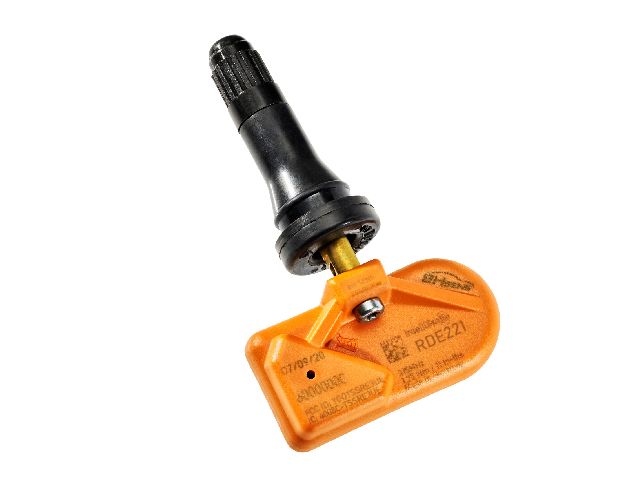
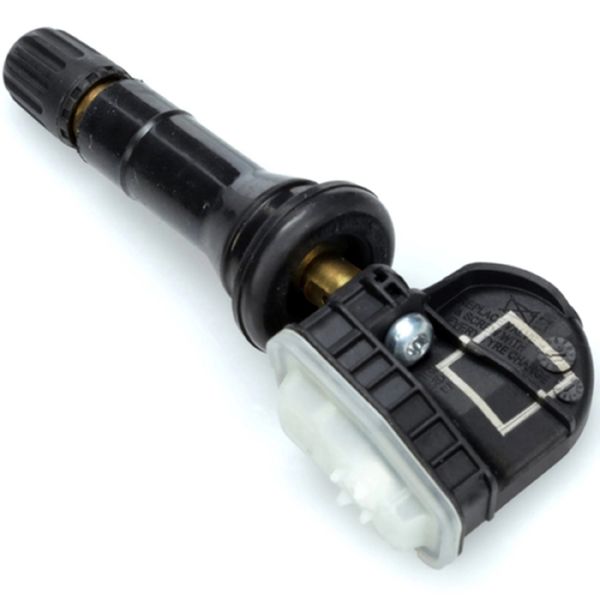
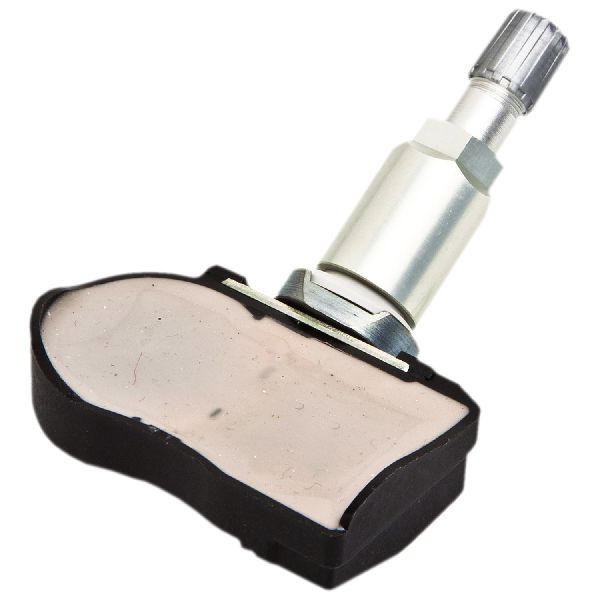
- Tire Pressure Monitoring System (TPMS) Sensor
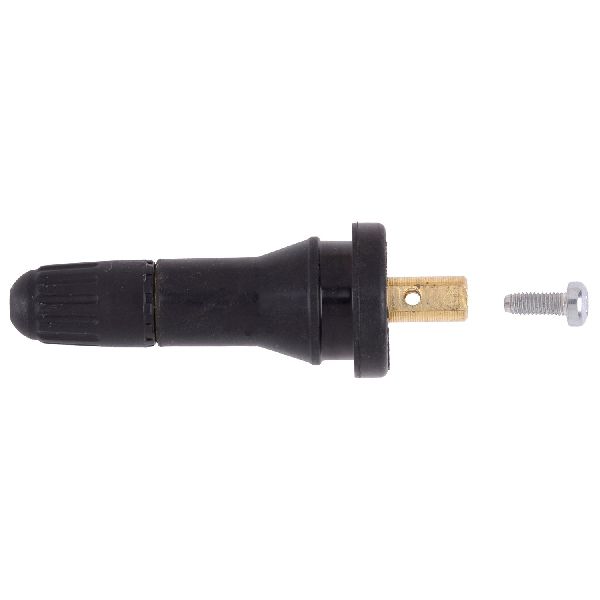
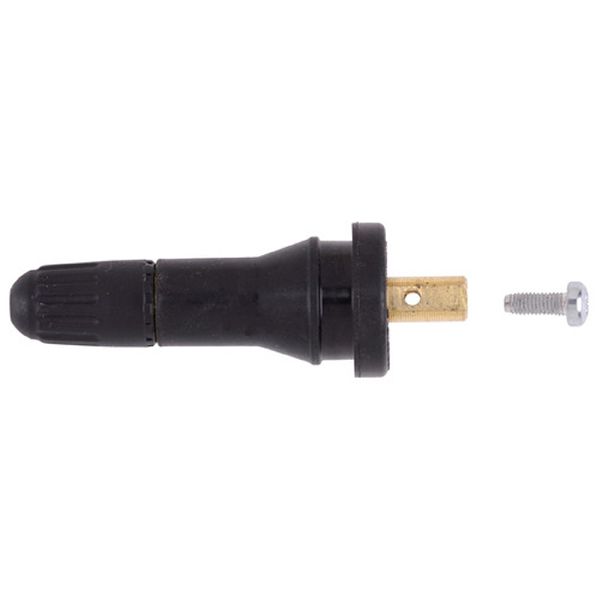
(OEM #13598773)— This is the complete sensor and valve stem unit. The internal battery is not serviceable, so the entire sensor must be replaced when the battery dies after its 5-10 year lifespan. This part is the direct GM OE replacement for North American models (315 MHz).
Trusted brands: ACDelco (OEM), Schrader (Often the OEM manufacturer), Standard Motor Products (SMP), VDO/Continental
OEM price range: $50-$75
Aftermarket price range: $25-$50
Related Codes That Often Appear With This One
- C0750, C0755, C0765 — These are the codes for the other three wheel sensors. If they appear with C0760, it strongly suggests a central problem like a faulty RCDLR module or RFI rather than four sensors failing simultaneously.
- B3055, B3060 — These are security and key-related codes. TSB PIC5650M notes they can appear with TPMS codes during a no-start or start-stall event, pointing to a complex interaction between the TPMS, BCM, and immobilizer systems, often triggered by RFI.
Technical Service Bulletins (TSBs) & Recalls
- PIC5650M: Notes that a no-start or start-stall concern with the security light on can be caused by various DTCs, including C0760. It strongly points to Radio Frequency Interference (RFI) from aftermarket devices as a primary cause.
- 16-NA-396: Addresses intermittent key fob operation and multiple TPMS codes (including C0760) caused by an internal failure of the Remote Control Door Lock Receiver (RCDLR). Specifies replacement of the RCDLR module.
- 16-NA-061: Details how a disconnected RCDLR antenna or coax cable can cause intermittent TPMS and key fob issues, often showing up as faults on sensors farthest from the receiver.
Platform-Specific Known Issues
- A known issue, documented in TSB PIC5650M, links this TPMS code to a potential no-start or start-stall condition, which can be misleading for diagnostics. This is often caused by RFI from aftermarket accessories.
- Another documented issue, per TSB 16-NA-396, is the failure of the RCDLR module, which can cause multiple TPMS codes to set simultaneously along with key fob malfunctions.
- The TPMS system on the Encore requires a specific relearn tool after sensor replacement; it will not relearn automatically just by driving. Some owners report success with the manual air-release method, but it is not universally effective across all GM models.
Mechanic-Grade Diagnostic Values
- TPMS Sensor Battery Status — expected: OK. Failure: A 'Low' or 'N/A' status on a TPMS diagnostic tool indicates the sensor needs replacement.
- Key Fob Battery Voltage — expected: 3.0 Volts. Failure: Less than 2.75 Volts. This can cause 'No Remote Detected' messages, which can be confused with RCDLR failure.
Hidden / Shadow Codes Worth Checking
- C0760 00: Indicates a general failure where the sensor has not transmitted for a set period (e.g., 18 minutes) or has a low battery condition. (see via GM GDS2 (Global Diagnostic System 2) or equivalent professional scan tool.)
- C0760 08: Indicates 'Signal Invalid'. The RCDLR is receiving a signal, but the data is not plausible or is outside the expected range. (see via GM GDS2 (Global Diagnostic System 2) or equivalent professional scan tool.)
- C0760 29: Indicates 'Too Few Pulses'. The RCDLR is receiving an incomplete or corrupted data packet. This often points to a weak sensor battery, RFI, or a fault in the RCDLR's receiver circuitry. (see via GM GDS2 (Global Diagnostic System 2) or equivalent professional scan tool.)
Scan Tool Commands That Help
- GDS2: TPMS Data Display — To view live data from each TPMS sensor, including its unique ID, pressure, temperature, and battery status. This helps confirm if a sensor is transmitting correctly.
- GDS2: Remote Control Door Lock Receiver > Module Information — To check the part number and software numbers for the RCDLR, which is useful when diagnosing a module failure or checking for required software updates.
- EL-50448 or equivalent: TPMS Relearn Procedure — Required after replacing a TPMS sensor or rotating tires to make the vehicle learn the new sensor IDs and their positions. The tool is used to activate each sensor sequentially after putting the vehicle in learn mode.
Wiring & Ground Locations
- RCDLR Module — Behind the driver's side rear quarter trim panel in the cargo area.. This is the receiver for all TPMS sensor signals. A failure of this module or its connections will cause TPMS codes, often for multiple wheels simultaneously.
- G303 — On the left (driver's side) B-pillar, behind the trim panel.. This is a primary ground point for multiple components, including the Remote Control Door Lock Receiver (RCDLR). A loose or corroded G303 ground can cause intermittent RCDLR and TPMS operation.
- RCDLR Antenna — The antenna is typically a coaxial cable that runs from the RCDLR module. Its placement is critical for receiving signals.. A disconnected or damaged antenna, as noted in TSB 16-NA-061, can cause weak or no signal from the TPMS sensors, particularly those farthest from the module.
Real Owner Repair Stories
- Go-Parts article citing a Chevrolet forum (Chevrolet Cruze (shares platform and RCDLR with Encore)) — TPMS light on, key fobs not working.
❌ Tried (didn't work) Initial diagnosis pointed towards TPMS sensors.
✅ What actually fixed it The owner replaced the Remote Control Door Lock Receiver (RCDLR). After replacement, the TPMS system began working immediately, but the key fobs required professional programming to the new module.
OEM Part Supersession History
13598773→86363053— Standard part lifecycle update by GM.
Heads up: Both part numbers refer to the 315 MHz sensor for North American vehicles and should be compatible. Always verify the part with the vehicle's VIN.N/A→13595511— This is the part number for the RCDLR module specified in TSB 16-NA-396 for vehicles experiencing simultaneous TPMS and key fob failures.
Heads up: This module must be programmed to the vehicle by a dealer or a qualified shop with access to GM's SPS (Service Programming System).
Model Year Variations Within This Range
- 2013-2020: While the core TPMS system remained the same, the RCDLR module itself may have had internal revisions or software updates over the years to improve reliability. TSB 16-NA-396, issued in late 2016, suggests a known failure point was addressed with a replacement part (13595511).
Helpful Videos
We Have This Part in Stock

The information in this article is provided for general reference and educational purposes only. Vehicle specifications, procedures, and part compatibility can vary by production date, trim level, and region. Always consult your vehicle's factory service manual and verify part numbers before purchasing or performing repairs. Safety-critical components such as airbags, seat belts, and braking systems should be installed by a qualified professional.
- Buick ENCORE:
- 🎬 Helpful Videos
- 🛍️ Shop This Part
- What's Unique About the 2013-2020 Buick ENCORE
- Diagnostic Flowchart
- Symptoms You May Notice
- Most Likely Causes
- Rare But Worth Checking
- Diagnosis Steps
- Parts You'll Likely Need
- Related Codes That Often Appear With This One
- Technical Service Bulletins (TSBs) & Recalls
- Platform-Specific Known Issues
- Mechanic-Grade Diagnostic Values
- Hidden / Shadow Codes Worth Checking
- Scan Tool Commands That Help
- Wiring & Ground Locations
- Real Owner Repair Stories
- OEM Part Supersession History
- Model Year Variations Within This Range
- 🎟️ Get 5% Off