

C0760 on 2008-2015 Buick Enclave: TPMS Fault Causes and Fixes
Code C0760 on a 2008-2015 Buick Enclave indicates a fault with the left rear Tire Pressure Monitoring System (TPMS) sensor. The most common cause is a dead battery in the sensor, requiring replacement. If key fob and other TPMS codes are present, the Remote Control Door Lock Receiver (RCDLR) is the likely culprit, a known issue on this platform.
- C0760 on a Buick Enclave means a problem with the left rear TPMS sensor.
- The most common cause is a dead sensor battery, especially on vehicles over 7 years old.
- If your key fobs are also acting up, the problem is more likely the Remote Control Door Lock Receiver (RCDLR) module, not the sensor.
- Replacing a sensor requires a tire shop to dismount the tire. It's wise to replace all four sensors at once to save on future labor costs.
- If the RCDLR is replaced, it must be programmed by a shop with GM-specific software.
What's Unique About the 2008-2015 Buick ENCLAVE
On the Buick Enclave and its GM Lambda platform mates (like the Chevrolet Traverse, GMC Acadia, and Saturn Outlook), the Tire Pressure Monitoring System (TPMS) is integrated with the keyless entry and vehicle security systems. All of these signals are processed by a single module: the Remote Control Door Lock Receiver (RCDLR). This integration means a failing RCDLR can cause a cascade of seemingly unrelated issues, such as multiple TPMS codes (including C0760), inoperative key fobs, and even no-start conditions with the security light on, as documented in TSB #PIC5650M.
Diagnostic Flowchart
Tap your situation to follow the diagnostic path that matches what you're seeing on this vehicle.
Generation note: The 2008-2015 year range covers the first generation of the Buick Enclave. A facelift occurred in 2013, but the underlying TPMS and RCDLR architecture remained fundamentally the same, so the causes and fixes are consistent across this entire range. This issue is also common on its platform mates from the same era.
Symptoms You May Notice
- "Service Tire Monitor System" message on the Driver Information Center (DIC).
- TPMS warning light is flashing for about a minute, then stays on solid after startup.
- Pressure reading for the left rear tire shows dashes (---) on the DIC.
- Inability to complete the TPMS relearn procedure.
- Intermittent or non-functional key fobs (if the RCDLR is the cause).
- Security light on with a no-start or stalling condition (rare, but possible if the RCDLR fails, as noted in TSB PIC5650M).
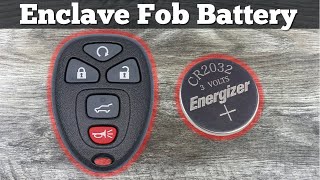
- Replacing only the TPMS sensor when the key fobs are also malfunctioning. 🎬 Try this: How to replace your key fob battery first If both systems are failing, the RCDLR module is the more probable cause.
- Replacing all four TPMS sensors when the RCDLR is at fault. If the relearn procedure fails for all sensors, or the system loses memory after being turned off, suspect the RCDLR.
Most Likely Causes
- Dead TPMS Sensor Battery 🔴 High Probability TPMS sensor batteries have a finite lifespan of 7-10 years. Vehicles in the 2008-2015 range are at or beyond the typical end-of-life for the original sensors. A low battery condition in the sensor is a specific trigger for this code.
How to confirm: Use a TPMS activation tool (like an EL-50448 for GM) to try and trigger the sensor. If the tool cannot get a response, the sensor is almost certainly dead. A professional scan tool can also directly read the battery status from the RCDLR data list or see a specific symptom code like C0760 03 (Left Rear Tire Pressure Sensor Low Voltage), which is the most definitive method.
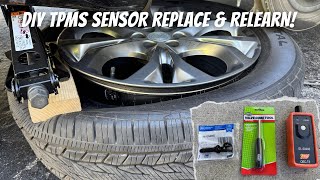
Typical fix: Replace the left rear TPMS sensor. 🎬 Watch: How to replace a TPMS sensor without a tire machine It is highly recommended to replace all four sensors at the same time to avoid future repeat repairs, as the other batteries are likely near failure as well. After replacement, a TPMS relearn procedure must be performed.
Est. part cost: $30-$70 per sensor - Failed Remote Control Door Lock Receiver (RCDLR) 🟡 Medium Probability This module is a known failure point on this GM platform. It processes signals from both TPMS sensors and key fobs, so its failure affects both systems. Forum users on Chevy HHR and other GM forums report similar failure patterns.
How to confirm: This is the most likely cause if you have multiple TPMS codes (e.g., C0750, C0755, C0760, C0765) and/or your key fobs are working intermittently or not at all. A scan tool may reveal symptom code :29 (Too Few Pulses) for all sensors, pointing to the receiver. A temporary reset by disconnecting the battery may restore function, further indicating a failing module.
Typical fix: Replace the RCDLR module. The new module must be programmed to the vehicle using GM-specific software (Tech 2 or GDS2), which typically requires a dealer or a well-equipped independent shop. The cost for programming alone can range from $100 to $375.
Est. part cost: $80-$150 - Damaged TPMS Sensor ⚪ Low Probability Sensors can be damaged during tire service (mounting/dismounting) or from road impacts. Using unapproved tire sealants can also clog the sensor's pressure port.
How to confirm: Visual inspection after dismounting the tire. The sensor may be physically broken or missing. The issue will typically appear immediately after a tire service.
Typical fix: Replace the damaged TPMS sensor and perform the relearn procedure.
Est. part cost: $30-$70
Rare But Worth Checking
- Radio Frequency (RF) Interference: Aftermarket electronic devices like phone chargers, dash cams, or remote start systems can sometimes emit RF interference that blocks the RCDLR from receiving signals from the TPMS sensors or key fobs. TSB #PIC5650M specifically mentions this as a possible cause for a cluster of security and TPMS codes. The diagnostic procedure in service manuals advises checking for these devices.
- RCDLR Memory Loss: A user on a GM truck forum reported an issue where the RCDLR would 'forget' the TPMS sensor IDs after the vehicle was turned off. The key fobs continued to work correctly. The fix was not to replace the module, but to use a bi-directional scan tool to rewrite the tire type and pressure settings to the RCDLR, which restored its memory.
- Corroded or Loose RCDLR Antenna Connection: On some GM platforms, the RCDLR uses a coaxial cable to connect to an external antenna. This connection, either at the module itself or at the antenna amplifier, can become loose or corroded, causing weak or no signal reception. This often affects key fob range as well as TPMS reception. TSB 16-NA-061 for other GM models suggests inspecting these connections before replacing the RCDLR.
Diagnosis Steps
- Check the tire pressure in the left rear tire manually to rule out an actual low-pressure situation.
- Use a professional scan tool to read the codes and view live data from the RCDLR. Check for codes from other TPMS sensors and any security-related codes. Look for specific symptom bytes like :03 (low battery) or :08 (invalid signal).
- Test the function of all key fobs. Note if they work intermittently or only close to the vehicle.
- If C0760 is the only code and the key fobs work correctly, use a TPMS activation tool to test the left rear sensor. If it fails to respond, the sensor is bad.
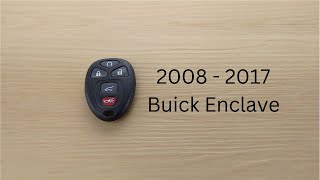
- If the sensor responds to the tool, attempt a TPMS relearn procedure. This can be initiated on many Enclaves by pressing the lock and unlock buttons on the key fob simultaneously 🎬 See this video for a tool-free TPMS relearn walkthrough until the horn chirps.
- If the relearn fails for the single sensor, or if multiple TPMS codes and key fob issues are present, the diagnosis should focus on the RCDLR module and its wiring/power supply.
- Check for and temporarily unplug any aftermarket electronics (phone chargers, dash cams) that could be causing RF interference and see if the issue resolves.
- If the RCDLR is suspected, a temporary reset can sometimes be achieved by disconnecting the vehicle's battery for 15-30 minutes. If this restores function, it further points to a failing RCDLR.
Parts You'll Likely Need
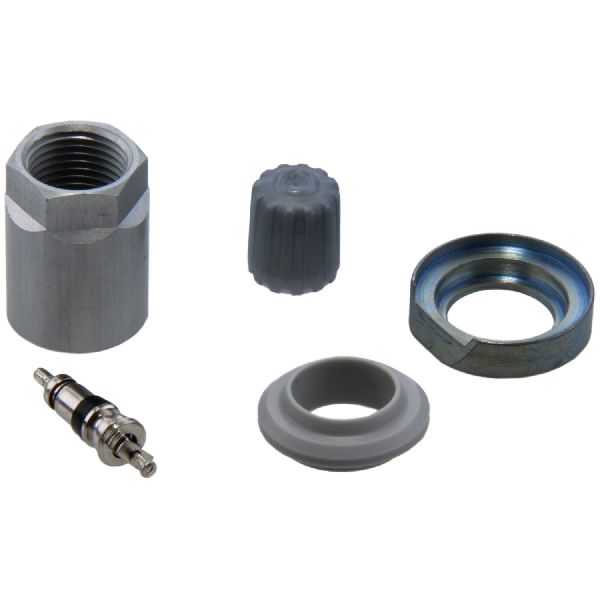
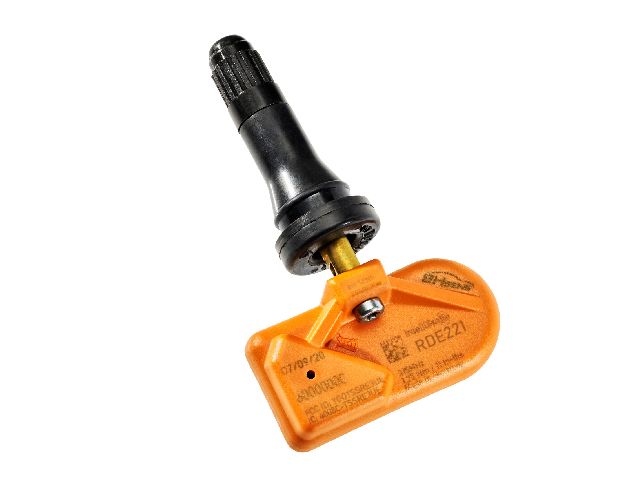
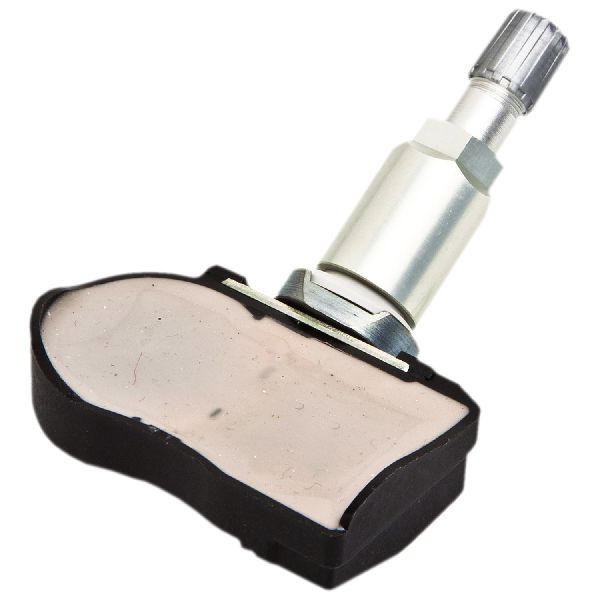
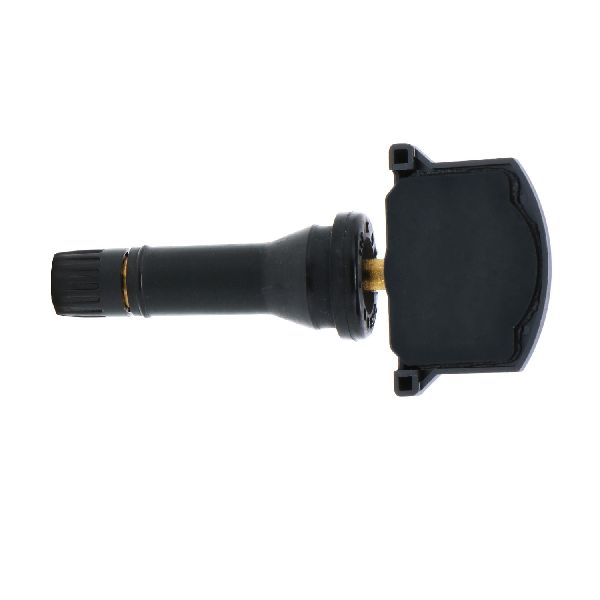
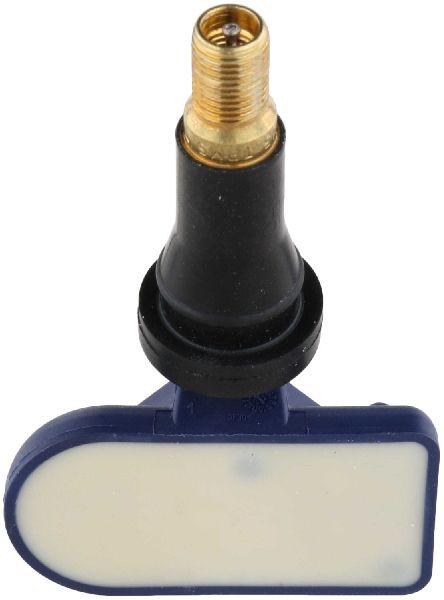
- Tire Pressure Monitoring System (TPMS) Sensor
(OEM #13598773 (superseded by 13540606, 84961888, and others))— This is the most common failure due to the sensor's internal battery dying after 7-10 years of service. Part numbers for GM sensors are frequently superseded.
Trusted brands: ACDelco, Schrader, Dorman, Standard Motor Products
OEM price range: $50-$80
Aftermarket price range: $30-$60 - Remote Control Door Lock Receiver (RCDLR)
(OEM #23445319 (may vary by year and specific options))— This module is the second most likely cause, especially if multiple TPMS codes are set or if key fob issues are also present. It is a known failure point on the platform.
Trusted brands: ACDelco
OEM price range: $80-$150
Aftermarket price range: $60-$120
Related Codes That Often Appear With This One
- C0750, C0755, C0765 — These are the codes for the other three TPMS sensors. When they appear together, it strongly suggests a failure of the common receiver (RCDLR) rather than all four sensors failing simultaneously.
- B3055, B3060 — These are security codes related to the key transponder. As noted in TSB PIC5650M, they can appear alongside TPMS codes when there is an issue with the RCDLR or significant RF interference.
Technical Service Bulletins (TSBs) & Recalls
- PIC5650M: Mentions that C0760 can be found with security codes like B3055 and B3060 during a no-start or stall condition, potentially caused by a faulty module or RF interference.
Platform-Specific Known Issues
- RCDLR Module Location: On the Buick Enclave and its Lambda platform mates, the RCDLR module is typically located behind the interior trim panel in the rear of the vehicle. On the Enclave, it is often found mounted vertically behind the passenger side cargo area trim panel or near the center of the rear headliner trim. Access requires removing several interior panels.
- TSB PIC5650M: A known issue, documented in TSB #PIC5650M, involves TPMS codes like C0760 appearing with security-related codes (B3055, B3060) and a no-start condition. This points to a broader issue with the RCDLR or RF interference, not just a simple sensor fault.
Mechanic-Grade Diagnostic Values
- RCDLR Power Supply Voltage — expected: 9-16 Volts with ignition on.. Failure: Voltage below 9V or 0V indicates a power supply issue to the module (e.g., blown fuse, broken wire).
- RCDLR Fuse — expected: On related GM platforms like the HHR, the RCDLR is powered by a fuse labeled "RDO" in the Body Control Module (BCM) or interior fuse panel.. Failure: A blown fuse will result in no power to the RCDLR, causing no communication with TPMS sensors and key fobs.
Hidden / Shadow Codes Worth Checking
- C0760 03: Left Rear Tire Pressure Sensor Low Voltage. This is a specific code indicating the sensor's internal battery is failing or has died. (see via GM GDS2 or a professional scan tool capable of reading GM-specific symptom bytes.)
- C0760 08: Left Rear Low Tire Pressure Sensor Signal Invalid. The RCDLR is receiving a signal, but the data is corrupted or nonsensical. This can point to RF interference or an internal sensor fault. (see via GM GDS2 or a professional scan tool capable of reading GM-specific symptom bytes.)
- C0760 29: Left Rear Tire Pressure Sensor Too Few Pulses. This indicates a reception issue at the RCDLR. If seen for all four tires, it strongly points to a faulty RCDLR module per TSB 16-NA-396 on other GM models. (see via GM GDS2 or a professional scan tool capable of reading GM-specific symptom bytes.)
Scan Tool Commands That Help
- GDS2: Module Diagnostics > Remote Control Door Lock Receiver > Configuration/Reset Functions > Add/Replace Key Fobs — This function is used to program new or existing key fobs to a new or existing RCDLR module.
- GDS2: Module Diagnostics > Remote Control Door Lock Receiver > Data Display — Used to view live data from the TPMS sensors, including sensor ID, pressure, temperature, and battery status (if available), which helps confirm if a sensor is transmitting correctly.
- GDS2 / Tech2Win: Tire Pressure Monitor Learn — This service function initiates the TPMS relearn procedure after replacing a sensor or the RCDLR. It guides the technician to activate each sensor in sequence to register their new positions with the vehicle's computer.
- GDS2: RCDLR Setup/Programming — When a new RCDLR is installed, it must be programmed with the vehicle's VIN and configuration. This 'marries' the new module to the BCM and security system, a necessary step for it to function.
Wiring & Ground Locations
- RCDLR Module — Typically located in the rear of the vehicle. On the Enclave, it is often found behind the passenger-side cargo area trim panel or under the rear portion of the headliner.. This is the receiver for the TPMS signal. A loose power, ground, or antenna connection at this module will cause a loss of signal and set code C0760.
- G301 — Located behind the left kick panel, near the floor.. This is a major ground point for the Body Control Module (BCM). Since the BCM works in conjunction with the RCDLR to process TPMS data, a poor ground at G301 can cause a wide range of communication errors, potentially including TPMS faults.
- RCDLR Connector — The main electrical connector on the RCDLR module itself.. A technician must test for battery voltage and ground at this connector to confirm the module is receiving power before condemning the unit. A pinout diagram shows Pin 1 is typically Battery Positive Voltage and Pin 8 is Ground. A separate coaxial connector for the antenna may also be present.
Real Owner Repair Stories
- Reddit user m500sesp on r/MechanicAdvice (2014 Buick Enclave) — Key fobs and TPMS not working after replacing the Remote Control Door Lock Receiver (RCDLR).
❌ Tried (didn't work) Replacing the RCDLR module., Attempting to program new key fobs using a professional aftermarket scan tool (Maxisys). The tool indicated programming was successful, but the fobs would not operate the door locks.
✅ What actually fixed it The user concluded that GM-specific software (like GDS2) is required to perform a setup procedure that 'marries' the new RCDLR to the car's main computer. The aftermarket tool could perform the 'learn' function but not the initial module setup/security handshake. - Chevy HHR Network forum user (2011 Chevy HHR (similar GM platform)) — Key fobs gradually lost range and eventually stopped working. Rear TPMS sensors were not reporting.
❌ Tried (didn't work) Replacing key fob batteries multiple times., Replacing all four TPMS sensors.
✅ What actually fixed it The problem was a failing RCDLR module. The user was initially told by a dealer that the part was unavailable and they wouldn't install an aftermarket one. The forum confirmed that an aftermarket RCDLR could be installed, but it would require programming with a proper scan tool to match the fobs to the new module.
Model Year Variations Within This Range
- 2008: Service manual information for the 2008 model year on the related HHR platform suggests the RCDLR may be located in the front of the vehicle, unsnapped from the roof front header panel. Later models, including the Enclave, consistently place it in the rear cargo or headliner area. While this is for a different vehicle, it highlights that early Lambda platform vehicles could have variations.
Helpful Videos
We Have This Part in Stock


The information in this article is provided for general reference and educational purposes only. Vehicle specifications, procedures, and part compatibility can vary by production date, trim level, and region. Always consult your vehicle's factory service manual and verify part numbers before purchasing or performing repairs. Safety-critical components such as airbags, seat belts, and braking systems should be installed by a qualified professional.
- Buick ENCLAVE:
- 🎬 Helpful Videos
- 🛍️ Shop This Part
- What's Unique About the 2008-2015 Buick ENCLAVE
- Diagnostic Flowchart
- Symptoms You May Notice
- Most Likely Causes
- Rare But Worth Checking
- Diagnosis Steps
- Parts You'll Likely Need
- Related Codes That Often Appear With This One
- Technical Service Bulletins (TSBs) & Recalls
- Platform-Specific Known Issues
- Mechanic-Grade Diagnostic Values
- Hidden / Shadow Codes Worth Checking
- Scan Tool Commands That Help
- Wiring & Ground Locations
- Real Owner Repair Stories
- Model Year Variations Within This Range
- 🎟️ Get 5% Off