

C0755 on 2007-2014 GMC Yukon: Right Front TPMS Fault Causes and Fixes
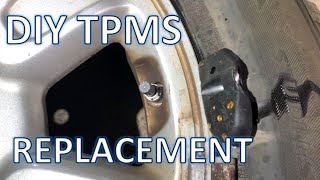
Code C0755 on a 2007-2014 GMC Yukon almost always means the battery in the right front tire pressure sensor (TPMS) has died. The fix is to replace the sensor and perform a relearn procedure. Expect to pay $40-$80 for a new sensor. It's highly recommended to replace all four sensors at once if they are original, as the others will likely fail soon.
- C0755 means the right front tire pressure sensor has failed.
- The most common reason for failure is an expired internal battery, typically after 7-10 years.
- The fix is to replace the sensor in the right front wheel and perform a TPMS relearn procedure, which can be done without special tools.
- If you also have key fob problems, the issue could be the Remote Control Door Lock Receiver (RCDLR) or RF interference, not the sensor itself.
- It's wise to consider replacing all four sensors at once if the vehicle is over 8 years old, as the others are likely to fail soon.
What's Unique About the 2007-2014 Gmc YUKON
The GMT900 platform, which includes the 2007-2014 Yukon, uses a straightforward TPMS system where the sensors communicate wirelessly with the Remote Control Door Lock Receiver (RCDLR). While sensor failure is common across all makes, on these trucks, it's important to know that the RCDLR also handles key fob functions. In rare cases, a failing RCDLR, its wiring, or a loose antenna connection can set TPMS codes for multiple wheels (including C0755), along with causing keyless entry and starting problems, which can be a confusing diagnosis. The RCDLR module is typically located behind the interior trim in the driver's side rear quarter panel, in the D-Pillar.
Diagnostic Flowchart
Tap your situation to follow the diagnostic path that matches what you're seeing on this vehicle.
Symptoms You May Notice
- TPMS warning light on the dashboard (may flash for one minute at startup, then stay solid).
- "Service Tire Monitor System" message on the Driver Information Center (DIC).
- The pressure reading for the right front tire shows as "--" on the DIC.
- In some cases, the system may lose track of all sensor positions after the vehicle is turned off and on again, which can point to an RCDLR memory issue.
- Replacing the Body Control Module (BCM) when the issue is a simple dead sensor. Always diagnose the individual sensor first.
- Assuming a tire is low when the TPMS light is on. A solid TPMS light after flashing indicates a system fault, not necessarily low pressure.
- Replacing only one sensor on an older vehicle. The other original sensors are likely to fail shortly after, leading to repeated repairs.
Most Likely Causes
- Dead TPMS Sensor Battery 🔴 High Probability TPMS sensor batteries are not rechargeable and have a finite lifespan, typically 7-10 years. For the 2007-2014 model years, many original sensors are now at or beyond the end of their service life, making battery failure the most common cause. Owners on forums frequently report sensors failing around the 8-12 year mark.
How to confirm: Use a TPMS diagnostic tool to attempt to read the sensor's signal and battery status. If the tool cannot get a reading, or explicitly shows a low/dead battery, the sensor has failed. A scan tool can also verify a sensor low battery condition in the BCM data list.
Typical fix: Replace the right front TPMS sensor and perform the TPMS relearn procedure. It is highly recommended to replace all four sensors at the same time, as the others have batteries of the same age and are likely to fail soon.
Est. part cost: $40-$80 - Damaged TPMS Sensor 🟡 Medium Probability Sensors can be easily damaged during tire changes if the technician is not careful, by major pothole impacts, or from using unapproved tire sealants that clog the sensor's pressure port. Corrosion, especially in regions that use road salt, can also damage the sensor or its valve stem.
How to confirm: Visual inspection of the sensor after dismounting the tire. Look for physical cracks, corrosion, or sealant contamination. The damage is often obvious once the tire is off the wheel.
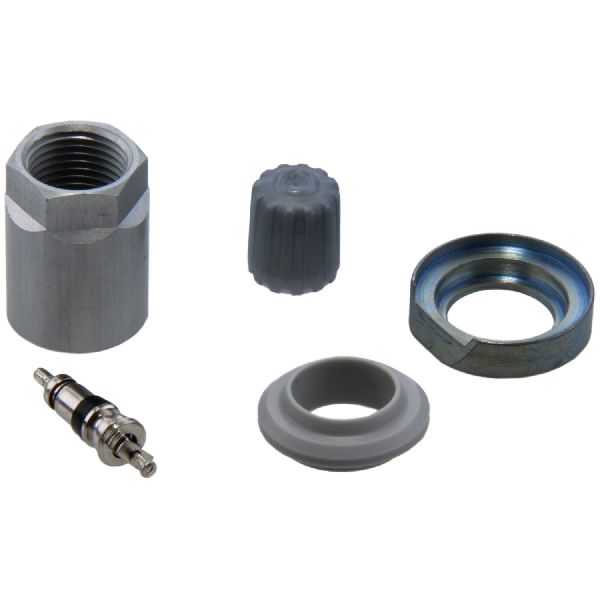
Typical fix: Replace the damaged right front TPMS sensor and perform the relearn procedure. In cases of valve stem corrosion only, a reCore TPMS stem repair kit may be used to avoid replacing the entire sensor.
Est. part cost: $40-$80
Rare But Worth Checking
- Faulty Remote Control Door Lock Receiver (RCDLR): This is a rare cause, but worth considering if you are also experiencing issues with your key fobs (e.g., "No Remote Detected" message) or have codes for multiple TPMS sensors (C0750, C0755, C0760, C0765). The RCDLR processes signals from both the TPMS sensors and the key fobs. A TSB (#PIC5650M) notes that a faulty module can cause a cluster of seemingly unrelated codes, including C0755 and no-start conditions. Forum users have reported that broken wiring to the RCDLR or a loose antenna coax cable can also cause these symptoms. In some cases, the RCDLR can lose its memory, requiring reprogramming. A replacement RCDLR requires programming with a GM-specific tool like a Tech 2.
- Radio Frequency (RF) Interference: Aftermarket electronic devices like dash cams, phone chargers (especially those plugged into USB or 12V sockets), and aftermarket LED lighting can sometimes interfere with the 315 MHz TPMS sensor signals, preventing the RCDLR from receiving them correctly. TSB PIC5650M specifically calls out these devices as potential sources of RFI that can cause TPMS and key fob issues.
Diagnosis Steps
- Verify the code with an OBD-II scanner capable of reading Chassis (C) codes.
- Use a dedicated TPMS tool to try and activate the right front sensor. The tool will confirm if the sensor is transmitting a signal and often shows its battery status (OK/Low/Dead). If the sensor does not respond, it has failed and needs replacement.
- If the sensor responds to the tool but the code persists, attempt a TPMS relearn procedure. On these Yukons, this can often be initiated without a tool.
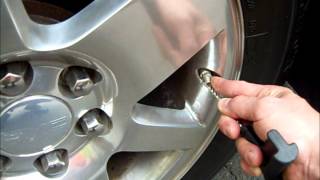
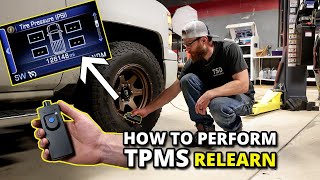
- Tool-Free Relearn Method: Turn the key to 'ON' (engine off). Press and hold the lock and unlock buttons on the key fob simultaneously until the horn chirps twice and the DIC displays 'TIRE LEARNING ACTIVE'. Starting with the left front tire, let air out for about 5-10 seconds until the horn chirps once. The vehicle's turn signal for the next tire (right front) will illuminate. Repeat the process for the right front, right rear, and left rear tires in that order. A double horn chirp signals the process is complete. 🎬 See a demonstration of the GM TPMS relearn procedure in action. Remember to re-inflate all tires to the correct pressure afterward.
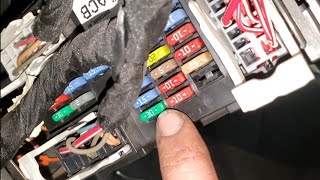
- If the relearn procedure fails, or if multiple TPMS codes are present along with key fob issues, inspect the Remote Control Door Lock Receiver (RCDLR) and its antenna connections in the driver's side rear quarter panel for loose connections or damage. A disconnected coax cable at the RCDLR 🎬 Watch: Troubleshooting a combined TPMS and keyless entry failure. or antenna amplifier module is a known issue that can cause codes for the front tires first.
- Check for and temporarily unplug any aftermarket 12V accessories (phone chargers, dash cams) to rule out Radio Frequency Interference.
Parts You'll Likely Need
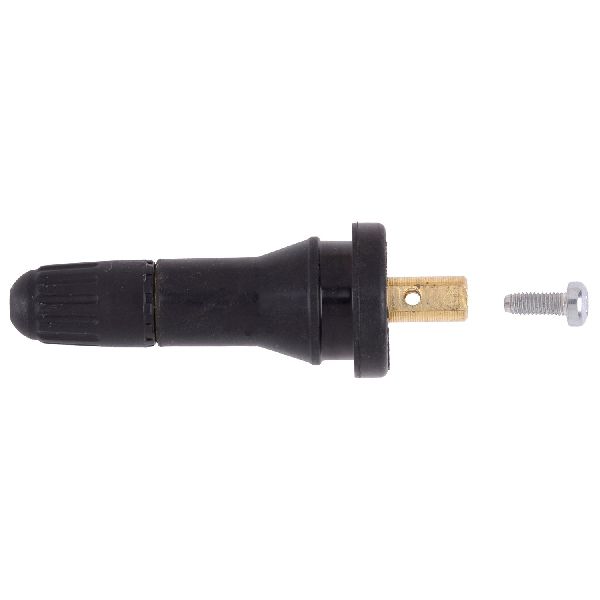
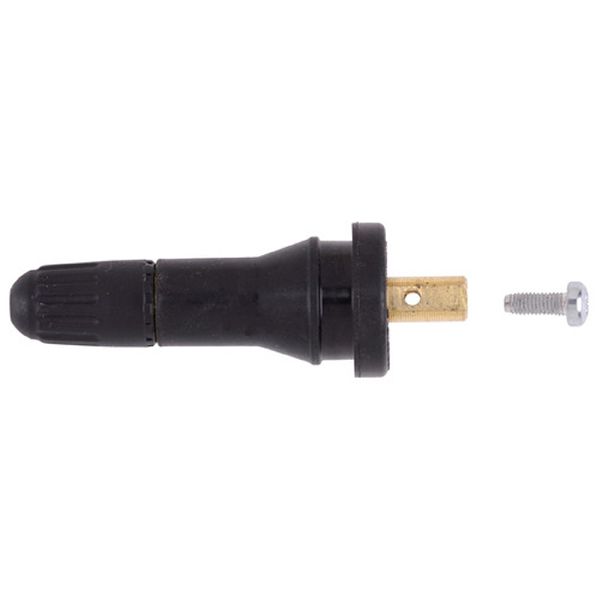
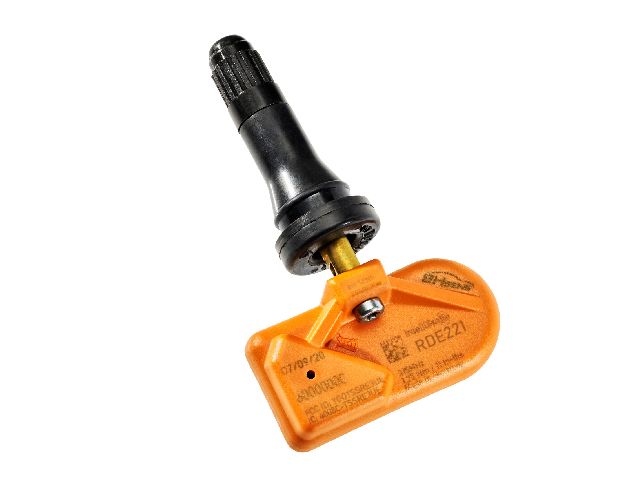
- Tire Pressure Monitoring System (TPMS) Sensor
(OEM #13598772)— This is the component that fails, usually due to its internal, non-serviceable battery expiring after 7-10 years. This part number is a common OE replacement. Other numbers for this platform include 20923680 and 13586335, which may have been superseded by 13598772 or 13540600. Always verify fitment with the vehicle's VIN.
Trusted brands: ACDelco (OEM), Schrader, Denso, Dorman
OEM price range: $50-$90
Aftermarket price range: $35-$70
Related Codes That Often Appear With This One
- C0750 — Left Front Tire Pressure Sensor fault. Often set when multiple sensor batteries die around the same time.
- C0760 — Left Rear Tire Pressure Sensor fault. Often set when multiple sensor batteries die around the same time.
- C0765 — Right Rear Tire Pressure Sensor fault. Often set when multiple sensor batteries die around the same time.
- B3055 — Key Not Present. As per TSB #PIC5650M, this can appear with C0755 if the underlying cause is a faulty Remote Control Door Lock Receiver (RCDLR) or significant RF interference.
Technical Service Bulletins (TSBs) & Recalls
- PIC5650M: (And its revisions like PIC5650K/C) Mentions C0755 in a group of codes (B3055, C0750, C0760, etc.) that can appear with a no crank/no start, or key fob issues. It strongly points towards Radio Frequency Interference (RFI) from aftermarket devices like phone chargers and LED lights as a primary cause to investigate before replacing modules.
- Unnumbered TSB/Service Document: Another GM document details how a disconnected coax cable for the RCDLR antenna can cause TPMS codes for the sensors furthest from the receiver (like the front tires) and poor key fob range.
- 16-NA-061: While for later models, this TSB details how a disconnected RCDLR coax cable or antenna amplifier can cause TPMS codes (C0750, C0755, etc.) and key fob issues. It notes that a disconnect closer to the RCDLR will cause more severe symptoms.
- PI1085: For 2012-2013 models, this bulletin advises replacing the RCDLR module if poor key fob range is present along with TPMS DTCs like C0755.
Platform-Specific Known Issues
- The original equipment TPMS sensors on the 2007-2014 Yukon have a non-serviceable battery. When the battery dies, the entire sensor must be replaced.
- A tool-free relearn procedure is available, which is convenient for DIYers. It involves using the key fob and deflating each tire in sequence until the horn honks, a feature not present on all vehicles.
Mechanic-Grade Diagnostic Values
- TPMS Sensor Radio Frequency — expected: 315 MHz. Failure: N/A. Using an incorrect frequency (e.g., 433 MHz) sensor will result in a no-communication fault.
- Scan Tool RCDLR Data — expected: With a Tech 2 or similar scan tool, navigate to the RCDLR data display. It should show the ID, pressure, and battery status for each learned sensor.. Failure: A sensor showing "--" for pressure or "Low" for battery status indicates a failed sensor. If all sensors show no data and key fob issues are present, the RCDLR or its antenna is suspect.
Hidden / Shadow Codes Worth Checking
- C0755 with symptom byte: GM often uses 2-digit symptom bytes (e.g., C0755 00, C0755 08, C0755 39) that are visible on a dealer-level scan tool. These specify the fault type, such as 'Sensor Transmissions Not Received', 'Signal Invalid', or 'Sensor Low Battery Condition'. (see via GM Tech 2, GDS2, or a high-end professional scan tool capable of reading manufacturer-specific codes and data.)
Scan Tool Commands That Help
- GM Tech 2 / GDS2: TPMS Data Display — Use this function to view live data from each TPMS sensor, including its unique ID, reported pressure, and battery status. This is the primary step to confirm if a specific sensor is dead or if the entire system is offline.
- GM Tech 2 / GDS2: RCDLR Module Setup / Programming — This function is required after replacing the Remote Control Door Lock Receiver (RCDLR). The new module must be programmed to the vehicle to recognize the existing key fobs and TPMS sensors.
- GM Tech 2 / GDS2: TPMS Relearn Procedure — This is an alternative to the manual (deflate tire) relearn method. It guides the technician through the process of activating each sensor with a TPMS tool (like an EL-50448) to learn their positions to the RCDLR.
Wiring & Ground Locations
- RCDLR (Remote Control Door Lock Receiver) — Located in the driver's side rear D-pillar, behind the upper trim panel. Accessible by opening the rear liftgate and removing the trim.. This module receives the radio signals from all TPMS sensors and key fobs. A fault in the module, its power, ground, or antenna connection can cause C0755 and other related codes.
- RCDLR Antenna — The antenna itself is integrated into the right rear quarter glass, connected to an antenna amplifier module. A coax cable runs from this amplifier to the RCDLR module in the left D-pillar.. A disconnected coax cable at the RCDLR or at the antenna amplifier is a known cause of intermittent TPMS codes, especially for sensors furthest away, like the right front.
- G303 / G304 — G303 is a chassis ground located on the left side B-pillar, behind the trim panel. G304 is in the same position on the right side B-pillar.. These are primary body grounds for components in the rear of the vehicle. While not directly tied to the RCDLR in all diagrams, poor grounding in this area can cause a variety of difficult-to-diagnose electrical issues with nearby modules.
- G402 — A chassis ground located in the right rear of the vehicle, behind the D-pillar trim panel.. This ground is in the vicinity of the TPMS antenna amplifier. A poor connection here could potentially affect the antenna's performance, leading to weak signal reception.
Real Owner Repair Stories
- Tahoe Yukon Forum (2015+ model, but directly applicable principle) — Service Tire Monitor System message, dashes for multiple tire pressures on DIC, and poor key fob range.
❌ Tried (didn't work) Initial diagnosis pointed towards replacing multiple TPMS sensors or the RCDLR module itself.
✅ What actually fixed it The cause was a disconnected coaxial antenna cable at the RCDLR module. Reconnecting the cable and performing a TPMS relearn procedure resolved all symptoms. The issue is described in GM TSB 16-NA-061.
OEM Part Supersession History
13586335, 20923680→13598772— Part consolidation and potential design updates by GM.
Heads up: While many part numbers have been used, they all operate on the 315 MHz frequency for North American vehicles. Using a 433 MHz sensor (for European markets) will not work. Always verify the part number against the vehicle's VIN.13598772→86363052— Standard part number lifecycle update by GM.
Heads up: The newest part number should be backward compatible, but it's critical to confirm with a dealer or parts supplier for the specific vehicle VIN, as programming requirements can change.
Model Year Variations Within This Range
- 2012-2013: A specific Preliminary Information bulletin (PI1085) was issued for 2012-2013 models built between April 1, 2012, and May 1, 2013, that experienced poor key fob range and TPMS codes. The bulletin directly recommended replacing the RCDLR module (P/N 20863945), suggesting a potentially problematic batch of modules was used during this period.
Helpful Videos
We Have This Part in Stock


The information in this article is provided for general reference and educational purposes only. Vehicle specifications, procedures, and part compatibility can vary by production date, trim level, and region. Always consult your vehicle's factory service manual and verify part numbers before purchasing or performing repairs. Safety-critical components such as airbags, seat belts, and braking systems should be installed by a qualified professional.
- Gmc YUKON:
- 🎬 Helpful Videos
- 🛍️ Shop This Part
- What's Unique About the 2007-2014 Gmc YUKON
- Diagnostic Flowchart
- Symptoms You May Notice
- Most Likely Causes
- Rare But Worth Checking
- Diagnosis Steps
- Parts You'll Likely Need
- Related Codes That Often Appear With This One
- Technical Service Bulletins (TSBs) & Recalls
- Platform-Specific Known Issues
- Mechanic-Grade Diagnostic Values
- Hidden / Shadow Codes Worth Checking
- Scan Tool Commands That Help
- Wiring & Ground Locations
- Real Owner Repair Stories
- OEM Part Supersession History
- Model Year Variations Within This Range
- 🎟️ Get 5% Off