

C0755 on 2013-2020 Chevrolet Trax: Right Front TPMS Fault Causes and Fixes
Code C0755 indicates a fault with the right front Tire Pressure Monitoring System (TPMS) sensor. The most common cause is a dead internal battery in the sensor, requiring replacement. This is not a DIY job as it requires tire dismounting. If key fob issues are also present, suspect Radio Frequency Interference (RFI) or a failed RCDLR module before replacing the sensor.
- C0755 on your Trax means the right front TPMS sensor has failed, not that the tire pressure is low.
- The most common cause is simply an old sensor with a dead, non-replaceable battery.
- This is a job for a tire shop, as it requires dismounting the tire and using special tools for replacement and relearning.
- If you also experience intermittent key fob or starting issues, unplug all your aftermarket accessories (phone chargers, etc.) to rule out Radio Frequency Interference before paying for a repair.
What's Unique About the 2013-2020 Chevrolet TRAX
On the Chevrolet Trax and its platform-mate, the Buick Encore, the Tire Pressure Monitoring System (TPMS) and the Remote Keyless Entry (RKE) system both communicate via radio signals to the same module: the Remote Control Door Lock Receiver (RCDLR). Because of this shared hardware, a C0755 code can sometimes appear alongside seemingly unrelated issues like the key fob not working or even a "No Remote Detected" message. This unusual combination often points not to the sensor itself, but to either a faulty RCDLR module or radio frequency interference (RFI) from aftermarket electronics like phone chargers or LED lights.
Diagnostic Flowchart
Tap your situation to follow the diagnostic path that matches what you're seeing on this vehicle.
Symptoms You May Notice
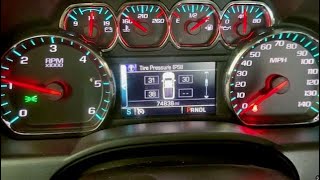
- TPMS warning light flashes for 60-90 seconds upon startup, then stays on solid.
- "Service Tire Monitor System" message appears on the Driver Information Center (DIC).
- The pressure reading for the right front tire shows as dashes (--) or zero on the DIC.
- In some cases, may be accompanied by keyless entry or starting problems if the root cause is RFI or a faulty RCDLR.
- Incorrect tire pressure locations displayed on the DIC (e.g., front reading swaps with rear), which usually points to a missed relearn procedure after a tire rotation.
- Replacing the sensor when the problem is RFI from a phone charger. Always unplug all aftermarket accessories first.
- Mistaking the flashing TPMS light for a low tire pressure issue and simply adding air.
- Forgetting to perform the TPMS relearn procedure after sensor replacement, causing the light to stay on or display incorrect tire locations.
- Replacing only the TPMS sensor when both the sensor and key fobs are failing, which strongly points to a central RCDLR or RFI issue.
Most Likely Causes
- Dead TPMS Sensor Battery 🔴 High Probability TPMS sensor batteries are sealed and have a finite lifespan of 7-10 years. The entire 2013-2020 model year range is now old enough for original sensors to be failing due to age. This is the most common failure point.
How to confirm: A professional TPMS diagnostic tool will be unable to 'wake' or receive a signal from the sensor. A scan tool may show a specific sub-code like C0755-03 (Low Voltage).
Typical fix: Replace the right front TPMS sensor. It is often recommended to replace all four sensors if they are original, as the others are likely to fail soon. A relearn procedure must be performed.
Est. part cost: $30-$100 - Physical Damage to Sensor 🟡 Medium Probability
How to confirm: Visual inspection after dismounting the tire may reveal cracks or damage to the sensor body. This often occurs after hitting a large pothole or during a tire change by an inexperienced technician.
Typical fix: Replace the damaged right front TPMS sensor and perform the relearn procedure.
Est. part cost: $30-$100
Rare But Worth Checking
- Radio Frequency Interference (RFI): As detailed in GM TSB PIC5650 and its many revisions (PIC5650C, G, J, K), aftermarket devices (especially cheap USB chargers, dash cams, and LED bulbs) can emit RF noise that jams the 315MHz signal from the TPMS sensor and key fob. This should be the first suspicion if the problem is intermittent and accompanied by key fob issues. The TSB lists specific culprits like toll passes, building access cards, and even decorative trim rings around the ignition.
- Failed Remote Control Door Lock Receiver (RCDLR): As per GM TSB 16-NA-396, this module can fail internally, causing it to stop receiving signals from one or more TPMS sensors and the key fobs. This is a likely cause if multiple TPMS codes (C0750, C0755, C0760, C0765) are present along with total keyless entry failure. The bulletin provides updated part numbers for the replacement module.
Diagnosis Steps
- Verify the symptom: Start the car and observe the TPMS light. If it flashes for about a minute and then stays on, a system fault is present.
- Scan for codes with an OBD-II scanner capable of reading Chassis (C) codes to confirm C0755 is active and check for any related key fob codes (B-codes).
- Check for RFI: If you also have key fob or starting issues, unplug ALL aftermarket 12V accessories (phone chargers, dash cams, LED lights, etc.) and remove any toll passes or access cards from the vehicle. Clear the codes and drive to see if the code returns. If it doesn't, one of the accessories was causing RFI.
- Use a dedicated TPMS tool to try and activate the right front sensor. If the tool gets no response but can read the other three sensors, the sensor is almost certainly bad (likely a dead battery).
- If the sensor is confirmed bad, have it replaced by a tire shop. It is wise to replace all four if they are original and over 7 years old.
- Ensure the shop performs the TPMS relearn procedure after installation so the vehicle's computer recognizes the new sensor ID. This can be initiated through the DIC menu and requires a TPMS activation tool. 🎬 Watch: How to perform the TPMS relearn procedure yourself.
Parts You'll Likely Need
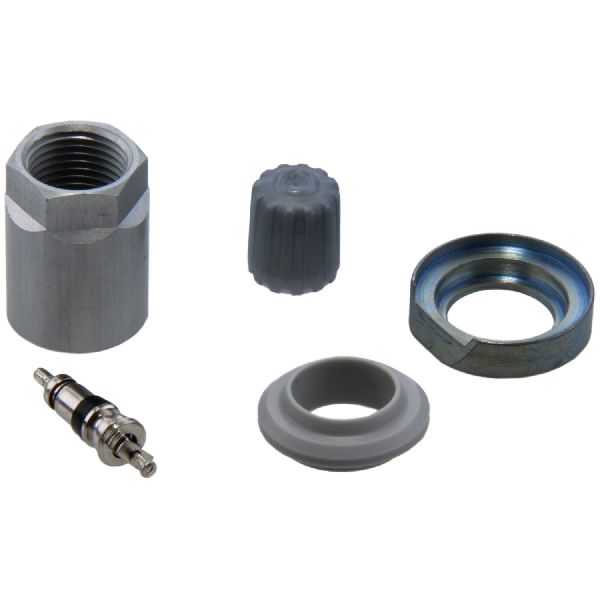
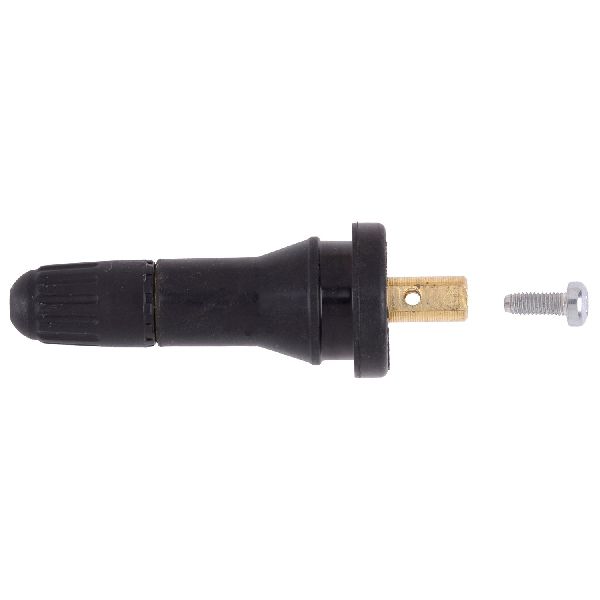
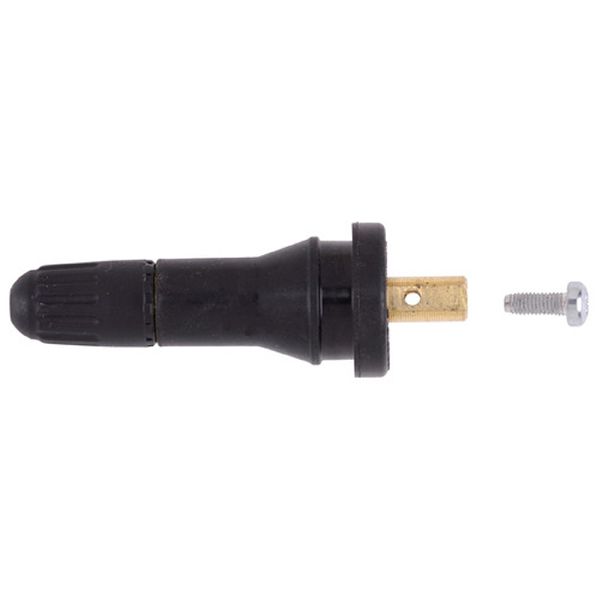
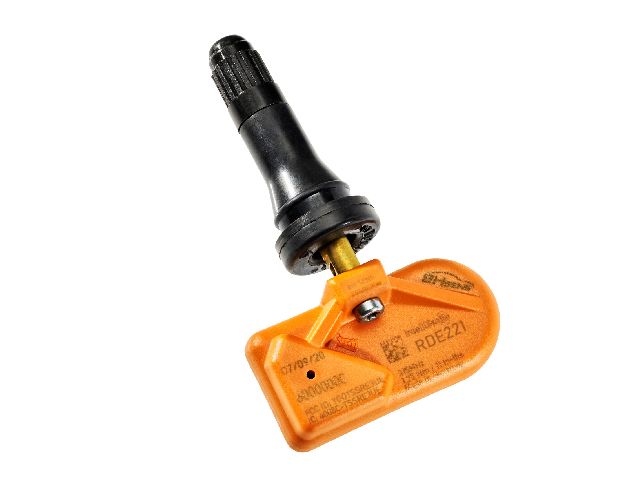
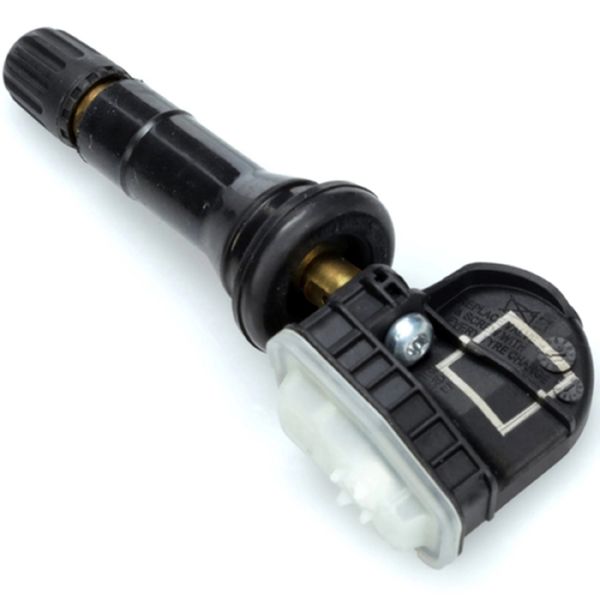
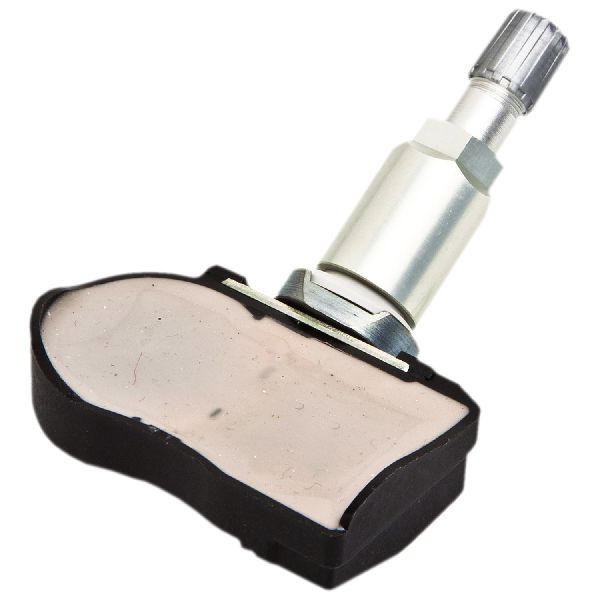
- Tire Pressure Monitoring System (TPMS) Sensor
(OEM #13586335, 13598771, 13516164)— This is the sensor and transmitter unit inside the wheel that fails, most often due to its internal battery dying after 7-10 years. The original part number 13586335 has been superseded by numbers like 13598771 and 13516164. They operate at 315 MHz.
Trusted brands: ACDelco (GM Genuine), Schrader (Often the OEM supplier), Continental/VDO, Dorman, Standard Motor Products
OEM price range: $70-$100
Aftermarket price range: $30-$60
Related Codes That Often Appear With This One
- C0750, C0760, C0765 — These are the codes for the other three tire pressure sensors (Left Front, Left Rear, Right Rear). If they appear together, it strongly suggests a central problem like a faulty RCDLR or severe RFI, not four simultaneously failed sensors.
- B3055, B3060, B3935 — These are security and key-related codes. If they appear with C0755, the cause is almost certainly RFI or a faulty RCDLR, as described in TSB PIC5650 and TSB 16-NA-396.
Technical Service Bulletins (TSBs) & Recalls
- PIC5650M (and revisions): Describes diagnosing intermittent TPMS, keyless entry, and no-start conditions caused by Radio Frequency Interference (RFI) from aftermarket devices. It provides a long list of potential sources, including USB chargers, LED lights, and even toll passes.
- 16-NA-396: Points to a faulty Remote Control Door Lock Receiver (RCDLR) as the cause for concurrent TPMS codes (including C0755) and key fob inoperability, providing replacement part numbers.
Platform-Specific Known Issues
- Radio Frequency Interference Sensitivity: Per TSB PIC5650M, this platform is known to be sensitive to RFI from aftermarket electronics, which can disrupt TPMS, keyless entry, and immobilizer functions, setting codes like C0755. Forum users and technicians confirm that cheap phone chargers are a very common cause.
- RCDLR Module Failure: TSB 16-NA-396 notes that the Remote Control Door Lock Receiver can fail, leading to simultaneous loss of TPMS and key fob functionality. This is a known issue on the Trax and its platform mates, often requiring module replacement and programming.
Mechanic-Grade Diagnostic Values
- RCDLR Module Ground Circuit Voltage Drop — expected: Less than 0.1V (100mV). Failure: A reading higher than 0.1V indicates high resistance in the ground circuit, which can cause intermittent module operation and codes like C0755.
Hidden / Shadow Codes Worth Checking
- C0755:03: Low Voltage. This indicates the BCM has detected low voltage from the sensor's transmission, which almost always means the sensor's internal battery is dead. (see via GM GDS2 (Global Diagnostic System 2) or equivalent professional-grade scan tool that can read symptom bytes.)
- C0755:29: Too Few Pulses. This specific symptom byte is explicitly mentioned in TSB #16-NA-396 and points directly to an internal failure of the Remote Control Door Lock Receiver (RCDLR), especially if key fob issues are also present. (see via GM GDS2 (Global Diagnostic System 2) or equivalent professional-grade scan tool.)
- C0755:39: Internal Malfunction. This indicates the sensor has transmitted a signal reporting an internal fault, separate from just a low battery. (see via GM GDS2 (Global Diagnostic System 2) or equivalent professional-grade scan tool.)
Scan Tool Commands That Help
- GM GDS2 / High-End Scan Tool: Read TPMS Sensor Data — Used to individually query each TPMS sensor to see its reported pressure, temperature, battery status (if available), and sensor ID. If the right front sensor doesn't respond while others do, it confirms a sensor-level fault.
- GM GDS2 / DIC Menu: TPMS Relearn Procedure — Required after replacing a TPMS sensor or rotating tires. This function puts the BCM/RCDLR into a learning mode, allowing it to associate the sensor IDs with their new positions on the vehicle. An activation tool is required to trigger each sensor in sequence.
Wiring & Ground Locations
- RCDLR Module — On the Chevrolet Trax and platform-mate Buick Encore, the RCDLR is typically located behind the interior trim panel in the rear cargo area, on the passenger side C-pillar or above the headliner near the liftgate.. This is the receiver for both the TPMS sensors and key fobs. A failure or poor connection/ground at this module can cause C0755, often accompanied by other TPMS codes and key fob issues.
- G303 (Example Body Ground) — Body grounds like G303 are typically located on the pillars (A, B, C) behind trim panels or under seats, bolted to the chassis. The specific ground for the RCDLR would need to be confirmed with a service manual for the exact year.. A corroded or loose ground connection for the RCDLR can cause intermittent signal reception, leading to C0755 and other difficult-to-diagnose electrical issues.
Real Owner Repair Stories
- Reddit user on r/ChevySonic (platform-mate) (2017 Chevrolet Sonic Hatchback) — TPMS system slowly went out, followed by failure of the remote keyless entry. Car alarm would sound when unlocking with the physical key.
❌ Tried (didn't work) Initial diagnosis pointed to individual sensors, but the progressive failure of all sensors plus the key fob suggested a central issue.
✅ What actually fixed it The user identified the shared RCDLR module as the likely culprit. The repair involved replacing the RCDLR module (GM Part #13587439 for that vehicle) which resolved both the TPMS and keyless entry failures.
OEM Part Supersession History
13586335→13598771, 13516164, 13540600— Standard part evolution for improved reliability, manufacturing efficiency, or minor design changes.
Heads up: While these parts are generally interchangeable for the specified GM applications, always verify fitment with the vehicle's VIN. Some aftermarket programmable sensors may require specific setup procedures to work correctly with the Trax's RCDLR.
Model Year Variations Within This Range
- 2017-2020 (Facelift): The 2017 model year introduced a facelift with updated infotainment and electronics. While the core TPMS/RCDLR architecture remained similar, part numbers for modules and specific software calibrations may differ from the pre-facelift (2013-2016) models. Always confirm part numbers using the vehicle's VIN, especially when replacing the RCDLR module.
Helpful Videos
We Have This Part in Stock

The information in this article is provided for general reference and educational purposes only. Vehicle specifications, procedures, and part compatibility can vary by production date, trim level, and region. Always consult your vehicle's factory service manual and verify part numbers before purchasing or performing repairs. Safety-critical components such as airbags, seat belts, and braking systems should be installed by a qualified professional.
- Chevrolet TRAX:
- 🎬 Helpful Videos
- 🛍️ Shop This Part
- What's Unique About the 2013-2020 Chevrolet TRAX
- Diagnostic Flowchart
- Symptoms You May Notice
- Most Likely Causes
- Rare But Worth Checking
- Diagnosis Steps
- Parts You'll Likely Need
- Related Codes That Often Appear With This One
- Technical Service Bulletins (TSBs) & Recalls
- Platform-Specific Known Issues
- Mechanic-Grade Diagnostic Values
- Hidden / Shadow Codes Worth Checking
- Scan Tool Commands That Help
- Wiring & Ground Locations
- Real Owner Repair Stories
- OEM Part Supersession History
- Model Year Variations Within This Range
- 🎟️ Get 5% Off