

C0755 on 2017-2024 Chevrolet Traverse: Right Front TPMS Fault Causes and Fixes
Code C0755 on a 2017-2024 Traverse means there's a fault with the right front tire pressure sensor. The most common cause is a dead battery inside the sensor itself, which requires replacing the sensor and performing a relearn procedure. A faulty Remote Control Door Lock Receiver (RCDLR) is another possible, though less common, cause, especially if key fob issues are also present.
- C0755 means the right front tire pressure sensor is not communicating correctly.
- The most frequent cause is a dead sensor battery, which requires replacing the sensor.
- After replacing the sensor, a TPMS relearn procedure is mandatory using either the DIC or key fob to enter learn mode, and a TPMS tool to activate the sensors.
- If you also have key fob problems, the Remote Control Door Lock Receiver (RCDLR) is the likely culprit, which is a more complex repair requiring programming.
- Do not ignore this code; while the vehicle is drivable, you lose a key safety feature that warns of a low tire.
What's Unique About the 2017-2024 Chevrolet TRAVERSE
On this generation of Traverse and other contemporary GM vehicles, the TPMS sensors (which operate at 433MHz) communicate with the Remote Control Door Lock Receiver (RCDLR), the same module that handles key fob signals. Because of this shared module, a failing RCDLR can cause both TPMS codes like C0755 and intermittent issues with the key fob, passive entry, or even no-start conditions. A GM Technical Service Bulletin (TSB), #PIC5650M, specifically links these TPMS codes to no-start or security light problems, which is a critical distinction from a simple dead sensor battery. Another TSB, 16-NA-396, directly points to an internal RCDLR failure as the cause for simultaneous TPMS and key fob malfunctions.
🎬 See how a faulty receiver affects both key fobs and TPMS.Diagnostic Flowchart
Tap your situation to follow the diagnostic path that matches what you're seeing on this vehicle.
Generation note: This range covers the end of the first generation (2017) and the full second generation (2018-2024) of the Chevrolet Traverse. While the TPMS system's function is similar, the relearn procedure differs. The 2017 model uses a key fob-based method (holding lock/unlock) to enter relearn mode, while 2018+ models initiate it through the Driver Information Center (DIC) controls. 🎬 Watch: How to relearn TPMS tire locations on 2018+ models. A TPMS activation tool is required for both to complete the process.
Symptoms You May Notice
- Flashing TPMS warning light that eventually stays on.
- "Service Tire Monitor System" message on the Driver Information Center (DIC).
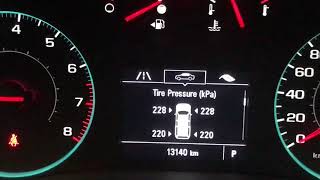
- Dashes (--) displayed for the right front tire pressure on the DIC.
- In some cases, intermittent failure of the key fob, remote start, or passive entry system ("No Remote Detected" message).
- Rarely, a no-crank or no-start condition with the security light on, as noted in TSBs. [Bulletin #PIC5650M]
- Replacing the Body Control Module (BCM) when the issue is with the RCDLR. The RCDLR is the receiver for the TPMS signals, not the BCM itself. The BCM only processes the data sent to it by the RCDLR.
- Replacing a TPMS sensor without checking for Radio Frequency Interference first, especially if the problem is intermittent and affects key fobs as well.
Most Likely Causes
- Dead TPMS Sensor Battery 🔴 High Probability TPMS sensor batteries have a finite lifespan, typically 5-10 years. Vehicles from the beginning of this year range (2017-2019) are now at an age where battery failure is very common. A low battery condition is a specific trigger for this code.
How to confirm: Use a TPMS diagnostic tool to attempt to 'wake up' or read the sensor. If the tool cannot get a response from the right front sensor but can read the others, the sensor has almost certainly failed. A scan tool can also sometimes read a 'low battery' status directly from the sensor data.
Typical fix: Replace the right front TPMS sensor. The tire must be unmounted or the bead broken to access it. After installation, a TPMS relearn procedure must be performed using a TPMS tool.
Est. part cost: $25-$75 - Faulty Remote Control Door Lock Receiver (RCDLR) ⚪ Low Probability GM issued TSB 16-NA-396 for various models, including the Traverse platform, for internal RCDLR issues causing TPMS and key fob problems simultaneously. The TSB recommends replacing the RCDLR module.
How to confirm: This is the likely cause if you have multiple TPMS codes (C0750, C0755, C0760, C0765) and are also experiencing intermittent problems with your key fobs (no remote detected, unlock/lock failure). Diagnosis requires a dealer-level scan tool to check for communication issues with the RCDLR.
Typical fix: Replace the RCDLR module. This part requires programming by a dealer or a well-equipped independent shop after installation. TSB 16-NA-396 specifies part number 13595511 for the replacement receiver.
Est. part cost: $40-$150 - Damaged TPMS Sensor ⚪ Low Probability Sensors can be physically damaged during tire installation, by hitting a large pothole, or from internal tire failure. The use of unapproved tire sealants can also clog the sensor's pressure port.
How to confirm: A visual inspection after unmounting the tire may reveal damage. Like a dead battery, it will fail to respond to a TPMS tool.
Typical fix: Replace the damaged sensor and perform the TPMS relearn procedure.
Est. part cost: $25-$75
Rare But Worth Checking
- Radio Frequency Interference (RFI):
Diagnosis Steps
- Verify the tire pressure in the right front tire is correct using a quality manual gauge. Compare it to the pressure specified on the driver's door jamb sticker.
- Check the Driver Information Center (DIC) for the tire pressure display. Note if it shows a pressure reading or dashes for the right front tire.
- Scan for other DTCs. If codes for multiple TPMS sensors or key fob-related codes (like B3055) are present, suspect a faulty RCDLR or RFI.
- If key fob and other TPMS sensors are working correctly, use a TPMS diagnostic tool to try and activate the right front sensor. If it fails to respond, the sensor is almost certainly bad (dead battery or damaged).
- If RFI is suspected, remove all aftermarket electronics (chargers, dash cams, LED lights, etc.) from the vehicle and re-test.
- If the sensor is confirmed bad, replace the TPMS sensor in the right front wheel. This requires breaking the tire bead.
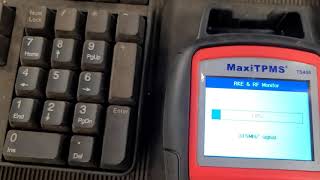
- After replacing the sensor, perform the TPMS relearn procedure. For 2018+ models, initiate this through the DIC. For 2017 models, hold the lock/unlock buttons on the key fob to enter relearn mode. A TPMS activation tool is then used to trigger each sensor in sequence 🎬 Watch this walkthrough of the TPMS reset and sensor activation. (LF, RF, RR, LR) until the horn chirps for each.
- If multiple TPMS codes and key fob issues pointed to the RCDLR, replace the RCDLR module and have it programmed by a qualified technician.
Parts You'll Likely Need
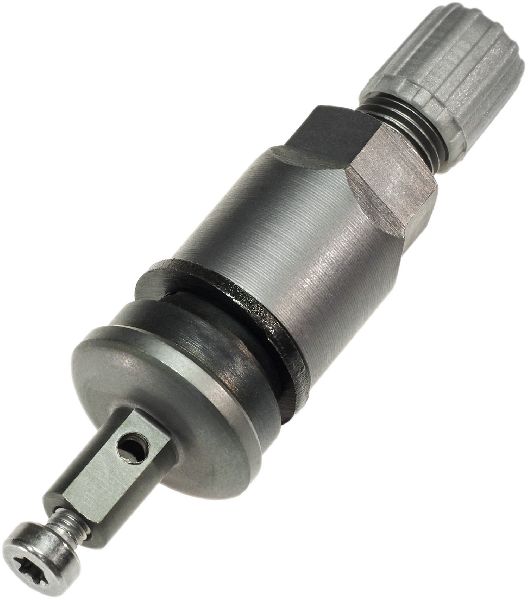
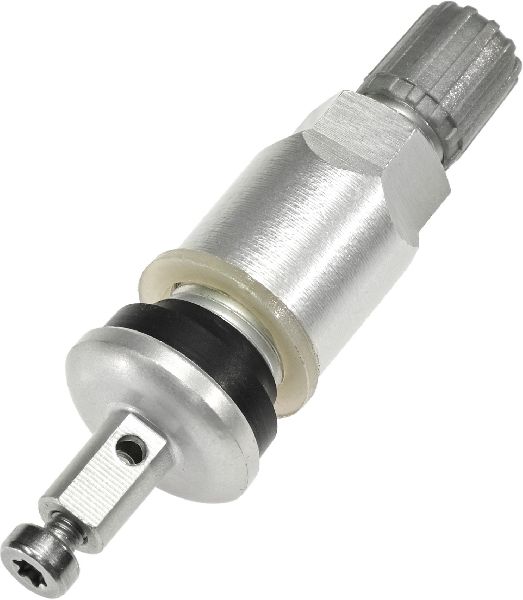
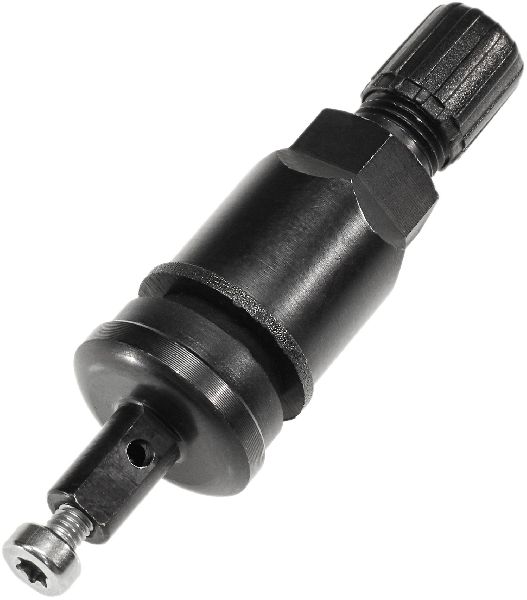
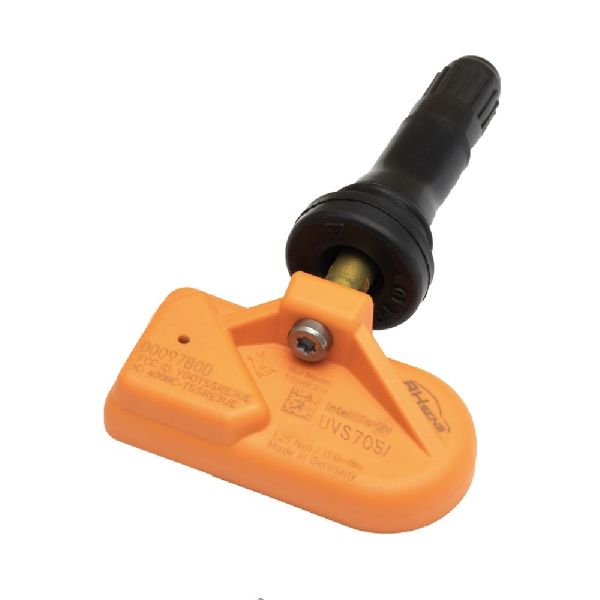
- Tire Pressure Monitoring System (TPMS) Sensor
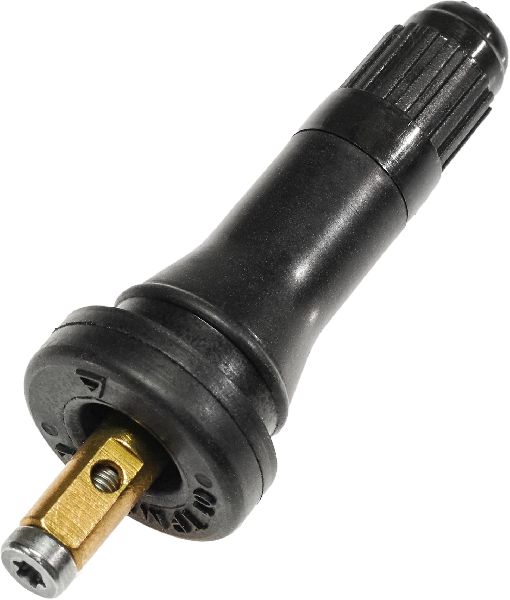
(OEM #13516165, 13598773)— This is the most common failure point. The internal battery dies, requiring replacement of the entire sensor unit. Part number 13516165 is a widely used 433MHz sensor for this generation of GM vehicles. Part number 13598773 is another common compatible number. Always verify with VIN. The original part 13516165 may be superseded by 13540603.
Trusted brands: ACDelco (OEM), Schrader (OEM Supplier), Continental, Huf, Autel
OEM price range: $40-$75
Aftermarket price range: $25-$50 - Remote Control Door Lock Receiver (RCDLR)
(OEM #13595511)— This is the fix when multiple TPMS codes are present along with key fob issues, per TSB 16-NA-396.
Trusted brands: ACDelco (OEM)
OEM price range: $40-$150
Aftermarket price range: $30-$100
Related Codes That Often Appear With This One
- C0750 — Fault with the Left Front TPMS sensor. If seen with C0755, it points towards a more systemic issue like a failing RCDLR or widespread RFI.
- C0760 — Fault with the Left Rear TPMS sensor. Seeing multiple TPMS codes together strengthens the diagnosis of a bad RCDLR module.
- C0765 — Fault with the Right Rear TPMS sensor. When all four sensor codes are present, a faulty RCDLR is highly probable per TSB 16-NA-396.
- B3055 — Key Not Present. This code is often seen alongside TPMS codes when the RCDLR is failing or there is significant RFI, as noted in TSB PIC5650M.
Technical Service Bulletins (TSBs) & Recalls
- PIC5650M: No crank, no start, or start stall concern with the security light coming on. Technician may find Diagnostic Trouble Codes B3055, B3060, B3935, C0750, C0755, C0760, C0765, and/or C0775. The bulletin strongly suggests investigating RFI from aftermarket accessories before replacing parts.
- 16-NA-396: Intermittent Operation of Key Fobs, Door Unlock Inoperative “No Remote Detected” Message with Possible TPM MIL... Cause This may be due to issues internal to the Remote Control Door Lock Receiver.
Platform-Specific Known Issues
- TSB #PIC5650M (and its revisions up to PIC5650K) notes that C0755 can be found in conjunction with a no-crank, no-start, or start/stall condition, related to the vehicle's security system. The primary cause identified is Radio Frequency Interference (RFI) from aftermarket devices like phone chargers or LED lights.
- TSB #16-NA-396 describes a condition where an internal fault in the Remote Control Door Lock Receiver (RCDLR) causes intermittent key fob issues and sets multiple TPMS codes, including C0755. The fix is to replace the RCDLR with P/N 13595511.
- A user on a Camaro forum (which uses a similar system) experienced the exact symptoms of TSB 16-NA-396 ('No remote detected' and TPMS issues) and cited the TSB as the path to a fix at the dealership.
Mechanic-Grade Diagnostic Values
- RCDLR Module Battery Positive Voltage — expected: Should be equal to vehicle battery voltage (approx. 12.6V with engine off).. Failure: A scan tool showing a voltage reading significantly lower than the actual battery voltage at the RCDLR suggests a wiring problem or internal module fault.
- RCDLR Ground Circuit Voltage Drop — expected: Less than 0.1V (100mV).. Failure: A reading higher than 0.1V indicates high resistance in the ground circuit, which can cause intermittent RCDLR operation. This is tested by placing one DVM lead on the RCDLR ground pin and the other on a known good chassis ground.
Hidden / Shadow Codes Worth Checking
- C0755 with Symptom Byte 03: Indicates 'Low Voltage', which typically points directly to a dying TPMS sensor battery. (see via GM GDS2 or a high-end professional scan tool capable of reading manufacturer-specific symptom bytes.)
- C0755 with Symptom Byte 29: Indicates 'Too Few Pulses' were received from the sensor. This specific sub-code is mentioned in TSB #16-NA-396 as an indicator of a failing RCDLR module. (see via GM GDS2 or a high-end professional scan tool capable of reading manufacturer-specific symptom bytes.)
- C0755 with Symptom Byte 39: Indicates an 'Internal Malfunction' within the TPMS sensor itself, confirming the sensor needs replacement. (see via GM GDS2 or a high-end professional scan tool capable of reading manufacturer-specific symptom bytes.)
Scan Tool Commands That Help
- GDS2 / Tech 2: Copy and Paste TPM Information — When replacing the RCDLR module, this function allows a technician to copy the unique TPMS sensor IDs from the old module and paste them into the new one. This avoids the need to perform a full manual TPMS relearn procedure for all four wheels.
- GDS2 / Tech 2: Tire Pressure Sensor Rolling Count — This data parameter shows the success rate of sensor signal reception. A rolling count below 50% on one or more tires can indicate RFI or a failing sensor, helping to differentiate between the two.
Wiring & Ground Locations
- RCDLR Module (2018-2024) — For the second-generation Traverse (2018-2024), the RCDLR module is typically located behind the trim panel in the passenger side (right) rear quarter panel area.. This is the central receiving unit for all TPMS and key fob signals. A loose connection, damaged wiring, or a bad ground at this location can cause code C0755 and other related faults.
- RCDLR Module (2017) — For the first-generation Traverse (2017), the RCDLR is often located behind the instrument panel or glove box area.. Knowing the location is critical for checking power, ground, and antenna connections when diagnosing TPMS and key fob issues that occur simultaneously.
- G303 / G304 — Ground points located on the left (G303) and right (G304) side B-pillars, behind the trim panels.. The RCDLR relies on a clean chassis ground. While not always the direct ground point for the RCDLR itself, corrosion or looseness at these major interior ground locations can cause a range of difficult-to-diagnose electronic issues, including intermittent module operation.
Real Owner Repair Stories
- Reddit user @timothyah2 (2020 Chevrolet Traverse) — Both key fobs suddenly stopped working. The car would not start and the remote buttons were inoperative.
❌ Tried (didn't work) Replacing the batteries in both key fobs., Attempting the key fob reprogramming procedure multiple times.
✅ What actually fixed it Replacing the main 12V vehicle battery resolved the issue. A sudden cold snap had worsened the health of the old battery, causing the electronic modules (including the RCDLR) to malfunction. After the new car battery was installed, both key fobs worked perfectly without any further programming.
OEM Part Supersession History
13516165→13540603— Standard part evolution and consolidation by the manufacturer.
Heads up: Part number 13540603 is the direct, backward-compatible replacement for 13516165 and several other older TPMS sensor numbers.13595511→13540045— Updated part from the manufacturer.
Heads up: Part number 13540045 is listed as the replacement for 13595511. Both require programming after installation.
Model Year Variations Within This Range
- 2017 (First Generation): The RCDLR module is typically located in the front of the cabin, often behind the instrument panel. The TPMS relearn mode is initiated by holding the lock/unlock buttons on the key fob.
- 2018-2024 (Second Generation): The RCDLR module is located in the rear passenger side quarter panel area. The TPMS relearn mode is initiated through the Driver Information Center (DIC) menu using steering wheel controls.
Helpful Videos
We Have This Part in Stock

The information in this article is provided for general reference and educational purposes only. Vehicle specifications, procedures, and part compatibility can vary by production date, trim level, and region. Always consult your vehicle's factory service manual and verify part numbers before purchasing or performing repairs. Safety-critical components such as airbags, seat belts, and braking systems should be installed by a qualified professional.
- Chevrolet TRAVERSE:
- 🎬 Helpful Videos
- 🛍️ Shop This Part
- What's Unique About the 2017-2024 Chevrolet TRAVERSE
- Diagnostic Flowchart
- Symptoms You May Notice
- Most Likely Causes
- Rare But Worth Checking
- Diagnosis Steps
- Parts You'll Likely Need
- Related Codes That Often Appear With This One
- Technical Service Bulletins (TSBs) & Recalls
- Platform-Specific Known Issues
- Mechanic-Grade Diagnostic Values
- Hidden / Shadow Codes Worth Checking
- Scan Tool Commands That Help
- Wiring & Ground Locations
- Real Owner Repair Stories
- OEM Part Supersession History
- Model Year Variations Within This Range
- 🎟️ Get 5% Off