

C0755 on 2016-2022 Chevrolet Spark: Right Front TPMS Fault and No-Start Link
Code C0755 on a 2016-2022 Chevy Spark means there's a problem with the right front tire pressure sensor (TPMS). The most common fix is replacing the sensor itself. Unusually, a GM service bulletin confirms this TPMS fault can also cause a no-start or stalling condition with the security light on, often due to radio frequency interference from aftermarket electronics.
- C0755 points to a fault with the right front TPMS sensor, most often due to a dead internal battery.
- Before replacing parts, remove all aftermarket electronics (phone chargers, etc.) from the car to rule out Radio Frequency Interference, a known cause of this code.
- If your Spark won't start and has this code, the two issues are likely related via the vehicle's security system, as documented in a GM TSB.
- Replacing a TPMS sensor requires dismounting the tire and using a special tool to program the new sensor to the vehicle.
What's Unique About the 2016-2022 Chevrolet SPARK
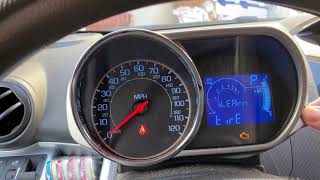
While C0755 is a standard TPMS code, its behavior on the Chevrolet Spark and other GM vehicles can be confusing. A well-documented Technical Service Bulletin (TSB PIC5650M and its revisions) links this and other TPMS codes to severe symptoms like a no-crank, no-start, or stalling condition, often with the security light on. This happens because the same module that receives TPMS signals—the Remote Control Door Lock Receiver (RCDLR)—also handles key fob and immobilizer functions. Radio frequency interference (RFI) or a fault in this shared system can 'jam' the receiver, causing the BCM to trigger the security system and prevent the car from starting, 🎬 See how a Chevy Spark no-start condition is diagnosed even though the root cause is related to the tire pressure system.
Diagnostic Flowchart
Tap your situation to follow the diagnostic path that matches what you're seeing on this vehicle.
Symptoms You May Notice
- TPMS warning light is illuminated on the dashboard.
- The right front tire pressure reading on the driver information center shows dashes or an incorrect value.
- A "Service Tire Monitor System" message may appear.
- Engine may not crank, or it may start and immediately stall (per TSB PIC5650M).
- Security warning light may be illuminated (per TSB PIC5650M).
- Remote Keyless Entry (RKE) functions may be inoperative or have poor range.
- Replacing the battery or starter motor when a no-start condition is present. If C0755 and security codes (like B3055) are stored, the starting issue is likely related to the BCM/RCDLR system being affected by RFI or an internal fault, not the primary starting components.
Most Likely Causes
- Dead TPMS Sensor Battery 🔴 High Probability TPMS sensor batteries are not replaceable and have a finite lifespan, typically 5-10 years. Vehicles in the 2016-2022 range are now old enough to experience widespread battery failure.
How to confirm: Use a TPMS diagnostic tool (like an EL-50448 or similar) to attempt to activate the sensor. If the tool cannot get a reading, the battery is almost certainly dead.
Typical fix: Replace the right front TPMS sensor and perform the TPMS relearn procedure. 🎬 Watch: How to reprogram and relearn GM TPMS sensors It is often recommended to replace all four sensors at once if they are original, as their batteries will likely fail around the same time.
Est. part cost: $25-$60 - Radio Frequency Interference (RFI) 🟡 Medium Probability TSB PIC5650M specifically calls out RFI from aftermarket devices like phone chargers, USB power banks, dash cams, and cheap LED interior/exterior lights as a primary cause for TPMS and security system issues. These devices can 'jam' the 315 MHz, 433 MHz, or 125 kHz signals used by the TPMS and immobilizer systems.
How to confirm: Remove all aftermarket electronic devices from the vehicle (especially those plugged into 12V outlets or USB ports). Clear the codes and see if the issue returns. A technician can use a dedicated RF signal detector to find sources of interference.
Typical fix: Remove the offending aftermarket device from the vehicle.
Est. part cost: $0 - Damaged TPMS Sensor ⚪ Low Probability Sensors can be damaged during tire installation, by hitting a pothole, or from corrosion, especially on the valve stem.
How to confirm: Visually inspect the sensor after dismounting the tire. If it is physically broken, it has failed.
Typical fix: Replace the damaged TPMS sensor.
Est. part cost: $25-$60
Rare But Worth Checking
- Faulty Body Control Module (BCM) or Remote Control Door Lock Receiver (RCDLR): On many GM platforms, including the Spark's relatives, a faulty RCDLR is a known cause for a group of TPMS codes and key fob issues, as documented in TSB 16-NA-396. If multiple TPMS codes (C0750, C0755, C0760, C0765) are present along with key fob issues and the RFI check yields nothing, the RCDLR module itself becomes a prime suspect. Diagnosis requires an advanced scan tool to check for communication with the module.
Diagnosis Steps
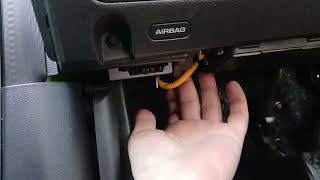
- Read all stored DTCs from all modules. 🎬 Watch: Where to find the OBD2 port on your Spark Note if any security (B-codes) or other TPMS codes (C0750, C0760, C0765) are present.
- Question the driver about any aftermarket electronics in the vehicle (phone chargers, dash cams, LED lights, toll passes, etc.). Remove them all as a first step, clear codes, and re-test.
- Use a TPMS activation tool (e.g., VXDAS EL-50448) to attempt to read the data from the right front sensor. Check its battery status, pressure reading, and temperature.
- If the tool cannot activate the sensor, the sensor has likely failed (usually a dead battery). Replace the sensor.
- If the tool can read the sensor but the car cannot, attempt a TPMS relearn procedure. For the Spark, this typically involves putting the car in service mode, navigating to the tire pressure screen on the DIC, and holding the checkmark button to initiate the learn mode. Then, use the TPMS tool at each tire in sequence (LF, RF, RR, LR) until the horn chirps for each one.
- If the relearn fails or the code immediately returns, and especially if security codes are also present, suspect a larger electrical issue. Diagnose the Remote Control Door Lock Receiver (RCDLR) and its wiring for power, ground, and communication. Check for RFI using a dedicated meter if available.
Parts You'll Likely Need
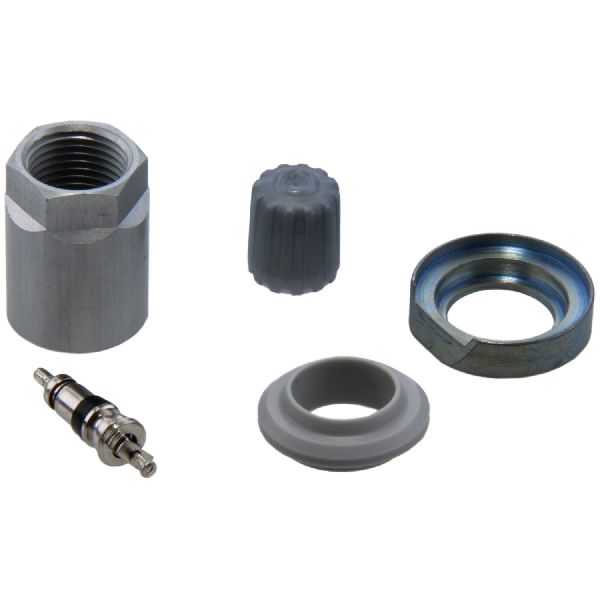
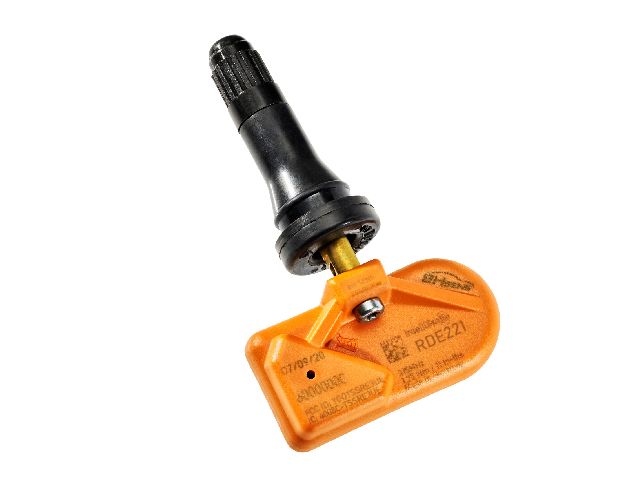
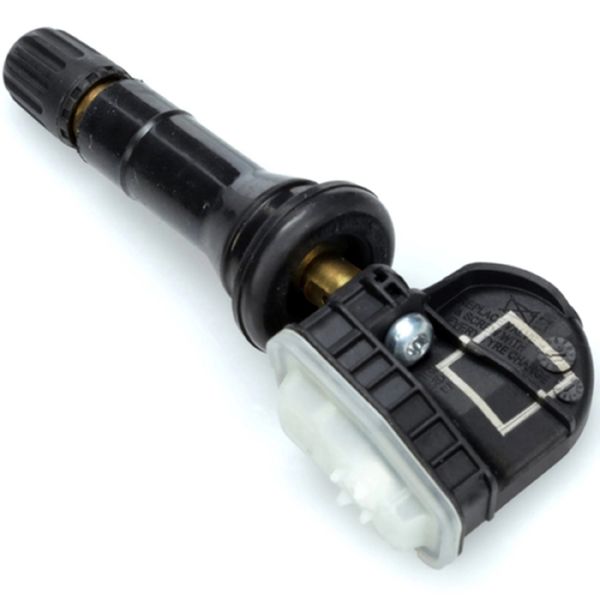
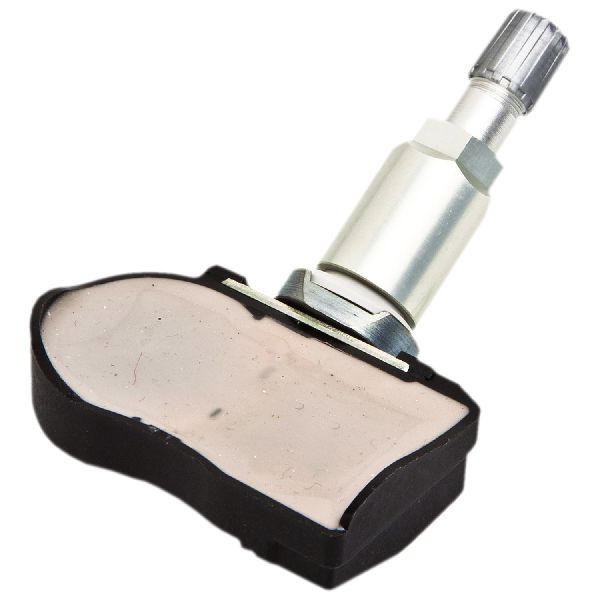
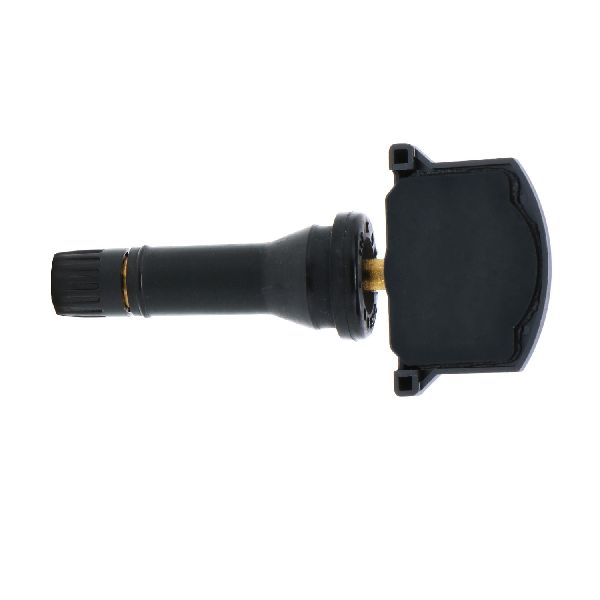
- Tire Pressure Monitoring System (TPMS) Sensor
(OEM #22853740, 13598773)— The internal, non-rechargeable battery in the original 433MHz sensor is the most common point of failure, requiring the replacement of the entire sensor unit. Part number 22853740 is widely cited, with 13598773 also being a compatible part for many GM vehicles.
Trusted brands: ACDelco (OEM), Schrader, Bosch, Autel, VXDAS
OEM price range: $40-$70
Aftermarket price range: $25-$50
Related Codes That Often Appear With This One
- C0750, C0760, C0765 — These are the codes for the other three TPMS sensors. When they appear together, it points towards a central receiver issue (like the RCDLR or BCM), widespread RFI, or a faulty RCDLR module rather than four individual sensor failures.
- B3055, B3060, B3935 — These are security and key-related codes. Their presence alongside C0755 strongly supports the scenario described in TSB PIC5650M, where a radio frequency issue is affecting both the TPMS and immobilizer systems, leading to a no-start condition.
Technical Service Bulletins (TSBs) & Recalls
- PIC5650M (and its subsequent revisions like K): Addresses a no-crank, no-start, or start-stall concern with the security light on, which can be accompanied by TPMS codes C0750, C0755, C0760, C0765, and security codes. It points to Radio Frequency Interference (RFI) from aftermarket devices as a primary cause.
- 16-NA-396: While not listing the Spark specifically, this TSB is highly relevant as it details the exact same symptoms (intermittent key fob operation, no remote detected, TPMS codes including C0755) on platform-mate vehicles like the Chevrolet Sonic and Bolt EV, identifying a faulty Remote Control Door Lock Receiver (RCDLR) as the cause.
Platform-Specific Known Issues
- The most significant issue for the Spark is the documented link between TPMS faults like C0755 and no-start/stalling conditions with the security light activated, as detailed in GM TSB PIC5650M. This is frequently caused by RFI from common aftermarket accessories.
- Some owners on forums report needing a specific TPMS relearn tool (like the EL-50448) as the manual method of adjusting tire pressures does not always work on these models.
Hidden / Shadow Codes Worth Checking
- C0755 03: Right Front Tire Pressure Sensor Low Voltage. This symptom code indicates the sensor's battery is failing or there's an internal electronic issue causing a low voltage reading in its transmission. (see via GM GDS2 or equivalent professional-grade scan tool.)
- C0755 29: Right Front Tire Pressure Sensor Too Few Pulses. This means the RCDLR is not receiving the expected number of data packets from the sensor, which can be caused by RFI, a weak sensor, or a receiver issue. (see via GM GDS2 or equivalent professional-grade scan tool.)
- C0755 39: Right Front Tire Pressure Sensor Internal Malfunction. This is a definitive code indicating the sensor has failed an internal self-test and must be replaced. (see via GM GDS2 or equivalent professional-grade scan tool.)
Scan Tool Commands That Help
- GDS2 / Tech 2: Module Diagnostics > RCDLR > Data Display — To view live data from the Remote Control Door Lock Receiver, including the status of each TPMS sensor, key fob button presses, and any detected RFI. This helps determine if the module is receiving signals at all.
- GDS2 / Tech 2: Module Setup / Programming > RCDLR Setup — This function is required after replacing the RCDLR module. It programs the new module to the vehicle's BCM and relearns the unique IDs of the key fobs and TPMS sensors.
- TPMS Activation Tool (e.g., EL-50448): Activate Sensor — Used during the manual relearn procedure to force each sensor to transmit its ID. Aim the tool at the tire's sidewall near the valve stem and press the button. A successful activation will be confirmed by a horn chirp from the vehicle.
Wiring & Ground Locations
- K17 Remote Control Door Lock Receiver (RCDLR) — On the Chevrolet Spark, the RCDLR is typically located behind the instrument panel cluster or in the center of the dashboard, often above the radio/infotainment unit. On related platforms like the Sonic, it can be found under the small storage cubby on top of the dash.. This module is the central receiver for all TPMS sensor signals and key fob signals. A fault in the module, its power, its ground, or its antenna connection can cause C0755 and other related codes.
- RCDLR Ground — The RCDLR module typically grounds at a shared instrument panel ground point. On similar GM small car platforms, this is often designated as G218 or a similar G2xx ground, located behind the driver's or passenger's kick panel.. A poor ground connection at this point can cause intermittent and difficult-to-diagnose issues with the RCDLR, leading to TPMS codes, key fob problems, and the no-start condition described in TSB PIC5650M.
- RCDLR Antenna — The antenna for the RCDLR is often a coaxial cable that runs from the module to a location with better reception, such as the A-pillar or near the rear-view mirror. TSBs on other GM models note that this coaxial cable can become disconnected, causing TPMS and key fob issues.. If the antenna cable is disconnected or damaged, the RCDLR cannot receive the 433MHz signal from the TPMS sensor, which will log code C0755 even if the sensor itself is perfectly functional.
Real Owner Repair Stories
- 2CarPros Forum (Unknown GM Vehicle) — After replacing all four TPMS sensors, the user attempted a relearn procedure. The car would beep for each sensor and give the final double-beep confirmation, but the dash display for pressures remained blank. Codes C0750, C0755, C0760, and C0765 with the symptom "Too Few Pulses" were stored.
❌ Tried (didn't work) Replacing all four TPMS sensors., Performing the standard relearn procedure with a TPMS tool.
✅ What actually fixed it The confirmed fix was to first remove all aftermarket devices plugged into the power outlets (phone chargers, etc.) that were causing Radio Frequency Interference (RFI). After removing the source of RFI, the codes were cleared, and the TPMS relearn procedure then worked successfully.
OEM Part Supersession History
13598773→86363053— Standard part number update by GM. Functionality remains the same.
Heads up: Part number 13598773 is a 433MHz sensor. Ensure you are not accidentally using a 315MHz sensor (like 13581558) from older GM models, as it will not work with the 2016-2022 Spark.
Model Year Variations Within This Range
- 2019-2022: The Chevrolet Spark received a facelift for the 2019 model year, which included updates to the infotainment system (Chevrolet Infotainment 3). While the core TPMS hardware (433MHz sensors and RCDLR) remained the same, the BCM and infotainment software that displays the information were updated. This can be relevant when diagnosing communication issues between modules.
Helpful Videos
We Have This Part in Stock


The information in this article is provided for general reference and educational purposes only. Vehicle specifications, procedures, and part compatibility can vary by production date, trim level, and region. Always consult your vehicle's factory service manual and verify part numbers before purchasing or performing repairs. Safety-critical components such as airbags, seat belts, and braking systems should be installed by a qualified professional.
- Chevrolet SPARK:
- 🎬 Helpful Videos
- 🛍️ Shop This Part
- What's Unique About the 2016-2022 Chevrolet SPARK
- Diagnostic Flowchart
- Symptoms You May Notice
- Most Likely Causes
- Rare But Worth Checking
- Diagnosis Steps
- Parts You'll Likely Need
- Related Codes That Often Appear With This One
- Technical Service Bulletins (TSBs) & Recalls
- Platform-Specific Known Issues
- Hidden / Shadow Codes Worth Checking
- Scan Tool Commands That Help
- Wiring & Ground Locations
- Real Owner Repair Stories
- OEM Part Supersession History
- Model Year Variations Within This Range
- 🎟️ Get 5% Off