

C0755 on 2015-2022 Chevrolet Express 2500: Right Front TPMS Fault Explained
C0755 indicates a fault with the Right Front Tire Pressure Monitoring System (TPMS) sensor. The most common cause is a dead sensor battery or a failed sensor. The fix involves replacing the sensor and performing a TPMS relearn procedure, which can be done at a tire shop or by a DIYer with a specific tool.
- Code C0755 on your Express 2500 means the right front TPMS sensor is not communicating correctly with the vehicle.
- The most common cause by far is the sensor's internal battery dying, which has a 5-10 year lifespan. Given the vehicle's age, this is a normal maintenance item.
- The fix is to replace the sensor and perform a TPMS relearn procedure. A special tool (like the EL-50448) is highly recommended for the relearn, as the manual method is unreliable.
- If you also have key fob problems or a no-start condition, check for aftermarket electronics (phone chargers, LED lights) causing radio interference before suspecting a bad computer module, as per TSB PIC5650M.
- It's wise to replace all four TPMS sensors at once if they are original to prevent having to repeat the repair for the other wheels soon after.
What's Unique About the 2015-2022 Chevrolet EXPRESS 2500
The Chevrolet Express platform (chassis code GMT610) has been in production for a long time with minimal changes, making its systems well-understood. For the 2015-2022 model years, the original TPMS sensors are reaching the end of their typical 5-10 year battery life, making sensor failure a very common maintenance item. An unusual aspect noted in TSB PIC5650M is the potential for TPMS codes like C0755 to appear alongside security-related codes (like B3055) and a no-start condition. This TSB clarifies that such issues are often caused by Radio Frequency Interference (RFI) from aftermarket devices like LED lights or phone chargers, which can jam the signals from both the key fob and TPMS sensors, rather than a failure of a central module.
Diagnostic Flowchart
Tap your situation to follow the diagnostic path that matches what you're seeing on this vehicle.
Symptoms You May Notice
- TPMS warning light on the dashboard (often flashes for a minute, then stays solid).
- "Service Tire Monitor System" message on the Driver Information Center (DIC).
- The pressure reading for the right front tire shows dashes (--) or is blank on the DIC.
- Inability to complete the TPMS relearn procedure for the right front wheel.
- Replacing the BCM or RCDLR when only a single TPMS code is present. The issue is almost always the sensor itself.
- Assuming the tire is low on air. A flashing TPMS light indicates a system fault, whereas a solid light indicates low pressure.
- Replacing the wrong sensor. If tires were rotated but the TPMS system was not relearned, the position of the sensors in the BCM's memory will be incorrect. A user on a Chevrolet Forum made this mistake, replacing a good sensor because the DIC was reporting a fault for a different corner of the vehicle. Always use a TPMS tool to identify the faulty sensor at its physical location before replacement.
Most Likely Causes
- Dead or Failing TPMS Sensor Battery 🔴 High Probability TPMS sensors contain a non-replaceable lithium battery with a finite lifespan of 5-10 years. Vehicles in the 2015-2022 range are now old enough to experience widespread battery failures due to age.
How to confirm: Use a TPMS diagnostic tool to attempt to read the sensor. If the tool cannot get a reading, and the sensor is original, the battery is the most likely culprit. A DTC subtype of '03' (Low Voltage) also points directly to a battery issue.
Typical fix: Replace the right front TPMS sensor. It is often recommended to replace all four sensors at the same time if they are original, to avoid future repeat repairs.
Est. part cost: $25-$75 per sensor - Internal Sensor Malfunction 🟡 Medium Probability Sensors are exposed to harsh conditions inside the tire (vibration, temperature swings, humidity) and can fail electronically or physically.
How to confirm: A TPMS tool will fail to activate or read the sensor, even if a battery is present. The code C0755 with a subtype '39' (Internal Malfunction) or '29' (Too Few Pulses) specifically points to an internal sensor failure.
Typical fix: Replace the right front TPMS sensor and perform the relearn procedure.
Est. part cost: $25-$75 - Sensor Damaged During Tire Service ⚪ Low Probability Improper technique when mounting or dismounting a tire can physically break the sensor body or valve stem.
How to confirm: Visual inspection after dismounting the tire from the wheel. This is usually discovered immediately after a tire change when the TPMS light comes on.
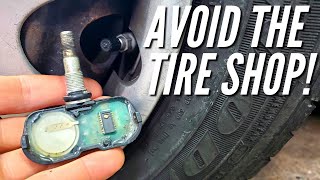
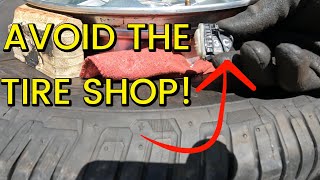
Typical fix: Replace the broken TPMS sensor. 🎬 See how to replace sensors without a tire machine
Est. part cost: $25-$75
Rare But Worth Checking
- Faulty Remote Control Door Lock Receiver (RCDLR): The RCDLR is the module that receives signals from both the key fobs and the TPMS sensors. If you are experiencing issues with both your key fobs (e.g., "No Remote Detected") and multiple TPMS sensors (not just C0755), the RCDLR is a likely suspect. TSB 16-NA-396 addresses this issue on other GM vehicles, recommending replacement of the RCDLR if these combined symptoms are present.
- Body Control Module (BCM) Malfunction: This is very rare. A BCM failure would typically be accompanied by multiple other unrelated electrical issues or trouble codes. A real-world example on a Corvette forum showed a user with codes C0750, C0755, C0760, C0765, and U0422 (Invalid Data from BCM) who suspected a BCM fault after multiple dealer visits failed to find a root cause. However, this should be the last item to suspect after all sensors and the RCDLR have been ruled out.
- Radio Frequency Interference (RFI): As detailed in TSB PIC5650, aftermarket electronics like phone chargers, USB power banks, and especially aftermarket LED lighting can emit radio frequencies that 'jam' the signal from the TPMS sensors and key fobs. If the C0755 code appears intermittently and is accompanied by key fob issues, try unplugging all aftermarket devices before further diagnosis.
Diagnosis Steps
- Verify the TPMS warning light behavior. Confirm it flashes for approximately one minute at startup before staying on, which indicates a system fault.
- Use a TPMS diagnostic tool to attempt to read the signal from the right front sensor. This can confirm if the sensor is transmitting and check its battery status. If it does not read, the sensor is likely faulty.
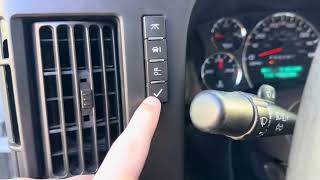
- Attempt a TPMS relearn procedure. On 2015+ models with a base-level DIC, this is initiated by pressing the trip odometer reset stem until "Tire Pressure" is displayed, then pressing and holding the stem to start the process. For models with steering wheel controls, navigate to the Tire Pressure screen in the INFO menu and hold "OK". A horn chirp will indicate the start of the process. 🎬 Watch: Step-by-step Chevy Express tire position relearn procedure
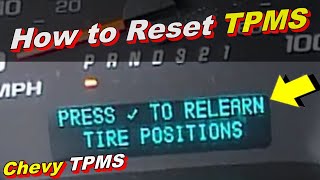
- Use a TPMS activation tool (like an EL-50448) to activate each sensor in sequence, starting with the driver's front tire. While some manuals suggest letting air out of the tires can work, owners report this method is unreliable and a tool is often necessary. 🎬 Watch this quick guide on resetting your TPMS system
- If the right front sensor will not relearn but the others will, the sensor has failed and needs to be replaced.
- If none of the sensors will relearn, or if key fob issues are also present, investigate for sources of Radio Frequency Interference (RFI) as per TSB PIC5650. If no RFI is found, diagnose the Remote Control Door Lock Receiver (RCDLR) and its wiring.
- If the code is accompanied by no-start issues and security codes, refer to TSB #PIC5650M and remove all aftermarket electronic devices before proceeding with further diagnosis.
Parts You'll Likely Need
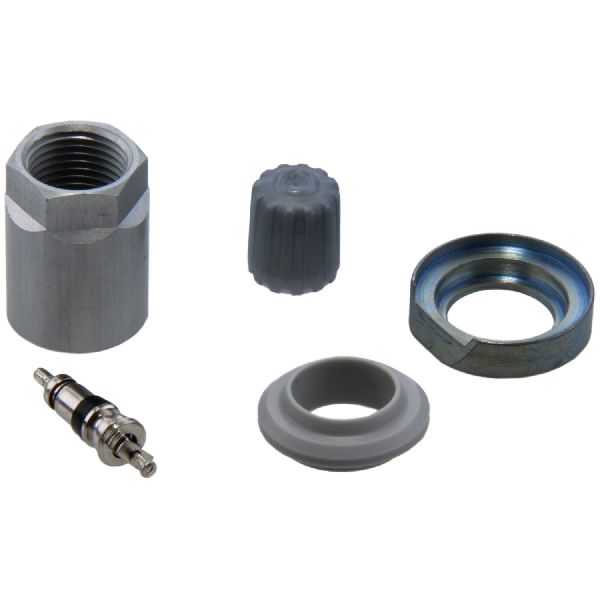
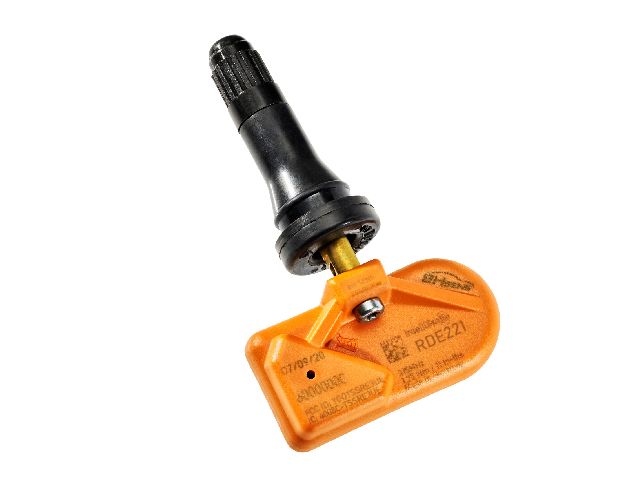
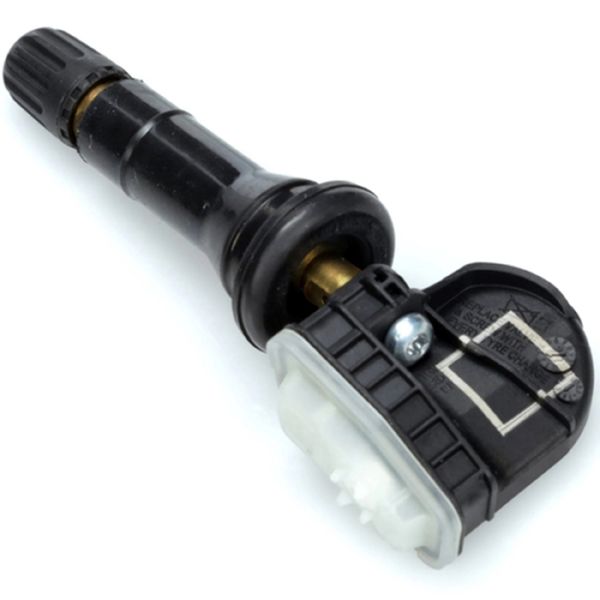
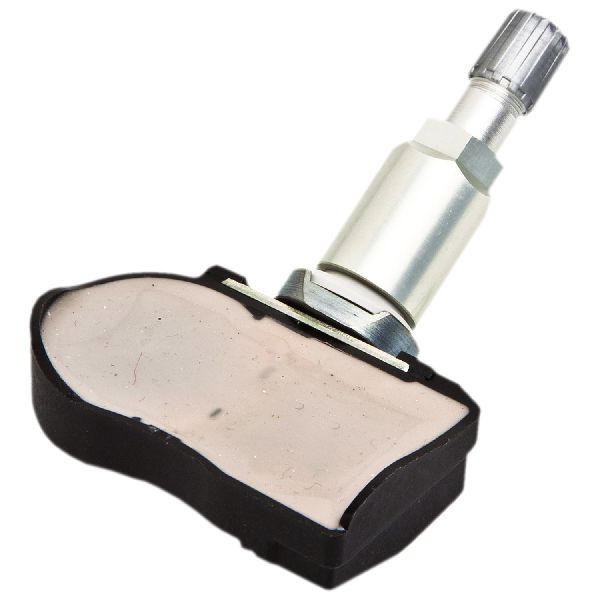
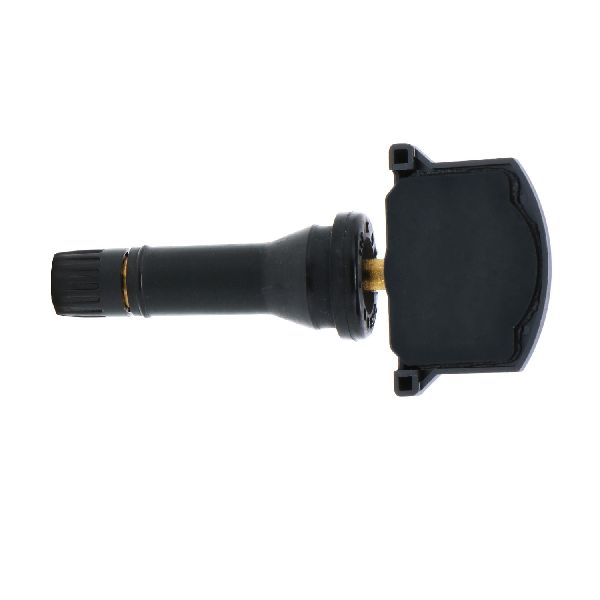
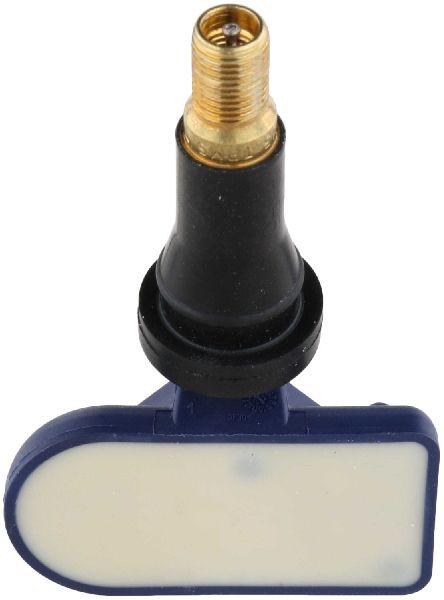
- Tire Pressure Monitoring System Sensor
(OEM #13598772)— This is the component that fails, usually due to its internal battery dying after 5-10 years. It is the direct cause of code C0755.
Trusted brands: ACDelco (OEM), Schrader (Often the OEM manufacturer), Standard Motor Products, Dorman
OEM price range: $40-$70
Aftermarket price range: $25-$50
Related Codes That Often Appear With This One
- C0750 — Fault with the Left Front TPMS sensor. Often appears with C0755 if sensors are failing due to age.
- C0760 — Fault with the Left Rear TPMS sensor. Often appears with C0755 if sensors are failing due to age.
- C0765 — Fault with the Right Rear TPMS sensor. Often appears with C0755 if sensors are failing due to age.
- B3055, B3060, B3935 — These are security/key-related codes. According to TSB #PIC5650M, they can appear with TPMS codes in cases of a no-start or start/stall condition, often pointing to Radio Frequency Interference (RFI) from aftermarket accessories.
- U0422 — Invalid Data Received From Body Control Module. This code can appear alongside multiple TPMS faults and may indicate a communication problem between the RCDLR and BCM, or a more serious module fault.
Technical Service Bulletins (TSBs) & Recalls
- PIC5650M: Addresses a potential no crank, no start, or start stall concern that may appear with security codes and TPMS codes C0750, C0755, C0760, C0765, and/or C0775. Points to RFI as a likely cause.
Platform-Specific Known Issues
- TSB #PIC5650M (and its subsequent revisions like G and C) notes that on some GM vans, a no-crank or start-stall condition with the security light on can be accompanied by a host of codes, including C0755. This TSB strongly suggests investigating for Radio Frequency Interference (RFI) from aftermarket accessories (phone chargers, LED lights, etc.) as the primary cause before replacing any modules.
- Recall #18255 was issued for some 2018 Express and Savana vans where the RCDLR was incorrectly calibrated from the factory, causing the TPMS warning to trigger at the wrong pressure. While not directly causing C0755, it highlights the RCDLR's central role in the TPMS system. The fix was a dealer reprogram of the RCDLR.
Mechanic-Grade Diagnostic Values
- RCDLR Module Battery Positive Voltage (at module connector) — expected: Should be equal to battery voltage (approx. 12.6V with engine off).. Failure: A voltage reading significantly lower than battery voltage points to a wiring issue (corrosion, resistance) or an internal module fault.
- Voltage Drop on RCDLR Ground Circuit — expected: Less than 0.1V (100mV).. Failure: A reading higher than 0.1V indicates high resistance in the ground circuit (loose or corroded ground point), which can cause intermittent module operation. This is tested by placing one DVM lead on the RCDLR ground pin and the other on a known good chassis ground.
- TPMS Sensor Battery Status (via Scan Tool) — expected: 'OK' or 'Normal'. Failure: 'Low' or 'N/A'. This is a direct indicator that the sensor's internal battery is depleted and the sensor needs replacement.
Hidden / Shadow Codes Worth Checking
- C0755 03: Indicates 'Low Voltage' from the sensor, directly pointing to a dying internal battery. This is the most common symptom byte for this issue. (see via GM GDS2, Tech2, or a high-end professional scan tool capable of reading manufacturer-specific symptom bytes.)
- C0755 29: Indicates 'Too Few Pulses' were received from the sensor. This can point to a failing sensor or, as noted in TSB #16-NA-396 for other GM vehicles, a failing RCDLR module. (see via GM GDS2, Tech2, or a high-end professional scan tool.)
- C0755 39: Indicates an 'Internal Malfunction' within the TPMS sensor itself. This confirms the sensor has failed electronically or physically, not just due to a low battery. (see via GM GDS2, Tech2, or a high-end professional scan tool.)
- C0755 00: Indicates 'No Sub Type Information'. This generic failure type is set when the signal is not received, but a more specific cause has not been determined. (see via GM GDS2, Tech2, or a high-end professional scan tool.)
Scan Tool Commands That Help
- GM GDS2 / Tech2: TPMS Data Display — This is the first and most crucial diagnostic step. Use this function to view live data from all four TPMS sensors, including their unique ID, reported pressure, temperature, and most importantly, battery status. It can instantly confirm if the right front sensor is offline or reporting a low battery.
- GM GDS2 / Tech2: Module Diagnostics > BCM > Control Functions — This path allows access to bidirectional controls for various BCM-controlled systems. While it doesn't directly test the TPMS sensors, it can be used to verify the BCM is functioning correctly by activating other outputs, helping to rule out a BCM failure.
- GM GDS2 / Tech2: RCDLR Module Setup / Programming — This function is required *after* replacing the Remote Control Door Lock Receiver (RCDLR). The new module must be programmed to the vehicle to recognize the existing TPMS sensors and key fobs.
Wiring & Ground Locations
- RCDLR Module — On 2015+ Express vans, the RCDLR is located under the top of the dashboard, behind and above the instrument cluster. The large, full-width plastic dash top piece that meets the windshield must be removed for access.. This module is the central receiver for all TPMS signals. A loose connection, damaged wiring, or a faulty module will cause TPMS codes. Its location makes it less susceptible to physical damage but requires significant dash disassembly to access.
- G102 / G103 — On the rear of the left (G102) and right (G103) cylinder heads of the engine.. These are primary engine-to-chassis ground points. While not directly tied to the RCDLR, poor engine grounds can introduce significant electrical noise into the vehicle's systems, potentially interfering with sensitive RF modules like the RCDLR, aligning with the RFI concerns in TSB PIC5650M.
- G301 — Located behind the left kick panel, near the driver's left foot.. This is a major body ground point. The Body Control Module (BCM) and other interior electronics rely on this ground. High resistance at G301 could cause a wide range of difficult-to-diagnose electrical issues, including communication problems between the RCDLR and BCM.
OEM Part Supersession History
13581558→13598772— Standard part evolution, likely for improved reliability or manufacturing cost.
Heads up: These parts are generally interchangeable for the specified model years.13598772→13516164, 22854866, 13528566— Continued part evolution and consolidation of part numbers across the GM line.
Heads up: While these are official supersessions, always confirm the latest part number with a dealer using the vehicle's VIN, as multiple active numbers may exist. 13598772 was also superseded at one point by 86363052.
Model Year Variations Within This Range
- 2015-2022: The TPMS sensor frequency for the Chevrolet Express remained 315 MHz throughout this period. However, it's worth noting that other GM trucks began transitioning to 433 MHz around 2019. Always use a 315 MHz sensor for the Express van unless a parts catalog specifically states otherwise for a given VIN.
- 2015 vs 2016+: The method for initiating the TPMS relearn procedure may differ slightly. 2015 models often use the trip odometer reset stem in the instrument cluster, while 2016 and newer models with uplevel displays use the steering wheel controls to navigate the Driver Information Center (DIC) menu.
Helpful Videos
We Have This Part in Stock

The information in this article is provided for general reference and educational purposes only. Vehicle specifications, procedures, and part compatibility can vary by production date, trim level, and region. Always consult your vehicle's factory service manual and verify part numbers before purchasing or performing repairs. Safety-critical components such as airbags, seat belts, and braking systems should be installed by a qualified professional.
- Chevrolet EXPRESS 2500:
- 🎬 Helpful Videos
- 🛍️ Shop This Part
- What's Unique About the 2015-2022 Chevrolet EXPRESS 2500
- Diagnostic Flowchart
- Symptoms You May Notice
- Most Likely Causes
- Rare But Worth Checking
- Diagnosis Steps
- Parts You'll Likely Need
- Related Codes That Often Appear With This One
- Technical Service Bulletins (TSBs) & Recalls
- Platform-Specific Known Issues
- Mechanic-Grade Diagnostic Values
- Hidden / Shadow Codes Worth Checking
- Scan Tool Commands That Help
- Wiring & Ground Locations
- OEM Part Supersession History
- Model Year Variations Within This Range
- 🎟️ Get 5% Off