

C0755 on 2010-2016 Cadillac SRX: Right Front TPMS Fault Causes and Fixes
Code C0755 on a 2010-2016 Cadillac SRX indicates a problem with the right front tire pressure monitoring system (TPMS) sensor. The most common cause is a dead battery inside the sensor, which has a typical lifespan of 7-10 years. Replacement of the sensor and a subsequent relearn procedure are required. Expect to pay $40-$80 for an aftermarket sensor or $60-$100 for an OEM part.
- C0755 means the right front TPMS sensor has failed, most likely due to an expired battery.
- Replacement requires tire dismounting and a special tool to relearn the new sensor.
- This is a safety issue as your car cannot warn you of a flat tire on that wheel.
- On the SRX, be aware that this TPMS fault has been linked in a GM TSB to rare but possible no-start conditions.
What's Unique About the 2010-2016 Cadillac SRX
On this generation of Cadillac SRX, the Tire Pressure Monitoring System (TPMS) is integrated with the Remote Control Door Lock Receiver (RCDLR), the same module that handles key fobs and vehicle security. A critical GM Technical Service Bulletin (TSB PIC5650 series) has linked TPMS fault codes, including C0755, to rare but significant issues like a no-crank, no-start, or a start-and-stall condition accompanied by the security light. This means a seemingly simple tire sensor issue could be a symptom of a deeper problem with the RCDLR that could prevent the vehicle from starting. The RCDLR module is physically located behind the trim panel in the right rear cargo area, near the D-pillar.
Diagnostic Flowchart
Tap your situation to follow the diagnostic path that matches what you're seeing on this vehicle.
Symptoms You May Notice
- TPMS warning light flashing for about a minute after startup, then staying on solid.
- "Service Tire Monitor System" message on the Driver Information Center (DIC).
- The tire pressure display shows dashes ("--") for the right front tire.
- In rare cases associated with a faulty RCDLR, a no-crank, no-start, or start-and-stall condition with the security light on.
- Poor key fob range or inoperative remote functions (lock/unlock/remote start).
- Replacing the tire. The tire itself does not cause this code; the sensor inside it does.
- Replacing the Body Control Module (BCM). While the BCM processes the data, the fault is almost always with the sensor or the RCDLR that receives the signal first.
Most Likely Causes
- Dead TPMS Sensor Battery 🔴 High Probability TPMS sensors use sealed, non-replaceable batteries with a finite lifespan of 7-10 years. Vehicles in this 2010-2016 year range are at or beyond the expected life of the original sensors.
How to confirm: A professional TPMS diagnostic tool can attempt to read the sensor. If the tool cannot get a response, or if a scan tool shows a 'low battery' status for the sensor, the battery is dead and the sensor must be replaced.
Typical fix: Replace the right front TPMS sensor and 🎬 See how to perform the TPMS relearn procedure perform the TPMS relearn procedure. It is often recommended to replace all four sensors at the same time, as the others are likely to fail soon.
Est. part cost: $40-$100 - Damaged TPMS Sensor 🟡 Medium Probability Sensors are made of plastic and can be easily broken during tire mounting/dismounting or by hitting a severe pothole.
How to confirm: Visual inspection of the sensor after dismounting the tire. Look for cracks in the housing or a broken valve stem. Damage may not always be visible.
Typical fix: Replace the damaged right front TPMS sensor and perform the relearn procedure.
Est. part cost: $40-$100 - Faulty Remote Control Door Lock Receiver (RCDLR) ⚪ Low Probability The RCDLR is the central receiver for all TPMS and key fob signals. An internal failure or, more commonly, a poor or disconnected antenna connection can prevent it from receiving the signal from one or more sensors. TSB 16-NA-061 specifically addresses poor antenna connections causing TPMS codes. TSB PI1283 also points to a faulty RCDLR for this code on some 2013 models.
How to confirm: If a new, known-good sensor cannot be programmed to the RF position, the RCDLR is suspect. Diagnosis involves checking the RCDLR antenna connections in the right rear of the vehicle and scanning for related codes like B3055 (key transponder fault).
Typical fix: First, inspect and reconnect the RCDLR coax antenna cable at the module, antenna amplifier, and rear glass antenna. The RCDLR is located behind the right rear quarter trim panel. If connections are good, the RCDLR module may need replacement. This requires programming by a dealer or a well-equipped independent shop.
Est. part cost: $150-$300
Rare But Worth Checking
- Radio Frequency (RF) Interference: Aftermarket electronic devices like phone chargers, dash cams, toll passes, or even aftermarket LED lighting can emit RF noise that jams the 315 MHz or 433 MHz TPMS signal. TSB PIC5650K details this issue. Before replacing parts, unplug all aftermarket accessories and see if the code clears and the sensor begins reading again.
- Use of Unapproved Tire Sealant: Tire sealant or 'fix-a-flat' products can clog the pressure sensing port on the sensor, causing it to fail or report incorrectly. If sealant has been used, the sensor will likely need to be replaced after cleaning the inside of the tire.
Diagnosis Steps
- Confirm the symptom on the Driver Information Center (DIC). Check for a "Service Tire Monitor System" message and dashes for the RF tire pressure reading.
- Unplug all aftermarket 12V accessories (phone chargers, dash cams, etc.) to eliminate Radio Frequency Interference as a cause.
- Use a TPMS activation tool (like an Autel TS508 or similar) near the RF valve stem to try and read the sensor. If the tool gets no response or shows a low battery status, the sensor has failed and needs replacement.
- If the tool reads the sensor successfully, the issue is likely with the vehicle's receiver (RCDLR) or its antenna.
- Initiate the TPMS relearn procedure via the DIC menu. The vehicle will enter learn mode and flash the left front turn signal. Use the TPMS tool to activate each sensor in sequence (LF, RF, RR, LR), waiting for a horn chirp at each corner. 🎬 Watch: How to relearn and clear TPMS codes
- If the relearn fails only for the RF position even with a new sensor, inspect the RCDLR antenna connections in the right rear quarter panel area per TSB 16-NA-061. Also check ground G402, located at the rear of the left rear shock tower on the D-pillar, as it provides the ground for the RCDLR.
- If experiencing a no-start condition, diagnosis should focus on the RCDLR module and potential RF interference as the primary cause for both the TPMS and security faults, as detailed in TSB PIC5650.
Parts You'll Likely Need
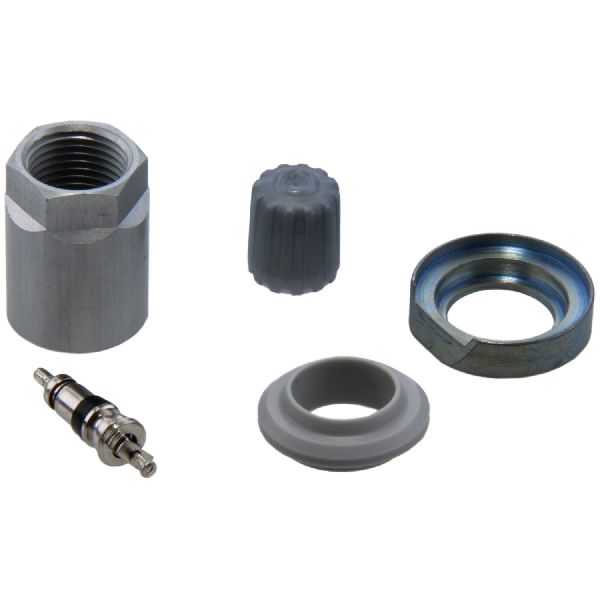
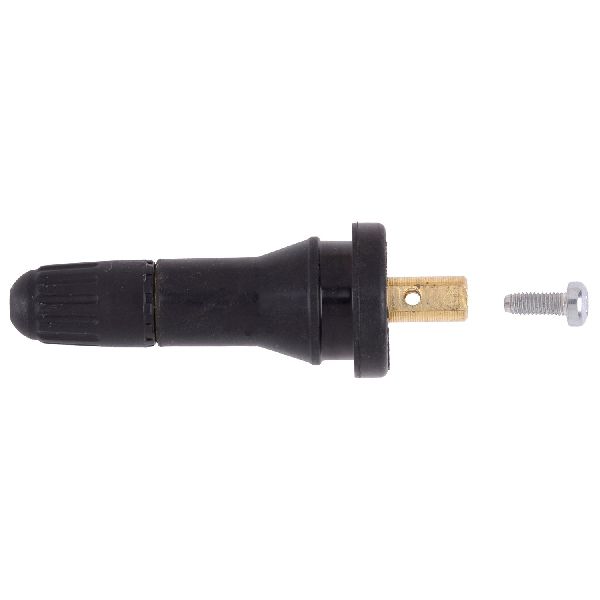
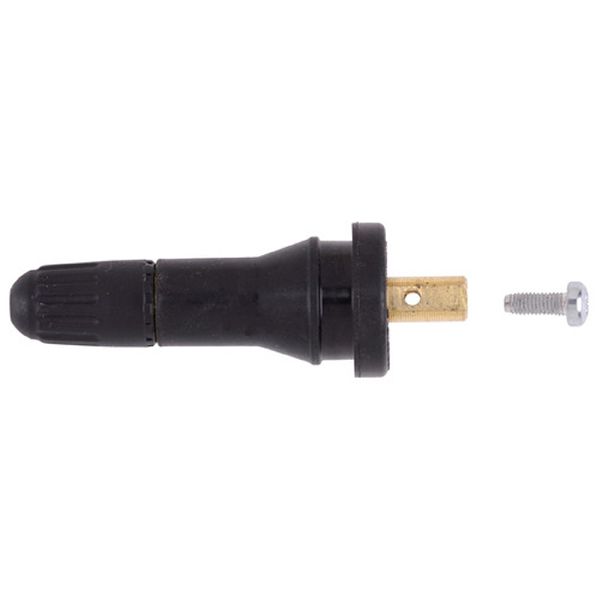
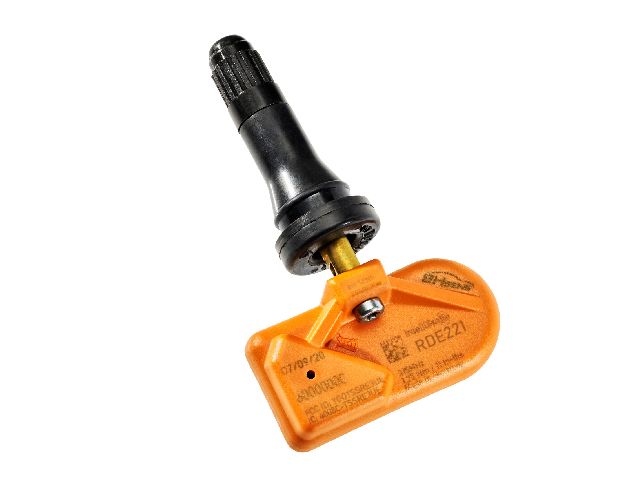
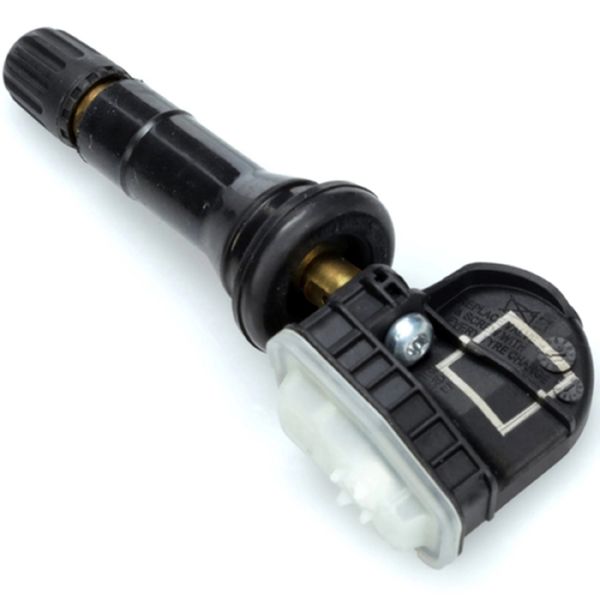
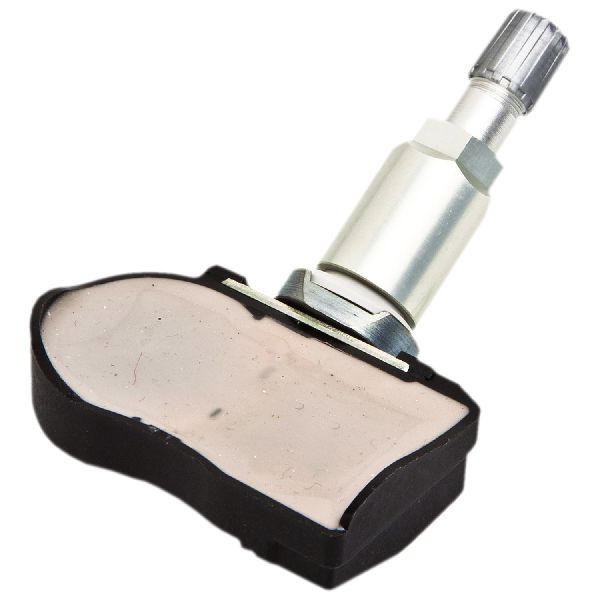
- Tire Pressure Monitoring System (TPMS) Sensor
(OEM #13540601)— This is the most common failure point. The internal battery dies after 7-10 years, or the sensor is damaged, requiring replacement.
Trusted brands: ACDelco (OEM), Schrader, Standard Motor Products, Dorman, Bosch
OEM price range: $60-$100
Aftermarket price range: $30-$80 - Remote Control Door Lock Receiver (RCDLR)
(OEM #13583333)— Needed if the module itself has failed, causing TPMS and key fob issues. TSB PI1283 specifies this part for a 2013 SRX with this code. Note: This part requires dealer or professional programming.
Trusted brands: ACDelco (OEM)
OEM price range: $180-$340
Aftermarket price range: N/A
Related Codes That Often Appear With This One
- C0750 — This is the code for the Left Front TPMS sensor. It's common for multiple sensor batteries to fail around the same time.
- C0760 — This is the code for the Left Rear TPMS sensor. It's common for multiple sensor batteries to fail around the same time.
- C0765 — This is the code for the Right Rear TPMS sensor. It's common for multiple sensor batteries to fail around the same time.
- B3055 — This code relates to the key transponder system. As noted in TSB PIC5650M, a fault in the shared RCDLR module or RF interference can trigger both TPMS and security-related codes, leading to a no-start condition.
Technical Service Bulletins (TSBs) & Recalls
- PIC5650M (and subsequent revisions): Addresses a no-crank, no-start, or start-stall concern that can be accompanied by various security and TPMS codes, including C0755. Points to RF interference from aftermarket devices as a common cause.
- 16-NA-061: Details how a disconnected RCDLR antenna can cause TPMS codes (C0750, C0755, etc.) and poor key fob range. Provides locations for checking the antenna coax cable connections.
- PI1283: A preliminary bulletin for 2013 SRX models where C0755 can be caused by RF interference, with the fix being a new RCDLR module.
- PIC5741A: Notes that multiple DTCs can be set by a poor connection at the Diagnostic Link Connector (DLC), often due to spread ground terminals (pins 4 & 5).
Platform-Specific Known Issues
- A known issue, documented in TSB #PIC5650M, links TPMS faults on this platform to a potential no-crank, no-start, or start-and-stall condition due to the shared functionality of the Remote Control Door Lock Receiver (RCDLR) with the vehicle's security system.
- TSB #16-NA-061 addresses TPMS codes caused by a poor or disconnected RCDLR antenna connection. Before replacing the module, technicians are advised to check the coax cable connections at the RCDLR, the antenna amplifier, and the rear glass antenna.
- TSB #PI1283 was released for 2013 SRX models in the Middle East where C0750/C0755 could be caused by RF interference, recommending replacement of the RCDLR with an updated part (P/N 13583333).
Hidden / Shadow Codes Worth Checking
- C0755 03: Right Front Tire Pressure Sensor Low Voltage. This typically indicates the sensor's internal battery is failing. (see via A professional-grade scan tool capable of reading GM-specific Body Control Module (BCM) codes and symptom bytes.)
- C0755 08: Right Front Tire Pressure Sensor Signal Invalid. The RCDLR is receiving a signal, but the data is corrupt or not plausible. (see via A professional-grade scan tool capable of reading GM-specific Body Control Module (BCM) codes and symptom bytes.)
- C0755 29: Right Front Tire Pressure Sensor Too Few Pulses. The sensor is not transmitting as frequently as expected by the RCDLR. (see via A professional-grade scan tool capable of reading GM-specific Body Control Module (BCM) codes and symptom bytes.)
- C0755 5A: Plausibility Failure. The data from the sensor (e.g., pressure reading) is outside the expected range or inconsistent with other vehicle data. (see via A professional-grade scan tool like GM's GDS2.)
Scan Tool Commands That Help
- GDS2/Tech2/Professional Scan Tool: TPMS Relearn Procedure — This command puts the vehicle into the learn mode required to program new or repositioned TPMS sensors to the RCDLR. It is essential after replacing a sensor or rotating tires.
- GDS2/Tech2/Professional Scan Tool: BCM Data Display > TPMS — To view live data from each TPMS sensor, including pressure, temperature, and sensor ID. This helps confirm if the RCDLR is receiving data from the sensor in question or if the sensor is not transmitting at all.
- TPMS Activation Tool (e.g., Autel, Bartec): Sensor Activation/Trigger — Used to force a sensor to transmit its data on demand. This is the primary method for diagnosing a sensor's battery life and functionality before removing the tire. It is also used during the relearn procedure to tell the vehicle which sensor is in which position.
Wiring & Ground Locations
- RCDLR (Remote Control Door Lock Receiver) — Located behind the trim panel in the right rear cargo area, near the D-pillar.. This module is the direct receiver for all TPMS sensor signals. A failure of the module, its antenna, or its wiring/ground is the next logical point of failure after the sensor itself.
- G402 — At the rear of the left rear shock tower on the D-pillar.. This is a key ground point for multiple rear body components, including the RCDLR. A corroded or loose G402 ground can cause intermittent or total failure of the RCDLR, leading to TPMS codes for one or all wheels.
- DLC Pins 4 & 5 — The Data Link Connector (OBD-II port) under the driver's side dashboard.. Per TSB PIC5741A, the ground terminals (pins 4 and 5) in the DLC can become spread or loose, causing poor connection with a scan tool. This can lead to a flood of erroneous DTCs, including TPMS codes, when a diagnostic tool is connected.
Real Owner Repair Stories
- Tahoe Yukon Forum user 'Joseph Garcia' (2007 Yukon XL Denali (similar GM platform)) — Service Tire Monitor System message, relearn procedure would not get past the first (left front) wheel.
❌ Tried (didn't work) Attempting the relearn procedure multiple times., Initial diagnosis with scanners did not point to a specific wheel sensor.
✅ What actually fixed it The user suspected a faulty RCDLR module but the actual cause was a bad right rear wheel sensor. Replacing that specific sensor allowed the relearn procedure to complete successfully. This highlights that even if the relearn process fails at the beginning, the fault can be with a different sensor on the vehicle.
Helpful Videos
We Have This Part in Stock

The information in this article is provided for general reference and educational purposes only. Vehicle specifications, procedures, and part compatibility can vary by production date, trim level, and region. Always consult your vehicle's factory service manual and verify part numbers before purchasing or performing repairs. Safety-critical components such as airbags, seat belts, and braking systems should be installed by a qualified professional.
- Cadillac SRX:
- 🎬 Helpful Videos
- 🛍️ Shop This Part
- What's Unique About the 2010-2016 Cadillac SRX
- Diagnostic Flowchart
- Symptoms You May Notice
- Most Likely Causes
- Rare But Worth Checking
- Diagnosis Steps
- Parts You'll Likely Need
- Related Codes That Often Appear With This One
- Technical Service Bulletins (TSBs) & Recalls
- Platform-Specific Known Issues
- Hidden / Shadow Codes Worth Checking
- Scan Tool Commands That Help
- Wiring & Ground Locations
- Real Owner Repair Stories
- 🎟️ Get 5% Off