

C0755 on 2015-2019 Buick LaCrosse: TPMS and Key Fob Fixes
On a 2015-2019 Buick LaCrosse, code C0755 points to a problem with a tire pressure sensor, but the most common cause is a faulty Remote Control Door Lock Receiver (RCDLR), especially if your key fob is also not working or has poor range. Replacing the RCDLR requires professional programming. Before replacement, check the RCDLR antenna connections.
- Code C0755 on a 2015-2019 LaCrosse refers to the right front tire pressure sensor.
- Before buying a new sensor, check your key fob. If it's also not working or has very poor range, the problem is very likely the Remote Control Door Lock Receiver (RCDLR).
- Always check the RCDLR antenna connections before replacing the module itself, as a loose wire can cause the same problem.
- Replacing the RCDLR is not a simple DIY job as it requires programming to the vehicle's computer system.
- Driving with this code is possible, but it disables a key safety feature (TPMS) and risks a no-start condition.
What's Unique About the 2015-2019 Buick LACROSSE
On this generation of Buick LaCrosse and many other GM vehicles, the Remote Control Door Lock Receiver (RCDLR) processes signals for both the Tire Pressure Monitoring System (TPMS) and the key fobs. This shared-module design is a common point of failure. Owners are often confused when a TPMS light appears along with key fob problems, but it's a well-documented issue pointing directly at the RCDLR module rather than the individual tire sensors.
Diagnostic Flowchart
Tap your situation to follow the diagnostic path that matches what you're seeing on this vehicle.
Generation note: This range covers the end of the second generation (2015-2016) and the entire third generation (2017-2019) of the Buick LaCrosse. The system architecture where the RCDLR handles both TPMS and key fob signals is consistent across these models, making the diagnosis and common failures similar for both generations. The procedure to start the car with a dead key fob differs: 2015-2016 models have a transmitter pocket in the center console armrest, while 2017-2019 models have one inside the center console storage area.
Symptoms You May Notice
- Tire pressure monitor (TPMS) indicator light is illuminated or flashing
- "Service Tire Monitor System" message on the Driver Information Center (DIC)
- Key fob functions (lock, unlock, remote start, panic) are inoperative or work intermittently.
- Significantly reduced operating range for the key fob.
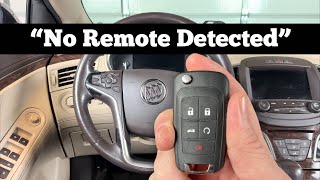
- "No Remote Detected" message on the DIC when trying to start the car.
- In some cases, a no-crank/no-start condition with the security light on.
- Replacing the right front TPMS sensor when the actual fault is with the RCDLR. If the key fob is also not working, the RCDLR should be the primary suspect.
- Replacing the RCDLR module without first checking for a simple disconnected antenna coax cable, which presents identical symptoms.
Most Likely Causes
- Faulty Remote Control Door Lock Receiver (RCDLR) 🔴 High Probability As documented in GM TSB #16-NA-396, the RCDLR is a known failure point that causes simultaneous TPMS and key fob issues.
How to confirm: If multiple TPMS codes (C0750, C0755, C0760, C0765) are present and key fob functions are inoperative, the RCDLR is the most likely cause. A professional scan tool can check the RCDLR's status. A key fob that only works when held right next to the rear passenger C-pillar is a strong indicator.
Typical fix: Replace the RCDLR module and program it to the vehicle. The module is typically located behind the rear passenger side C-pillar trim panel.
Est. part cost: $70-$180 - Failed Right Front TPMS Sensor 🟡 Medium Probability TPMS sensors have a finite battery life, typically 7-10 years. A dead battery is a common reason for failure.
How to confirm: Use a TPMS tool to attempt to read the sensor's pressure, temperature, and battery status. If the tool cannot activate or read the sensor, AND the key fobs work perfectly, the sensor has likely failed.
Typical fix: Replace the TPMS sensor in the right front tire. The new sensor will need to be programmed or 'relearned' to the vehicle.
Est. part cost: $30-$75 - RCDLR Antenna or Coax Cable Disconnection ⚪ Low Probability TSB 16-NA-061 notes that the antenna system for the RCDLR can become disconnected, mimicking a failed module. This can happen during unrelated vehicle service.
How to confirm: Visually inspect the coax cable connections at the RCDLR module (behind rear C-pillar), at the antenna amplifier module, and at the antenna itself (often in the rear glass). A disconnect at the RCDLR will cause total failure, while a disconnect further away may only cause intermittent issues with sensors farthest from the module.
Typical fix: Reconnect the loose coax cable or antenna connector. Repair any damaged wiring.
Est. part cost: $0-$50
Rare But Worth Checking
- Faulty Body Control Module (BCM): The BCM is the central computer for these systems. While less common, it can be the root cause if the RCDLR and sensors check out, especially if other seemingly unrelated electrical issues are present, as noted in TSB #PIC5650M.
- Radio Frequency (RF) Interference: Aftermarket electronic devices like dash cams, phone chargers, or CB radios can sometimes interfere with the signals from the TPMS sensors to the RCDLR.
- Temporary RCDLR Software Glitch: TSB PIC6227B mentions a condition caused by a software abnormality where a battery disconnect and reconnect will reset the RCDLR and may restore function temporarily. If this works, it still points to an underlying issue with the module.
Diagnosis Steps
- Scan all vehicle modules for any stored Diagnostic Trouble Codes (DTCs). Note if C0750, C0760, and C0765 are present with C0755.
- Check the functionality of all key fobs. Do they lock, unlock, and remote start the vehicle? Test their range; do they only work when very close to the car?
- If key fobs are inoperative or have very poor range, and multiple TPMS codes are set, suspect the RCDLR system.
- Crucial Step Before Replacement: Per TSB 16-NA-061, inspect the RCDLR antenna system. Check for a secure connection of the coax cable at the RCDLR module itself (behind rear passenger C-pillar trim), at the antenna amplifier, and at the antenna on the rear glass.
- If antenna connections are secure, use a professional scan tool or dedicated TPMS tool to attempt to read the live data from all four tire pressure sensors. Check for pressure, temperature, and battery status.
- If the right front sensor does not report, but the others do AND the key fobs work perfectly, the sensor itself is likely faulty.
- If multiple TPMS sensors are not reporting and/or the key fobs are inoperative, and the antenna wiring is confirmed to be good, the Remote Control Door Lock Receiver (RCDLR) is the primary suspect and likely requires replacement and programming.
- If the RCDLR and sensors appear functional, the diagnostic path may lead to the Body Control Module (BCM), which requires more advanced diagnostics.
Parts You'll Likely Need
- Remote Control Door Lock Receiver (RCDLR)
(OEM #13597910)— This is the most common point of failure, as it controls both TPMS and key fob functions. TSB 16-NA-396 confirms this part number as the correct replacement for the original part (13510984).
Trusted brands: ACDelco, General Motors
OEM price range: $70-$180
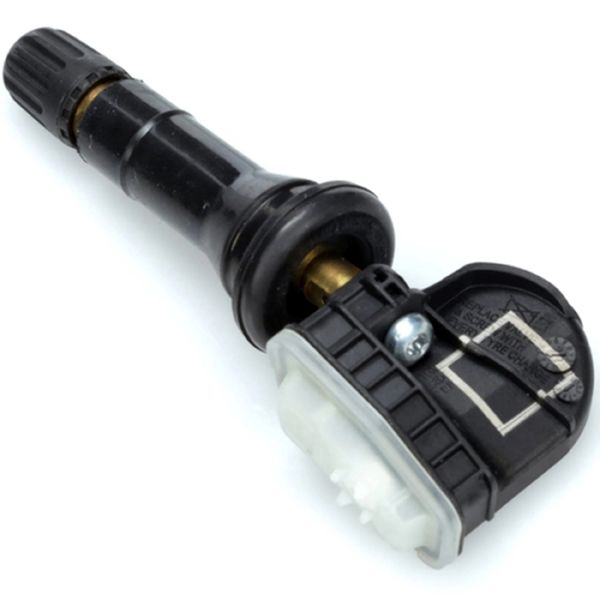
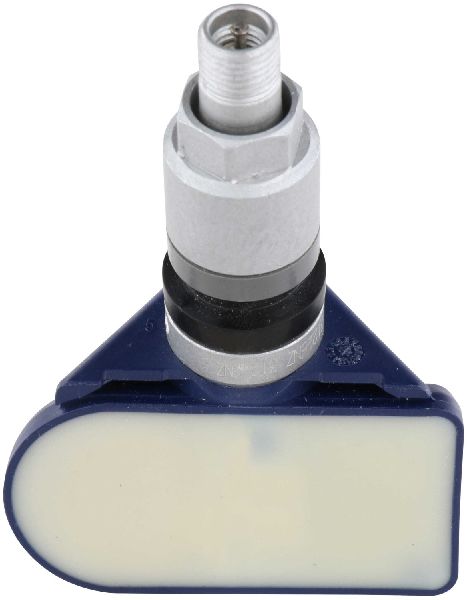
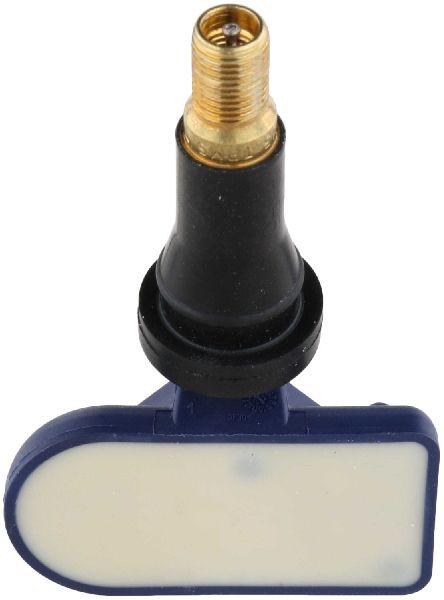
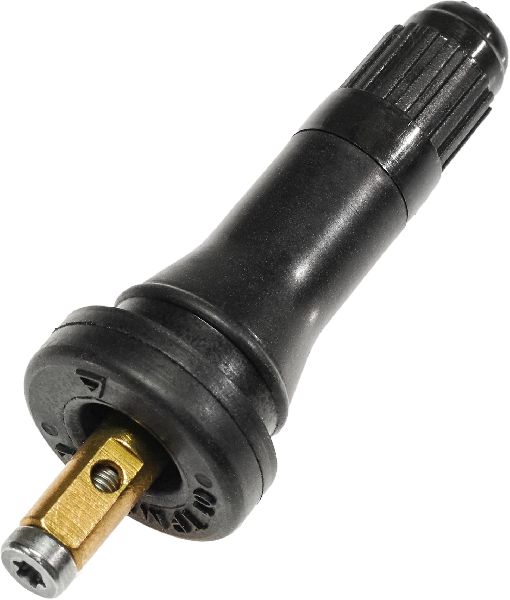
Aftermarket price range: $40-$90 - Tire Pressure Monitoring System (TPMS) Sensor
(OEM #13598772)— If only the single sensor is failing and key fobs work correctly, the sensor's battery has likely died or the sensor has failed.
Trusted brands: ACDelco, Schrader, VDO
OEM price range: $50-$100
Aftermarket price range: $30-$75
Related Codes That Often Appear With This One
- C0750 — Fault in the Left Front TPMS sensor circuit. Often appears with other TPMS codes when the RCDLR is failing.
- C0760 — Fault in the Left Rear TPMS sensor circuit. Often appears with other TPMS codes when the RCDLR is failing.
- C0765 — Fault in the Right Rear TPMS sensor circuit. Often appears with other TPMS codes when the RCDLR is failing.
- B3055 — A key-related immobilizer code that can appear alongside TPMS codes when there is a no-start condition related to the RCDLR or BCM.
Technical Service Bulletins (TSBs) & Recalls
- 16-NA-396: The primary TSB for this issue. States that inoperative key fobs and multiple TPMS codes (C0750, C0755, C0760, C0765) are caused by an internal failure of the RCDLR and instructs technicians to replace the module.
- 16-NA-061: A critical secondary TSB. Warns that a poor or disconnected RCDLR antenna connection can cause identical symptoms (TPMS codes, key fob inoperative) and should be inspected before replacing any components.
- PIC5650M: Links C0755 with other codes in the event of a no-crank, no-start, or start-stall condition with the security light on.
- PIC6227B: Describes an intermittent condition due to a software abnormality where a battery disconnect/reconnect may temporarily restore RCDLR function.
- PI1085 / PIC5604C: Earlier bulletins that also identified poor RKE transmitter range and TPMS issues on various GM models as being caused by a faulty RCDLR.
Platform-Specific Known Issues
- A known issue, documented in TSB #16-NA-396, involves the RCDLR failing and causing multiple TPMS codes (C0750, C0755, C0760, C0765) along with inoperative key fobs.
- A secondary known issue, per TSB #16-NA-061, is that the RCDLR's antenna or coax cable can become disconnected, causing the exact same symptoms as a failed module. This should be checked before replacing parts.
Hidden / Shadow Codes Worth Checking
- C0755 :29: Too Few Pulses. This is the most common symptom code, noted in TSB 16-NA-396, indicating the RCDLR is not receiving the expected number of data packets from the sensor. (see via GM GDS2 or equivalent professional scan tool capable of reading manufacturer-specific symptom bytes.)
- C0755 :03: Low Voltage. This points directly to a sensor with a dying battery or internal fault causing a weak signal. (see via GM GDS2 or equivalent professional scan tool.)
- C0755 :39: Internal Malfunction. This code explicitly indicates the sensor itself has failed internally. (see via GM GDS2 or equivalent professional scan tool.)
Scan Tool Commands That Help
- GM GDS2: Module Diagnostics > Remote Control Door Lock Receiver > Configuration/Reset Functions > Add or Replace Key Fobs — This function is used to program new or existing key fobs to a newly installed RCDLR.
- GM GDS2 / Tech 2: RCDLR Setup — This is a required setup procedure after replacing the RCDLR module to 'marry' it to the vehicle's BCM and other systems before key fobs can be learned.
- GM GDS2 / Tech 2: Theft Deterrent System Learn — After RCDLR replacement and setup, this procedure is necessary to re-synchronize the immobilizer system with the vehicle's keys.
Wiring & Ground Locations
- G103 — On the left frame rail, located underneath the Starter Generator Control Module (SGCM) bracket.. While not directly for the RCDLR, TSB PIP5632B identifies a poor connection at this ground as a cause for no-start or stalling conditions on 2018-2019 models, which can be a symptom when C0755 is present with immobilizer issues.
- RCDLR Module — Behind the rear passenger side C-pillar trim panel.. This is the physical location of the module itself. Knowing this is critical for visual inspection of its connectors and antenna cable, and for replacement. Proximity testing (seeing if the fob works only when held near this spot) is a key diagnostic step.
- RCDLR Antenna — Typically integrated into the rear window glass, with a coax cable running to the RCDLR module.. A disconnected or damaged antenna cable is a known cause of RCDLR failure symptoms and should be inspected before replacing the module, as noted in TSB 16-NA-061.
Real Owner Repair Stories
- Reddit user m500sesp on r/MechanicAdvice (2014 Buick Enclave (similar GM platform)) — Key fobs and TPMS not working.
❌ Tried (didn't work) Replaced the RCDLR module., Attempted to program new key fobs using a professional (Autel MaxiSys) scan tool. The tool indicated programming was successful, but the fobs still did not function., Used the 'erase all keys' function and re-added them, which also failed to resolve the issue.
✅ What actually fixed it The new RCDLR module had to be 'married' to the car's computer using official GM software. The aftermarket scan tool, despite having the function, could not complete this critical setup step.
OEM Part Supersession History
13510984→13597910— The original part number was updated to a revised version. TSB 16-NA-396 specifies using the new part number for replacement.
Heads up: Part number 13583332 is also listed as being replaced by 13597910.
Model Year Variations Within This Range
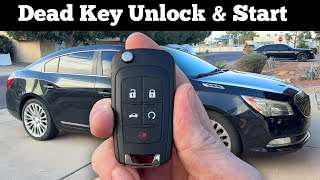
- 2015-2016: To start the vehicle with a dead key fob ('No Remote Detected' message), the fob must be placed in the transmitter pocket located inside the center console armrest.
- 2017-2019: To start the vehicle with a dead key fob, the fob must be placed into the transmitter pocket located inside the main center console storage area, under the top tray.
Helpful Videos
We Have This Part in Stock

The information in this article is provided for general reference and educational purposes only. Vehicle specifications, procedures, and part compatibility can vary by production date, trim level, and region. Always consult your vehicle's factory service manual and verify part numbers before purchasing or performing repairs. Safety-critical components such as airbags, seat belts, and braking systems should be installed by a qualified professional.
- Buick LACROSSE:
- 🎬 Helpful Videos
- 🛍️ Shop This Part
- What's Unique About the 2015-2019 Buick LACROSSE
- Diagnostic Flowchart
- Symptoms You May Notice
- Most Likely Causes
- Rare But Worth Checking
- Diagnosis Steps
- Parts You'll Likely Need
- Related Codes That Often Appear With This One
- Technical Service Bulletins (TSBs) & Recalls
- Platform-Specific Known Issues
- Hidden / Shadow Codes Worth Checking
- Scan Tool Commands That Help
- Wiring & Ground Locations
- Real Owner Repair Stories
- OEM Part Supersession History
- Model Year Variations Within This Range
- 🎟️ Get 5% Off