

C0750 on 2015-2022 Chevrolet Malibu: Left Front TPMS Fault Causes and Fixes
Code C0750 on a Chevy Malibu most often means the Left Front tire pressure sensor has failed. If your key fob also stops working, the problem is likely the Remote Control Door Lock Receiver (RCDLR) module. Replacing a single sensor costs about $40-$100 for the part, while an RCDLR replacement can cost $250-$500.
- C0750 points directly to a problem with the Left Front TPMS sensor.
- The most common fix is to replace the failed TPMS sensor, which has a battery that wears out over time.
- If your key fob also stopped working, the problem is almost certainly the Remote Control Door Lock Receiver (RCDLR), not the sensor itself.
- The 2015-2016 (8th gen) and 2016-2022 (9th gen) Malibus use different TPMS sensor frequencies; ensure you buy the correct part for your specific year.
- After replacing a sensor or rotating tires, a TPMS relearn procedure is required for the system to work correctly.
What's Unique About the 2015-2022 Chevrolet MALIBU
On many modern GM vehicles, including the 9th generation Malibu, the Tire Pressure Monitoring System (TPMS) is integrated with the keyless entry system into a single module called the Remote Control Door Lock Receiver (RCDLR). This design means that a fault within this module can cause both TPMS warnings and key fob problems simultaneously. A GM Technical Service Bulletin (TSB #16-NA-396) directly addresses this, noting that when multiple TPMS codes (C0750, C0755, C0760, C0765) appear with key fob issues, the RCDLR is the likely culprit. This issue is not unique to the Malibu and affects many platform-mates.
Diagnostic Flowchart
Tap your situation to follow the diagnostic path that matches what you're seeing on this vehicle.
Generation note: The 2015 model year is the end of the 8th generation (a 2016 'Malibu Limited' is also 8th gen), while 2016-2022 models are the 9th generation. The TPMS sensor frequencies and part numbers differ between these generations. 8th gen models (through 2015/2016 Limited) typically use a 315 MHz sensor, while 9th gen models (2016-2022) use a 433 MHz sensor. It's crucial to verify the correct frequency for your specific model year, as some 2016 models could use either.
Symptoms You May Notice
- Tire Pressure Monitoring System (TPMS) warning light is on
- "Service Tire Monitor System" message on the Driver Information Center (DIC)
- Key fob is inoperative (lock, unlock, remote start, panic functions fail).
- "No Remote Detected" message on the DIC.
- Intermittent no-crank or no-start condition, requiring the fob to be placed in the transmitter pocket.
- Security system warning light illuminated
- Tire pressure readings on the DIC show as dashes (--) for one or more tires.
- Replacing the wrong TPMS sensor. If the tires were rotated but the TPMS system was not relearned, the car may report C0750 (Left Front) when the bad sensor is actually at a different wheel location. Always perform the relearn procedure after tire rotation.
Most Likely Causes
- Failed Left Front TPMS Sensor 🔴 High Probability TPMS sensors contain a non-replaceable battery that has a finite lifespan, typically lasting 5-10 years. As the vehicle ages, battery failure becomes the most common reason for a sensor to stop transmitting. The sensor can also be damaged during tire service.
How to confirm: Use a TPMS diagnostic tool to attempt to activate and read the sensor at the left front wheel. If the tool cannot get a reading (no signal, low battery), the sensor has failed. This is the likely cause if C0750 appears alone and key fobs work correctly.
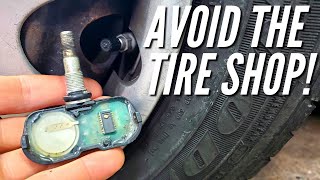
Typical fix: Replace the left front TPMS sensor and perform the TPMS relearn procedure. 🎬 See how to replace TPMS sensors without a tire machine.
Est. part cost: $30-$90 - Faulty Remote Control Door Lock Receiver (RCDLR) 🟡 Medium Probability A well-documented issue in GM TSB #16-NA-396 points to internal failures within the RCDLR module, causing it to lose communication with both TPMS sensors and key fobs. This is a common failure across many GM platforms from this era.
How to confirm: This is the most likely cause if you have C0750 along with other TPMS codes (C0755, C0760, C0765) AND your key fob functions are inoperative. A professional scan tool can check for communication with the RCDLR. Disconnecting the vehicle battery for 15-30 minutes may temporarily restore function, which strongly points to a failing RCDLR.
Typical fix: Replace the RCDLR module. This requires programming by a dealer or a qualified shop with GM-specific software (SPS/GDS2).
Est. part cost: $60-$150
Rare But Worth Checking
- Dead Battery in Key Fob: A very weak key fob battery can sometimes cause erratic behavior in the RCDLR, which may log TPMS codes. This is a simple and inexpensive item to check first, though it is unlikely to be the root cause if the car won't start without the fob in the transmitter pocket.
- Wiring Harness or Antenna Damage: Damage to the wiring, coaxial cable, or antenna leading to the RCDLR can interrupt communication and set this code. TSB #16-NA-061 details how a disconnected antenna or coax cable can cause these exact symptoms, often showing dashes for the furthest tires first. The RCDLR is often located on the rear deck behind the back seat.
Diagnosis Steps
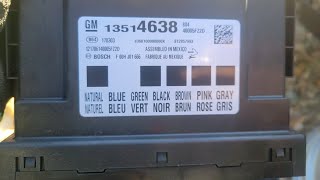
- Scan all vehicle modules for any stored trouble codes. Note if C0750 appears alone or with other TPMS (C0755, C0760, C0765) or Body Control Module (BCM) codes. 🎬 Watch this guide to locate and remove the BCM.
- Test the functions of the key fob (lock, unlock, remote start). If they do not work, and especially if multiple TPMS codes are present, suspect the RCDLR module per TSB #16-NA-396.
- Using a TPMS activation tool, attempt to read the data (pressure, temperature, battery status) from the left front sensor.
- If the tool cannot get a response from the left front sensor, but can from others, the sensor itself has likely failed.
- If the tool can read the sensor, but the code remains, the issue is likely with the receiver or wiring.
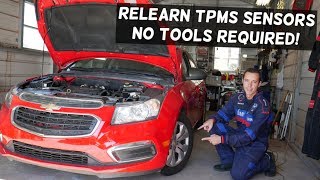
- If tires have been recently rotated, perform the TPMS relearn procedure to ensure the vehicle knows the correct position of each sensor. This can be done with a simple relearn tool or via DIC commands on some models. 🎬 Watch: How to relearn TPMS sensors without using any tools.
- If the RCDLR is suspected, inspect its wiring and connectors for any visible damage or corrosion. The module is typically located on the rear package shelf, accessible by removing the rear seat or interior trim.
- As a final diagnostic step before replacement, a technician can use a GM GDS2 scan tool to check communication status with the RCDLR and look for specific symptom bytes like ':29' (Too Few Pulses).
Parts You'll Likely Need
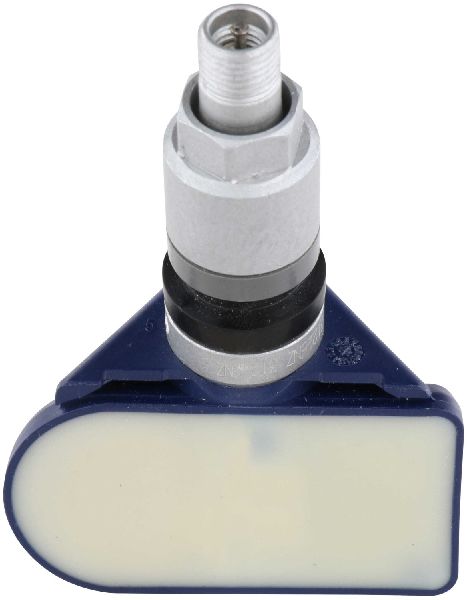
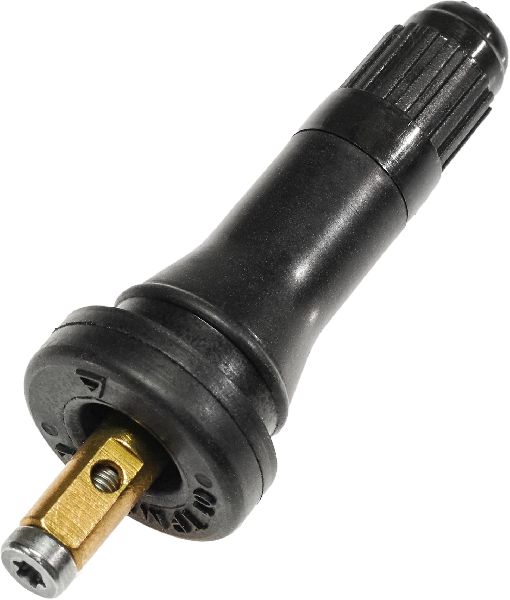
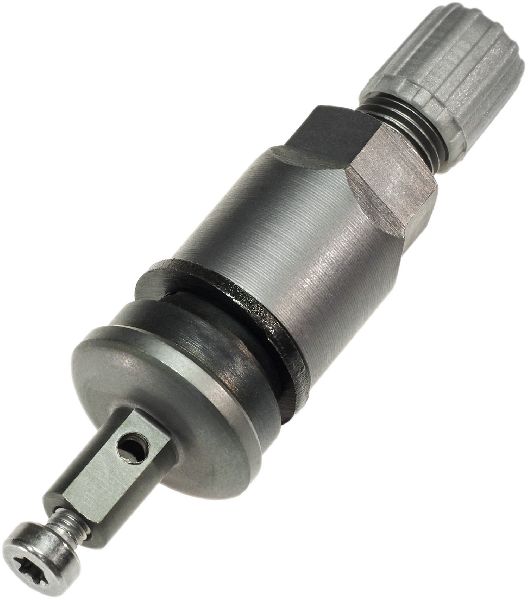
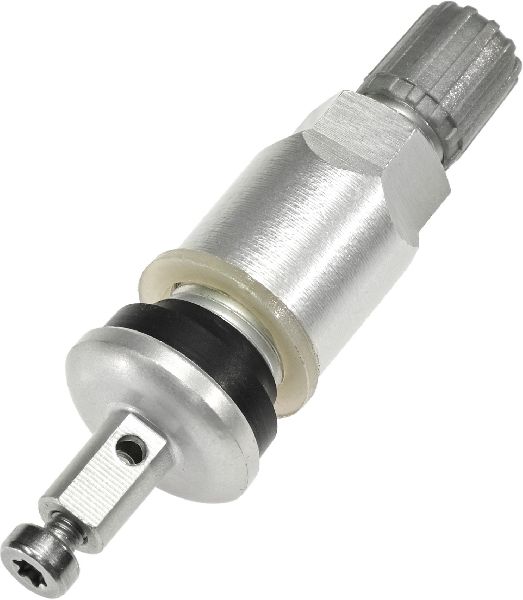
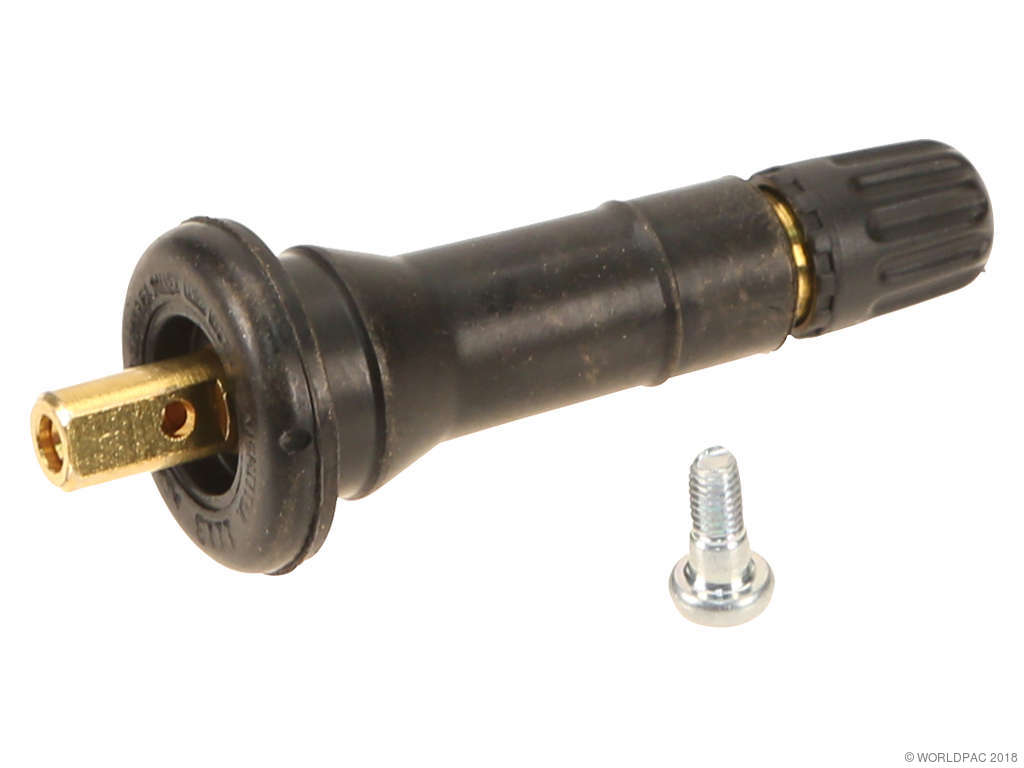
- Tire Pressure Monitoring System (TPMS) Sensor
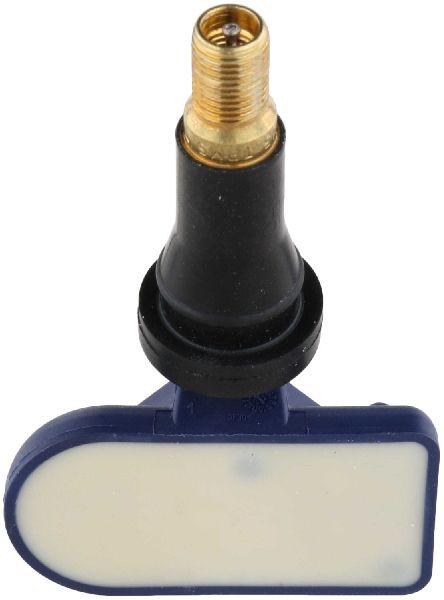
(OEM #13598771 (315MHz) / 13598773 (433MHz))— This is the most common failure point. The internal battery dies, causing the sensor to stop transmitting. Part number 13598771 (315 MHz) is common for the 8th gen Malibu, while 13598773 (433 MHz) is common for the 9th gen. Always verify by VIN.
Trusted brands: ACDelco, Schrader, VDO, Huf
OEM price range: $50-$90
Aftermarket price range: $30-$60 - Remote Control Door Lock Receiver (RCDLR)
(OEM #13595510)— This module fails internally, causing a loss of communication with both the TPMS sensors and the key fobs, as documented in TSB #16-NA-396. Part number 13595510 is a common replacement for the original 13509517. This part requires dealer or specialist programming after installation.
Trusted brands: ACDelco (GM Genuine)
OEM price range: $60-$150
Aftermarket price range: N/A
Related Codes That Often Appear With This One
- C0755, C0760, C0765 — These are the codes for the other three tire pressure sensors (RF, RR, LR). When all four appear together, especially with symptom byte :29, it strongly suggests a failure of the central receiver (RCDLR) rather than four individual sensors failing at once.
- B3055, B3935 — These are security-related codes. TSB #PIC5650M links them with TPMS codes when the fault is related to the RCDLR or associated wiring, causing no-start conditions.
Technical Service Bulletins (TSBs) & Recalls
- #16-NA-396: Addresses inoperative key fobs and multiple TPMS codes (including C0750) caused by a faulty Remote Control Door Lock Receiver.
- #PIC5650M: Connects TPMS codes like C0750 to intermittent no-start or stalling issues and security system codes.
- #16-NA-061: Details diagnosis for the RCDLR antenna system, which can mimic a failed RCDLR module if disconnected or damaged.
Platform-Specific Known Issues
- TSB #16-NA-396: The Primary Culprit for Combined Failures: GM issued this bulletin for various models including the 2016-2017 Malibu, noting that intermittent loss of key fob functions accompanied by TPMS codes C0750, C0755, C0760, and C0765 (often with symptom byte :29 'Too Few Pulses') is likely due to an internal fault in the Remote Control Door Lock Receiver (RCDLR). The fix is to replace the RCDLR module with an updated part number.
- TSB #PIC5650M: Link to No-Start Conditions: This bulletin connects C0750 and other TPMS codes to more severe symptoms like intermittent no-crank/no-start conditions and an illuminated security light, pointing towards a potential issue in the RCDLR or related vehicle security system.
- TSB #16-NA-061: Antenna and Wiring Faults: This bulletin provides diagnostic guidance for when the RCDLR itself is not faulty, but its antenna system is. It explains that a disconnected coaxial cable or antenna amplifier (often located near the rear glass) can cause the same symptoms, including TPMS codes and poor key fob range. It advises checking these connections before replacing the RCDLR module.
Mechanic-Grade Diagnostic Values
- System Voltage during Programming — expected: 13.8V or higher. Failure: Voltage below normal thresholds can cause programming to fail or modules not to wake up.
Hidden / Shadow Codes Worth Checking
- C0750 with symptom byte :29: Too Few Pulses. This is the most common symptom byte seen with TSB #16-NA-396, indicating the RCDLR is not receiving the expected number of transmissions from the TPMS sensor. It strongly points to an RCDLR or antenna issue when seen with all four tire codes. (see via GM GDS2 or equivalent professional scan tool.)
- C0750 with symptom byte :08: Signal Invalid / Bus Signal or Message Failure. This indicates the RCDLR received a signal, but it was corrupt, malformed, or otherwise unusable. This can point to a failing sensor or external interference. (see via GM GDS2 or equivalent professional scan tool.)
- C0750 with symptom byte :03: Frequency Modulated / Pulse Width Modulated Failure. This indicates a problem with the signal's modulation, pointing towards a fault within the sensor's transmitter or potential RF interference. (see via GM GDS2 or equivalent professional scan tool.)
Scan Tool Commands That Help
- GDS2 (Global Diagnostic System 2): Module Diagnostics > Remote Control Door Lock Receiver > Configuration/Reset Functions > Add/Replace Key Fobs — This function is used to program new key fobs to the RCDLR module after it has been replaced.
- GDS2 / Tech2Win: RCDLR Setup Procedure — This is a required step after installing a new RCDLR to configure it to the vehicle's options.
- SPS (Service Programming System): BCM Body Control Module – programming — After physically installing a new RCDLR, the SPS software is used to flash the module with the correct vehicle-specific software and VIN. This must be done before any setup or relearn procedures.
- GDS2 / Tech2Win or Vehicle DIC: TPM Sensor Learn Procedure — This is the final step after replacing the RCDLR or any TPMS sensor to teach the module the new sensor IDs and their locations on the vehicle.
Wiring & Ground Locations
- RCDLR Module — For the 9th Gen Malibu (2016+), the RCDLR is located on the rear package shelf (the panel behind the rear headrests). It is often accessible from inside the trunk by looking up, or by removing the rear interior C-pillar trim and the shelf panel itself.. This is the central module that receives signals from both the TPMS sensors and key fobs. A failure or poor connection here is a primary cause of C0750, especially when key fob issues are also present.
- G303 / G304 — G303 is a primary body ground located in the driver's side (left) kick panel area. G304 is in the passenger's side (right) kick panel.. The BCM and other interior modules rely on these grounds. A loose or corroded ground at G303 or G304 can cause a wide range of difficult-to-diagnose electrical issues, including communication problems with the RCDLR.
- RCDLR Antenna — The antenna for the RCDLR is often integrated into the rear window defogger grid or is a separate coaxial cable running near the rear glass.. A disconnected or damaged antenna coax cable can prevent the RCDLR from receiving signals from the TPMS sensors and key fobs, perfectly mimicking the symptoms of a failed RCDLR module itself, as noted in TSB 16-NA-061.
OEM Part Supersession History
13509517→13595510— Internal design update to address the reliability issues outlined in TSB 16-NA-396.
Heads up: The new part number 13595510 is the correct replacement for the original. Installing a used module with the old part number may lead to a repeat failure.
Model Year Variations Within This Range
- 2015-2016 (Gen 8) vs 2016-2022 (Gen 9): The TPMS sensors operate on different frequencies. 8th generation models generally use a 315 MHz sensor (e.g., ACDelco 13598771), while 9th generation models use a 433 MHz sensor (e.g., ACDelco 13598773). Using the wrong frequency sensor will result in it not being able to communicate with the RCDLR.
Helpful Videos
We Have This Part in Stock

The information in this article is provided for general reference and educational purposes only. Vehicle specifications, procedures, and part compatibility can vary by production date, trim level, and region. Always consult your vehicle's factory service manual and verify part numbers before purchasing or performing repairs. Safety-critical components such as airbags, seat belts, and braking systems should be installed by a qualified professional.
- Chevrolet MALIBU:
- 🎬 Helpful Videos
- 🛍️ Shop This Part
- What's Unique About the 2015-2022 Chevrolet MALIBU
- Diagnostic Flowchart
- Symptoms You May Notice
- Most Likely Causes
- Rare But Worth Checking
- Diagnosis Steps
- Parts You'll Likely Need
- Related Codes That Often Appear With This One
- Technical Service Bulletins (TSBs) & Recalls
- Platform-Specific Known Issues
- Mechanic-Grade Diagnostic Values
- Hidden / Shadow Codes Worth Checking
- Scan Tool Commands That Help
- Wiring & Ground Locations
- OEM Part Supersession History
- Model Year Variations Within This Range
- 🎟️ Get 5% Off