

C0750 on 2015-2022 Chevrolet Express 2500: Left Front TPMS Fault Guide
This code means the Left Front Tire Pressure Monitoring System (TPMS) sensor has failed. The most common fix is to replace the 315MHz sensor inside the tire, which has a non-serviceable battery that dies over time. Expect to pay $100-$250 for a shop to replace one sensor. Before replacing, rule out radio interference from aftermarket chargers.
- C0750 almost always means the TPMS sensor in your left front tire needs to be replaced because its internal battery has died.
- This is not a simple DIY for most, as it requires breaking the tire bead. However, the electronic relearn can be done at home with a low-cost activation tool.
- Before replacing any parts, remove all aftermarket phone chargers and electronics from the cab to rule out Radio Frequency Interference (RFI), a known issue on these vans.
- If your key fob range is also poor, the problem may be the central receiver (RCDLR) antenna, not the sensor itself.
What's Unique About the 2015-2022 Chevrolet EXPRESS 2500
The Chevrolet Express, and its platform-mate the GMC Savana, are durable work vans, and their TPMS sensors are subject to the same wear as any other vehicle. A unique issue documented for GM trucks is Technical Service Bulletin #PIC5650M, which notes that TPMS codes like C0750 can appear alongside security system codes and cause bizarre no-start or stalling issues due to radio frequency interference from aftermarket electronics. Furthermore, TSB 16-NA-061 explains that the RCDLR antenna is located in the rear of the vehicle, making the Left Front sensor the most susceptible to signal loss from a poor antenna connection, which can also cause poor key fob range.
Diagnostic Flowchart
Tap your situation to follow the diagnostic path that matches what you're seeing on this vehicle.
Symptoms You May Notice
- TPMS warning light on the dashboard (often flashes for a minute, then stays solid).
- "Service Tire Monitor System" message on the Driver Information Center (DIC).
- The pressure reading for the left front tire shows dashes (--) or is blank on the DIC.
- Key fob has a noticeably short range (symptom of a related RCDLR antenna issue).
- In rare cases, may be accompanied by intermittent no-start, stalling, or key fob issues, as noted in TSB #PIC5650M.
- Replacing the Body Control Module (BCM) when the issue is a simple sensor failure.
- Replacing the wrong tire's sensor. It's crucial to confirm which wheel location corresponds to the code before replacement, as tires may have been rotated without relearning the sensor positions. One owner on a Chevrolet forum shared this exact frustrating experience.
- Assuming the sensor is bad when the issue is actually RFI from an aftermarket device like a phone charger.
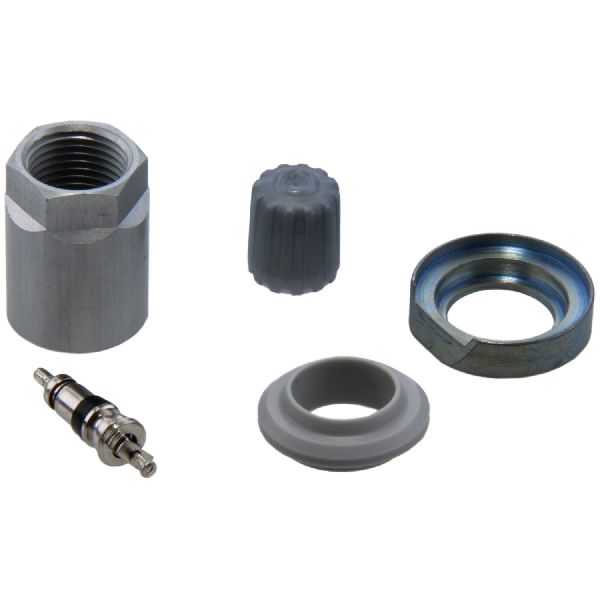
- Replacing a sensor without also replacing the TPMS service kit (valve stem, core, cap, grommet), which can lead to slow leaks at the valve stem.
Most Likely Causes
- Dead TPMS Sensor Battery 🔴 High Probability TPMS sensor batteries are not rechargeable or replaceable and have a finite lifespan, typically 5-10 years. Vehicles in this year range are reaching the end of that expected lifespan. Fleet owners of Express vans report this as a constant maintenance issue.
How to confirm: A professional TPMS diagnostic tool can attempt to activate the sensor. If the tool cannot get a response, or if it reads a 'low battery' status, the sensor has failed. A GM-specific scan tool may show a symptom code like C0750 03 (Voltage Below Threshold).
Typical fix: Replace the left front TPMS sensor (315MHz) and perform the TPMS relearn procedure.
Est. part cost: $40-$100 - Internal Sensor Failure or Damage 🟡 Medium Probability Sensors can be damaged during tire changes or by impacts from road hazards. The electronics can also fail from age and vibration.
How to confirm: If a TPMS tool cannot activate the sensor and the battery status is unknown, internal failure is the likely cause. Visual inspection after dismounting the tire may reveal physical damage.
Typical fix: Replace the left front TPMS sensor and perform the relearn procedure.
Est. part cost: $40-$100
Rare But Worth Checking
- Radio Frequency Interference (RFI): As detailed in TSB #PIC5650M, aftermarket devices like phone chargers, dash cams, LED lights, and even toll passes can emit RFI that jams the 315MHz signal from the TPMS sensor. This can cause intermittent codes and other strange electrical problems like a no-start condition. Before replacing parts, remove ALL non-factory electronic devices from the vehicle and see if the problem disappears.
- Failed Remote Control Door Lock Receiver (RCDLR) or Antenna: The RCDLR is the module that receives signals from both the key fobs and the TPMS sensors. TSB 16-NA-061 highlights that a poor or disconnected coax cable to the RCDLR antenna is a common cause for these symptoms. If your key fobs are also working intermittently or not at all, and you have multiple TPMS codes (especially for the front tires), the RCDLR antenna connection or the module itself could be faulty.
Diagnosis Steps
- Verify the code C0750 is active using an OBD-II scanner that can read Chassis (C) codes.
- Use a dedicated TPMS tool to attempt to activate and read the signal from the left front sensor. Note the sensor ID, pressure, temperature, and battery status if available.
- If the TPMS tool cannot get a signal, the sensor has most likely failed due to a dead battery or internal damage.
- Before replacing the sensor, check for Radio Frequency Interference. Remove all aftermarket chargers, dash cams, LED lights, and even key fob accessories from the vehicle and re-test. This is a known issue per TSB PIC5650M.
- If multiple TPMS codes are present and key fob functions are also inoperative, investigate the Remote Control Door Lock Receiver (RCDLR) and its antenna coax cable for loose connections, per TSB 16-NA-061.
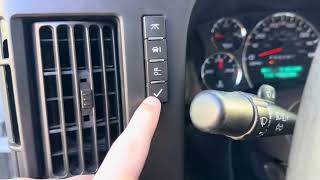
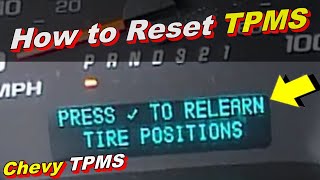
- For DIY diagnosis, attempt a manual relearn. Use the Driver Information Center (DIC) or key fob to enter 'Tire Learning Active' mode. If letting air out of the tire does not trigger the horn chirp, a low-cost TPMS activation tool (e.g., EL-50448) will be necessary to trigger the sensor.
- If a no-start condition is present, follow the diagnostic path outlined in TSB #PIC5650M, focusing on RFI sources.
Parts You'll Likely Need
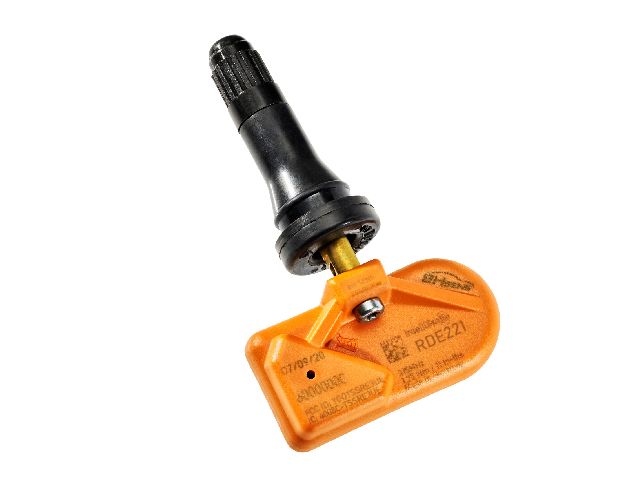
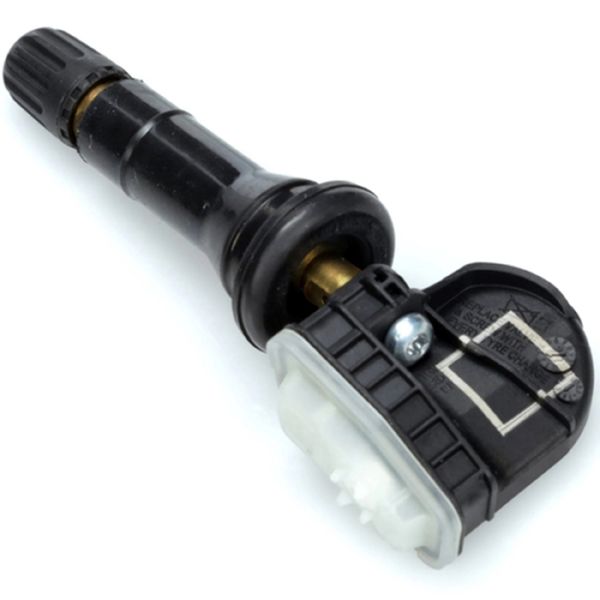
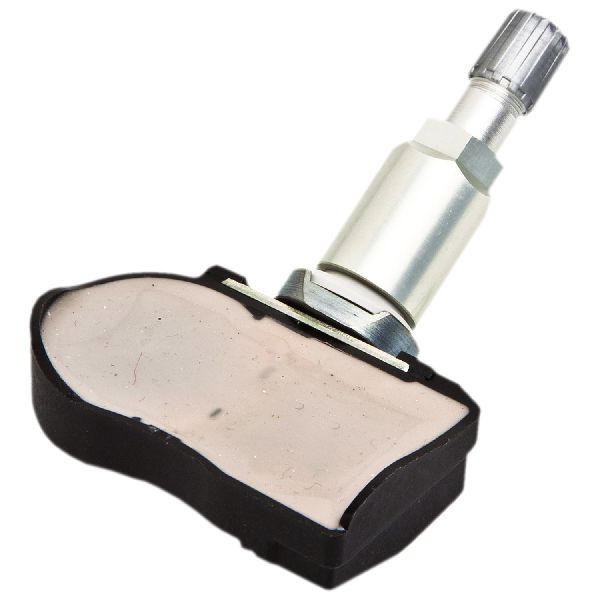
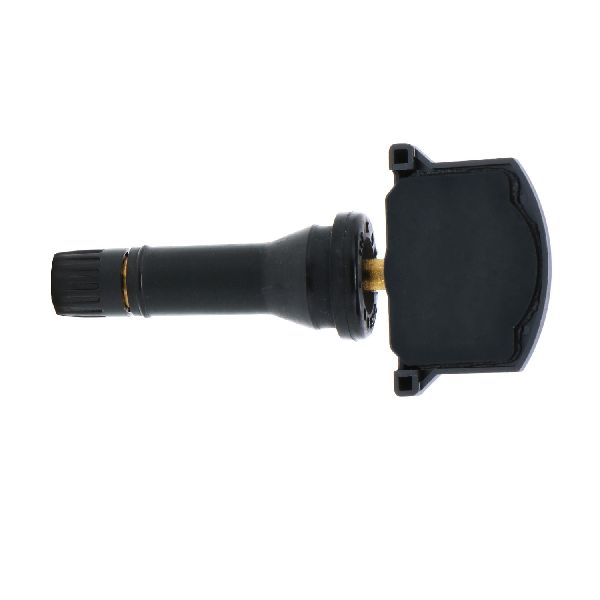
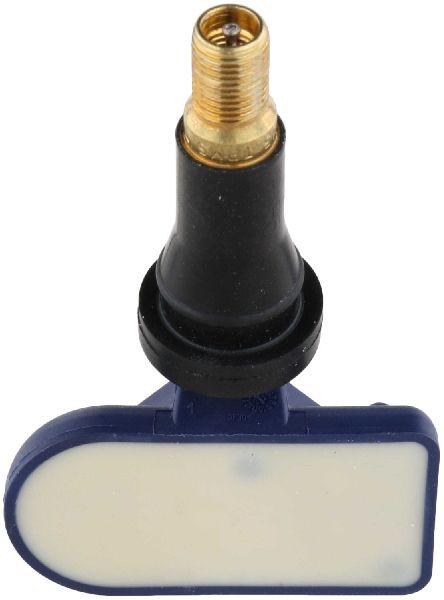
- Tire Pressure Monitoring System (TPMS) Sensor (315 MHz)
(OEM #13598771, 13586335)— This is the direct cause of the fault in most cases, typically due to the internal battery reaching the end of its 5-10 year service life. Ensure the replacement is the correct 315MHz frequency.
Trusted brands: ACDelco, Schrader, Standard Motor Products, Dorman
OEM price range: $60-$110
Aftermarket price range: $40-$75 - TPMS Relearn/Activation Tool
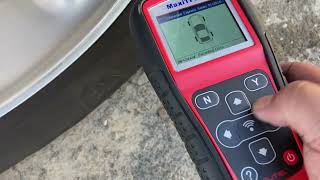
(OEM #EL-50448 (GM Tool))— While not always required, the manual 'deflate tire' method for relearning can be unreliable. A low-cost activation tool makes the DIY relearn process much faster and more consistent after sensor replacement or tire rotation. 🎬 See this quick walkthrough of the TPMS relearn process
Trusted brands: JDIAG, VaygWay, Autel
OEM price range: $50-$70
Aftermarket price range: $10-$25
Related Codes That Often Appear With This One
- C0755, C0760, C0765 — These are the codes for the other three TPMS sensors. If they appear together, it could indicate that all sensor batteries are dying around the same time or point to a central receiver (RCDLR) issue.
- B3055, B3060, B3935 — These are vehicle security and key-related codes. According to TSB #PIC5650M, they can appear with TPMS codes when Radio Frequency Interference is causing widespread communication issues.
Technical Service Bulletins (TSBs) & Recalls
- PIC5650M: Details intermittent no-crank, no-start, or security light issues that can be caused by radio frequency interference, which may also trigger TPMS codes like C0750.
- 16-NA-061: Explains how a poor or disconnected RCDLR antenna connection can cause intermittent TPMS codes (starting with the sensors furthest away, like the left front) and simultaneously cause poor key fob range.
Platform-Specific Known Issues
- A recall (GM #18255) was issued for some 2018 Express models for incorrect TPMS calibration in the RCDLR, though this would not typically set a C0750 fault code.
- TSB #PIC5650M highlights that on this platform, C0750 can be a symptom of a wider problem caused by Radio Frequency Interference, leading to intermittent no-start conditions and security system faults.
- Real-world owner story: A user on the Chevrolet Forum replaced the wrong sensor because their tires had been rotated without a TPMS relearn, causing the van's computer to still associate the failing sensor with the left front position. 🎬 Watch: Step-by-step Chevy Express tire position relearn procedure tutorial
- Real-world owner story: A fleet owner with 10 Express vans reported constant TPMS malfunctions across their vehicles, highlighting the high failure rate of the original sensors due to battery life.
Mechanic-Grade Diagnostic Values
- TPMS Sensor Transmission Interval — expected: One transmission every 30 seconds while stationary, immediate transmission if pressure changes >1.2 PSI. Failure: No transmission for 18 minutes will set the DTC.
- TPMS Sensor Mode Change — expected: Sensor switches from stationary to 'Rolling Mode' at speeds >25 mph (40 km/h). Failure: Failure to enter Rolling Mode can set the DTC.
Hidden / Shadow Codes Worth Checking
- C0750 03: Voltage Below Threshold. This indicates the sensor's internal battery is too low for reliable operation. (see via GM-specific scan tool (like a Tech2 or GDS2) capable of reading BCM/RCDLR symptom bytes.)
- C0750 08: Bus Signal/Message Failure or Signal Invalid. This indicates a general communication failure with the sensor. (see via GM-specific scan tool (like a Tech2 or GDS2).)
- C0750 29: Too Few Pulses. This specifically means the RCDLR is not receiving the complete data transmission from the sensor, often pointing to an RCDLR internal issue. (see via GM-specific scan tool. This sub-code is mentioned in TSB 16-NA-396 as being associated with RCDLR failure.)
Scan Tool Commands That Help
- GDS2 (GM Global Diagnostic System 2): Module Diagnostics > RCDLR > Data Display — To view live data from each TPMS sensor, including pressure, temperature, and crucially, the 'Sensor Battery' status (OK/Low). This can confirm a dead battery without dismounting the tire.
- GDS2 (GM Global Diagnostic System 2): Module Diagnostics > RCDLR > Configuration/Reset Functions > TPMS Learn Mode — To initiate the TPMS relearn procedure after replacing a sensor or rotating tires. This is the dealer-level method for the process that can also be started via the DIC or key fob.
- Autel TS508 (or similar TPMS tool): Activate Sensor / Relearn — Used to trigger each sensor individually to force a transmission. This is essential for diagnosing a single dead sensor and for performing the relearn procedure without deflating the tires.
Wiring & Ground Locations
- RCDLR (Remote Control Door Lock Receiver) — On Express/Savana vans, it is located under the top plate of the dashboard, behind and above the instrument gauge cluster. The large, full-width plastic dash top piece must be removed for access.. This module is the central receiver for all TPMS signals. A failure in the module, its power, ground, or antenna connection can cause any or all TPMS codes to set.
- RCDLR Antenna Coaxial Cable — The cable runs from the RCDLR module behind the dash to an antenna amplifier, which is often located in the rear of the vehicle (on SUVs, it's in the D-pillar or rear glass). On Express vans, the AM/FM antenna cable runs down the passenger-side A-pillar. The RCDLR antenna follows a similar path.. A disconnected or damaged coax cable is a specific cause for TPMS codes, especially for the front tires which are furthest from the rear-mounted antenna. TSB 16-NA-061 notes that a disconnect at the RCDLR itself will cause all sensors to drop out, while a disconnect further back at the amplifier may only cause intermittent issues with the front sensors.
- Engine/Chassis Grounds — A primary ground cable runs from the battery negative terminal to the front of the engine block on the passenger side. Another cable connects from that same point to the chassis. A smaller ground strap is often found on the driver's side, from the rear of the cylinder head to the firewall.. While not a direct cause of a single TPMS code, poor grounds can cause widespread, intermittent electrical issues, including problems with the BCM or RCDLR, mimicking the symptoms of RFI noted in TSB PIC5650M.
OEM Part Supersession History
13586335→13598771, and subsequently 13540600— Standard part evolution for improved reliability or manufacturing changes.
Heads up: These part numbers are generally interchangeable for 315MHz GM applications within this era, but always verify with the vehicle's VIN. Many aftermarket brands cross-reference all these numbers to a single replacement part.20923680→13586335, 13598771— Older part number phased out in favor of newer revisions.
Heads up: This is an older number but is still cross-referenced by many aftermarket suppliers like Schrader and ECCPP.
Helpful Videos
We Have This Part in Stock

The information in this article is provided for general reference and educational purposes only. Vehicle specifications, procedures, and part compatibility can vary by production date, trim level, and region. Always consult your vehicle's factory service manual and verify part numbers before purchasing or performing repairs. Safety-critical components such as airbags, seat belts, and braking systems should be installed by a qualified professional.
- Chevrolet EXPRESS 2500:
- 🎬 Helpful Videos
- 🛍️ Shop This Part
- What's Unique About the 2015-2022 Chevrolet EXPRESS 2500
- Diagnostic Flowchart
- Symptoms You May Notice
- Most Likely Causes
- Rare But Worth Checking
- Diagnosis Steps
- Parts You'll Likely Need
- Related Codes That Often Appear With This One
- Technical Service Bulletins (TSBs) & Recalls
- Platform-Specific Known Issues
- Mechanic-Grade Diagnostic Values
- Hidden / Shadow Codes Worth Checking
- Scan Tool Commands That Help
- Wiring & Ground Locations
- OEM Part Supersession History
- 🎟️ Get 5% Off