

C0750 on 2011-2018 Chevrolet Cruze: TPMS Faults, Causes, and Fixes
On a 2011-2018 Chevy Cruze, code C0750 points to a problem with the left front tire pressure sensor. While a dead sensor battery is common, a faulty Remote Control Door Lock Receiver (RCDLR) is a frequent culprit on this platform, often causing all TPMS sensors and key fobs to fail simultaneously. This is a well-documented issue covered by GM TSB #16-NA-396. A new sensor costs $30-$60, while an RCDLR replacement can be $200-$400 installed.
- C0750 means a fault with the left front TPMS sensor.
- Before buying a new sensor, check your key fobs. If they don't work, the problem is likely the RCDLR module, not the sensor.
- If only the TPMS light is on, the cause is likely a dead battery in the sensor itself.
- Always perform a TPMS relearn procedure after rotating tires or replacing a sensor.
- Replacing the RCDLR requires programming by a professional with the correct tools.
What's Unique About the 2011-2018 Chevrolet CRUZE

For the Chevy Cruze and its platform mates (like the Buick Verano and Chevy Sonic), C0750 is not always a simple bad sensor. A widely documented issue, confirmed by GM Technical Service Bulletin #16-NA-396, is an internal failure of the Remote Control Door Lock Receiver (RCDLR) module. This single module receives signals from both the TPMS sensors and your key fobs. When it fails, it often triggers codes for all four tire sensors (C0750, C0755, C0760, C0765) and simultaneously disables all remote key functions like lock, unlock, and remote start. Owners frequently misdiagnose the issue by replacing a TPMS sensor when the shared receiver module is the actual point of failure, a common story in owner forums.
Diagnostic Flowchart
Tap your situation to follow the diagnostic path that matches what you're seeing on this vehicle.
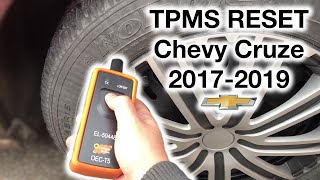
Generation note: This range covers the first generation (2011-2016) and the beginning of the second generation (2016-2018) Cruze. The underlying TPMS technology is similar, but the RCDLR failure noted in TSB #16-NA-396 is particularly well-documented for the second-generation models (2016+). 🎬 See this TPMS relearn walkthrough for 2017-2019 Cruze models. The diagnostic and repair principles apply to both generations, though the RCDLR part number may vary.
Symptoms You May Notice
- "Service Tire Monitor System" message on the Driver Information Center (DIC).
- TPMS warning light flashes for about a minute and then stays on solid.
- DIC shows dashes (--) instead of a pressure reading for the left front tire (or all tires if RCDLR has failed).
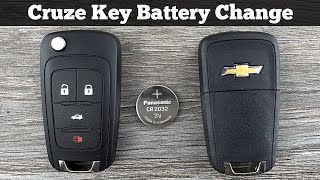
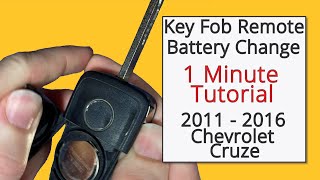
- Key fob is inoperative (cannot lock, unlock, or use remote start). 🎬 Try this: A quick guide to replacing your key fob battery.
- "No Remote Detected" message on the DIC, possibly leading to a no-start condition.
- Reduced operating range for the key fob, requiring you to be very close to the vehicle.
- Replacing only the C0750 sensor when the RCDLR is faulty. If the key fob is also dead, the problem is almost certainly the RCDLR module, not the sensor itself.
- Replacing all four TPMS sensors when the RCDLR is the actual cause, leading to wasted money and the problem persisting.
Most Likely Causes
- Faulty Remote Control Door Lock Receiver (RCDLR) 🔴 High Probability As documented in TSB #16-NA-396, the RCDLR module used in this platform is known to have internal issues that disrupt communication with both TPMS sensors and key fobs. This is the most cited cause in owner forums when all sensors and fobs fail together.
How to confirm: Check if all four TPMS sensors are failing to report (codes C0750, C0755, C0760, C0765 are present) AND the key fobs are not working. If both systems are down, the RCDLR is the primary suspect. A temporary fix reported by some owners is disconnecting the car battery for 10-15 minutes to reset the module, but the problem usually returns.
Typical fix: Replace the RCDLR module and have it programmed to the vehicle by a dealer or qualified shop with GM's Service Programming System (SPS). The module is typically located behind the glove box or under the center console.
Est. part cost: $80-$150 - Dead Battery in TPMS Sensor 🔴 High Probability TPMS sensors use sealed, non-replaceable batteries with a finite lifespan, typically 5-10 years. Vehicles in this year range are reaching the end of that lifespan, making sensor failure common. This is the most likely cause if only C0750 is present and key fobs work normally.
How to confirm: Use a TPMS diagnostic tool to attempt to activate the sensor. If the tool cannot get a reading from the left front sensor but can from the others, the sensor has likely failed. A professional scan tool can often read the sensor's battery status directly.
Typical fix: Replace the left front TPMS sensor and perform the TPMS relearn procedure. The tire must be dismounted to replace the sensor.
Est. part cost: $30-$60 - Failed TPMS Relearn Procedure 🟡 Medium Probability After a tire rotation or sensor replacement, the vehicle must be put into 'learn mode' to assign each sensor to its correct position. If this procedure is not completed correctly, or if an incompatible aftermarket sensor was installed, the system will set fault codes.
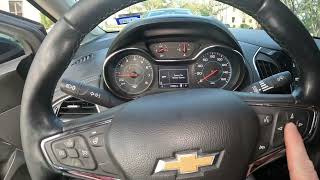
How to confirm: Attempt the TPMS relearn procedure using the Driver Information Center (DIC) menu. The vehicle will signal the start and end of the process with horn chirps. If the process fails, it may indicate a bad sensor or an issue with the RCDLR.
Typical fix: Correctly perform the TPMS relearn procedure. This can often be done without tools by letting air out of each tire in sequence, or more quickly with a basic TPMS activation tool.
Est. part cost: $0-$15
Rare But Worth Checking
- Radio Frequency (RF) Interference: Aftermarket electronics like dash cams, phone chargers, or even metallic window tint can sometimes interfere with the low-power 315 MHz signals from the TPMS sensors to the RCDLR.
- Use of Unapproved Tire Sealant: Thick, liquid tire sealants can clog the pressure port on the TPMS sensor, causing it to report incorrectly or fail.
- Disconnected RCDLR Antenna Coax Cable: GM TSB #16-NA-061 describes how a disconnected or loose coaxial cable for the RCDLR antenna can cause intermittent loss of signal from the TPMS sensors, especially those furthest from the receiver (like the left front). This can also cause poor key fob range.
Diagnosis Steps
- Verify Symptoms: Check for a 'Service Tire Monitor System' message and note which tire pressures are missing on the DIC.
- Test Key Fobs: Test all key fob functions (lock, unlock, remote start, panic). Also, test the passive entry/start functions if equipped.
- Correlate Failures: If C0750 is present with C0755, C0760, and C0765, AND key fobs are inoperative, the RCDLR module is the most likely cause. Proceed to step 6.
- Isolate Single Sensor Fault: If only C0750 is present and the key fobs work correctly, the issue is likely isolated to the left front TPMS sensor or its signal.
- Attempt Relearn: Initiate the TPMS relearn procedure via the DIC. If the procedure fails to register the left front sensor (no horn chirp) but works for others, this strongly suggests a bad sensor. If it fails for all sensors, suspect the RCDLR.
- Professional Diagnosis: If the RCDLR is suspected, have a professional shop confirm the diagnosis. They will check for fault codes in the BCM and attempt to communicate with the RCDLR. They should also check the RCDLR antenna connection per TSB #16-NA-061.
- Replace and Program: If the RCDLR is confirmed faulty, it must be replaced and programmed by a dealer or a shop with GM programming capabilities. If only the TPMS sensor is bad, replace the sensor and perform the relearn procedure.
Parts You'll Likely Need

- Remote Control Door Lock Receiver (RCDLR)
(OEM #13595511 (Note: This part is often superseded; 13540045 is a common replacement).)— This module is the central receiver for TPMS and key fob signals and has a known failure rate on this platform, causing this specific set of symptoms.
Trusted brands: ACDelco (GM Genuine), Dorman
OEM price range: $100-$150
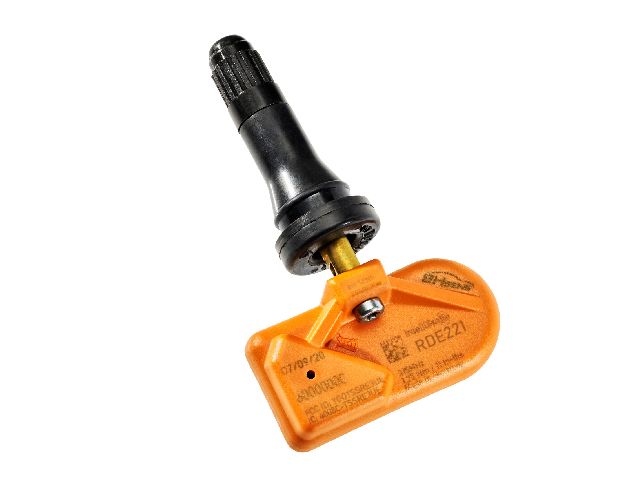
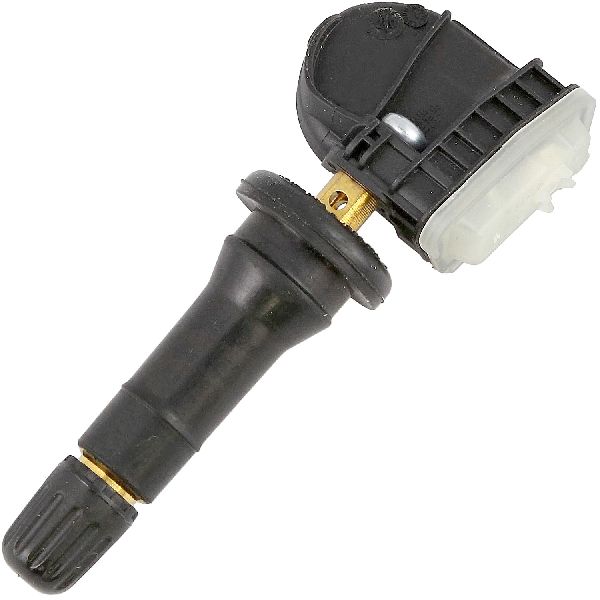
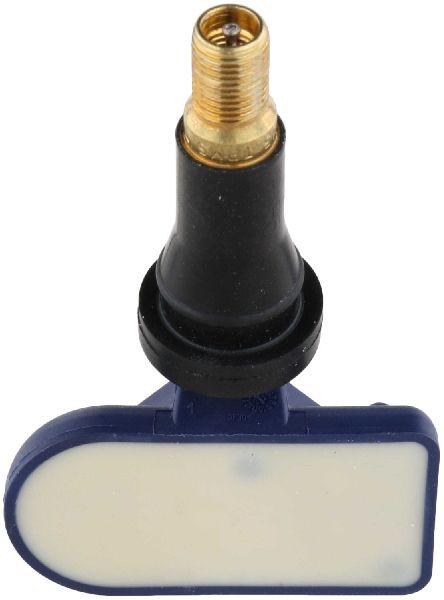
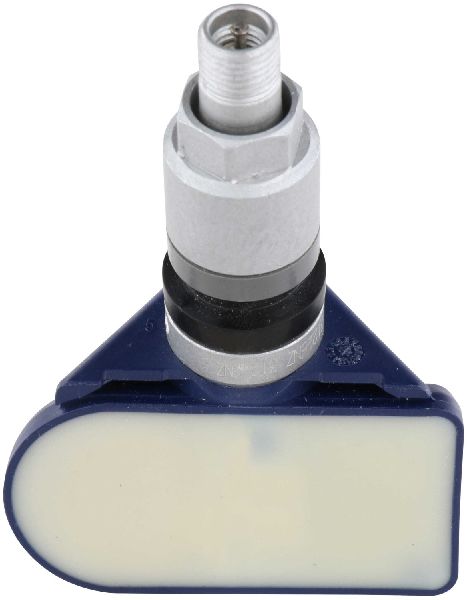
Aftermarket price range: $80-$120 - Tire Pressure Monitoring System (TPMS) Sensor
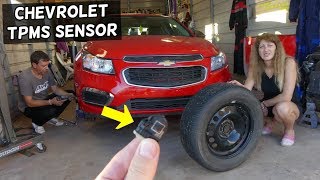
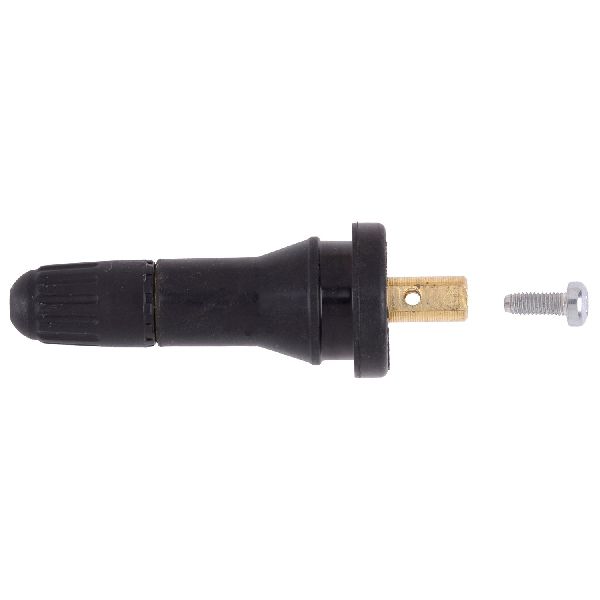
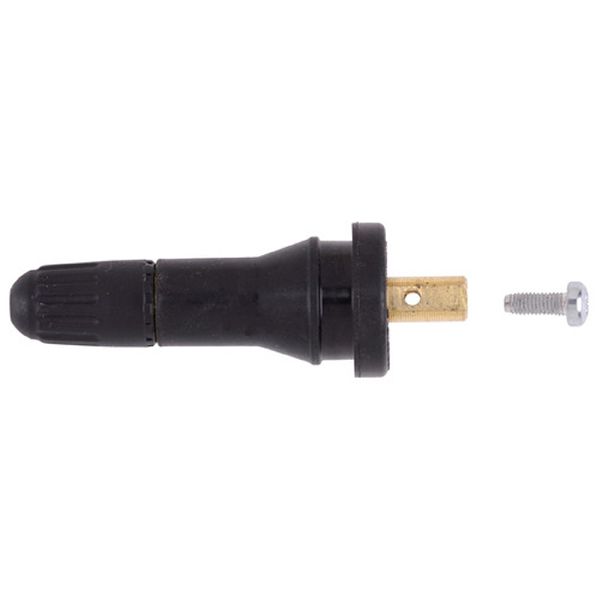
(OEM #13598771 (ACDelco 13598771 / GM Genuine 13516164))— The sensor's internal battery dies over time (5-10 year lifespan), making it the most common cause for a single-wheel TPMS fault.
Trusted brands: ACDelco, Schrader, Continental, VDO
OEM price range: $45-$70
Aftermarket price range: $30-$50
Related Codes That Often Appear With This One
- C0755 — Right Front Tire Pressure Sensor fault. Often appears with C0750 when the RCDLR module fails.
- C0760 — Left Rear Tire Pressure Sensor fault. Often appears with C0750 when the RCDLR module fails.
- C0765 — Right Rear Tire Pressure Sensor fault. Often appears with C0750 when the RCDLR module fails.
- B3105 — Key Fob Transmitter Malfunction. Often set when the RCDLR fails, as it can no longer receive signals from the fobs. TSB #08-03-16-001B notes this in conjunction with TPMS issues on similar platforms.
- B3055 — No Transponder Modulation/No Transponder or Key Problem. Can be set alongside TPMS codes during a no-start event, as noted in TSB #PIC5650M, pointing towards a broader electrical or security module issue.
Technical Service Bulletins (TSBs) & Recalls
- 16-NA-396: Intermittent Operation of Key Fobs, Door Unlock Inoperative “No Remote Detected” Message with Possible TPM MIL. This TSB directly links the failure of the RCDLR to code C0750.
- PIC5650M: Intermittent No Crank/No Start. This bulletin mentions C0750 as a possible related code when diagnosing starting issues.
- 16-NA-061: Service Tire Monitor System/Tire Pressures Display Dashes/RKE Short Range. Details how a disconnected RCDLR antenna can cause TPMS and key fob issues.
- PI1085: Poor Remote Transmitter Range/Remote Start or TPM Indicator On. Mentions C0750 and recommends replacing the RCDLR if key fob range is poor.
Platform-Specific Known Issues
- TSB #16-NA-396 documents an issue where an internal fault in the Remote
Mechanic-Grade Diagnostic Values
- RCDLR Power Supply Voltage — expected: Battery Positive Voltage (typically 12.0-12.6V with key on, engine off). Failure: 0V or significantly low voltage indicates a wiring or fuse issue before the module.
- RCDLR Ground Circuit — expected: Less than 0.1V (100mV) when testing voltage drop between the ground pin and a known-good chassis ground.. Failure: High voltage reading indicates a poor ground connection, which can cause intermittent module operation.
Hidden / Shadow Codes Worth Checking
- C0750:29: Too Few Pulses. This is the most common symptom byte, indicating the RCDLR is not receiving the expected number of signal transmissions from the sensor. This is explicitly mentioned in TSB 16-NA-396. (see via Professional scan tools like GM GDS2/Tech 2 or high-end aftermarket scanners.)
- C0750:03: Low Voltage. This indicates the RCDLR has detected that the TPMS sensor's internal battery is failing. (see via Professional scan tools like GM GDS2/Tech 2 or high-end aftermarket scanners.)
- C0750:39: Internal Malfunction. This points to a failure within the TPMS sensor itself, rather than a communication or battery issue. (see via Professional scan tools like GM GDS2/Tech 2 or high-end aftermarket scanners.)
Scan Tool Commands That Help

- GM GDS2: Module Diagnostics > RCDLR > Data Display — To view live data from the RCDLR, including the status of each TPMS sensor, their reported pressures, and their battery life status (Good/Bad). This helps differentiate a sensor failure from a module failure.
- GM GDS2: Vehicle Diagnostics > Vehicle DTC Information — To perform a full vehicle scan. If the RCDLR is faulty, you will often see 'No Communication' with the module or a U-code set in the BCM, in addition to the C-codes for the TPMS.
- GM GDS2 / TPMS Tool: TPM Learn Mode — To force the vehicle into the sensor relearn procedure. A scan tool can command this mode on, which is a necessary step after replacing a sensor or the RCDLR. If the learn procedure fails for all sensors, it strongly points to the RCDLR or its antenna.
Wiring & Ground Locations
- RCDLR (Gen 1) — Under the center console, forward of the shifter assembly. Requires removal of the center console to access.. This is the physical location of the module that receives the TPMS signals. A loose connector or damaged wiring at this location can cause C0750 and other related codes.
- RCDLR (Gen 2) — Behind the trim panel near the rearview mirror, often integrated with the OnStar module.. On later models, the module is in a different location. Technicians need to know where to look to test power, ground, and antenna connections.
- PEPS Fuse F27 (Interior) — In the interior fuse box located on the driver's side of the dashboard. It is typically a 10A fuse labeled F27.. This fuse provides power to the Passive Entry/Passive Start (PEPS) system, which is integrated with the RCDLR. If this fuse is blown, the RCDLR will be unpowered, causing all TPMS and key fob functions to fail.
- RCDLR Antenna — The antenna is typically a wire that plugs into the RCDLR module and is routed up a pillar or along the headliner to get the best reception.. A disconnected or damaged antenna coax cable is a known cause for intermittent or complete loss of signal from TPMS sensors and key fobs, as noted in related GM service bulletins.
Real Owner Repair Stories
- CruzeTalk.com forum user (2017 Chevrolet Cruze) — TPMS light on, all four tire pressure readings showed dashes (--), and neither key fob would work (lock, unlock, remote start).
❌ Tried (didn't work) Replacing the batteries in both key fobs., Attempting the TPMS relearn procedure, which failed to initiate.
✅ What actually fixed it The user took the vehicle to the dealership. The technician diagnosed a failed Remote Control Door Lock Receiver (RCDLR) based on the combined symptoms and TSB #16-NA-396. Replacing and programming the RCDLR module resolved all issues; the TPMS system and both key fobs began working correctly immediately after the repair.
OEM Part Supersession History
13595511→13540045— Part consolidation and potential design revision by GM.
Heads up: Part number 13540045 is the current service replacement for 13595511, 13509518, and 13523281. It is a direct fit and functions correctly when programmed.
Model Year Variations Within This Range
- 2011-2016 (Gen 1): The RCDLR module is located under the center console, requiring significant interior disassembly to access.
- 2016.5-2018 (Gen 2): The RCDLR module was moved to the headliner area, behind the plastic trim near the rearview mirror, making it easier to access for testing or replacement.
Helpful Videos
We Have This Part in Stock

The information in this article is provided for general reference and educational purposes only. Vehicle specifications, procedures, and part compatibility can vary by production date, trim level, and region. Always consult your vehicle's factory service manual and verify part numbers before purchasing or performing repairs. Safety-critical components such as airbags, seat belts, and braking systems should be installed by a qualified professional.
- Chevrolet CRUZE:
- 🎬 Helpful Videos
- 🛍️ Shop This Part
- What's Unique About the 2011-2018 Chevrolet CRUZE
- Diagnostic Flowchart
- Symptoms You May Notice
- Most Likely Causes
- Rare But Worth Checking
- Diagnosis Steps
- Parts You'll Likely Need
- Related Codes That Often Appear With This One
- Technical Service Bulletins (TSBs) & Recalls
- Platform-Specific Known Issues
- Mechanic-Grade Diagnostic Values
- Hidden / Shadow Codes Worth Checking
- Scan Tool Commands That Help
- Wiring & Ground Locations
- Real Owner Repair Stories
- OEM Part Supersession History
- Model Year Variations Within This Range
- 🎟️ Get 5% Off