

C0696 on 2009-2014 GMC Yukon: Service Suspension System Causes and Fixes
On a 2009-2014 GMC Yukon, code C0696 almost always points to a problem with the air suspension compressor or its wiring. The most common fix is repairing a damaged wiring harness near the compressor or replacing the entire compressor assembly. Expect to pay $250-$500 for a new compressor.
- C0696 on a 2009-2014 Yukon points to an electrical fault in the rear air suspension system, specifically with the compressor's pressure sensor circuit.
- Before buying any parts, thoroughly inspect the wiring harness going to the air compressor for damage, especially where it's mounted to the frame, as this is a very common failure point noted in GM TSBs.
- The most common causes are damaged wiring or a failed air compressor assembly.
- Checking fuses and swapping the ALC relay are simple, no-cost diagnostic steps to perform first.
- This issue is shared across the GMT900 platform, affecting the Chevrolet Tahoe, Suburban, and Cadillac Escalade with the Z55 Autoride suspension.
What's Unique About the 2009-2014 Gmc YUKON
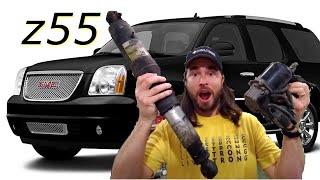
The GMC Yukon, particularly in Denali trims, uses an 'Autoride' (RPO Z55) air suspension system to provide a smooth ride and automatic load leveling. The air compressor for this system is mounted to the frame in the left rear of the vehicle, where it is exposed to road salt, moisture, and debris. This location makes its wiring harness particularly vulnerable to corrosion and physical damage, a fact highlighted in GM's own technical service bulletins which explicitly mention the wiring can get pinched between the compressor assembly and the frame.
Diagnostic Flowchart
Tap your situation to follow the diagnostic path that matches what you're seeing on this vehicle.
Symptoms You May Notice
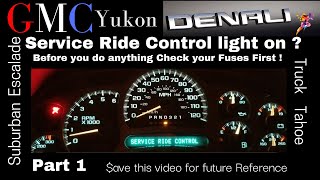
- "Service Suspension System" or "Service Ride Control" message on the Driver Information Center (DIC).
- Rear of the vehicle is sagging or sitting too low.
- Air compressor runs continuously or does not turn on at all.
- A rough or bouncy ride, especially over bumps.
- Audible air leak from the rear of the vehicle.
- Compressor may not perform its brief self-test cycle at startup.
- Replacing the rear air shocks when the problem is electrical. While leaking shocks can cause the compressor to overwork and fail, they typically do not set the C0696 code directly.
- Replacing the compressor assembly without first inspecting the wiring harness. GM TSB PIT4954D specifically advises technicians to inspect for pinched wiring and repair it rather than immediately replacing the compressor.
Most Likely Causes
- Damaged Wiring to Air Compressor Assembly 🔴 High Probability The wiring harness is routed near the frame and is notoriously prone to being pinched between the compressor assembly and the frame itself, causing a short to ground. Corrosion at the connector due to its exposed location is also very common.
How to confirm: Visually inspect the wiring harness leading to the air compressor for any signs of chafing, pinching, corrosion, or broken wires. The damage is often found right where the harness enters the compressor connector. A technician may need to check for a short to ground on the pressure sensor circuit.
Typical fix: Repair the damaged section of the wiring harness and reposition it to prevent future damage. This may involve splicing in new wire and using a new connector pigtail (e.g., ACDelco PT2647). Ensure the repaired harness is secured away from the frame.
Est. part cost: $20-$60 - Failed Air Suspension Compressor Assembly 🟡 Medium Probability The compressor motor can wear out from normal use or from being overworked due to leaks in the air shocks. More specific to C0696, the integrated air dryer can become saturated with moisture, leading to internal corrosion and failure of the pressure sensor or exhaust valve.
How to confirm: If the wiring and relay are confirmed to be good, use a bi-directional scan tool to command the compressor on. If it fails to run or does not build pressure, the compressor has likely failed. A user on tahoeyukonforum.com noted that even after replacing the compressor, the code persisted until the wiring was fixed, highlighting the importance of checking wires first.
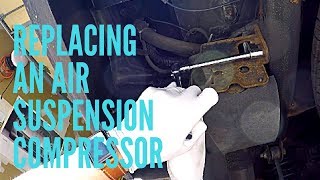
Typical fix: Replace the entire air compressor assembly. Most modern replacements are sold as a complete unit including the motor, dryer, and valves.
Est. part cost: $250-$500 - Faulty Automatic Level Control (ALC) Relay ⚪ Low Probability Like any relay, it can fail over time, preventing power from reaching the compressor. It's a simple component to check before suspecting a more expensive part.
How to confirm: Locate the ALC relay in the underhood fuse box. Swap it with an identical relay from a non-critical system (like the horn) to see if the compressor starts working. Alternatively, a technician can jump the relay terminals to send power directly to the compressor.
Typical fix: Replace the faulty relay.
Est. part cost: $15-$30
Rare But Worth Checking
- Faulty Electronic Suspension Control Module (ESCM): This is rare. The module is the last component to suspect after thoroughly checking all wiring, the compressor, and relays. A dealership-level scan tool is often needed for a definitive diagnosis.
- Aftermarket Suspension Modifications: Aftermarket lowering or leveling kits that alter the vehicle's ride height can cause premature wear on air suspension components and may trigger various service messages. TSB PIT5854D warns that these modifications can cause issues, though it doesn't directly link them to C0696.
Diagnosis Steps
- Read the trouble codes from the Electronic Suspension Control Module (ESCM) using a capable scan tool.
- Check the fuses related to the suspension system, specifically the "RTD" fuse (Fuse 58 on some models) in the underhood fuse block.
- Locate and test the ALC relay in the underhood fuse box by swapping it with a known-good, identical relay.
- Raise the vehicle and support it safely. Locate the air suspension compressor on the driver's side frame rail, near the rear wheel.
- Thoroughly and meticulously inspect the entire wiring harness leading to the compressor. Pay extremely close attention to the point where the harness meets the compressor body, looking for wires pinched against the frame, chafing, or green/white corrosion powder.
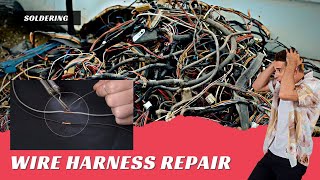
- If damage is found, repair the wires using solder and heat-shrink tubing or a dedicated pigtail connector. Ensure the repaired harness is routed to prevent future damage.
- If wiring and relays are good, use a scan tool to command the compressor on. If it doesn't respond, check for power and ground at the compressor's electrical connector. If power and ground are present but the compressor is inoperative, the compressor assembly is the likely culprit.
- If the compressor runs but the code persists, the issue may be with the internal pressure sensor, which requires replacing the compressor assembly.
Parts You'll Likely Need
- Air Suspension Compressor Assembly
(OEM #23316154 (supersedes 22797525, 23232591, 23282712))— This is the most common part to fail after the wiring, either due to a worn-out motor or an internal sensor fault. It is typically replaced as a complete unit.
Trusted brands: ACDelco, Dorman (e.g., 949-001), Arnott Industries
OEM price range: $400-$600
Aftermarket price range: $250-$500 - Air Compressor Wiring Harness Pigtail
(OEM #ACDelco PT2647, GM 13580871)— If the connector or wiring right at the compressor is corroded or damaged, replacing the pigtail is the standard repair.
Trusted brands: ACDelco, Dorman, Motorcraft (WPT-1144)
OEM price range: $30-$50
Aftermarket price range: $20-$40
Related Codes That Often Appear With This One
- C0711 — This code is also related to the Automatic Level Control system and is frequently mentioned alongside C0696 in GM service bulletins for the same wiring and compressor issues.
Technical Service Bulletins (TSBs) & Recalls
- PIT4954D: Addresses DTCs C0696 or C0711, incorrect ride height, and a Service Suspension System message, pointing to wire damage at the air compressor assembly or a faulty pressure sensor due to moisture.
- PIT5854D: Discusses how aftermarket lowering/leveling kits can cause premature wear and issues with air suspension components.
Platform-Specific Known Issues
- A General Motors Technical Service Bulletin (PIT4954D) specifically calls out that DTC C0696 can be caused by the wiring to the compressor being pinched between the compressor assembly and the vehicle's frame. The bulletin advises technicians to inspect for this and repair any damaged or shorted circuits *before* replacing the compressor assembly.
- The same TSB also notes that an internal fault in the pressure sensor can be caused by moisture getting into the sensor, which may require replacing the filter/dryer/sensor assembly (Part No. 22964558 for pre-May 2012 vehicles).
Mechanic-Grade Diagnostic Values
- Automatic Level Control (ALC) Pressure Sensor Supply Voltage — expected: 4.75 - 5.25 volts. Failure: A voltage reading below 4.75V or above 5.25V for 1 second in 4 consecutive ignition cycles will set the code.
- System Pressure for Compressor Replenishment Cycle — expected: Above 10 psi (69 kPa). Failure: If the ESC module detects a system pressure below 10 psi at startup, it will trigger a replenishment cycle. This happening frequently can indicate a leak.
Scan Tool Commands That Help
- GM Tech2: Chassis > Special Functions > ALC Compressor Relay — To manually command the air suspension compressor relay on and off. This is a critical step to verify if the compressor motor and its power circuit are functional after checking fuses and wiring.
- GM Tech2: Chassis > Special Functions > ALC Exhaust Solenoid — To command the exhaust solenoid to open, which should release air from the system. This helps test the function of the solenoid and check for blockages.
- GM Tech2: Chassis > Data Display > ALC Data — To view live data from the Automatic Level Control system, including the pressure sensor reading in psi or kPa. This allows a technician to see if the sensor is reporting a plausible pressure or if it's stuck at an erroneous value.
Wiring & Ground Locations
- G303 — At the base of the left (driver's side) 'B' pillar, behind the trim panel.. This is a major body ground point. While not directly for the compressor, a poor connection here can cause communication issues with various chassis modules, including the Electronic Suspension Control Module (ESCM).
- G304 — At the base of the right (passenger's side) 'B' pillar, behind the trim panel.. Similar to G303, this is another critical body ground. The ESCM and other related modules rely on clean grounds for accurate sensor readings and operation.
- Compressor Connector (X411) — The main electrical connector on the air compressor assembly, located on the driver's side frame rail near the rear wheel.. This is the primary point of failure. The C0696 code directly relates to the pressure sensor circuit within this harness. Technicians must test for the 5V reference, signal, and ground at this connector's pins. The wires are often pinched or corroded right at the connector body.
Real Owner Repair Stories
- tahoeyukonforum.com user (2007-2014 era GMC Yukon/Chevrolet Tahoe) — Service Suspension System message, rear of vehicle sagging, C0696 code present.
❌ Tried (didn't work) Replacing the air suspension compressor assembly with a new one.
✅ What actually fixed it The user found that even after replacing the compressor, the code returned immediately. The final fix was discovering and repairing the wiring harness that was pinched between the compressor mounting bracket and the vehicle frame, causing a short. This directly corroborates GM's TSB PIT4954D.
OEM Part Supersession History
N/A (for vehicles built before May 2012)→22964558 (Air Filter/Dryer/Sensor Assembly)— An improved pressure sensor design was implemented.
Heads up: Vehicles built before May 2012 require this new assembly which includes a jumper harness to adapt the new sensor to the old vehicle harness. Vehicles built in May 2012 and later use part number 22941807 for the assembly, which does not require the jumper.
Model Year Variations Within This Range
- 2009 - early 2012: Vehicles built before May 2012 use a different ALC pressure sensor design. When replacing the sensor/dryer assembly on these earlier models, a specific part (PN 22964558) that includes an adapter jumper harness must be used to connect to the new-style sensor.
Helpful Videos
We Have This Part in Stock


The information in this article is provided for general reference and educational purposes only. Vehicle specifications, procedures, and part compatibility can vary by production date, trim level, and region. Always consult your vehicle's factory service manual and verify part numbers before purchasing or performing repairs. Safety-critical components such as airbags, seat belts, and braking systems should be installed by a qualified professional.
- Gmc YUKON:
- 🎬 Helpful Videos
- 🛍️ Shop This Part
- What's Unique About the 2009-2014 Gmc YUKON
- Diagnostic Flowchart
- Symptoms You May Notice
- Most Likely Causes
- Rare But Worth Checking
- Diagnosis Steps
- Parts You'll Likely Need
- Related Codes That Often Appear With This One
- Technical Service Bulletins (TSBs) & Recalls
- Platform-Specific Known Issues
- Mechanic-Grade Diagnostic Values
- Scan Tool Commands That Help
- Wiring & Ground Locations
- Real Owner Repair Stories
- OEM Part Supersession History
- Model Year Variations Within This Range
- 🎟️ Get 5% Off