

C0696 on 2001-2008 Chevrolet Tahoe: Autoride Suspension Fault Causes and Fixes
Code C0696 on a Tahoe with Autoride (Z55) suspension indicates a fault in the electronic suspension control system, specifically related to the air pressure sensor circuit. The most common cause is wiring damage near the air compressor, followed by a failed compressor assembly. Inspect the wiring harness first before replacing parts.
- C0696 on your Tahoe means there is an electrical problem in the rear air suspension, specifically with the pressure sensor circuit.
- Before buying any parts, you MUST inspect the wiring harness attached to the air compressor for damage, as this is a known issue documented by GM.
- If the wiring is good, the air compressor assembly itself is the next most likely failure point.
- Always check for and repair leaking rear air shocks, as they are a common reason the compressor burns out.
What's Unique About the 2001-2008 Chevrolet TAHOE
The GMT800 and GMT900 platforms, which include the Tahoe, Suburban, and Yukon, commonly used the Z55 Autoride system. This system is known for a specific failure point: the wiring harness for the air suspension compressor is routed in a way that makes it susceptible to being pinched or chafed against the vehicle's frame. This known issue, documented in GM Technical Service Bulletin PIT4954D, makes wiring inspection the most critical first step, distinguishing it from vehicles 🎬 Watch: Troubleshooting and repairing the GM Z55 Autoride system. where the compressor itself is the primary point of failure.
Diagnostic Flowchart
Tap your situation to follow the diagnostic path that matches what you're seeing on this vehicle.
Generation note: This range covers the GMT800 (2001-2006) and the early GMT900 (2007-2008) generations. Both offered the Z55 'Autoride' air suspension as an option. While the core components are similar, their exact design and part numbers may differ. The primary causes, particularly wiring and compressor failures, are common to both generations. A key difference for DIY repair is the compressor's electrical harness connector: GMT800 models typically use a round female harness, while GMT900 models use a rectangular one.
Symptoms You May Notice
- "Service Suspension System" or "Service Autoride" message on the Driver Information Center (DIC).
- Rear of the vehicle sags or sits lower than normal.
- Bouncy or harsh ride quality.
- Air compressor does not turn on at startup (Note: This is only a symptom if the rear is sagging. The compressor only runs at startup if pressure is below ~10 PSI; it is not a per-cycle self-test).
- Air compressor runs constantly or more frequently than usual.
- Replacing the air compressor without first inspecting the wiring harness. The TSB clearly indicates that wiring is a very common cause for C0696, and replacing the compressor will not fix a shorted wire.
Most Likely Causes
- Damaged Wiring to Air Compressor Assembly 🔴 High Probability As noted in GM TSB #PIT4954D, the wiring harness for the compressor and its integrated pressure sensor is often pinched or chafed between the compressor assembly and the frame rail, causing a short to ground. Forum users have documented this exact failure, sometimes identifying a specific corroded 'white wire' in the harness as the culprit.
How to confirm: Visually inspect the wiring harness leading to the air compressor, which is typically mounted on the driver-side frame rail near the rear wheel. Look for bare wires, green-colored corrosion, or signs of pinching. This may require removing the compressor for a full view, as the damage is often hidden between the compressor bracket and the frame.
Typical fix: Repair the damaged section of the wire harness using butt connectors and heat shrink. Reroute the harness to prevent future damage. The TSB specifically advises repairing the wiring rather than replacing the entire compressor assembly for this fault.
Est. part cost: $5-$20 - Failed Air Suspension Compressor Assembly 🟡 Medium Probability Air leaks in the rear shocks cause the compressor to run excessively to maintain ride height, leading to burnout. The integrated pressure sensor can also fail internally due to moisture intrusion, which can also trigger code C0711.
How to confirm: If wiring is confirmed to be good, use a capable scan tool (like a Tech-II) to command the compressor on. If it doesn't run, test for power and ground at the compressor connector. If power is present but the compressor is inoperative, it has failed.
Typical fix: Replace the entire air compressor and dryer assembly. It is often recommended to find and fix any air leaks in the system at the same time to prevent premature failure of the new compressor. Always replace the compressor relay when installing a new compressor.
Est. part cost: $200-$500 - Leaking Rear Air Shocks 🟡 Medium Probability The rubber air bladders on the shocks degrade and crack over time, causing leaks. This is a common wear item on air suspension systems and a primary cause of compressor overwork and eventual failure.
How to confirm: With the system aired up, spray the air shocks and lines with soapy water. Look for bubbles forming, which indicates a leak. The rear of the vehicle may also be sagging after being parked overnight.
Typical fix: Replace the leaking air shocks in pairs. Failing to fix leaks will cause the new or existing compressor to overwork and fail.
Est. part cost: $250-$600 for a pair
Rare But Worth Checking
- Faulty Electronic Suspension Control (ESC) Module: While uncommon, the control module itself can fail, often due to corrosion. One owner reported a corroded module located above the spare tire caused the compressor to run continuously, setting a C0696. This should only be considered after all wiring, compressor, and sensor issues have been ruled out.
- Blown Fuse or Faulty Relay: A simple blown fuse (often labeled ECAS - Electronic Controlled Air Suspension, or ESC/ALC) or a bad relay for the air compressor can disable the system. Always check the underhood fuse block before proceeding with more complex diagnostics.
Diagnosis Steps
- Scan the Electronic Suspension Control (ESC) module for codes. Confirm C0696 is present, and note any other codes like C0711.
- Visually inspect the rear ride height. Is the vehicle sagging?
- Turn the ignition on. Note if the compressor runs. If the vehicle is at height, it may not run, which is normal. If it is sagging, it should attempt to run.
- Following TSB #PIT4954D, raise and safely support the vehicle. Remove the driver's side rear wheel for access.
- Thoroughly inspect the wiring harness going to the air compressor for any signs of chafing, pinching, or corrosion, especially where it passes between the compressor bracket and the frame. This may require unbolting and lowering the compressor to get a clear view.
- If wiring appears damaged (especially a white wire), repair it, clear the codes, and re-test the system.
- If wiring is intact, check the compressor fuse (ECAS or ESC/ALC) and relay in the underhood fuse block.
- If the fuse and relay are good, use a scan tool to command the compressor to run. If it fails to activate, test for power and ground at the compressor's electrical connector.
- If power and ground are present but the compressor does not run, the compressor has failed and needs replacement.
- After restoring compressor function, spray the rear air shocks and lines with soapy water to check for leaks, which could have caused the initial compressor failure.
Parts You'll Likely Need
- Air Suspension Compressor Assembly
(OEM #15254590 (superseded by 19299545))— This is the most common part to fail (after wiring issues are ruled out). It includes the compressor motor, dryer, and the pressure sensor that triggers the C0696 code.
Trusted brands: ACDelco (OEM), Arnott, Dorman (e.g., 949-000, 949-099)
OEM price range: $400-$600
Aftermarket price range: $200-$400 - Rear Air Shock Absorber
(OEM #25979394)— Leaking air shocks are a frequent root cause of compressor failure due to over-cycling. They are a common wear item and should be checked whenever compressor issues arise.
Trusted brands: ACDelco (OEM), Arnott, Monroe
OEM price range: $400-$600 per pair
Aftermarket price range: $250-$450 per pair
Related Codes That Often Appear With This One
- C0711 — This code is also for the Automatic Level Control (ALC) pressure sensor and is frequently cited alongside C0696 in the same GM Technical Service Bulletin. Both point to issues with the same sensor circuit or component, with C0711 sometimes pointing more specifically to internal sensor failure from moisture.
Technical Service Bulletins (TSBs) & Recalls
- PIT4954D: Addresses DTCs C0696 or C0711. Details four common conditions: 1) Pinched/shorted wiring to the pressure sensor (the main cause for C0696), 2) Internal pressure sensor failure from moisture, 3) Loose/damaged compressor inlet hose, and 4) Misunderstanding of the normal compressor startup cycle. It strongly advises repairing wiring for condition #1, not replacing the entire compressor.
Platform-Specific Known Issues
- TSB #PIT4954D explicitly calls out that the wiring to the automatic level control pressure sensor can become shorted to ground, often pinched between the compressor assembly and the frame, causing code C0696 or C0711.
Mechanic-Grade Diagnostic Values
- ALC (Automatic Level Control) Pressure Sensor Supply Voltage — expected: 4.75V - 5.25V. Failure: Voltage below 4.75V or above 5.25V for 1 second in 4 consecutive ignition cycles.
- Compressor Activation Pressure Threshold — expected: System pressure above 10 psi (69 kPa) at startup.. Failure: If pressure is below 10 psi at key-up, the compressor should run a replenishment cycle. If it doesn't, it indicates a problem.
Scan Tool Commands That Help
- GM Tech-II or equivalent bidirectional scanner: Functional Test: Compressor On/Off — After checking fuses and wiring, this command directly tests the compressor's functionality. If the compressor runs when commanded by the scan tool but not during normal operation, it points to a control-side issue (sensor, module). If it does not run, it confirms a failure in the compressor motor or its direct power/ground circuit.
- GM Tech-II or equivalent bidirectional scanner: View Live Data: ALC Pressure Sensor Voltage — This is used to monitor the sensor's output in real-time. A reading of 0V or a fixed, unchanging value when pressure should be changing points to a wiring short or a failed sensor. It helps confirm the electrical fault before physically inspecting the harness.
Wiring & Ground Locations
- Electronic Suspension Control (ESC) Module — Located on the left rear of the frame, typically above the spare tire.. This module is the 'brain' of the system. It receives input from the pressure sensor and commands the compressor relay. Corrosion at the module or its connectors due to its location can cause a wide range of suspension issues, including this code.
- Compressor Relay — In the underhood fuse block.. The ESC module grounds this relay (at pin 86) to activate the compressor. A faulty relay or poor connection can prevent the compressor from running even if the module commands it to. Jumping power from pin 30 to pin 87 at the relay socket is a common bypass test to see if the compressor motor itself will run.
- Compressor Connector — Connects directly to the air compressor assembly on the driver's side frame rail.. This is the primary location for the wiring chafe mentioned in TSB PIT4954D. The pressure sensor wires (often a white wire is implicated) are part of this harness and can short to ground where the harness is pinched against the frame.
Real Owner Repair Stories
- Chevrolet Forum user (2007 Chevrolet Tahoe LTZ) — "Service Suspension System" message, compressor would not turn on, scan tool could not communicate with the Electronic Suspension Control (ESC) module.
❌ Tried (didn't work) Replaced all four shocks (front struts, rear air shocks)., Replaced the air compressor assembly., Using two different professional scan tools (Autel Maxisys Elite, Bosch ADS 625) which could not establish communication.
✅ What actually fixed it The ESC module itself, located above the spare tire, had failed due to corrosion from road salt. Unplugging the module allowed the rest of the vehicle's CAN bus network to function normally. Replacing the faulty ESC module with a used one restored function temporarily before it also failed, confirming the module was the point of failure. The final fix was to bypass the CAN bus connection at the module plug to allow the truck to run without the suspension system error causing wider network issues.
OEM Part Supersession History
Varies by year (e.g., 15254590)→Varies (e.g., 19299545)— Standard part evolution and minor design updates.
Heads up: The primary variation is the main electrical connector. GMT800 (2001-2006) models typically use a round connector, while GMT900 (2007-2008+) models use a rectangular one. Some aftermarket kits, like Dorman 949-099, include adapters for both connector types to cover a wider range of model years.
Model Year Variations Within This Range
- 2001-2006 (GMT800) vs 2007-2008 (GMT900): The most significant difference for this repair is the compressor's main electrical connector. GMT800 platforms generally use a round connector for the compressor, while GMT900 platforms use a rectangular one. Aftermarket replacement compressors like the Dorman 949-099 are designed to bridge this gap by including both connector styles in the box.
- 2007-2008 (GMT900): The GMT900 platform introduced rack-and-pinion steering and a more refined interior, but also Active Fuel Management (AFM) on the 5.3L V8, which is a known source of engine issues unrelated to this suspension code. The core Z55 suspension components and failure modes for C0696 remain very similar to the GMT800.
Helpful Videos
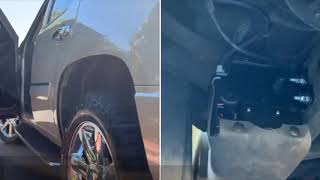
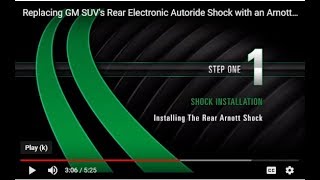
Used OEM Parts in Stock
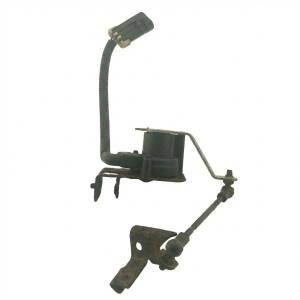


New Aftermarket Parts Available

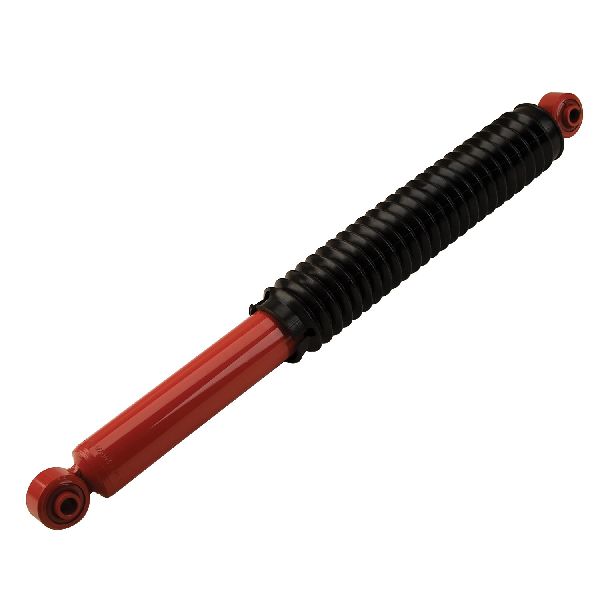

The information in this article is provided for general reference and educational purposes only. Vehicle specifications, procedures, and part compatibility can vary by production date, trim level, and region. Always consult your vehicle's factory service manual and verify part numbers before purchasing or performing repairs. Safety-critical components such as airbags, seat belts, and braking systems should be installed by a qualified professional.
- Chevrolet TAHOE:
- 🎬 Helpful Videos
- 🛍️ Shop This Part
- What's Unique About the 2001-2008 Chevrolet TAHOE
- Diagnostic Flowchart
- Symptoms You May Notice
- Most Likely Causes
- Rare But Worth Checking
- Diagnosis Steps
- Parts You'll Likely Need
- Related Codes That Often Appear With This One
- Technical Service Bulletins (TSBs) & Recalls
- Platform-Specific Known Issues
- Mechanic-Grade Diagnostic Values
- Scan Tool Commands That Help
- Wiring & Ground Locations
- Real Owner Repair Stories
- OEM Part Supersession History
- Model Year Variations Within This Range
- 🎟️ Get 5% Off