

C0696 on 2002-2006 Chevrolet Avalanche 1500: Service Suspension System Causes and Fixes
On a 2002-2006 Avalanche, C0696 almost always means the wiring to the air suspension compressor is damaged where it's routed near the frame. A 'Service Suspension System' message and sagging rear are key symptoms. Inspect and repair the wiring before replacing the expensive compressor assembly.
- C0696 means there is an electrical fault in your Avalanche's 'Autoride' rear air suspension.
- The most probable cause is a damaged wire or wiring harness near the air compressor on the driver's side frame rail. Always inspect this before buying parts.
- Symptoms include a 'Service Suspension System' message and a sagging rear end.
- If the wiring is intact, the next most likely culprit is the air compressor assembly itself.
- Do not replace the air shocks to fix this code unless you have separately confirmed they are leaking.
What's Unique About the 2002-2006 Chevrolet AVALANCHE 1500
The 2002-2006 Avalanche belongs to the GMT800 platform, which it shares with the Suburban, Tahoe, Yukon, and Cadillac Escalade. Many of these SUVs were equipped with the Z55 'Autoride' air suspension. This system is notorious for a specific failure where the wiring harness for the air compressor gets pinched or chafes against the vehicle's frame rail on the driver's side. This issue is so common that General Motors issued a Technical Service Bulletin (PIT4954D) instructing technicians to inspect and repair the wiring before condemning the compressor assembly. The TSB explicitly states, "Do NOT replace the complete air compressor assembly for this concern. Repair any damaged or shorted circuits...".
Diagnostic Flowchart
Tap your situation to follow the diagnostic path that matches what you're seeing on this vehicle.
Symptoms You May Notice
- "Service Suspension System" or "Service Ride Control" message on the Driver Information Center (DIC).
- Rear of the vehicle sags or sits lower than normal.
- Air suspension compressor does not turn on at startup or when a load is added.
- Harsh, bouncy, or unstable ride quality.
- Reduced load-carrying or towing capacity.
- Replacing the air compressor assembly without first thoroughly inspecting the wiring harness. The TSB specifically warns against this, as a simple wiring repair is often the correct and much cheaper fix.
- Replacing the air shocks to fix C0696. While leaking shocks are a common problem and can lead to compressor failure, they do not directly cause this specific electrical fault code.
Most Likely Causes
- Damaged Wiring to Air Compressor Assembly 🔴 High Probability The wiring harness is routed in a way that it can be pinched or rub against the frame near the compressor's mounting location, leading to chafing and short circuits. This is the primary cause cited in TSB PIT4954D. Forum users often report the damage is hidden between the compressor bracket and the frame, requiring the compressor to be unbolted to see it.
How to confirm: Visually inspect the entire wiring harness leading to the air compressor, which is mounted on the driver-side frame rail near the rear wheel. It is often necessary to unbolt and move the compressor to see where the harness is pinched between the compressor bracket and the frame. Check for chafed, flattened, or corroded wires, particularly the gray 5-volt reference wire. Use a multimeter to test for a short to ground on the 5V reference circuit at the disconnected sensor plug.
Typical fix: Repair the damaged section of the wiring harness using solder and heat shrink tubing or quality butt connectors. Reroute the harness to provide more clearance and prevent future damage.
Est. part cost: $10-$30 - Failed Air Suspension Compressor Assembly 🟡 Medium Probability The pressure sensor that triggers code C0696 is integrated into the compressor assembly and is not serviced separately. Moisture can enter the system and cause the sensor to fail internally, a condition also noted in TSBs. Also, leaks in the air shocks can cause the compressor to run excessively, leading to premature burnout.
How to confirm: If the wiring, fuse, and relay are all confirmed to be good, and there is 4.75-5.25V on the reference circuit, the compressor assembly has likely failed. The pressure sensor is generally not sold separately. A bidirectional scan tool can be used to command the compressor on; if it has power but does not run, it has failed.
Typical fix: Replace the entire air compressor assembly. Popular aftermarket brands include Dorman and Arnott, while the OEM part is ACDelco.
Est. part cost: $200-$500 - Leaking Rear Air Shocks 🟡 Medium Probability The rubber air bladders on the shocks degrade over time, developing cracks and leaks. This doesn't directly cause C0696, but it overworks the compressor, leading to its eventual failure (and potentially triggering the code) from burnout or moisture intrusion.
How to confirm: With the system running, spray the air shocks and lines with soapy water and look for bubbles, which indicate a leak. The rear of the vehicle may also be noticeably lower after sitting overnight.
Typical fix: Replace the leaking air shocks in pairs. 🎬 Watch: Step-by-step guide to replacing rear air shocks. This should be done in conjunction with fixing the C0696 code if the compressor has failed from being overworked. Arnott and Monroe are common aftermarket replacements.
Est. part cost: $150-$400 for a pair - Blown Fuse or Faulty Relay ⚪ Low Probability A short circuit in the compressor or its wiring can blow the fuse or damage the relay that powers the system.
How to confirm: Locate the fuses and relay for the air suspension system. On GMT800 models, check the underhood fuse block for a large 40A fuse (often labeled STUD #1 or ECAS) and a relay for the compressor. A common test is to jump power from pin 30 to pin 87 at the relay socket to see if the compressor motor runs.
Typical fix: Replace the blown fuse or faulty relay.
Est. part cost: $5-$25
Rare But Worth Checking
- Faulty Electronic Suspension Control (ESC) Module: While uncommon, the control module itself can fail, sometimes due to corrosion from its location above the spare tire. An internal short in the ESCM can ground the 5-volt reference line, mimicking a sensor or wiring fault. This should only be considered after all wiring, compressor, and sensor issues have been definitively ruled out.
Diagnosis Steps
- Read the trouble codes from the Electronic Suspension Control (ESC) module using a scan tool capable of reading Chassis (C) codes.
- Visually inspect the air suspension compressor, located on the driver-side frame rail. Look for obvious signs of damage or corrosion.
- Thoroughly inspect the wiring harness connected to the compressor. Pay close attention to the area where the harness might be pinched between the compressor bracket and the vehicle frame, as noted in TSB PIT4954D. It may be necessary to unbolt the compressor for a clear view.
- If wiring damage is found, repair the affected wires, clear the codes, and test the system.
- If the wiring appears intact, check the relevant fuses and the compressor relay in the underhood fuse block.
- If fuses are good, disconnect the compressor connector and test for 4.75-5.25 volts on the 5-volt reference wire (often gray) with the ignition on.
- If voltage is present and the wiring is good, but the compressor doesn't run when commanded by a scan tool, the compressor assembly is likely faulty and needs replacement.
- While diagnosing, inspect the rear air shocks for leaks using soapy water, as leaking shocks will cause the new compressor to fail prematurely.
Parts You'll Likely Need
- Air Suspension Compressor Assembly
(OEM #19299545 (supersedes 15254590))— This is the second most common failure after wiring. The pressure sensor that causes the code is integrated into this assembly and is not typically sold separately. A common failure after being overworked by leaking shocks.
Trusted brands: ACDelco (OEM), Arnott Industries, Dorman (e.g., 949-000, 949-099)
OEM price range: $400-$600
Aftermarket price range: $180-$450 - Rear Air Shock Absorber
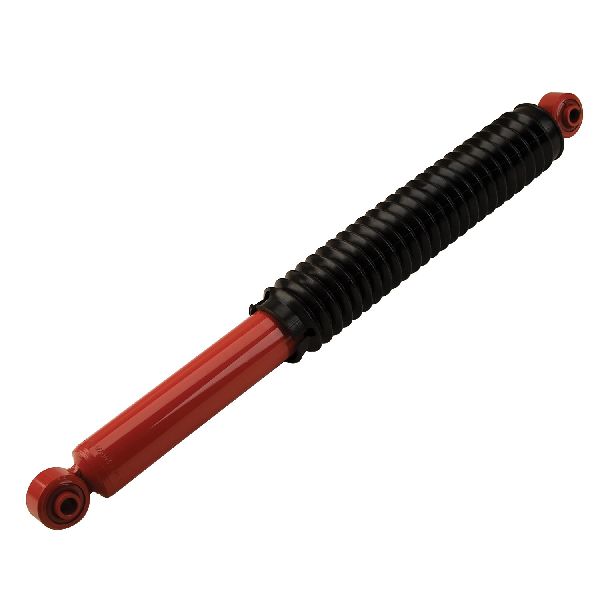
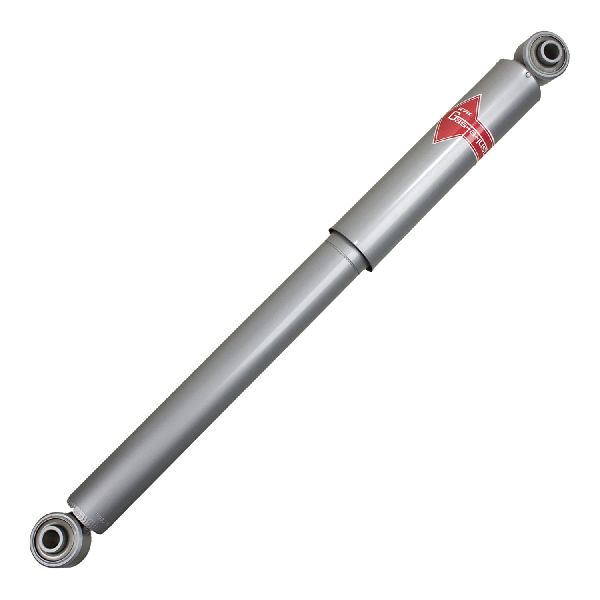
(OEM #19300046 or 25979394)— Leaking air shocks are a frequent root cause of compressor failure due to overuse. They should be replaced if found to be leaking to ensure the longevity of the new compressor.
Trusted brands: ACDelco (OEM), Monroe (e.g., MA830), Arnott Industries (e.g., AS-2700, AS-2708)
OEM price range: $250-$400 per pair
Aftermarket price range: $150-$350 per pair - Air Compressor Connector Pigtail
(OEM #ACDelco PT3871)— If the wiring is damaged right at the connector, replacing the pigtail is the most robust repair.
Trusted brands: ACDelco, Dorman
OEM price range: $30-$50
Aftermarket price range: $20-$40
Related Codes That Often Appear With This One
- C0711 — This code also relates to the Automatic Level Control system pressure sensor. TSB PIT4954D lists both C0696 and C0711 as codes that can be set by the same wiring fault or faulty sensor.
- C0660 — This code points to a 'Level Control Exhaust Valve Circuit Malfunction'. Since the exhaust valve is part of the compressor assembly, a wiring or internal compressor fault can trigger C0660 along with C0696.
Technical Service Bulletins (TSBs) & Recalls
- PIT4954D: Addresses DTCs C0696 or C0711 and identifies the primary cause as pinched or shorted wiring to the air compressor's pressure sensor. It strongly advises repairing the wiring rather than replacing the entire compressor assembly for this specific issue.
Platform-Specific Known Issues
- A known issue documented in TSB #PIT4954D involves the wiring to the air compressor being pinched between the compressor assembly and the frame, causing a short to ground and triggering codes C0696 or C0711.
Mechanic-Grade Diagnostic Values
- 5-Volt Reference Circuit Voltage — expected: 4.75 - 5.25 Volts. Failure: Voltage outside this range indicates a short to ground, short to voltage, or an open/high resistance in the circuit.
- ALC Pressure Sensor Signal Circuit Voltage — expected: 0.15 - 4.85 Volts. Failure: A static voltage or a reading outside this range when viewed on a scan tool indicates a fault in the sensor or its wiring.
- ALC Pressure Sensor Low Reference Circuit Resistance — expected: Less than 1 ohm. Failure: Resistance greater than 1 ohm indicates an open or high resistance in the ground circuit for the sensor.
- Compressor Motor Function Test — expected: Compressor motor runs.. Failure: Compressor does not run, indicating a failure in the motor or its direct power/ground circuit.
Scan Tool Commands That Help
- GM Tech 2 (or equivalent): Functional Test: Compressor On/Off — Use this command after verifying fuses and relays are good. It directly tests the compressor motor, bypassing sensor inputs. If the compressor runs with this command but not during normal operation, the fault is likely in the sensor or control module. If it does not run, the fault is in the compressor motor or its power/ground wiring.
- GM Tech 2 (or equivalent): Data Display: ALC Pressure Sensor Voltage — Use this to monitor the live voltage output from the pressure sensor. This helps determine if the sensor signal is erratic, stuck, or out of the expected range (0.15-4.85V), pointing to a sensor or wiring issue.
- GM Tech 2 (or equivalent): Suspension Position Calibration — This service function should be performed after replacing major ALC system components like the compressor or air shocks to ensure the control module has an accurate baseline for the new parts.
Wiring & Ground Locations
- Air Compressor Assembly — Mounted to the driver's side frame rail, typically behind the rear wheel well.. This assembly houses the integrated pressure sensor that triggers C0696. The wiring harness connected to it is the most common point of failure due to chafing against the frame or mounting bracket.
- Electronic Suspension Control (ESC) Module — Located on a frame cross-brace above the spare tire.. This is the control module that supplies the 5V reference voltage, monitors the sensor signal, and sets code C0696. In rare cases, it can fail internally and cause the code.
- ALC / COMP Relay — Located in the underhood fuse block.. This relay provides high-current power to the compressor motor. While a failure here won't directly cause the C0696 sensor circuit code, it will prevent the compressor from running, which is a primary symptom.
Real Owner Repair Stories
- Synthesized from TSB PIT4954D and numerous owner forum threads (2002-2006 Chevrolet Avalanche or other GMT800 SUV with Z55 Autoride) — 'Service Suspension System' message on DIC, rear of vehicle sagging, compressor inoperative.
❌ Tried (didn't work) Replacing the ALC/ECAS fuse., Swapping the compressor relay with a known-good one., Pricing out a new compressor assembly ($200-$500) before performing a full wiring inspection.
✅ What actually fixed it After unbolting the air compressor from the frame rail, a section of the wiring harness was found flattened and chafed through where it was pinched between the compressor bracket and the frame. The damaged wires (specifically the gray 5V reference wire) were cut out, repaired with solder and heat shrink, and the harness was rerouted with a zip tie to prevent future contact. This resolved the code for less than $10 in materials. - YouTube video by 'The Car Doctor Channel' (2005 Chevrolet Tahoe (similar GMT800 platform)) — 'Service Suspension' message, compressor not functioning.
❌ Tried (didn't work) The owner had been driving with the issue for years, ignoring it.
✅ What actually fixed it Using a scan tool, the technician found a fault for the left rear position sensor (0 volts) and confirmed the compressor would not turn on via the bidirectional functional test. The entire compressor assembly was replaced, which fixed the problem and restored system operation.
"I Checked Everything" — The Actual Cause
- The electrical equivalent is when the wiring harness and compressor/sensor assembly both test good, but the code persists. In a documented case, the C0696 code was caused by an internal failure of the Electronic Suspension Control Module (ESCM) located above the spare tire. The module itself was shorting the 5-volt reference line to ground, perfectly mimicking a wiring or sensor fault. The fix was to replace the ESCM after all other external components and wiring were confirmed to be good.
OEM Part Supersession History
15254590 (and others)→19299545— Consolidation of part numbers and likely minor design revisions over the years.
Heads up: The OEM part 19299545 is the current service replacement for a long list of prior numbers, including 10395825, 15056494, 15070878, 15101577, and 22189134.OEM Compressor→Dorman 949-099 (OE FIX)— Aftermarket improvement.
Heads up: The Dorman 949-099 is an aftermarket 'OE FIX' part designed to be more robust than the original. It includes features like thermal protection software to prevent motor burnout and an improved membrane to resist moisture intrusion. It often includes adapter harnesses to fit a wide range of model years.
Model Year Variations Within This Range
- 2002-2006: The Z55 Autoride suspension, which is the system that sets code C0696, was an optional package and not standard on all trims. It was often included on LTZ models or as part of the Z66 'Premium Smooth Ride' package. Base models without this option will not experience this code. The system consists of rear air-leveling shocks and front electronic variable dampers; there is no air suspension in the front.
Helpful Videos
Used OEM Parts in Stock

New Aftermarket Parts Available


The information in this article is provided for general reference and educational purposes only. Vehicle specifications, procedures, and part compatibility can vary by production date, trim level, and region. Always consult your vehicle's factory service manual and verify part numbers before purchasing or performing repairs. Safety-critical components such as airbags, seat belts, and braking systems should be installed by a qualified professional.
- Chevrolet AVALANCHE 1500:
- 🎬 Helpful Videos
- 🛍️ Shop This Part
- What's Unique About the 2002-2006 Chevrolet AVALANCHE 1500
- Diagnostic Flowchart
- Symptoms You May Notice
- Most Likely Causes
- Rare But Worth Checking
- Diagnosis Steps
- Parts You'll Likely Need
- Related Codes That Often Appear With This One
- Technical Service Bulletins (TSBs) & Recalls
- Platform-Specific Known Issues
- Mechanic-Grade Diagnostic Values
- Scan Tool Commands That Help
- Wiring & Ground Locations
- Real Owner Repair Stories
- "I Checked Everything" — The Actual Cause
- OEM Part Supersession History
- Model Year Variations Within This Range
- 🎟️ Get 5% Off