

C0696 on 2002-2006 Cadillac Escalade EXT 1500: Suspension System Fault Causes and Fixes
On a 2002-2006 Escalade EXT, code C0696 almost always points to damaged wiring for the air suspension compressor's pressure sensor, often found pinched against the frame. A visual inspection and wiring repair is a low-cost first step before replacing the compressor assembly, which can cost over $400.
- C0696 on a 2002-2006 Escalade EXT points to an electrical fault in the rear air suspension's sensor circuit.
- Before buying any parts, you MUST inspect the wiring harness at the air compressor (driver's side frame rail) for damage where it can get pinched against the frame. This is the most common cause and is documented in a GM TSB.
- Do not replace the expensive air compressor assembly until you have ruled out a simple wiring repair.
- This code is often accompanied by C0711; they point to the same problem.
What's Unique About the 2002-2006 Cadillac ESCALADE EXT 1500
The GMT800 platform, which this generation of Escalade is built on, features the 'Autoride' (RPO Z55) air suspension system. The air compressor for this system is mounted on the driver's side frame rail, roughly under the second-row seating area, where its wiring harness is highly susceptible to being pinched, chafed, or corroded. This specific failure of the wiring getting pinched between the compressor bracket and the vehicle frame is so common that General Motors issued a Technical Service Bulletin (PIT4954D) 🎬 Watch: Expert diagnosis of common GM air suspension and compressor issues. to address it, making it a well-documented pattern failure for these trucks.
Diagnostic Flowchart
Tap your situation to follow the diagnostic path that matches what you're seeing on this vehicle.
Symptoms You May Notice
- "Service Suspension System" message on the Driver Information Center (DIC).
- Incorrect rear ride height, often sagging or sitting too low.
- A rough, bouncy, or unstable ride.
- Air suspension compressor does not run or runs continuously.
- A speed limitation message may appear on the DIC in some cases.
- Replacing the entire air compressor assembly without first thoroughly inspecting the wiring harness. The TSB specifically warns against this.
- Replacing the rear air shocks, assuming they are the cause of the sagging, without addressing the underlying electrical fault code C0696 first.
Most Likely Causes
- Damaged Wiring to Air Compressor / Pressure Sensor 🔴 High Probability The wiring harness is routed in a location where it is frequently pinched between the air compressor assembly and the vehicle's frame rail, causing a short circuit in the 5-volt reference wire (typically gray). This is the most common cause cited by GM's own service bulletin.
How to confirm: Visually inspect the wiring harness leading to the air compressor on the driver-side frame rail. The compressor may need to be unbolted and lowered to fully inspect for chafed, pinched, or corroded wires where the harness passes over the bracket. Test for a short to ground on the gray wire at the sensor connector.
Typical fix: Repair the damaged section of the wiring harness using solder and heat shrink tubing. Reroute or add protective loom to the harness to prevent future damage. Do not replace the compressor for this specific issue.
Est. part cost: $10-$30 - Failed Automatic Level Control (ALC) Pressure Sensor 🟡 Medium Probability The sensor, which is integrated into the compressor's dryer assembly, can fail internally, sometimes due to moisture intrusion from the air system.
How to confirm: If the wiring is confirmed to be good, disconnect the compressor harness connector (X317). Test for 4.75-5.25 volts on the 5-volt reference circuit (typically a gray wire at Pin F). If voltage returns to normal with the sensor disconnected, the sensor has an internal short and is faulty.
Typical fix: The sensor is not serviced separately by GM. Replace the complete air filter, dryer, and sensor assembly (GM P/N 22964558). The TSB specifically advises this over replacing the entire compressor. Note: This part may be discontinued by GM.
Est. part cost: $150-$250 - Failed Air Suspension Compressor Assembly ⚪ Low Probability The compressor motor can burn out from being overworked, often due to leaks in the rear air shocks. While not a direct cause of the C0696 electrical code, it's a common related failure that can occur after the system has been compromised.
How to confirm: If wiring and sensors test good, but the compressor fails to run when commanded by a scan tool or by jumping the relay, the motor has likely failed. The compressor may also become excessively noisy before failing.
Typical fix: Replace the entire air suspension compressor assembly. It is critical to also find and fix any air leaks in the shocks to prevent repeat failure of the new compressor.
Est. part cost: $250-$600
Rare But Worth Checking
- Faulty Electronic Suspension Control Module (ESCM): In rare cases, the module itself (located on the left rear of the frame, often above the spare tire) can fail and short the 5-volt reference circuit internally. This should only be considered after all wiring and sensor diagnostics have been exhausted. Corrosion on the module or its connectors is a possible cause.
- Blown Fuse or Faulty Relay: A simple blown fuse (check for 'RTD', 'ECAS', or 'ALC' in the underhood fuse box) or a bad compressor relay can disable the system and should be checked early in the diagnostic process. Many new compressors come with a replacement relay, and it's good practice to change it with the compressor.
Diagnosis Steps
- Read codes from the Electronic Suspension Control (ESC) module to confirm C0696 is present. A scan tool capable of reading chassis codes (like a Tech2) is required.
- Check fuses related to the suspension system (often labeled RTD, ECAS, or ALC) in the underhood fuse box.
- Check the compressor relay, often in the underhood fuse box. Swap it with a known good relay to test.
- Lift and safely support the vehicle, then remove the driver's side rear wheel for better access.
- Perform a detailed visual inspection of the wiring harness leading to the air compressor on the driver's side frame rail. Pay close attention to where the harness can be pinched by the compressor bracket. It may be necessary to unbolt the compressor to see the damage.
- If wiring damage is found, repair the wires, clear the codes, and re-test the system.
- If wiring appears intact, disconnect the main harness connector at the compressor (X317). With the ignition on, test for 4.75-5.25 volts between the 5-volt reference wire (often gray, Pin F) and a good ground.
- If voltage is correct with the compressor disconnected, the fault is likely within the compressor assembly (the ALC sensor).
- If voltage is still incorrect with the compressor disconnected, the short or open is elsewhere in the harness or potentially the ESCM itself. You can proceed to disconnect other sensors on the 5V reference circuit (like ride height sensors) one by one to isolate the fault.
Parts You'll Likely Need
- Air Suspension Compressor Assembly
(OEM #19300045, 25979393)— Replaced if the compressor motor has failed or if the integrated ALC pressure sensor has failed and a separate repair isn't feasible. This is often misdiagnosed as the primary cause for C0696. Leaking air shocks are a common cause of compressor burnout.
Trusted brands: ACDelco, Arnott Industries, Dorman
OEM price range: $450-$650
Aftermarket price range: $250-$500 - Air Compressor Filter, Dryer, and Sensor Assembly
(OEM #22964558)— If the wiring is good, the integrated ALC pressure sensor is the next likely cause, often due to moisture. It is serviced as part of this assembly per TSB PIT4954D. This part is reported as discontinued by GM, so aftermarket or used parts may be the only option.
Trusted brands: ACDelco, Dorman
OEM price range: $200-$300
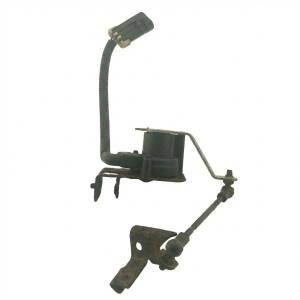
Aftermarket price range: $150-$220 - Rear Ride Height Sensor — While less common for this specific code, a failure of one of the individual ride height sensors can also disrupt the 5V reference circuit, causing this code. They should be checked if the wiring and compressor sensor are ruled out.
Trusted brands: ACDelco, Delphi, Dorman
OEM price range: $80-$120
Aftermarket price range: $40-$70
Related Codes That Often Appear With This One
- C0711 — This code for the 'Automatic Level Control (ALC) Air Pressure Sensor Circuit' is often set along with C0696, as they both relate to the same sensor and wiring harness. GM's TSB PIT4954D groups them as having the same root cause and diagnostic procedure.
Technical Service Bulletins (TSBs) & Recalls
- PIT4954D: Addresses DTCs C0696 or C0711, noting the cause is often pinched or shorted wiring to the ALC pressure sensor and advises against replacing the entire compressor for this fault. It covers models from 2001-2013.
Platform-Specific Known Issues
- A GM Technical Service Bulletin (PIT4954D) directly addresses code C0696 and C0711. It states the primary cause is the wiring to the automatic level control (ALC) pressure sensor being shorted to ground, often because it gets pinched between the air compressor assembly and the vehicle frame. The bulletin explicitly advises technicians to repair the wiring and NOT replace the entire compressor assembly for this specific fault.
Mechanic-Grade Diagnostic Values
- 5-Volt Reference Circuit Voltage — expected: 4.75 - 5.25 Volts. Failure: Voltage below 4.75V or above 5.25V indicates a short to ground, short to voltage, or an open/high resistance in the circuit or a faulty ESCM.
- ALC Pressure Sensor Low Reference Circuit Resistance — expected: Less than 1.0 Ohm. Failure: Resistance greater than 1.0 Ohm between the low reference circuit terminal at the sensor and a good chassis ground indicates high resistance or an open in the ground circuit.
- Suspension Position Sensor Signal (Live Data) — expected: 0.35 - 4.75 Volts. Failure: Voltage should change smoothly when jouncing the vehicle. A fixed value (e.g., 0V or 5V) or an unchanging value points to a faulty sensor or circuit issue.
- Compressor Activation Pressure — expected: Activates if system pressure is below 10 psi (69 kPa) at key-on.. Failure: If the rear is sagging and the compressor does not run a replenishment cycle at startup, it points to a fault in the control system or compressor circuit (assuming no other codes are disabling it).
Scan Tool Commands That Help
- GM Tech2: Output Control: Compressor Functional Test — After checking fuses and relays, this command directly turns the air compressor on and off to verify if the compressor motor itself is functional, bypassing sensor inputs.
- GM Tech2: Live Data: ALC Pressure Sensor / Position Sensor Voltage — To monitor the sensor's output in real-time. A reading of 0V, 5V, or a fixed value when conditions should be changing (like jouncing the suspension) points directly to a wiring or sensor fault.
- GM Tech2: Special Functions: ALC Calibration — This function should be performed after replacing suspension components like the ride height sensors or the ESC module to relearn the vehicle's correct trim height.
Wiring & Ground Locations
- Compressor Connector (X317) — The main 8-pin electrical connector on the air suspension compressor assembly, located on the driver's side frame rail.. This is the primary test point. The 5V reference is typically the Gray wire at Pin F. The wiring harness leading to this connector is the most common chafe point.
- ESCM (Electronic Suspension Control Module) — Mounted to a chassis crossmember, typically above the spare tire at the rear of the vehicle.. This module is the source of the 5V reference circuit. A failure here can cause the code, and its connectors are a key diagnostic point if the fault isn't at the compressor.
- G304 (Ground) — A chassis ground point located under the right front seat on some 2004 models.. While not the direct ground for the ESCM, poor chassis grounds can cause floating voltages and erratic sensor readings throughout the vehicle, potentially contributing to control module issues.
Real Owner Repair Stories
- Multiple forum user reports consistent with GM TSB PIT4954D (Multiple 2002-2006 Cadillac Escalade, Chevrolet Tahoe, GMC Yukon models) — Service Suspension System message on DIC, rear of vehicle sagging, codes C0696 and C0711 present.
❌ Tried (didn't work) Replacing the entire air compressor assembly without first inspecting the wiring harness.
✅ What actually fixed it The definitive fix was locating the wiring harness for the compressor's pressure sensor, finding the section that was pinched or chafed against the vehicle frame or compressor bracket, and repairing the damaged wires (most often the gray 5V reference wire). After the repair, the harness was secured away from the frame to prevent a repeat failure.
OEM Part Supersession History
25979393→19300045 (often as part of a kit)— Part update/consolidation by GM.
Heads up: 19300045 is a common replacement compressor assembly for the GMT800 platform. It is often bundled with shocks. Ensure the correct compressor-only part is ordered if shocks are not needed.20982305, 22197161→22964558— Part update for the Air Compressor Filter, Dryer, and Sensor Assembly.
Heads up: Part number 22964558, which is the TSB-recommended fix for a failed internal sensor, is now listed as DISCONTINUED by GM. This means sourcing an aftermarket equivalent or a complete used/new compressor assembly is likely required.
Model Year Variations Within This Range
- 2002-2006: The Autoride (Z55) suspension system design and the root cause of code C0696 (wiring chafe near the compressor) are highly consistent across this entire generation of the GMT800 platform. No significant year-to-year variations that would alter the diagnostic approach have been noted for this specific fault.
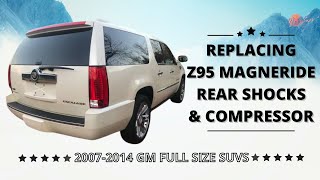
Helpful Videos
Used OEM Parts in Stock

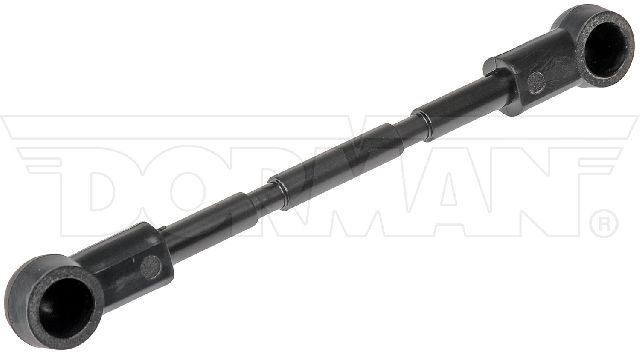
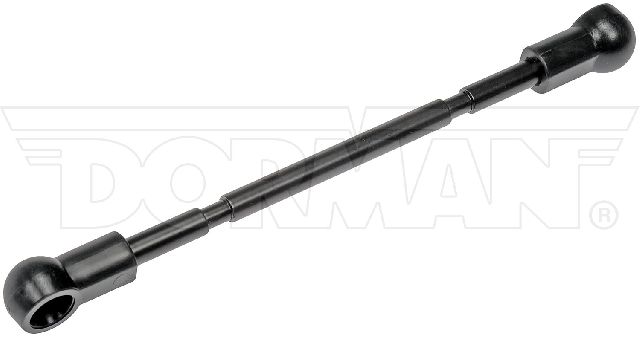
New Aftermarket Parts Available

The information in this article is provided for general reference and educational purposes only. Vehicle specifications, procedures, and part compatibility can vary by production date, trim level, and region. Always consult your vehicle's factory service manual and verify part numbers before purchasing or performing repairs. Safety-critical components such as airbags, seat belts, and braking systems should be installed by a qualified professional.
- Cadillac ESCALADE EXT 1500:
- 🎬 Helpful Videos
- 🛍️ Shop This Part
- What's Unique About the 2002-2006 Cadillac ESCALADE EXT 1500
- Diagnostic Flowchart
- Symptoms You May Notice
- Most Likely Causes
- Rare But Worth Checking
- Diagnosis Steps
- Parts You'll Likely Need
- Related Codes That Often Appear With This One
- Technical Service Bulletins (TSBs) & Recalls
- Platform-Specific Known Issues
- Mechanic-Grade Diagnostic Values
- Scan Tool Commands That Help
- Wiring & Ground Locations
- Real Owner Repair Stories
- OEM Part Supersession History
- Model Year Variations Within This Range
- 🎟️ Get 5% Off