

OBD-II Code C0631: Front Axle Control System Fault
What C0631 means, why it triggers, and how to fix it
- Code C0631 disables your vehicle's 4WD or AWD system, forcing it to operate exclusively in 2WD.
- A failed front axle disconnect actuator causes over 70% of C0631 codes across all major truck and SUV brands.
- For 2020-2021 Ford Explorers and Lincoln Aviators, C0631 paired with C00A6 requires a $1,500+ dealer repair outlined in TSB 23-2174.
- Always test the actuator connector for a 12V power and solid ground signal before replacing parts, as corroded wiring mimics a failed actuator.
What Does C0631 Mean?
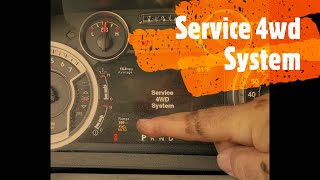
Code C0631 means the drivetrain control module detected a malfunction in the Front Axle Disconnect (FAD) system. The FAD engages and disengages the front wheels to improve fuel economy in 2WD mode. When this code triggers, the vehicle defaults to 2WD and illuminates the 'Service 4WD' or wrench light.
Technical definition: C0631 universally indicates a performance or circuit malfunction within the front axle disconnect actuator or its control system. Ford defines it as a performance issue in the front axle disconnect mechanism. GM refers to it as a 'Test Pattern Malfunction,' signifying the component failed a startup self-test.
Can I Drive With C0631?
Yes, But With Caution. You can drive the vehicle, but the AWD/4WD system is disabled, leaving you in 2WD. This creates a significant safety hazard in rain or snow. Continued driving won't cause immediate catastrophic failure, but it places additional stress on the transfer case and rear differential, accelerating wear on those expensive components.
Common Causes
- Failed Front Axle Disconnect Actuator (FADA) (Very Common) — This is the most frequent cause. The actuator is an electric motor or vacuum-operated device that physically moves a fork or clutch to lock the front axle. It fails mechanically from worn internal gears or electronically from an internal short circuit. On 2020-2021 Ford Explorers, failed seals allow gear oil to leak into the electronics, destroying the unit. 🎬 Watch: Step-by-step Ford Explorer front axle and actuator repair guide.
- Damaged Wiring or Corroded Connectors (Common) — The actuator wiring harness is exposed to road debris, moisture, and heat. Wires chafe against heat shields or frame members, causing short circuits. Connector pins also corrode, blocking power or commands from the control module.
- Transfer Case Control Module (TCCM) Failure or Software Corruption (Less Common) — The TCCM commands the front axle actuator. It fails due to internal hardware faults, corrupted software, or lost calibration data. A software re-flash or module replacement is required to restore function.
- Low or Leaking Differential/Actuator Fluid (Less Common) — The actuator's seals fail, causing gear oil to leak out. While this leads to actuator failure, the leak itself is a primary problem. On older systems that use vacuum, a leak in the vacuum lines prevents the actuator from moving.
- Faulty ABS Module or Wheel Speed Sensor (Rare) — On Stellantis platforms (Jeep/Dodge/Chrysler), the TCCM relies on data from the ABS module. A failing wheel speed sensor sends erroneous data, causing the TCCM to set a C0631 code as a secondary fault.
- Mechanical Jam or Binding in the Disconnect Mechanism (Rare) — The internal shift fork or collar that the actuator moves becomes physically stuck or damaged. This prevents the axle from locking or unlocking even if the actuator works perfectly.
Symptoms
- 4WD or AWD Malfunction Light is On — The dashboard displays a 'Service 4WD,' 'AWD Malfunction,' or an illuminated wrench light.
- Vehicle Stuck in 2WD — The vehicle refuses to engage 4WD or AWD when selected by the driver, causing a loss of front-wheel traction in slippery conditions.
- Grinding, Whining, or Clicking Noises — Unusual noises emit from the front axle area during acceleration as the faulty actuator or gears attempt to engage.
- 4WD Selector Switch Flashes — When engaging 4WD, the switch light blinks instead of staying solid, indicating the system detected a fault and aborted the shift.
Diagnostic Flowchart
Tap your situation to follow the diagnostic path that matches what you're seeing on this code.
Common Fixes & Costs
- Replace Front Axle Disconnect Actuator
— Parts: $70-$240, Labor: $100-$250, ~1.5 hr book time
(Intermediate)
: OEM 26053326 (Alt: Dorman 600-101, ACDelco GF-883)
: OEM 68216944AA (Alt: Dorman 600-399, Standard Motor Products TCA-69) - Ford/Lincoln TSB 23-2174 Repair Kit
— Parts: $400-$600, Labor: $1100-$1600, ~7.8 hr book time
(Professional)
: OEM Intermediate Shaft (N1MZ-3A329-A), Left Halfshaft (N1MZ-3A427-F), Breather Hose (N1MZ-3B476-A) (Alt: OEM only.) - Repair Damaged Wiring or Connector — Parts: $10-$50, Labor: $100-$300, ~2 hr book time (Intermediate)
- Reprogram/Update Control Module — Parts: $0, Labor: $80-$150, ~1 hr book time (Professional)
- Replace Transfer Case Control Module (TCCM) — Parts: $150-$500, Labor: $100-$200, ~0.8 hr book time (Professional)
DIY vs Professional
- Replace Front Axle Disconnect Actuator (GM/Dodge) — Beginner:
Tools: Jack and jack stands, socket set, wrenches, large adjustable wrench or channel-lock pliers, flat blade screwdriver. - Ford/Lincoln TSB 23-2174 Repair Kit — Beginner:
Tools: Professional lift, engine support fixture, extensive socket/wrench set, torque wrench, pry bars, and a Ford-specific diagnostic tool (FDRS). - Repair Damaged Wiring or Connector — Beginner:
Tools: Multimeter, wire strippers, crimpers, soldering iron, heat shrink tubing, electrical tape, vehicle-specific wiring diagram. - Replace Transfer Case Control Module (TCCM) — Beginner:
Tools: Socket set, trim removal tools, dealer-level scan tool.
Used vs. New Parts: Buying Guide
When a used part is worth it: Buying a used Front Axle Disconnect Actuator is never recommended. The part fails due to internal wear and seal degradation, meaning a salvage yard part carries a high probability of premature failure.
Donor-vehicle mileage cap: roughly under 40000 miles for the part to have meaningful remaining life.
Donor quality checklist:
- Verify the part number exactly. Superseded parts are often incompatible.
- Avoid parts from rust belt vehicles, as corrosion is a primary failure cause.
- For 2020-2021 Ford/Lincoln models, a used original-style actuator is the wrong part; the official fix requires a new, redesigned solid shaft.
Decision logic:
- If The vehicle is a 2020-2021 Ford Explorer or Lincoln Aviator. → Buy the new, OEM-specified TSB repair kit. A used or standard replacement part will not permanently fix the issue.
- If The part is an electro-mechanical actuator with known wear items (gears, seals). → Buy a new OEM or high-quality aftermarket part. The savings on a used part do not justify paying for labor twice.
- If Vehicle is over 15 years old and budget is the absolute top priority. → A used part is acceptable only with a clear 90-day warranty and acceptance of the high risk of repeat failure.
Warranty tradeoff: Used parts offer a 30-90 day warranty. New aftermarket parts include a 1-year to limited lifetime warranty. New OEM parts carry a 1-2 year warranty.
Worst-case if a used part fails: $300-$600
What Happens If You Wait — Timeline
- Immediate (0-1 week): Code C0631 is stored, and the 'Service 4WD' or wrench light illuminates. The 4WD/AWD system is disabled and the vehicle operates in 2WD only. No mechanical damage occurs at this stage. (MPG impact: 0%% · Added cost: $0)
- 1 week - 6 months: The warning light remains on, causing an automatic failure of a state vehicle inspection. The primary risk is safety-related, as 4WD is unavailable in hazardous road conditions. (MPG impact: 0%% · Added cost: $50-$150)
- 6 - 18 months: If the failure is intermittent, the system repeatedly tries and fails to engage the front axle. This causes accelerated wear on the actuator's internal plastic gears or the metal shift fork, turning a simple wiring fix into an expensive actuator replacement. (MPG impact: 0%% · Added cost: $100-$500)
- 18+ months: A seized actuator places constant stress on the transfer case. On GM models, spline corrosion worsens over time, requiring replacement of the CV and intermediate shafts in addition to the actuator. (MPG impact: 0%% · Added cost: $200-$800)
Cost of Not Fixing It
- Immediate: Loss of 4WD/AWD functionality forces the vehicle into 2WD. This creates a significant safety hazard in snow, ice, or heavy rain. (Added cost: $0)
- 1-6 months: The illuminated 'Service 4WD' or wrench light causes an automatic failure during state vehicle safety and emissions inspections. (Added cost: $50-$150)
- 6+ months: Repeated failed attempts to engage the front axle cause premature wear on the actuator's internal gears and shift fork. Driving with a damaged transfer case system places severe stress on related driveline components. (Added cost: $200-$800)
Diagnosis Steps
- Scan for Codes and Suffixes
Use a professional-grade OBD-II scanner to confirm C0631. Check for related codes like C00A6 (actuator circuit) or U-codes (communication errors). On Ford products, a C0631-7F suffix specifically points to an intermittent mechanical failure of the actuator.
Tools: OBD-II Scanner (Professional Grade) (Beginner) - Command the Actuator with a Bi-Directional Scan Tool
Command the actuator to turn on and off directly using a professional scan tool. If the actuator does not respond to the command, and you have verified it receives power and ground, the actuator is dead and requires replacement.
Tools: Bi-Directional Scan Tool (Advanced) - Visually Inspect the Actuator and Wiring
Locate the front axle disconnect actuator on the front differential. Look for cracks in the housing, gear oil leaks, or a damaged electrical connector. Trace the wiring harness to find chafed, melted, or broken wires near heat shields.
Tools: Flashlight, Safety Glasses (Beginner) - Check the Electrical Connector
Disconnect the electrical connector from the actuator. Inspect the pins for corrosion, moisture, or damage. Clean any corrosion with electrical contact cleaner and apply dielectric grease before reconnecting.
Tools: Electrical Contact Cleaner, Dielectric Grease, Small Pick (Intermediate) - Test for Power, Ground, and Signal at the Connector
Using a multimeter, test the actuator's harness connector. With the key on, locate a pin with battery voltage (approx. 12V) and a pin with good ground (less than 0.1V). Have a helper attempt to engage 4WD. The control wire must show a change in voltage (e.g., from 10V to 0V) when the TCCM commands the shift. If power and ground are good but the control signal doesn't change, the issue is upstream in the wiring or TCCM.
Tools: Multimeter, Vehicle-Specific Wiring Diagram (Advanced) - Test Actuator Motor Resistance
With the actuator unplugged, measure the resistance between the two pins for the actuator's motor. A good actuator reads between 5 and 15 ohms. A reading of infinity (OL) indicates an open circuit, while a reading near zero indicates a short circuit. Both require replacement.
Tools: Multimeter (Advanced) - Monitor Live Data PIDs
Monitor the live data from the TCCM. Look for PIDs related to the 'Front Axle Status'. This data must change from 'Unlocked' to 'Locked' when you command the actuator. If the PID status doesn't change, the actuator is not moving or its internal position sensor failed.
Tools: Bi-Directional Scan Tool (Advanced) - Test the Actuator (Listen and Feel)
Have a helper switch the vehicle's 4WD system on and off while you are safely near the front axle actuator. You must hear or feel a click or the sound of a small motor running. Total silence confirms a lack of power or a dead motor.
Tools: Helper (Intermediate) - Check for Mechanical Binding
If the actuator is removed, manually move the shift fork in the differential with a screwdriver. It must move with moderate force. If it is seized, there is an internal mechanical problem in the differential.
Tools: Screwdriver or Pry Bar (Professional)
When This Code Triggers (Freeze-Frame Conditions)
- Engine Coolant Temp: 180-210°F (The self-test runs when the engine reaches full operating temperature.)
- RPM: 1200-2000 (The fault logs during steady-state driving, not during heavy acceleration or deceleration.)
- Vehicle Speed: 20-45 mph (The control module verifies actuator function at moderate city or rural speeds.)
- 4WD Selector Status: 2WD or Auto (The code sets when the system performs a startup self-test or transitions between 2WD and 4WD modes.)
Related Codes
- C00A6 — This code for 'Front Axle Disconnect Actuator Circuit' almost always appears with C0631 on Ford products. C00A6 points specifically to an electrical problem, while C0631 indicates a general performance failure. Having both codes on a 2020-2021 Explorer/Aviator confirms the need for the TSB 23-2174 repair.
- C0632 — This code for 'Front Axle Disconnect Control Circuit' focuses on the control side of the circuit, such as the wiring and drivers within the TCCM. A C0632 code steers diagnosis toward the TCCM or wiring rather than the actuator itself.
- U0102 — This code means 'Lost Communication with Transfer Case Control Module.' If present with C0631, the root cause is the TCCM or its power/ground circuits. The TCCM is offline and cannot command the actuator, logging C0631 as a secondary fault. Fix U0102 first.
- U0415 — Meaning 'Invalid Data Received From ABS Control Module.' If the ABS module is faulty or a wheel speed sensor fails, the TCCM cannot determine if it's safe to engage the front axle, logging C0631. The ABS fault must be fixed first.
Climate & Environmental Factors
- Humidity and Road Salt: Moisture and road salt accelerate corrosion of the actuator housing, connector pins, and wiring. This causes water intrusion, short circuits, and high electrical resistance, destroying the actuator.
- Cold Weather: Extreme cold causes rubber diaphragms and vacuum lines in older systems to crack, creating vacuum leaks. In modern electronic actuators, cold hardens seals, allowing gear oil to leak into the electronics.
How to Talk to a Mechanic About This Code
Say this: "I have a 'Service 4WD' light and a C0631 code. I'd like to schedule a diagnostic to test the front axle disconnect system. Specifically, I'd like you to check for power, ground, and command signal at the actuator connector before recommending a replacement part."
This signals that you understand the common failure points and want a proper diagnosis, not just a part swap. It directs the technician to test the entire circuit (actuator, wiring, and control module), preventing them from immediately selling you an actuator you may not need.
Avoid saying:
- 'My 4-wheel drive is broken, can you fix it?'
- 'The light is on, just fix whatever is wrong.'
- 'My buddy said it's the actuator, can you just replace it?'
Questions to ask before authorizing the repair:
- Did you test the actuator with a bi-directional scanner? Did it respond to commands?
- What were the voltage and resistance readings at the actuator connector?
- Is the wiring harness to the actuator free of damage or corrosion?
- For a 2020-2021 Ford/Lincoln: Are you performing the repair according to TSB 23-2174, and does the estimate include the mandatory software update?
- What is the warranty on the parts and labor for this repair?
Where to Take It: Dealer vs Independent vs Chain
- Dealer:
Required for the Ford/Lincoln TSB. Recommended for any vehicle still under warranty.
Best for: 2020-2021 Ford Explorer & Lincoln Aviator models requiring the TSB 23-2174 repair, as it requires a dealer-level scan tool (FDRS) for the mandatory software update., Vehicles still under the powertrain warranty, as this repair is often covered.
Downsides: Highest labor rates., Less willing to perform a simple wiring repair versus replacing a whole component. (Typical cost: +50% vs. baseline) - Independent Shop:
Best fit for most vehicles, except for the specific 2020-2021 Ford/Lincoln TSB issue. Vet the shop's 4x4 diagnostic experience first.
Best for: Out-of-warranty GM, Dodge, and older Jeep vehicles where C0631 is a common, straightforward actuator replacement., Owners looking for a better price on diagnostics and labor for non-TSB related repairs.
Downsides: Quality and diagnostic capabilities vary greatly. Ensure the shop has a bi-directional scan tool and experience with 4WD systems., May lack access to the latest manufacturer software updates or TSBs. (Typical cost: +0% vs. baseline) - Chain Shop:
Not recommended. This code requires specific diagnostic procedures beyond simple code reading.
Best for: Simple, unrelated maintenance like oil changes or tires.
Downsides: Technician skill is highly variable., Lack the advanced bi-directional scan tools and in-depth diagnostic training required for complex electronic drivetrain issues. (Typical cost: -10% vs. baseline)
When to Walk Away From the Repair
If the estimated repair cost exceeds 40-50% of the car's current private-party value, seriously consider selling the vehicle as-is or trading it in rather than repairing it.
- Car worth $28000, fix is $2100: Fix it. The repair cost for the Ford TSB is high, but it's a small fraction of the vehicle's value.
- Car worth $8000, fix is $450: Fix it. A standard actuator replacement on a GM or Dodge truck is well below the threshold.
- Car worth $4000, fix is $2100: Walk away. The repair cost for the Ford TSB is over 50% of the car's value. It's not economical to repair.
What Scan Tool You Need for This Code
Minimum: A scanner that reads manufacturer-specific codes from the Transfer Case or All-Wheel Drive control module. A basic engine-only code reader will not see this code.
A cheap $20 scanner only reads generic engine codes (P-codes) and cannot communicate with the 4WD/AWD module where C-codes like C0631 are stored. Proper diagnosis requires a tool that commands the actuator to engage and disengage (bi-directional control) and reads its position status.
Budget: BlueDriver Pro Scan Tool (~$100) — Reads manufacturer-specific drivetrain codes like C0631 and displays live data from the module. It lacks the bi-directional control needed to command the actuator for a definitive test.
Mid-range: Foxwell NT510 Elite / Innova 5610 / XTOOL D7 (~$150-400) — Offers bi-directional control, which is critical for C0631. You can command the actuator on and off to see if it works, and monitor the live data PIDs to confirm movement. This is the minimum level required for a confident DIY diagnosis.
Professional: Autel MaxiCOM MK808BT / MK900-BT or Launch X431 Series (~$500-1200) — Provides full bi-directional control, advanced live data graphing, and potential access to special functions like module programming. For the Ford TSB, only a dealer-level tool (FDRS) can perform the required software update, but these pro-level tools diagnose everything up to that point.
Rent vs buy: AutoZone's free loaner tool service provides basic code readers that cannot diagnose C0631. They lack bi-directional capability. For this specific code, you must buy a capable mid-range scanner or take it to a shop.
How to Clear the Code After You Fix It
- Reconnect the battery if disconnected during repair.
- Use a compatible OBD-II scan tool to erase the DTCs from the TCCM.
- For Ford/Lincoln TSB repairs, perform the mandatory AWD module software update using a dealer-level tool.
- Perform a complete drive cycle to allow the vehicle's readiness monitors to run their self-tests.
Drive cycle (~20 minutes): Cold start and idle for 3 minutes. Drive in stop-and-go city traffic for 10 minutes. Drive at a steady highway speed (55-60 mph) for 10 minutes. Allow the vehicle to cool down completely.
Readiness monitors affected: Comprehensive Component Monitor, Misfire Monitor
Before emissions retest: drive at least 50 miles to fully set monitors.
Watch out for:
- Disconnecting the battery fails to clear the code from the Transfer Case Control Module (TCCM).
- The code returns immediately if the underlying mechanical or electrical fault remains.
- Skipping the mandatory software update after the Ford TSB 23-2174 repair prevents the fix from working.
Will This Fail Emissions / State Inspection?
Yes — this code typically fails an OBD-II emissions inspection.
- California: An illuminated powertrain malfunction light (wrench light) or 'Service 4WD' light associated with a stored fault code like C0631 results in an automatic smog check failure.
- New York: New York's annual safety and emissions inspection includes an OBD-II check. Any stored diagnostic trouble code that illuminates a malfunction indicator light causes an inspection failure.
- Texas: In the 17 Texas counties requiring emissions testing, a code like C0631 that triggers a warning light causes an inspection failure. Clearing the code right before the test results in a 'Not Ready' status, which also constitutes a failure.
Most Commonly Affected Vehicles
- Ford Explorer (2020-2021) — Suffers widespread failure of the Front Axle Disconnect Actuator due to a faulty seal causing oil leaks. Ford issued TSB 23-2174 to replace the actuator with a permanently engaged shaft.
- Lincoln Aviator (2020-2021) — Shares the same platform and faulty front axle disconnect system as the Ford Explorer. TSB 23-2174 applies to these vehicles.
- Ford Police Interceptor Utility (2020-2021) — Based on the Explorer platform and susceptible to the exact same FADA failure covered by TSB 23-2174.
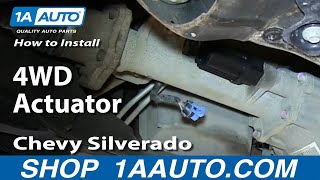
- Chevrolet Silverado, Trailblazer (2002-2019) — Uses a front axle actuator that is a common failure point. The part is widely available and a frequent, simple bolt-on repair.
- GMC Sierra, Envoy (2002-2019) — Sharing platforms with Chevrolet, these trucks experience identical front axle actuator failures and replacement procedures.
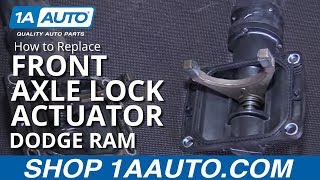
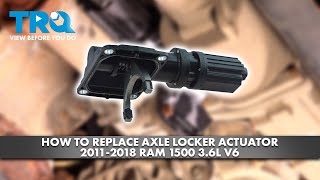
- Dodge Ram 1500 (2006-2018) — The actuator is located directly under the oil filter and is frequently destroyed by oil spills during routine maintenance.
- Jeep Grand Cherokee, Commander (2005-2010) — Experiences failures with the front axle disconnect system caused by a faulty actuator motor or a problem in the control module.
- Cadillac Escalade, SRX (2004-2016) — A malfunctioning front axle disconnect actuator triggers C0631, disabling the AWD system. The issue stems from the actuator or its wiring.
- Jeep Wrangler (JK, JL) (2007-Present) — Models equipped with a front axle disconnect feature suffer from actuator failures, disabling the 4WD system.
Manufacturer-Specific Notes
- Ford / Lincoln: For 2020-2021 Explorer and Aviator models built on or before August 30, 2021, the official repair (TSB 23-2174) installs a revised intermediate shaft that eliminates the disconnect feature entirely. This makes the front axle permanently engaged and requires a software update to the AWD module.
- General Motors (Chevy/GMC): GM defines this code as 'Test Pattern Malfunction.' The TCCM ran a self-test on the actuator circuit upon startup and the component failed to respond. The control wire must read ~10.6V in 2WD and drop to ~0V when 4WD is commanded.
- Dodge / Ram: On Ram 1500 trucks, the front axle disconnect actuator sits directly under the oil filter. Spilled oil from routine oil changes saturates the electrical connector, causing corrosion and failure. Clean the connector thoroughly during every oil change.
- Jeep / Chrysler: A failure in the ABS system indirectly causes a C0631. The TCCM uses wheel speed sensor data to verify vehicle speed before allowing a 4WD shift. If a wheel speed sensor fails, the TCCM refuses to command the actuator and sets C0631.
Real Owner Stories
2020 Ford Explorer at 45,000 miles
Wrench light and 'AWD Malfunction' message appeared on the dash. AWD was confirmed to be inoperative.
What they tried:
- Owner took the vehicle to the dealership. The dealer immediately identified codes C0631 and C00A6.
Outcome: Dealer performed the repair outlined in Ford TSB 23-2174, replacing the front axle disconnect actuator and intermediate shaft with a revised solid shaft, replacing the left half-shaft, and reprogramming the AWD module. The repair was covered under the powertrain warranty.
Lesson: For a 2020-2021 Explorer or Aviator with C0631 and C00A6, the problem is the known TSB issue. Go directly to a dealer, as an independent shop cannot perform the mandatory software update.
2007 Jeep Grand Cherokee WK after off-roading
'Service 4WD System' message appeared after driving through deep water. The 4WD system was stuck and would not disengage.
What they tried:
- Owner suspected water intrusion. Squeezing the electrical connector on the transfer case actuator with pliers caused a significant amount of water to drain out.
Outcome: After letting the connector dry, the owner disconnected the battery and performed a system reset. The code cleared and 4WD function was restored. They applied dielectric grease to the connector to prevent recurrence.
Lesson: If the fault appears immediately after exposure to deep water or a car wash, the cause is moisture in an electrical connector. Drying the connector and protecting it with dielectric grease is a simple, effective fix.
2015 Chevy Silverado with 110,000 miles
Owner replaced the front axle actuator himself to fix a 'Service 4WD' light, but the code returned. He tested the new part before installation by plugging it in and letting it hang while activating 4WD.
What they tried:
- He learned that testing the actuator while it is not installed in the axle housing causes it to over-extend and damage the new part internally.
Outcome: He purchased a second new actuator and installed it correctly into the axle housing before connecting it electrically and testing. The repair was successful.
Lesson: Never test a new GM front axle actuator by letting it hang from its wires. The actuator must be fully installed into the axle before you command it to engage, otherwise you destroy the brand new part.
2015 Jeep Grand Cherokee with clicking noise
'Service 4WD' and ABS lights came on, accompanied by a clicking noise from under the vehicle.
What they tried:
- A diagnostic scan at a shop revealed a code for a faulty ABS wheel speed sensor.
Outcome: Replacing the faulty ABS wheel speed sensor resolved all warning lights and the C0631 code. The TCCM set the 4WD fault because it received invalid data from the ABS module.
Lesson: On Jeep/Chrysler vehicles, always diagnose ABS codes first when they appear alongside a C0631. A faulty wheel speed sensor tricks the 4WD module into thinking there's a problem with the axle actuator.
How to Prevent This Code From Triggering
- Periodically Engage the 4WD System (Once a month for a few hundred yards) — Cycling the system moves the actuator's internal parts and lubricates the seals and gears, preventing them from seizing up from long periods of inactivity.
- Protect the Actuator During Oil Changes (Ram 1500) (Every oil change) — On Ram trucks, the actuator is directly below the oil filter. Spilled oil saturates the connector, causing failure. Use a funnel or a large zip-lock bag around the filter during removal to direct spilled oil away from the actuator.
- Apply Dielectric Grease to Connectors (Whenever a relevant connector is disconnected, or every 2-3 years in rust-prone areas) — Dielectric grease is a non-conductive, silicone-based grease that seals out moisture and prevents corrosion on electrical pins, which is a primary cause of actuator circuit failures.
- Perform Regular Transfer Case and Differential Service (Every 30,000 to 50,000 miles) — Changing the transfer case and differential fluids ensures proper lubrication of all drivetrain components. Neglecting this leads to broader, more expensive drivetrain failures.
- Clean and Lubricate the Actuator Shaft (Every 24,000 to 30,000 miles, especially for vehicles used off-road) — On some designs, the actuator moves an external shaft. Pulling back the protective boot and applying fresh grease to the shaft prevents it from binding due to dirt and corrosion.
Frequently Asked Questions
Can I still drive my car with code C0631?
Yes, but your 4WD or AWD will not work. The vehicle operates in 2WD only, which is dangerous in snow, ice, or heavy rain.
Is fixing a C0631 code expensive?
For GM and Dodge trucks, replacing the actuator costs between $170 and $500. However, for 2020-2021 Ford and Lincoln models, the required TSB repair is complex and costs between $1,400 and $2,100 at a dealership.
I replaced the actuator, but the C0631 code came back. What's next?
If a new actuator didn't fix the problem, meticulously inspect the wiring harness for damage and test for power and signal from the TCCM. On 2020-2021 Ford/Lincoln vehicles, replacing only the actuator is the wrong fix; the official repair requires replacing the actuator, intermediate shaft, and left half-shaft per TSB 23-2174.
Can a bad wheel bearing cause a C0631 code?
Indirectly, yes. A severely worn wheel bearing damages the hub's wheel speed sensor, triggering an ABS fault and code U0415. The TCCM then disables the 4WD system due to invalid ABS data, setting C0631 as a secondary code.
Why does my Ford dealer want to remove a feature to fix my car?
The original front axle disconnect system on 2020-2021 Explorers and Aviators has a fatal design flaw. Ford's permanent fix (TSB 23-2174) replaces the failure-prone actuator with a solid shaft. This keeps the front axle engaged at all times, sacrificing minor fuel economy for much greater reliability.
What is a Front Axle Disconnect Actuator?
It is a small motor on the front axle of a 4WD/AWD vehicle that connects or disconnects the front axles from the driveline. This saves a small amount of fuel when 4WD isn't needed by allowing the front driveshaft to stop spinning.
Can I just reset the C0631 code?
You can clear the code with a scan tool, but it returns immediately when the TCCM attempts to engage the 4WD system. C0631 indicates a hard fault or a performance test failure. Resetting the code without fixing the underlying problem will not solve the issue.
Key Takeaways
- Code C0631 disables your vehicle's 4WD or AWD system, forcing it to operate exclusively in 2WD.
- A failed front axle disconnect actuator causes over 70% of C0631 codes across all major truck and SUV brands.
- For 2020-2021 Ford Explorers and Lincoln Aviators, C0631 paired with C00A6 requires a $1,500+ dealer repair outlined in TSB 23-2174.
- Always test the actuator connector for a 12V power and solid ground signal before replacing parts, as corroded wiring mimics a failed actuator.
Helpful Videos



The information in this article is provided for general reference and educational purposes only. Vehicle specifications, procedures, and part compatibility can vary by production date, trim level, and region. Always consult your vehicle's factory service manual and verify part numbers before purchasing or performing repairs. Safety-critical components such as airbags, seat belts, and braking systems should be installed by a qualified professional.
- 🎬 Helpful Videos
- What Does C0631 Mean?
- Can I Drive With C0631?
- Common Causes
- Symptoms
- Diagnostic Flowchart
- Common Fixes & Costs
- DIY vs Professional
- Used vs. New Parts: Buying Guide
- What Happens If You Wait — Timeline
- Cost of Not Fixing It
- Diagnosis Steps
- When This Code Triggers (Freeze-Frame Conditions)
- Related Codes
- Climate & Environmental Factors
- How to Talk to a Mechanic About This Code
- Where to Take It: Dealer vs Independent vs Chain
- When to Walk Away From the Repair
- What Scan Tool You Need for This Code
- How to Clear the Code After You Fix It
- Will This Fail Emissions / State Inspection?
- Most Commonly Affected Vehicles
- Manufacturer-Specific Notes
- Real Owner Stories
- 2020 Ford Explorer at 45,000 miles
- 2007 Jeep Grand Cherokee WK after off-roading
- 2015 Chevy Silverado with 110,000 miles
- 2015 Jeep Grand Cherokee with clicking noise
- How to Prevent This Code From Triggering
- Frequently Asked Questions
- Can I still drive my car with code C0631?
- Is fixing a C0631 code expensive?
- I replaced the actuator, but the C0631 code came back. What's next?
- Can a bad wheel bearing cause a C0631 code?
- Why does my Ford dealer want to remove a feature to fix my car?
- What is a Front Axle Disconnect Actuator?
- Can I just reset the C0631 code?
- Key Takeaways
- 🎟️ Get 5% Off