

OBD-II Code C0609: Park Brake Switch Circuit Malfunction
The Ultimate 2026 Guide to Diagnosing and Fixing C0609
- Code C0609 isolates the fault to the parking brake switch, its wiring, or the module input—it rarely indicates a failed rear brake actuator.
- Test the 12V battery first; voltage drops below 12.4V during startup are the leading cause of false C0609 codes on modern vehicles.
- Replacing the park brake switch costs between $105 and $235 and resolves the issue in over 60% of true hardware failures.
- Never replace the Electronic Brake Control Module (EBCM) without first performing a manual system recalibration, which fixes software glitches for free.
What Does C0609 Mean?

Code C0609 means your vehicle's Electronic Brake Control Module (EBCM) or Body Control Module (BCM) detects an electrical fault in the park brake switch circuit. This switch tells the computer whether the parking brake is on or off. When this signal is lost or irrational, the computer disables the parking brake and related safety features like Auto-Hold.
Technical definition: The official SAE/OBD-II definition is "Park Brake Switch Circuit." This DTC sets when a control module detects an open circuit, a short to ground, or a short to battery voltage in the park brake switch input circuit for a specified period.
Can I Drive With C0609?

Yes, But With Caution. Yes, but it is not recommended for long distances. The primary risks are the parking brake failing to engage, leading to a potential rollaway, or failing to disengage, which causes significant damage. Driving with the brake partially applied overheats the rear pads and rotors, causing $400-$1,000+ in damage. In severe cases, this boils the brake fluid, leading to a dangerous loss of braking ability.
Common Causes

- Low Battery Voltage or Poor Ground (Very Common) — Modern electronic brake systems are highly sensitive to voltage drops. A weak 12V battery, corroded battery terminals, or a bad chassis ground causes modules to malfunction and sets false C0609 codes. This is the leading trigger on Ford, BMW, and Nissan vehicles.
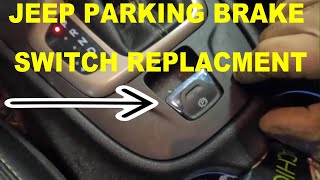
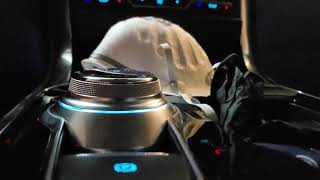
- Faulty Park Brake Switch (Very Common) — The switch is a mechanical part that wears out from daily use, suffers from internal corrosion, or gets contaminated by dirt and liquid spills, 🎬 Watch: Jeep Cherokee parking brake switch replacement walkthrough leading to a poor or non-existent signal.
- Damaged or Corroded Wiring/Connectors (Common) — Wires leading from the switch fray, pinch, or cut from wear and tear. Connectors under the vehicle are susceptible to moisture and road salt, causing corrosion that creates high resistance or an open circuit.
- Water Intrusion into EPB Module (Less Common) — On vehicles like the Jeep Cherokee, the EPB control module sits in an area prone to water leaks. Moisture corrodes the module's circuit board and connector pins, causing shorts and erratic behavior.
- Software Glitch or Lost Calibration (Less Common) — Temporary software bugs or corrupted memory in the control module trigger the code. The module loses its calibration for the switch's on/off positions and requires a manual reset or software update.
- Seized Rear Brake Caliper or Actuator Motor (Less Common) — On vehicles with electronic parking brakes (EPB), the actuator motor on the rear caliper seizes due to rust or internal damage. The control module detects abnormal current draw when trying to apply the brake and flags a circuit fault.
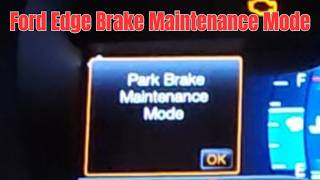
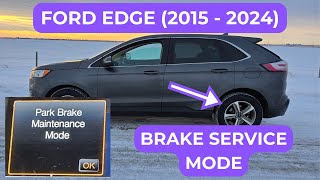
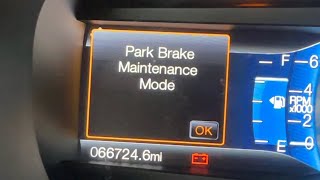
- Improper Brake Service Procedure (Less Common) — Forcing back the rear caliper piston on an EPB system without putting it into 'Service Mode' via a scan tool 🎬 Watch: How to enter Ford park brake service mode physically damages the actuator's internal gears and motor, triggering a fault.
- Failed Control Module (EBCM, BCM) (Rare) — An internal component, like a driver transistor on the circuit board, burns out, preventing the module from correctly interpreting the switch signal. Consider this only after exhausting all other possibilities.
Symptoms

- Parking Brake Warning Light Illuminated or Flashing — The red 'BRAKE' or parking brake symbol stays on solid when the brake is released, or flashes to indicate a partial engagement, calibration issue, or communication error.
- ABS or Traction Control Light is On — Stability control and ABS systems rely on parking brake status. A fault in this circuit disables these related systems as a precaution, illuminating their warning lights.
- Electronic Parking Brake or Auto-Hold Inoperative — Features like the electronic parking brake button, 'Auto-Hold', or 'Hill Hold Assist' are completely disabled.
- Transmission Stuck in Park — As a safety interlock, many vehicles prevent shifting out of 'Park' if the system cannot confirm the parking brake is disengaged.
- Grinding or Screeching Noise from Rear Brakes — A loud grinding or high-pitched electronic noise when operating the EPB indicates a failing actuator motor or stripped internal gears.
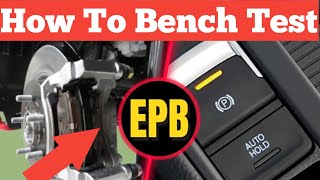
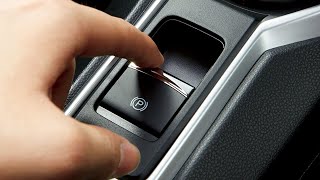
- Stuck PID Data on Scan Tool (scan-tool only — no driver-felt sign) — When viewing live data, the parameter for the park brake switch does not change state 🎬 See how to diagnose and test electronic parking brake faults (e.g., from 'Applied' to 'Released') when the switch is operated.
Diagnostic Flowchart
Tap your situation to follow the diagnostic path that matches what you're seeing on this code.
Common Fixes & Costs
- Replace the Park Brake Switch
— Parts: $25-$85, Labor: $80-$150, ~1.2 hr book time
(DIY)
Ford Edge (2015-2018): OEM DG9Z-2C442-A (Alt: {"brand": "Standard Motor Products", "part_number": "PBA007", "price_comparison": "Slightly less expensive than OEM"})
Jeep Cherokee (2014-2021): OEM 68373898AA (Alt: {"brand": "Carquest", "part_number": "SBA2156", "price_comparison": "Significantly less expensive than OEM"})
Toyota RAV4 (2019-2023): OEM 84550-02020 (Alt: {"brand": "WVE/NTK", "part_number": "1S16752", "price_comparison": "Slightly less expensive than OEM"}) - Repair Damaged Wiring or Connector — Parts: $10-$30, Labor: $150-$350, ~2 hr book time (Intermediate)
- Replace Electronic Parking Brake Module (EPB/EMF)
— Parts: $150-$500, Labor: $250-$400 (includes programming), ~2 hr book time
(Professional)
Jeep Cherokee (2014-2018): OEM 68330407AA (Alt: {"brand": "Autopart Premium", "part_number": "APPBM001", "price_comparison": "Affordable alternative"}) - Replace Electronic Parking Brake Actuator/Caliper
— Parts: $200-$500, Labor: $150-$300, ~1.8 hr book time
(Professional)
Ford Edge (2015-2018): OEM DG9Z2B712A (Right) (Alt: {"brand": "Dorman", "part_number": "926-482 (Right Motor)", "price_comparison": "Less expensive than OEM"}) - Replace the ABS/EBCM Control Module — Parts: $600-$1200+, Labor: $200-$350 (includes programming/calibration), ~2.5 hr book time (Professional)
Used vs. New Parts: Buying Guide
When a used part is worth it: For the park brake switch, buying new is recommended as the part is inexpensive ($25-$85). For expensive components like the EPB or ABS Control Module ($150-$1200+), a used part from a low-mileage vehicle offers significant savings.
Donor-vehicle mileage cap: roughly under 60000 miles for the part to have meaningful remaining life.
Donor quality checklist:
- Verify the donor vehicle's VIN to ensure module compatibility, as many are VIN-locked.
- Avoid parts from flood-damaged or rust-belt vehicles, as corrosion is a key failure mode.
- Match the part number exactly. Superseded numbers require additional programming.
Decision logic:
- If Part is the park brake switch → buy new – the low cost and warranty outweigh the minimal savings of a used part.
- If Part is an expensive control module and budget is tight → a used part is a viable option, but confirm if it requires professional programming before purchase.
- If Part is a mechanical actuator/motor from a high-mileage donor → favor new or remanufactured, as internal gears and motors wear out.
Warranty tradeoff: Used parts from salvage yards typically offer a 30-90 day warranty. New aftermarket parts come with a 1-year to limited lifetime warranty. New OEM parts carry a 1-2 year warranty.
Worst-case if a used part fails: $300-$600 if a used module fails or requires unexpected programming, covering repeat labor and sourcing another part.
What Happens If You Wait — Timeline
- 0-1 week: Code C0609 is set. The 'BRAKE' light illuminates on the dash. The EPB fails to engage or disengage, but there is no physical damage yet. Safety systems like ABS/ESC are disabled. (MPG impact: 0%% · Added cost: $0)
- 1 week - 2 months: If the failure causes the brake to stick partially on (dragging), you notice sluggish acceleration and a drop in fuel economy. The rear brake pads and rotors begin to wear at an accelerated rate. (MPG impact: 5-15%% · Added cost: $50-$150 in wasted fuel and premature pad wear.)
- 2-6 months: Constant dragging generates extreme heat, warping the brake rotors and causing the brake fluid to boil, leading to a spongy or completely ineffective brake pedal. The rear brake pads and rotors are destroyed. (MPG impact: 15-25%% · Added cost: $400-$1000 to replace the ruined rear brake pads and rotors.)
- 6+ months: Sustained, extreme heat from a fully seized brake destroys the caliper and actuator motor, cooks the wheel bearing grease causing bearing failure, and damages the wheel hub. (MPG impact: N/A (vehicle may be undrivable)% · Added cost: $1500-$3500+ for replacement of calipers, actuators, rotors, pads, and potentially wheel bearings/hubs.)
Cost of Not Fixing It
- Immediate: Inoperable parking brake, leading to a potential rollaway hazard. ABS and Stability Control systems are disabled, reducing safety. (Added cost: 0)
- 0-1 month: If the brake is stuck partially engaged, it causes accelerated wear of rear brake pads and rotors and a 10-20% drop in fuel economy. (Added cost: $400-$1000)
- 1-6 months: Continued driving with a dragging brake destroys the rear calipers and hubs from excessive heat. The constant engine strain causes overheating and potential damage to the catalytic converter. (Added cost: $1500-$3500+)
Diagnosis Steps
- Perform a Full Battery and Charging System Test
Verify the vehicle's electrical foundation first. With the engine off, battery voltage must be above 12.4V. With the engine running, it must be between 13.7V and 14.7V. A weak battery is the leading cause of spurious C0609 faults.
Tools: Multimeter or Battery Tester (Beginner) - Scan for Codes and Review Live Data
Use an advanced OBD-II scanner to confirm C0609 is active. Navigate to the ABS or BCM module's live data stream and monitor the 'Park Brake Switch' PID. It must change state (e.g., 'On' to 'Off') as you operate the brake. If it is stuck in one state, you have confirmed a hard fault.
Tools: Advanced OBD-II Scanner (Beginner) - Inspect the Switch, Connector, and Fuses
Visually inspect the parking brake switch for physical damage, loose connections, or spilled liquid. Check the fuse box for any fuses related to the EBCM, BCM, or ABS. A blown fuse takes down the entire circuit.
Tools: Flashlight, Fuse Puller (Beginner) - Test the Park Brake Switch
Disconnect the switch's electrical connector. Using a multimeter set to resistance (Ohms), test the switch terminals. The meter must show continuity (under 2.0 ohms) when the brake is engaged and an open circuit ('OL') when released. If it fails, replace the switch.
Tools: Multimeter, Basic Hand Tools (Intermediate) - Pro Tip: Perform Bidirectional Control Test
In the ABS/EBCM special functions menu on an advanced scanner, command the parking brake to 'Apply' and 'Release'. If the brake operates correctly via the scan tool but not the physical switch, the fault is isolated to the switch or its dedicated wiring.
Tools: Professional/Bidirectional Scan Tool (Advanced) - Test the Circuit for Power and Ground
On the harness side of the unplugged switch connector, turn the ignition on. Check for power (5V or 12V reference) on one wire and a solid ground on another. The ground wire must have less than 0.2 ohms of resistance to the chassis. Missing power or ground indicates an upstream wiring issue.
Tools: Multimeter (Intermediate) - Perform a Wiggle Test
If the fault is intermittent, have a helper watch the live data for the park brake switch on a scan tool. Gently wiggle the wiring harness at the switch connector, under the dash, and at the firewall. If the live data signal flickers, you have isolated the wiring fault.
Tools: Advanced OBD-II Scanner, Helper (Intermediate) - Advanced: Perform Voltage Drop Tests on Power and Ground
Resistance tests miss faults that only appear under load. Back-probe the ground wire at the switch connector with the black lead, and touch the red lead to the battery negative. Activate the circuit. A reading above 0.2 volts indicates excessive resistance. Repeat on the power side (red lead to battery positive, black to power feed). Total voltage drop across the switch must not exceed 0.3 volts.
Tools: Multimeter, Back-probe pins (Advanced)
When This Code Triggers (Freeze-Frame Conditions)
- Battery Voltage: 11.8V (During engine crank/low battery event)
- Vehicle Speed: 0 mph (When attempting to apply or release the park brake at a standstill)
- Engine RPM: 0 or 750 RPM (Ignition on, engine off, or at idle)
- Control Module State: Active/Monitoring (The fault is logged the instant the switch is operated and an invalid signal is detected)
Related Codes
- U0121 — Means 'Lost Communication With Anti-Lock Brake System (ABS) Control Module.' If C0609 appears with U0121, the entire ABS module is offline due to a power, ground, or CAN bus failure at the module itself.
- B1111 — On Fords, this body code for 'Electric Park Brake Enable' accompanies C0609. B1111:66 (Signal Has Too Many Transitions/Events) specifies the signal is erratic, strongly suggesting a failing switch or intermittent wiring short.
- C060B — Means 'Left Electric Parking Brake Actuator Control.' C0609 points to the input side (the driver's switch). C060B points to the output side (the motor on the left rear brake).
- C056D — Means 'Electronic Control Unit Hardware - Internal Malfunction' on GM vehicles. Seeing C056D with C0609 indicates the Electronic Brake Control Module (EBCM) has an internal hardware failure and requires replacement.
Climate & Environmental Factors
- High Humidity / Water Intrusion: Moisture leads to corrosion on connector pins and circuit boards, causing high resistance or short circuits. This is a significant factor for vehicles where the EPB module is in an exposed location.
- Road Salt (Cold Climates): In regions that use road salt, wiring and connectors under the vehicle are highly susceptible to accelerated corrosion, causing open circuits or shorts to ground in the harness.
- Extreme Cold: Cold temperatures weaken an already marginal 12V battery, leading to low voltage during startup. It also causes mechanical components of the switch or brake actuators to become stiff or bind.
How to Talk to a Mechanic About This Code
Say this: "I have an OBD-II code C0609 for the Park Brake Switch Circuit and the brake warning light is on. I'd like to book a diagnostic appointment. Please start by testing the battery and charging system, then check the park brake switch and its wiring for continuity and signal before quoting a control module replacement."
This signals you understand the common, inexpensive causes (battery, switch) versus the rare, expensive ones (module). It directs the technician to follow a logical diagnostic path instead of jumping to the most costly conclusion.
Avoid saying:
- 'My parking brake is broken, how much to fix it?'
- 'My brake light is on, can you just look at it?' (This is too vague and invites a broad, expensive diagnostic process).
- 'Just replace whatever you think is wrong.'
Questions to ask before authorizing the repair:
- Did the park brake switch itself fail its continuity test?
- What was the battery voltage with the engine off and running?
- If you are recommending a module replacement, did you verify power and ground at the module connector and rule out all wiring issues first?
- Does the recommended repair include any necessary programming or calibration, and is that included in the quote?
- What is the warranty on this specific repair, covering both parts and labor?
Where to Take It: Dealer vs Independent vs Chain
- Dealer:
Best for: Vehicles under warranty., Complex cases requiring module replacement and vehicle-specific programming., Known issues covered by a Technical Service Bulletin (TSB) or recall.
Downsides: Highest labor rates, typically 1.5-2x more than independent shops., Defaults to replacing an entire assembly (e.g., caliper with motor) when only a smaller component has failed. (Typical cost: +50% vs. baseline) - Independent Shop:
Best starting point. A reputable independent shop diagnoses and fixes the most common causes of C0609 (battery, switch, wiring) at a reasonable cost. If they determine a control module needs replacement and programming, you may then need to go to a dealer.
Best for: Out-of-warranty vehicles where cost is a major factor., Diagnosing and fixing common failures like the battery, park brake switch, or wiring., Shops with good reviews that specialize in your vehicle's brand.
Downsides: Quality and diagnostic capabilities vary widely., Lacks the expensive, manufacturer-specific tools needed for module programming or complex calibrations. (Typical cost: +0% vs. baseline) - Chain Shop:
AVOID for diagnosis. While they offer a 'free' brake check, they are ill-equipped to properly diagnose a C0609 circuit fault and are highly likely to misdiagnose the issue or recommend unnecessary, expensive repairs.
Best for: Basic brake services on cars without electronic parking brakes., Free brake inspections to get an initial idea, but be wary of the upsell.
Downsides: Technicians lack the specialized training for complex electronic diagnostics., High pressure to upsell unnecessary services., Not equipped for module programming or advanced electronic brake calibration. (Typical cost: -10% vs. baseline)
When to Walk Away From the Repair
If the estimated repair cost for the C0609 fault exceeds 40-50% of your car's private-party value, it is time to seriously consider selling or trading in the vehicle.
- Car worth $5000, fix is $2200: Walk away. The repair cost is nearly half the car's value. This money is better put toward a down payment on a more reliable vehicle.
- Car worth $15000, fix is $800: Fix it. This repair is well below the threshold and restores a critical safety and convenience feature, preserving the car's value.
- Car worth $3000, fix is $250: Fix it. A low-cost repair for a faulty switch is a smart investment to keep an otherwise functional car safe and operational.
What Scan Tool You Need for This Code
Minimum: A scanner that reads and clears codes from the ABS/Brake Control Module. A basic engine-only code reader will not see C-codes like C0609.
A standard $20 engine code reader cannot communicate with the ABS, brake (EBCM), or body (BCM) control modules where C0609 is stored. You will see 'No Codes Found' and be unable to diagnose the problem.
Budget: BlueDriver Pro (~$100) — Reads and clears ABS codes like C0609. It displays live data, allowing you to watch the park brake switch status change as you operate it, which is a key diagnostic step.
Mid-range: Autel MaxiCOM MK808 / Foxwell NT809 (~$300-400) — Provides full bidirectional control. This allows you to command the electronic parking brake to 'Apply' and 'Release' directly from the scanner. It also includes the crucial 'EPB Service Mode' function needed for performing rear brake jobs.
Professional: Autel MaxiSys Series / Launch X431 V+ (~$900-1500+) — Offers all OEM-level functions, including full bidirectional controls, advanced coding, and module programming. This level of tool is necessary if the final diagnosis requires replacing and configuring a new ABS, BCM, or EPB control module.
Rent vs buy: Most auto parts stores do NOT rent out scanners with the necessary ABS/EPB capabilities. Their free loaner tools are typically basic engine code readers. For C0609, you must buy a capable scanner or pay a shop for the diagnosis.
How to Clear the Code After You Fix It
- Fix the underlying mechanical or electrical issue
- Use an OBD-II scan tool to navigate to the ABS/BCM module and select 'Clear/Erase DTCs'
- Perform the EPB calibration or reset procedure if required by the manufacturer
Drive cycle (~20 minutes): After clearing the code, turn the ignition off for 1 minute. Start the engine. Apply and release the electronic parking brake 5 times, holding for 3 seconds in each position. Drive the vehicle for at least 10 minutes, including stop-and-go traffic. Park the vehicle, cycle the ignition off and on, then re-scan for codes.
Readiness monitors affected: Not directly an emissions monitor, but clearing codes resets all OBD-II readiness monitors to 'Not Ready' status.
Before emissions retest: drive at least 50 miles to fully set monitors.
Watch out for:
- Clearing the code without fixing the root cause results in the code returning immediately.
- Forgetting to perform a manufacturer-specific recalibration after replacing a part causes the code to persist.
- Attempting an emissions test before readiness monitors have set results in a 'Not Ready' failure.
Will This Fail Emissions / State Inspection?
Yes — this code typically fails an OBD-II emissions inspection.
- California: Automatic failure. An illuminated brake warning light fails the visual inspection portion of the smog check. Clearing the code resets readiness monitors, requiring a drive cycle before a re-test.
- New York: Automatic failure. The NYS inspection includes a check of all safety-related malfunction indicators on the dashboard. An active C0609 code causes the vehicle to fail.
- Texas: An illuminated brake warning light fails a commercial inspection. In emissions counties, clearing this code resets readiness monitors, which must run again before passing the OBD-II emissions test.
Most Commonly Affected Vehicles
- Ford Edge, Mustang Mach-E, Explorer (2015-2022) — Highly susceptible to C0609 triggered by a weak 12V battery. On Mach-E, it often appears with code B1111:66 ('Signal Has Too Many Transitions/Events'), pointing to a failing switch or intermittent wiring.
- Jeep Cherokee (KL) (2014-2020) — Subject of NHTSA Preliminary Evaluation PE22-009 for the electronic parking brake module failing. The module is located in an area prone to water intrusion, causing corrosion and short circuits. TSB 08-060-16 addresses module replacement.
- Toyota RAV4 (2019-2023) — Stores a manufacturer-specific version, C060962 ('Signal Compare Failure'). This sets from improper user operation, such as holding the switch partially for over a second. TSB T-SB-0036-21 addresses a software issue fixed by an update.
- Chevrolet / GM Traverse, Acadia, Escalade (2017-2022) — A 'Service Parking Brake' message is common. TSB PIT5662G points to lost calibration in the Electronic Brake Control Module (EBCM). A manual recalibration (pulling and holding the EPB switch for 10-15 seconds) resolves the issue.
- Audi / Volkswagen A5, Q5, various models (2010-Present) — Common failures include seized rear caliper actuator motors or breaks in the wiring harness. When ordering replacement motors, verify the number of teeth on the internal gear (e.g., 6-tooth vs. 12-tooth).
- BMW X5 (F15), X6 (F16) (2014-2018) — The parking brake actuator (EMF module) is a frequent failure point. Symptoms include loud grinding noises from stripped internal plastic gears. Low battery voltage is a common trigger.
- Honda Civic, Accord, CR-V (2016-Present) — A 2016 Civic recall (16V725000) addressed a software issue where the EPB fails to engage if applied right after turning off the ignition. On newer models, a 'Brake System Problem' message traces to a weak battery.
- Nissan Rogue (2021-Present) — A 'When Parked, Apply Parking Brake' message is a known issue caused by not engaging the EPB when parking. This prevents the vehicle from entering 'sleep mode', draining the battery and causing electronic faults.
Manufacturer-Specific Notes
- Ford: Always suspect a low 12-volt battery first. Low voltage during startup triggers C0609 and is resolved by fully charging or replacing the battery.
- Toyota: The system logs a fault (C060962) from 'improper use,' like holding the switch halfway. Clearing the code and ensuring proper switch operation is the first step.
- Stellantis (Jeep, Chrysler, Dodge): Water intrusion is a known issue on the Jeep Cherokee. Inspect the EPB module and its connector for green or white corrosion before replacing parts (NHTSA PE22-009).
- Chevrolet / GM: The EBCM loses its calibration. Before replacing parts for a 'Service Parking Brake' message, perform a manual recalibration: with the ignition on, pull and hold the EPB switch for at least 10 seconds.
- Honda: A software glitch on 2016 Civics led to recall 16V725000, where the EPB fails to engage if applied immediately after turning off the ignition. A dealer software update resolves this.
Real Owner Stories
2018 Ford Edge at 75K miles - The Simple Battery Fix
Owner reported multiple warnings on the dash, including 'Parking Brake Malfunction' and 'Service AdvanceTrac', appearing suddenly after the vehicle sat for a weekend.
What they tried:
- Initially panicked, thinking a major electronic module had failed.
- Connected a voltmeter to the 12V battery and found it reading 11.9V (a healthy battery is above 12.4V).
- Charged the battery overnight with a trickle charger.
Outcome: After fully charging the battery, all warning lights and codes, including C0609, disappeared and did not return. The original 4-year-old battery was replaced a month later.
Lesson: On modern vehicles, always test the 12V battery before assuming a complex electronic failure. Low voltage during startup is a primary trigger for a cascade of 'ghost' error codes.
2016 Jeep Cherokee at 110K miles - The Water Intrusion Nightmare
Owner experienced intermittent 'Service Parking Brake' messages for months, which became permanent after a heavy rainstorm. The parking brake was completely inoperative.
What they tried:
- A local shop replaced the parking brake switch for $250, but code C0609 returned the next day.
- Owner researched Jeep forums and learned about the EPB module's location and water intrusion issues.
- Inspected the module and found the connector was green with corrosion.
Outcome: The EPB module and its connector pigtail were replaced at a dealership for over $800, including parts, labor, and programming. The owner also fixed the source of the water leak.
Lesson: For Jeep Cherokees, C0609 accompanied by a history of intermittent faults that worsen with rain is a red flag for water damage to the EPB module. Inspect the module for corrosion before replacing other parts.
2019 Toyota RAV4 at 40K miles - A Case of Misdiagnosis
The 'Parking Brake Unavailable' message appeared, and the dealer quoted $400 to replace the electronic parking brake switch, citing code C060962.
What they tried:
- Owner declined the repair and searched for the specific code online.
- Found a technical service bulletin indicating the code sets from 'improper user operation' or a software glitch.
- Disconnected the battery's negative terminal for 15 minutes to reset the system.
Outcome: After reconnecting the battery, the fault message was gone. The owner learned to operate the switch with a quick, decisive pull, rather than holding it partially. The code never returned.
Lesson: Do not immediately accept a parts-replacement diagnosis. For Toyota's C060962 code, a simple system reset or a change in user habit resolves the issue without any cost.
2014 Audi A5 at 95K miles - The Noisy Actuator
Driver heard a loud grinding noise from the rear of the car when operating the parking brake, followed by a flashing brake light and a 'Parking Brake Malfunction' warning.
What they tried:
- A VAG-COM scan confirmed the C0609 code but also showed actuator-specific faults.
- Listening to each rear wheel while a helper operated the switch revealed the noise was isolated to the right rear caliper.
- The shop inspected the wiring to the actuator and found it was intact and had power.
Outcome: The right rear EPB actuator motor failed due to stripped internal gears. The motor was replaced with an aftermarket part for $150. It was critical to order the correct motor by matching the number of teeth (12-tooth vs. 6-tooth) on the gear.
Lesson: A grinding or high-pitched electronic noise points directly to a mechanical failure in the actuator motor, not the switch. Always verify the tooth count on the actuator gear before ordering a replacement part.
How to Prevent This Code From Triggering
- Maintain 12V Battery Health (Every 6 months) — Low voltage is a primary cause of false EPB codes. Clean battery terminals of corrosion using a baking soda solution and a wire brush. Have your battery load-tested annually if it is over 3 years old.
- Apply Dielectric Grease to Connectors (During any brake service or if working nearby) — Applying a small amount of dielectric grease to the EPB module and actuator motor connectors seals them from moisture, preventing the corrosion that causes high resistance and circuit failures.
- Always Use 'Service Mode' for Brake Jobs (Every rear brake service) — Forcing the rear caliper piston back without using a scan tool to put the EPB in 'Service Mode' physically damages the internal gears of the actuator motor, leading to a costly replacement.
- Exercise the Parking Brake Regularly (Weekly) — Regularly engaging and disengaging the electronic parking brake prevents the caliper motors and mechanical parts from seizing due to inactivity and corrosion buildup.
- Clean the EPB Switch Area (As needed) — Spilled drinks, food crumbs, and dust get into the switch mechanism, causing it to stick or make poor contact. Periodically cleaning the center console prevents these simple mechanical failures.
Frequently Asked Questions
Can I just clear the C0609 code and keep driving?
You can clear the code with a scanner. If it was a temporary glitch from low battery voltage, it will not return. If a hardware fault exists in the switch or wiring, the code reappears immediately after the system self-tests.
What is the difference between a solid and a flashing parking brake light?
A solid light means the system thinks the brake is engaged. A flashing light signals a serious problem, such as the brake being partially applied, a calibration issue, or a communication error.
My car has an electronic button, not a lever. Can it still have this problem?
Yes. The button is simply a different style of switch. It sends an electronic signal to a control module, and the button itself, its wiring, or the module can fail and trigger code C0609.
How much does it cost to diagnose a C0609 code?
Most auto repair shops charge a diagnostic fee equivalent to one hour of labor, typically ranging from $120 to $210. This fee is usually applied toward the cost of the final repair.
Can a bad battery really cause this code?
Absolutely. Electronic parking brake motors draw significant current. A weak battery causes voltage drops that confuse sensitive control modules, leading them to set false C0609 codes.
Why did my parking brake light come on after a battery change or jump-start?
A sudden change in system voltage causes the EPB module to lose its calibration. Reset the system by disconnecting the battery for 15 minutes or performing a manual recalibration procedure.
What happens if I pull the electronic parking brake while driving?
It initiates a controlled, gradual stop using the rear brakes and ABS, not an abrupt lock-up. It is designed for emergency use and is much less dramatic than pulling a manual handbrake at speed.
Key Takeaways
- Code C0609 isolates the fault to the parking brake switch, its wiring, or the module input—it rarely indicates a failed rear brake actuator.
- Test the 12V battery first; voltage drops below 12.4V during startup are the leading cause of false C0609 codes on modern vehicles.
- Replacing the park brake switch costs between $105 and $235 and resolves the issue in over 60% of true hardware failures.
- Never replace the Electronic Brake Control Module (EBCM) without first performing a manual system recalibration, which fixes software glitches for free.
Helpful Videos

The information in this article is provided for general reference and educational purposes only. Vehicle specifications, procedures, and part compatibility can vary by production date, trim level, and region. Always consult your vehicle's factory service manual and verify part numbers before purchasing or performing repairs. Safety-critical components such as airbags, seat belts, and braking systems should be installed by a qualified professional.
- 🎬 Helpful Videos
- What Does C0609 Mean?
- Can I Drive With C0609?
- Common Causes
- Symptoms
- Diagnostic Flowchart
- Common Fixes & Costs
- Used vs. New Parts: Buying Guide
- What Happens If You Wait — Timeline
- Cost of Not Fixing It
- Diagnosis Steps
- When This Code Triggers (Freeze-Frame Conditions)
- Related Codes
- Climate & Environmental Factors
- How to Talk to a Mechanic About This Code
- Where to Take It: Dealer vs Independent vs Chain
- When to Walk Away From the Repair
- What Scan Tool You Need for This Code
- How to Clear the Code After You Fix It
- Will This Fail Emissions / State Inspection?
- Most Commonly Affected Vehicles
- Manufacturer-Specific Notes
- Real Owner Stories
- 2018 Ford Edge at 75K miles - The Simple Battery Fix
- 2016 Jeep Cherokee at 110K miles - The Water Intrusion Nightmare
- 2019 Toyota RAV4 at 40K miles - A Case of Misdiagnosis
- 2014 Audi A5 at 95K miles - The Noisy Actuator
- How to Prevent This Code From Triggering
- Frequently Asked Questions
- Can I just clear the C0609 code and keep driving?
- What is the difference between a solid and a flashing parking brake light?
- My car has an electronic button, not a lever. Can it still have this problem?
- How much does it cost to diagnose a C0609 code?
- Can a bad battery really cause this code?
- Why did my parking brake light come on after a battery change or jump-start?
- What happens if I pull the electronic parking brake while driving?
- Key Takeaways
- 🎟️ Get 5% Off