

C0561 on 2013-2015 Cadillac ATS: Service StabiliTrak Causes and Fixes
This code means the StabiliTrak/ABS system is disabled due to a problem elsewhere. On the 2013-2015 ATS, the most likely cause is a known wiring issue near the transmission, detailed in TSB #PIC4740F (which supersedes PIC4740E). Inspecting and securing the transmission harness connector (X1) and checking for chafing is often the fix and may cost nothing in parts.
- C0561 means the StabiliTrak/ABS system has been disabled due to a fault detected elsewhere in the vehicle.
- DO NOT replace the ABS/EBCM module; it is almost never the cause.
- For the 2013-2015 ATS, the most likely cause is a known wiring harness issue near the transmission, as detailed in TSB PIC4740E.
- A full-system scan for other trouble codes is the mandatory first step in diagnosis.
- The vehicle is safe to drive in a limited capacity, but the lack of ABS and stability control requires extreme caution.
What's Unique About the 2013-2015 Cadillac ATS
While C0561 is a generic GM code, its appearance on the 2013-2015 ATS is strongly linked to a specific, documented wiring problem. GM issued Technical Service Bulletin #PIC4740E, later superseded by #PIC4740F, to address a cascade of communication failures, including C0561, that present as erratic behavior like cycling door locks or hard shifts. The bulletin points technicians directly to a poorly seated electrical connector (X1) on the transmission and potential harness chaffing against a bracket on the passenger-side bell housing, making this a known weak point on the ATS platform that can be inspected directly.
Diagnostic Flowchart
Tap your situation to follow the diagnostic path that matches what you're seeing on this vehicle.
Symptoms You May Notice
- "Service StabiliTrak" or "Service Stability System" message on the Driver Information Center (DIC)
- ABS warning light is on
- Traction Control warning light is on
- Door locks cycling on and off while driving (per TSB PIC4740F)
- Hard transmission shifting (per TSB PIC4740F)
- Reduced engine power message or vehicle shaking
- No-crank condition in some cases (per TSB PIC4740F)
- Scan tool cannot communicate with ECM or TCM
- Replacing the Electronic Brake Control Module (EBCM). This is an expensive and rarely correct fix for a C0561 code, as the code is explicitly telling you the EBCM is receiving bad information from an external source.
Most Likely Causes
- Loose Terminals or Chaffed Wiring at Transmission Harness 🔴 High Probability This is a documented issue covered by GM Technical Service Bulletin PIC4740F (superseding PIC4740E). The transmission's X1 connector pins can become unseated, or the harness can rub against a bracket on the passenger side of the bell housing, causing widespread data errors.
How to confirm: Follow the TSB instructions: Visually inspect the wiring harness where it passes the bell housing on the passenger side for chaffing. Disconnect the large X1 connector on the transmission and gently tug each individual wire to ensure the terminal pins are fully seated and locked. A side load on the wires may give a false sense of security.
Typical fix: Reseat any loose pins in the connector. Repair any chaffed wires using approved methods (splicing, heat shrink) and secure the harness away from the sharp bracket, ensuring it hangs below it.
Est. part cost: $0-$25 - Faulty Wheel Speed Sensor or Hub Assembly 🟡 Medium Probability Wheel speed sensors and the magnetic encoder rings on wheel bearings are exposed to the elements and can fail. An erratic signal from just one wheel is considered 'invalid data' by the EBCM, triggering the C0561 code.
How to confirm: Use a scan tool capable of reading live ABS data to monitor the speed of all four wheels while driving. A sensor that drops out, reads erratically, or doesn't match the others is faulty. This will usually be accompanied by a specific wheel speed sensor code (C0035-C0050).
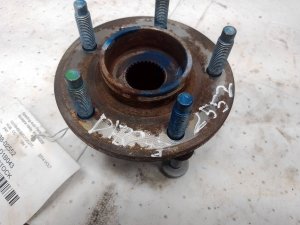
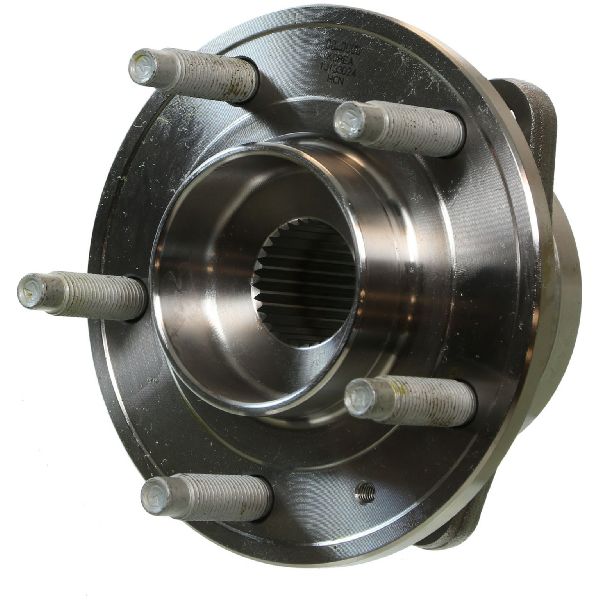
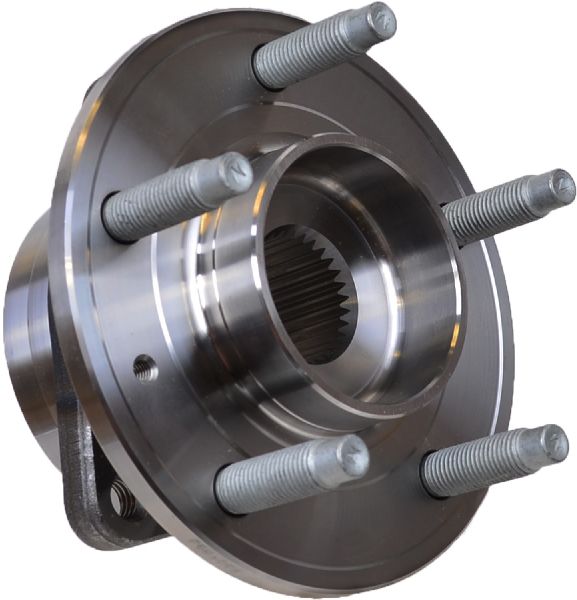
Typical fix: Replace the faulty wheel speed sensor. On the Cadillac ATS, the sensor is integrated into the wheel hub bearing assembly, requiring replacement of the entire hub. 🎬 Watch: Step-by-step Cadillac ATS wheel hub and sensor replacement.
Est. part cost: $40-$250 - Low or Unstable Battery Voltage ⚪ Low Probability Modern vehicles like the ATS are highly sensitive to voltage. A weak or failing battery can cause random communication errors between modules, leading to codes like C0561 without any actual component failure.
How to confirm: Test the battery with a digital multimeter or a carbon pile load tester. A healthy, resting battery should be above 12.4V, and the charging system should maintain 13.7V-14.7V while the engine is running.
Typical fix: Replace the vehicle's battery and clear all codes.
Est. part cost: $150-$350
Rare But Worth Checking
- Fault in another module (ECM, BCM, TCM): A primary trouble code in the Engine Control Module (ECM) or Body Control Module (BCM), such as for a mass airflow sensor or throttle body, can cause the EBCM to set C0561 as a secondary, sympathetic code. Always diagnose other codes first, as fixing them will often clear the C0561.
- Aftermarket OBD-II Device Interference: Some owners of GM vehicles have reported that leaving a low-quality aftermarket OBD-II device (such as a Bluetooth scanner or insurance tracker) plugged in can interfere with the CAN bus network, causing random communication errors and triggering a C0561 code. Unplugging the device resolves the issue.
Diagnosis Steps
- Connect a professional-grade scan tool capable of reading codes from ALL vehicle modules (EBCM, ECM, BCM, TCM, etc.).
- Record all Diagnostic Trouble Codes (DTCs) present. Do not clear them yet.
- Prioritize Diagnosis: If any communication codes (starting with 'U') or other codes listed in TSB PIC4740F are present, proceed directly to Step 4. If a wheel speed sensor code (C0035-C0050) is present, focus on diagnosing that sensor circuit. If other engine (P-series) codes are present, diagnose them first.
- Inspect Transmission Harness (TSB PIC4740F): With the vehicle off, locate the main wiring harness on the passenger side of the transmission. Inspect for any signs of rubbing or chafing against the bell housing bracket. The harness should hang below this bracket.
- Inspect Transmission X1 Connector: Disconnect the large X1 electrical connector at the transmission. Carefully inspect for corrosion or damage. Gently pull on each individual wire going into the back of the connector to ensure the metal pins are fully seated and locked in place.
- Repair any found wiring issues. Reconnect the connector, clear all codes, and perform a test drive to see if the C0561 code returns.
- If no wiring issue is found: Use the scan tool's live data function to monitor all four wheel speed sensors while driving. Look for any sensor that reports a speed inconsistent with the others.
- Test the battery and charging system to rule out low voltage as a cause.
- Disconnect any aftermarket devices plugged into the OBD-II port and test drive to see if the issue resolves.
Parts You'll Likely Need
- Wiring Repair Supplies — The most common cause is a wiring issue per TSB PIC4740F, which requires repairing wires or reseating pins, not replacing a major component.
Trusted brands: 3M
OEM price range: $5-$25
Aftermarket price range: $5-$25 - Front Wheel Hub and Bearing Assembly (RWD)
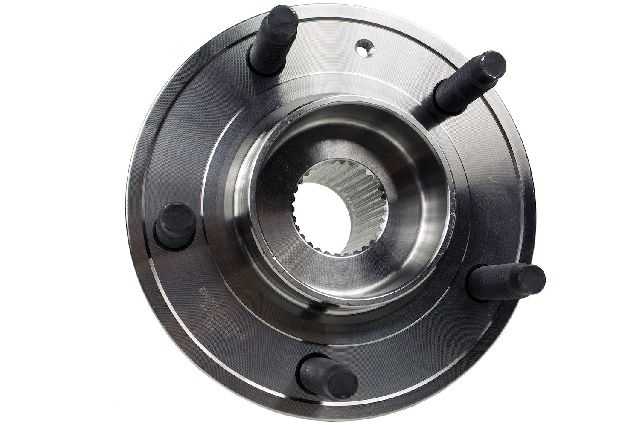
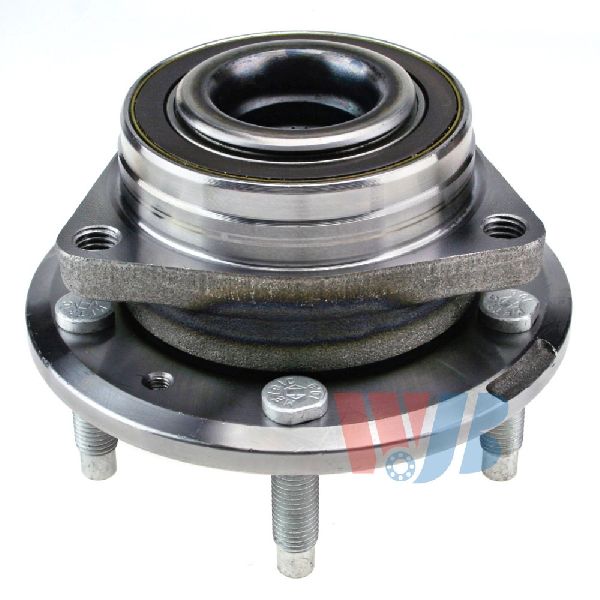
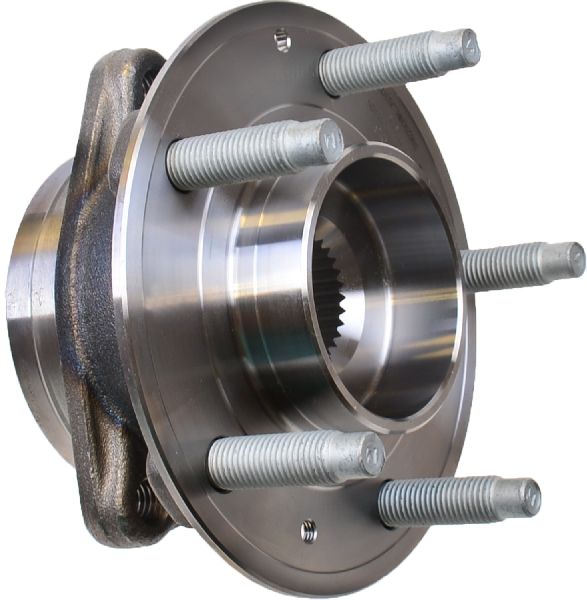
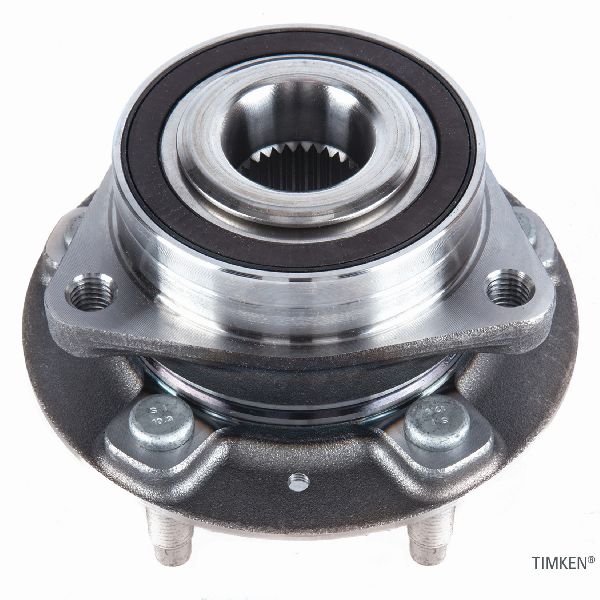
(OEM #ACDelco FW421 / GM 23152345)— If the cause is a faulty front wheel speed sensor on a Rear-Wheel Drive model, it is integrated into the hub assembly, requiring replacement of the entire unit.
Trusted brands: ACDelco, MOOG, Timken
OEM price range: $200-$300
Aftermarket price range: $80-$180 - Rear Wheel Hub and Bearing Assembly
(OEM #ACDelco RW20-146 / GM 13597423)— If the cause is a faulty rear wheel speed sensor, it is integrated into the hub assembly. This part is often the same for both RWD and AWD models.
Trusted brands: ACDelco, MOOG, Timken
OEM price range: $180-$280
Aftermarket price range: $70-$160
Related Codes That Often Appear With This One
- U0073, U0100, U0101, U0121, U0140 — These are communication codes often stored alongside C0561 when the transmission harness issue described in TSB PIC4740F occurs, indicating a major network disruption.
- P0700, P0856 — These are transmission-related codes that can also be triggered by the transmission harness fault, indicating the TCM is also involved in the communication breakdown.
- C0035 to C0050 — These codes correspond to specific wheel speed sensor circuits. If one of these is present, it is the likely root cause of the C0561 code.
Technical Service Bulletins (TSBs) & Recalls
- PIC4740F: Supersedes PIC4740E. Details symptoms like cycling door locks, hard shifts, and no-crank conditions. Points to loose terminals in the a transmission X1 connector or harness chafing on the bell housing bracket as the cause for C0561 and a long list of communication codes.
Platform-Specific Known Issues
- TSB PIC4740F (superseding PIC4740E) documents a known issue with unseated pins in the transmission X1 connector and/or a wiring harness chaffing against a bracket on the passenger side of the bell housing. This fault causes a network communication breakdown, triggering C0561 along with numerous other codes and symptoms.
Mechanic-Grade Diagnostic Values
- High-Speed GMLAN Bus Resistance — expected: Approximately 60 Ω. Failure: A reading of 120 Ω indicates an open circuit in the bus or a missing terminating resistor. A reading near 0 Ω indicates a short between the two CAN wires.
- EBCM Ground Circuit Resistance — expected: Less than 0.5 Ohms. Failure: Resistance greater than 0.5-1.0 Ohms indicates a corroded or loose ground connection at G101.
- Engine Ground G104 Integrity (2013 MY) — expected: A clean, tight, metal-to-metal connection.. Failure: Visible adhesive or shrink wrap under the eyelet terminal preventing a solid connection. The ground must be removed to inspect properly.
Hidden / Shadow Codes Worth Checking
- C0561-71: Invalid Serial Data Received. This is the most common and specific variant of C0561, explicitly stating the EBCM has received a corrupt data message from another module on the CAN bus. (see via A professional scan tool like the GM GDS2 or a high-end aftermarket scanner that can read manufacturer-specific codes and symptom bytes.)
Scan Tool Commands That Help
- GM GDS2: Vehicle Communication Diagnostics > Network Communication Status — This is a primary step to get a list of all modules on the vehicle and see which ones are actively communicating and which are not, helping to narrow down the source of the invalid data.
- GM GDS2: Module Diagnostics > EBCM > Configuration/Reset Functions > Yaw Rate Sensor Learn — This calibration is required after replacing the Multi-Axis Acceleration Sensor (Yaw Rate Sensor) or the EBCM itself to ensure the system has a correct 'zero' reference.
Wiring & Ground Locations
- Transmission Connector X1 — The main electrical harness connector on the transmission.. This is the primary location identified in TSB PIC4740F for loose pins and harness chafing that causes a cascade of communication failures, including C0561.
- G101 — Engine compartment, located above the left (driver's side) headlight.. This is a primary ground point for the Electronic Brake Control Module (EBCM). A poor connection here can cause the EBCM to malfunction or set communication codes.
- G104 — On 2013 4-cyl automatic models, it's at the front of the engine (early production) or rear of the engine (late production, after mid-Dec 2012). On 3.6L V6, it's at the front.. TSB PI1097A identifies this engine ground as a source of intermittent electrical issues due to poor connection from the factory (excess glue/shrink wrap). This can contribute to module communication faults.
- Circuit 5986 (Communication Enable) — A wire (typically Violet/Green) running in the harness under the driver's side and passenger's side front door sill plates.. Though often associated with U-codes, a break or corrosion in this wire prevents the BCM from 'waking up' chassis modules like the EBCM, which can be a root cause for the invalid data fault.
Real Owner Repair Stories
- Cadillac Forums & general forum knowledge (2013 Cadillac ATS) — "Service StabiliTrak" message, ABS light on, codes C0196 (Yaw Rate Circuit), U0074, and U0126.
❌ Tried (didn't work) Replacing the Yaw Rate Sensor (Multi-Axis Sensor)., Inspecting the transmission harness connector per TSB PIC4740E, which was found to be clean and secure.
✅ What actually fixed it A broken CAN bus wire was found inside the wiring harness located behind the driver's side front wheel well liner. The harness had chafed against a metal bracket, eventually breaking the wire and causing the network communication failure.
Model Year Variations Within This Range
- 2013: The location of engine ground G104 on 4-cylinder automatic models changed mid-year. Start of production through mid-December 2012 models have it at the front of the engine. Later models have it at the rear of the engine. This ground is a known source of intermittent electrical faults per TSB PI1097A.
Helpful Videos

Used OEM Parts in Stock


New Aftermarket Parts Available

The information in this article is provided for general reference and educational purposes only. Vehicle specifications, procedures, and part compatibility can vary by production date, trim level, and region. Always consult your vehicle's factory service manual and verify part numbers before purchasing or performing repairs. Safety-critical components such as airbags, seat belts, and braking systems should be installed by a qualified professional.
- Cadillac ATS:
- 🎬 Helpful Videos
- 🛍️ Shop This Part
- What's Unique About the 2013-2015 Cadillac ATS
- Diagnostic Flowchart
- Symptoms You May Notice
- Most Likely Causes
- Rare But Worth Checking
- Diagnosis Steps
- Parts You'll Likely Need
- Related Codes That Often Appear With This One
- Technical Service Bulletins (TSBs) & Recalls
- Platform-Specific Known Issues
- Mechanic-Grade Diagnostic Values
- Hidden / Shadow Codes Worth Checking
- Scan Tool Commands That Help
- Wiring & Ground Locations
- Real Owner Repair Stories
- Model Year Variations Within This Range
- 🎟️ Get 5% Off