

OBD-II Code C0260: Solenoid or Relay Circuit Error
What C0260 means, why it triggers, and how to fix it
- Code C0260 is a manufacturer-specific fault that typically indicates an open or shorted circuit in the ABS or traction control system, disabling these safety features.
- Check the cheapest components first; a blown 40-amp fuse, a faulty $20 relay, or a corroded frame ground cause this code more often than a failed module.
- Your standard hydraulic brakes remain fully functional, but emergency stopping distances increase significantly without ABS on wet or gravel roads.
- If diagnostics point to a failed ABS control module, use a $150-$300 mail-in rebuild service to repair your original unit and avoid expensive dealership VIN programming fees.
What Does C0260 Mean?
Code C0260 is a manufacturer-specific code, meaning its definition changes depending on your vehicle's make. It typically points to an open or short circuit in a relay or solenoid within the Anti-lock Braking System (ABS) or Traction Control System (TCS). The vehicle's computer detected an incomplete or compromised electrical circuit required to prevent wheel lock-up or spinning.
Technical definition: The official SAE/ISO definition for C0260 is 'ISO/SAE Reserved', meaning auto manufacturers use it for different specific faults. On General Motors vehicles, it means 'Valve Relay Contact Circuit Open'. On SAAB vehicles, it indicates 'Gear position, error message from ECM'. Volkswagen group vehicles translate it to 'Solenoid Valve 2 (N89): Open or Short to Ground'.
Can I Drive With C0260?
Yes, But With Caution. You can drive the vehicle, but your Anti-lock Braking System (ABS) and Traction Control System (TCS) are disabled. Standard hydraulic brakes still function. In emergency braking, especially on wet or gravel roads, wheels lock up, leading to loss of steering control and increased stopping distances. If the main red brake warning light is also on, stop driving immediately; this indicates a serious base braking system failure. Do not drive for more than a few days. The lack of safety systems increases accident risk, and an active ABS light triggers an automatic safety inspection failure in many jurisdictions.
Common Causes
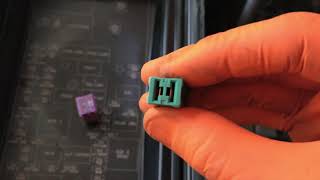
- Blown ABS/TCS Fuse (Very Common) — A blown fuse interrupts power to the entire ABS 🎬 Watch: How to quickly check and test your ABS fuses. or TCS system, triggering an open circuit code. On vehicles like the VW Up!, a specific high-amperage fuse (e.g., 40A F5) is a known failure point.
- Faulty ABS/TCS Relay (Very Common) — The relay supplying power to the ABS or traction control solenoids fails internally. This is the primary culprit when the code indicates an open relay circuit.
- Poor Ground Connection (Common) — A rusted or loose ground wire for the Electronic Brake Control Module (EBCM) creates high resistance. This is exceptionally common on 1999-2007 GM trucks, where the main frame rail ground under the 🎬 See how to find and fix this common ground issue. driver's door corrodes.
- Corroded or Damaged Wiring/Connectors (Common) — The wiring harness or connectors leading to the ABS control module degrade from road debris and moisture, breaking the electrical path.
- Faulty ABS Control Module (EBCM/ECU) (Less Common) — The EBCM fails internally due to cracked solder joints on the circuit board from vibration and thermal cycles.
- Failed ABS Pump Motor or Solenoid (Rare) — The electric motor for the ABS pump or a hydraulic solenoid develops an internal open circuit, requiring replacement of the hydraulic control unit.
- Faulty Gear Selector Switch (Rare) — On Opel and SAAB vehicles, the ABS module relies on data from the transmission range switch. A faulty switch sends incorrect data, triggering C0260 alongside a P0705 code.
Symptoms
- ABS and Traction Control Lights Illuminated — The ABS and Traction Control (or ESC/DSC) warning lights illuminate permanently on the dashboard.
- Anti-Lock Brakes Disabled During Hard Stops — During emergency braking, the wheels lock up and skid. The anti-lock pulsing sensation in the brake pedal is absent.
- ABS Pump Motor Runs Continuously (Key Off) — A shorted relay causes the ABS pump motor to run constantly, even with the ignition off, rapidly draining the battery.
- Reduced Engine Power or Limp Mode — If the code relates to traction control or a gear position error, the vehicle limits engine power or enters limp mode to prevent drivetrain damage.
Diagnostic Flowchart
Tap your situation to follow the diagnostic path that matches what you're seeing on this code.
Common Fixes & Costs
- Replace ABS/TCS Fuse — Parts: $1-$10, Labor: $0, ~0.1 hr book time (DIY)
- Replace ABS/TCS Power Relay
— Parts: $15-$50, Labor: $0-$50, ~0.2 hr book time
(DIY)
Chevrolet Silverado (1999-2002): OEM ACDelco D1741C (Alt: Standard Motor Products RY-280, Duralast 20932) - Clean EBCM Ground Connection — Parts: $5, Labor: $50-$100, ~0.8 hr book time (DIY)
- Repair Wiring or Connector to ABS Module — Parts: $5-$25, Labor: $100-$250, ~2.0 hr book time (Intermediate)
- Repair/Rebuild ABS Control Module — Parts: $150-$300, Labor: $100-$200, ~1.5 hr book time (Intermediate)
- Replace ABS Control Module
— Parts: $600-$1200+, Labor: $150-$300, ~1.8 hr book time
(Professional)
BMW E46/E39 (ATE MK60 Module): OEM BMW 34516765454, 34516759047 (Alt: ATE, Bosch)
VW Golf/Jetta (MK5/MK6): OEM VAG 1K0907379AD, 1K0614517BD (Alt: ATE 1K0 698 517 B, Bosch 0265950054)
Chevrolet Silverado (Kelsey Hayes 325): OEM GM 19244893 (Alt: Dorman 599-700)
Used vs. New Parts: Buying Guide
When a used part is worth it: A used ABS module is viable when a new OEM part costs over $1,000. A rebuilt original module is the best choice, as it avoids VIN programming issues.
Donor-vehicle mileage cap: roughly under 100000 miles for the part to have meaningful remaining life.
Donor quality checklist:
- Match the part number exactly.
- Purchase from a seller offering a 30-90 day warranty.
- Avoid modules from vehicles with flood damage.
Decision logic:
- If The problem is an internal module fault and a rebuild service is available → Rebuild the original module for $150-$300 to avoid VIN programming.
- If A new OEM module costs over $1,200 and the vehicle is over 10 years old → Buy a used module with a warranty, but budget $100-$200 for professional programming.
- If The vehicle is under 80,000 miles → Buy a new OEM part for maximum reliability and warranty.
Warranty tradeoff: Used parts have a 30-90 day warranty. Rebuilt modules offer 1-year to lifetime warranties. New OEM parts carry a 1-year warranty.
Worst-case if a used part fails: $300-$600 if a used part is faulty, covering repeat labor and programming attempts.
What Happens If You Wait — Timeline
- 0-2 weeks: ABS and Traction Control lights illuminate. The system is disabled. Standard hydraulic brakes function normally. (Added cost: $0)
- 2 weeks - 4 months: If the fault is a short causing the ABS pump to run continuously, the battery drains completely. (Added cost: $150-$300 for a new battery.)
- 4-12 months: The initial electrical fault (corroding connector or ground) worsens, requiring more complex wiring repairs. (Added cost: $100-$250 in wiring repairs.)
- 12+ months: The vehicle fails state safety inspections. If the pump runs constantly, the pump motor burns out. (Added cost: $500+ for a burned-out ABS pump motor.)
Cost of Not Fixing It
- Immediate: Loss of anti-lock braking and traction control. Increased risk of skidding and loss of control during emergency braking. (Added cost: Potential cost of an accident, ranging from a deductible to total vehicle loss.)
- 1-6 months: If the fault is a short causing the ABS pump to run continuously, the battery drains completely. (Added cost: $150-$300 for a new battery.)
- 6+ months: The vehicle fails state safety inspections. The initial electrical fault worsens, making the eventual repair more complex. (Added cost: $100-$500+ in potential fines and increased repair costs.)
Diagnosis Steps
- Check Manufacturer-Specific Definition
Search online for '[Your Car's Make/Model] C0260' to determine the exact component the code targets for your specific vehicle.
Tools: Internet access (Beginner) - Inspect ABS/TCS Fuses
Locate the fuse box and test all fuses related to the ABS, EBCM, and Traction Control systems for continuity. Pay special attention to high-amperage fuses (40A-60A).
Tools: Owner's manual, multimeter, fuse puller (Beginner) - Test the ABS/TCS Power Relay
Find the main power relay for the ABS system in the under-hood fuse box. Swap it with an identical relay from a non-critical system (like the horn) to see if the code clears.
Tools: Owner's manual (Beginner) - Inspect EBCM Ground Connections
Locate the main ground wire for the ABS module (often on the frame rail). Remove the bolt, clean the terminal and frame to bare metal, and re-secure tightly.
Tools: Socket set, wire brush, dielectric grease (Intermediate) - Inspect Wiring and Connectors
Disconnect the main harness at the ABS control module. Inspect for green corrosion, backed-out pins, or water intrusion.
Tools: Flashlight, electrical contact cleaner (Intermediate) - Perform a Voltage Drop Test on the Ground Circuit
Set a multimeter to DC Volts. Connect the black lead to the negative battery post and the red lead to the EBCM ground pin. With the key on, the reading must be less than 0.1V (100mV). Higher readings indicate unacceptable resistance.
Tools: Multimeter, vehicle-specific wiring diagram, back-probe pins (Advanced) - Test for Power and Ground at the ABS Module
Test for proper power and ground signals at the ABS control module's main connector. You must see battery voltage (12.6V engine off, 13.5-14.5V engine running) on the power feed wires.
Tools: Multimeter, vehicle-specific wiring diagram (Advanced) - Scan for Secondary Codes
Check for codes in the Engine Control Module (ECM) or Transmission Control Module (TCM). A transmission range sensor code (P0705) triggers a C0260 code on certain European vehicles.
Tools: Advanced OBD-II scanner (Advanced)
When This Code Triggers (Freeze-Frame Conditions)
- Vehicle Speed: 0 mph (Code sets during the system's self-test immediately after ignition-on.)
- System Voltage: 11.5-12.5V (During key-on, engine-off self-test.)
- ABS/TCS Status: Inactive/Faulted (The module detects the open/short circuit and flags the system as non-operational.)
- Time Since Engine Start: < 2 seconds (The fault registers before the vehicle is put into gear.)
Related Codes
- C0265 — Indicates a malfunction specifically in the EBCM relay circuit. C0265 almost always points to an internal failure of the ABS control module's relay (cracked solder joint), requiring module repair. C0260 is broader and includes external relays and wiring.
- C0267 — Points specifically to an open circuit for the ABS pump motor. C0267 directs diagnosis to the pump motor itself, whereas C0260 points to the power relay feeding the pump motor circuit.
- P0705 — Transmission range sensor circuit malfunction. If P0705 appears with C0260, the root cause is the transmission range sensor providing bad data to the brake control module.
- U0121 — Lost Communication With Anti-Lock Brake System Control Module. U0121 indicates a total communication breakdown, often caused by a complete loss of power or ground. C0260 is a specific fault within the module's circuits.
Climate & Environmental Factors
- Road Salt / High Humidity: Road salt and high humidity accelerate the rusting of frame ground connections, deteriorate wiring insulation, and allow moisture to penetrate the ABS module, causing shorts or high resistance.
- Cold Weather: Extreme cold causes temporary malfunctions in electronic components. Moisture from snow and ice accumulates around wiring, leading to corrosion when it thaws and refreezes.
How to Talk to a Mechanic About This Code
Say this: "I have an ABS and traction control light on, and my scanner shows a C0260 code. I checked the fuses. I'd like to book a diagnostic appointment to test the ABS relay, wiring, and ground circuits before assuming it's the control module."
This directs the shop to follow a logical, cost-effective diagnostic path rather than immediately quoting the most expensive part.
Avoid saying:
- 'My ABS light is on, can you fix it?'
- 'I think I need a new ABS module.'
- 'Just do whatever it takes to get the light off.'
Questions to ask before authorizing the repair:
- What was the specific point of failure? Was it the relay, the ground, the wiring, or the module?
- Can you show me the corroded ground or the voltage drop reading?
- If the module needs replacement, is rebuilding my original module an option to avoid programming costs?
- What is the warranty on the parts and labor?
Where to Take It: Dealer vs Independent vs Chain
- Dealer:
Best for: Vehicles under warranty or with an active ABS recall., Complex issues on newer European vehicles requiring programming.
Downsides: Highest labor rates and parts costs., Quick to replace the entire ABS module assembly rather than diagnosing a wiring fault. (Typical cost: +50% vs. baseline) - Independent Shop:
Best fit. An experienced independent mechanic checks simple failures first, saving hundreds compared to a dealership.
Best for: Most out-of-warranty vehicles., Diagnosing common C0260 causes like bad grounds, faulty relays, or wiring issues.
Downsides: May lack specialized tools to program a new ABS module. (Typical cost: +0% vs. baseline) - Chain Shop:
Use with caution. Acceptable for a basic scan, but be wary of immediate recommendations to replace the ABS module.
Best for: Simple repairs like a fuse or relay replacement if you diagnosed it yourself.
Downsides: Technician experience with complex electrical diagnostics is limited., High likelihood of recommending unnecessary part replacements. (Typical cost: -10% vs. baseline)
When to Walk Away From the Repair
If the estimated repair cost exceeds 50% of your car's private-party value, consider selling or trading it in.
- Car worth $4500, fix is $2100: Walk away. The repair cost is nearly half the car's value.
- Car worth $10000, fix is $450: Fix it. This repair is a small percentage of the vehicle's value and restores a critical safety feature.
- Car worth $2000, fix is $1400: Walk away. The repair cost is more than the car is worth.
What Scan Tool You Need for This Code
Minimum: An OBD-II scanner that reads and clears Anti-lock Braking System (ABS) codes. Basic engine-only readers cannot see C-codes.
A standard $20 engine code reader cannot communicate with the ABS module and shows 'No Codes Found' even when the ABS light is on.
Budget: BlueDriver Pro (~$100) — Connects to your smartphone via Bluetooth. Reads and clears ABS codes and provides repair reports.
Mid-range: Foxwell NT630 Plus (~$150) — Offers bidirectional control to actively test ABS components, like cycling the ABS pump and solenoids.
Professional: Autel MaxiCOM MK808 (~$500) — Provides dealer-level diagnostics and performs advanced functions like ABS module coding and programming.
Rent vs buy: Auto parts stores offer free in-store scanning services that read ABS codes. If you plan to diagnose the issue yourself, buying an ABS-capable scanner is necessary.
How to Clear the Code After You Fix It
- Fix the underlying electrical fault (e.g., replace fuse, clean ground).
- Use an OBD-II scan tool capable of accessing the ABS module to clear the code.
- Cycle the ignition off, then on, and check if the light returns.
- Perform a short test drive including some turns to confirm the fix.
Drive cycle (~15 minutes): A short drive of 10-15 minutes at moderate speeds with braking and turning is sufficient for the ABS system to validate its operational status.
Readiness monitors affected: None. ABS faults do not affect emissions readiness monitors.
Watch out for:
- Using a basic engine code reader that cannot access or clear ABS-specific codes.
- Disconnecting the battery clears the light temporarily, but the light returns immediately upon driving.
- Clearing the code without fixing the root cause.
Will This Fail Emissions / State Inspection?
No — by itself this code doesn't fail OBD inspection (but it can keep readiness monitors from setting, which causes a separate fail).
- California: An ABS light does NOT cause a smog inspection failure, but fails a separate brake and lamp safety inspection.
- New York: An illuminated ABS warning light is grounds for failure of the annual safety inspection.
- Texas: The Texas safety inspection requires the ABS warning light to function correctly. An illuminated light results in a failed inspection.
Most Commonly Affected Vehicles
- Chevrolet Silverado, Tahoe, Suburban (1999-2007) — On GM trucks using the Kelsey Hayes 325 module, this code points to a corroded ground connection on the frame rail under the driver's door. GM TSB #04-05-25-002E instructs technicians to repair this ground before replacing the module.
- BMW 3-Series (E46), 5-Series (E39) (1998-2006) — Internal failure of the ATE MK60 DSC module is highly common, often requiring a mail-in rebuild service to repair broken internal solder joints.
- Volkswagen Golf, Jetta, Up! (2005-2016) — Defined as a fault with solenoid valve N89. On the VW Up!, a blown 40-amp fuse for the ABS pump is the most frequent cause. For 2008-2010 models, check for corrosion on the main ATE MK60 ABS module connector.
- Hyundai / Kia Sportage, Elantra, Tucson (2007-2021) — These vehicles are subject to major safety recalls (e.g., NHTSA 20V-520, 21V-360) where the ABS module short circuits internally, creating a fire risk even with the engine off.
- Opel Vectra, Astra (1999-2008) — This code appears with transmission-related symptoms and warning lights, often alongside P0705, pointing to a fault in the gear selector switch rather than the brake system.
- SAAB 9-5 (2002-2008) — Indicates a communication error from the Engine Control Module (ECM) regarding gear position, affecting the ESP (stability program). The ABS module itself rarely fails here.
- Ford F-150, Explorer, Fusion, Milan (2004-2012) — Related to the ABS module power feed, ground circuit, or corrosion in the main electrical connector. Some 2006-2010 models were part of recall 19V-904 for sticking ABS hydraulic valves.
- Toyota Camry, Tacoma (2005-2015) — Points to a fault within the ABS/VSC actuator assembly or its power supply circuit. Check the large fusible links in the under-hood fuse box first.
Manufacturer-Specific Notes
- General Motors (Chevrolet, GMC, Cadillac): GM defines this code as 'Valve Relay Contact Circuit Open'. The issue is almost always a corroded ground on the frame under the driver's door. GM TSB #04-05-25-002E instructs technicians to clean this ground (G110) before replacing the EBCM.
- SAAB / Opel: C0260 is not related to brake hydraulics directly. It points to a communication problem where the ESP module receives a faulty gear position signal from the engine computer, often accompanied by P0705.
- Ford: Ford vehicles suffer from corrosion at the large electrical connector on the ABS module. 2006-2010 Fusion, Milan, and MKZ models were recalled (NHTSA 19V-904) for ABS hydraulic control unit valves that stick, leading to extended brake pedal travel.
Real Owner Stories
2002 Chevrolet Silverado 1500 with ~150K miles
ABS light stayed on with codes C0265 and C0260 present.
Outcome: Cleaned the frame surface and wire terminal to bare metal, re-attached securely, and coated with dielectric grease. Cleared codes and the light stayed off. Total cost: $10.
Lesson: On GM trucks, always clean the frame ground under the driver's door before replacing the ABS module.
2007 Ford Fusion with ABS pump constantly running
A loud humming noise from the engine bay continued after the car was shut off, draining the battery. The ABS light was on.
Outcome: The owner removed the ABS electronic module and sent it to a mail-in repair service for $250. The repaired module was reinstalled without needing programming.
Lesson: If the ABS pump runs constantly, pull the fuse immediately to prevent battery drain. Mail-in module repair is highly cost-effective.
2002 SAAB 9-3 with C0260 and P0705
Check engine light, traction control light, and transmission warning light appeared. The car entered limp mode.
Outcome: Replaced the Neutral Safety Switch on the transmission. This fixed all warning lights and shifting issues. C0260 was a secondary code triggered by faulty gear position data.
Lesson: If C0260 appears with transmission codes like P0705, diagnose the transmission codes first.
How to Prevent This Code From Triggering
- Perform a brake fluid flush. (Every 2-3 years.) — Brake fluid absorbs moisture over time. This moisture corrodes the internal components of the ABS modulator and solenoids. A flush replaces contaminated fluid.
- Clean and protect major ground connections. (Once every 5 years.) — Cleaning frame grounds to bare metal and coating them with corrosion inhibitor prevents high resistance that triggers C0260.
- Apply dielectric grease to critical connectors. (Whenever a relevant connector is disconnected.) — Dielectric grease creates a barrier against moisture and dirt, preventing corrosion on the pins.
Frequently Asked Questions
Can I just clear the C0260 code?
You can clear the code, but it returns immediately upon starting the car. Clearing the code does not fix the underlying electrical open or short circuit.
Is it safe to drive with the C0260 code?
Your normal brakes function, but anti-lock braking and traction control are disabled. You must drive cautiously in wet conditions and allow for longer stopping distances. If the red brake warning light is also illuminated, pull over immediately and tow the vehicle.
What are common misdiagnosis mistakes for C0260?
The most common mistake is replacing the $600+ ABS module before testing simple components. Always check fuses, relays, and frame ground connections first. Additionally, diagnose secondary codes like a P0705 transmission fault, which triggers C0260 on certain vehicles.
My ABS and Brake light are on, what does that mean?
Illumination of both the ABS and primary red brake warning lights signals a critical base braking system failure, such as low fluid or hydraulic pressure loss. It is not safe to drive the vehicle under these conditions. Pull over safely and arrange for a tow.
I installed an aftermarket part and now I have a C0260 code, what should I do?
Disconnect the aftermarket part completely and clear the code. If the code disappears, you likely tapped into a sensitive ABS data wire by mistake. Find a designated accessory fuse for your part's power source.
Will a C0260 code cause my car to fail an inspection?
Yes, in most jurisdictions, an illuminated ABS or traction control warning light results in an automatic safety inspection failure.
How much does it cost to fix a C0260 code?
Costs range from a $5 fuse to a $1,500+ ABS module replacement. A typical diagnostic fee runs $100-$200. Rebuilding your existing ABS module through a mail-in service costs $150-$300 and is the most cost-effective solution for internal failures.
Can a bad battery cause a C0260 code?
While a weak battery causes various electrical gremlins, it rarely triggers a C0260 directly. This code specifically flags an open or shorted circuit in the ABS relay or solenoid system. Always ensure your battery outputs at least 12.4V before beginning electrical diagnostics.
Key Takeaways
- Code C0260 is a manufacturer-specific fault that typically indicates an open or shorted circuit in the ABS or traction control system, disabling these safety features.
- Check the cheapest components first; a blown 40-amp fuse, a faulty $20 relay, or a corroded frame ground cause this code more often than a failed module.
- Your standard hydraulic brakes remain fully functional, but emergency stopping distances increase significantly without ABS on wet or gravel roads.
- If diagnostics point to a failed ABS control module, use a $150-$300 mail-in rebuild service to repair your original unit and avoid expensive dealership VIN programming fees.
Helpful Videos



The information in this article is provided for general reference and educational purposes only. Vehicle specifications, procedures, and part compatibility can vary by production date, trim level, and region. Always consult your vehicle's factory service manual and verify part numbers before purchasing or performing repairs. Safety-critical components such as airbags, seat belts, and braking systems should be installed by a qualified professional.
- 🎬 Helpful Videos
- What Does C0260 Mean?
- Can I Drive With C0260?
- Common Causes
- Symptoms
- Diagnostic Flowchart
- Common Fixes & Costs
- Used vs. New Parts: Buying Guide
- What Happens If You Wait — Timeline
- Cost of Not Fixing It
- Diagnosis Steps
- When This Code Triggers (Freeze-Frame Conditions)
- Related Codes
- Climate & Environmental Factors
- How to Talk to a Mechanic About This Code
- Where to Take It: Dealer vs Independent vs Chain
- When to Walk Away From the Repair
- What Scan Tool You Need for This Code
- How to Clear the Code After You Fix It
- Will This Fail Emissions / State Inspection?
- Most Commonly Affected Vehicles
- Manufacturer-Specific Notes
- Real Owner Stories
- 2002 Chevrolet Silverado 1500 with ~150K miles
- 2007 Ford Fusion with ABS pump constantly running
- 2002 SAAB 9-3 with C0260 and P0705
- How to Prevent This Code From Triggering
- Frequently Asked Questions
- Can I just clear the C0260 code?
- Is it safe to drive with the C0260 code?
- What are common misdiagnosis mistakes for C0260?
- My ABS and Brake light are on, what does that mean?
- I installed an aftermarket part and now I have a C0260 code, what should I do?
- Will a C0260 code cause my car to fail an inspection?
- How much does it cost to fix a C0260 code?
- Can a bad battery cause a C0260 code?
- Key Takeaways
- 🎟️ Get 5% Off