

OBD-II Code C0246: ABS/Traction Control System Fault
What C0246 means, why it triggers, and how to fix it
- Code C0246 disables your ABS and traction control, increasing emergency stopping distances by up to 20% on wet or loose surfaces.
- Always test the EBCM ground strap and check the 30A-60A ABS pump fuses before replacing any expensive parts.
- Rebuilding your existing ABS module costs $250-$500 total, saving you $800 or more compared to buying a new dealer-programmed unit.
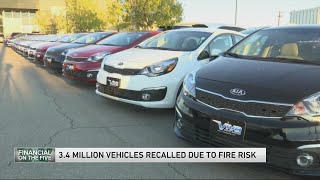
- If you drive a 2013-2018 Hyundai or Kia, check the NHTSA website for open ABS fire risk recalls before attempting any DIY repairs.
What Does C0246 Mean?

Code C0246 indicates the vehicle's main computer detected an electrical fault in the Anti-lock Braking System (ABS) solenoid valve circuit. This valve controls brake fluid pressure to individual wheels. When triggered, the system disables ABS, Traction Control (TCS), and Vehicle Stability Control (VSC) as a safety precaution.
Technical definition: The SAE/ISO definition for C0246 indicates an ABS control valve or actuator solenoid circuit malfunction. The Electronic Brake Control Module (EBCM) sets this code when it detects an internal malfunction or incorrect circuit voltage feedback (e.g., seeing low voltage when high is expected). The system runs this test when the ignition is on and vehicle speed exceeds 4 mph (6 km/h).
Can I Drive With C0246?
Yes, But With Caution. Yes, but with extreme caution. Your Anti-lock Braking System (ABS) and Traction/Stability Control are disabled. This causes your wheels to lock up during hard braking, increasing stopping distance on wet or loose surfaces and raising the risk of skidding. Do not drive long distances or at high speeds until the system is repaired.
Common Causes

- Faulty ABS Control Module (EBCM) (Very Common) — The electronic module controlling the ABS fails internally due to cracked solder joints on the circuit board from years of heat cycles and vibration. This is the most frequent culprit for C0246.
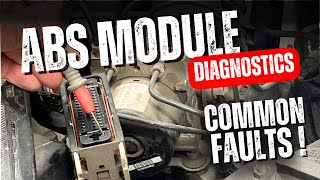
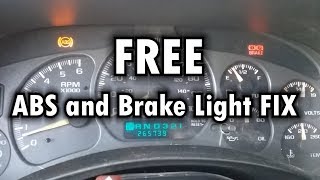
- Poor EBCM Ground Connection (Common) — The ABS module is highly sensitive to voltage. A corroded or loose ground strap, typically bolted to the vehicle's frame 🎬 Watch: How to clean corroded ABS ground connections. near the module, causes voltage drops that trigger C0246 and other intermittent ABS faults.
- Corroded EBCM Wiring or Connector (Common) — The wiring harness leading to the ABS module frays, breaks, or corrodes from exposure to moisture and road salt. A poor electrical connection at the main EBCM plug is a frequent trigger.
- Internal Brake Fluid Leak (Hyundai/Kia) (Common) — On 2013-2018 Hyundai and Kia models, internal hydraulic seals fail, leaking brake fluid into the electronic module. This shorts the circuit board, triggers solenoid codes, and poses a severe fire risk.
- Low System Voltage / Weak Battery (Less Common) — The ABS module requires stable voltage to operate. A weak battery drops system voltage during startup or under load, causing the EBCM to malfunction and set false codes.
- Faulty Wheel Speed Sensor or Tone Ring (Less Common) — A failing wheel speed sensor or a cracked tone ring sends erratic signals. The ABS module misinterprets this bad data as an internal circuit fault, triggering C0246 alongside specific 🎬 See this easy DIY fix for C0246 solenoid codes. wheel speed sensor codes.
Symptoms

- ABS and Traction Control Lights On — The primary symptom. The ABS light and the traction/stability control lights (TCS, VSC, ESP) illuminate simultaneously because traction control relies on ABS hardware.
- Wheels Locking Up During Braking — With ABS disabled, your wheels lock up and skid during hard or emergency braking. The car behaves like an older vehicle without anti-lock brakes.
- ABS Pump Continuously Running — In cases of a severe internal module short, the ABS pump motor runs constantly, even with the key removed. This creates a buzzing sound and drains the battery overnight.
- Red Brake Warning Light On — A critical ABS fault like C0246 triggers the main red brake warning light on many vehicles to indicate a serious system failure.
- Spongy Brake Pedal — The brake pedal feels noticeably soft or mushy if the ABS module fails internally or if air becomes trapped in the hydraulic unit.
- No Scan Tool Communication (scan-tool only — no driver-felt sign) — The scan tool cannot communicate with the Electronic Brake Control Module. This confirms a complete internal failure or a total loss of power/ground to the module.
Diagnostic Flowchart
Tap your situation to follow the diagnostic path that matches what you're seeing on this code.
Common Fixes & Costs
- Rebuild the ABS Control Module (EBCM) — Parts: $150-$300, Labor: $100-$200, ~1.5 hr book time (Intermediate)
- Clean EBCM Ground Connection — Parts: $0-$10, Labor: $50-$100, ~0.5 hr book time (Beginner)
- Replace the ABS Control Module Assembly
— Parts: $600-$1200, Labor: $150-$400, ~2.5 hr book time
(Professional)
: OEM
: OEM - Replace Faulty Wheel Speed Sensor — Parts: $40-$150, Labor: $80-$150, ~1.0 hr book time (DIY)
DIY vs Professional
- Rebuild the ABS Control Module (EBCM) — Beginner:
Tools: Socket set (Torx bits), trim removal tools, shipping box. - Replace the ABS Control Module Assembly — Beginner:
Tools: Socket set, flare nut wrenches, bidirectional scan tool, brake fluid, bleeding kit. - Clean EBCM Ground Connection — Beginner:
Tools: Wire brush, socket set. - Replace Faulty Wheel Speed Sensor — Beginner:
Tools: Socket set, jack, jack stands, Allen/Torx bits.
Used vs. New Parts: Buying Guide
When a used part is worth it: A used ABS module is budget-friendly for older vehicles where new parts are cost-prohibitive. It makes sense if sourced from a reputable seller with a warranty and if you have access to a scan tool for VIN programming.
Donor-vehicle mileage cap: roughly under 100000 miles for the part to have meaningful remaining life.
Donor quality checklist:
- Match the part number exactly; slight variations cause communication failures.
- Avoid parts from flood or fire-damaged vehicles.
- Inspect the electrical connector pins for green corrosion before purchasing.
Decision logic:
- If The cause is a known internal EBCM failure with a common rebuild solution (e.g., GM trucks) → Choose a rebuild service. It is cost-effective, requires no programming, and retains your original module.
- If Vehicle is newer, has low mileage, and budget allows → Buy a new OEM part for maximum reliability and warranty coverage.
- If Vehicle is old, the part is expensive new, and you accept the risk → A used part is viable, but prepare for potential programming needs and a shorter lifespan.
Warranty tradeoff: Used parts offer 30-90 day warranties. Rebuilt modules include 1-year to lifetime warranties. New OEM parts are warrantied for at least 1 year.
Worst-case if a used part fails: $300-$600 if a used part is dead on arrival, covering repeat labor and sourcing another part.
What Happens If You Wait — Timeline
- Immediate: ABS, Traction Control, and Stability Control warning lights illuminate. Safety systems are disabled. Vehicle reverts to standard, unassisted braking. (MPG impact: 0%% · Added cost: $0 (Safety risk is the primary cost))
- 1 day - 2 weeks: For failures involving a stuck pump relay, a continuous humming is heard from the ABS pump. The parasitic draw drains a healthy battery overnight. (MPG impact: 0%% · Added cost: $150-$300 (Cost of a new battery if drained completely multiple times))
- 1 week - 3 months: If the ABS pump runs continuously, the pump motor overheats and burns out, turning a repairable electronic module issue into a full assembly replacement. (MPG impact: 0%% · Added cost: $500-$1500 (Difference in cost between rebuilding an EBCM and replacing the entire assembly))
- Ongoing (Hyundai/Kia specific): For recalled Hyundai/Kia models, an internal brake fluid leak creates a persistent electrical short circuit risk, leading to an engine compartment fire even when parked. (MPG impact: 0%% · Added cost: $5,000 - $25,000+ (Total vehicle loss))
Cost of Not Fixing It
- Immediate: Loss of anti-lock braking and traction control. Increased risk of skidding and loss of steering control during emergency braking. (Added cost: $0 (Significant safety risk))
- 1-6 months: If the internal module failure causes the ABS pump to run continuously, it drains and ruins the vehicle's battery. (Added cost: $150-$300 (Cost of a new battery))
- Ongoing: On recalled Hyundai/Kia models, driving without repair poses a severe risk of an engine compartment fire due to an electrical short, even when parked. (Added cost: $5,000 - $25,000+ (Total vehicle loss))
Diagnosis Steps
- Read All Trouble Codes
Use an OBD-II scanner capable of reading Chassis ('C') codes to confirm C0246. Document all other codes. Code C0265 confirms a dead module, while wheel speed sensor codes (C0035) dictate checking the sensors first.
Tools: OBD-II Scanner (ABS/Chassis capable) (Beginner) - Inspect ABS Fuses
Check the fuse boxes for all ABS-related fuses. Vehicles typically have a small fuse for module logic and a large 30A-60A fuse for the ABS pump motor. Replace any blown fuses and retest.
Tools: Owner's manual, fuse puller, multimeter (Beginner) - [PRO TIP] Perform a Thorough Ground Check
Locate the main ground wire for the ABS module, usually bolted to the frame rail nearby. Remove the bolt and clean the wire terminal, bolt, and frame surface with a wire brush down to shiny metal. Reattach securely.
Tools: Socket set, wire brush (Beginner) - Inspect the ABS Module Connector
Unplug the main electrical connector from the ABS module. Inspect for green/white corrosion, moisture, or bent pins. Clean any corrosion with electrical contact cleaner and ensure the plug seats firmly upon reconnection.
Tools: Flashlight, electrical contact cleaner (Beginner) - [PRO TIP] Test EBCM Power and Ground
Using a wiring diagram, identify the main power and ground pins on the ABS module's connector. With the key on, use a multimeter to verify 11-14V at the power pin. Check resistance between the ground pin and the negative battery terminal; it must be less than 1.0 ohm.
Tools: Multimeter, vehicle wiring diagram (Advanced) - Test ABS Actuator Solenoid Resistance
Disconnect the module connector and use a multimeter to measure resistance between the specified solenoid pins on the actuator side. A reading that is open (infinite) or outside the manufacturer's specified range confirms a failed internal solenoid.
Tools: Multimeter, vehicle wiring diagram (Advanced) - Inspect Wheel Speed Sensors and Wiring
Trace the wiring from each wheel hub into the engine bay. Look for chafing, breaks, or melted sections. Safely raise the vehicle to inspect the tone rings for cracks, missing teeth, or heavy rust buildup.
Tools: Jack, jack stands, flashlight (Intermediate)
When This Code Triggers (Freeze-Frame Conditions)
- System Voltage: 13.5-14.5V (Normal operating voltage; code sets immediately if voltage drops below threshold during self-test.)
- Vehicle Speed: > 4 mph (The ABS module performs its dynamic self-check upon reaching this speed.)
- Ignition Status: ON (The EBCM runs static circuit continuity checks the moment the key turns on.)
Related Codes
- C0265 — Indicates a fault in the EBCM's internal motor relay circuit. Seeing C0265 alongside C0246 definitively confirms an internal EBCM failure, ruling out external wiring issues.
- C0245 — Indicates a 'Wheel Speed Sensor Frequency Error.' If present with C0246, fix the wheel speed sensor first. Invalid speed data prevents the module from controlling brake pressure, logging a secondary solenoid fault.
- C0251, C0252, C0253 — Identical circuit malfunction codes for other solenoid valves. A 'shower' of these codes together condemns the EBCM or its main ground, as the module is the only common point for all these separate circuits.
- U0121 — Means 'Lost Communication With ABS Control Module'. Points to a severe module failure or a complete loss of power/ground to the EBCM. The module is offline.
Climate & Environmental Factors
- Road Salt / High Humidity: Vehicles in the 'salt belt' or coastal areas are significantly more prone to C0246. Salt spray accelerates corrosion on the ABS module's electrical connector and frame ground points, increasing electrical resistance and triggering the code.
- Extreme Heat: Intermittent C0246 faults appearing on hot days are a classic sign of failing solder joints on the EBCM's circuit board. Heat expands the metal, opening microscopic cracks and breaking the electrical connection.
How to Talk to a Mechanic About This Code
Say this: "I have an ABS light on and my scanner shows code C0246. Before we assume it's the expensive ABS module, please start by testing the power and ground connections at the module connector with a multimeter and thoroughly inspecting the main ground strap for corrosion."
This signals you are an informed consumer. It directs the shop to perform a thorough diagnosis of common, low-cost failure points (wiring, grounds) before jumping to the most expensive conclusion (module replacement).
Avoid saying:
- 'My ABS light is on, can you just fix it?'
- 'I think I need a new ABS module.'
- 'Just do whatever you think is best.'
Questions to ask before authorizing the repair:
- What were the specific voltage and resistance readings at the ABS module's power and ground pins?
- Did you find any corrosion or damage to the wiring harness or ground points?
- If recommending a module replacement, have you definitively ruled out external wiring issues?
- Is a module rebuild service a viable and more affordable option than a full replacement?
Where to Take It: Dealer vs Independent vs Chain
- Dealer:
Recommended for warranty/recall work. Otherwise, a costly option that overlooks cheaper fixes.
Best for: Vehicles under warranty, Vehicles with open recalls (e.g., Hyundai/Kia fire risk), Complex repairs requiring VIN programming of a new module
Downsides: Highest labor rates and part costs., Defaults to expensive full module replacement over affordable rebuild options. (Typical cost: +50% vs. baseline) - Independent Shop:
Best fit for most situations. A good independent shop accurately diagnoses C0246 and suggests cost-effective repairs like sending a module for a rebuild.
Best for: Out-of-warranty vehicles, Electrical diagnostics and wiring repairs, Cost-conscious owners seeking alternatives like module rebuilds
Downsides: Quality and expertise vary; look for ASE certifications., May lack manufacturer-specific programming tools for the newest models. (Typical cost: +0% vs. baseline) - Chain Shop:
AVOID for diagnosing C0246. They are ill-equipped for the module and wiring diagnostics this code requires.
Best for: Simple, clear-cut repairs like replacing a wheel speed sensor if already diagnosed.
Downsides: Technician skill varies dramatically., Lacks advanced diagnostic tools for complex electrical faults., High pressure to replace parts rather than perform detailed diagnostics. (Typical cost: -10% vs. baseline)
When to Walk Away From the Repair
If the estimated repair cost exceeds 40-50% of the car's Kelley Blue Book private-party value, pause and consider alternatives.
- Car worth $4000, fix is $2200: Walk away. A dealer quote for a full ABS module replacement on an older vehicle is not economical. Seek a second opinion on a module rebuild.
- Car worth $12000, fix is $750: Fix it. A module rebuild or wiring repair at this cost is a sensible investment to restore a critical safety system.
- Car worth $3000, fix is $1800: Walk away. The repair cost is over half the vehicle's value. Unless required for a state safety inspection, it is not worth fixing.
What Scan Tool You Need for This Code

Minimum: A scan tool that reads and clears Anti-lock Braking System (ABS) trouble codes. Basic engine-only code readers will not work.
A standard $20 OBD-II reader only communicates with the engine control unit. It cannot access the ABS module where 'C' (Chassis) codes like C0246 are stored.
Budget: Autel AutoLink AL619 or Foxwell NT630 Plus (~$90) — Reads and clears codes from the Engine, ABS, and SRS modules. Allows you to confirm C0246 is present and see related ABS codes.
Mid-range: BlueDriver Bluetooth Pro or Innova 5610 (~$120) — Offers live data streaming to view wheel speed sensor data in real-time, helping differentiate a sensor issue from a module issue.
Professional: Autel MaxiCOM MK808Z or Launch X431 Series (~$500-1200) — Provides full bidirectional control. Critical for advanced diagnostics, allowing you to command the ABS pump and perform the automated ABS bleed procedure.
Rent vs buy: For a one-time diagnosis, AutoZone offers a loaner tool program. Verify their specific loaner model reads ABS codes. If you repair cars regularly, buying a midrange scanner is a worthwhile investment.
How to Clear the Code After You Fix It
- Use an OBD-II scan tool capable of accessing the ABS module to clear the code.
- Perform the ABS drive cycle to allow the system to self-test.
- Re-scan for codes to ensure C0246 does not return.
Drive cycle (~15 minutes): Start the vehicle and drive in a straight line above 15 mph for a few minutes. Perform several moderate stops. This allows the ABS module to verify signals from all sensors and complete its self-test.
Readiness monitors affected: Not applicable; chassis codes do not affect emissions readiness monitors.
Watch out for:
- Disconnecting the battery will not clear ABS codes from the module's non-volatile memory.
- The code returns immediately upon driving if the root cause was not correctly repaired.
- Failing to perform the drive cycle leaves the ABS light on until the module completes its self-test naturally.
Will This Fail Emissions / State Inspection?
No — by itself this code doesn't fail OBD inspection (but it can keep readiness monitors from setting, which causes a separate fail).
- California: An ABS light passes a standard smog check but fails the 'Brake and Lamp Inspection' required for salvaged or revived junk vehicles.
- New York: An illuminated ABS warning light is an automatic failure for the annual state safety inspection.
- Texas: The ABS warning light is checked during the annual safety inspection. If illuminated, the vehicle is rejected.
Most Commonly Affected Vehicles

- GMC / Chevrolet Tahoe, Suburban, Yukon, Silverado, Sierra (1999-2007) — Notorious for failures of the Kelsey-Hayes 325 ABS module due to cracked internal solder joints. Repair services for these specific modules are widely available and highly successful.
- Honda Accord (2008-2017) — Known for VSA (Vehicle Stability Assist) modulator failures. Honda-specific codes like 38-11 (solenoid malfunction) are equivalent to C0246. Rebuilding the module is the standard fix.
- Hyundai / Kia Santa Fe, Sonata, Optima, Sorento, Tucson (2013-2018) — Subject to major safety recalls (e.g., NHTSA 21V-303) where brake fluid leaks into the ABS module's electronics, causing a short circuit and severe fire risk even when parked.
- Toyota Camry (2007-2009) — Prone to internal ABS module failures. The electronic portion of the module fails independently and can be replaced or rebuilt without disturbing the hydraulic brake lines.
- Toyota 4Runner (2014-2020) — Covered by TSB T-TT-0597-20. Aftermarket LED or HID headlight bulbs create electrical interference that the Skid Control ECU misinterprets as a solenoid fault, triggering C0246. Revert to halogen bulbs to fix.
- Subaru WRX, Impreza, Forester (2008-2016) — A faulty or misadjusted brake light switch causes the ABS, Hill Assist, and Traction Control lights to illuminate simultaneously, often misdiagnosed as a severe ABS module fault.
Manufacturer-Specific Notes
- General Motors (GM): On 1999-2007 trucks, the EBCM mounts on the frame rail under the driver's door, exposed to the elements. A corroded ground connection on the frame right next to the module is the most common failure point.
- Hyundai / Kia: Multiple recall campaigns address brake fluid leaking into the ABS module, creating a fire risk. The official remedy installs a lower-amperage multi-fuse to prevent overcurrent. Owners are advised to park outdoors until repaired.
- Toyota: On 2014-2020 4Runners, aftermarket LED headlights generate electrical noise that interferes with the ABS module's ground circuit. The official fix is removing the aftermarket bulbs and reinstalling standard halogens.
- Ford: Older Ford trucks store ABS codes as 'hard codes' that cannot be cleared by disconnecting the battery. A specific reset procedure using an advanced scan tool is required to turn off the ABS light.
Real Owner Stories
1999 Chevy Tahoe, 145K miles - The Simple Fix
ABS and Brake lights illuminated with code C0246. Brakes felt mushy.
What they tried:
- Visually inspected brakes.
- Flushed brake fluid.
- Cleaned all visible ABS ground points.
Outcome: The owner found the main EBCM connector wasn't pushed in all the way. After reconnecting it securely, the code cleared and did not return.
Lesson: Always check the simplest physical connections first. Ensure the main module connector is clean, free of corrosion, and securely latched before buying parts.
2010 Toyota Tacoma - The Misleading Symptom
ABS, traction, and brake lights came on intermittently with a shower of codes including C0246.
What they tried:
- Noted aftermarket LED headlights were installed two years prior.
- Referenced Toyota TSB T-TT-0597-20 regarding LED interference.
Outcome: The electrical noise from the aftermarket headlights interfered with the ABS module. Replacing the LED bulbs with standard halogen bulbs permanently resolved the codes.
Lesson: Aftermarket electronics, especially cheap LED/HID lighting, cause bizarre electrical problems. If you have these codes and aftermarket lights, revert to OEM halogen bulbs first.
2007 Toyota Camry - The Common Module Failure
ABS and traction lights on with code C0246 and C0251.
What they tried:
- Confirmed power and ground to the module were good.
- Ruled out external wiring issues.
Outcome: The owner replaced only the electronic computer part of the ABS module with a $20 salvage yard unit, leaving the hydraulic assembly untouched. The repair required removing a few Torx bolts and swapping the electronics, avoiding brake bleeding entirely.
Lesson: On many vehicles, the electronic control module separates from the hydraulic pump. This is a cheaper, easier repair that avoids complex brake bleeding.
2013 Hyundai Sonata Hybrid - The Recall Runaround
ABS warning lights appeared. Took the car to the dealer referencing the known Hyundai ABS fire risk recall.
What they tried:
- Dealer diagnosed a failed Engine Control Module, quoting $2,300, claiming it was unrelated to the recall.
Outcome: The owner pushed back, noting the recall specifically mentions electrical shorts in the ABS module causing warning lights. The dealer eventually replaced the ABS module under the recall campaign.
Lesson: For Hyundai/Kia owners, document everything and reference specific NHTSA recall numbers with your dealer. Be persistent if they attempt to charge for a related failure.
How to Prevent This Code From Triggering
- Flush brake fluid every 2-3 years (Every 2-3 years or 30,000 miles) — Brake fluid absorbs moisture from the air. This moisture corrodes the delicate internal solenoid valves inside the ABS module, leading to seizure and failure.
- Clean and protect major electrical ground points (Once every few years) — Corrosion on the main EBCM ground strap increases electrical resistance, causing voltage drops that confuse the sensitive ABS module and trigger false codes.
- Apply dielectric grease to critical connectors (When connectors are disconnected for service) — Applying dielectric grease to the weather seals of the main ABS module plug prevents moisture and road salt from corroding the pins.
- Protect wiring harnesses from abrasion (During inspection or modification) — Ensuring wiring is secured in its clips and protective loom is intact prevents chafing against suspension components that leads to shorts.
Frequently Asked Questions
What is the most common mistake when diagnosing C0246?
The biggest mistake is immediately replacing the expensive ABS module without performing basic electrical checks. Always inspect ABS fuses, thoroughly clean the EBCM ground connection, and verify 12V power at the module's connector first. These simple steps often resolve the code and save hundreds of dollars.
Why do my ABS and traction lights come on when I hit a bump or when it's hot?
This is a classic symptom of failing solder joints inside the Electronic Brake Control Module (EBCM). Heat expansion and vibrations cause microscopic cracks in the solder to temporarily open the circuit, triggering the warning lights. This strongly indicates the module needs to be rebuilt or replaced.
Can I fix code C0246 myself?
Basic checks like inspecting fuses, cleaning grounds, and visually inspecting wiring are highly DIY-friendly. However, replacing the ABS module itself requires bleeding the brake system and often requires a professional scan tool for VIN programming. If basic electrical checks don't solve it, take the vehicle to a qualified independent shop.
Will my regular brakes still work with code C0246?
Yes, your standard hydraulic brakes will still function normally. The fault disables the anti-lock and traction control functions only. However, your ability to maintain steering control during a panic stop is significantly reduced, so you must increase your following distance.
How much does it cost to fix code C0246?
Costs range from $0 for cleaning a corroded ground wire to over $1,500 for a dealer-installed new ABS module. The most common and cost-effective fix is removing your existing ABS module and sending it to a rebuild service, which typically costs $250 to $500 including labor.
What is an EBCM relay fault (C0265)?
The EBCM has an internal relay that powers the ABS pump motor. Code C0265 means this relay or its circuit failed. Seeing C0265 alongside C0246 confirms the EBCM requires repair or replacement.
Why does my ABS light come on only when I turn the steering wheel?
This points directly to a damaged wiring harness for one of the front wheel speed sensors. As you turn the wheel, the wire stretches or flexes, causing an intermittent break in the electrical connection. Inspect the harness from the wheel hub into the engine bay for chafing.
The code came back after I replaced the ABS module. What now?
If a new or rebuilt module doesn't fix the issue, the fault is in the external circuitry. Use a multimeter to perform a voltage drop test on the power and ground connections under load. Meticulously re-inspect the wiring harness for intermittent shorts or opens.
Key Takeaways
- Code C0246 disables your ABS and traction control, increasing emergency stopping distances by up to 20% on wet or loose surfaces.
- Always test the EBCM ground strap and check the 30A-60A ABS pump fuses before replacing any expensive parts.
- Rebuilding your existing ABS module costs $250-$500 total, saving you $800 or more compared to buying a new dealer-programmed unit.
- If you drive a 2013-2018 Hyundai or Kia, check the NHTSA website for open ABS fire risk recalls before attempting any DIY repairs.
Helpful Videos







The information in this article is provided for general reference and educational purposes only. Vehicle specifications, procedures, and part compatibility can vary by production date, trim level, and region. Always consult your vehicle's factory service manual and verify part numbers before purchasing or performing repairs. Safety-critical components such as airbags, seat belts, and braking systems should be installed by a qualified professional.
- 🎬 Helpful Videos
- What Does C0246 Mean?
- Can I Drive With C0246?
- Common Causes
- Symptoms
- Diagnostic Flowchart
- Common Fixes & Costs
- DIY vs Professional
- Used vs. New Parts: Buying Guide
- What Happens If You Wait — Timeline
- Cost of Not Fixing It
- Diagnosis Steps
- When This Code Triggers (Freeze-Frame Conditions)
- Related Codes
- Climate & Environmental Factors
- How to Talk to a Mechanic About This Code
- Where to Take It: Dealer vs Independent vs Chain
- When to Walk Away From the Repair
- What Scan Tool You Need for This Code
- How to Clear the Code After You Fix It
- Will This Fail Emissions / State Inspection?
- Most Commonly Affected Vehicles
- Manufacturer-Specific Notes
- Real Owner Stories
- 1999 Chevy Tahoe, 145K miles - The Simple Fix
- 2010 Toyota Tacoma - The Misleading Symptom
- 2007 Toyota Camry - The Common Module Failure
- 2013 Hyundai Sonata Hybrid - The Recall Runaround
- How to Prevent This Code From Triggering
- Frequently Asked Questions
- What is the most common mistake when diagnosing C0246?
- Why do my ABS and traction lights come on when I hit a bump or when it's hot?
- Can I fix code C0246 myself?
- Will my regular brakes still work with code C0246?
- How much does it cost to fix code C0246?
- What is an EBCM relay fault (C0265)?
- Why does my ABS light come on only when I turn the steering wheel?
- The code came back after I replaced the ABS module. What now?
- Key Takeaways
- 🎟️ Get 5% Off