

C0242 on 2008-2014 Cadillac CTS: Traction Control Malfunction Causes & Fixes
This code means the engine computer (ECM) has disabled traction control due to an engine-related fault. The most common causes on the 2008-2014 CTS are wiring issues at the transmission connector as noted in a GM service bulletin, or a failing engine sensor like the Mass Airflow (MAF) sensor. Fixing the wiring or replacing the faulty sensor usually resolves the issue.
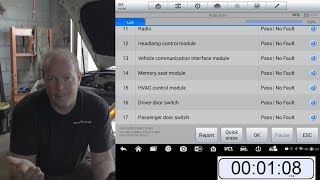
- C0242 means the Engine Control Module (ECM) has disabled traction control; it is not a primary fault of the brake module.
- Always scan all vehicle modules for codes. The root cause is likely another 'P' (Powertrain) or 'U' (Network) code.
- For the 2008-2014 CTS, a known wiring issue at the transmission connector is a very common cause, as documented in TSB PIC4740E.
- Do not replace the ABS/EBCM module. The fault lies elsewhere, typically in wiring or an engine sensor.
- Loss of traction control is a safety concern, and the underlying problem can affect engine performance, so prompt diagnosis is recommended.
What's Unique About the 2008-2014 Cadillac CTS
On this generation of Cadillac CTS, code C0242 is frequently linked to a specific problem documented in GM Technical Service Bulletin (TSB) #PIC4740E. This bulletin highlights that poor connections or chafed wires at the main transmission harness connector (X1) can cause a flood of communication errors across the vehicle, leading to C0242 along with many other codes. The bulletin specifically calls out inspecting the harness securing bracket on the passenger side of the transmission bell housing for chafing. This makes a wiring inspection a top priority, distinguishing it from vehicles where this code might more commonly point to a simple sensor failure.
Diagnostic Flowchart
Tap your situation to follow the diagnostic path that matches what you're seeing on this vehicle.
Generation note: The 2008-2014 model year range covers the second generation of the Cadillac CTS (Sedan, Coupe, and Wagon), built on the GM Sigma II platform. The issues and fixes described, particularly the wiring harness problem noted in TSB PIC4740E, are consistent across this generation and also affect other GM vehicles with similar powertrains.
Symptoms You May Notice
- "Service Traction Control" message on the dashboard
- "Service Stabilitrak" message on the dashboard
- ABS warning light illuminated
- Check Engine Light (MIL) illuminated
- Vehicle enters "Reduced Engine Power" mode
- Harsh or erratic transmission shifting
- Door locks cycling while driving
- Vehicle may not crank or start
- Instrument panel gauges may fluctuate intermittently
- Replacing the Electronic Brake Control Module (EBCM). This code is almost never caused by a bad EBCM. The EBCM is simply reporting the command it received from the ECM. Replacing it will not fix the underlying issue.
- Replacing a wheel speed sensor without checking the wheel hub. The magnetic reluctor ring on the hub assembly can be the actual point of failure, causing the new sensor to still report errors.
Most Likely Causes
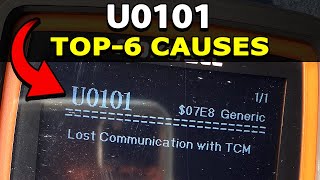
- Wiring Harness Issue at Transmission Connector 🔴 High Probability As identified in GM TSB PIC4740E, the main 🎬 Watch: How to diagnose lost communication with the TCM transmission harness connector (X1) is a known weak point for unseated pins, and the harness itself can chafe against a metal securing bracket on the passenger side of the bell housing. This physical contact can wear through the wire insulation, causing shorts and open circuits on the high-speed communication (CAN bus) lines that link all the major control modules.
How to confirm: Visually inspect the large harness connector at the transmission. Disconnect it and check for corrosion or any pins that are pushed back. Tug gently on each wire to ensure it's secure. More importantly, trace the harness from the connector towards the engine and inspect it carefully where it passes a metal bracket on the passenger side of the transmission bell housing. Look for any signs of rubbing, chafing, or exposed copper wires.
Typical fix: Reseat any loose terminal pins in the connector. Repair any chafed or broken wires using solder and heat-shrink tubing or appropriate weatherproof connectors. Re-route or protect the harness with loom or electrical tape to prevent it from rubbing against the bracket in the future. If the connector itself is damaged, it may need to be replaced.
Est. part cost: $5-$150 - Faulty Engine Management Sensor (e.g., MAF, APP, Throttle Body) 🟡 Medium Probability The traction control system relies on accurate data from engine sensors. If a critical sensor like the Mass Airflow (MAF), Accelerator Pedal Position (APP), or Throttle Position Sensor (TPS) inside the throttle body fails or provides erratic data, the ECM cannot reliably control the engine and will disable traction control as a precaution.
How to confirm: Use a scan tool to check the Engine Control Module (ECM) for other trouble codes. Codes like P0101/P0102 (MAF), P2135/P2138 (APP/TPS), or other sensor-specific codes strongly point to this as the root cause. A dirty throttle body can also cause these issues.
Typical fix: Replace the specific engine sensor that is setting the fault code. For example, if a MAF code is present, replacing the MAF sensor will likely clear the C0242 code as well. If a P2135 is present, the entire throttle body assembly often needs to be replaced as the sensors are integrated. Sometimes, simply cleaning a dirty throttle body can resolve the issue.
Est. part cost: $70-$350 - Failing Wheel Speed Sensor or Hub Assembly 🟡 Medium Probability Wheel speed sensors and the magnetic reluctor rings on the wheel hubs are exposed to the elements and can fail. A bad signal from one wheel can confuse the traction control system. On these GM vehicles, the magnetic ring on the hub assembly is known to crack or accumulate debris, leading to erratic readings even if the sensor itself is good.
How to confirm: A scan tool that can read ABS data is needed to monitor the speed of all four wheels in real-time. A sensor that reads 0 mph or has an erratic signal while the others are reading correctly is faulty. Also, check for specific wheel speed sensor codes (e.g., C0035-C0050). If a sensor is replaced and the code for that wheel persists, the issue is likely the wheel hub's magnetic ring.
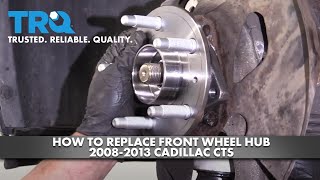
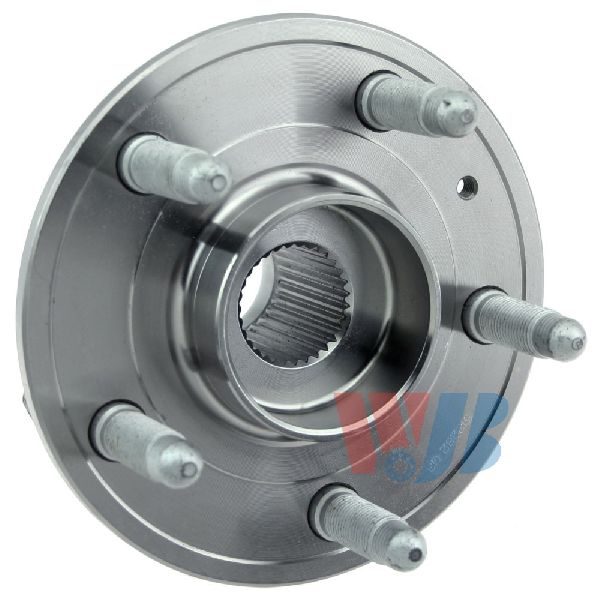
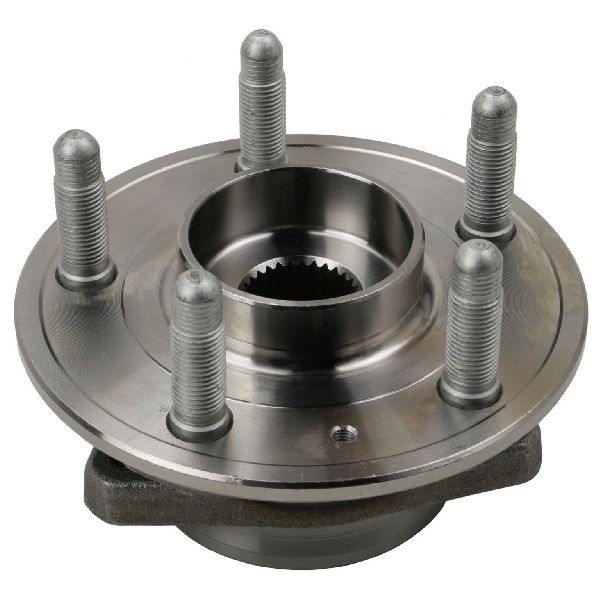
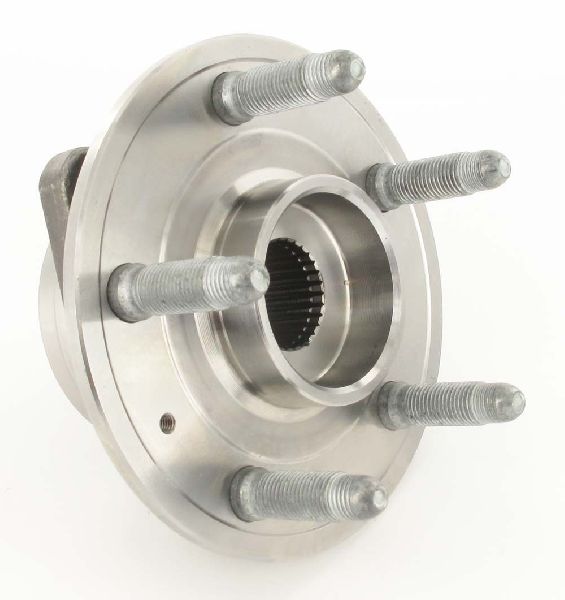
Typical fix: Replace the faulty wheel speed sensor or, more commonly, the entire wheel hub assembly 🎬 Watch: How to replace the front wheel hub assembly if the reluctor ring is damaged. The sensor is often sold separately, but replacing the hub is a more definitive repair if the ring is the suspected cause.
Est. part cost: $50-$250 - Weak Battery or Poor Ground Connections ⚪ Low Probability Modern vehicles are highly sensitive to voltage. A weak battery or corroded/loose ground straps can cause intermittent and unpredictable communication errors between modules, triggering a host of 'U' codes alongside C0242.
How to confirm: Test the battery's voltage and load capacity. A reading below 12.4V at rest is a sign of a weak battery. Inspect the main battery terminals, the engine ground strap, and chassis grounds for tightness and corrosion. Clean any corroded connections until they are shiny metal.
Typical fix: Replace the battery if it fails a load test. Clean and tighten all ground connections. Some owners have reported resolving strange electrical issues simply by replacing an aging battery.
Est. part cost: $0-$250
Rare But Worth Checking
- Faulty Electronic Brake Control Module (EBCM):
Diagnosis Steps
- Perform a full vehicle scan with a tool that can read codes from all modules (ECM, EBCM, TCM, BCM). Do not use a basic engine-only code reader.
- Analyze the codes. If any engine-related 'P' codes (like for a MAF, throttle sensor, or pedal sensor) are present, diagnose and fix those first. Clearing the primary engine fault will often clear the C0242.
- If multiple 'U' communication codes (U0100, U0101, U0140, etc.) are present along with C0242, immediately suspect a network wiring issue. The prime location to check is the transmission harness and its connector (X1) for chafing or unseated pins, as detailed in TSB PIC4740E.
- Perform a CAN bus integrity test. With the battery disconnected, measure the resistance between Pin 6 and Pin 14 of the Data Link Connector (DLC). A healthy network should read approximately 60 ohms. A reading of 120 ohms indicates an open circuit, while a reading near 0 ohms indicates a short between the two CAN lines.
- Inspect critical ground locations. Check ground G110 near the ABS module, especially if an aftermarket air intake is installed. Also verify the main engine and module grounds at G101, G102, and G106.
- If wheel speed sensor codes (C0035-C0050) are present, use a scan tool to monitor live data from all four wheels while driving. If a sensor provides an erratic or no signal, inspect the sensor and its wiring. If the sensor and wiring are good, the fault is likely the magnetic encoder ring on the wheel hub assembly, which requires hub replacement.
- Only after all wiring, grounds, sensors, and other modules have been ruled out should you consider a faulty Electronic Brake Control Module (EBCM) as the cause.
Parts You'll Likely Need
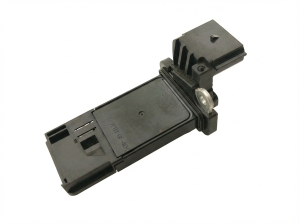
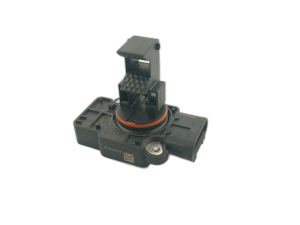
- Mass Airflow (MAF) Sensor
(OEM #19355501 (for 2008-2009 models), 213-4222 (for later models))— A common cause when C0242 is accompanied by MAF-related engine codes like P0101.
Trusted brands: ACDelco, Bosch, Delphi
OEM price range: $150-$220
Aftermarket price range: $70-$140 - Wheel Hub Assembly
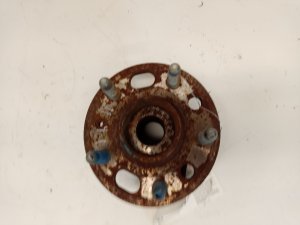
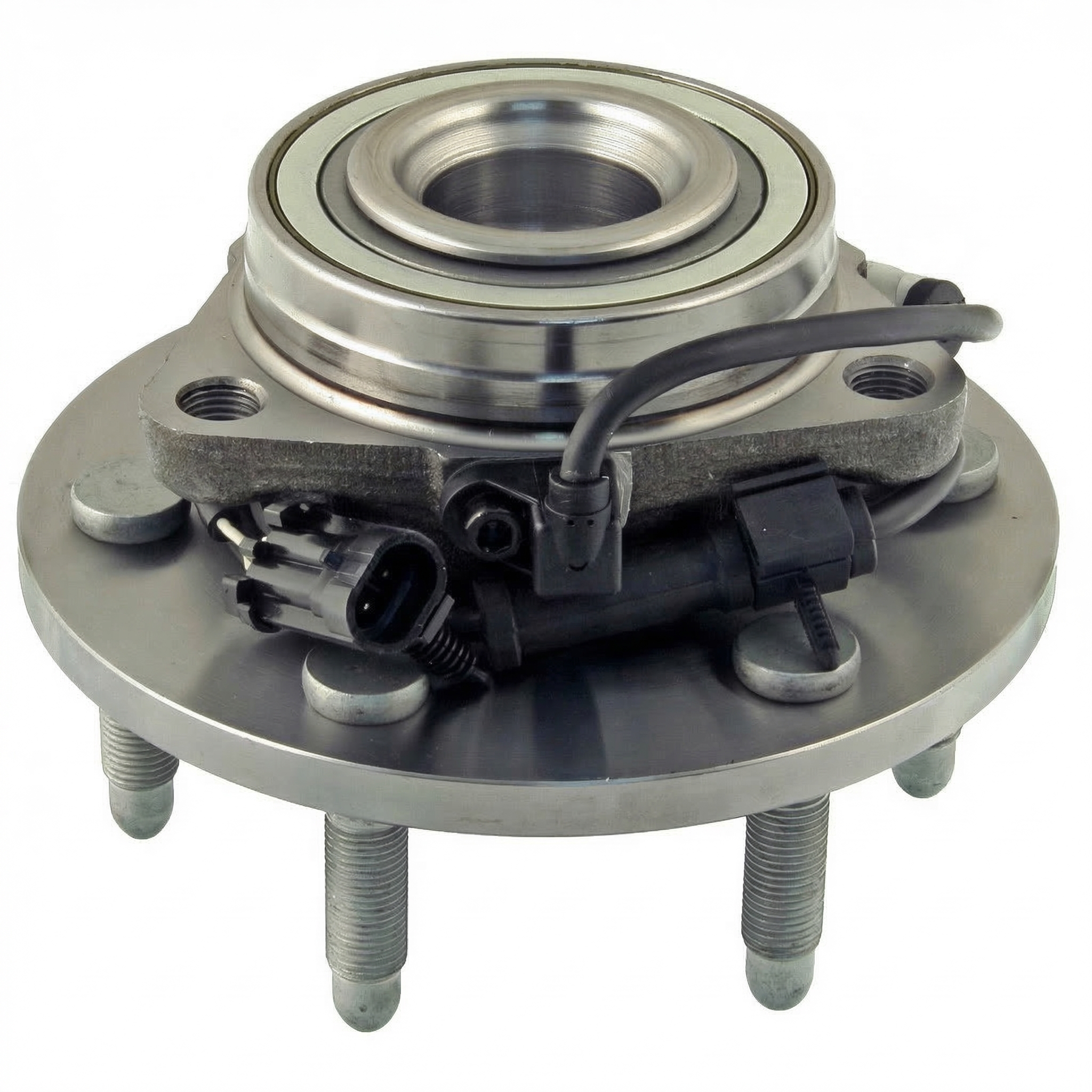
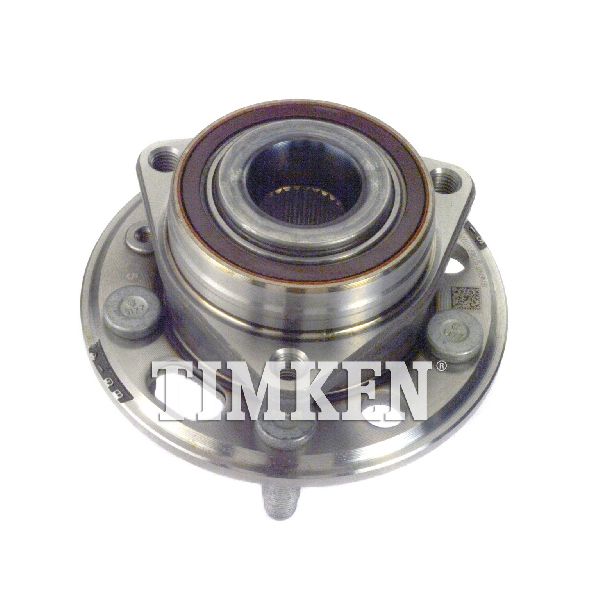
(OEM #513282 (Front, ACDelco Gold), 13546785 (Front, GM Genuine))— Required if the wheel speed sensor is integral to the hub or if the reluctor ring on the hub is cracked or damaged, which is a known issue.
Trusted brands: ACDelco, Timken, MOOG
OEM price range: $140-$200
Aftermarket price range: $50-$120 - Throttle Body Assembly — Often required when code P2135 is present, as the throttle position sensors are typically integrated and not sold separately.
Trusted brands: ACDelco, Standard Motor Products (SMP)
OEM price range: $200-$350
Aftermarket price range: $120-$220 - Wiring Repair Supplies — Needed to fix chafed wires, which is the most common cause related to TSB PIC4740E. Includes wire, solder, heat shrink, and protective loom.
OEM price range: $10-$30
Aftermarket price range: $5-$20
Related Codes That Often Appear With This One
- U0100 — Lost Communication With ECM/PCM. This code directly indicates a communication network problem, often linked to the wiring issues described in TSB PIC4740E.
- U0101 — Lost Communication With TCM. This points to a break in communication with the transmission module, frequently caused by the same transmission harness connector issue.
- P0700 — Transmission Control Module (TCM) Requested MIL Illumination. This is a general code indicating the TCM has a fault; it often appears alongside the communication codes when the transmission harness is compromised.
- P0856 — Traction Control Torque Request Circuit. This code is directly related to the communication breakdown between the ECM and the traction control system.
- P2135 — Throttle / Pedal Position Sensor/Switch A/B Voltage Correlation. If the ECM can't trust the throttle position reading, it will disable traction control, triggering C0242. This often requires throttle body replacement.
- U0121 — Lost Communication With Anti-Lock Brake System (ABS) Control Module. Another common communication code that appears when the main CAN bus network is disrupted by wiring issues.
- U0140 — Lost Communication With Body Control Module (BCM). Often seen with the other 'U' codes, pointing to a widespread network failure, not a single module failure.
Technical Service Bulletins (TSBs) & Recalls
- PIC4740E: This is the most critical TSB for this issue. It describes a scenario with multiple communication DTCs (including C0242), no-crank, hard shifting, and other electrical problems caused by unseated pins in the transmission connector or, more specifically for the CTS/ATS, a chafed harness rubbing on a bracket at the bell housing.
Platform-Specific Known Issues
- TSB PIC4740E documents a known issue where unseated pins in the transmission harness connector or a chafed harness near the bell housing causes widespread communication faults, including C0242, on 2008-2015 CTS models.
Mechanic-Grade Diagnostic Values
- High-Speed GMLAN Bus Resistance — expected: 60 Ohms (± 5 Ohms). Failure: A reading of ~120 Ohms indicates an open circuit in the bus or a missing terminating resistor. A reading near 0 Ohms indicates the CAN High and CAN Low wires are shorted together.
- High-Speed GMLAN Bus Voltage — expected: Approximately 2.5V on both CAN High (Pin 6) and CAN Low (Pin 14) when the network is asleep (Key On, Engine Off). During active communication, CAN High toggles to ~3.5V and CAN Low toggles to ~1.5V.. Failure: Voltages stuck high or low, or a lack of toggling, indicates a bus fault, short, or faulty module.
Hidden / Shadow Codes Worth Checking
- Primary vs. Secondary Codes: C0242 is a secondary, informational code set by the EBCM. The true fault lies with a primary 'P' (Powertrain) code in the ECM or 'U' (Network) codes across multiple modules. Diagnosis must focus on the other codes first. (see via A full-system scan tool capable of reading codes from all modules (ECM, BCM, TCM, EBCM) is required. Basic OBD-II readers will often only show the 'P' codes, if any, and may miss the crucial 'U' and 'C' codes.)
Scan Tool Commands That Help
- GDS2 / Tech2: Message Monitor / Device List — When multiple 'U' (communication) codes are present, this function shows which modules are actively communicating on the network and which are not, helping to isolate the point of failure.
- GDS2 / Tech2: Transport Mode - Disable — If the vehicle was recently serviced or transported, it may be in 'Transport Mode,' which shuts down modules to save battery. This can cause widespread communication faults. This function, found under the Body Control Module (BCM) menu, is used to return the vehicle to normal customer operation.
Wiring & Ground Locations
- Transmission Harness Chafe Point — The wiring harness passing the securing bracket on the passenger side of the transmission bell housing.. This is the specific chafe point identified in TSB #PIC4740E. Vibration causes the harness to rub against the bracket, damaging the CAN bus wires and leading to a flood of communication codes, including C0242, U0100, and U0101.
- G110 — Engine compartment, near the ABS module/EBCM.. This is a primary ground for the Electronic Brake Control Module (EBCM). A poor connection here, often caused by improper installation of aftermarket cold air intakes using it as a mounting point, can starve the module for ground and cause various ABS/Traction control faults and communication codes.
- ECM Location — Inside the front driver's side wheel well, behind the fender liner.. Knowing the physical location is essential for inspecting the module's connectors and its dedicated grounds (G101/G106) if the ECM is suspected of being offline.
- G101 / G106 — G101 is at the lower front of the engine block. G106 is on the front center of the frame cross rail.. These are critical grounds for the Engine Control Module (ECM) and Transmission Control Module (TCM). A loose or corroded connection here can cause U0100 or U0101, which in turn triggers C0242.
- EBCM Location — In the engine compartment, part of the ABS hydraulic unit assembly.. This is the module that stores code C0242. Its location is needed for inspecting its connector and ground (G110) for issues.
Real Owner Repair Stories
- YouTube comment on a related repair video (GM Truck/SUV with similar architecture) — Service Stabilitrak light, door locks cycling randomly, transmission stuck in one gear, intermittent no-start.
❌ Tried (didn't work) Not specified, but implied multiple previous attempts.
✅ What actually fixed it Found the GMLAN communication wires running to the transmission had chafed against a heat shield, melting the insulation and causing a ground. Repairing the wires with rubber splicing tape resolved all electrical problems. - Beer Wrench Garage YouTube Channel (2012 Cadillac CTS) — ABS and Traction Control warning messages on the display. Odometer display was not working for over a year.
❌ Tried (didn't work) Initially suspected the wheel speed sensors themselves.
✅ What actually fixed it The scan tool showed erratic signals from both rear wheel speed sensors (C0045, C0050). The actual fault was not the sensors, but the magnetic encoder rings integrated into the wheel hub assemblies. Replacing both rear wheel hubs fixed the ABS/Traction lights and restored the odometer display. - ScannerDanner Forum (2009 Cadillac CTS) — No communication with any high-speed CAN bus modules. No communication with scan tool.
❌ Tried (didn't work) Checking CAN bus resistance, which measured correctly.
✅ What actually fixed it The problem was lint and debris physically contaminating the pins of the ABS module connector. Cleaning the connector restored all communication.
"I Checked Everything" — The Actual Cause
- In the context of this electronic code, the equivalent of a 'smoke test clean' is when CAN bus resistance tests pass. A known case on a 2009 CTS involved a complete loss of high-speed communication, yet resistance measurements between CAN high and low were normal (around 60 ohms). The actual cause was not a hard short or open circuit, but 'lint' contaminating the ABS module connector pins. This minor physical contamination was enough to corrupt the high-frequency data signal but was electrically invisible to a standard multimeter resistance test, which led to initial confusion.
Model Year Variations Within This Range
- 2008-2011: These model years are covered by GM Special Coverage Adjustment #14582A for a faulty throttle position sensor (TPS). A failing TPS can cause reduced engine power and trigger the traction control light, making it a more likely root cause for C0242 on these earlier second-generation models.
Helpful Videos
Used OEM Parts in Stock


New Aftermarket Parts Available


The information in this article is provided for general reference and educational purposes only. Vehicle specifications, procedures, and part compatibility can vary by production date, trim level, and region. Always consult your vehicle's factory service manual and verify part numbers before purchasing or performing repairs. Safety-critical components such as airbags, seat belts, and braking systems should be installed by a qualified professional.
- Cadillac CTS:
- 🎬 Helpful Videos
- 🛍️ Shop This Part
- What's Unique About the 2008-2014 Cadillac CTS
- Diagnostic Flowchart
- Symptoms You May Notice
- Most Likely Causes
- Rare But Worth Checking
- Diagnosis Steps
- Parts You'll Likely Need
- Related Codes That Often Appear With This One
- Technical Service Bulletins (TSBs) & Recalls
- Platform-Specific Known Issues
- Mechanic-Grade Diagnostic Values
- Hidden / Shadow Codes Worth Checking
- Scan Tool Commands That Help
- Wiring & Ground Locations
- Real Owner Repair Stories
- "I Checked Everything" — The Actual Cause
- Model Year Variations Within This Range
- 🎟️ Get 5% Off