

C0242 on 2013-2015 Cadillac ATS: Traction Control Malfunction Causes and Fixes
Code C0242 on a 2013-2015 Cadillac ATS means the engine computer has disabled traction control due to another fault. It's a secondary code, not the root problem. The most likely cause is a wiring issue near the transmission, as detailed in GM TSB #PIC4740E, where the harness chafes against a bracket on the passenger side of the bell housing. This disrupts vehicle-wide communication, often setting codes like U0073 and U0100 as well.
- C0242 is a 'messenger' code; do not replace the ABS or traction control module.
- The true fault is almost always another 'P' (Powertrain) or 'U' (Network) code.
- For the 2013-2015 ATS, the most likely cause is a wiring harness issue near the transmission, as detailed in TSB #PIC4740E.
- A full-system scan is required for diagnosis; a basic code reader is insufficient.
- Symptoms like hard shifting or cycling door locks strongly point to the TSB-related wiring problem.
What's Unique About the 2013-2015 Cadillac ATS
For the 2013-2015 Cadillac ATS, and its platform mates like the Cadillac CTS, code C0242 is rarely a simple fault. It is specifically named in GM Technical Service Bulletin #PIC4740E, which links it to a cascade of communication failures across the vehicle's high-speed CAN bus network. Symptoms mentioned in the bulletin, like door locks cycling while driving or the transmission shifting hard, point towards a systemic electrical problem. The TSB directs technicians to inspect a specific wiring harness chafe point on the passenger side of the transmission bell housing, making this a top priority over typical sensor failures.
Diagnostic Flowchart
Tap your situation to follow the diagnostic path that matches what you're seeing on this vehicle.
Symptoms You May Notice
- Service Traction Control light is on
- Service Stabilitrak light is on
- ABS light is on
- Check Engine Light may be on
- Reduced Engine Power message on dash
- Transmission shifts hard
- Door locks cycle while driving
- Vehicle may not crank or start
- Rough idle or shaking
- Instrument panel gauges may sweep intermittently
- Replacing the Electronic Brake Control Module (EBCM) without diagnosing other codes. C0242 is reported by the EBCM, but the EBCM is rarely the cause.
- Replacing wheel speed sensors. While faulty wheel speed sensors can cause traction control issues, they typically set their own specific codes (e.g., C0035-C0050) and are a less likely cause for C0242 when network communication symptoms are present.
Most Likely Causes
- Chafed or Damaged Wiring Harness 🔴 High Probability TSB #PIC4740E specifically calls out a wiring harness issue on the 2013-2015 ATS. The harness can chafe against a securing bracket on the passenger side of the transmission bell housing, causing shorts on the CAN bus wires and communication failures.
How to confirm: Visually inspect the wiring harness where it passes the securing bracket on the passenger side of the transmission. The harness should hang below the bracket. Also, disconnect the main transmission harness connector (X1) and gently tug on each individual wire to ensure all terminal pins are fully seated, as they can have a false lock.
Typical fix: Repairing the chafed wires using approved methods (butt connectors, solder, heat shrink) and properly securing the harness away from the bracket, often with zip ties, to prevent future contact. If pins are unseated in the connector, they must be re-seated or the connector pigtail replaced.
Est. part cost: $10-$50 for wiring repair supplies - Fault in Another System (Primary DTC) 🟡 Medium Probability C0242 is a secondary code. Any engine performance issue that makes the engine's torque output unpredictable can cause the PCM to disable traction control. This includes faults with the throttle body (P2135), mass airflow sensor, or misfires (P030x).
How to confirm: Perform a full vehicle scan with an advanced scan tool. If any 'P' (Powertrain) codes like P2135 (Throttle Position Sensor) or 'U' (Network) codes like U0073 are present, they are the primary fault that must be diagnosed first.
Typical fix: Diagnose and repair the primary code first. For example, if a P2135 is present, the throttle body may need cleaning or replacement. If a misfire code is present, it could be a bad ignition coil or spark plug. Fixing the primary fault will allow the C0242 code to be cleared.
Est. part cost: $50-$400 depending on the primary fault
Rare But Worth Checking
- Weak or Failing Battery: A battery providing unstable or low voltage (below 12.4V at rest) can cause random communication errors between modules, triggering a flood of codes including C0242 and U0073.
- Faulty Ground Connection: A loose or corroded ground connection, particularly for the EBCM (G110) or PCM (G101/G104), can cause communication dropouts and trigger network codes. This can be mistaken for a module failure.
- Water Intrusion: On vehicles with a sunroof, clogged drain tubes can lead to water leaking into the cabin and affecting modules or connectors located under the carpet or in kick panels, causing widespread communication faults.
- Faulty Electronic Brake Control Module (EBCM): While possible, the EBCM itself can fail. This should only be considered after all wiring, grounds, and other primary DTCs have been completely ruled out, as it is an expensive and often incorrect diagnosis.
- Faulty Powertrain Control Module (PCM): A PCM internal fault is rare but can cause this issue. This would typically be accompanied by many other performance and communication codes and is a last resort after other diagnostics are complete.
Diagnosis Steps
- Perform a full vehicle scan using a diagnostic tool capable of reading codes from all modules (PCM, EBCM, TCM, BCM). A basic OBD-II reader is not sufficient.
- Analyze the codes. Prioritize any 'U' (Network) or 'P' (Powertrain) codes over the C0242 code. C0242 is the symptom, not the cause.
- If multiple 'U' codes are present (U0073, U0100, U0121, U0140), immediately suspect a network wiring issue per TSB #PIC4740E.
- Inspect the wiring harness on the passenger side of the transmission bell housing for any signs of chafing or damage against the securing bracket. Ensure the harness is routed below the bracket.
- Disconnect the main transmission harness connector (X1). Carefully inspect for corrosion or damage. Gently pull on each wire to ensure the terminal pins are fully seated in the connector.
- If engine performance 'P' codes are present (e.g., P2135 for throttle body, P030x for misfires), diagnose and repair those issues first.
- Check battery voltage and ground connections. Ensure the battery provides stable voltage (above 12.4V at rest) and that main ground points for the EBCM and PCM are clean and tight.
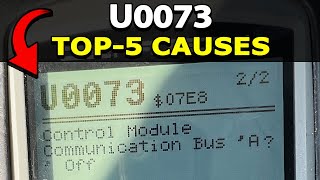
- With the battery disconnected, check for CAN bus integrity by measuring resistance between Pin 6 and Pin 14 of the OBD-II port. 🎬 Watch: How to diagnose and fix common U0073 communication bus errors. A reading of ~60 ohms is healthy; 120 ohms indicates an open circuit.
- After repairs are made, clear all codes and perform a drive cycle to ensure the fault does not return.
Parts You'll Likely Need
- Wiring Harness Repair Supplies — The most common cause is a chafed or damaged wire that needs to be repaired, not a specific component that needs replacement.
Trusted brands: 3M
OEM price range: $10-$50
Aftermarket price range: $5-$25 - Throttle Body Assembly
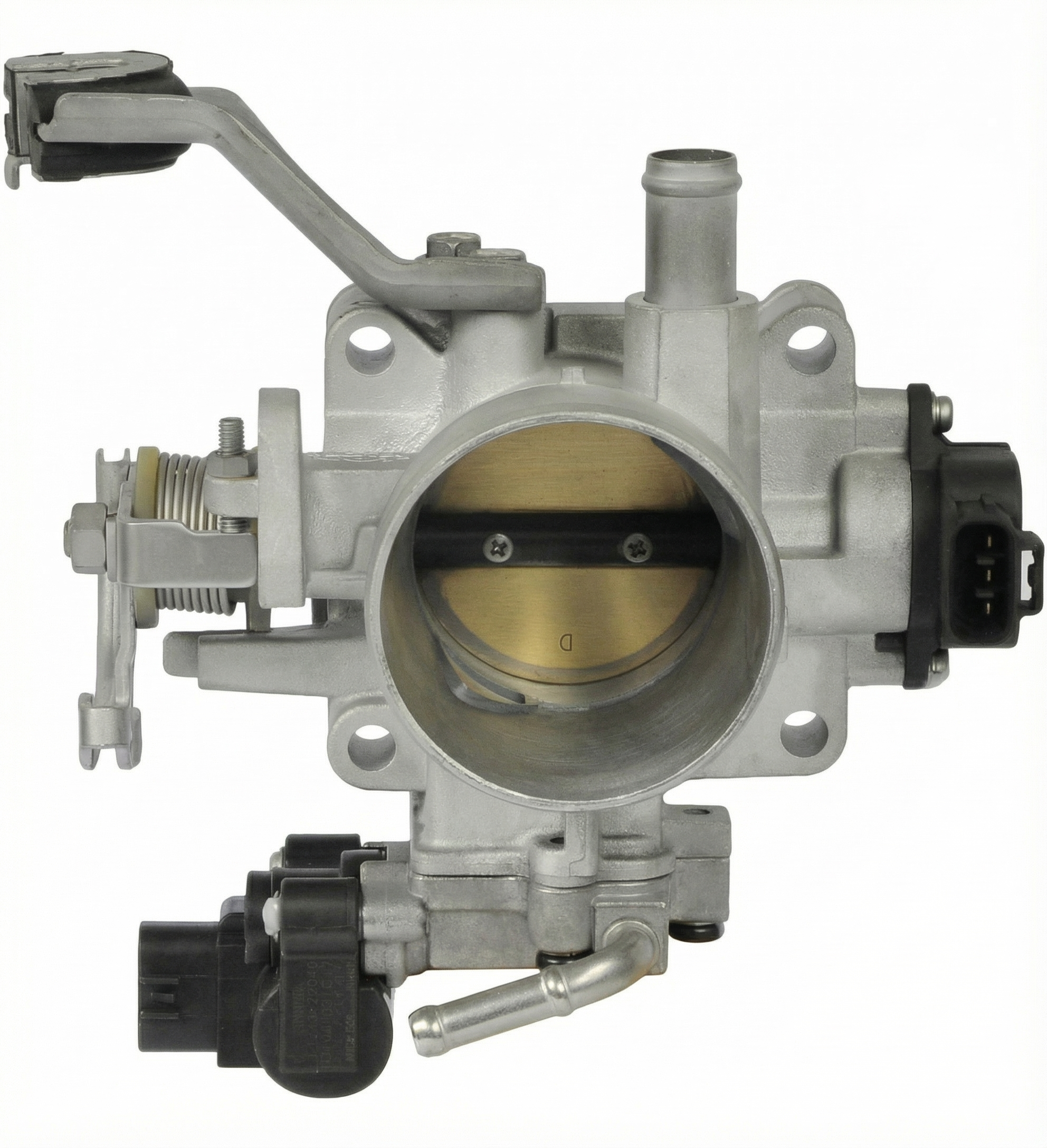
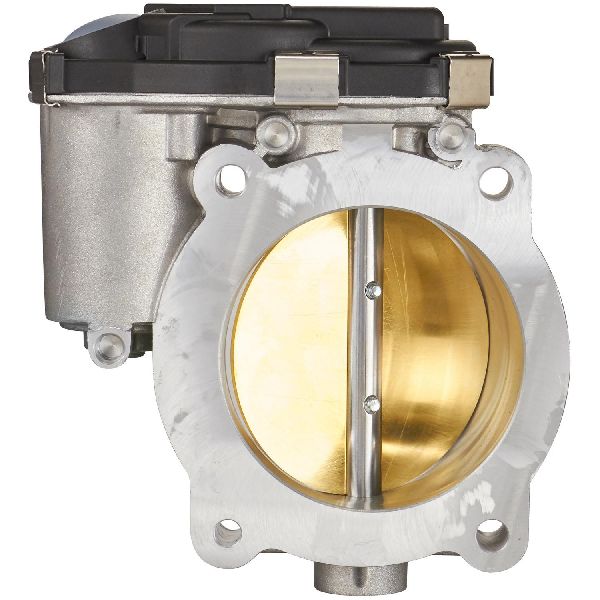
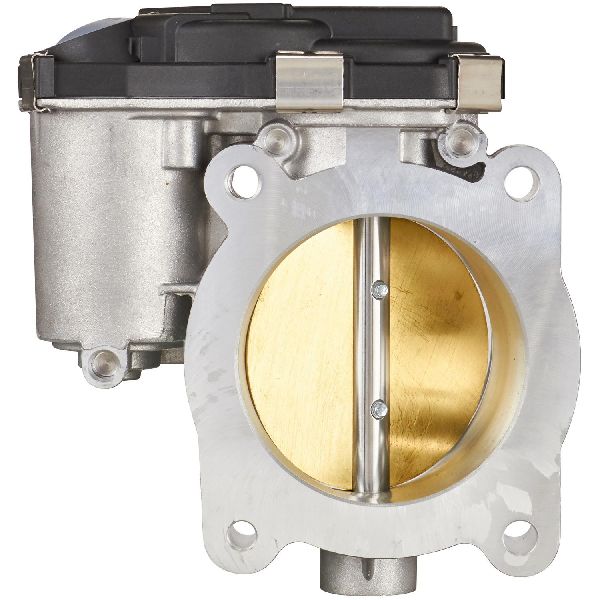
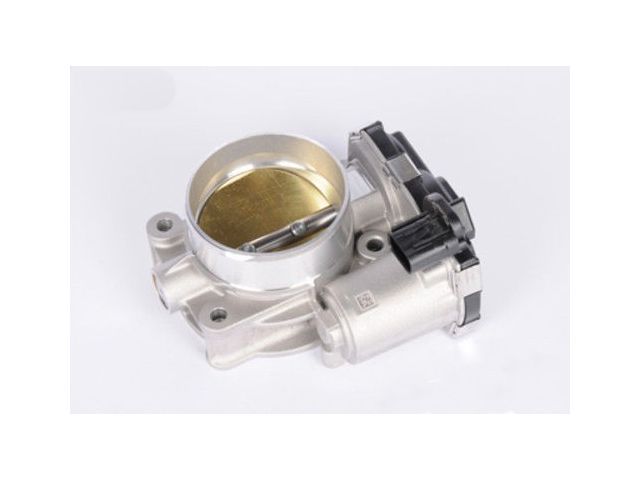
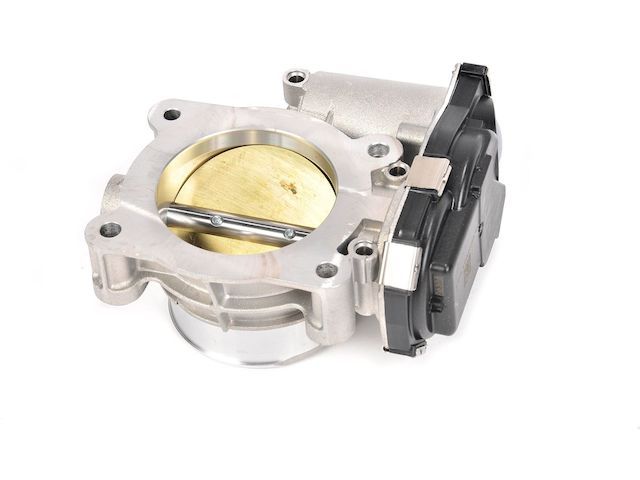
(OEM #ACDelco 12670839 (for 2.5L LCV) / ACDelco 12627067 (for 2.0L LTG) / ACDelco 12670981 (for 3.6L LFX))— If code P2135 is also present, the integrated throttle position sensors may have failed, requiring replacement of the entire throttle body.
Trusted brands: ACDelco, Bosch, Dorman
OEM price range: $250-$400
Aftermarket price range: $150-$250
Related Codes That Often Appear With This One
- U0073 — This is a general CAN bus communication failure code, often set alongside C0242 when a wiring harness issue is disrupting the entire vehicle network, 🎬 See this walkthrough for troubleshooting the U0073 control module code. as described in TSB #PIC4740E.
- P0700 — Indicates the Transmission Control Module (TCM) has requested the check engine light. This is common when a wiring issue at the transmission connector disrupts communication with the TCM.
- U0100 — Means 'Lost Communication with ECM/PCM'. This directly points to the communication breakdown that causes the EBCM to log C0242.
- P2135 — Indicates a problem with the throttle position sensor correlation. If the PCM cannot trust the throttle position, it will disable traction control, leading to C0242. This is a common primary fault.
Technical Service Bulletins (TSBs) & Recalls
- PIC4740E: Addresses multiple communication DTCs, no start, hard shifting, and other electrical issues caused by unseated pins in the transmission connector or a chafed harness.
Platform-Specific Known Issues
- TSB PIC4740E: Transmission Harness Chafing: This TSB is the most critical document for this issue. It details how the wiring harness can rub against a bracket on the passenger side of the transmission bell housing. This damages the CAN bus wires, causing a flood of communication DTCs (U0073, U0100, etc.), hard shifting, no-start conditions, and the C0242 code. The fix involves inspecting this specific location, repairing wires, and rerouting the harness to prevent recurrence.
Mechanic-Grade Diagnostic Values
- CAN Bus Network Resistance — expected: ~60 Ohms (± 2 Ohms). Failure: A reading of ~120 Ohms indicates an open circuit or a missing terminating resistor. A reading near 0 Ohms indicates a short between the CAN High and CAN Low wires.
- CAN Bus Baud Rate — expected: 500k. Failure: Inability to communicate with modules using a scan tool not set to the correct baud rate.
- Oil Pressure at Idle (3.6L LFX) — expected: ~30 psi. Failure: Significantly lower pressure could indicate internal engine issues, though not a direct cause of C0242, it reflects overall engine health.
Hidden / Shadow Codes Worth Checking
- C0242 with symptom byte (e.g., C0242 71): Some advanced scan tools may show a 2-digit symptom byte. For example, '71' can mean 'Actuator Stuck' or relate to a communication malfunction, providing a more specific diagnostic path than the base code alone. (see via GM's GDS2/Tech2 software or a high-end professional scan tool capable of reading manufacturer-specific codes and data.)
Scan Tool Commands That Help
- GDS2 (GM Techline Connect): Module Replacement and Reprogramming — If the EBCM is determined to be faulty and is replaced with a used unit, this specific function must be used. Simply selecting 'Program' will likely fail. This function allows the vehicle to accept and configure a pre-owned module.
- GDS2 (GM Techline Connect): Brake Pedal Position Sensor Learn — After replacing or reprogramming the BCM or EBCM, the brake lights may operate incorrectly. This calibration procedure is required to relearn the sensor's position and restore normal function.
Wiring & Ground Locations
- G110 — For the 3.6L V6, it's on the left rear of the engine above the exhaust manifold. For 4-cylinder engines, it's on the upper rear of the cylinder head. This is a primary ground for the EBCM.. A poor connection at G110 can cause intermittent power loss to the Electronic Brake Control Module (EBCM), leading to a host of communication codes, including C0242 and U0121.
- G104 — For the 3.6L V6, it's on the front of the right cylinder head. For 4-cylinder engines on early 2013 models (pre-Dec 2012), it's at the front of the engine; later models have it at the rear.. This is a key engine ground. TSB PI1097A notes that for 2013 models specifically, this ground must be removed and inspected for excess shrink wrap or glue under the eyelet, as a simple wiggle test is not sufficient.
- G103 — Located at the left rear of the engine compartment on the cowl, above the brake booster.. This ground serves multiple critical modules, including the BCM, Instrument Panel Cluster (IPC), and the Data Link Connector (DLC), making it a crucial point for overall network stability.
- Transmission Connector X1 — The main electrical connector on the transmission housing.. TSB #PIC4740E identifies unseated pins within this connector as a primary cause of network-wide communication failures. A 'tug test' on each wire is required as pins can have a 'false positive lock'.
Real Owner Repair Stories
- cadillacforums.com user (2013 Cadillac ATS 2.0T) — Service Stabilitrak, Service Traction Control, ABS light, Check Engine Light. Codes U0073, U0100, U0101, U0140, and C0242.
❌ Tried (didn't work) Initial diagnosis pointed towards module failure.
✅ What actually fixed it The problem was a chafed wiring harness near the transmission. Specifically, the harness was rubbing against a metal bracket on the passenger side of the transmission bell housing, causing wires to short. The fix was to repair the damaged wires and secure the harness with zip ties to prevent it from rubbing again. This aligns perfectly with TSB PIC4740E.
Model Year Variations Within This Range
- 2013: The location of engine ground G104 on 4-cylinder models changed mid-year. Vehicles built before mid-December 2012 have the ground at the front of the engine, while later models have it at the rear. This is critical information when diagnosing ground faults per TSB PI1097A.
- 2016+: For the 2016 model year, the 6-speed 6L45 automatic transmission was replaced by the 8-speed 8L45. The 3.6L LFX V6 was also replaced by the LGX V6. While the C0242 code's meaning is the same, wiring harnesses, connectors, and some part numbers may differ from the 2013-2015 range.
Helpful Videos

Used OEM Parts in Stock


New Aftermarket Parts Available



The information in this article is provided for general reference and educational purposes only. Vehicle specifications, procedures, and part compatibility can vary by production date, trim level, and region. Always consult your vehicle's factory service manual and verify part numbers before purchasing or performing repairs. Safety-critical components such as airbags, seat belts, and braking systems should be installed by a qualified professional.
- Cadillac ATS:
- 🎬 Helpful Videos
- 🛍️ Shop This Part
- What's Unique About the 2013-2015 Cadillac ATS
- Diagnostic Flowchart
- Symptoms You May Notice
- Most Likely Causes
- Rare But Worth Checking
- Diagnosis Steps
- Parts You'll Likely Need
- Related Codes That Often Appear With This One
- Technical Service Bulletins (TSBs) & Recalls
- Platform-Specific Known Issues
- Mechanic-Grade Diagnostic Values
- Hidden / Shadow Codes Worth Checking
- Scan Tool Commands That Help
- Wiring & Ground Locations
- Real Owner Repair Stories
- Model Year Variations Within This Range
- 🎟️ Get 5% Off