

OBD-II Code C0231: Rear Wheel Speed Signal Erratic
The Ultimate 2026 Guide to Diagnosing and Fixing C0231
- Code C0231 indicates an unreliable rear wheel speed signal, instantly disabling your ABS and traction control systems.
- Your primary brakes remain functional, but panic stopping distances increase by up to 25% on wet surfaces due to disabled ABS.
- Over 80% of C0231 codes stem from a failed wheel speed sensor, a broken wire near the axle, or a rusted tone ring.
- On 2010-2018 Subaru models, C0231 is a false flag; it actually indicates a CAN bus communication error triggered by an unrelated engine or electronic parking brake fault.
- Never replace parts based on the code alone; use an OBD-II scanner to monitor live wheel speed data and perform a physical 'wiggle test' on the wiring harness to pinpoint the exact failure.
What Does C0231 Mean?
This code means your car's main computer (ABS module) receives a signal from one of the rear wheel speed sensors that is unstable, intermittent, or nonsensical. The computer continuously compares the speeds of all four wheels. When one rear wheel's reported speed fluctuates wildly or illogically mismatches the others, the system flags the signal as erratic, sets code C0231, and illuminates the ABS and traction control warning lights.
Technical definition: The official SAE/OBD-II definition is "Rear Wheel Speed Signal Erratic". This indicates the Anti-lock Brake System (ABS) module detects a signal from a rear wheel speed sensor that is unstable, intermittent, or otherwise incorrect when compared to the other wheel speed sensor inputs.
Can I Drive With C0231?
Yes, But With Caution. Yes, but with extreme caution. Your primary hydraulic brakes still work, but the Anti-lock Braking System (ABS) and Traction/Stability Control are disabled. In a panic stop, your wheels lock up, increasing stopping distances by up to 25% on wet or slippery surfaces and eliminating your ability to steer around an obstacle while braking hard. Drive cautiously, increase following distance, and avoid hard braking until the issue is repaired.
Common Causes

- Faulty Rear Wheel Speed Sensor (Very Common) — The sensor itself is the most frequent point of failure. Internal electronic components fail due to heat cycles and age, sending corrupted data to the module, especially when hot.
- Damaged Wiring or Corroded Connector (Very Common) — The wiring harness is exposed to the elements. Wires fray, break internally at sharp bends, or connector pins corrode from water and road salt, leading to an unstable connection.
- Damaged or Contaminated ABS Tone Ring (Common) — The sensor reads a toothed tone ring to measure speed. This ring cracks, loses a tooth, or becomes coated in thick rust and metallic debris, distorting the magnetic signal.
- Failing Wheel Hub Bearing Assembly (Common) — On many vehicles, the tone ring is integrated into the wheel hub bearing. A worn bearing introduces excessive play ('wobble'), constantly changing the air gap between the sensor and the ring, corrupting the signal.
- Low System Voltage / Weak Battery (Common) — ABS modules are highly sensitive to voltage. A weak battery or failing alternator causes voltage drops that confuse the module, logging false erratic signal codes during startup or under electrical load.
- Interference from Other Failing Components (Less Common) — On modern CAN bus networks, an unrelated failing part (like an O2 sensor on a Subaru or a brake light switch on a Hyundai) creates data packet errors that the ABS module misinterprets as a wheel speed sensor fault.
- Poor Ground Connection to ABS Module (Less Common) — A corroded main ground wire for the ABS control module introduces electrical noise and unstable voltage, causing intermittent signal codes. This is prevalent in regions with heavy road salt usage.
- Faulty ABS Control Module (Rare) — The ABS computer itself fails, but this is the least likely cause. All other possibilities, including wiring, sensors, and manufacturer-specific quirks, must be thoroughly ruled out before condemning the module.
Symptoms

- ABS Light On — The primary and most certain symptom. The ABS warning light on your dashboard illuminates immediately.
- Traction/Stability Control Light On — Because traction and stability control systems rely on the same wheel speed sensors, their warning lights illuminate simultaneously, indicating the systems are disabled.
- Unnecessary ABS Activation at Low Speeds — You feel the brake pedal pulsating or hear the ABS pump motor running during gentle, low-speed braking as the system incorrectly believes a wheel is locking up.
- Cruise Control Inoperative — As a safety protocol, most vehicles automatically disable cruise control when any ABS or traction control fault is detected.
- Erratic Speedometer Reading — If the vehicle speed signal (VSS) is sourced from the specific failing ABS sensor, your speedometer behaves erratically or drops to zero.
Diagnostic Flowchart
Tap your situation to follow the diagnostic path that matches what you're seeing on this code.
Common Fixes & Costs
- Replace Rear Wheel Speed Sensor
— Parts: $50-$250, Labor: $100-$150, ~1.2 hr book time
(DIY)
Subaru Outback (2010-2014): OEM 27540AJ05A (Alt: Duralast SU14213, Bosch 0265008495)
Ford F-150 (2018-2020): OEM JL3Z-2C190-A (Harness Assembly) (Alt: Standard Motor Products ALS2631)
Chevrolet Silverado (2007-2013): OEM 20938121 (Alt: Delphi SS11492, Duralast SU9952) - Repair or Replace Wiring Pigtail/Harness — Parts: $25-$150, Labor: $125-$300, ~1.5 hr book time (Intermediate)
- Clean or Replace ABS Tone Ring — Parts: $0-$100, Labor: $100-$200, ~2 hr book time (Intermediate)
- Replace Wheel Hub Bearing Assembly
— Parts: $250-$500+, Labor: $175-$350, ~2.5 hr book time
(Intermediate)
Subaru Outback (2010-2014): OEM 28473AJ00B (Alt: MOOG 512401, Timken HA590322)
Ford F-150 (2018-2020): OEM JL3Z-1104-K (Alt: MOOG 512335, Motorcraft HUB-437)
Chevrolet Silverado (2007-2013): OEM 13589509 (Alt: MOOG 512388, Timken SP580305) - Replace ABS/EPB Control Module — Parts: $400-$2500+, Labor: $200-$500, ~2 hr book time (Professional)
DIY vs Professional
- Replace Rear Wheel Speed Sensor — Beginner: Yes
Tools: Jack, jack stands, lug wrench, basic socket set, torque wrench. - Clean ABS Tone Ring — Beginner: Yes
Tools: Jack, jack stands, lug wrench, brake cleaner, wire brush. - Replace Wheel Hub Bearing Assembly — Beginner: No
Tools: Large axle nut socket, high-torque impact wrench or breaker bar, torque wrench capable of 150+ ft-lbs, slide hammer or press. - Repair Wiring Harness — Beginner: No
Tools: Multimeter, wire strippers, soldering iron, heat shrink tubing, wiring diagrams. - Replace ABS Control Module — Beginner: No
Tools: Professional diagnostic scan tool for programming and calibration, flare nut wrenches for brake lines.
Used vs. New Parts: Buying Guide
When a used part is worth it: For electronic parts like wheel speed sensors or wear items like wheel bearings, buying used is strongly discouraged. A used part should only be considered for an old, high-mileage vehicle on a strict budget where the owner accepts the high risk of failure.
Donor-vehicle mileage cap: roughly under 50000 miles for the part to have meaningful remaining life.
Donor quality checklist:
- Verify the exact OEM part number matches; variations do not work.
- Avoid parts from rust-belt donors, as corrosion compromises both the sensor and bearing life.
- For a hub assembly, ensure there is zero play or roughness when spinning the bearing by hand.
Decision logic:
- If The part is a wheel bearing/hub assembly or an electronic sensor. → Buy a new part from an OEM or reputable aftermarket brand (e.g., Timken, MOOG, SKF, Bosch).
- If Vehicle is >150K miles AND new part cost is prohibitive (> $300). → A low-mileage used part is a high-risk option; expect a significantly shorter lifespan and budget for potential repeat labor costs.
- If The part is a complex module (e.g., ABS Control Module). → A professionally remanufactured unit with a warranty is a better value than a used part from a junkyard.
Warranty tradeoff: Used parts typically offer a 30-90 day warranty on the part only, not labor. New aftermarket parts often have a 1-year to limited lifetime warranty. New OEM parts carry a 1-2 year warranty.
Worst-case if a used part fails: $300-$600 (The cost of a new part plus paying for the installation labor a second time when the used part fails.)
What Happens If You Wait — Timeline
- 0-1 month: Initial fault occurs. ABS/Traction Control lights illuminate. A low-level humming or grinding noise begins if the cause is a failing wheel bearing. (MPG impact: 0%% · Added cost: $0)
- 1-3 months: If caused by a bad bearing, the noise becomes more pronounced and changes pitch when turning. The bearing's internal components wear further, increasing wobble and causing uneven tire wear. (MPG impact: 1-3%% · Added cost: $50-$200 (Cost of one prematurely worn tire).)
- 3-6 months: The wheel bearing has significant play. This excessive wobble damages the brake rotor and pads by pushing the caliper piston back into its bore. (MPG impact: 3-5%% · Added cost: $400-$800 (Cost of new hub assembly, rotor, and pads, in addition to the initial tire).)
- 6+ months / Catastrophic Failure: The bearing completely fails. This results in the wheel seizing, locking up the vehicle, or the wheel and hub assembly separating from the axle while driving, damaging the axle spindle or steering knuckle. (MPG impact: N/A% · Added cost: $1,500-$3,000+ (Cost to replace hub, axle/spindle, brake assembly, and potentially body damage).)
Cost of Not Fixing It
- Immediate: Disabled ABS, Traction Control, and Stability Control. This creates a significant safety hazard, increasing the risk of losing control and having an accident, especially on wet or slippery roads. (Added cost: Cost of potential accident.)
- 1-6 Months: If the cause is a failing wheel bearing, continued driving causes uneven tire wear and damages the wheel hub assembly. (Added cost: $150-$800 (Cost of a new tire plus a new hub assembly).)
- 6+ Months: A completely failed wheel bearing seizes, damaging the axle spindle, brake caliper, and rotor. In a worst-case scenario, the wheel separates from the vehicle, causing a total loss of control. (Added cost: $1000-$2500+ (Cost to replace hub, axle, and brake components, plus potential body damage).)
Diagnosis Steps

- Read All Fault Codes from All Modules
Use an advanced OBD-II scanner to read Chassis ('C') and Network ('U') codes. Confirm C0231 is present and note the specified wheel. Crucially, check for codes in other modules (Engine, Body, Parking Brake). On a Subaru, seeing C0057 with C0231 points away from the sensor itself.
Tools: OBD-II Scanner (ABS/Chassis capable) (Beginner) - Analyze Live Sensor Data
Using your scanner, view the live data stream for all four wheel speed sensors. Have a helper drive slowly (under 10 mph) in a straight line. The three good sensors show a smooth, identical increase in speed. The faulty sensor shows a signal that jumps erratically, lags, or drops to zero.
Tools: Advanced OBD-II Scanner (Intermediate) - Perform a 'Wiggle Test'
With the live data graph for the suspect sensor displayed, have a helper wiggle and bend the sensor's wiring harness at various points, starting from the connector and moving toward the chassis. If the speed reading drops out when a specific spot is wiggled, you found an internal wire break.
Tools: Advanced OBD-II Scanner (Intermediate) - Perform a Detailed Visual Inspection
Safely raise and support the rear of the vehicle. Remove the wheel associated with the code. Inspect the wheel speed sensor and its wiring harness for obvious physical damage, such as cut wires, melted plastic, or heavy corrosion on the connector.
Tools: Jack, Jack Stands, Lug Wrench, Flashlight (Beginner) - Inspect the Tone Ring and Wheel Bearing
Look at the toothed tone ring behind the brake rotor. Spin the hub and check meticulously for cracks, missing teeth, or heavy rust buildup. Grab the tire at 12 and 6 o'clock and wiggle it; noticeable play indicates a worn wheel bearing causing the erratic signal.
Tools: Brake Cleaner, Wire Brush (Intermediate) - Test Passive Sensor Resistance (Advanced)
For a 2-wire passive (inductive) sensor, disconnect it and set a multimeter to Ohms (Ω). A healthy sensor typically reads between 800 and 2,000 Ohms. A reading of 0 indicates a short, and OL indicates an open circuit. Do not perform this on active sensors.
Tools: Multimeter, Vehicle Service Manual (Advanced) - Test Passive Sensor Voltage Output (Advanced)
With the 2-wire passive sensor disconnected, set your multimeter to AC Volts. Connect the leads to the sensor's pins and spin the wheel hub by hand. You should see a small AC voltage that increases with speed, typically above 100mV AC. No voltage indicates a failed sensor.
Tools: Multimeter (Advanced) - Test Active Sensor Voltage Supply (Advanced)
For an active (Hall-effect) sensor, turn the key on and leave the sensor plugged in. Back-probe the harness connector. You must find a power supply wire with a reference voltage (typically 5V or 12V) and a ground wire. A lack of reference voltage points to a wiring or module issue.
Tools: Multimeter, Back-probe Kit, Wiring Diagram (Advanced) - Analyze the Signal with an Oscilloscope (Professional)
Back-probe the sensor's signal wire. A good passive sensor produces a clean sine wave; an active sensor produces a clean digital square wave. An erratic signal shows dropouts, noise, or a distorted wave pattern, confirming a fault with the sensor, tone ring, or air gap.
Tools: Oscilloscope, Back-probe Kit, Wiring Diagram (Advanced) - Inspect the ABS Module Ground
If all other tests pass, locate the main grounding point for the ABS control module. Disassemble, clean all contact points of rust with a wire brush, apply dielectric grease, and reassemble securely. A poor ground causes bizarre, intermittent electronic issues.
Tools: Basic Hand Tools, Wire Brush, Dielectric Grease, Wiring Diagram (Advanced)
When This Code Triggers (Freeze-Frame Conditions)
- Vehicle Speed: 15-55 mph (Steady highway or city driving, where a stable signal is expected.)
- Engine RPM: 1500-2500 (Light throttle cruise, not during heavy acceleration or deceleration.)
- Engine Coolant Temp: 180-200°F (Vehicle is fully warmed up, as heat exposes failing electronic sensors.)
- System Voltage: 13.5-14.5V (Normal operating voltage; rules out a low voltage condition.)
Related Codes
- C0230 — Means 'Rear Wheel Speed Signal Missing', indicating a complete loss of signal. C0231 means a signal is present but unstable. On live data, C0230 is a flat line at 0 MPH; C0231 is a chaotic, spiky line.
- C0238 — Set when all sensor signals are clean, but one wheel's speed is logically inconsistent (e.g., mismatched tire sizes). C0231 is an electrical signal quality fault; C0238 is a logical data comparison fault.
- C0057 — On Subarus, C0057 ('ECM Control Malfunction') is the root cause. When seen with C0231, the ABS module is reporting a communication problem with the engine computer. Diagnose the C0057 first.
- C0242 — Indicates 'Power Supply Voltage Failure' for the ABS module. Points to a weak battery, failing alternator, or bad ground, which causes the erratic signal of C0231.
Climate & Environmental Factors
- Road Salt (Rust Belt Regions): Saltwater dramatically accelerates corrosion on wiring harnesses, connector pins, and ABS module ground points. This leads to high resistance or open circuits, causing intermittent signals.
- High Heat: Prolonged high temperatures cause the delicate internal electronics of a wheel speed sensor to fail. This manifests as an intermittent fault that appears when the car is hot and disappears after it cools down.
- High Humidity / Water Intrusion: Moisture penetrates weathered connector seals or cracks in the wiring insulation, leading to corrosion and short circuits that corrupt the sensor signal.
How to Talk to a Mechanic About This Code
Say this: "I have an ABS and traction control light on, and my scanner shows code C0231 for the [Left/Right] Rear wheel. I'd like to schedule a diagnostic appointment. I want to avoid just replacing parts, so please have the technician focus on testing. Specifically, I'd like them to check the live data from all four wheel speed sensors, perform a 'wiggle test' on the wiring harness, and physically inspect the tone ring for damage and the wheel bearing for any play."
This signals to the shop that you are an informed customer. It directs them toward a specific, logical diagnostic process rather than just swapping the most common part. It helps prevent misdiagnosis of a bad wire or bearing and protects you from paying for unnecessary parts and labor.
Avoid saying:
- 'My ABS light is on, can you fix it?' (This is too vague and invites a simple, and possibly incorrect, parts-swap).
- 'Just replace the rear wheel speed sensor.' (This asks them to be a parts-changer, not a diagnostician, and you are responsible if it doesn't fix the problem).
- 'Do whatever you think is best.' (This gives up all your control and leads to upselling).
Questions to ask before authorizing the repair:
- What did the live data from the suspect sensor look like compared to the others? Was it erratic, or was there no signal at all?
- Did you find any play in the wheel bearing or any damage to the tone ring?
- Did you perform a wiggle test on the wiring harness? Did the signal drop out?
- Can you show me the failed part and explain why it needs to be replaced?
- What is the warranty on the recommended repair, and does it cover both parts and labor?
Where to Take It: Dealer vs Independent vs Chain
- Dealer:
Recommended for specific makes like Subaru or BMW where C0231 is often a misleading code, or if the vehicle is under warranty. For most other vehicles, an independent shop is a better value.
Best for: Vehicles under warranty., Vehicles with known, complex manufacturer-specific quirks (e.g., Subaru communication issues, BMW FRM module faults)., Repairs that require proprietary software for programming or calibration, like an ABS module replacement.
Downsides: Significantly higher labor rates and parts costs., May recommend replacing a larger assembly when only a small component has failed. (Typical cost: +50% vs. baseline) - Independent Shop:
Best fit for most C0231 repairs. A reputable independent shop with good diagnostic tools easily handles sensor, wiring, and bearing issues for a much lower cost than a dealer.
Best for: Out-of-warranty vehicles where the cause is likely a standard failure (sensor, wiring, bearing)., Customers seeking better value and a more personal relationship with their mechanic., Getting a second opinion on a dealership's diagnosis.
Downsides: Quality and diagnostic capabilities vary widely; vetting is crucial., May lack the specific, up-to-the-minute knowledge for very new models or brand-specific electronic quirks. (Typical cost: +0% vs. baseline) - Chain Shop:
Use with caution. Acceptable for a straightforward sensor replacement if you have already diagnosed the problem yourself. AVOID for initial diagnosis, as they are likely to replace the sensor without checking for more complex root causes.
Best for: Simple, clear-cut repairs like replacing an obviously broken sensor when you are certain that is the only issue.
Downsides: Technician skill and diagnostic equipment are inconsistent., Business model often encourages upselling unnecessary services., High risk of misdiagnosing complex causes like wiring faults, bearing play, or module communication errors, leading to repeat visits and wasted money. (Typical cost: -10% vs. baseline)
When to Walk Away From the Repair
If the estimated repair cost exceeds 40-50% of the car's private-party value (use Kelley Blue Book or Edmunds as a guide), you should seriously consider selling the car as-is or trading it in.
- Car worth $4000, fix is $850: Fix it. The repair cost for a common wheel bearing replacement is well below the 50% threshold.
- Car worth $3000, fix is $1800: Walk away. The repair cost for a suspected ABS module failure is over 50% of the car's value. It is not a sound investment.
- Car worth $15000, fix is $450: Fix it. A simple sensor or wiring repair is a minor cost relative to the vehicle's value.
What Scan Tool You Need for This Code
Minimum: A scanner that reads and clears ABS (Chassis 'C') codes and displays LIVE DATA for all four wheel speed sensors simultaneously.
A basic $20 code reader only checks for engine (Powertrain 'P') codes and shows 'No Codes Found'. It fails to communicate with the ABS module. To diagnose C0231, you must see the live, real-time speed signal from each wheel to identify the erratic one.
Budget: BlueDriver Pro or ANCEL BD310 (~$60) — These Bluetooth dongles pair with your smartphone and access the ABS module to read the C0231 code and display live data graphs for all wheel speed sensors, which is essential for diagnosis.
Mid-range: Foxwell NT630 Plus or Autel MaxiLink ML629/AL619 (~$150) — These are dedicated handheld units that provide robust ABS/SRS diagnostics, live data graphing, and sometimes ABS brake bleeding functions. They are faster and more reliable than some app-based solutions.
Professional: Autel MaxiCOM MK808BT or Launch CRP919E (~$500-700) — Provides full-system, professional-level diagnostics with bidirectional controls. This allows a technician to command the ABS module and solenoids directly, which is useful for advanced diagnostics after the initial fault is found.
Rent vs buy: Most auto parts stores read your codes for free in the parking lot, but their tools do not show the necessary ABS live data. Their loaner tool program requires a deposit but typically does not include advanced ABS/SRS scanners. For C0231, buying a budget pick for under $100 is a worthwhile investment.
How to Clear the Code After You Fix It
- Perform physical repair of the faulty component (e.g., replace sensor, repair wiring).
- Use an OBD-II scan tool to access the ABS module and clear the C0231 fault code.
- Perform a short test drive, accelerating above 15 mph, to confirm the ABS light stays off.
Drive cycle (~20 minutes): To ensure all vehicle systems are ready for an emissions test: 1) Cold start and idle for 2-3 minutes. 2) Drive in stop-and-go traffic for 5-10 minutes. 3) Drive at a steady highway speed (55-60 mph) for 5-10 minutes. 4) Safely decelerate to a stop and idle for 1-2 minutes before shutting down.
Readiness monitors affected: While C0231 is an ABS code, using a scanner to 'Clear All Codes' resets emissions-related readiness monitors (Catalyst, O2 Sensor, EVAP). These must complete their checks before passing a state emissions test.
Before emissions retest: drive at least 50 miles to fully set monitors.
Watch out for:
- Clearing the code without fixing the underlying hardware problem causes the light to return almost immediately.
- Forgetting that clearing a 'C' code resets all emissions monitors, leading to a failed smog test due to 'Not Ready' status.
Will This Fail Emissions / State Inspection?
Yes — this code typically fails an OBD-II emissions inspection.
- California: An ABS light itself does not fail the emissions portion of the smog check. However, if codes were recently cleared, the vehicle fails due to emissions readiness monitors being 'Not Ready'. A technician may refuse to test if they deem the disabled ABS a safety hazard for the dynamometer test.
- New York: An illuminated ABS warning light is an automatic failure of the annual state safety inspection.
- Texas: For non-commercial vehicles, an illuminated ABS light is NOT a cause for safety inspection failure. The inspection focuses on emissions (Check Engine Light) and other primary safety items.
Most Commonly Affected Vehicles
- Subaru Outback, Legacy (2010-2014) — C0231 indicates a communication breakdown between the ECM and Electronic Parking Brake (EPB) module, not a failed sensor. Triggered by unrelated engine codes or EPB actuator failure. Check for safety recall WTV-81 or the 15-year warranty extension on the EPB assembly.
- Ford F-150, Expedition (2018-2020) — Prone to internal wire breaks within the rear wheel speed sensor harness at a sharp 90-degree bend. The wiring looks fine externally; a live-data wiggle test is required to diagnose.
- Chevrolet / GMC Silverado, Sierra, Tahoe, Suburban (2007-2013) — Suffers from corrosion at the sensor connector and the ABS module's main ground point. The integrated hub/bearing/sensor assembly frequently fails in rust-belt states.
- Toyota Prius (2004-2015) — Wheel speed sensor circuits are a known weakness. On 2010-2015 models, a failing brake actuator assembly causes a cascade of ABS-related codes.
- Subaru Forester (2014-2018) — A failing brake light switch interrupts CAN bus data, triggering a false C0231 fault in the ABS module. Check for the 15-year warranty extension on the EPB connector tab (WI22-015).
- Hyundai / Kia Santa Fe, Tucson, Sportage, Optima (2012-2020) — EPB module failures or faulty brake light switches generate this code as a secondary fault due to communication errors.
- BMW 3-Series (E90/E92/E93), X5 (E70) (2006-2013) — Often a ghost code caused by a failed Footwell Module (FRM) after a voltage spike. Look for CC-ID 231 'Light System Failure'. BMW extended the FRM warranty to 15 years / 186,000 miles under SIB 01 20 16.
- Honda Accord, CR-V, Civic (2013-2019) — Highly sensitive to battery voltage. A weak 12V battery causes spurious ABS and VSA fault codes. Always test the battery before diagnosing sensors.
Manufacturer-Specific Notes
- Subaru: C0231 is rarely a wheel speed sensor issue. It is a communication fault code indicating a problem with the signal from the Engine Control Module (ECM). Always diagnose other engine or body codes first.
- Ford: On F-150s and Expeditions, the rear sensor harness fails internally where it makes a sharp 90-degree bend. A 'wiggle test' while watching live data is required to find this specific failure.
- BMW: On E9x/E7x chassis cars, C0231 is often a ghost code caused by a failed Footwell Module (FRM). If you see a CC-ID 231 'Light System Failure' message, the FRM is the primary suspect.
- Chrysler/Dodge/Jeep: Intermittent wiring breaks in the harness between the wheels and the ABS module are common. A failing clockspring in the steering column causes CAN bus errors misinterpreted as a wheel speed sensor code.
Real Owner Stories
2011 Subaru Outback 3.6R with multiple lights
Owner experienced a dashboard lit up with Check Engine, traction control, and flashing brake lights. Codes pulled were C0231, C0057, and U1201.
What they tried:
- Took to a shop which cleared old codes and suspected salt buildup on sensors.
- When lights returned, a new scan revealed an O2 sensor code.
- Owner replaced the O2 sensor.
Outcome: Replacing the faulty O2 sensor resolved all warning lights, including C0231. The issue was a communication fault triggered by the unrelated engine sensor.
Lesson: On a Subaru, C0231 accompanied by C0057 is a symptom of another problem. Diagnose and fix any engine (P-codes) or communication (U-codes) faults first before considering a wheel speed sensor replacement.
2019 Ford F-150 with intermittent ABS light
ABS and traction control lights came on intermittently. The code was C0231 for a rear wheel. Visual inspection showed no obvious damage.
What they tried:
- Owner performed a 'wiggle test' on the wiring harness while a helper watched live data on a scanner.
- The signal dropped out completely when the harness was wiggled near a specific clip on the axle.
Outcome: The wiring broke internally at a sharp 90-degree bend, a known issue for this model. Splicing in a new pigtail connector ($35 part) fixed the problem.
Lesson: A visual inspection is not enough for wiring issues. An internal break is invisible. A 'wiggle test' while monitoring live data is the definitive way to find intermittent wiring faults.
2012 Chevy Silverado, 115K miles in a rust-belt state
ABS light came on with code C0231. The owner noticed a low humming/grinding noise from the rear of the truck getting progressively louder.
What they tried:
- A mechanic suspected a bad sensor but found significant rust on the hub assembly.
- When the wheel was raised, the mechanic demonstrated a noticeable 'wobble' by grabbing the tire at the 12 and 6 o'clock positions.
Outcome: The root cause was a failed wheel hub bearing. The excessive play changed the air gap to the integrated tone ring, creating the erratic signal. Replacing the hub assembly resolved both the noise and the code.
Lesson: Don't ignore secondary symptoms like noise or vibration. A C0231 code accompanied by a grinding noise almost always points to a failing wheel bearing, not just the sensor.
How to Prevent This Code From Triggering
- Apply Dielectric Grease to Connectors (Whenever a connector is disconnected for service) — Dielectric grease is a non-conductive, silicone-based grease that seals out moisture and oxygen, preventing corrosion on the metal pins and plastic housing of electrical connectors.
- Regularly Clean Vehicle Undercarriage (Monthly, especially in rust-belt regions) — Washing away road salt, brine, and mud prevents the buildup of corrosive materials on wiring harnesses, ground points, and the ABS tone rings.
- Inspect and Clean Tone Rings During Brake Service (Every brake pad replacement) — Brake dust and metallic debris are ferrous and stick to magnetic tone rings, obscuring the signal. A quick cleaning with a wire brush and brake cleaner prevents a future C0231 code.
- Avoid Deep Water and High-Pressure Washing of Hubs (Daily driving habit) — Driving through deep puddles or using a pressure washer directly on the wheel hubs forces water past the seals of the wheel bearing and sensor connectors, leading to internal corrosion.
- Ensure Proper Wheel Bearing Installation (During wheel bearing replacement) — Using correct torque specifications and never hammering on a new bearing is critical. Improper installation damages the bearing's internal races or the integrated magnetic encoder.
Frequently Asked Questions
What lights will I see on my dashboard for code C0231?
You will always see the ABS warning light. In 99% of cases, it is accompanied by the Traction Control (TCS) or Vehicle Stability Control (VSC) light. Some vehicles also illuminate the main 'BRAKE' warning light.
Can I just clear the code to fix the problem?
No. Clearing the code only temporarily turns off the light; the ABS module detects the erratic signal again as soon as the wheel starts turning, causing the light to reappear.
Is fixing a C0231 code expensive?
Costs range from $100 for a simple tone ring cleaning to $400 for a sensor replacement. If the sensor is integrated into a wheel bearing hub, expect to pay $400-$800. Rare ABS module failures exceed $1,500 at a dealership.
Why did my cruise control stop working?
As a built-in safety protocol, a vehicle's main computer automatically disables non-essential systems like cruise control whenever a fault is detected in a critical safety system like the ABS.
Can a pothole or hitting a curb cause this code?
Absolutely. A sharp impact instantly damages the sensor, severs its wiring, or cracks the brittle ABS tone ring, immediately generating an erratic signal and triggering the C0231 code.
What are the most common misdiagnosis mistakes for C0231?
The biggest mistake is replacing the wheel speed sensor without full diagnosis. Technicians often fail to check for manufacturer-specific issues, test the wiring with a 'wiggle test', or inspect the tone ring and wheel bearing play.
My ABS light only comes on during long drives or in hot weather. Why?
This points to a heat-related electronic failure where internal sensor components break down as temperatures rise. Alternatively, a frayed wire expands and separates with heat, breaking the circuit. The fault disappears once the component cools down.
Can a bad alignment cause a C0231 code?
It is unlikely to directly cause C0231, as a bad alignment primarily affects the steering angle sensor. However, if the alignment is so poor that it causes extreme tire wear or damage to a wheel bearing, that secondary damage leads to a C0231 code.
Do I need to replace the sensors on both rear wheels at the same time?
No, you only need to repair the specific side (Left Rear or Right Rear) indicated by the scanner. However, if a wheel bearing caused the failure, mechanics often recommend replacing both rear bearings simultaneously due to identical wear patterns.
Key Takeaways
- Code C0231 indicates an unreliable rear wheel speed signal, instantly disabling your ABS and traction control systems.
- Your primary brakes remain functional, but panic stopping distances increase by up to 25% on wet surfaces due to disabled ABS.
- Over 80% of C0231 codes stem from a failed wheel speed sensor, a broken wire near the axle, or a rusted tone ring.
- On 2010-2018 Subaru models, C0231 is a false flag; it actually indicates a CAN bus communication error triggered by an unrelated engine or electronic parking brake fault.
- Never replace parts based on the code alone; use an OBD-II scanner to monitor live wheel speed data and perform a physical 'wiggle test' on the wiring harness to pinpoint the exact failure.
Helpful Videos
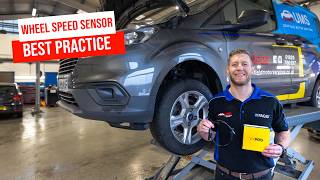
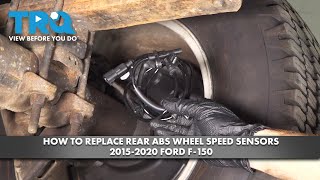
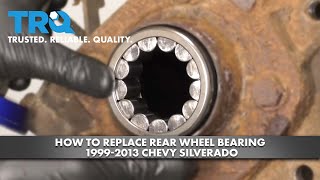
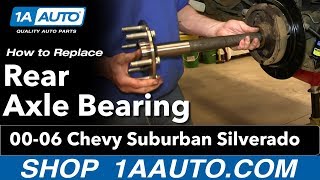

The information in this article is provided for general reference and educational purposes only. Vehicle specifications, procedures, and part compatibility can vary by production date, trim level, and region. Always consult your vehicle's factory service manual and verify part numbers before purchasing or performing repairs. Safety-critical components such as airbags, seat belts, and braking systems should be installed by a qualified professional.
- 🎬 Helpful Videos
- What Does C0231 Mean?
- Can I Drive With C0231?
- Common Causes
- Symptoms
- Diagnostic Flowchart
- Common Fixes & Costs
- DIY vs Professional
- Used vs. New Parts: Buying Guide
- What Happens If You Wait — Timeline
- Cost of Not Fixing It
- Diagnosis Steps
- When This Code Triggers (Freeze-Frame Conditions)
- Related Codes
- Climate & Environmental Factors
- How to Talk to a Mechanic About This Code
- Where to Take It: Dealer vs Independent vs Chain
- When to Walk Away From the Repair
- What Scan Tool You Need for This Code
- How to Clear the Code After You Fix It
- Will This Fail Emissions / State Inspection?
- Most Commonly Affected Vehicles
- Manufacturer-Specific Notes
- Real Owner Stories
- 2011 Subaru Outback 3.6R with multiple lights
- 2019 Ford F-150 with intermittent ABS light
- 2012 Chevy Silverado, 115K miles in a rust-belt state
- How to Prevent This Code From Triggering
- Frequently Asked Questions
- What lights will I see on my dashboard for code C0231?
- Can I just clear the code to fix the problem?
- Is fixing a C0231 code expensive?
- Why did my cruise control stop working?
- Can a pothole or hitting a curb cause this code?
- What are the most common misdiagnosis mistakes for C0231?
- My ABS light only comes on during long drives or in hot weather. Why?
- Can a bad alignment cause a C0231 code?
- Do I need to replace the sensors on both rear wheels at the same time?
- Key Takeaways
- 🎟️ Get 5% Off