

C0186 on 2011-2015 Chevrolet Volt: StabiliTrak Fault, Causes, and Fixes
Code C0186 on a 2011-2015 Chevy Volt indicates a 'Lateral Accelerometer Circuit Malfunction,' disabling the StabiliTrak system. The most common fix is replacing the Multi-Axis Acceleration Sensor, located under the front passenger seat. However, always check the 12V battery first, as a weak battery is a well-documented cause of this and other spurious communication codes on the Volt.
- C0186 means your Volt's StabiliTrak stability control system is offline due to a sensor circuit fault.
- Before any other diagnostics, have your 12V auxiliary battery professionally load-tested. A weak 12V battery is a very common cause of this and other codes on a Volt.
- If the code appears with U-prefix codes (like U0125), the problem is likely a network wiring fault, not the sensor itself.
- If the Multi-Axis sensor is replaced, it is not a plug-and-play part. It requires mandatory calibration with a professional scan tool to function.
- Do not drive aggressively or in hazardous conditions, as your primary electronic safety systems are disabled.
What's Unique About the 2011-2015 Chevrolet VOLT
The Chevrolet Volt has a highly complex electrical architecture where module communication is paramount. The Volt is extremely sensitive to low voltage from the 12V auxiliary battery, which can cause a cascade of communication-related fault codes, including C0186, before the sensor itself is condemned. Furthermore, a GM Technical Service Bulletin (TSB #PIT5076E) notes that C0186 appearing with a host of other communication codes (U-codes) points to a fault on the 'Chassis bus' network itself, rather than an individual sensor.
Diagnostic Flowchart
Tap your situation to follow the diagnostic path that matches what you're seeing on this vehicle.
Symptoms You May Notice
- "Service StabiliTrak" message on the driver information center (DIC)
- "Service Traction Control" message on the DIC
- Illuminated ABS warning light
- Illuminated Traction Control / StabiliTrak warning light (icon of a car with squiggly lines)
- Loss of power steering assist in some cases, as indicated by related TSBs.
- Replacing a wheel speed sensor. While a bad wheel speed sensor can trigger StabiliTrak warnings, it will set a different, specific code for that sensor (e.g., C0035). C0186 points specifically to the lateral accelerometer circuit.
Most Likely Causes
- Faulty Multi-Axis Acceleration Sensor 🔴 High Probability This sensor is a common failure point on many GM vehicles from this era that use the same StabiliTrak system architecture. Internal electronic failure of the sensor is common, leading to invalid or missing data being sent to the EBCM.
How to confirm: A professional scan tool can monitor live data. With the vehicle stationary on level ground, the 'Lateral Accelerometer' value should be stable near 2.5 volts. If the value is stuck (e.g., at 0V or 5V), erratic, or doesn't change when rocking the vehicle side-to-side, the sensor has failed. The presence of C0186 with symptom code 71 is a strong indicator of an internal sensor failure.
Typical fix: Replace the Multi-Axis Acceleration Sensor. On the Volt, it is located under the carpet beneath the front passenger seat. The new sensor MUST be configured and calibrated using a GM-compatible scan tool. This is a two-step process: 'Multi-Axis Acceleration Sensor Module Programming and Setup' followed by the 'Vehicle Yaw Sensor Learn' procedure.
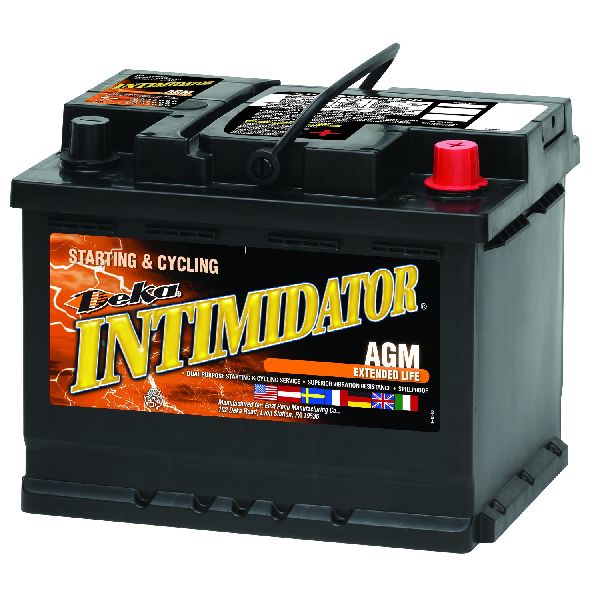
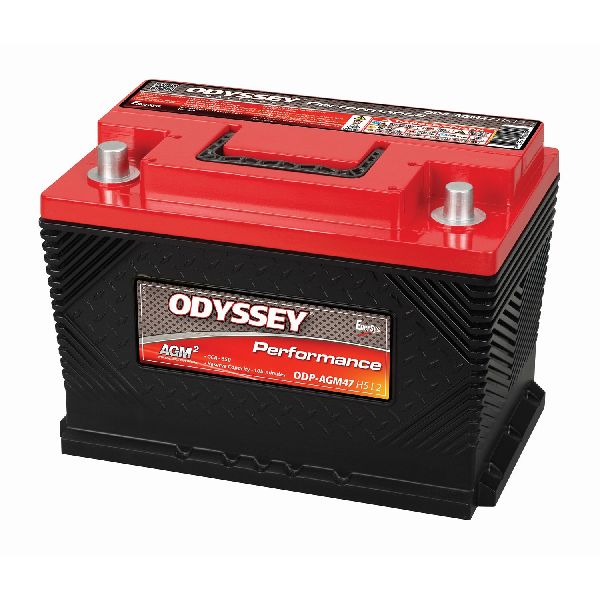
Est. part cost: $70-$180 - Weak or Failing 12V Auxiliary Battery 🟡 Medium Probability The Volt's complex network of over a dozen control modules relies on a stable 12V power supply. When the 12V AGM battery weakens, it can cause low voltage conditions and communication errors across the vehicle, triggering numerous fault codes simultaneously, including C0186. This is a very common issue as the original 12V batteries reach the end of their 3-5 year service life.
How to confirm: Perform a load test on the 12V battery located in the rear trunk area. A simple voltage check is not sufficient; it must be tested under load. If the battery is over 4-5 years old, it should be considered a primary suspect for any widespread electronic issues.
Typical fix: Replace the 12V AGM battery. After replacement, all fault codes must be cleared from all modules using a high-level scan tool, as low-voltage codes can persist and cause issues until cleared.
Est. part cost: $180-$300 for a compatible AGM battery - Chassis CAN Bus Wiring Fault ⚪ Low Probability As highlighted in TSB #PIT5076E, network communication issues can trigger a group of codes including C0186. While less common than on SUVs like the Equinox/Terrain where specific connectors corrode, wiring harnesses can still chafe or connectors can become loose, disrupting communication between modules. A TSB for other GM vehicles notes that the EBCM body wiring harness can chafe on a transmission mounting bolt, causing multiple DTCs.
How to confirm: This is the likely cause if C0186 is accompanied by communication codes like U0074, U0125, or U0126. Diagnosis involves checking the resistance of the Chassis CAN bus at the DLC (pins 12 and 13) which should be 60 Ohms with the battery disconnected. Visually inspect wiring harnesses between the EBCM, power steering module, and multi-axis sensor.
Typical fix: Locate the damaged section of the wiring harness or corroded/loose connector and repair it. This is a labor-intensive diagnostic process that requires wiring diagrams.
Est. part cost: $5-$50 for wiring repair supplies
Rare But Worth Checking
- Faulty Electronic Brake Control Module (EBCM): While less common than sensor or wiring issues, the EBCM is the central computer for the ABS and StabiliTrak systems. TSB PIT5187A explicitly states 'Do Not Replace EBCM for this concern' if C0186 is present with symptom code 71, as the fault lies with the sensor. An EBCM fault should only be considered after all other causes are definitively ruled out. On the Volt, the EBCM is difficult to access, requiring removal of the Brake Pressure Modulator Valve (BPMV) first.
Diagnosis Steps
- Check the 12V auxiliary battery FIRST. Perform a proper load test. A weak 12V battery is a known cause of multiple electronic issues on the Volt and should always be the first check for widespread electrical faults.
- Scan all vehicle modules for DTCs. Pay close attention to whether C0186 appears alone or with other communication (U-prefix) codes or sensor codes (C0196, C0287). Note any symptom bytes, such as '71' (Invalid Data), which points to an internal sensor fault.
- If C0186 appears with codes like U0125 or U0074, follow TSB #PIT5076E and diagnose the Chassis CAN bus. Check for 60 Ohms of resistance across pins 12 and 13 of the OBD-II port (with battery disconnected). Inspect wiring harnesses for chafing or damage.
- If C0186 appears alone or only with C0196/C0287, suspect the Multi-Axis Acceleration Sensor itself.
- Using a scan tool with live data capability, monitor the 'Lateral Accelerometer' parameter. The voltage should be stable around 2.5V when parked on a level surface. Rock the vehicle side-to-side; the value should change smoothly. If it is stuck, erratic, or zero, the sensor has likely failed.
- Before replacing the sensor, locate it under the front passenger seat carpet and inspect its wiring connector for corrosion or damage.
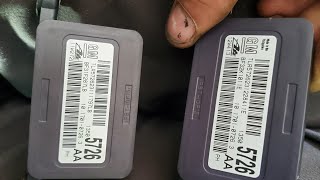
- If the sensor is deemed faulty, replace it. Part number 13505726 has been superseded by 13514501.
- After replacement, perform the mandatory two-stage calibration. Use a GM-specific scan tool to first run the 'IMU (Inertia Sensor Module)' or 'Multi-Axis Acceleration Sensor Module Programming and Setup' configuration, then perform the 'Vehicle Yaw Sensor Learn' procedure. The system will not work correctly and may set new codes if this is not done.
Parts You'll Likely Need
- Multi-Axis Acceleration Sensor
(OEM #13505726 (superseded by 13514501))— This is the most common component to fail internally, causing code C0186.
Trusted brands: ACDelco (GM Genuine), Dorman
OEM price range: $120-$180
Aftermarket price range: $70-$150 - 12V AGM Battery — A weak 12V battery is a frequent root cause of various communication and sensor fault codes on the Chevy Volt.
Trusted brands: ACDelco, Optima, Odyssey
OEM price range: $220-$300
Aftermarket price range: $180-$250
Related Codes That Often Appear With This One
- C0196 — This code is for the Yaw Rate Circuit. The yaw and lateral acceleration sensors are housed in the same Multi-Axis Sensor unit, so a failure of the unit or its wiring often triggers both codes.
- U0125 — This code means 'Lost Communication With Multi-axis Acceleration Sensor Module'. It strongly indicates the problem is a wiring, connector, or network fault rather than just an internal sensor failure. It may also be set if the sensor fails completely.
- U0074 — This code means 'Control Module Communication Bus A Off'. It is listed in TSB #PIT5076E alongside C0186 and points directly to a fault on the Chassis CAN bus network, requiring a network diagnosis instead of component replacement.
- C0287 — This code is for the Longitudinal Accelerometer circuit, which is also part of the same Multi-Axis sensor assembly. Finding C0186, C0196, and C0287 together strongly points to a failure of the single sensor unit.
Technical Service Bulletins (TSBs) & Recalls
- PIT5076E: Advises diagnosing the Chassis CAN bus when C0186 is present with other communication DTCs.
- PIT5187A: Identifies the Multi-Axis Sensor as the cause for C0186 sym71 and warns against replacing the EBCM.
Platform-Specific Known Issues
- TSB #PIT5076E: This bulletin is critical. It advises that if C0186 is found with other communication codes (U0074, U0125, U0126, etc.), the technician should diagnose the 'Chassis bus' for wiring faults before replacing any modules.
- TSB #PIT5187A: This bulletin covers related vehicles and notes that C0186 with symptom code 71 is caused by a faulty Multi-Axis sensor and the EBCM should not be replaced.
Mechanic-Grade Diagnostic Values
- Lateral Accelerometer Signal Voltage (Live Data) — expected: Approximately 2.5V with the vehicle stationary on a level surface. The operational range is typically 0.25V to 4.75V.. Failure: Voltage is stuck (e.g., at 0V or 5V), erratic, or does not change when the vehicle is rocked side-to-side. A code may set if voltage is less than 1.17V or greater than 3.83V for a specified time.
- Sensor 5V Reference Voltage (at sensor connector) — expected: Approximately 5.0V with key on, engine off.. Failure: No voltage or significantly low voltage points to a wiring or EBCM issue, not the sensor itself. NOTE: The EBCM may cut power to the sensor if a DTC is already set; a brief voltage pulse at key-on followed by very low voltage (e.g., <0.25V) can be normal with a stored code.
- Sensor Ground Circuit (at sensor connector) — expected: Less than 1 Ω of resistance to a known good chassis ground.. Failure: High resistance or an open circuit indicates a bad ground wire or connection, which can cause erratic sensor readings.
Hidden / Shadow Codes Worth Checking
- C0186 71: The symptom byte '71' means 'Invalid Data Received'. When paired with C0186, it indicates the Electronic Brake Control Module (EBCM) is receiving an invalid signal from the multi-axis sensor itself. GM TSB PIT5187A specifically notes that this combination points to an internal failure of the sensor, and the EBCM should not be replaced. (see via A professional-level scan tool capable of reading GM-specific DTCs and their associated symptom bytes, such as a GM MDI with GDS2 software.)
Scan Tool Commands That Help
- GDS2 (GM Global Diagnostic System 2): IMU Inertia Sensor Module - Configuration — This is the first mandatory step after installing a new Multi-Axis Acceleration Sensor. It configures the new module to the vehicle's network. This function is found under the Service Programming System (SPS) within GDS2.
- GDS2 (GM Global Diagnostic System 2): Yaw Rate Sensor Learn / Yaw Rate Sensor Reset — This is the second mandatory step after configuring the new sensor. It calibrates the sensor's zero point, teaching it what 'level and stationary' is for the specific vehicle. This function is typically found in the 'Multi-axis Acceleration Sensor Module Configuration/Reset Functions' list.
Wiring & Ground Locations
- K38 Multi-Axis Acceleration Sensor — Located under the carpet, beneath the front passenger seat.. This is the component that generates the signal for code C0186. Checking its connector for corrosion, damage, or loose pins is a primary diagnostic step before replacement.
- K17 Electronic Brake Control Module (EBCM) — Bolted to the Brake Pressure Modulator Valve (BPMV) assembly, located behind the radiator surge tank, near the driver's side strut tower.. The EBCM provides the 5V reference and ground to the sensor and interprets its signal. A wiring fault between the EBCM and the sensor is a possible cause. The EBCM harness has a known chafe point on other GM models where it can rub against a transmission mounting bolt.
OEM Part Supersession History
13505726→13514501— Standard part revision and consolidation across multiple GM platforms (e.g., Regal, Verano, SRX).
Heads up: The new part number 13514501 is the correct replacement for the original. Other numbers like 12784983, 13575610, 13575611, and 13581120 were also superseded by 13514501.
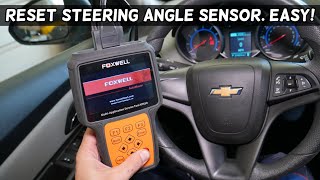
Helpful Videos

We Have This Part in Stock


The information in this article is provided for general reference and educational purposes only. Vehicle specifications, procedures, and part compatibility can vary by production date, trim level, and region. Always consult your vehicle's factory service manual and verify part numbers before purchasing or performing repairs. Safety-critical components such as airbags, seat belts, and braking systems should be installed by a qualified professional.
- Chevrolet VOLT:
- 🎬 Helpful Videos
- 🛍️ Shop This Part
- What's Unique About the 2011-2015 Chevrolet VOLT
- Diagnostic Flowchart
- Symptoms You May Notice
- Most Likely Causes
- Rare But Worth Checking
- Diagnosis Steps
- Parts You'll Likely Need
- Related Codes That Often Appear With This One
- Technical Service Bulletins (TSBs) & Recalls
- Platform-Specific Known Issues
- Mechanic-Grade Diagnostic Values
- Hidden / Shadow Codes Worth Checking
- Scan Tool Commands That Help
- Wiring & Ground Locations
- OEM Part Supersession History
- 🎟️ Get 5% Off