

OBD-II Code C0110: ABS Pump Motor Circuit Malfunction
What C0110 means, why it triggers, and how to fix it
- Code C0110 disables your ABS, Traction Control, and Stability Control due to a fault in the ABS pump motor circuit, increasing your risk of skidding during emergency stops.
- Inspect the 40-60 amp ABS fuse and clean the main ABS ground connection on the vehicle frame before replacing any expensive parts.
- Test the ABS pump motor resistance with a multimeter; a healthy motor reads between 0.1 and 1.0 ohms, while an "OL" reading confirms a dead motor.
- Avoid spending $1,200 or more on a new ABS assembly by using a $150 to $400 mail-in EBCM rebuild service if the electronic module is the confirmed failure point.
What Does C0110 Mean?

Code C0110 signifies the Electronic Brake Control Module (EBCM) detected a malfunction in the ABS pump motor's electrical circuit. This motor generates the hydraulic pressure required to rapidly pulse the brakes and prevent wheel lock-up during hard stops.
Technical definition: The SAE/OBD-II definition for C0110 is "Pump Motor Circuit Malfunction." The ABS control module sets this code when it detects an open circuit, short to ground, short to power, or high resistance in the pump motor's power or ground feeds. It also triggers if the module monitors the motor's feedback voltage and determines the pump is seized or stalled.
Can I Drive With C0110?
Yes, But With Caution. Yes, but with extreme caution. Your standard hydraulic brakes function normally, but the Anti-lock Braking System (ABS), Traction Control, and Stability Control are disabled. This significantly increases the risk of losing control during emergency braking or in slippery conditions. Have the vehicle inspected immediately to restore these critical safety features.
Common Causes

- Poor ground connection for the ABS module (Very Common) — The ABS system relies on a solid ground connection to the vehicle's frame. This ground point is highly susceptible to rust and corrosion, which increases electrical resistance and starves the pump motor of the amperage it needs to run.
- Blown ABS pump motor fuse or faulty relay (Very Common) — The ABS pump motor operates on a dedicated high-current circuit protected by a large fuse (typically 40-60 amps) and a relay. These components fail from age or electrical surges, instantly cutting power to the motor.
- Faulty ABS pump motor (Common) — The electric motor within the ABS pump assembly fails internally. It develops an open circuit in its windings, an internal short, or seizes mechanically, preventing it from running when commanded by the EBCM.
- Corroded or damaged wiring and connectors (Common) — Wiring harnesses for the ABS module are exposed to the elements under the vehicle. Moisture, road salt, and brake fluid intrusion cause corrosion on connector pins, while vibrations lead to chafed or broken wires.
- Failed Electronic Brake Control Module (EBCM) (Less Common) — The EBCM itself fails. The internal relay that powers the pump motor burns out, or the driver circuit develops a fault. On many vehicles, this relay is soldered to the circuit board and requires a specialized rebuild or full module replacement.
- Low system voltage (Uncommon) — A failing battery or alternator causes low voltage across the entire vehicle. The EBCM requires a stable voltage (typically above 10.5 volts) to operate correctly. Low voltage triggers a C0110, usually accompanied by a C0800 code.
Symptoms

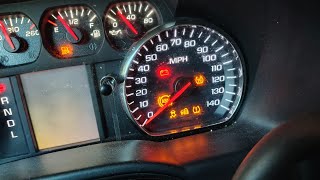
- ABS warning light is on — The dashboard ABS indicator illuminates and remains on as long as the fault is present.
- Traction Control or Stability Control light is on — Modern traction and stability control systems rely on the ABS pump. When the pump circuit fails, these systems are disabled, and their warning lights turn on.
- No ABS activation during hard braking — In an emergency stop or on a slippery surface, the wheels lock up and skid. You will not feel the characteristic pulsing in the brake pedal.
- Brake pedal feels harder than normal — Under heavy braking, the pedal feels unusually hard or unresponsive because the ABS hydraulic unit is not activating.
- Audible clicking or buzzing from the ABS module — A failing internal relay or a seized pump motor produces a clicking or buzzing sound from the ABS unit area when the ignition is turned on or off.
- Burning smell from under the hood — A shorted or seized ABS pump motor overheats, producing a distinct electrical burning smell near the ABS module.
Diagnostic Flowchart

Tap your situation to follow the diagnostic path that matches what you're seeing on this code.
Common Fixes & Costs
- Replace blown ABS fuse or relay — Parts: $5-$30, Labor: $0, ~0.1 hr book time (DIY)
- Clean and repair ABS module ground connection — Parts: $5-$15, Labor: $75-$150, ~1.0 hr book time (DIY)
- Repair damaged wiring or connector — Parts: $20-$100, Labor: $150-$300, ~2.0 hr book time (Intermediate)
- Repair/Rebuild ABS Control Module (EBCM) — Parts: $150-$400, Labor: $100-$200, ~1.5 hr book time (Intermediate)
- Replace ABS pump and module assembly — Parts: $700-$2500, Labor: $200-$500, ~2.5 hr book time (Professional)
DIY vs Professional
- Replace blown ABS fuse or relay — Beginner: Yes
Tools: Fuse puller, owner's manual. - Clean and repair ABS module ground connection — Beginner: Yes
Tools: Socket set, wire brush, electrical contact cleaner, corrosion-protectant primer. - Repair damaged wiring or connector — Beginner: No
Tools: Multimeter, wire strippers, crimpers, heat shrink tubing, soldering iron. - Repair/Rebuild ABS Control Module (EBCM) — Beginner: No (for the repair itself), Yes (for removal/reinstallation)
Tools: Socket set (Torx bits often required), basic hand tools. - Replace ABS pump and module assembly — Beginner: No
Tools: Full socket set, line wrenches, brake fluid, brake bleeding equipment, bi-directional scan tool.
Used vs. New Parts: Buying Guide
When a used part is worth it: A used ABS module/pump assembly is a cost-effective option for older, high-mileage vehicles where the cost of a new part is prohibitive. It makes sense if you source a part from a low-mileage donor vehicle with a warranty from a reputable seller.
Donor-vehicle mileage cap: roughly under 80000 miles for the part to have meaningful remaining life.
Donor quality checklist:
- Verify the part number on the used module EXACTLY matches your original part.
- Purchase from a reputable salvage yard that offers a functional warranty (30-90 days is typical).
- Inspect the unit for physical damage, heavy corrosion, or cut connectors.
Decision logic:
- If The fix is repairing your original module via a mail-in service → This is the best value, as it avoids dealer programming fees and software compatibility issues.
- If A new OEM part is available and affordable for your vehicle's value → Buy new for the longest life and manufacturer warranty.
- If Budget is the primary concern on an older vehicle → A used part from a trusted source is acceptable, but factor in the cost of professional programming.
Warranty tradeoff: Used parts typically have a 30-90 day warranty covering only the part itself, not labor. Remanufactured units often have a 1-year to limited lifetime warranty. New OEM parts carry the manufacturer's standard parts warranty.
Worst-case if a used part fails: $300-$600 if a used part fails after installation. This includes repeat labor costs and potentially the cost of programming that cannot be recovered.
What Happens If You Wait — Timeline
- Immediate: ABS, Traction Control, and Stability Control lights illuminate on the dash. The systems are disabled. Your vehicle reverts to standard, unassisted braking. (MPG impact: 0%% · Added cost: $0)
- 0-12 months: The safety risk remains the primary consequence. The underlying fault is likely electrical (fuse, ground, wiring, module) and is still repairable at a lower cost. There is no direct mechanical damage occurring yet. (MPG impact: 0%% · Added cost: $0)
- 12-24 months: The ABS pump motor, which is no longer being activated during self-tests or driving, is at a higher risk of seizing. Old, moisture-laden brake fluid sitting stagnant inside the unit accelerates internal corrosion. (MPG impact: 0%% · Added cost: Risk of turning a $150 ground/wiring fix into a $1500+ pump replacement.)
- 24+ months: The pump motor is likely seized. What started as a simple, cheap electrical fault (like a corroded ground) has become a definite mechanical failure. The entire ABS hydraulic assembly must be replaced, as the motor is integral and not sold separately. (MPG impact: 0%% · Added cost: $1200-$3000+ for a new ABS pump/module assembly, plus labor and programming.)
Cost of Not Fixing It
- Immediate: Loss of ABS, Traction Control, and Stability Control. This creates a significant safety risk, dramatically increasing the chance of losing control and having an accident during emergency braking or in slippery conditions. (Added cost: Potential for an accident with costs ranging from a deductible to a total loss of the vehicle.)
- 0-6 months: No direct mechanical damage to other components occurs. The primary cost is the ongoing and significant safety risk. (Added cost: $0)
- 6+ months: The ABS pump motor, if not used, is highly prone to seizing from internal corrosion or lack of lubrication, turning a simple electrical fix into a mandatory replacement of the expensive hydraulic unit. (Added cost: $700-$2500 for a new ABS assembly if the pump seizes.)
Diagnosis Steps
- Read and Document the Trouble Codes
Use an OBD-II scanner capable of accessing the ABS module to confirm C0110 is the active code. Note any manufacturer-specific symptom bytes (e.g., GM's '-04' for open circuit or '-61' for stuck actuator), as these provide crucial diagnostic direction. Document and clear the codes to see if they return immediately.
Tools: OBD-II Scanner (with ABS capability) (Beginner) - Inspect the ABS Fuse and Relay
Consult the owner's manual to locate the main fuse for the ABS system, typically a large 40-60 amp fuse in the under-hood fuse box. Visually inspect it for a blown filament. If a separate relay exists, swap it with an identical one from a non-critical system (like the horn) as a quick test.
Tools: Owner's manual, flashlight, fuse puller (Beginner) - Perform a Visual Inspection and Clean the Ground
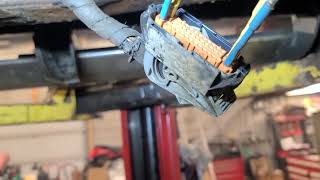
Inspect the wiring harness leading to the ABS module for chafing, melting, or cuts. Unplug the main connector and check for corrosion or bent pins. Locate the main EBCM ground wire attached to the vehicle's frame. Remove the bolt, clean the terminal and frame to bare metal with a wire brush, and reattach it securely.
Tools: Flashlight, wire brush, electrical contact cleaner (Beginner) - Check for a Stuck Pump Motor (The Hammer Trick)
For a suspected stuck pump (common with GM code C0110-61), tap the body of the ABS pump motor firmly with a small hammer while an assistant cycles the ignition or attempts to activate the pump with a scan tool. If this temporarily un-sticks the motor and clears the code, the mechanical pump is failing and requires replacement.
Tools: Small hammer (Intermediate) - Check and Load Test Power and Ground Circuits
At the EBCM connector, check for battery voltage at the main power pins and verify resistance on the ground pins is near zero. For a definitive test, connect a headlight bulb between the main power and ground pins at the EBCM connector. It must light brightly. A dim bulb indicates high resistance in the wiring that a multimeter voltage check will miss.
Tools: Multimeter, vehicle wiring diagram, headlight bulb with test leads (Advanced) - Test the ABS Pump Motor Resistance
Disconnect the pump motor from the EBCM. Using a multimeter set to Ohms, measure the resistance between the two pins of the pump motor. A healthy motor shows very low resistance (typically 0.1 to 1.0 ohm). An 'OL' or infinite reading confirms an open circuit inside the motor, requiring replacement.
Tools: Multimeter, wiring diagram (Intermediate) - Directly Power the Pump Motor (Bench Test)
With the pump motor disconnected from the module, use a fused jumper wire to briefly apply 12V power and ground directly to the motor's terminals. A good motor spins up instantly. If it doesn't run, or sparks excessively, the motor is faulty. This definitively separates a motor failure from a module failure.
Tools: Fused jumper wires, 12V battery source (Advanced) - Monitor Live Data and Command the Pump On
Using a bi-directional scan tool, monitor the EBCM live data for pump motor voltage. Command the ABS pump motor on. If the scan tool indicates the command was sent but the pump does not run (and you have already verified power, ground, and motor resistance), the EBCM internal circuitry has failed.
Tools: Bi-directional scan tool (Advanced)
When This Code Triggers (Freeze-Frame Conditions)
- System Voltage: 10.5-17V (The EBCM must see stable system voltage to run its self-tests.)
- Vehicle State: Ignition ON (The EBCM performs an initial static self-test of its internal circuits and solenoids as soon as the key is turned on.)
- Vehicle Speed: 3-10 mph (A dynamic self-test, which includes briefly activating the pump motor, is performed the first time the vehicle exceeds a low speed after startup.)
- Brake Pedal: Not Pressed (The pump motor self-test is typically run when the brakes are not being applied.)
Related Codes
- C0267 — Means "Pump Motor Circuit Open." This is a more specific version of C0110. If you have C0267, the fault is almost certainly a blown fuse, a complete break in the wiring, or an internal open in the pump motor windings.
- C0268 — Means "Pump Motor Circuit Shorted." This is another specific version of C0110, indicating the control module detected a short to ground or short to power in the pump motor circuit.
- C0800 — Indicates "Device Power #1 Circuit Low Voltage." If this code appears alongside C0110, it points towards a systemic low voltage issue affecting the entire ABS module. Test the vehicle's battery and alternator first.
- U0121 — Means "Lost Communication With Anti-Lock Brake System (ABS) Control Module." If you see this code with C0110, the entire module is failing, powered down due to a bad fuse/ground, or there is a CAN bus network problem.
Climate & Environmental Factors
- High Humidity / Rain: Moisture penetrates weathered seals on wiring connectors or the EBCM housing itself, leading to corrosion and short circuits. Water intrusion is a known cause of failure.
- Cold Climates / Road Salt: Road salt is highly corrosive and dramatically accelerates the rusting of the vehicle's frame. This is the primary cause of failure for the critical EBCM ground connection, especially on GM trucks.
How to Talk to a Mechanic About This Code
Say this: "I have an ABS light on and my scanner shows code C0110 for the pump motor circuit. I'd like to schedule a diagnostic appointment. Can you please start by checking the simple things like the main 60-amp ABS fuse, the module ground on the frame rail, and load testing the power and ground wires at the module connector before recommending a full assembly replacement?"
This signals to the shop that you've done your research and understand the common, inexpensive failure points for this code. It directs them to perform a proper electrical diagnosis to isolate the fault, preventing them from immediately quoting an expensive and potentially unnecessary ABS module replacement.
Avoid saying:
- 'My ABS light is on, can you fix it?'
- 'Just replace whatever is broken.'
- 'My brakes feel funny, I think it's the ABS.'
Questions to ask before authorizing the repair:
- Did you find the fault in the power, ground, or motor control circuit?
- What was the resistance reading across the pump motor itself?
- Did you load-test the main power and ground circuits to the EBCM, or just check for voltage?
- If the module needs replacement, is it the electronic part (EBCM) or the hydraulic pump (BPMV), and will the new module require VIN programming?
- What is the warranty on the recommended part and the labor?
Where to Take It: Dealer vs Independent vs Chain
- Dealer:
Recommended only if a new module requires proprietary dealer programming. Otherwise, an independent shop is more cost-effective.
Best for: Vehicles under warranty., Repairs that require mandatory VIN programming of a new module that independent shops cannot perform., Complex, intermittent issues on very new or uncommon vehicles.
Downsides: Highest labor rates., More likely to replace the entire ABS assembly rather than diagnose a specific component (wiring, ground) or recommend a module rebuild service. (Typical cost: +50% vs. baseline) - Independent Shop:
Best fit. An experienced independent technician is the ideal choice for diagnosing the root cause of a C0110, which is often a simple electrical fault, saving you from the high cost of a full assembly replacement.
Best for: Out-of-warranty vehicles., Diagnosing and repairing common failures like corroded grounds or bad wiring., Removing an EBCM and sending it out for a mail-in repair service., Installing and programming used or remanufactured modules, which many dealers refuse to do.
Downsides: Shop must have a professional-grade, bi-directional scan tool to properly diagnose the system and perform an ABS bleed., Quality varies; look for ASE certifications and good reviews on electrical diagnostics. (Typical cost: +0% vs. baseline) - Chain Shop:
Avoid for diagnosis. Only use if you have already pinpointed a simple part failure (like a relay) and just need it installed. Do not rely on them for the initial diagnostic work on a C0110.
Best for: Simple parts replacement like a fuse or relay if you have already diagnosed it yourself.
Downsides: Technician skill in complex electrical diagnostics is highly variable., Less likely to have advanced bi-directional scan tools or the expertise to perform load tests or wiring repairs., High pressure to sell a complete (and expensive) ABS assembly replacement. (Typical cost: -10% vs. baseline)
When to Walk Away From the Repair
If the estimated repair cost exceeds 40-50% of the car's private-party value, and the car has other pending issues, you should seriously consider selling it as-is or trading it in. Because C0110 is a major safety issue, it must be fixed or disclosed upon sale.
- Car worth $4000, fix is $2000: Walk away. The repair cost is 50% of the car's value. It is not economical to perform this repair.
- Car worth $15000, fix is $2200: Fix it. The repair cost is well below the threshold and restores a critical safety system.
- Car worth $3000, fix is $800: Fix it. This cost is likely for a wiring repair or rebuilt module, which is a reasonable expense to make the car safe and saleable.
What Scan Tool You Need for This Code
Minimum: A scanner that can read and clear Anti-lock Brake System (ABS) fault codes. A basic engine-only code reader will not see 'C' codes.
A basic ABS reader will only show you the C0110 code. It cannot command the ABS pump motor to turn on for testing, nor can it perform the automated ABS bleed procedure required after replacing the hydraulic unit. For a proper diagnosis to avoid replacing the wrong parts, a bi-directional tool is essential.
Budget: BlueDriver Pro (~$100) — Reads and clears ABS codes, shows live data from the ABS module, and provides repair reports. It lacks bi-directional control, so it cannot command the pump on for testing or perform an ABS bleed.
Mid-range: Foxwell NT510 Elite / XTOOL D7 (~$180) — Provides full bi-directional control. This allows you to command the ABS pump motor on/off to see if it works, which is a critical diagnostic step. It can also perform the automated ABS bleed procedure after a hydraulic unit replacement.
Professional: Autel MaxiCOM MK808 / Innova 5610 (~$450-550) — Offers full OEM-level bi-directional control, advanced data graphing, and can perform ABS module programming/initialization on many vehicle makes after replacement. These are professional-grade tools for serious DIYers or independent shops.
Rent vs buy: Most auto parts store loaner tools are basic code readers that cannot read ABS codes or perform bi-directional functions. If you plan to diagnose and fix this issue yourself, buying a mid-range scanner with bi-directional ABS control is a worthwhile investment that saves you money over a single diagnostic fee at a shop.
How to Clear the Code After You Fix It
- Use an OBD-II scanner with ABS capability to clear the code.
- Cycle the ignition off, then start the engine.
- Drive the vehicle, exceeding 15 mph to allow the EBCM to perform a full dynamic self-test.
Drive cycle (~5 minutes): After clearing the code, a short drive is sufficient. The EBCM runs its self-check at key-on and again once the vehicle starts moving. If the repair was successful, the ABS light remains off. If the fault persists, the light returns immediately or during the first few minutes of driving.
Readiness monitors affected: None
Watch out for:
- Disconnecting the battery will not reliably clear a C0110 code from the EBCM's memory; a proper scan tool is required.
- The code returns immediately if the underlying electrical or mechanical fault has not been corrected.
- Using a basic OBD-II code reader that cannot access the ABS module will not clear this code.
Will This Fail Emissions / State Inspection?
No — by itself this code doesn't fail OBD inspection (but it can keep readiness monitors from setting, which causes a separate fail).
- California: An illuminated ABS light will NOT cause a failure of the California Smog Check, which is primarily an emissions test. The test does not check for ABS system faults.
- New York: An illuminated ABS warning light IS grounds for failure of the annual safety inspection.
- Texas: An illuminated ABS light will NOT cause a failure of the Texas safety inspection. The check is for the primary service brakes and the red 'Brake' warning light.
Most Commonly Affected Vehicles
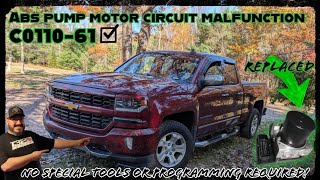
- Chevrolet / GMC Silverado / Sierra (2007-2014) — Extremely common issue is corrosion of the main EBCM ground connection located on the frame rail behind the driver's side front wheel. Often sets an intermittent C0110-61 (Actuator Stuck).
- Chevrolet Trailblazer / GMC Envoy (2002-2009) — Highly prone to both EBCM internal failure and corrosion at the frame ground connection. The ground is a frequent point of failure.
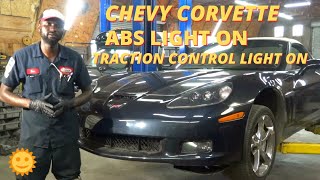
- Chevrolet Corvette (2005-2013) — Commonly suffers from internal EBCM failure or corrosion in the connector between the EBCM and the BPMV (pump), sometimes caused by brake fluid wicking into the connector.
- Ford F-150 (2007-2014) — Known for internal ABS module failures, which cause communication issues, speedometer failure, and the C0110 code. Repair services for the module are a popular alternative to expensive replacement.
- Chevrolet Express / GMC Savana (2015-2018) — These vans develop an open circuit within the pump motor windings itself, setting a C0110-04 code. Diagnosis requires testing motor resistance directly to confirm the fault is in the hydraulic unit.
- Honda Civic / City (2006-2015) — On many Honda models, C0110 points directly to an internal failure of the ABS modulator-control unit assembly, requiring replacement of the unit.
- Hyundai Creta / i20 (2015-2020) — A burnt-out ABS pump relay is a frequent cause for this code on several Hyundai models. Checking the relay first is a key diagnostic step.
- Saab 9-5 (2010-2011) — The pump motor relay is integrated into the EBCM circuit board. A failure of this non-serviceable relay necessitates the repair or replacement of the entire EBCM.
- Tata Nexon / Harrier (2017-2022) — These models have issues where the C0110 code points to a general pump circuit failure, requiring inspection of fuses, wiring, and the module.
Manufacturer-Specific Notes
- General Motors (Chevrolet, GMC, Cadillac): GM uses a two-digit symptom code critical for diagnosis. C0110-04 means an open circuit, C0110-07 means voltage above threshold, and C0110-61 indicates a stalled or binding pump motor. The C0110-61 is famously linked to the corroded ground on the frame of GMT900 trucks.
- Ford: On many F-150s from the 2007-2014 era, the ABS module itself is the common point of failure. This manifests as a C0110 code but also causes the speedometer to stop working and triggers multiple warning lights.
- Saab: On models like the 2010-2011 9-5, the ABS pump motor relay is not a separate, plug-in component. It is integrated directly onto the EBCM's circuit board. A failed relay requires a specialized board-level repair or a complete EBCM replacement.
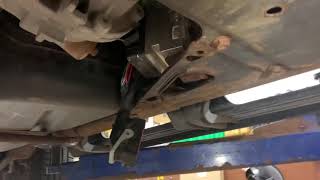
- Corvette: The design of the C6 (2005-2013) places the EBCM directly onto the Brake Pressure Modulator Valve (BPMV). It is common to find corrosion or brake fluid that has wicked into the electrical connector between the two halves, directly causing a C0110 fault.
Real Owner Stories
2004 Chevrolet Trailblazer with C0110
ABS light came on. Scan tool showed a history code for C0110 but no current code. Clearing the code did not turn off the light. Brakes seemed to work normally.
Outcome: The problem was a corroded ground connection on the frame rail behind the driver's side front tire. After cleaning the ground, the issue was resolved. This is a very common failure point on this platform.
Lesson: Always check and clean the main EBCM ground connection before suspecting more expensive parts like the pump or module, especially on GM trucks and SUVs known for this issue.
2011 Chevrolet Corvette LS3 with C0110
ABS, Traction Control, and Active Handling lights were on every time the car started. A scanner confirmed code C0110, Pump Motor Circuit Malfunction.
Outcome: The owner repaired the faulty ground wire in the harness, providing a permanent fix and extinguishing the warning lights. Another common issue on Corvettes is corrosion or brake fluid inside the connector between the EBCM and the pump.
Lesson: On a C6 Corvette, a C0110 code warrants a close inspection of both the main ground wire and the large electrical connector between the electronic module and the hydraulic pump for any signs of corrosion or fluid intrusion.
2004 Chevrolet Silverado 2500 with persistent C0110
Owner was chasing a C0110 code. The ABS light was on, and an Autel scanner would only intermittently communicate with the module.
Outcome: The owner was advised to load-test the power and ground circuits. The underlying issue was high resistance in the power or ground wiring that couldn't supply the 5-10 amps the pump needs under load, a problem a simple voltage test missed. The module defaults to C0110 when the pump doesn't run as commanded, even if the module and pump are good.
Lesson: Do not replace expensive components like the EBCM or pump assembly without first proving the power and ground circuits can carry a real load. A simple multimeter test showing 12V is not enough; using a headlight bulb to load the circuit reveals high-resistance faults.
2018+ Chevrolet Silverado with C0110-61 (Actuator Stuck)
ABS, Stabilitrak, and Traction Control lights came on. The code was C0110 with a '-61' symptom byte, indicating a stuck pump motor.
Outcome: The 'hammer trick' temporarily unstuck the pump motor, confirming a mechanical issue within the pump. When the light returned and the trick no longer worked, it indicated the pump needed to be replaced.
Lesson: For a GM vehicle with a C0110-61 code, the 'hammer trick' is a valid diagnostic step. If tapping the pump motor allows the code to clear, you have confirmed a mechanical pump failure, not an electrical one.
How to Prevent This Code From Triggering
- Perform a complete brake fluid flush every 2-3 years. (Every 2-3 years) — Brake fluid is hygroscopic, meaning it absorbs moisture over time. This moisture causes internal corrosion of the delicate solenoid valves and the pump motor within the ABS hydraulic unit, leading to seizure or malfunction.
- Periodically clean and protect the main EBCM ground connection. (Every few years, or when working in the area) — The ground connection on the frame is exposed to road salt and moisture, causing rust and high resistance, which is a primary cause of C0110. Cleaning it to bare metal and applying a corrosion inhibitor prevents this failure.
- Apply dielectric grease to the main ABS electrical connector. (When the connector is disconnected for any service) — Dielectric grease creates a moisture-proof barrier, preventing water and salt from causing corrosion on the connector pins. This maintains a solid electrical connection and prevents intermittent faults.
- Activate the ABS system intentionally a few times per year. (2-3 times per year) — In a safe location (like an empty, wet parking lot), performing a hard stop to engage the ABS pump helps circulate brake fluid and move the internal components. This prevents the pump motor from seizing due to long periods of inactivity.
Frequently Asked Questions
Can I fix a C0110 code myself?
Yes, simple fixes like replacing a blown 60-amp fuse or cleaning a corroded frame ground are highly DIY-friendly. However, replacing the entire ABS module requires brake fluid handling and specialized scan tools for automated bleeding. Leave module replacement to a professional if you lack bi-directional diagnostic equipment.
How much does it cost to fix a C0110 code?
Costs range from $5 for a new fuse to over $2,000 for a complete ABS pump and module replacement at a dealership. Cleaning a corroded ground connection costs nothing but your time. Using a mail-in EBCM repair service typically costs between $150 and $400 and avoids expensive dealer programming fees.
Will my regular brakes still work with a C0110 code?
Yes, your standard hydraulic braking system functions normally. However, your anti-lock braking (ABS), traction control, and stability control systems are completely disabled. This significantly compromises vehicle safety and increases stopping distances in emergency situations or on slippery roads.
What is the difference between the ABS pump and the ABS module?
The ABS pump (BPMV) is the mechanical hydraulic block containing the motor that physically pulses the brake fluid pressure. The ABS module (EBCM) is the computer bolted to the pump that controls it. They are often sold as a single assembly but can sometimes be separated for individual replacement or repair.
What's a common misdiagnosis for C0110?
A frequent mistake is replacing the expensive ABS module when the true fault is a corroded ground wire or a blown fuse. Shops also mistakenly replace the computer module when the internal pump motor windings have failed. A skilled technician uses a bi-directional scan tool and load-testing to isolate the exact failure point before ordering parts.
The code is intermittent. What should I check first?
Intermittent C0110 codes are almost always caused by a poor electrical connection. Check the main ground wire for the ABS module where it attaches to the vehicle's frame, as rust causes high resistance. Also, inspect the main electrical connector at the module for moisture or loose pins.
Can a low battery cause a C0110 code?
Yes, if system voltage drops below 10.5 volts, the ABS module cannot function correctly and triggers this code. This is usually accompanied by a C0800 (Low Voltage) code. Always test your battery and alternator first if multiple electrical codes appear simultaneously.
What does the symptom code C0110-61 mean on my GM truck?
The "-61" suffix on General Motors vehicles means "Actuator Stuck." The module commands the pump motor on and detects that the motor is binding or stalled based on voltage feedback. This is most commonly caused by a corroded ground connection on the frame rail dropping the voltage, rather than a physically broken pump.
Key Takeaways
- Code C0110 disables your ABS, Traction Control, and Stability Control due to a fault in the ABS pump motor circuit, increasing your risk of skidding during emergency stops.
- Inspect the 40-60 amp ABS fuse and clean the main ABS ground connection on the vehicle frame before replacing any expensive parts.
- Test the ABS pump motor resistance with a multimeter; a healthy motor reads between 0.1 and 1.0 ohms, while an "OL" reading confirms a dead motor.
- Avoid spending $1,200 or more on a new ABS assembly by using a $150 to $400 mail-in EBCM rebuild service if the electronic module is the confirmed failure point.
Helpful Videos


The information in this article is provided for general reference and educational purposes only. Vehicle specifications, procedures, and part compatibility can vary by production date, trim level, and region. Always consult your vehicle's factory service manual and verify part numbers before purchasing or performing repairs. Safety-critical components such as airbags, seat belts, and braking systems should be installed by a qualified professional.
- 🎬 Helpful Videos
- What Does C0110 Mean?
- Can I Drive With C0110?
- Common Causes
- Symptoms
- Diagnostic Flowchart
- Common Fixes & Costs
- DIY vs Professional
- Used vs. New Parts: Buying Guide
- What Happens If You Wait — Timeline
- Cost of Not Fixing It
- Diagnosis Steps
- When This Code Triggers (Freeze-Frame Conditions)
- Related Codes
- Climate & Environmental Factors
- How to Talk to a Mechanic About This Code
- Where to Take It: Dealer vs Independent vs Chain
- When to Walk Away From the Repair
- What Scan Tool You Need for This Code
- How to Clear the Code After You Fix It
- Will This Fail Emissions / State Inspection?
- Most Commonly Affected Vehicles
- Manufacturer-Specific Notes
- Real Owner Stories
- 2004 Chevrolet Trailblazer with C0110
- 2011 Chevrolet Corvette LS3 with C0110
- 2004 Chevrolet Silverado 2500 with persistent C0110
- 2018+ Chevrolet Silverado with C0110-61 (Actuator Stuck)
- How to Prevent This Code From Triggering
- Frequently Asked Questions
- Can I fix a C0110 code myself?
- How much does it cost to fix a C0110 code?
- Will my regular brakes still work with a C0110 code?
- What is the difference between the ABS pump and the ABS module?
- What's a common misdiagnosis for C0110?
- The code is intermittent. What should I check first?
- Can a low battery cause a C0110 code?
- What does the symptom code C0110-61 mean on my GM truck?
- Key Takeaways
- 🎟️ Get 5% Off